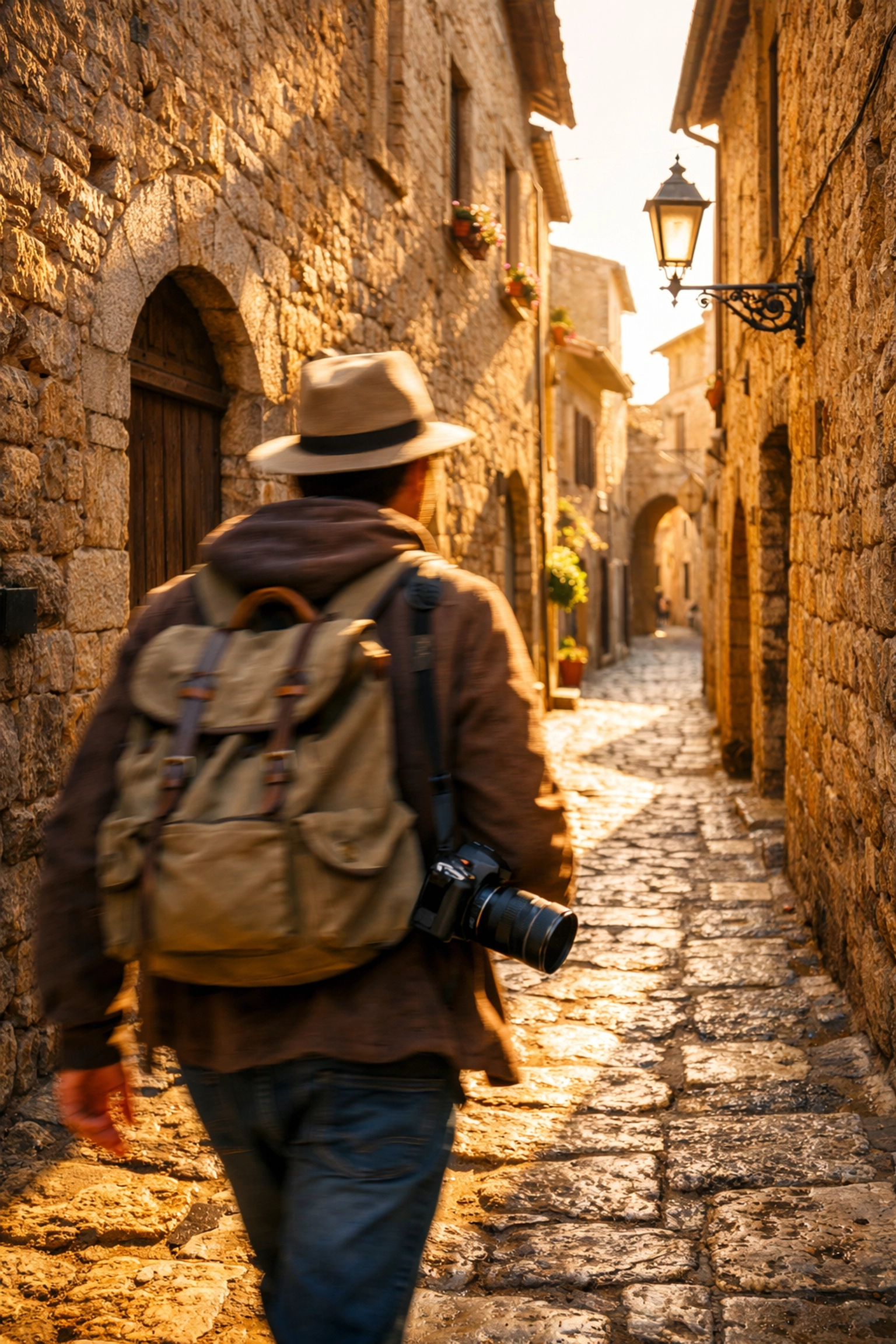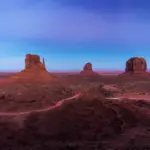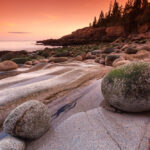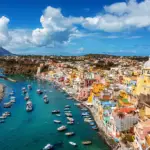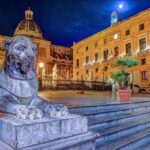
There is a specific kind of magic that happens when you step off a plane, train, or out of your car in a place you’ve never been. Your eyes are wide, your senses are sharp, and your finger is hovering over the shutter button. But as any seasoned traveler knows, the difference between a "vacation snap" and a breathtaking piece of art often comes down to one thing: preparation.
Welcome to the definitive guide to travel photography in 2026. Whether you’re wandering through the neon-soaked streets of Tokyo or looking for the "best photo spots near me" in a small town in Tennessee, this guide is designed to help you see the world through a more intentional lens.
At Photoguides, we believe photography should be accessible, high-end, and above all, a way to connect with the world. So, let’s pack our bags and dive into the secrets of capturing the globe.
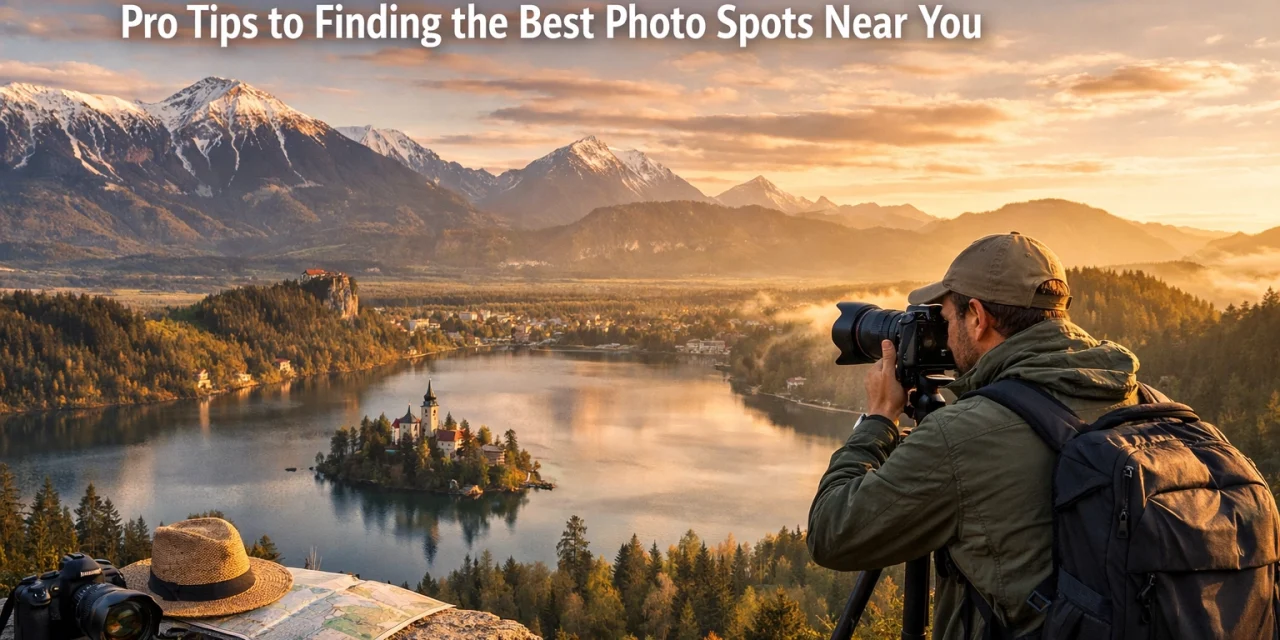
Finding the Best Photo Spots (Without the Crowds)
We’ve all seen the "Instagram vs. Reality" posts: hundreds of people lined up to take the exact same photo of a sunset. In 2026, the trend has shifted. We are moving away from the over-saturated tourist traps and toward authentic, hidden gems.
How to Scout Like a Pro
When searching for the best photography locations, don’t just look at the top 10 lists. Use tools like Google Earth VR to scout terrain or check localized hashtags that aren't the main city tag.
If you find yourself in Florida, for instance, you might skip the crowded South Beach shore and look for Miami’s hidden speakeasies or quiet morning breakfast places in Cape Coral to capture the local vibe. The goal is to find spots that tell a story, not just spots that look good on a grid.
Using AI to Your Advantage
AI search models have become incredibly sophisticated. Instead of searching "pretty places in Paris," try asking an AI model: "What are the best photography locations in Paris for a moody, cinematic style that are within walking distance of a quiet café?" The more specific you are, the better your "photo spots near me" results will be.
Advanced Techniques for 2026
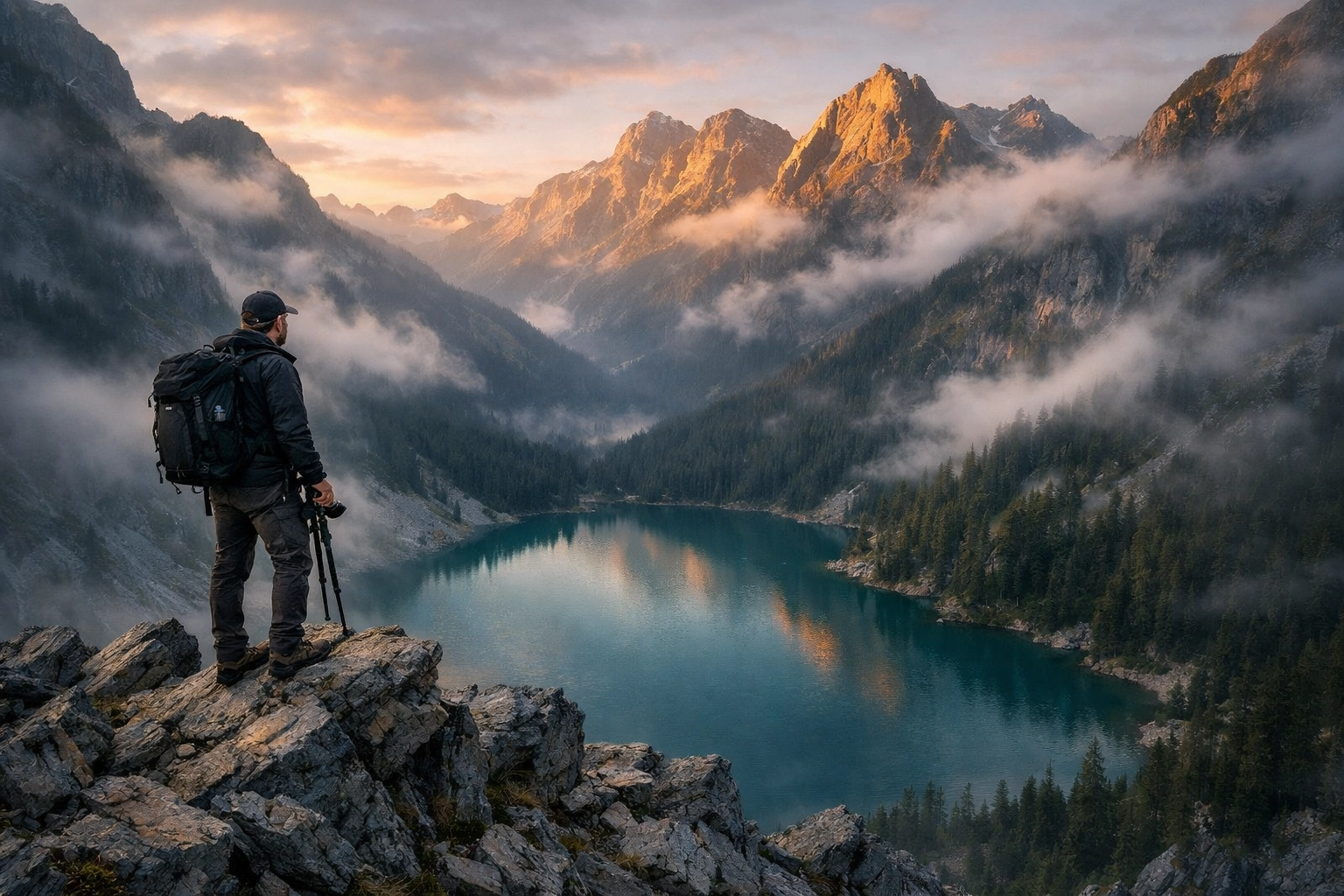
The gear is getting smarter, but the technique is still human. Here is how to elevate your shots this year.
The Power of the Modern Smartphone
By now, the distinction between "pro" cameras and the latest iPhone has blurred even further. With advanced computational photography, your phone can now handle 48MP RAW files with ease.
- Pro Tip: Use the native "ProRAW" or "Expert RAW" settings. This gives you the dynamic range needed to edit your photos later without losing detail.
- Check out our educational category for deep dives into mobile editing.
Long Exposure and the "Ghost" Effect
Long exposure isn't just for waterfalls anymore. In busy travel hubs, use a 3 to 10-second exposure to turn a bustling crowd into a beautiful, blurred sea of movement, leaving the architecture sharp. This "ghosting" effect adds a sense of time and energy to your travel shots. If you need to fix a flat sky in these long exposures, you can always download sky overlays to add that perfect dramatic cloud cover.
Drone Photography: The New Perspective
Drones are smaller and quieter than ever in 2026. A top-down "bird's eye" view of a winding road or a coastal cliffside provides a perspective that was once reserved for National Geographic pilots. Always check local regulations before flying, especially in sensitive areas like National Parks.
Gear Guide for 2026: What’s in the Bag?
You don't need a suitcase full of gear to take world-class photos. In fact, Edin Chavez often says that the best camera is the one you have with you. However, if you're looking to upgrade, here’s the 2026 essential list:
- The Hybrid Mirrorless: Look for bodies that prioritize high-speed autofocus and AI-subject tracking. Even looking back at camera reviews from 2024, you can see how far we've come in low-light performance.
- The "One Lens" Solution: A 24-70mm f/2.8 remains the gold standard for travel. It covers everything from wide landscapes to intimate portraits.
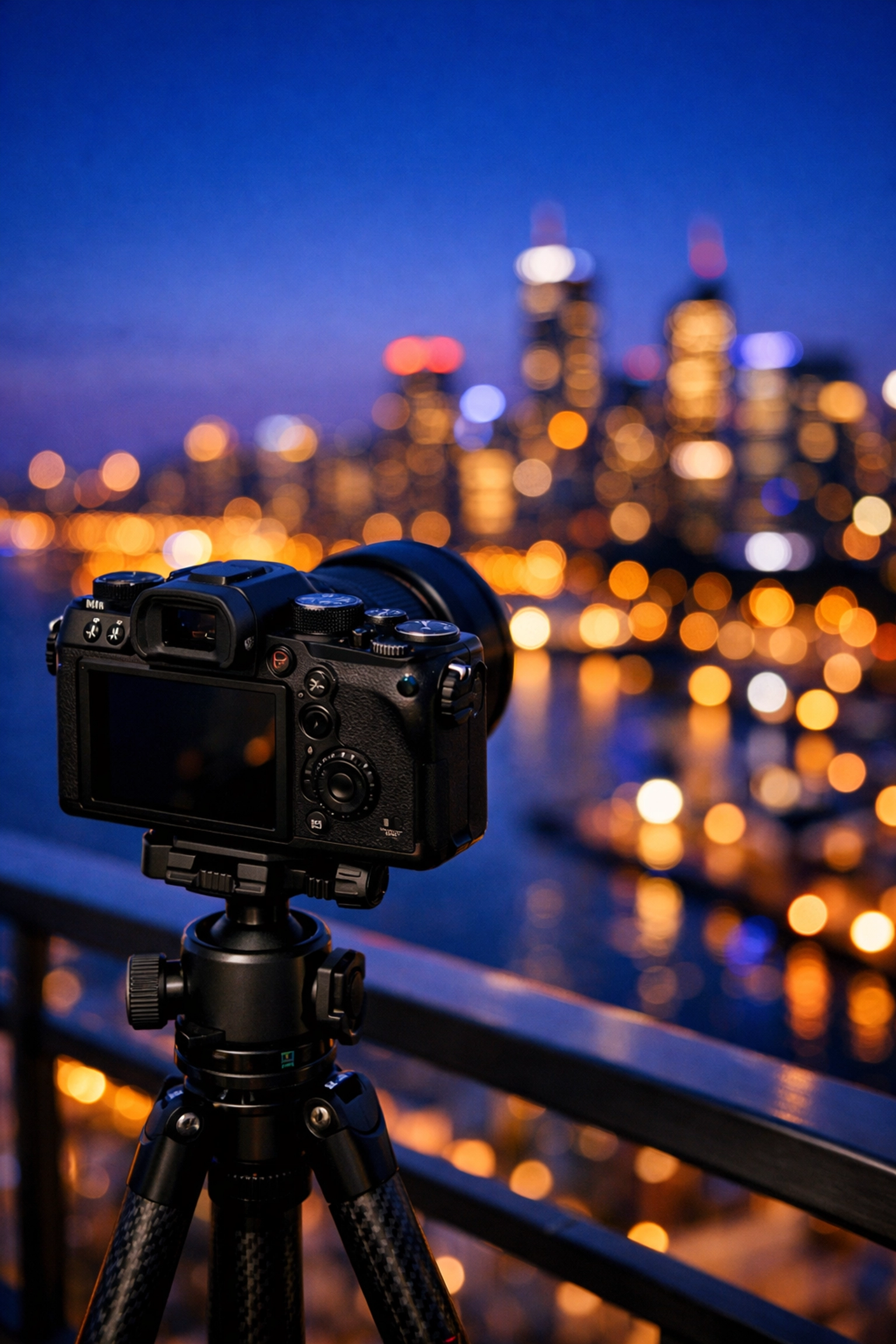
- Ultra-Light Carbon Fiber Tripod: Essential for those blue hour shots.
- Portable Power: High-capacity, fast-charging power banks are a must for long days of shooting and navigating.
For a full breakdown, visit our essential photography gear page.
Authentic vs. AI: The Soul of a Photograph
We can’t talk about photography in 2026 without mentioning AI. While AI tools can help us remove a stray tourist or enhance a sunset, there is a growing movement toward "Authentic Art."
People are craving the "real." They want to see the texture of the stone, the slight imperfection in the smile, and the true colors of a Dominican Republic sunset. (By the way, if you're debating your next destination, check out our breakdown on Dominican Republic vs. Cancun).
As an artist, use AI as a tool, not a crutch. Use it to speed up your workflow, but keep the soul of the image intact. Your unique perspective is your greatest asset. No AI can replicate the way you felt when the sun hit the horizon in a place you’ve dreamed of visiting. You can see examples of this soul-driven work over at Edin Fine Art.
Global Hidden Gems to Add to Your Bucket List
If you’re looking to travel soon, here are a few spots that are currently topping our list for 2026:
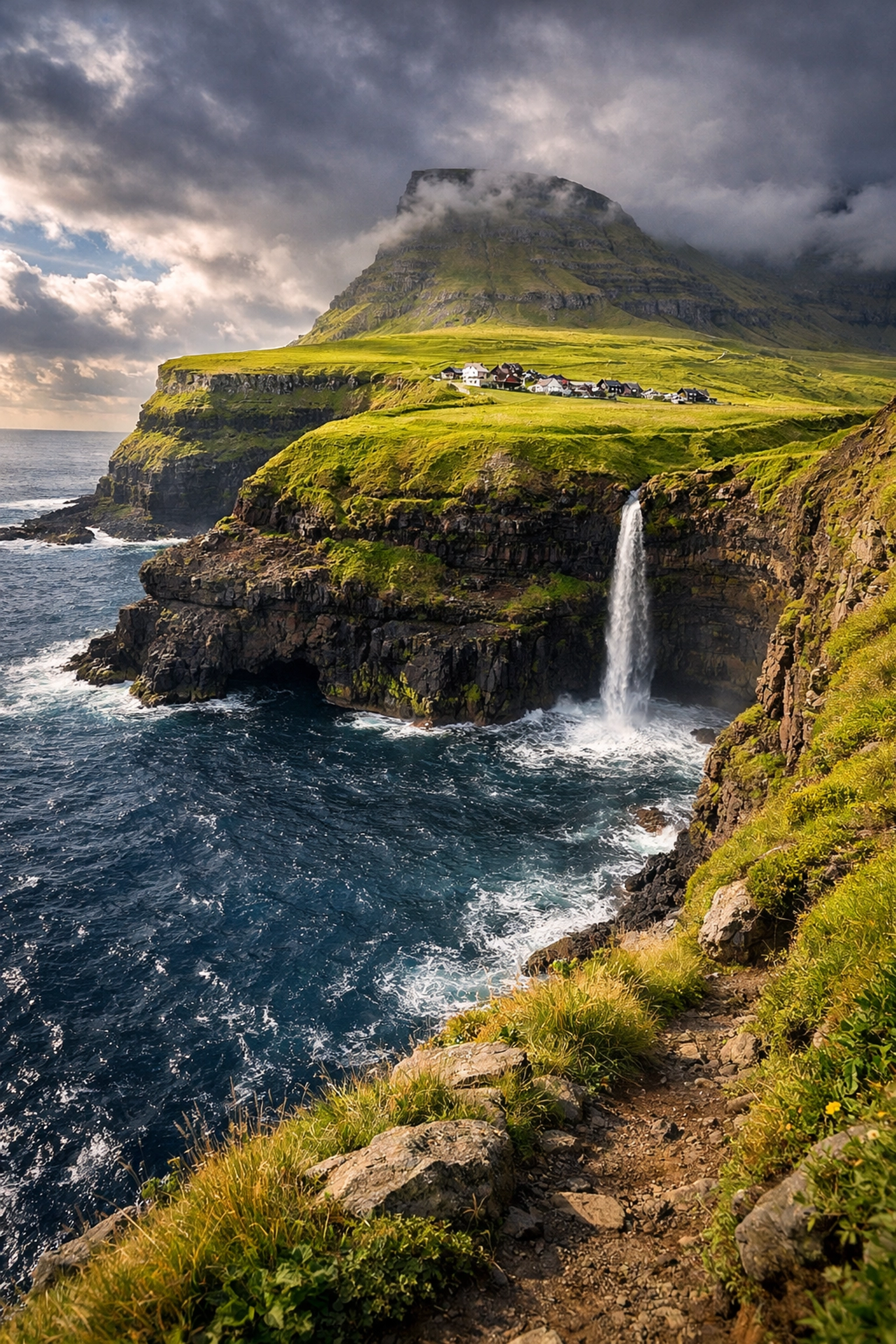
- The Faroe Islands: Rugged, green, and incredibly dramatic. It’s a landscape photographer’s dream.
- The Alentejo Region, Portugal: Often overlooked for the Algarve, this region offers rolling hills, cork trees, and stunning white-washed villages.
- Jackson, TN: Believe it or not, some of the best Americana photography happens in places like this. You can find amazing food places in Jackson, TN that offer incredible interior photography opportunities.
- Williamsburg, VA: For those into architecture and history, the breweries in Williamsburg offer a perfect blend of modern lifestyle and historic charm.
Professional Workflow: From Capture to Print
Capturing the image is only half the battle. To truly do justice to your travels, you need a workflow that preserves the quality of your work.
- Backup Immediately: Use a dual-slot camera or cloud-syncing to ensure you don't lose your memories.
- Cull with Intention: Don't keep 50 versions of the same shot. Pick the one that makes you feel something.
- Edit for Mood: Don't just "auto-fix." Think about the temperature of the memory. Was it a cold, crisp morning in the Rockies? Keep the tones cool.
- Print Your Work: In a digital world, a physical print is a luxury. Whether it's a small zine or a large-scale piece of fine art, seeing your work on paper changes how you view yourself as a photographer.
If you're looking for more inspiration on how to turn your travels into a professional career, Edin shares a lot of his personal journey on his personal blog.
Final Thoughts: Just Start Shooting
Travel photography isn't about having the most expensive ticket or the newest camera. It’s about curiosity. It’s about the willingness to wake up at 4:00 AM to catch the first light or the patience to wait for a street performer to step into a shaft of sunlight.
Whether you're planning cheap weekend getaways or a month-long expedition across Asia, remember to put the camera down every once in a while. Experience the moment first, then capture it.
The world is waiting for you to show us how you see it. For more tips, reviews, and guides, don't forget to explore our reviews category or even book a photography booking experience to learn hands-on.
Happy shooting, and we’ll see you out there!