Meta title: Travel Photography Tips (2026): Gear, Locations, iPhone, Drone & AI Trends
Meta description: Master travel photography in 2026 with practical tips on lighting, composition, storytelling, iPhone and drone techniques, long exposure, AI editing trends, and how to find the best photography locations and hidden photo spots near you.
Travel photography in 2026: what actually matters (and what doesn’t)
The tools have changed fast, smartphones can shoot RAW, drones are quieter and smarter, and AI can fix (or fake) almost anything. But the photos that stop people mid-scroll still come down to the same core skills:
- Light: when you shoot matters more than what you shoot with
- Composition: structure is what makes a scene readable
- Story: the “why” behind the photo beats another postcard landmark
- Preparation: scouting and timing are the real cheat codes
- Tasteful editing: natural, consistent looks are winning in 2026
If you want travel photography tips that translate to better photos immediately, start here.
How to find the best photography locations (and the photo spots near you)
High-intent search phrases like “best photography locations” and “photo spots near me” aren’t just SEO terms, they’re how most people plan shoots now. Use that behavior to your advantage, even when you’re traveling.
Build a “location short list” before you land
A quick workflow that works anywhere:
- Google Maps + Street View: save pins for viewpoints, alleys, rooftops, and walkable areas
- Google Earth: check elevation, mountains, coastlines, and where the sun will rise/set
- Instagram (or TikTok) geotags: useful for confirming what’s popular and spotting overdone angles to avoid
- Local blogs + Atlas Obscura-style lists: often the best source for hidden gems
- Ask locals: hotel staff, baristas, tour guides, ask, “Where would you take a friend for a great view?”
Pro tip: Search within Maps for terms like “viewpoint,” “pier,” “overlook,” “botanical garden,” “rooftop,” “market,” and “old town.” These queries reliably surface photogenic places that aren’t “top 10 tourist attractions.”
Hidden gems > famous landmarks (most of the time)
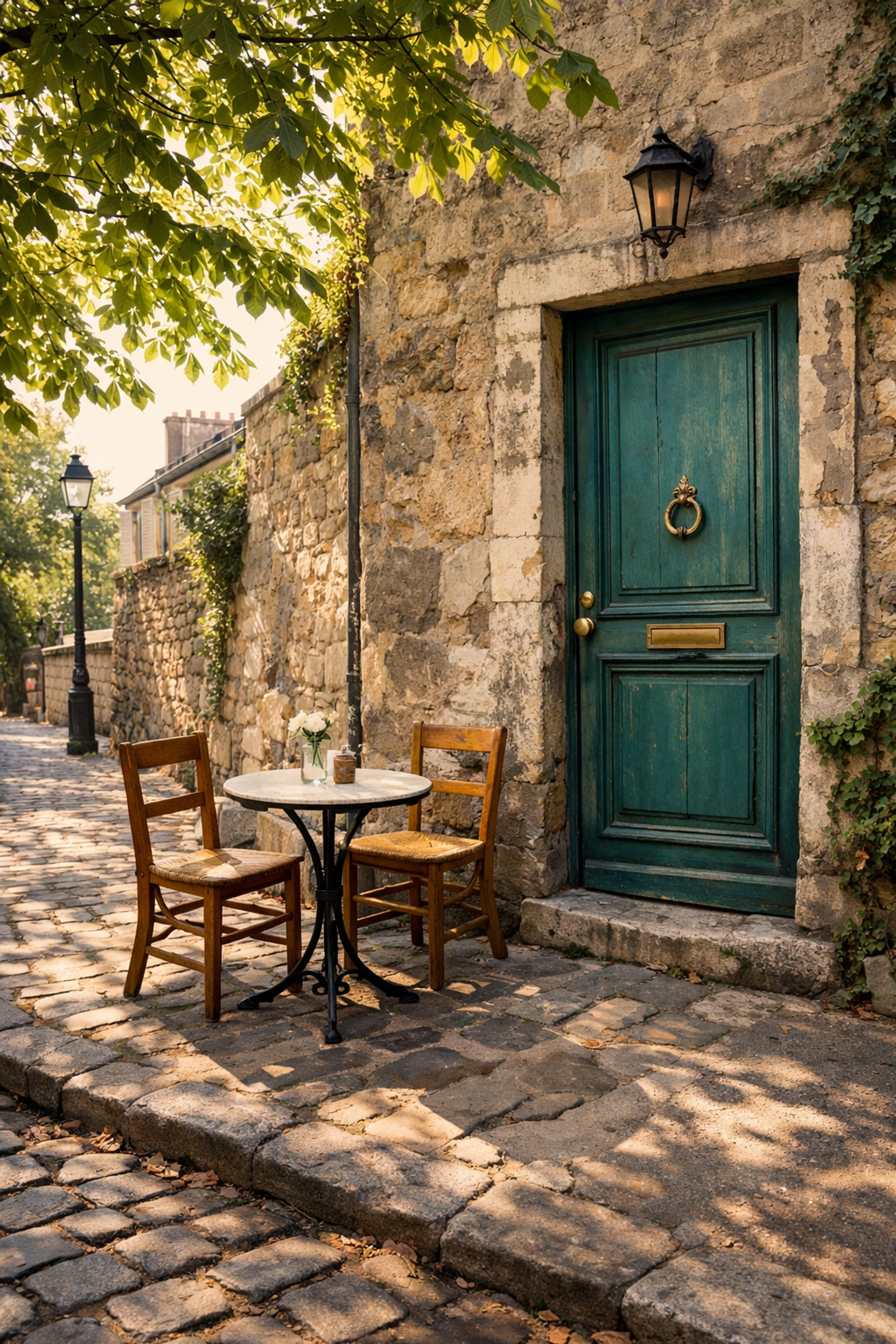
Landmarks are great, but the photos that feel personal usually happen one block away from the crowd: a quiet side street, a local breakfast spot, a weathered door with perfect light, a market vendor mid-conversation.
If you’re planning a shorter trip, you can also build a fast itinerary around drivable photo stops, our roundup of cheap weekend getaways can help you stack multiple scenes without overplanning: http://photoguides.org/cheap-weekend-getaways
Light is your biggest upgrade: golden hour, midday, and bad weather (used well)
Golden hour: the easiest way to make everything look expensive
Sunrise and sunset give you softer shadows, warm highlights, and instant dimension. Two practical habits:
- Arrive 30–45 minutes early so you’re shooting before the best light hits
- Shoot both directions: don’t only face the sun, turn around for soft, glowing light on buildings and faces
Bonus: sunrise also buys you empty streets and fewer people in frame.
Midday: don’t fight it, design around it
Midday light is harsh, but it can be striking if you lean into it:
- Use hard shadows for graphic compositions (perfect for black-and-white)
- Find open shade (doorways, arcades, narrow streets) for flattering portraits
- Shoot reflections (glass, water, polished stone) to add interest
- Use a polarizer to cut glare and deepen skies (more on that below)
Overcast and rain: the “editorial” look
Clouds act like a giant softbox. Look for:
- Wet streets for reflections
- Mist for depth and mood
- Color pops (umbrellas, signage, neon, street art)
The goal isn’t “perfect weather.” It’s using the weather to tell the story of the place.
Composition that looks intentional (without feeling “overly posed”)
Use the rule of thirds, then break it on purpose
Turn on the 3×3 grid. Put your subject near an intersection, keep horizons clean, and give the frame breathing room.
When to break it:
- Centering works beautifully for symmetry (arches, hallways, doorways)
- Negative space works when the environment is part of the story (deserts, beaches, fog)
Depth is the difference between “nice” and “wow”
Add layers:
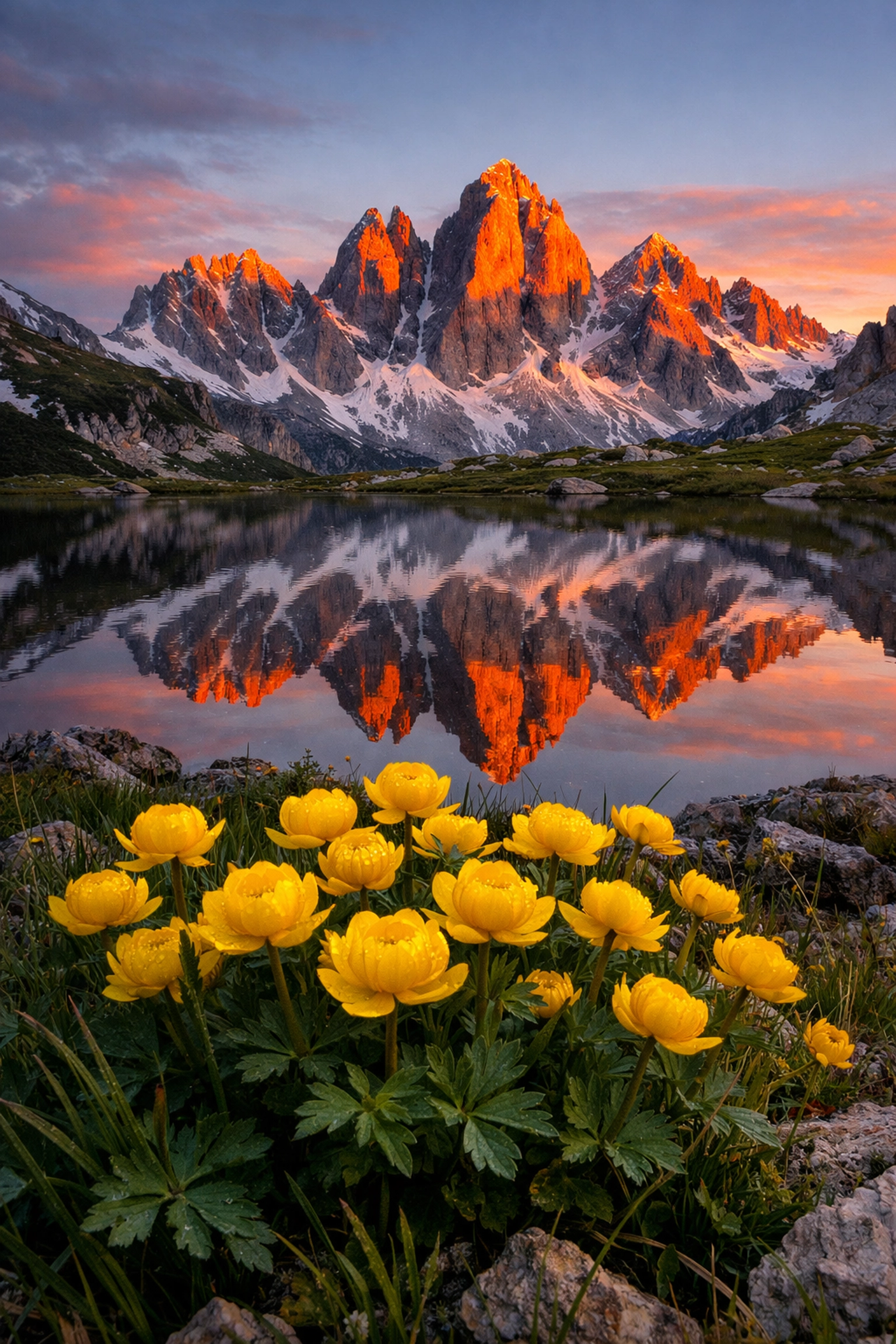
- Foreground: leaves, fences, railings, café tables, reflections
- Midground: your subject (person, building, boat)
- Background: skyline, mountains, storm clouds
Even on an iPhone, depth makes a scene feel cinematic.
Change your angle before you change your lens
Most travel photos fail because they’re shot at eye level from the most obvious spot. Try:
- Low angle (closer to the ground) for drama
- High angle (balconies, stairs, parking decks) for patterns
- Tight framing for detail and texture shots
A simple rule: take 10 photos of one scene: wide, medium, tight, and at least two different heights.
Tell stories, not just places: the 5-shot travel photo set
If you want your travel photos to feel like a real memory (not a random camera roll), shoot a small “set” for each location:
- Establishing shot: wide scene that shows where you are
- Hero detail: texture, signage, hands, food, architecture detail
- Human moment: candid street scene, vendor, silhouette, or companion in-frame
- Movement shot: walking, traffic blur, waves, pouring coffee
- Night or mood shot: neon, dusk skyline, streetlamp rain reflections
This approach keeps you from over-shooting the same landmark and gives you a story you can post, print, or pitch.
Advanced travel photography tips (iPhone, long exposure, drone)
iPhone photography in 2026: how to make it look “not like a phone”
Smartphone cameras are genuinely pro-level now: if you treat them like cameras.
Quick wins:
- Clean the lens (seriously, this is a top-3 quality upgrade)
- Tap to set focus, then slightly lower exposure for richer highlights
- Use HDR for landscapes when the sky is bright and the ground is dark
- Use Portrait mode for people, but watch hair edges and busy backgrounds
- Shoot RAW/ProRAW when you know you’ll edit (especially sunsets and night scenes)
Composition tip: phones make it easy to get lazy. Slow down and frame with intent; your “camera” is always with you, which is a superpower if you stay deliberate.
Long exposure (without hauling a studio tripod)
Long exposures are travel magic: silky waterfalls, smooth ocean edges, and city light trails.
What you need:
- A compact tripod (or even a stable ledge)
- A 2-second timer to avoid shake
- Night mode / long exposure feature (phone) or slower shutter speed (camera)
A simple starting point:
- Waterfalls/ocean: 1/4s to 2s
- Traffic trails: 2s to 10s
- Crowd “ghosting” effect: 1s to 5s
If you’re using a dedicated camera, a small ND filter is the key for bright conditions.
Drone shots that don’t look generic
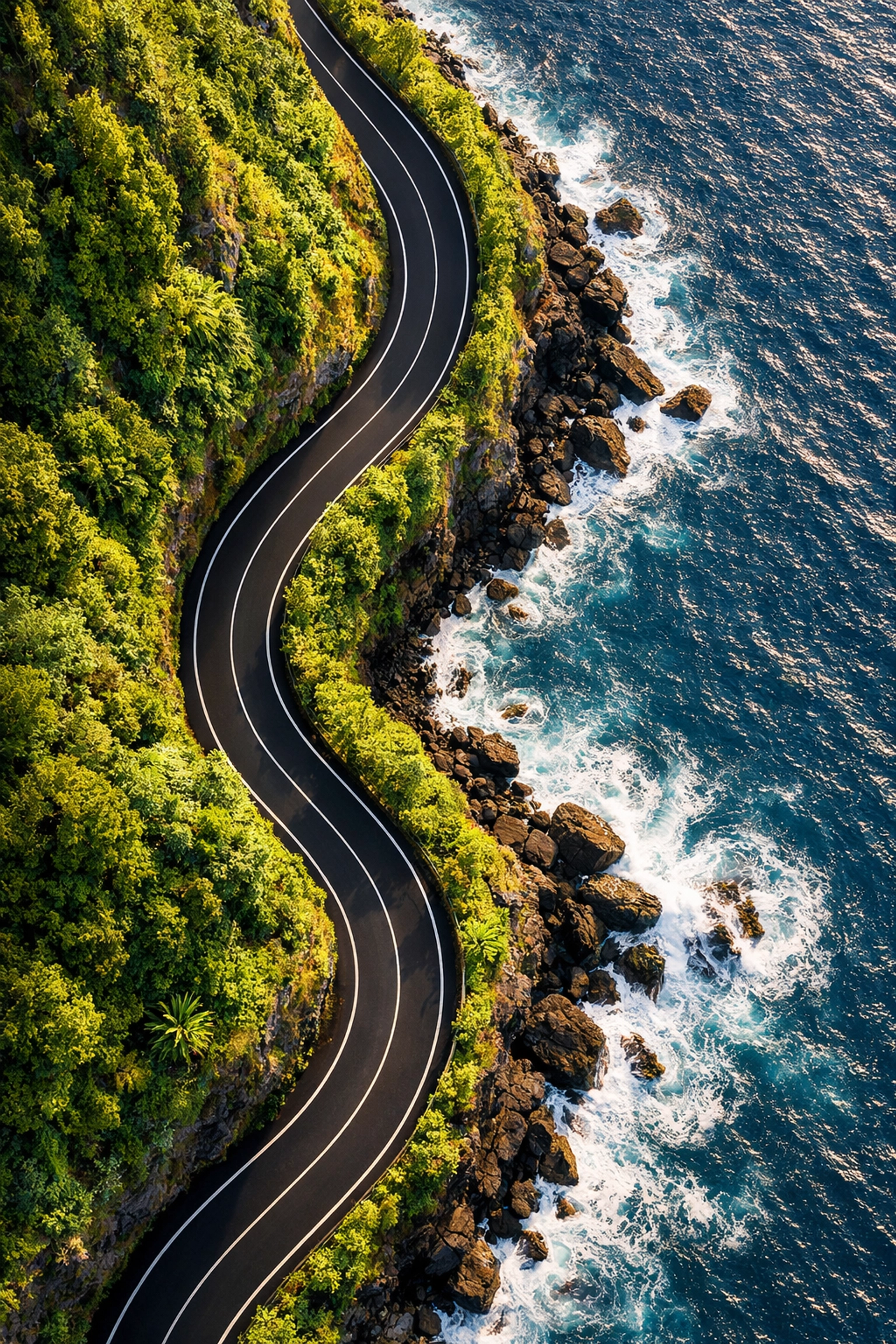
Drones are everywhere now, which means the bar is higher. The best drone photos focus on shape and design:
- Leading lines: roads, coastlines, river bends
- Patterns: fields, rooftops, waves, salt flats
- Scale: tiny human subject against a massive landscape
Keep it ethical and legal:
- Respect no-fly zones and privacy
- Avoid flying near crowds
- Don’t chase wildlife
- Be the person who makes drones more acceptable, not less
Gear guide for 2026: travel light, shoot more
Gear should support your trip, not dominate it. A clean 2026 travel kit looks like this:
The “minimal but serious” kit
- 1 camera body (or phone)
- 1 versatile lens (24–70mm equivalent is the classic)
- Compact tripod
- Extra battery + small power bank
- Polarizing filter (especially for beaches, lakes, greenery)
- Small microfiber cloth + blower
- Comfortable strap or sling
If you’re rebuilding or upgrading, start with our curated essentials here: https://photoguides.org/essential-photography-gear
Why one lens often beats three
Limiting options speeds up your eye. You’ll move your feet, find better angles, and spend more time on light and timing: the stuff viewers actually feel.
Storage and backup (non-negotiable)
In 2026, losing files still hurts the same. A simple routine:
- Daily: back up to a small SSD or laptop
- Cloud when possible: even partial uploads help
- Separate storage: don’t keep everything in one bag
Editing in 2026: natural wins, AI assists (tastefully)
Editing trends have shifted toward believable color and consistent style. Heavy-handed presets and crunchy HDR are fading because they scream “effect,” not “moment.”
A clean, modern editing approach
- Protect highlights (especially skies)
- Lift shadows gently (avoid gray, flat images)
- Keep skin tones natural
- Use a consistent white balance across a set
Apps that stay efficient:
- Lightroom (mobile/desktop) for color and consistency
- Snapseed for quick local edits
AI’s role in photography: helpful vs. harmful
AI is fantastic for:
- Noise reduction
- Minor cleanup (dust spots, small distractions)
- Selecting subjects and masks faster
- Smart cropping and horizon leveling
AI gets risky when it:
- Adds fake elements that change the truth of the scene
- “Improves” faces into something unrecognizable
- Generates a place you didn’t visit (fine for art, not for travel storytelling)
A good personal guideline: enhance the photo you took: don’t invent the trip you didn’t.
If you like creative skies for composites or design work, use them transparently and intentionally: Photoguides has downloadable overlays here: https://photoguides.org/download/sky-overlays
A simple travel photo checklist (so you don’t miss the shot)
Before you go
- Pin 10–20 spots (mix landmarks + hidden streets)
- Check sunrise/sunset times and direction
- Pack minimal gear + backups (battery/storage)
On location
- Walk first, shoot second (2–3 minutes of scouting pays off)
- Get your safe shot, then experiment with angles
- Shoot a 5-shot story set (wide, detail, human, motion, mood)
After
- Cull fast (keep only what you’d proudly show)
- Edit consistently
- Back up the same day
Where to go next: best global photography locations + “less obvious” ideas
Instead of naming the same over-photographed icons, here are categories of places that reliably deliver strong travel images in 2026:
- Old towns and historic districts: texture, layers, human-scale streets
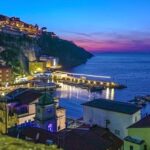
- Coastlines with cliffs or piers: leading lines + dramatic skies
- Markets and food streets: story, color, motion, portraits (with permission)
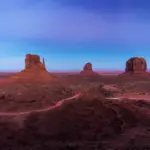
- Desert landscapes: minimalism, shadows, and scale
- Mountain towns: atmosphere, weather shifts, sunrise layers
- Neon nightlife districts: reflections, color contrast, cinematic scenes
If you want more destination-specific guides and practical how-tos, browse our educational posts here: https://photoguides.org/category/educational
The goal for 2026 isn’t to take more travel photos. It’s to take fewer, stronger, story-driven images: the kind that look like you were really there, because you were.