
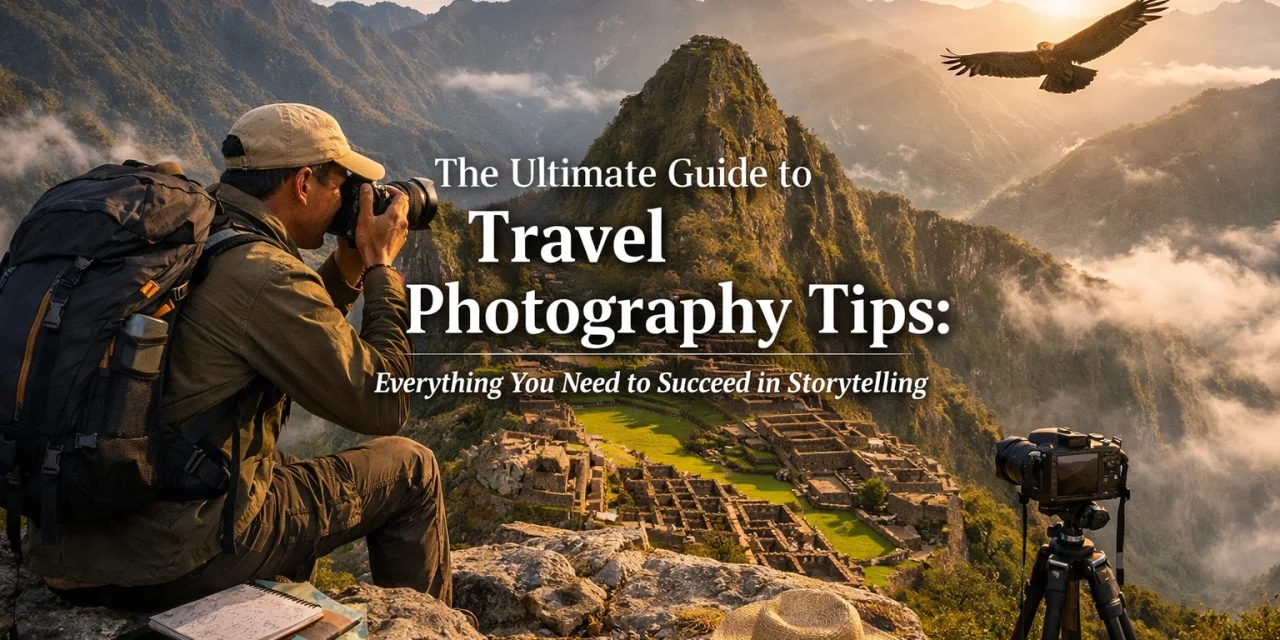
Hey there, I’m Edin Chavez. If you’ve ever scrolled through your camera roll after a week-long trip and felt like the photos just didn’t "do it justice," you’re not alone. We’ve all been there. You stand in front of a majestic mountain range or a bustling street market in Tokyo, you press the shutter, and yet the result feels flat. It’s missing the soul, the smell of the air, and the energy of the moment.
Travel photography isn't just about documenting where you went; it’s about storytelling. It’s about making the viewer feel like they were standing right there next to you. In 2026, the tools we have: from AI-enhanced editing to ultra-portable drones: are better than ever, but the core principles of storytelling remain the same.
Whether you’re looking for "photo spots near me" for a weekend getaway or planning a month-long expedition, this guide will help you elevate your craft.
Mastering the Visual Language: Composition That Speaks
Before you worry about your aperture or your ISO, you need to think about your frame. Composition is the grammar of visual storytelling. If your composition is messy, your story will be confusing.
The Rule of Thirds (and When to Break It)
We talk about this a lot at Photoguides because it works. Imagine your frame is divided into a 3×3 grid. Instead of putting your subject dead center, try placing them on one of the four intersections. This creates a natural balance that is more pleasing to the eye. However, in 2026, we’re seeing a trend toward "intentional symmetry," especially in architectural travel photography. If the building is perfectly symmetrical, go ahead and center it. Just make sure it’s a choice, not an accident.
Leading Lines: The Viewer’s Roadmap
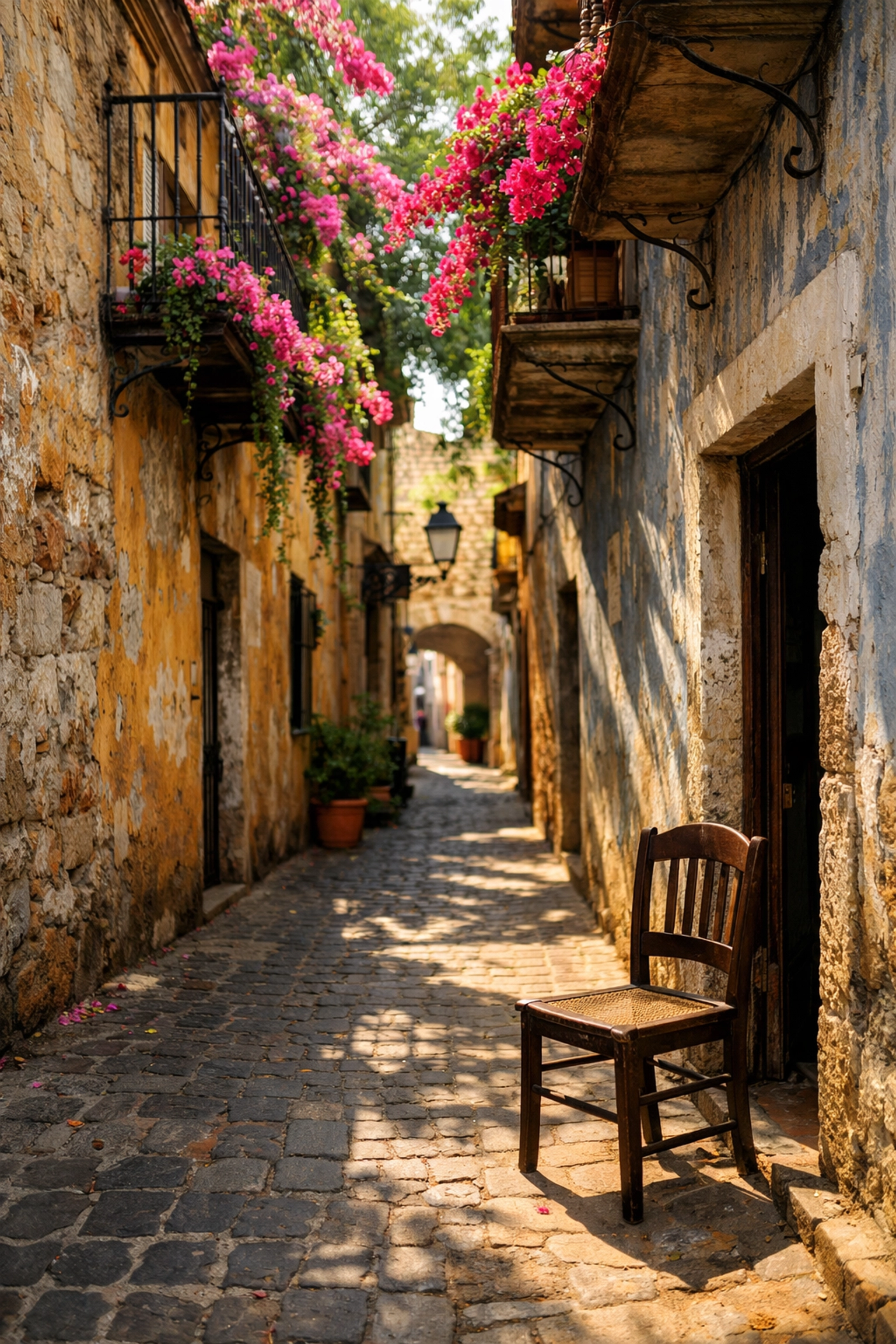
A great photo should tell the viewer where to look. Use natural elements like a winding road in the Scottish Highlands, a pier reaching into the ocean, or even the shadows cast by a skyscraper. These lines guide the eye through the image, connecting the foreground to the background.
The Power of Three Layers
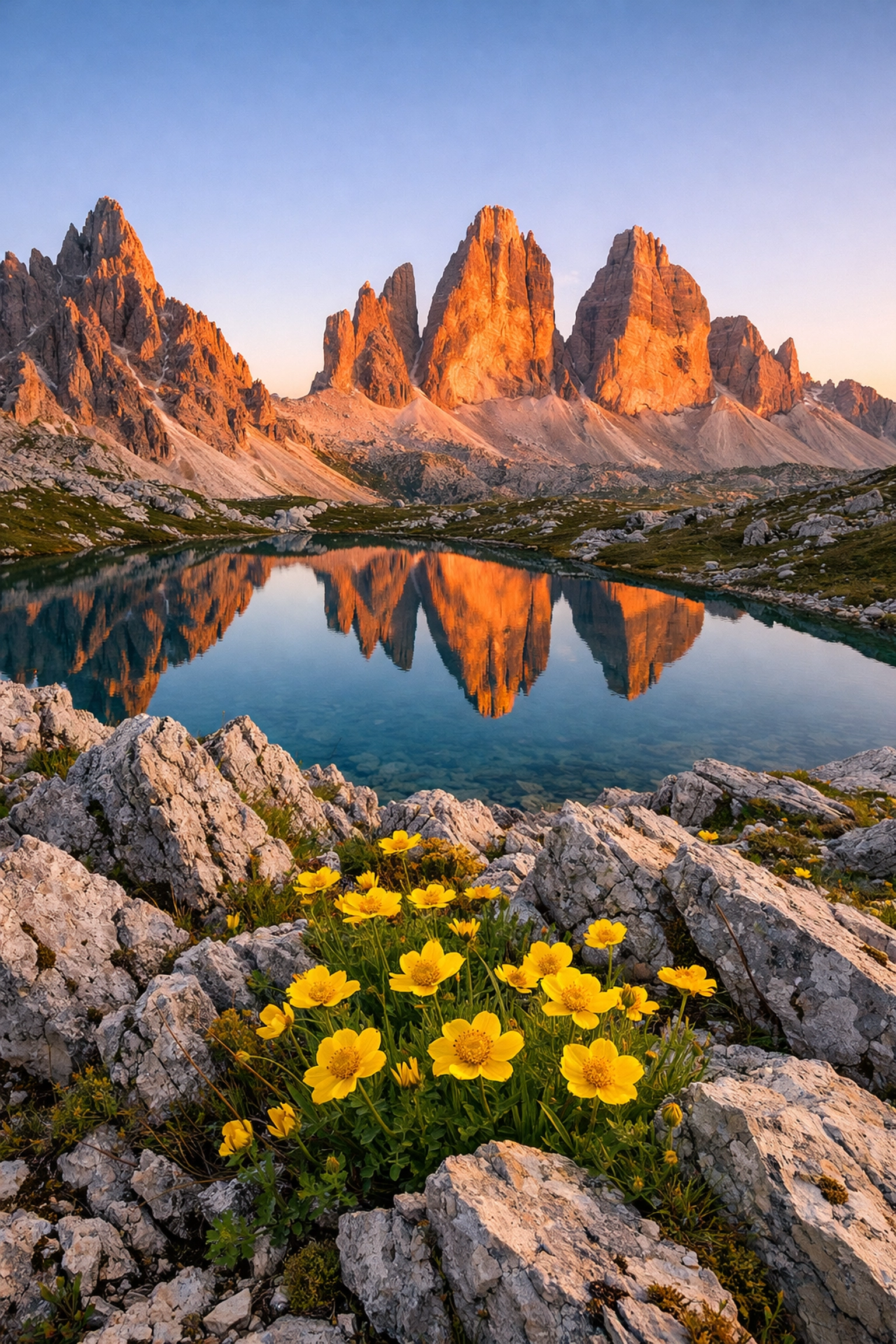
To create depth, you need three things: a foreground, a middle ground, and a background. Don't treat the foreground as empty space. If you’re shooting a landscape, find a unique rock, a patch of wildflowers, or even a discarded coffee cup (if it fits the vibe) to anchor the bottom of your frame. This makes the photo feel three-dimensional.
Chasing the Light: Beyond the Golden Hour
We all know the "Golden Hour": that magical time just after sunrise or before sunset when the world turns into a warm, glowing masterpiece. It’s the easiest way to get a "pro" look. If you’re short on time, this is when you should be out shooting.
But real storytelling happens in all kinds of light.
- Blue Hour: The 20-30 minutes after the sun goes down is perfect for cityscapes. The sky turns a deep, moody blue that contrasts beautifully with warm city lights.
- Overcast Days: Don’t put your camera away when it’s cloudy! Overcast skies act like a giant softbox, which is actually the best photography light for portraits and macro shots of flowers or textures.
- Harsh Midday Sun: This is usually the "avoid" zone, but you can use it to your advantage by looking for high-contrast shadows. In a city like Miami, the midday sun creates sharp, geometric shadows that look incredible in black and white.
Travel Photography in 2026: The AI Revolution and Authenticity
By now, AI is integrated into almost every part of our workflow. From noise reduction to generative fill, the technology is mind-blowing. But here’s the thing: in a world full of AI-generated art, authenticity is the new luxury.
At Photoguides, we believe AI should be a tool, not a crutch. Use it to enhance what you captured, not to create a scene that wasn't there. For instance, if the sky was a flat, boring gray during your once-in-a-lifetime trip, using sky overlays can help bring back the mood you felt, but the heart of the photo: the subject, the moment: must be real.
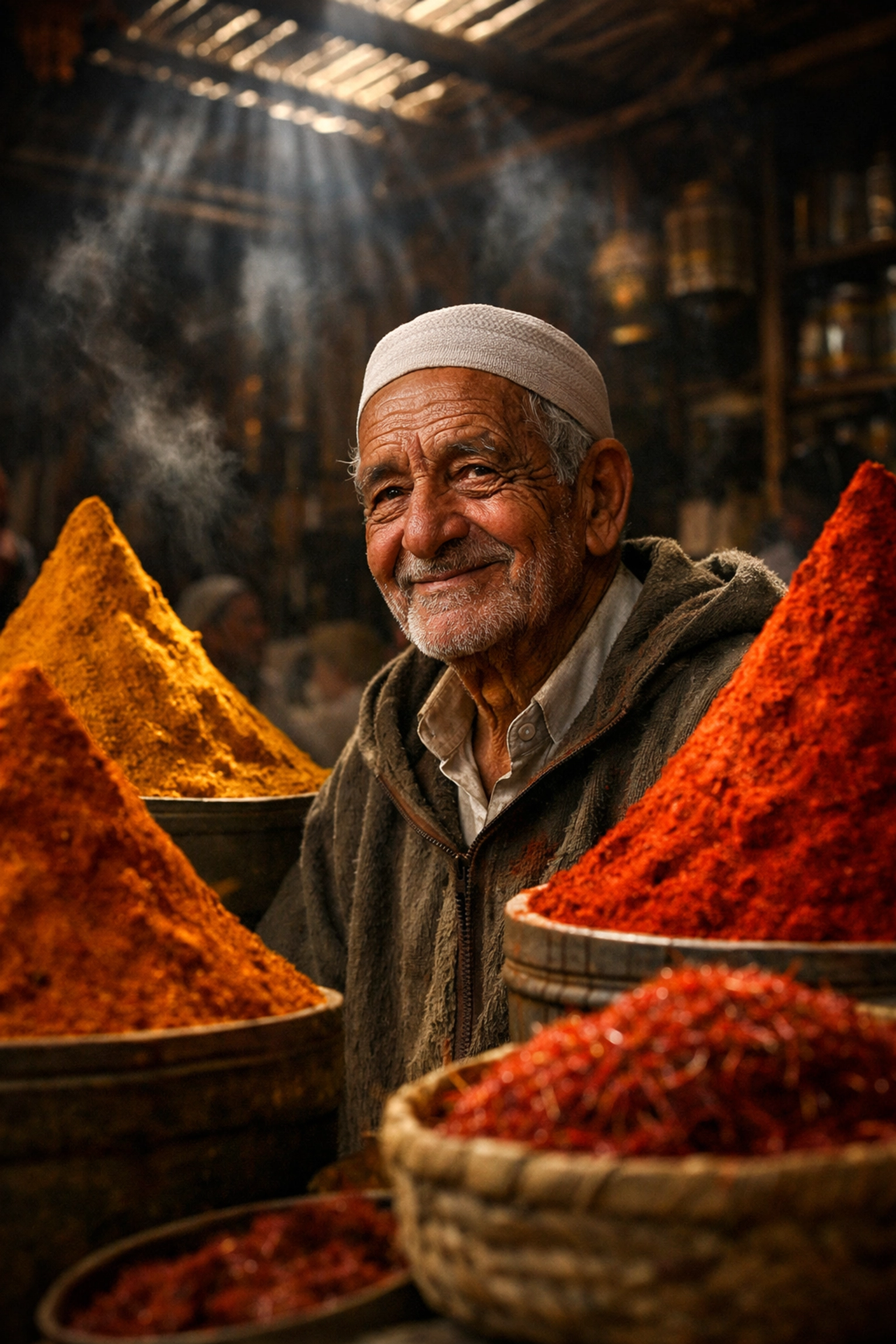
The trend for 2026 is "Human-Centric Photography." People want to see the imperfections. They want to see the grain, the motion blur of a passing train, and the candid smile of a local vendor. Don’t over-edit the life out of your images.
Scouting the Best Photography Locations (Hidden Gems)
Finding the "best photography locations" used to involve buying heavy guidebooks. Now, it’s about digital scouting. While the big landmarks are great, the real stories are often found in the hidden gems.
- Miami: Everyone shoots South Beach, but if you want something different, check out Miami’s hidden speakeasies. The moody, low-light interiors are a masterclass in atmospheric storytelling.
- Williamsburg, VA: Skip the typical tourist spots and head to the local breweries in Williamsburg for some lifestyle shots that capture the local craft culture.
- Global Gems: Whether it's the debate between Dominican Republic vs Cancun for coastal vibes or finding the perfect breakfast place in Cape Coral, always look for the spots where the locals hang out. That’s where the "real" travel photos happen.
The 2026 Travel Gear Guide: What’s Actually in My Bag?
You don't need a truckload of gear to be a successful travel photographer. In fact, the more gear you carry, the less you’ll actually shoot because you’ll be too tired to move.
- The Body: A lightweight mirrorless camera is the gold standard. Check out our camera reviews to see which models have stood the test of time and which new 2026 releases are worth the upgrade.
- The "Nifty Fifty": A 50mm prime lens is a travel photographer's best friend. It’s small, fast, and mimics the human eye’s perspective, making your stories feel more personal.
- The Drone: In 2026, drones are smaller than a sandwich. They provide a "bird's eye view" that was once impossible for the average traveler.
- A Solid Tripod: Essential for those long exposure shots or if you’re traveling solo and want to get yourself in the frame without it looking like a selfie.
Advanced Techniques: Drones and Long Exposures
If you want your work to stand out on social media or in a gallery, you need to master a few advanced techniques.
Long Exposure Storytelling
Long exposure isn't just for waterfalls. Try using a neutral density (ND) filter in a crowded city square. By blurring the movement of the people while keeping the architecture sharp, you tell a story about the fleeting nature of time in a busy world. It adds a poetic layer to your travel diary.
Drone Perspectives
Don’t just fly high and point down. Use your drone to find "top-down" patterns: like the way waves hit a shore or how cars are parked in a lot. These abstract images are high-impact and look great in professional portfolios.

Focus on the Human Element
The most compelling travel stories usually involve people. But taking a portrait of a stranger can be intimidating.
My best tip? Talk first, shoot second.
Put the camera down. Buy a coffee. Ask for directions. When you establish a connection, the "vibe" of the photo changes instantly. Instead of a "stolen" shot that feels intrusive, you get a portrait that feels collaborative. Always focus on the eyes: they are the most important part of any human story.
If you’re looking to improve your event or portrait work while on the road, seeing how an Atlanta event photographer handles crowds and lighting can give you some great ideas for your own travels.
Putting It All Together: Your Next Step
Travel photography is a journey, not a destination. You’re going to take a lot of bad photos before you take a great one, and that’s perfectly okay. The key is to stay curious.
Before you head out on your next trip: whether it’s to a club in Palm Beach or a remote village in the Andes: take a moment to think: What am I trying to say with this photo?
If you need more inspiration or detailed technical breakdowns, check out our educational category or head over to my personal blog for behind-the-scenes stories from the field.
Photography is one of the few ways we can actually "pause" time. Use these tips, grab your gear, and go tell a story that only you can tell.
Safe travels, and keep shooting!













