
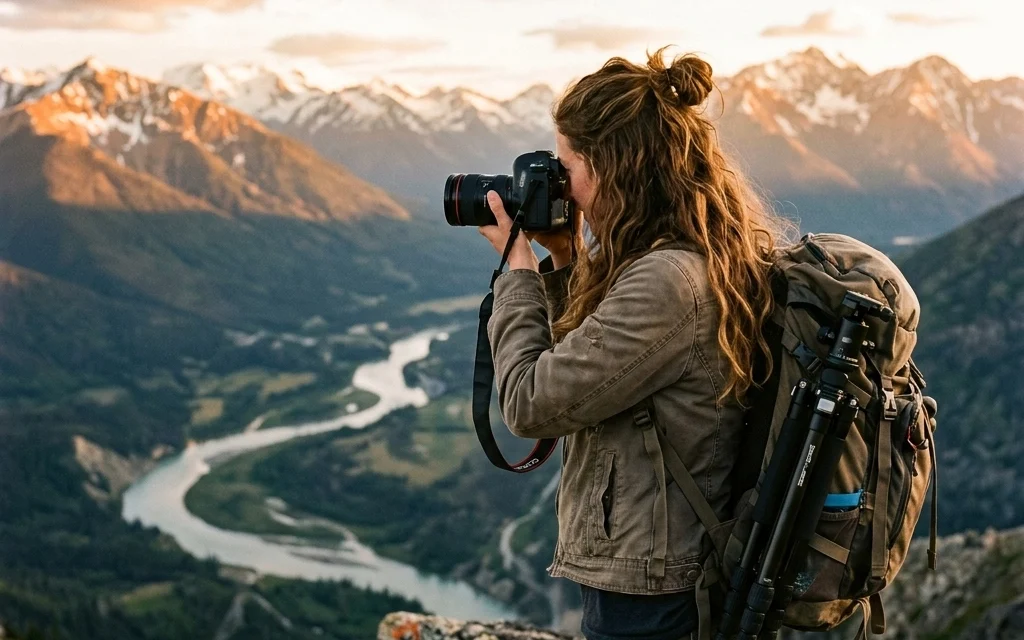
There is a specific kind of magic that happens when you’re standing in a new city, the air smells like foreign spices or salt spray, and the sun begins to dip below the horizon. Your first instinct is to grab your camera. You want to bottle that feeling up and take it home with you.
But as any seasoned traveler knows, there is a massive gap between seeing something beautiful and capturing it in a way that makes others feel what you felt.
In 2026, travel photography has evolved. We have more tools than ever: from AI-enhanced sensors to ultra-portable drones: but the soul of a great image still comes down to the person behind the lens. Whether you’re trying to find the best photography locations on a solo trek or just looking for "photo spots near me" during a weekend getaway, this guide is designed to help you navigate the technical and creative landscape of modern travel photography.
1. Gear Up Without the Weight
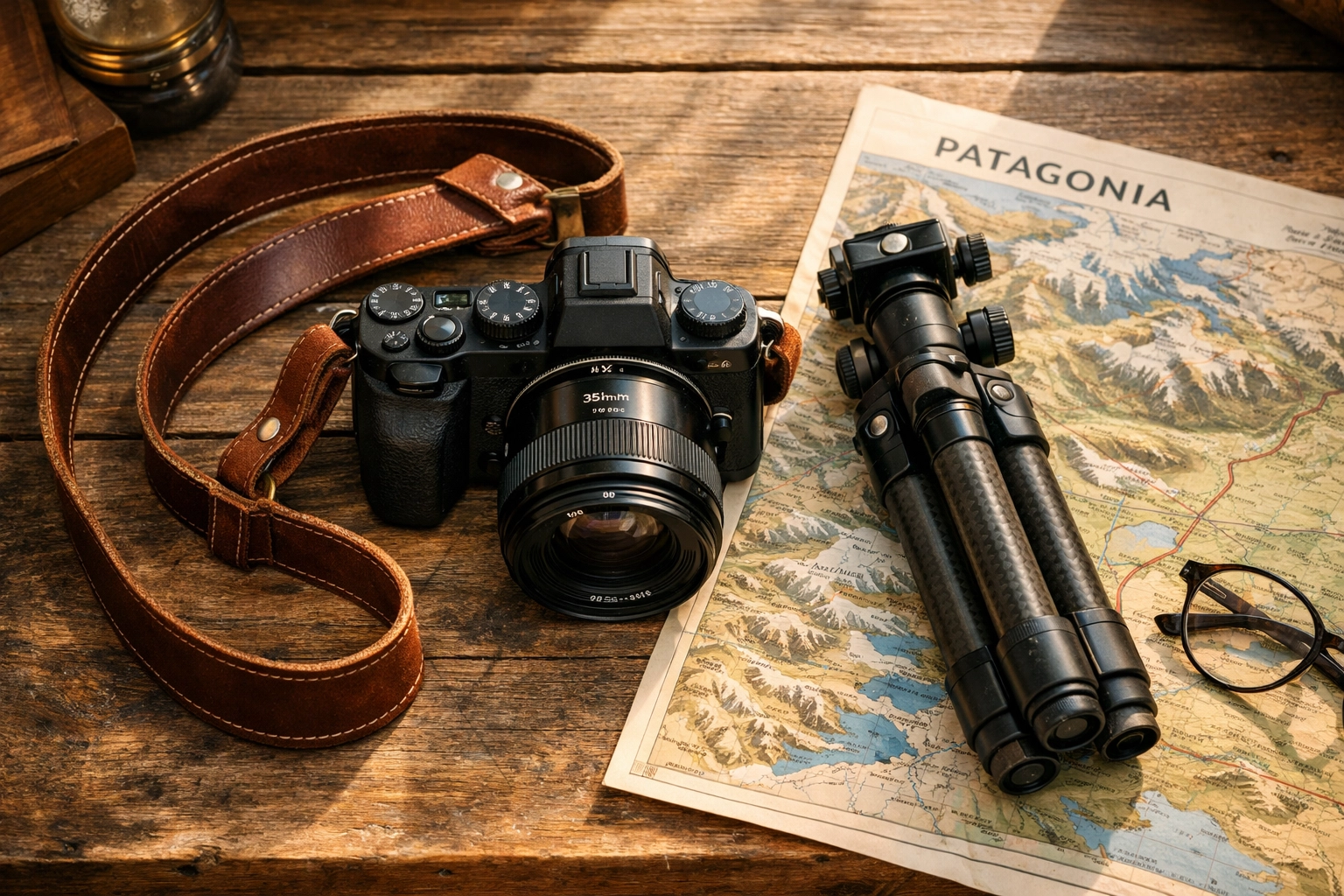
The old days of lugging a 40-pound backpack through the cobblestone streets of Europe are, thankfully, behind us. In 2026, the trend is "high-performance minimalism." You want gear that is versatile enough to handle a sunrise over the Andes but light enough that you don’t regret bringing it by noon.
Before you head out, check out our essential photography gear list to see what’s currently leading the pack. For those looking to add a bit of cinematic character to their digital shots, the Module 8 lens adapter has become a favorite among pros for its ability to soften the clinical look of modern sensors.
Pro Tip: Always carry a backup. Whether it’s an extra battery or a high-speed SSD, the road is unpredictable. If you're looking for the latest gear insights, our camera reviews can help you decide what's worth the investment.
2. Mastering the Light: Beyond the Golden Hour
We’ve all heard it: shoot during the golden hour. While the hour after sunrise and before sunset provides that dreamy, warm glow, a true professional knows how to work with the light they’re given.
- Blue Hour: Don’t pack up once the sun goes down. The 20 to 30 minutes after sunset offer a cool, moody palette that is perfect for cityscapes and architectural shots.
- Midday Sun: Instead of hiding in a café when the sun is high, look for high-contrast shadows. Use the harsh light to create graphic, minimalist compositions.
- Overcast Days: Clouds are just nature’s giant softbox. This is the perfect time for portraits or macro shots of local textures.
For inspiration on how to master dramatic lighting in diverse environments, take a look at the gallery at Edin Fine Art. Seeing how professional-grade prints handle light can give you a new perspective on your own exposures.
3. Composition: The Secret Sauce of Storytelling
A photo of a famous landmark is a souvenir; a photo with a unique composition is art. To move beyond the standard tourist shot, you need to be intentional about where you place your subject.
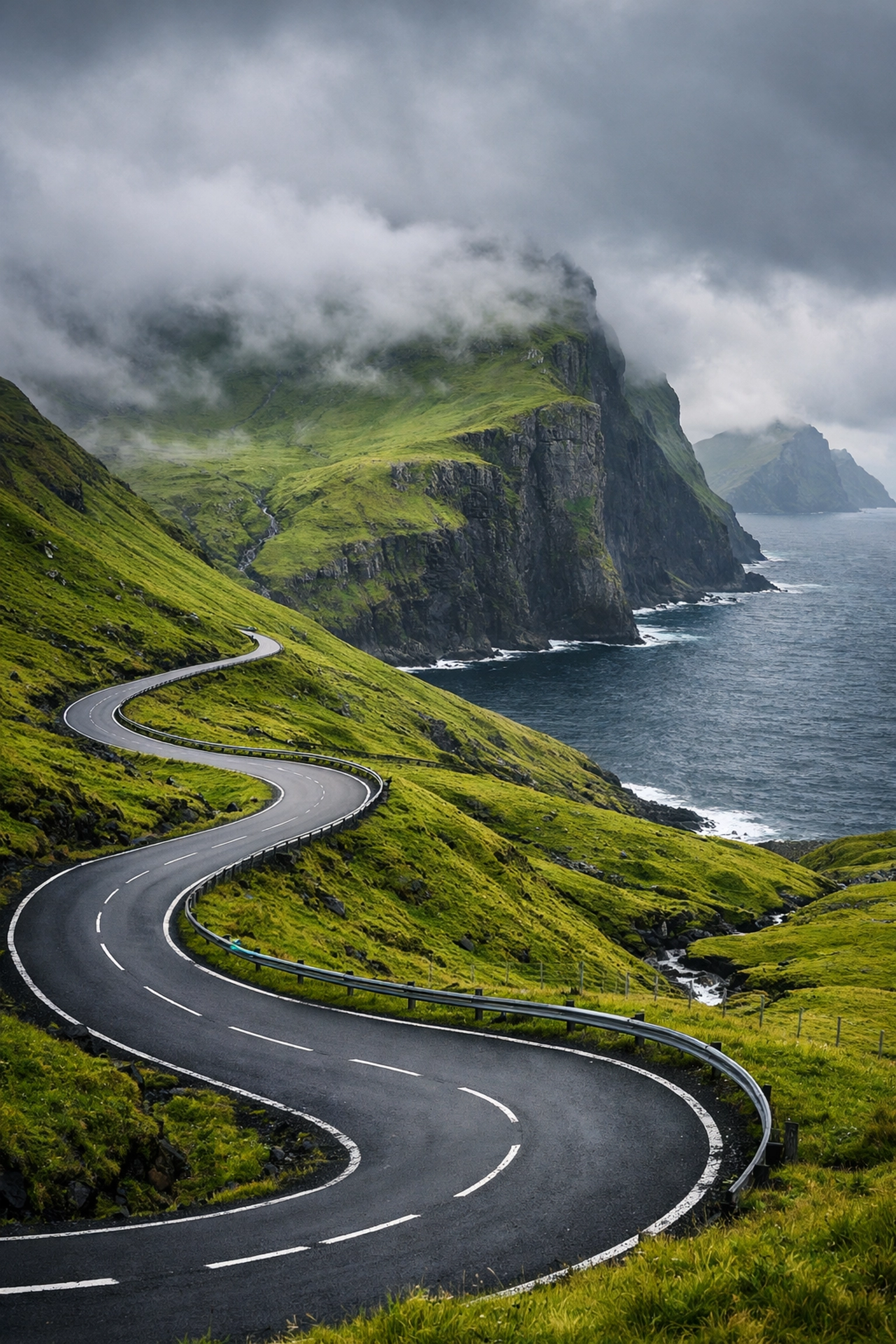
- Leading Lines: Use roads, rivers, or even shadows to lead the viewer’s eye into the frame.
- The Rule of Thirds: Imagine a grid on your viewfinder. Place your main subject on the intersections rather than dead-center. It creates a more dynamic, balanced feel.
- Frame Within a Frame: Use a window, an archway, or overhanging branches to frame your subject. This adds depth and a sense of "being there."
If you’re feeling stuck, I often share deeper technical breakdowns on my personal blog, where we dive into the "why" behind specific compositions.
4. Finding the Best Photography Locations
In the age of social media, "hidden gems" aren't hidden for long. To find the best photography locations, you have to go a step beyond the first page of Google.
Instead of just searching for the most popular spots, try looking for local experiences. For example, if you’re in Florida, you might bypass the typical beach shots and look for Miami’s hidden speakeasies or unique breakfast places in Cape Coral. These locations offer a narrative that goes beyond the standard landscape.
When you're on the ground, use the "photo spots near me" feature on your maps, but then walk two blocks in the opposite direction. That’s usually where the real magic happens.
5. The Role of AI in 2026 Travel Photography
We can't talk about photography in 2026 without mentioning AI. It has changed the way we shoot and edit, but it hasn’t replaced the need for a human eye.
- Authenticity vs. AI Art: There is a growing movement toward "authentic" photography: images that embrace imperfections. While AI can help with noise reduction or sky replacement (check out our sky overlays for a head start), the goal should always be to enhance your reality, not replace it.
- Smart Culling: AI tools now help us sort through thousands of travel photos to find the ones with the sharpest focus and best expressions, saving you hours of screen time.
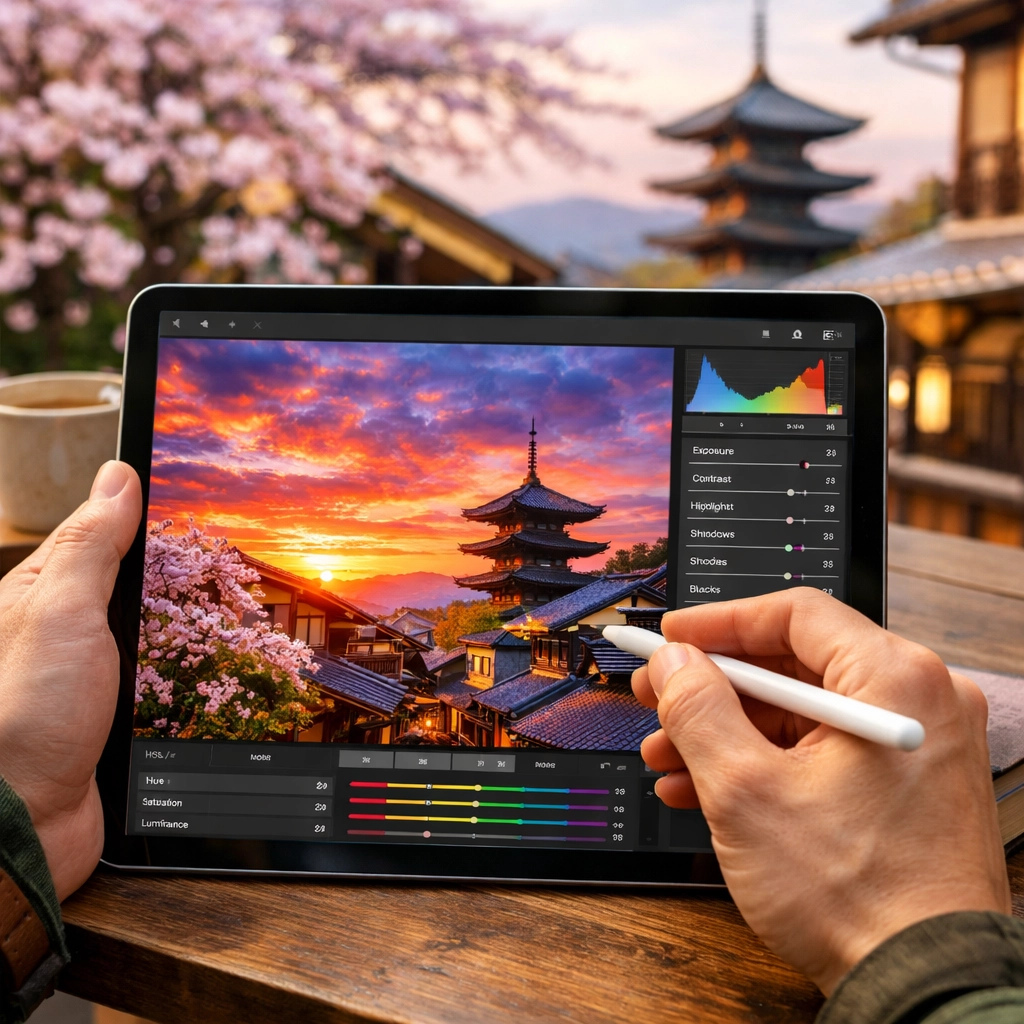
- On-the-fly Edits: Mobile editing has become incredibly powerful. You can now perform complex color grading while sitting on a train between cities.
For more discussions on where the industry is heading and the latest AI photography trends, join the community over at Shut Your Aperture. It’s a great place to stay updated on how tech is shaping our craft.
6. Advanced Techniques: Drones and Long Exposure
If you want your travel photos to stand out, you need to change the perspective.
Drone Photography:
Drones have become smaller and quieter. They allow you to capture the geometry of a landscape that is invisible from the ground. When shooting with a drone, look for patterns: the way a road curves through a forest or how waves break against a pier.
Long Exposure:
Bringing a lightweight tripod is one of the best travel photography tips I can give. Long exposures allow you to blur moving water, turn car lights into streaks of fire, or make a crowded tourist spot look empty by blurring out the people moving through the frame.
7. The Human Element
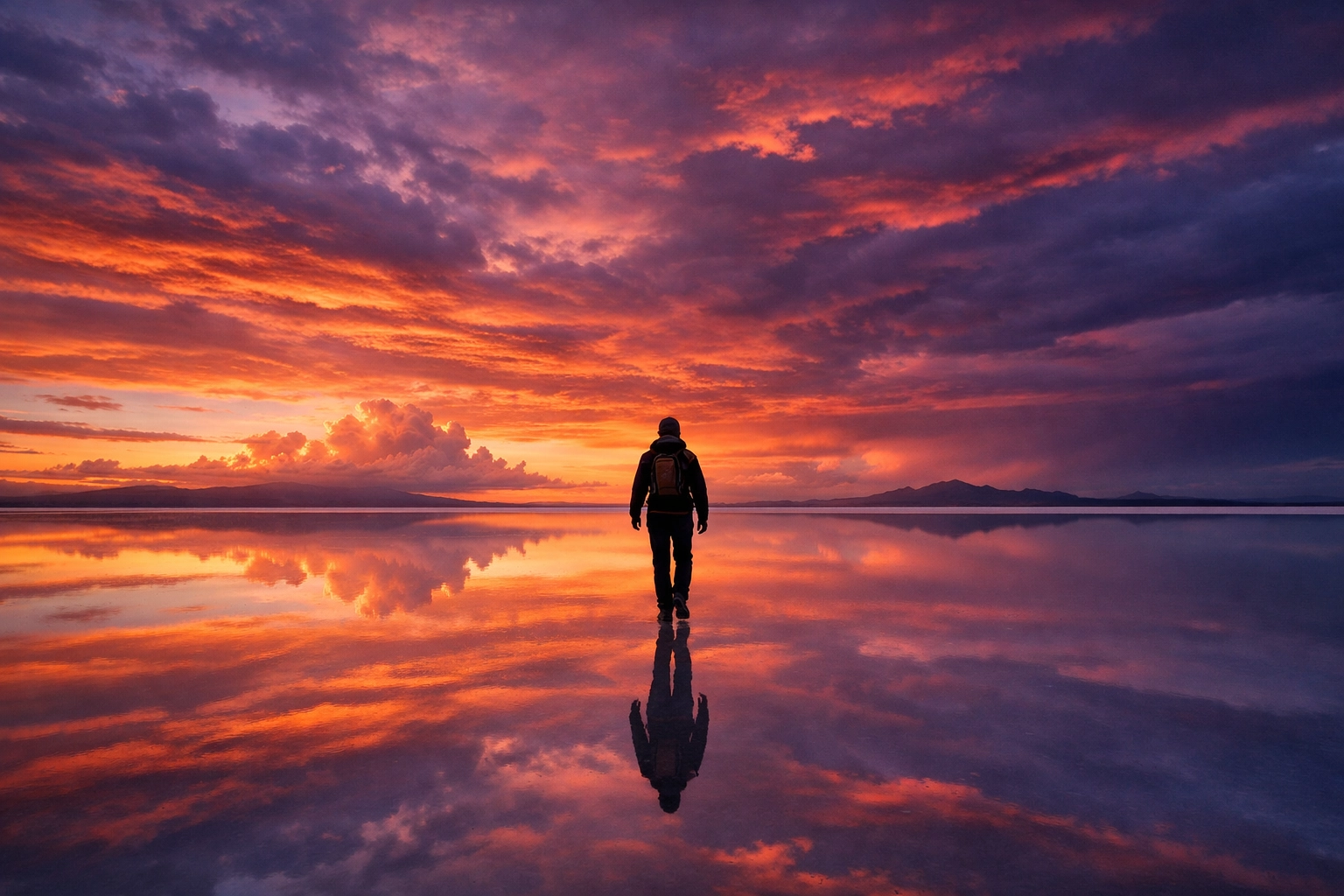
One of the biggest mistakes travel photographers make is excluding people. While a pristine landscape is beautiful, adding a human element provides scale and emotion.
Ask permission before taking a close-up portrait of a local. It’s not just polite; it often leads to a conversation that enriches your travel experience. If you’re shy, even a person silhouetted in the distance can give a sense of wonder and relatability to a vast landscape.
8. Planning Your Experience
Success on the road is often 50% preparation and 50% serendipity. Knowing where you’re going is half the battle. If you’re planning a trip and want to ensure you get the shots you’re dreaming of, consider a professional photography booking experience. Sometimes, having a local expert guide you to the right spot at the right time is the best investment you can make.
Whether you're deciding between the vibrant culture of the Dominican Republic vs. Cancun or looking for the best breweries in Williamsburg, VA to capture some lifestyle shots, doing your homework pays off.
Final Thoughts
Travel photography is a journey, not a destination. You’ll have days where the light is perfect and days where it rains throughout your entire stay. The key is to keep shooting. Every "bad" photo is a lesson that brings you closer to your next masterpiece.
At Photoguides, we’re here to make sure you have the tools and the confidence to capture the world as you see it. So, pack your bags, charge your batteries, and go find your own version of perfect.
The world is waiting. Are you ready to capture it?













