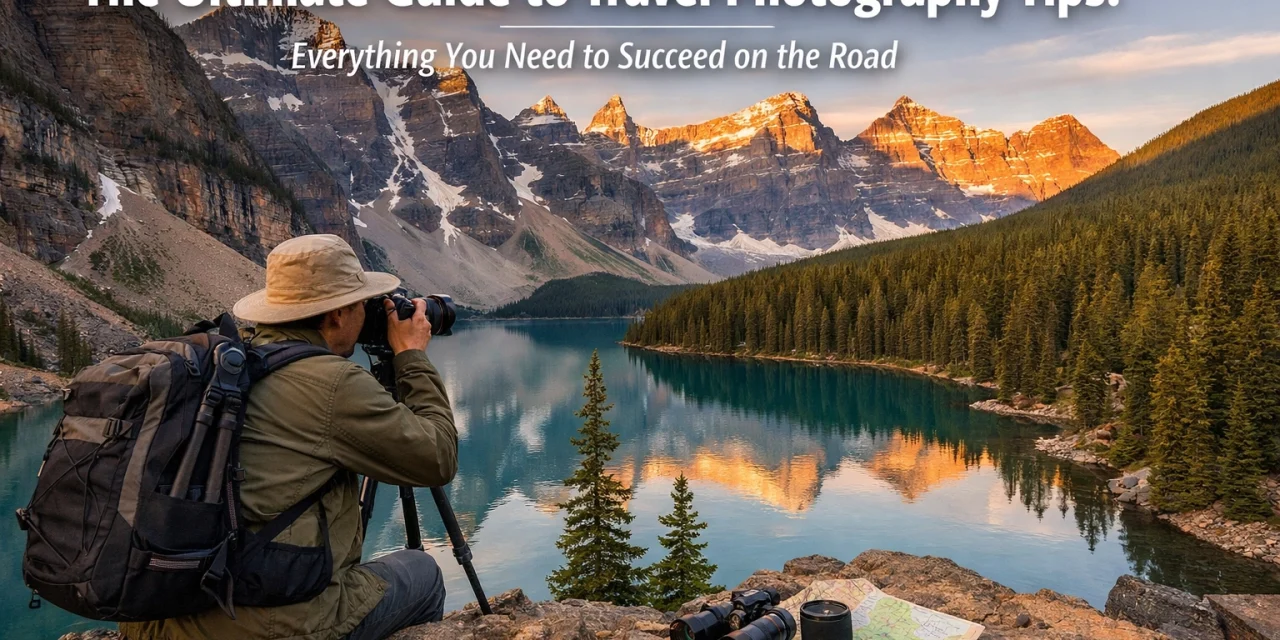
Travel photography is about so much more than just documenting a trip. It’s about capturing the soul of a place, the warmth of a sunset in a foreign land, and the fleeting moments that make a journey unforgettable. Whether you’re wandering through the neon-lit streets of Tokyo or hiking the rugged trails of Patagonia, having the right approach can turn a simple snapshot into a piece of art.
At Photoguides, we believe that everyone has a unique perspective to share. But let’s be honest: the world is a big place, and sometimes it's hard to know where to start when you're standing in front of a breathtaking vista. This guide is designed to help you navigate the world of travel photography in 2026, combining timeless techniques with the latest technology to ensure your shots stand out.
1. Mastering the Clock: The Power of Light
If there is one "secret" to professional-looking photos, it’s lighting. You can have the most expensive camera in the world, but if the light is flat and harsh, your photos will be too.
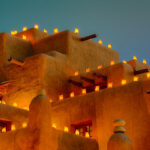
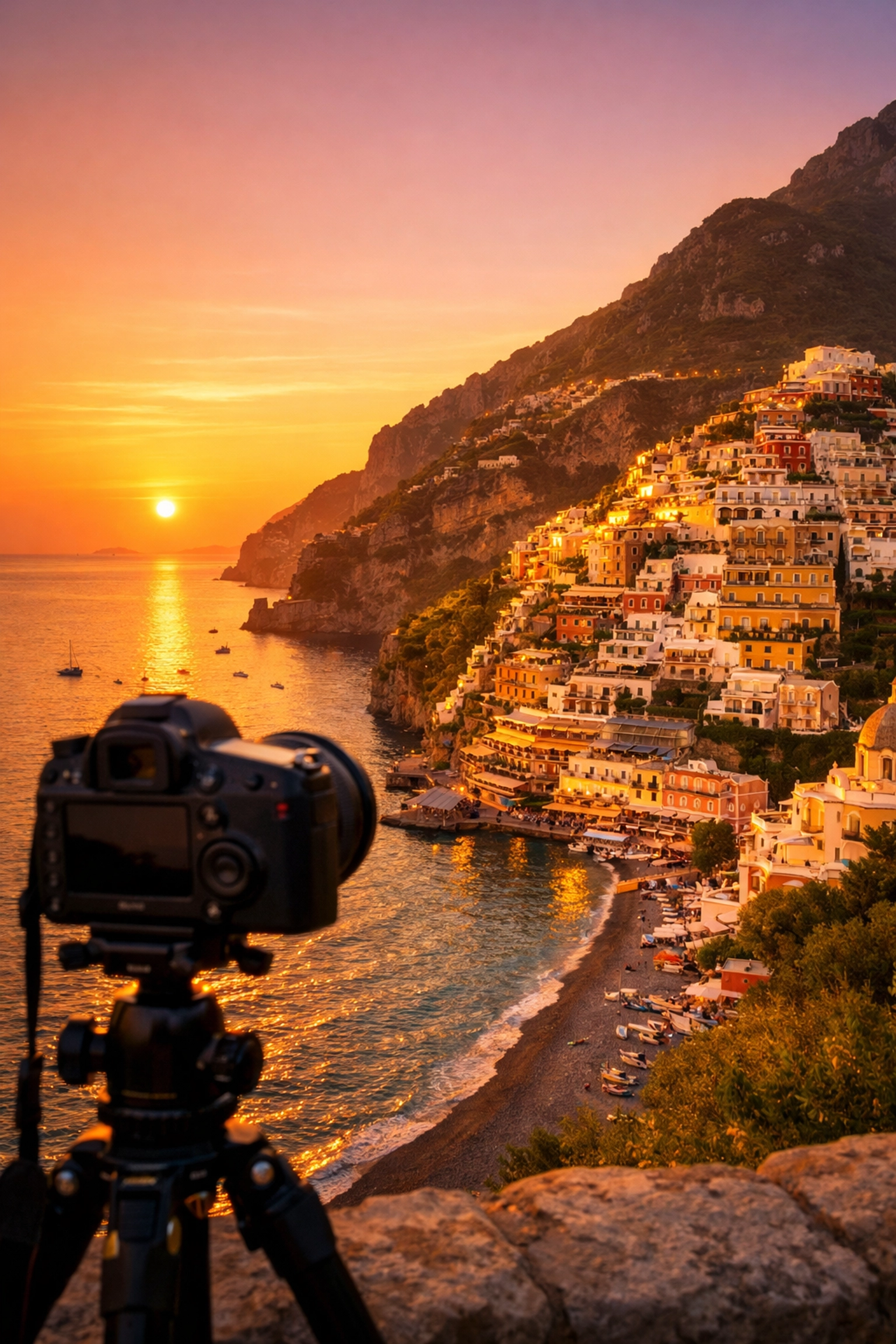
The Golden Hour: that magical window just after sunrise and just before sunset: remains the gold standard for travel photographers. During this time, the sun is low on the horizon, casting a warm, soft glow that adds dimension and texture to everything it touches. If you’re exploring best photography locations, getting up early is often the difference between a crowded, washed-out shot and a serene, masterpiece-level image.
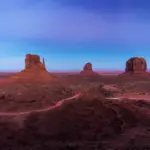
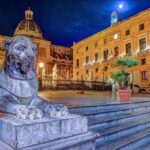
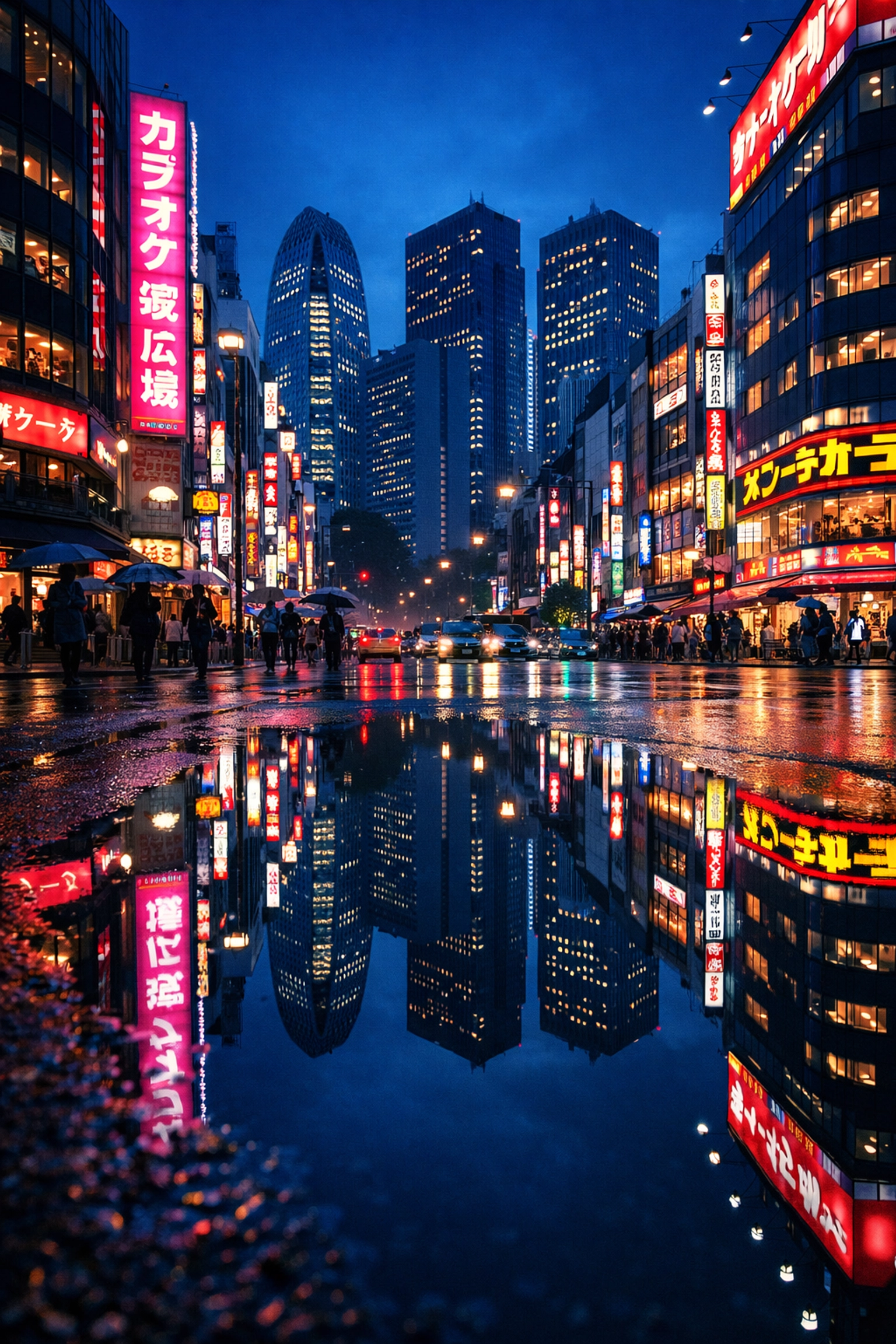
Don’t pack your gear away when the sun goes down, though. The Blue Hour (the period of twilight before sunrise or after sunset) offers a moody, cinematic cool-toned light that is perfect for cityscapes and architectural shots. For more inspiration on how to handle these lighting shifts in the wild, check out Edin Chavez’s personal blog.
2. Composition: Creating Depth and Narrative
Great travel photography tells a story. To do that, you need to guide the viewer’s eye through the frame. Instead of just pointing and clicking, take a moment to consider your composition.
- The Rule of Thirds: This is photography 101, but it works. Imagine your frame is divided into a 3×3 grid. Placing your subject along these lines or at their intersections creates a more balanced, engaging photo than simply centering everything.
- Leading Lines: Use natural or man-made lines: roads, fences, rivers, or shadows: to lead the viewer toward the main subject.
- Layering for Depth: One of the biggest mistakes beginners make is shooting "flat" landscapes. Try to include a clear foreground, middle ground, and background. A cluster of wildflowers in the foreground can anchor a shot of a distant mountain range, making the viewer feel like they are actually standing there.
If you’re looking for specific spots to practice these techniques, our guides on cheap weekend getaways offer plenty of accessible, high-impact locations.
3. Gear for 2026: Mobile, Mirrorless, and Drones
By 2026, the gap between professional cameras and smartphones has narrowed significantly. You no longer need a 20lb backpack of gear to get "pro" results, though having the right tools for the job still matters.
The iPhone and Mobile Revolution
Today’s iPhones and Android flagships use sophisticated computational photography to mimic high-end lenses. For travel, the best camera is often the one in your pocket. Use Portrait Mode for street photography to blur out distracting backgrounds, and always shoot in RAW format if your phone allows it. This gives you the most flexibility when you get home to edit.
Essential Pro Gear
For those who want absolute control, mirrorless systems are lighter and more powerful than ever. If you're wondering what to pack for your next big trip, take a look at our essential photography gear list. And don't forget a lightweight travel tripod: it’s non-negotiable for long exposures and those crisp blue-hour shots.
The View from Above
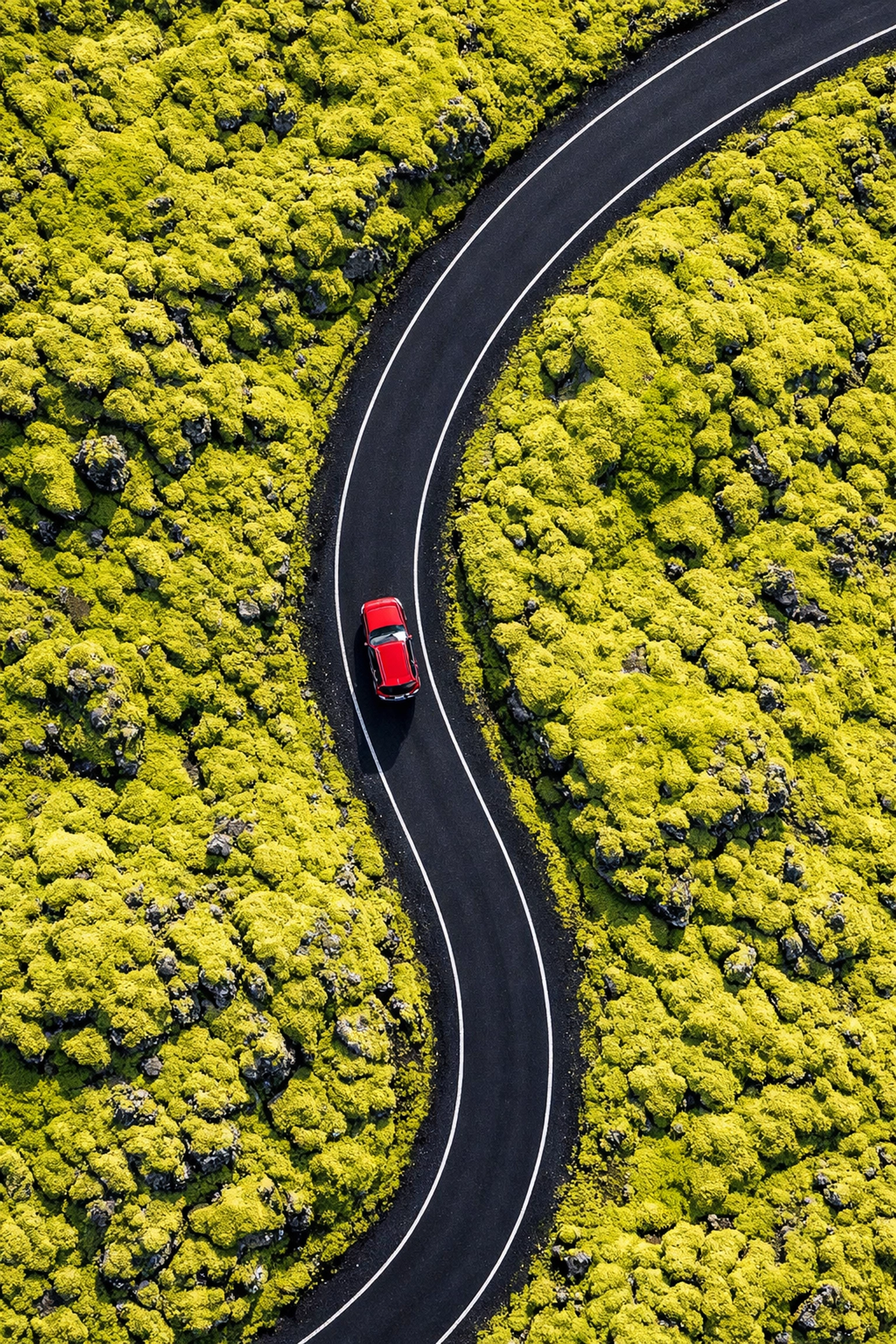
Drones have become a travel photography staple. They offer a perspective that was once reserved for those with helicopter budgets. When shooting with a drone, look for patterns, symmetry, and "top-down" textures that reveal the hidden geometry of a landscape.
4. The AI Frontier: Authentic vs. Augmented Art
It’s impossible to talk about photography in 2026 without mentioning AI. From AI-assisted autofocus that can track a bird’s eye through a forest to post-processing tools that can remove a stray tourist with a single click, AI is a powerful ally.
However, there is a growing trend toward Authentic Photography. While AI can "fix" a photo, it can’t replicate the emotion of being there. At Photoguides, we encourage using technology to enhance your vision, not replace it. Use AI for the heavy lifting: like noise reduction or sky replacement: but keep the soul of the moment intact. If you find yourself with a perfect shot but a boring sky, our sky overlays can help you add that missing drama without losing the authenticity of your subject.
5. Capturing Culture and the Small Details
While grand landscapes are great for Instagram, the heart of travel photography often lies in the details.
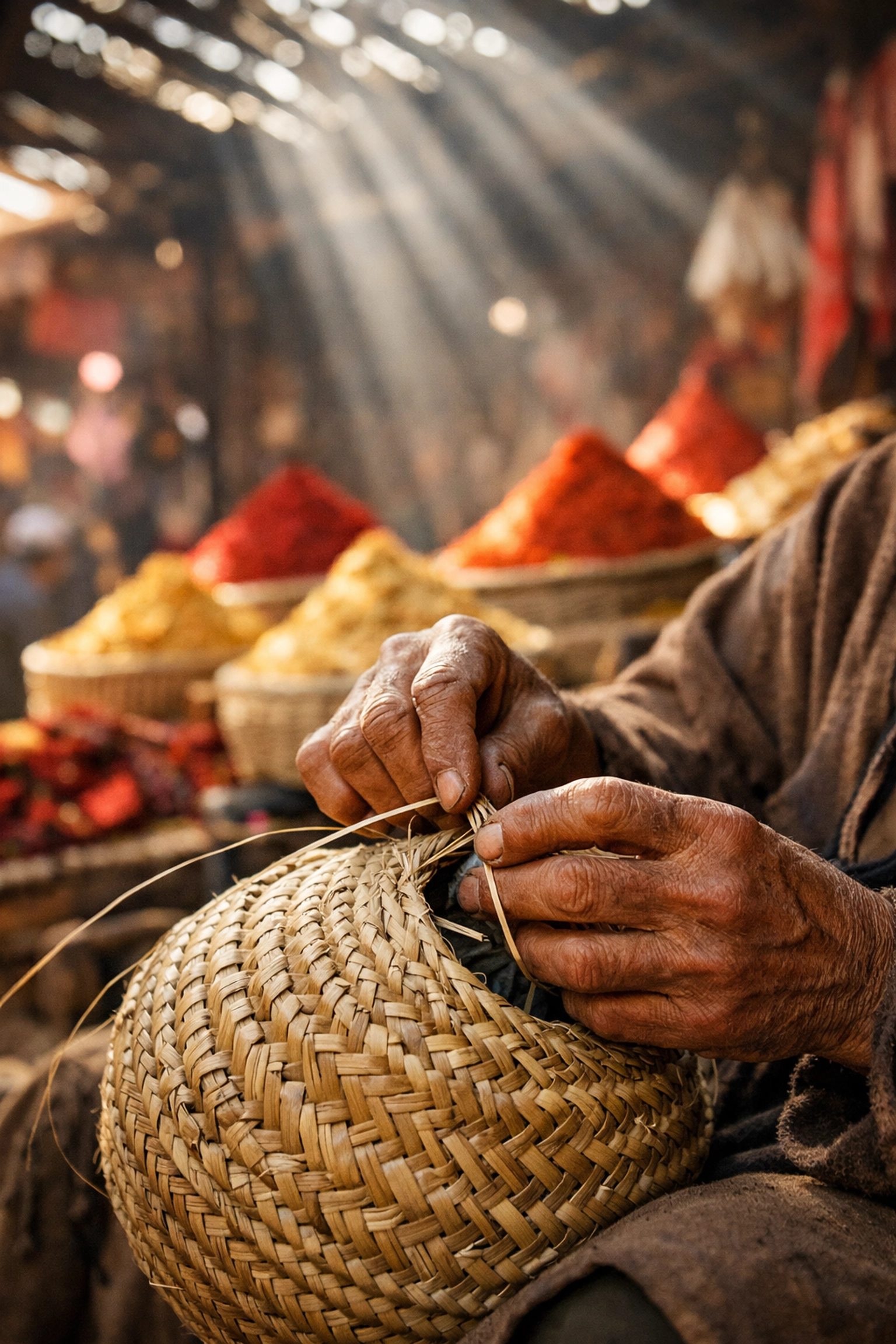
- Street Photography: Don’t be afraid to get close. Capture the local artisan at work or the vibrant colors of a street market. Always be respectful and ask for permission when appropriate: it often leads to a better story and a better photo.
- Food & Textures: Travel is a sensory experience. Capture the steam rising off a bowl of noodles in Williamsburg or the intricate tile work in a Mediterranean villa. These "micro-moments" help round out the narrative of your journey.
- Hidden Gems: Everyone has a photo of the Eiffel Tower. Try to find the hidden spots near you that others might overlook.
6. Post-Processing: The Final Polish
The job isn’t done when you press the shutter. Editing is where you define your "look." Whether you prefer a moody, high-contrast style or a bright, airy aesthetic, consistency is key.
When editing your travel photos:
- Correct the Horizon: Nothing ruins a great shot faster than a crooked sea.
- Adjust White Balance: Ensure the colors feel true to the memory of the place.
- Enhance, Don't Distort: Boost the shadows to reveal detail, but be careful not to over-saturate your colors to the point where they look radioactive.
For a deeper dive into the technical side of things, our educational category is packed with tutorials to help you master your workflow.
7. Planning Your Next Adventure
Success in travel photography starts long before you board the plane. Researching your destination is vital. Use tools like Google Earth to scout angles and check local weather patterns. If you're torn between destinations: say, the Dominican Republic vs. Cancun: look at which offers the visual variety you’re craving for your portfolio.
Remember, the goal is to enjoy the process. Don’t spend the whole trip behind the lens. Take the photo, then put the camera down and breathe in the air of the place you’ve worked so hard to visit.
Ready to Level Up?
Travel photography is a lifelong journey of learning. If you’re looking to upgrade your kit before your next trip, check out our 2024 camera reviews (which we've updated with 2026 insights) to see which gear is currently leading the pack.
Whether you're an aspiring pro or a weekend warrior, the most important thing is to keep shooting. The world is waiting for your perspective. Happy travels!