Category: Foodies
Welcome to day four of our 14-day deep dive into the culinary soul of Tokyo. If you’ve been following along, your stomach is probably already confused by the sheer volume of ramen and themed-cafe treats we’ve consumed. Today, we’re heading to the holy grail of seafood: the Tsukiji Outer Market.
Now, I know what you’re thinking. "Wait, didn't the fish market move?" Yes, the inner wholesale market (the famous tuna auction) moved to Toyosu back in 2018. But the outer market: the vibrant, chaotic, delicious heart of the district: is still very much alive, kicking, and smelling faintly of high-grade wasabi. For a photographer and a food lover, this is ground zero.
Tsukiji is a place where you can find a $100 Japanese chef's knife and a $4 stick of grilled scallops within five feet of each other. It’s a sensory explosion, and if you aren’t prepared, it can be a little overwhelming. But don't worry, Edin and the Photoguides team have your back.
The Morning Hustle: When to Arrive
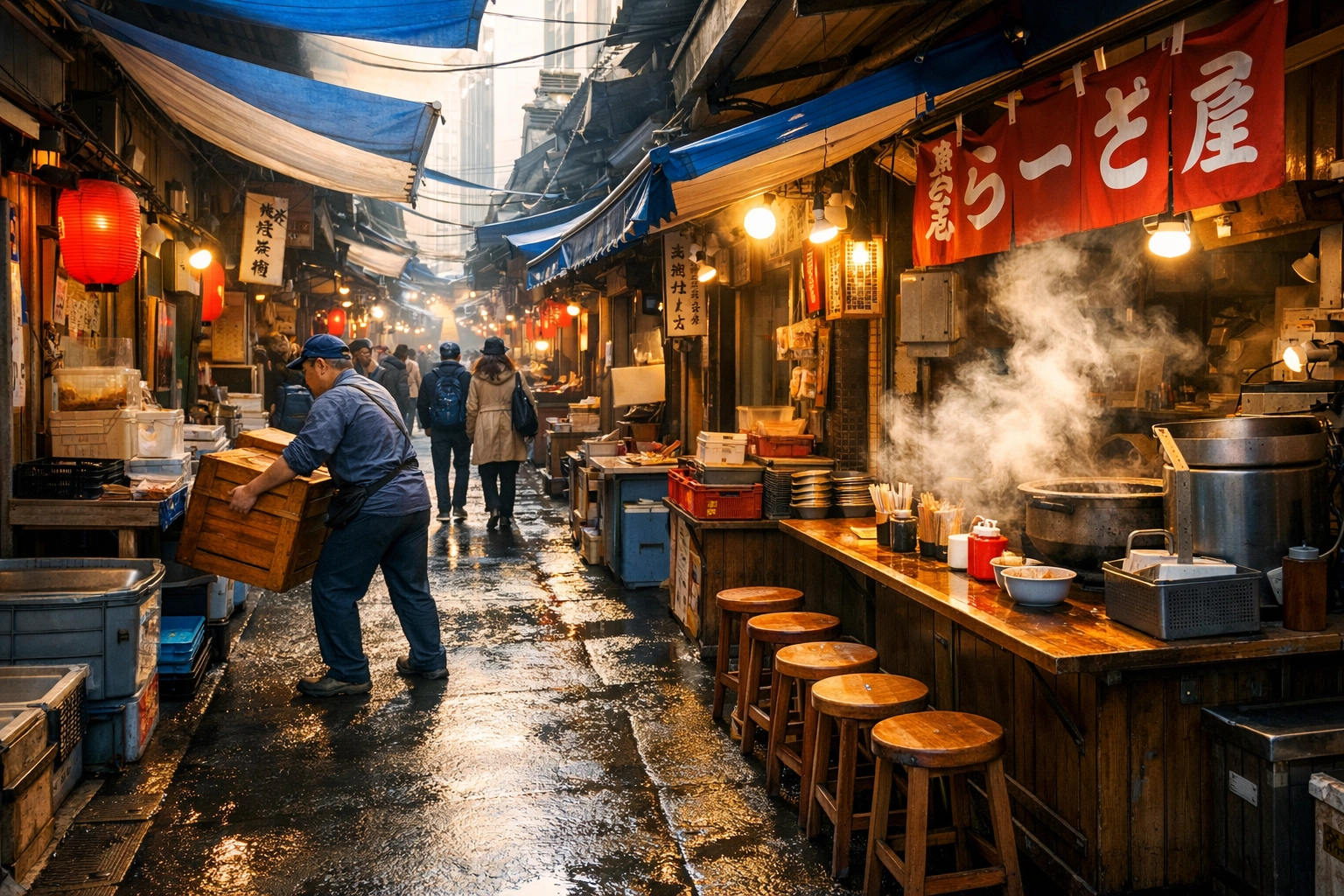
If you want the best shots and the freshest bites, you need to wake up before the sun thinks about rising. While the "professional" buyers dominate the scene until about 9:00 AM, arriving around 8:00 AM gives you the perfect window to watch the market wake up without being in the way of a guy hauling a 200-pound tuna on a motorized cart.
As you walk through the narrow alleyways of Tsukiji Nishi-dōri and Tsukiji Naka-dōri, you’ll notice the light hitting the steam rising from giant pots of ramen. This is the "golden hour" for street photography in the market.
Pro Tip: If you want to navigate these crowds like a local and find the hidden stalls that don't have a two-hour wait, I highly suggest booking a guided food tour through Viator here. Having a guide means you spend less time looking at Google Maps and more time looking through your viewfinder.
What to Eat: The Seafood Superstars
You aren't at Tsukiji to eat a granola bar. You are here for the ocean’s finest offerings.
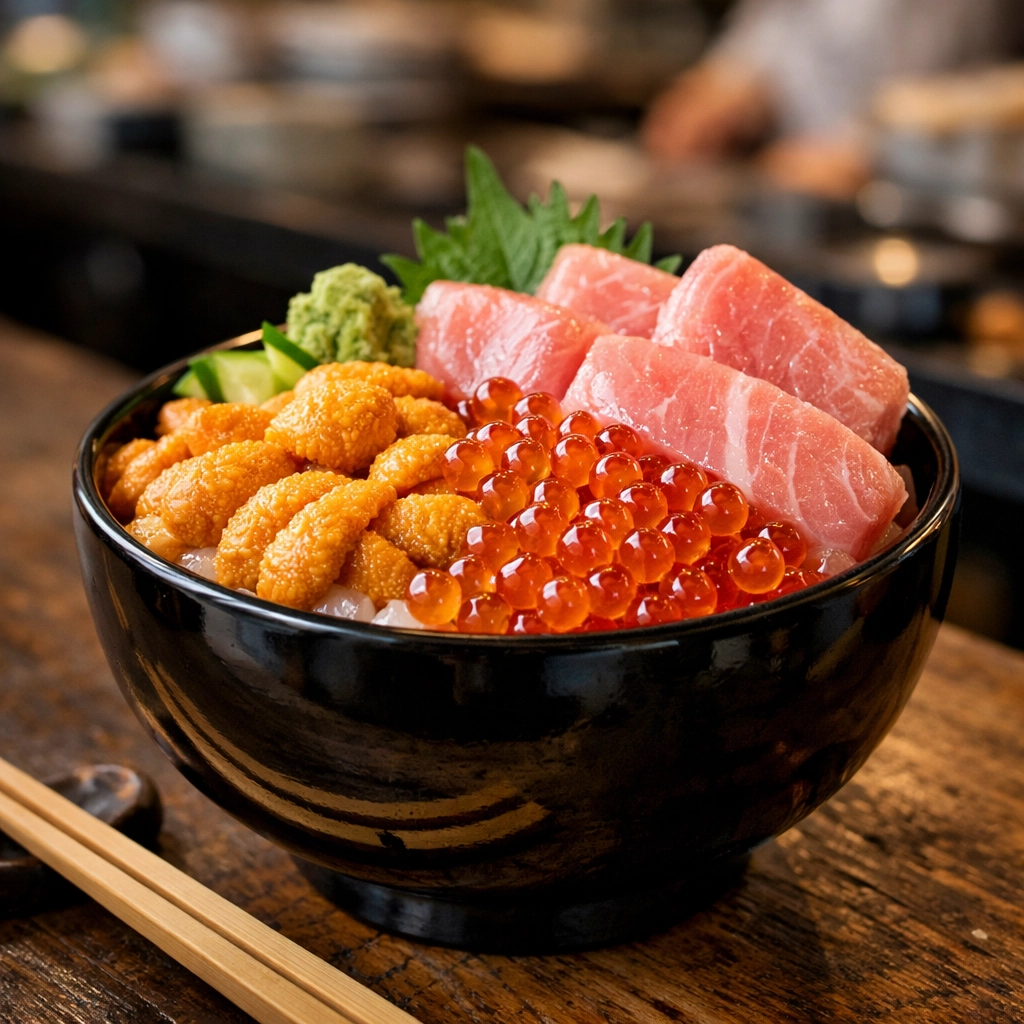
1. The Chirashi Bowl (Sashimi Rice Bowl)
This is the heavy hitter. Imagine a bowl of perfectly seasoned sushi rice topped with a literal mountain of sea urchin (uni), salmon roe (ikura), fatty tuna (otoro), and whatever else the sea decided to give up that morning. The colors are so vibrant they almost look fake: perfect for those top-down "foodie" shots.
2. Maguro (Tuna) Everything
You can’t visit the world’s most famous tuna destination and skip the maguro. Whether it’s a simple piece of nigiri or a grilled tuna jaw, the quality here is unparalleled. For the best experience, look for stalls that specialize in "Otoro" (the fattiest part of the belly). It melts on your tongue like butter.
To ensure you’re getting the absolute freshest catch without the "tourist trap" markup, this Viator food tour is a lifesaver. They know which vendors have been there for three generations and which ones just opened last week.
The Street Food Circuit
While seafood is the star, the snacks are the supporting actors that steal the show.
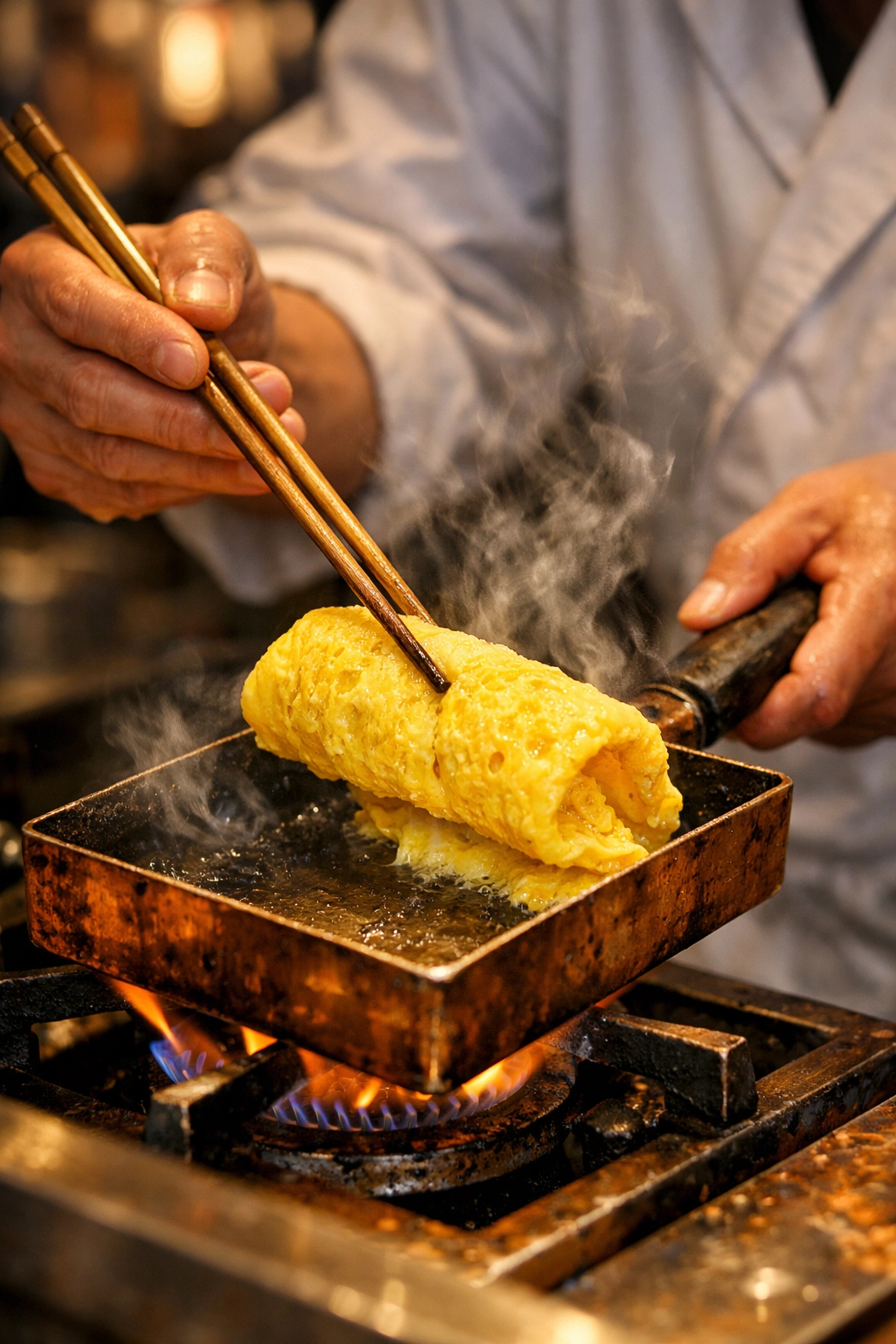
- Tamagoyaki (Rolled Omelet): You’ll see several stalls with long lines for a yellow block on a stick. This is Japanese rolled egg. It’s sweet, savory, and suspiciously fluffy. Watching the chefs flip these in rectangular pans is a great opportunity for some high-shutter-speed action photography.
- Grilled Scallops with Uni: This is the ultimate indulgence. A giant scallop grilled in its shell, topped with a dollop of sea urchin and a splash of soy sauce. It’s expensive, it’s messy, and it’s worth every yen.
- Strawberry Mochi: For dessert, grab a Daifuku: a soft rice cake stuffed with sweet bean paste and a massive, perfect Japanese strawberry.
Photographing the Spirit of Tsukiji
From a photography perspective, Tsukiji is a masterclass in textures and shadows. You have the metallic gleam of professional knives, the rough wooden crates, and the glistening scales of fish.
When I’m shooting at the market, I prefer a fast prime lens: something like a 35mm or 50mm. The alleyways are tight, and the light can be low, so you need that wide aperture. You’ll want to capture the "work" of the market: the weathered hands of a fishmonger or the focused expression of a sushi chef.
If you're wondering what gear I pack for a trip like this, check out our guide on essential photography gear. Keeping your kit light is key when you’re squeezing through crowds with a piece of grilled eel in one hand and a camera in the other.
For more inspiration on how to capture the "fine art" side of travel, take a look at some of the prints over at Edin Fine Art. Seeing how professional light is captured in urban environments can really help you frame your shots at Tsukiji.
Etiquette: Don’t Be "That" Tourist
The Tsukiji Outer Market is a place of business first and a tourist attraction second. Here are a few rules to keep things reassuringly smooth:
- Don't Eat and Walk: This is a big one in Japan. If you buy something, stand in front of the stall or find a designated eating area to finish it.
- Watch the Bags: The aisles are narrow. If you’re carrying a massive camera bag, you will hit someone. Try to use a slim sling bag or leave your luggage in a coin locker.
- Ask Before Snapping: Most vendors are used to cameras, but it’s always polite to give a quick nod or ask "Sumimasen?" (Excuse me?) before taking a close-up of their face or product.
- No Large Groups: If you’re traveling with ten people, you’re going to have a hard time. Break into smaller groups or, again, join a professional food tour to keep things organized.
Beyond the Food: Kitchenware and Souvenirs
After you’ve eaten your weight in tuna, take a stroll through the non-food stalls. Tsukiji is world-renowned for its professional-grade kitchenware. You’ll find shops filled with handmade ceramics and knives that are essentially works of art.
Photographing these rows of knives can create some incredible leading lines and geometric patterns. Just remember: if you buy a high-end Japanese knife, you’re going to have to check that bag on the way home!
If you're looking for more tips on how to handle travel photography in crowded cities, we have plenty of resources in our educational category.
Wrapping Up Day 4
Tsukiji is more than just a place to eat; it’s a living museum of Tokyo’s culinary history. It’s gritty, it’s loud, and it’s one of the most rewarding places in the world to point a camera.
Whether you’re there for the $5 tamagoyaki or the once-in-a-lifetime chirashi bowl, the energy of the market is infectious. Just remember to put the camera down every once in a while and actually taste the food: I promise it’s better than the photo looks.
Ready for the next stop on our 14-day tour? We’ll be heading to Akihabara to explore the wild world of themed cafes. But before you go, make sure to book your Tsukiji experience through Viator so you don't miss out on the best spots.
For more travel tips and photography deep-dives, check out Edin’s personal blog where we talk about everything from street photography to life on the road.
Stay hungry, keep shooting, and I’ll see you tomorrow in Akihabara!