
Category: Foodies
Welcome to day four of our 14-day culinary deep dive into the heart of Tokyo. If you’ve been following along, your pants are probably getting a little tighter, and your camera roll is likely 90% pictures of things you’ve already eaten. Good. That means we’re doing it right.
Today, we’re heading to a place that is practically a pilgrimage site for anyone who appreciates the difference between "grocery store sushi" and "melt-in-your-mouth, life-changing seafood." We’re talking about the Tsukiji Outer Market. Now, I know what you’re thinking: "Penny, didn’t the fish market move?"
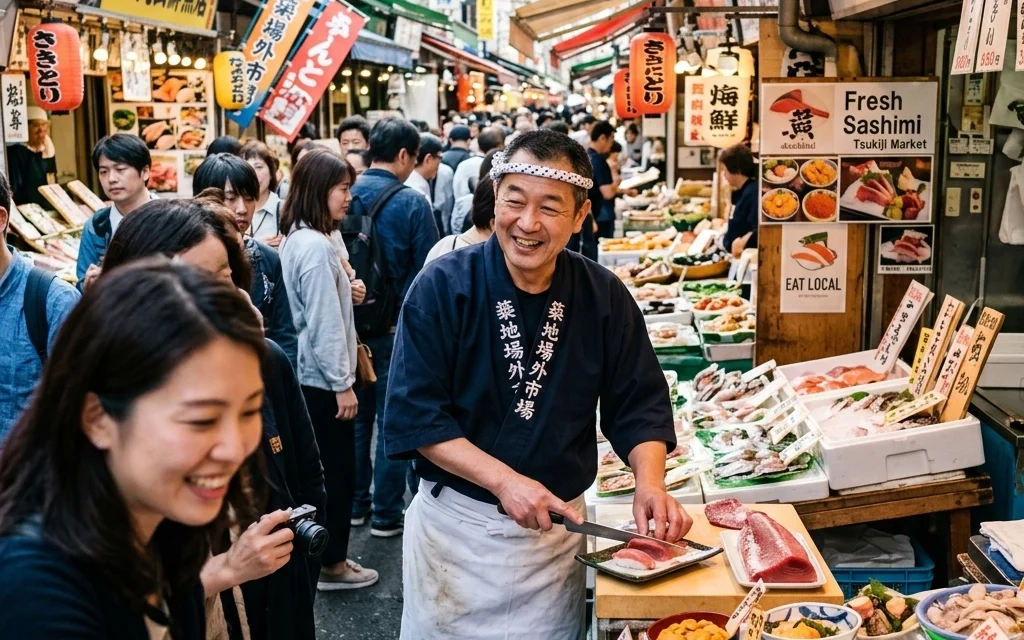
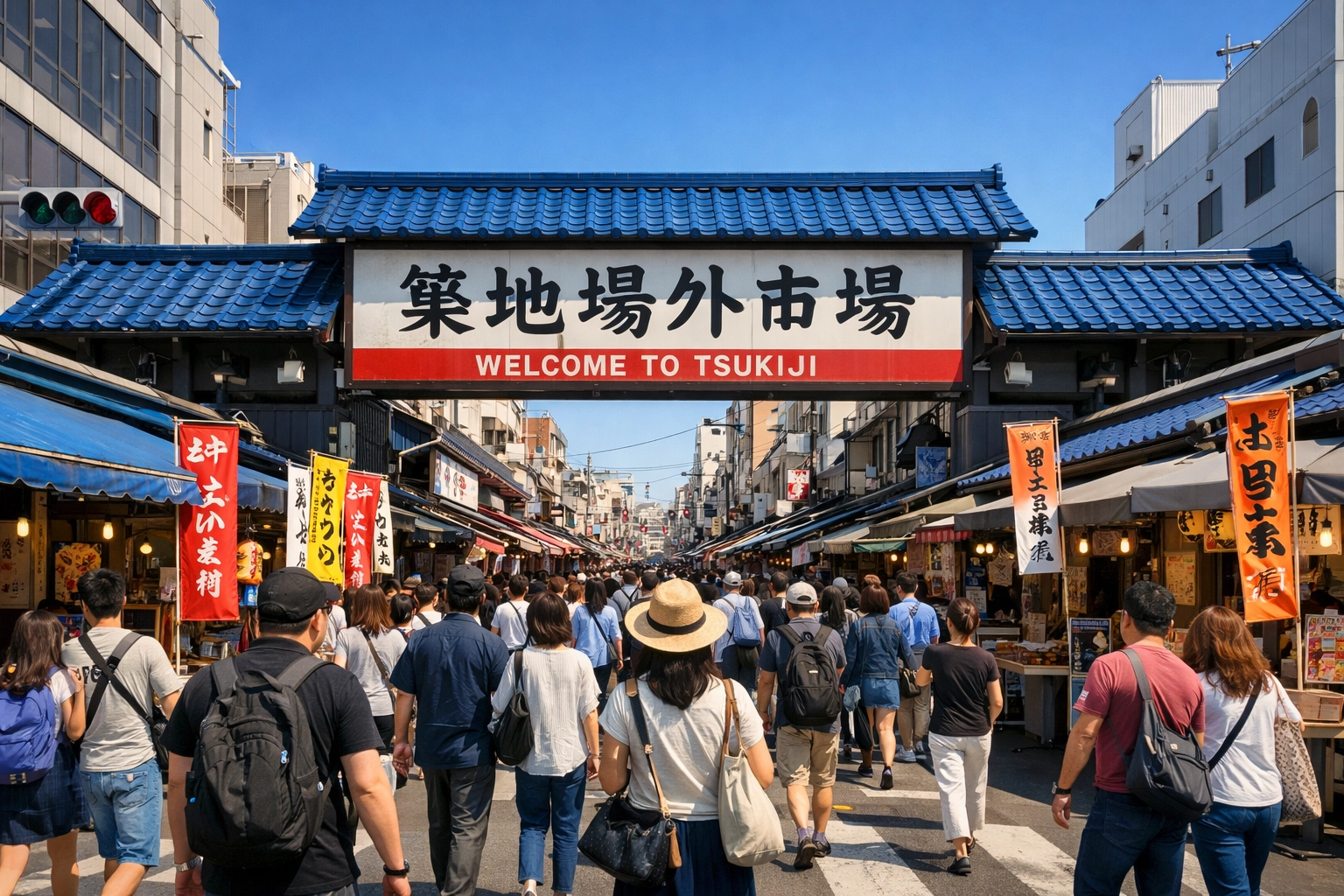
Yes and no. The inner wholesale market, the place where the giant tuna auctions happened and the famous turrets zipped around, moved to Toyosu back in 2018. But the Outer Market? It stayed right where it was, and honestly, it’s better than ever. It’s a labyrinth of over 400 shops, stalls, and tiny restaurants that have been there for generations. It’s loud, it’s crowded, and it smells like the best parts of the ocean.
If you want to navigate this place without looking like a lost tourist or getting scolded by a veteran fishmonger, pull up a chair. Here is everything you need to know to eat like a local at Tsukiji.
1. Timing is Everything (But Don’t Wake Up at 3 AM)
Back in the day, if you wanted to see the tuna auction, you had to wake up at an hour that shouldn't even exist. For the Outer Market, you can sleep in, a little.
Most shops start opening around 8:00 AM. If you show up at 10:00 AM, you’re in the sweet spot for food variety, but you’re also in the thick of the crowds. By 1:00 PM, many of the best stalls are starting to pack up. My advice? Aim for 8:30 AM. It’s early enough to beat the heavy tourist rush but late enough that the chefs have had their first cup of coffee and are ready to serve.
If you’re worried about navigating the maze on your own, I highly recommend booking a food tour through Viator. Having a local guide who knows the owners by name is the ultimate "cheat code" for finding the hidden gems that aren't on TikTok yet.
2. The Golden Rules of Tsukiji Etiquette
Before we talk about the food, let’s talk about manners. Japan has a very specific set of unspoken rules when it comes to eating, and Tsukiji is no exception.
- Don't Walk and Eat: This is a big one. It’s tempting to grab a grilled scallop and keep strolling, but it’s considered rude. Most stalls have a small standing area or a designated spot to eat. Stand, enjoy, then move on.
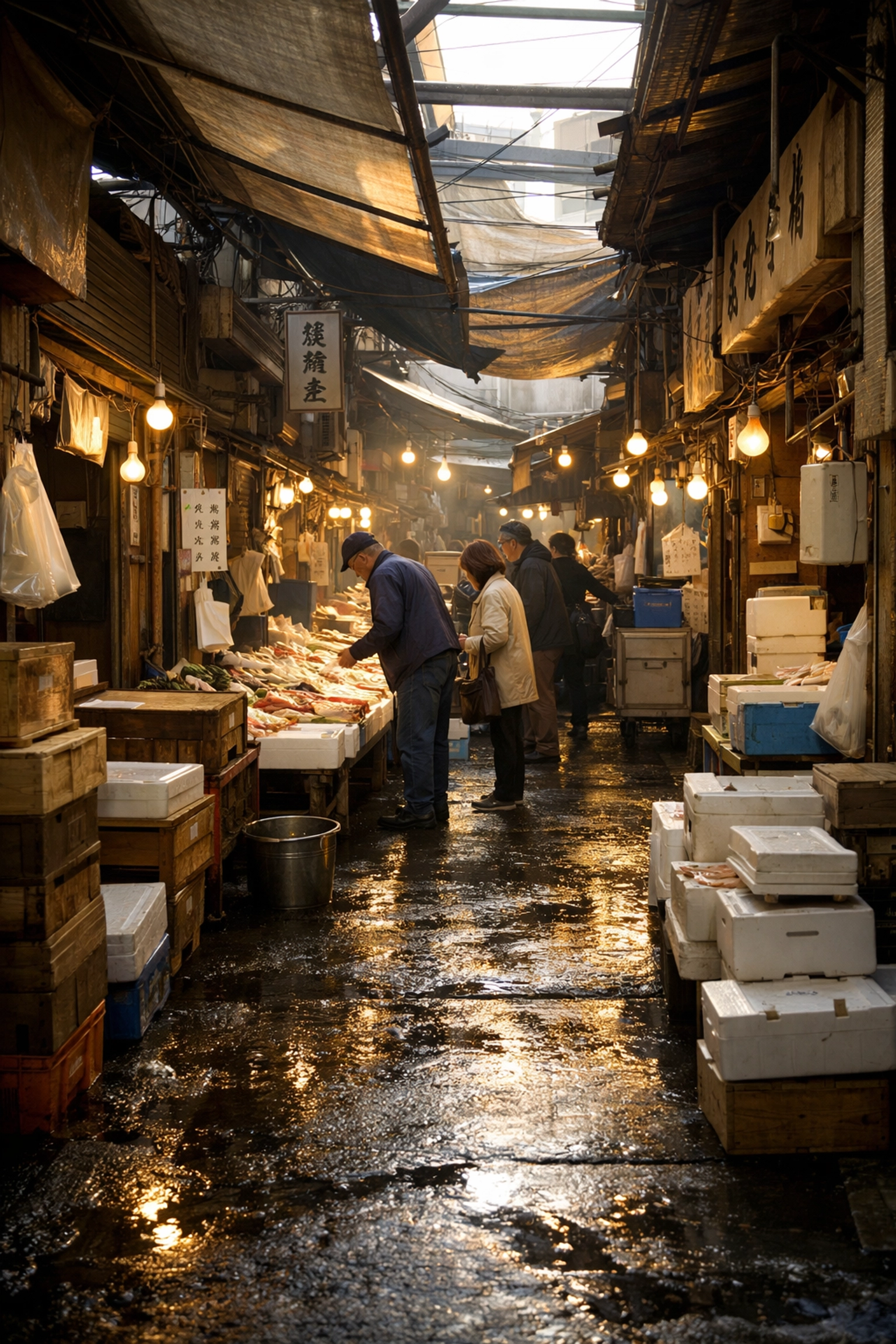
- Watch for Traffic: Even though the big wholesale trucks are gone, there are still smaller carts and delivery bikes buzzing through the narrow alleys. If you hear a bell or a shout, move!
- Small Groups Only: The alleys are tight. If you’re traveling in a group of eight, break into pairs. You’ll have a much easier time getting a seat at a tiny six-person sushi counter.
- Cash is King: While more places are taking cards now, many of the older stalls are cash-only. Carry a pouch of yen so you don't have to awkwardly walk away from a delicious piece of fatty tuna.
3. The Must-Eat List
Alright, let’s get to the good stuff. If you leave Tsukiji without trying at least three of these, we can’t be friends.
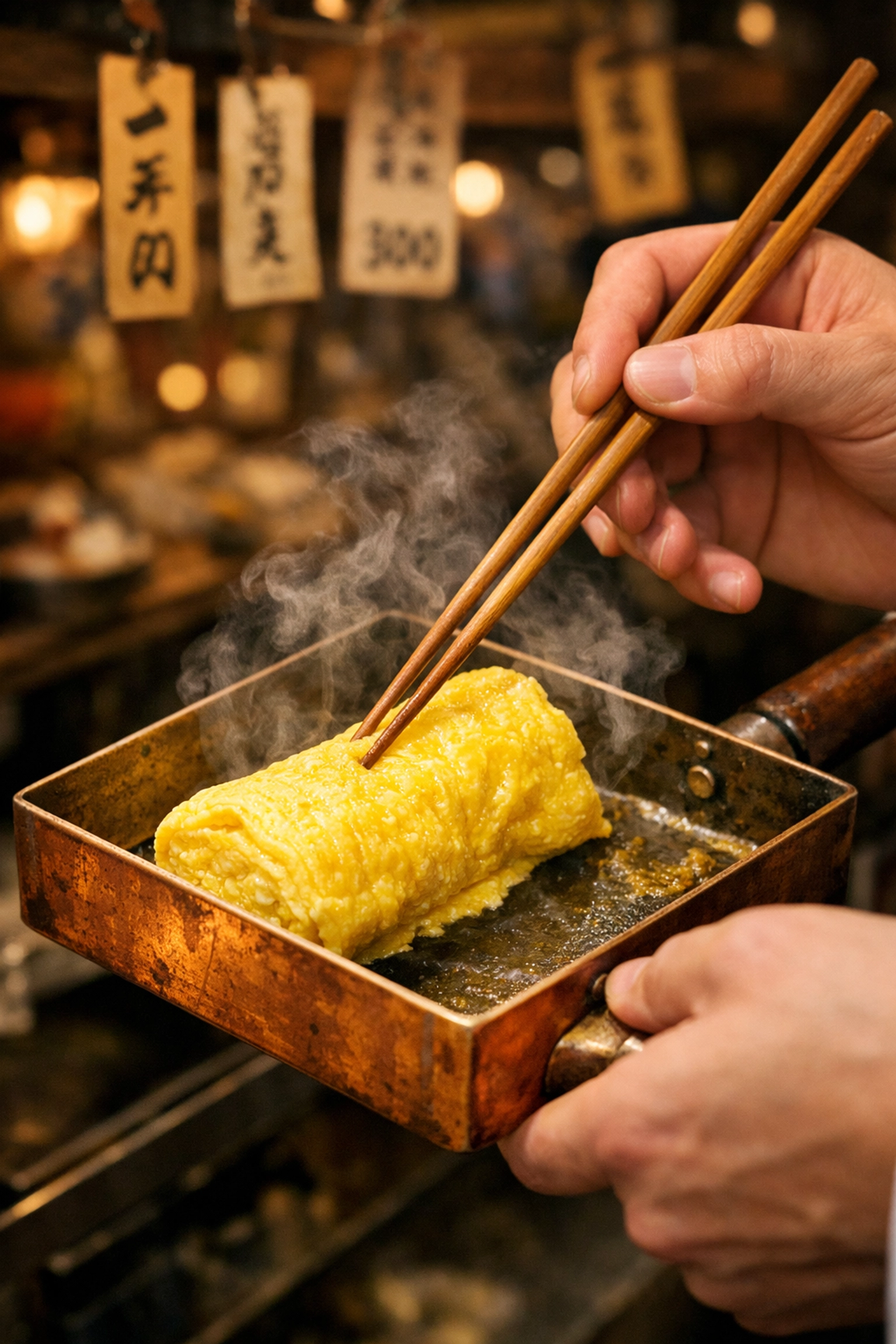
Tamagoyaki (Japanese Omelet)
You’ll see several stalls with long lines where chefs are flipping rectangular omelets with surgical precision. This is tamagoyaki. It’s slightly sweet, incredibly fluffy, and usually served on a stick for about 100-150 yen. It’s the perfect "appetizer" for your morning market crawl.
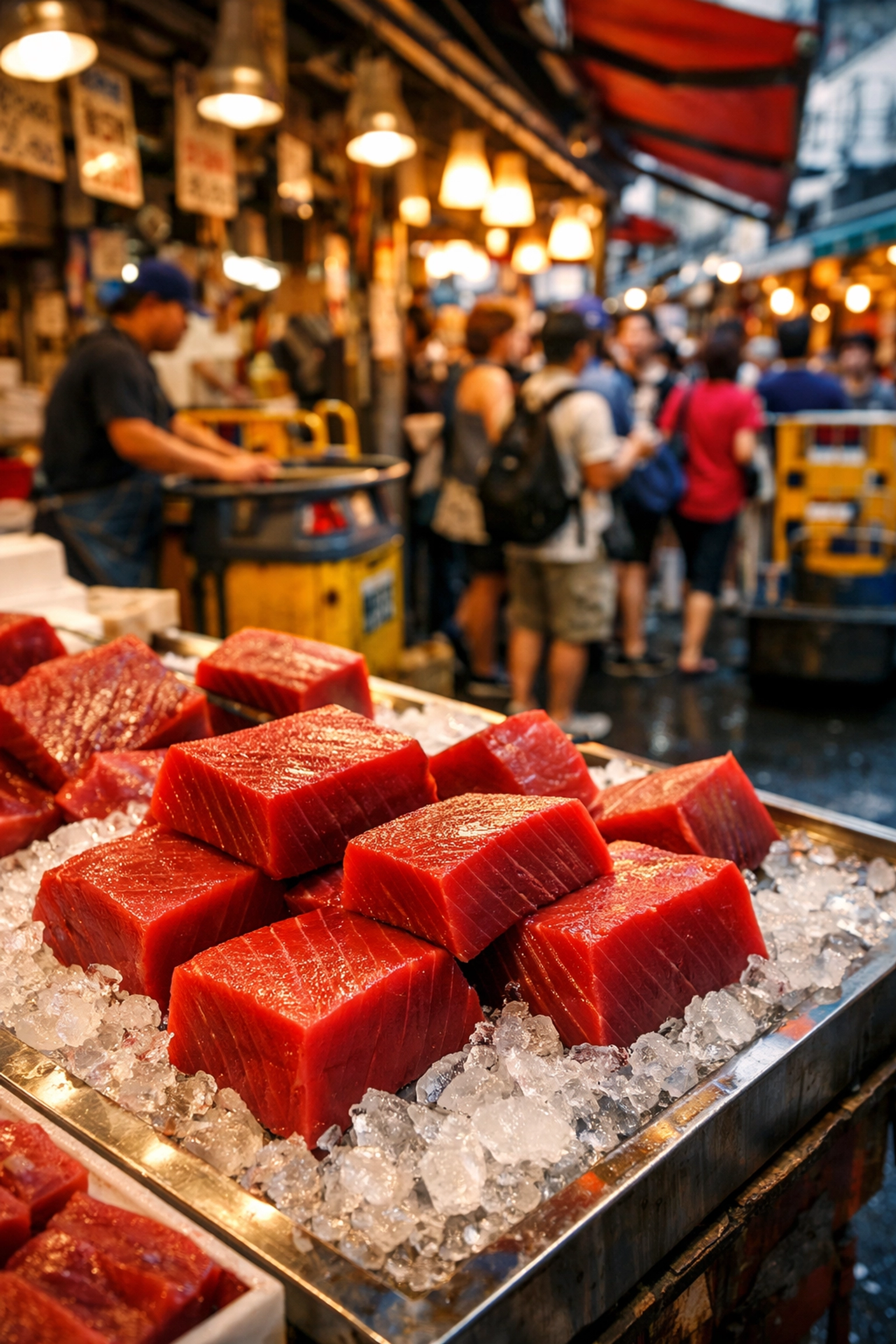
Maguro (Tuna)
You are at the world’s most famous fish market; you have to eat tuna. Look for Otoro (the fattiest part of the belly). It’s expensive, but it literally dissolves on your tongue. If you want a full meal, find a Kaisen-don (seafood bowl) shop. You’ll get a bowl of vinegared rice topped with a mountain of fresh sashimi.
Grilled Scallops with Uni
This is the ultimate luxury street food. Chefs take giant scallops, grill them over charcoal, and then top them with a dollop of uni (sea urchin) and maybe a splash of soy sauce. It’s an explosion of umami.
Strawberry Mochi
For dessert (yes, we have dessert at 9 AM), look for the stalls selling giant white or pink mochi stuffed with a fresh, juicy strawberry. Sometimes they’re filled with red bean paste, sometimes with custard. They are as beautiful as they are delicious.
4. Capturing the Chaos (A Note for Photographers)
Since we are all about those visuals here at Photoguides, I have to give you some advice on shooting in the market. Tsukiji is a visual feast, but it’s also challenging. The lighting is a mix of overhead fluorescent, harsh sunlight, and deep shadows in the alleys.
If you’re bringing your gear, I suggest a fast prime lens (35mm or 50mm) so you can capture those shallow depth-of-field shots of the food while blurring out the busy background. For more tips on what to pack for a trip like this, check out our guide on essential photography gear.
Be respectful with your lens. Most vendors are used to cameras, but always ask with a nod or a quick "Sumimasen?" before taking a close-up of a person. If you’re looking to turn your market shots into actual art, you might find some inspiration over at Edin Fine Art to see how professionals frame urban chaos.
5. Navigating the Alleys: Nishi-dori and Naka-dori
The market can feel like a fever dream if you don't have a plan. The two main arteries are Tsukiji Nishi-dōri and Tsukiji Naka-dōri. These are where the majority of the crowds hang out.
If you’re feeling brave, duck into the smaller side alleys. This is where you’ll find the shops selling professional-grade Japanese knives, high-quality dried seaweed (nori), and beautiful ceramics. It’s also where you’ll find the tiny ramen shops where the locals actually eat. Speaking of local vibes, if you ever find yourself back stateside looking for that same hidden-gem energy, check out our post on Miami’s hidden speakeasies. Different vibe, same "in-the-know" feeling.
6. How to Get There
Tsukiji is incredibly easy to reach. You can take the Hibiya Line to Tsukiji Station or the Oedo Line to Tsukiji Shijo Station. If you’re staying near Ginza, it’s a pleasant 10-15 minute walk.
Pro tip: If you’ve spent the morning eating your weight in sushi, a long walk is exactly what you’ll need afterward. I usually end my Tsukiji mornings by walking back toward Ginza for some high-end coffee to combat the "fish coma."
Final Thoughts: Why Tsukiji Still Matters
There’s a lot of debate about whether Tsukiji is "too touristy" now that the wholesale market has moved. But here’s the thing: the people are still there. The families who have been selling dried bonito flakes for eighty years are still there. The craftsmanship is still there.
It’s a place that rewards the curious. If you just walk the main street, you’ll see the tourist traps. If you dig a little deeper, talk to the vendors, and try things you can’t identify, you’ll have one of the best food experiences of your life.
If you want to make sure you don't miss a single bite, don't forget to check out the food tours on Viator. They take all the guesswork out of it, leaving you more brainpower to focus on your photography. For more deep dives into the technical side of things, head over to Shut Your Aperture or read more of my personal travel stories on Edin’s Blog.
And if you’re just starting your photography journey and want to learn how to edit these vibrant market shots, our educational category has everything you need to get started.
Stay hungry, keep shooting, and I’ll see you tomorrow for Day 5, where we’re heading to Akihabara to see what happens when food meets anime culture!













