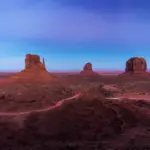
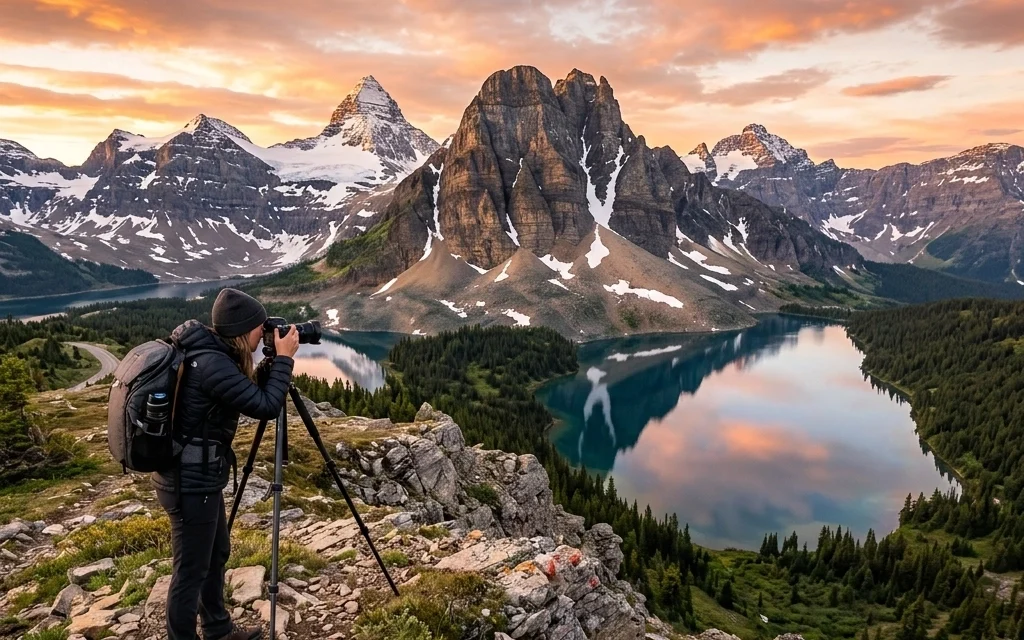
There is something almost spiritual about standing at the edge of the Grand Canyon as the first light of day hits the rim, or watching the mist dance between the ancient trees of the Great Smoky Mountains. As photographers, the 63 US National Parks are our ultimate playgrounds: a vast collection of the most diverse and stunning landscape photography locations on the planet.
But let’s be real: showing up at a park with a camera and a dream isn't always enough. I’ve spent years traversing these lands, from the rugged coastlines of Maine to the volcanic craters of Hawaii, and I’ve learned that the difference between a "nice snapshot" and a gallery-worthy masterpiece often comes down to preparation and patience.
Whether you’re a seasoned pro or just starting your journey, this guide is designed to help you navigate the nuances of national park photography. We’re going to cover everything from scouting the best sunrise spots to choosing the right gear, ensuring your next trip is your most productive one yet.
The Foundation: Planning and Research
If you fail to plan, you’re essentially planning to miss the best light. The most successful photographers I know spend more time looking at maps and weather charts than they do pressing the shutter button.
Before you even pack your bag, you need to dive into the specifics of your destination. Every park has its own rhythm. For instance, the light at Arches National Park hits differently in the spring than it does in the late fall. I highly recommend picking up a copy of "Treasured Lands" by QT Luong; it’s widely considered the "bible" for this niche.
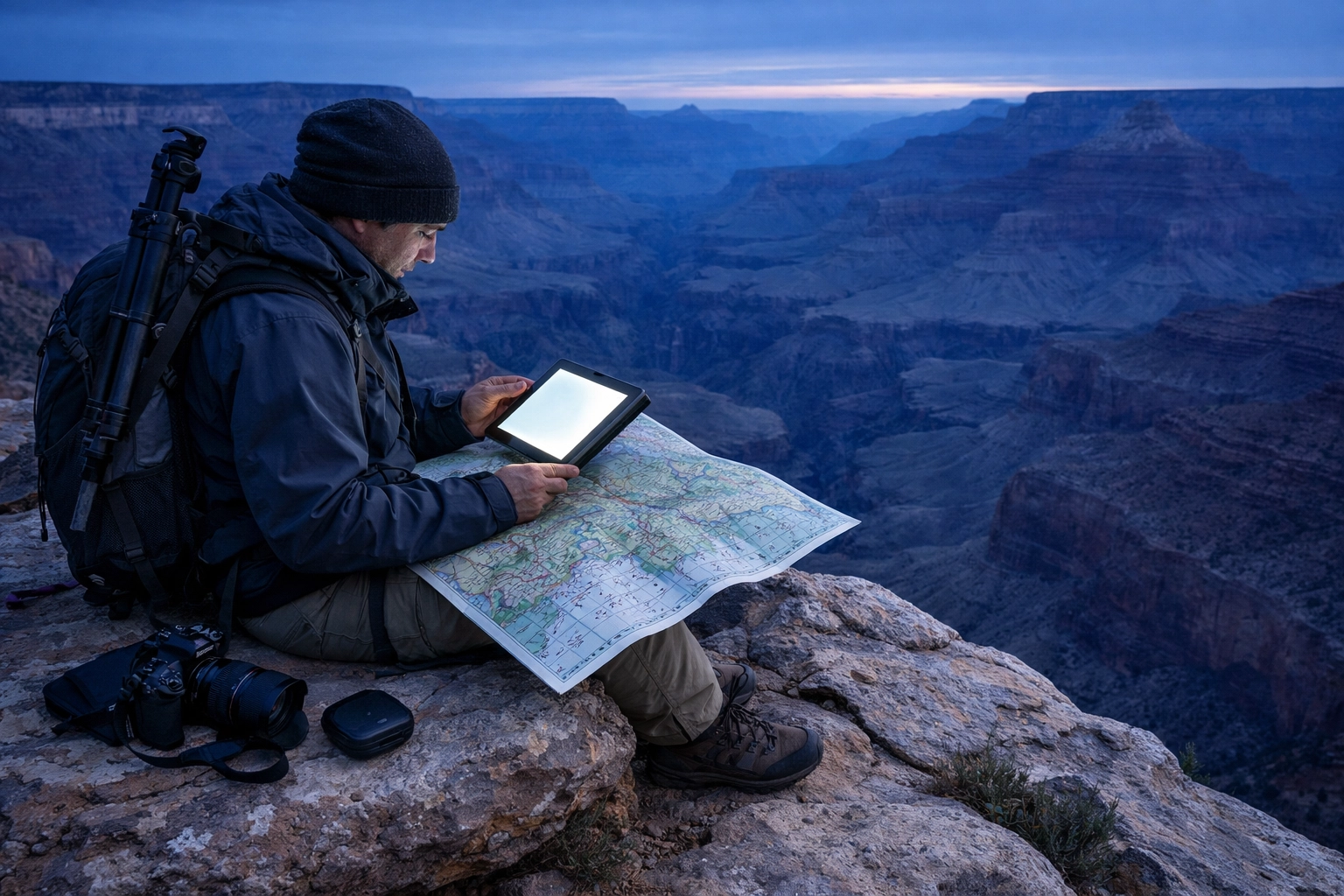
Alt text: A photographer sitting on a rock overlooking a vast canyon, studying a physical map and a digital tablet for scouting.
Beyond books, digital scouting is your best friend. Use apps like Google Earth to visualize the topography and PhotoPills to track exactly where the sun and moon will rise and set. When looking for the best photography locations, don’t just settle for the "classic" viewpoints. While places like Tunnel View in Yosemite are iconic for a reason, walking just half a mile down a lesser-known trail can give you a perspective that hasn’t been seen a million times on Instagram.
For more inspiration on how to tell a story through your lens, check out some of my personal projects at www.edinfineart.com.
Essential Gear for the Great Outdoors
When you’re hiking miles into the backcountry, every ounce in your bag matters. However, compromising on the wrong gear can lead to missed opportunities. Here’s what I consider the "National Park Essentials":
1. The Glass (Lenses)
- Wide-Angle (14-35mm): This is your bread and butter for those expansive vistas. You want to capture the scale of the mountains and the depth of the valleys.
- Telephoto (70-200mm or 100-400mm): Many beginners overlook long lenses for landscapes. A telephoto allows you to "compress" the scene, making distant peaks look massive, and it’s essential for wildlife.
- Macro Lens: Don't forget the small details. The wildflowers in Mount Rainier or the textures of the rocks in Joshua Tree are just as beautiful as the grand vistas.
2. Stability and Filters
A sturdy tripod isn't optional; it’s a requirement. Whether you’re shooting long exposures of waterfalls or waiting for the stars to come out, you need a stable base. Also, make sure you have a circular polarizer to cut glare and a graduated neutral density (GND) filter to balance those bright skies against dark canyon floors.
If you’re looking to upgrade your setup, take a look at our essential photography gear guide. You might also want to explore the module-8-lens-adapter for some unique, cinematic flares that can really make your park shots stand out.
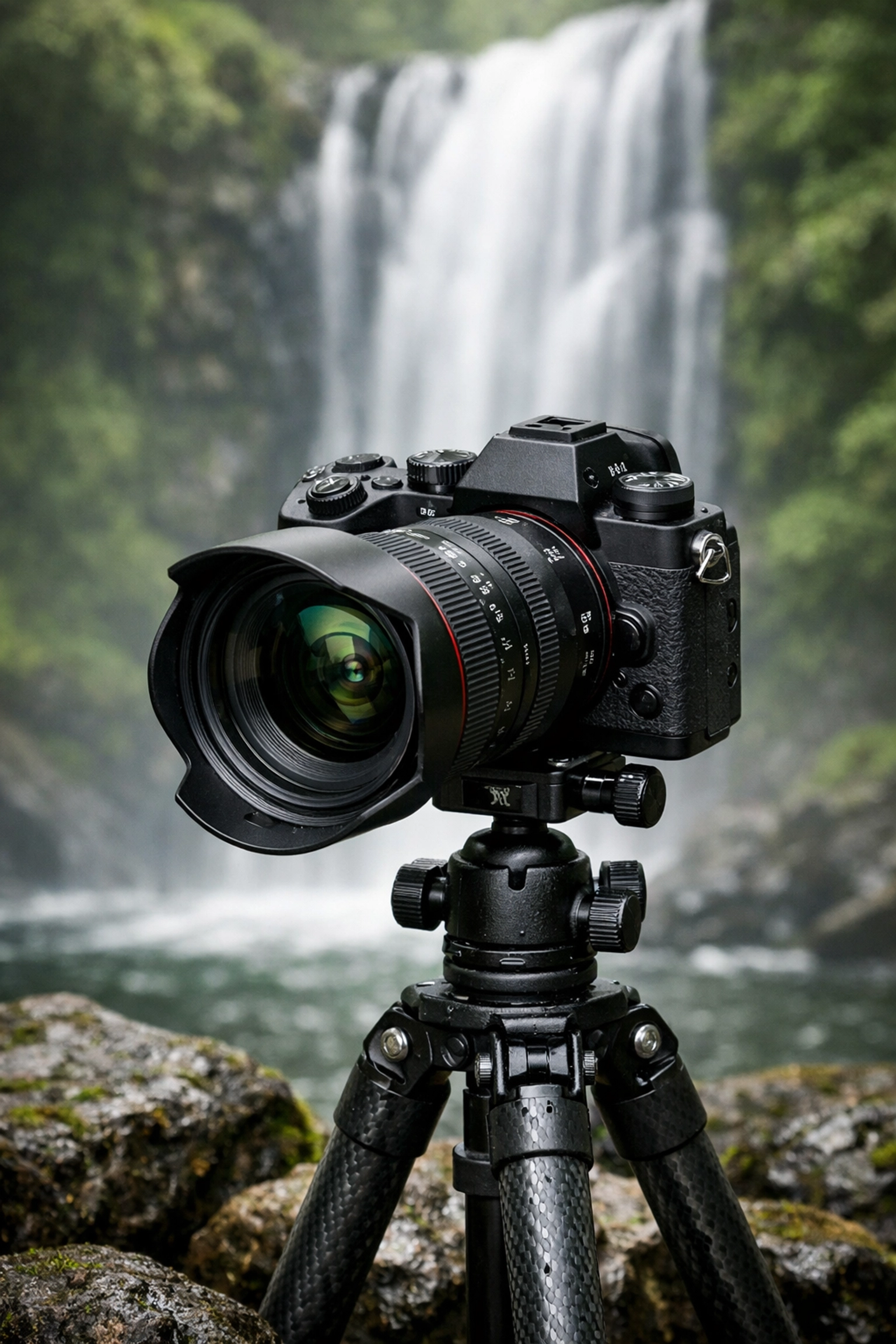
Alt text: A high-end camera setup on a carbon fiber tripod positioned in front of a rushing waterfall in a lush forest.
Mastering the Light: The Golden Hour and Beyond
Timing is everything. In the world of photography, the hours around sunrise and sunset are king. This is when you’ll find the best sunrise spots glowing with that soft, directional light that brings out the textures of the earth.
The Magic of Sunrise
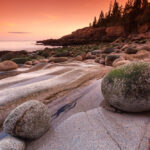
There is a unique stillness in the morning. At Acadia National Park, being the first to see the sun hit Cadillac Mountain is a rite of passage. In the desert, sunrise at Mesa Arch in Canyonlands provides a world-famous glow on the underside of the arch that is truly breathtaking. My tip? Arrive at least 45 minutes before the sun actually peaks over the horizon. This allows you to capture the "blue hour" and ensures you have the best spot before the crowds arrive.
Chasing the Sunset
Sunset offers a warmer, often more dramatic palette. However, don't pack up as soon as the sun goes down. The "afterglow" can produce some of the most vibrant pinks and purples in the sky, especially if there are a few high clouds.
For those interested in the community side of things and hearing what other photographers are using during these golden hours, I always recommend heading over to www.shutyouraperture.com.
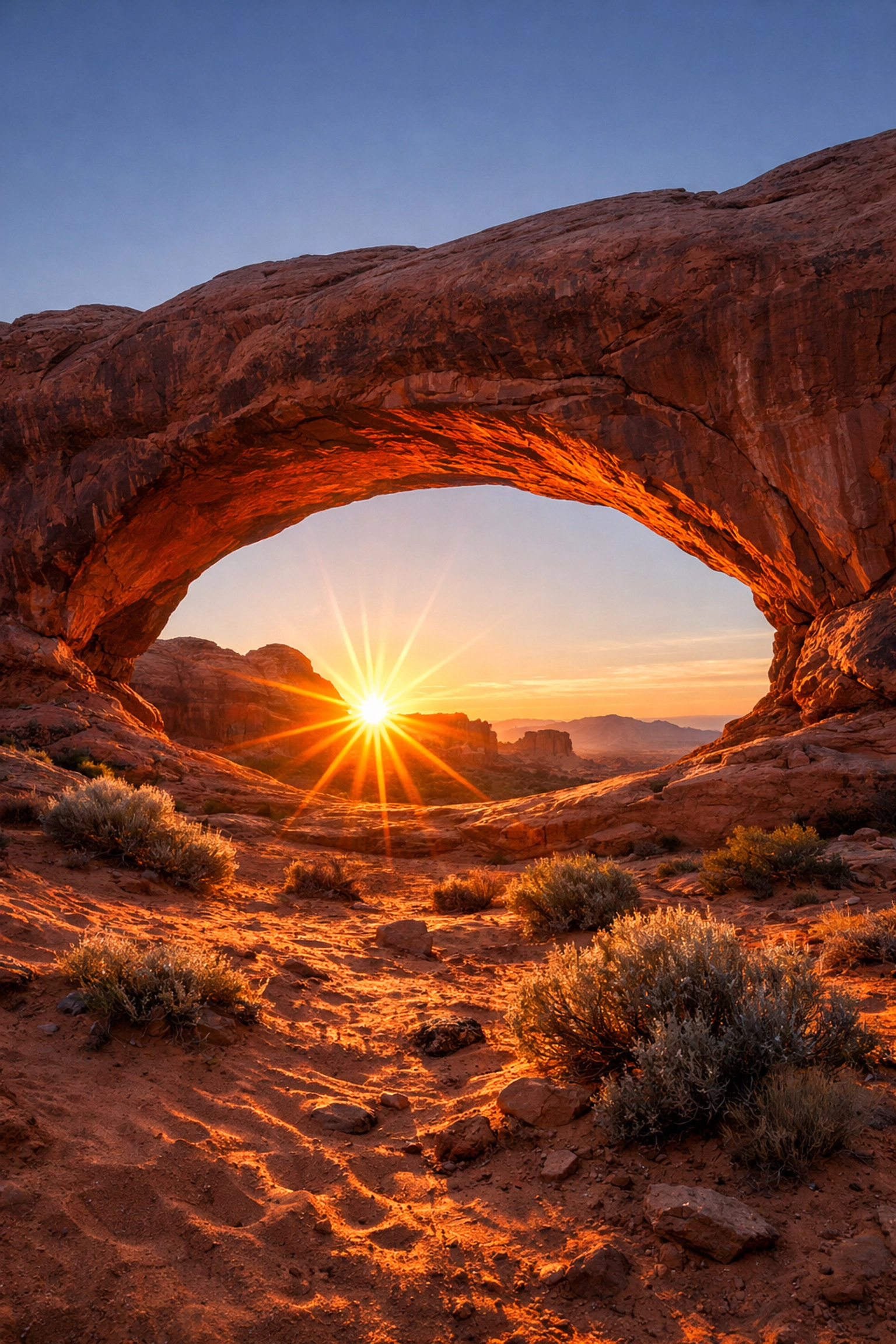
Alt text: An ultrarealistic shot of the sun rising behind a natural stone arch, illuminating the red rock in a fiery orange glow.
Composition Techniques for Impact
Once you’ve found the landscape photography locations and the light is hitting just right, it’s all about how you frame the shot.
- Leading Lines: Use trails, rivers, or even fallen logs to lead the viewer’s eye into the frame.
- Foreground Interest: A vast mountain range can look flat without something in the foreground to provide scale. Look for a unique rock, a patch of flowers, or an interesting texture in the sand.
- The Rule of Thirds (and when to break it): While placing your horizon on the top or bottom third is a safe bet, don't be afraid to center a reflection in a perfectly still alpine lake for a symmetrical, calming effect.
If you’re feeling stuck with your compositions, it might be time for a more immersive learning experience. You can find more about our photography booking experience to get some hands-on guidance in the field.
Capturing Wildlife Safely and Ethically
National parks aren't just about the rocks and trees; they are home to some of the most majestic creatures on earth. Whether it’s the grizzly bears of Glacier or the bison of Yellowstone, wildlife photography requires a different set of rules.
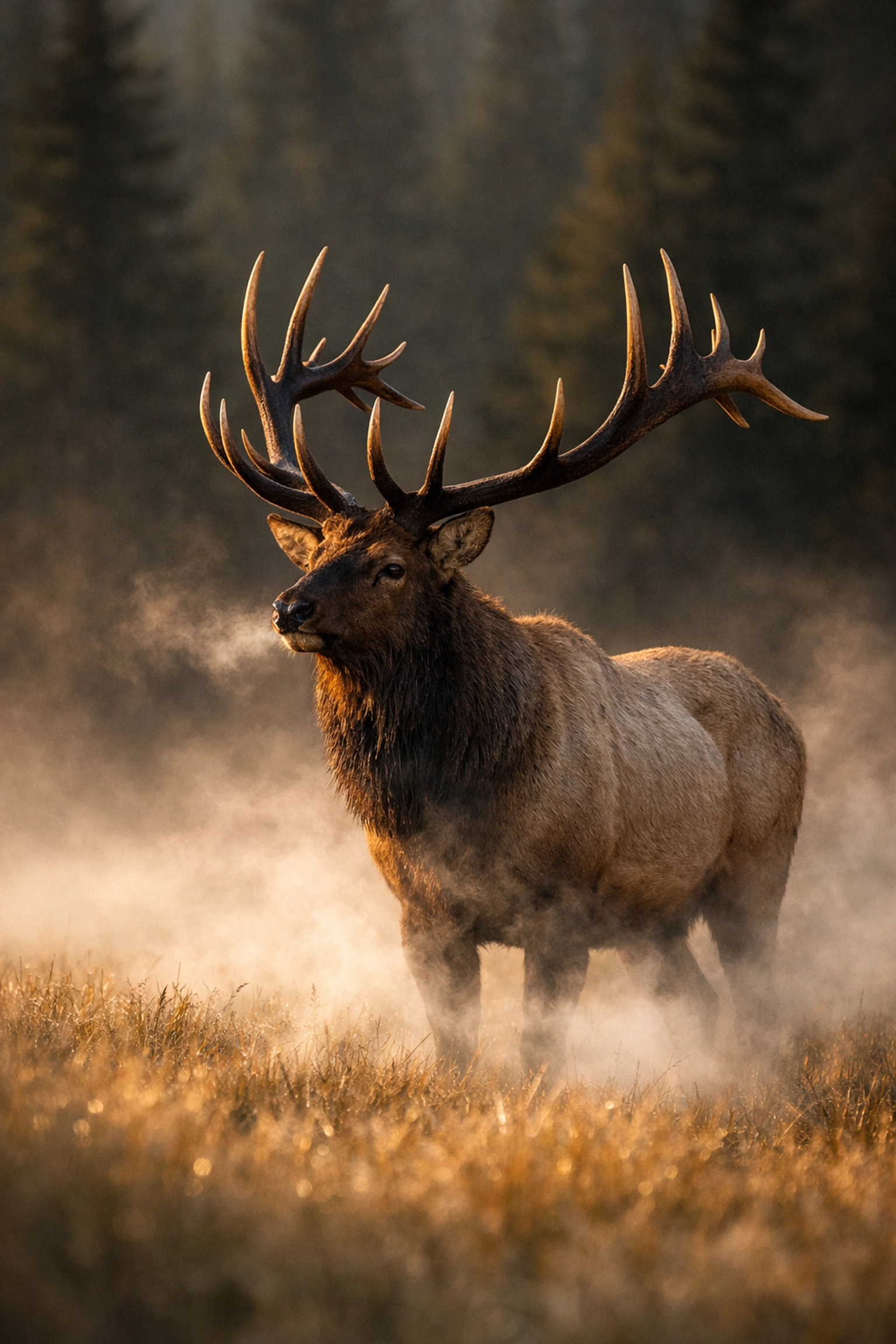
Alt text: A majestic bull elk standing in a misty meadow at dawn, captured with a shallow depth of field.
The most important rule is respect. Never approach wildlife. Use your telephoto lens to get the shot from a safe distance. Not only does this keep you safe, but it also ensures the animal isn't stressed, allowing you to capture more natural behavior. For more stories from the field and tips on wildlife encounters, visit my blog at www.blog.edinchavez.com.
Navigating the Challenges: Weather and Crowds
Let’s be honest: nature doesn't always cooperate. Sometimes you’ll drive six hours only to find your "best photography location" shrouded in fog or swarming with tour buses.
- Embrace the Weather: Some of my favorite shots were taken in "bad" weather. Storm clouds add drama, and fog can create a moody, ethereal atmosphere that a clear blue sky just can't match.
- Escape the Crowds: If a viewpoint is too crowded, walk. Most visitors don't go more than half a mile from their cars. The further you hike, the more "exclusive" your shots will become.
If you find yourself in a park and the weather is truly uncooperative for landscapes, use it as an opportunity to focus on macro photography or even find some local culture nearby. For instance, if you're near the East Coast parks, you might enjoy checking out the breweries in Williamsburg, VA while you wait for the storm to pass!
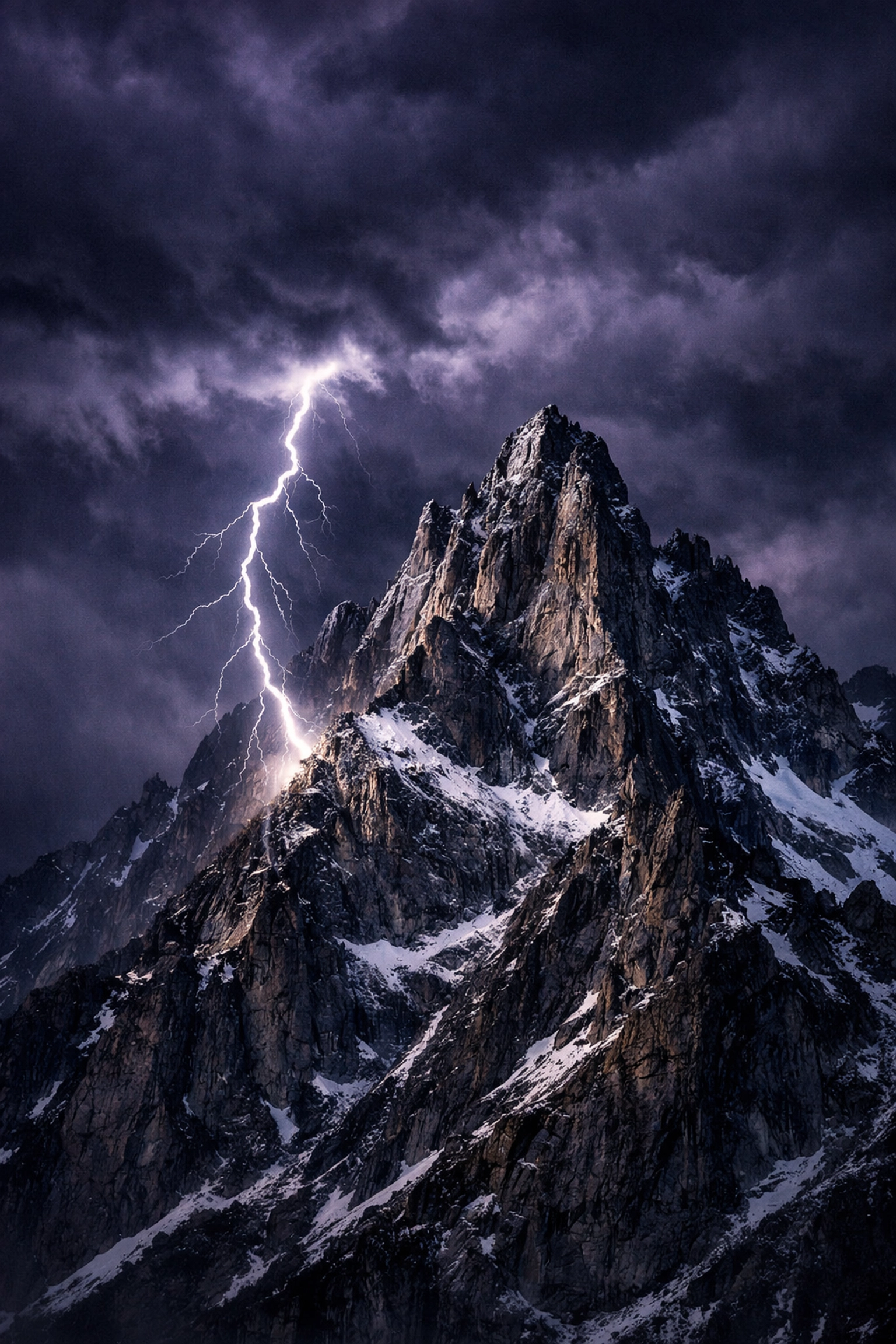
Alt text: A dramatic long exposure of a mountain peak during a thunderstorm, with a single lightning bolt striking in the distance.
Your Journey is Just Beginning
The US National Parks are a gift to the photographic community. They remind us of the raw beauty of our planet and the importance of preservation. As we continue this series covering all 63 parks, I hope you use these tips as a foundation to build your own unique style.
Remember, the best camera is the one you have with you, but the best photograph is the one you planned for. Get out there, respect the land, and keep chasing that light.
For more educational content and deep dives into specific camera tech, feel free to browse our educational category or check out our latest camera reviews. Happy shooting!