Category: Photo Guides
There is something deeply humbling about standing on the edge of a canyon or beneath a 2,000-year-old tree as the sun begins to crest the horizon. For those of us who live behind the lens, the US National Parks aren't just protected lands; they are the ultimate playgrounds for creativity.
With 63 National Parks scattered across the country, knowing where to point your camera can feel a bit overwhelming. That’s why we’ve put together this comprehensive series. Whether you are a seasoned pro looking for fresh perspectives or a hobbyist planning your first big road trip, this guide will help you navigate the best photography locations in the country.
At Photoguides, we believe everyone should have the chance to capture world-class imagery. If you're looking to elevate your portfolio, you can also check out some of my personal work at Edin Fine Art for inspiration on how to frame these iconic landscapes.
The Red Rock Magic of the Utah "Mighty Five"
If you’re looking for the most concentrated collection of landscape photography locations, Utah is your holy grail. The "Mighty Five": Arches, Bryce Canyon, Canyonlands, Capitol Reef, and Zion: offer textures and colors that seem almost extraterrestrial.
Arches National Park
Arches is home to over 2,000 natural stone arches, but the crown jewel is undoubtedly Delicate Arch. While most people flock here for sunset, the blue hour just after the sun goes down provides a soft, ethereal glow that highlights the orange sandstone without the harsh shadows of midday. For a different vibe, head to the Windows Section at sunrise. The way the light hits Turret Arch through the North Window is a shot you don't want to miss.
Bryce Canyon National Park
Bryce is all about the hoodoos: those tall, thin spires of rock that look like a subterranean city. This park holds some of the best sunrise spots in the American West. Sunrise Point is the obvious choice, but don't sleep on "Sunset Point" for your morning shots. The naming is a bit counterintuitive, but the way the morning light drapes over the amphitheater from Sunset Point is spectacular.
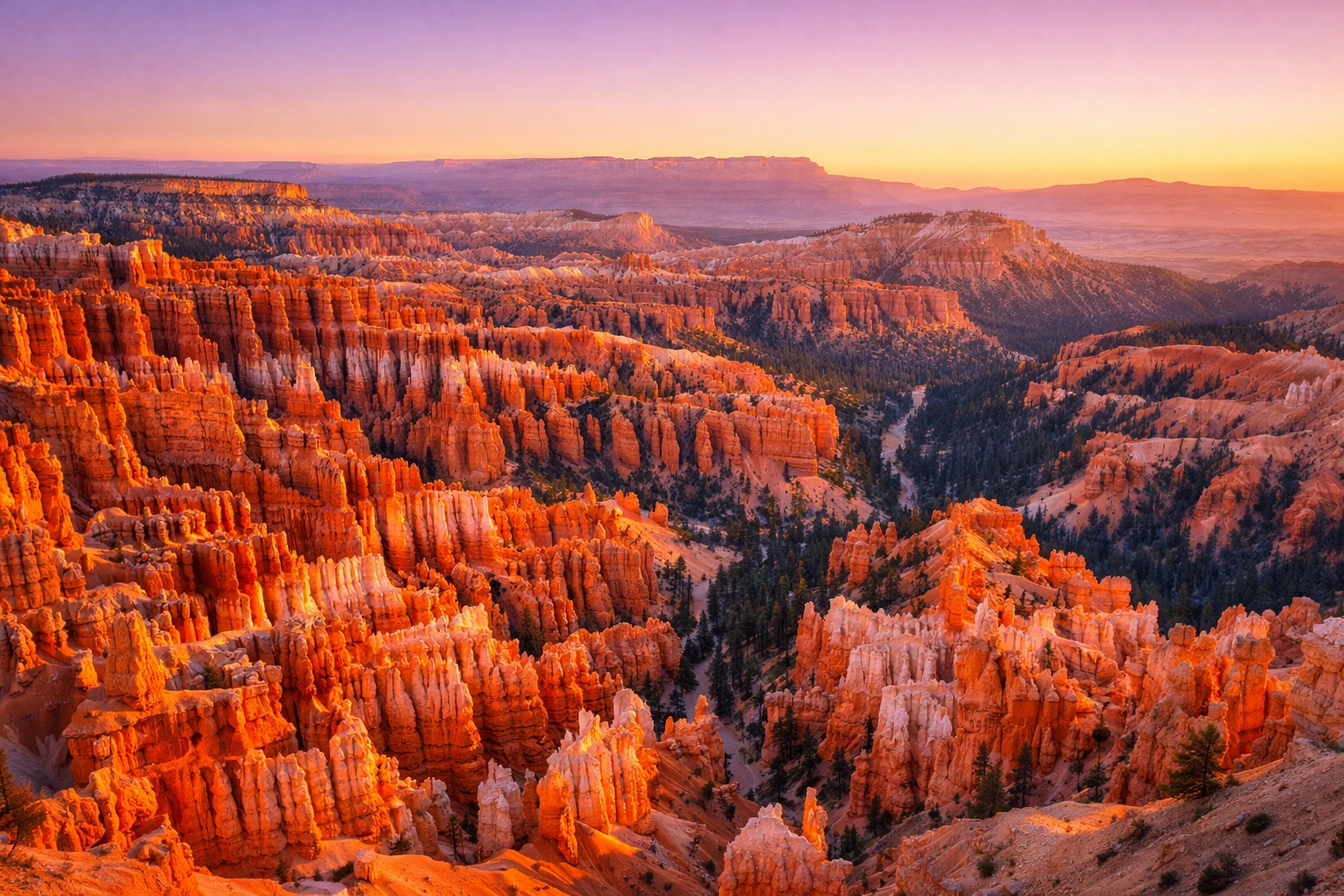
Alt Text: An ultrarealistic landscape shot of Bryce Canyon National Park at sunrise, showing the orange and pink hues reflecting off the intricate hoodoo rock formations under a soft morning sky.
Canyonlands and Capitol Reef
Canyonlands is vast, but for photographers, Mesa Arch is the mandatory stop. You’ll want to arrive at least an hour before sunrise to claim your tripod spot. When the sun hits the bottom of the arch, it glows a fiery orange that is simply breathtaking. For a quieter experience, head to Capitol Reef. The Fruita orchards against the backdrop of massive red cliffs offer a unique blend of "human" history and raw nature.
Coastal Gems and Alpine Peaks
Moving away from the desert, the National Parks system offers incredibly diverse ecosystems. From the rugged Maine coast to the towering volcanoes of the Pacific Northwest, the variety is endless.
Acadia National Park
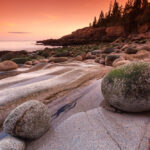
Located on Mount Desert Island in Maine, Acadia is where the mountains meet the sea. Cadillac Mountain is famous for being one of the first places in the US to see the sunrise during certain parts of the year. It is easily one of the best sunrise spots for capturing the Atlantic Ocean meeting the granite peaks. If the mountain is too crowded, head over to Bass Harbor Head Lighthouse for a classic New England coastal composition.
Mount Rainier and the North Cascades
In Washington, the mountains are big, moody, and often shrouded in mist. Mount Rainier offers incredible wildflower meadows in late July and August, which serve as the perfect foreground for the snow-capped peak. For those who want something more rugged, the North Cascades offer turquoise alpine lakes like Diablo Lake. The color of the water is so vibrant it almost looks fake in photos: but I promise you, it's the real deal.
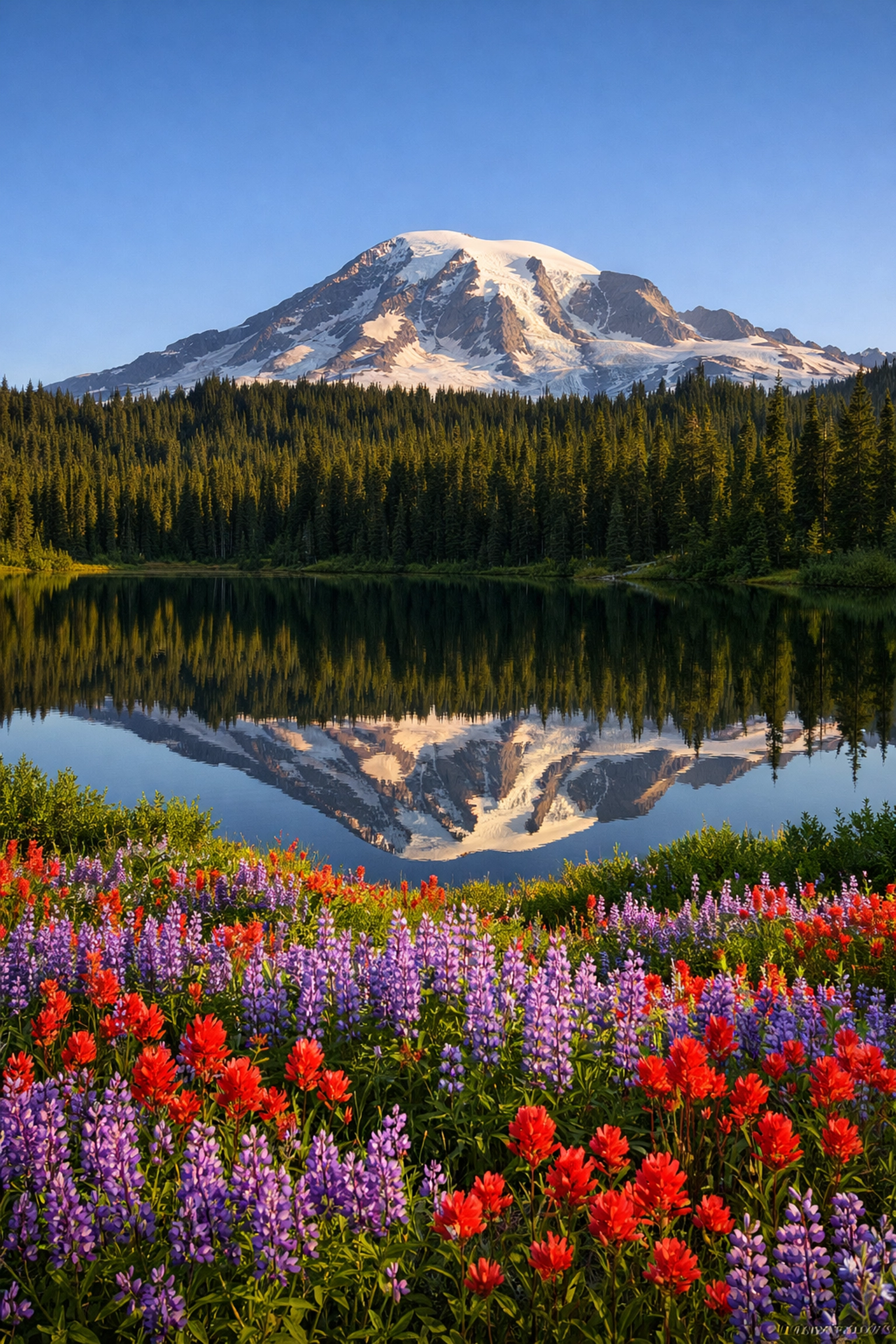
Alt Text: A wide-angle photography shot of Mount Rainier reflected in a calm alpine lake, surrounded by vibrant purple and yellow wildflowers during the peak summer season.
Geothermal Wonders and Desert Dreams
Yellowstone and Grand Teton
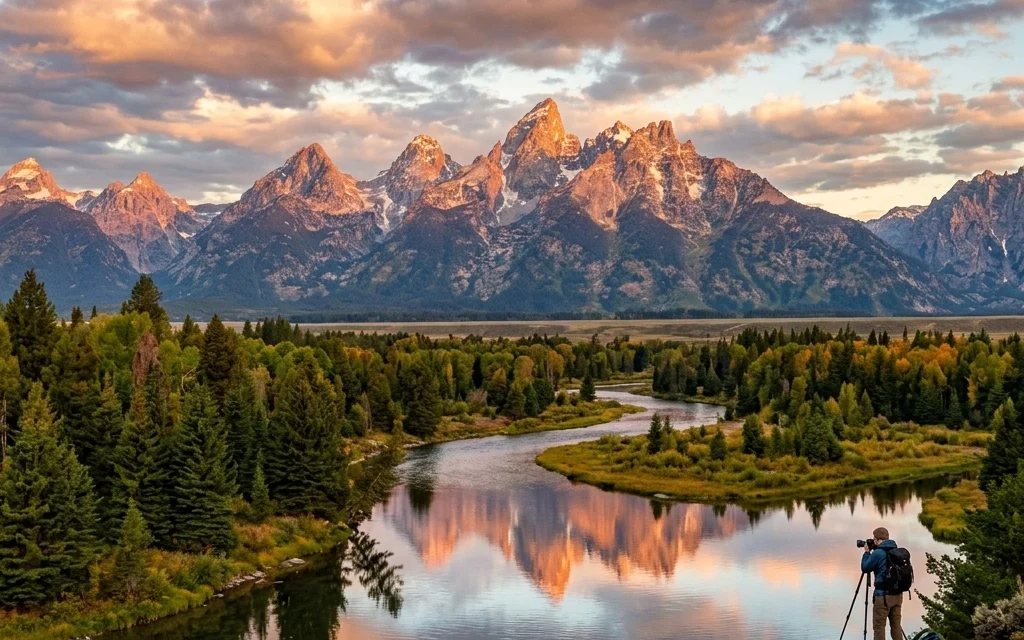
Yellowstone is a world of its own. Between the bubbling mud pots and the massive geysers, you’ll never run out of subjects. Grand Prismatic Spring is a favorite, but to get the best shot, you need to hike to the overlook rather than staying on the boardwalk. Just south of Yellowstone lies Grand Teton National Park. The "Mormon Row" barns with the Teton Range in the background is perhaps the most iconic landscape shot in America. You can find more tips on capturing these landmarks over at the Edin Chavez Blog.
Joshua Tree National Park
For the night owls and astrophotographers, Joshua Tree is a sanctuary. The twisted, bristly trees and giant boulder piles create silhouettes that look like they belong in a Dr. Seuss book. Because it’s an International Dark Sky Park, it’s one of the best places to capture the Milky Way.
Essential Gear for National Park Photography
Capturing these locations requires more than just a good eye; you need the right tools to handle the varying conditions.
- A Sturdy Tripod: Whether you’re shooting long exposures of waterfalls in Zion or star trails in Joshua Tree, a stable base is non-negotiable.
- Wide-Angle & Telephoto Lenses: You need the wide-angle for those expansive vistas, but a telephoto lens (like a 70-200mm) is crucial for isolating interesting rock formations or capturing wildlife in Yellowstone.
- Circular Polarizer: This is my "secret weapon" for making the blues of the sky pop and removing glare from water and wet rocks.
- Filters: Graduated Neutral Density (GND) filters are lifesavers when the sky is much brighter than the canyon floor.
For a deeper dive into the kit I take into the field, check out our guide on essential photography gear. If you're looking to upgrade your body or lenses before your trip, our camera reviews 2024 section covers everything from mirrorless flagships to budget-friendly options.
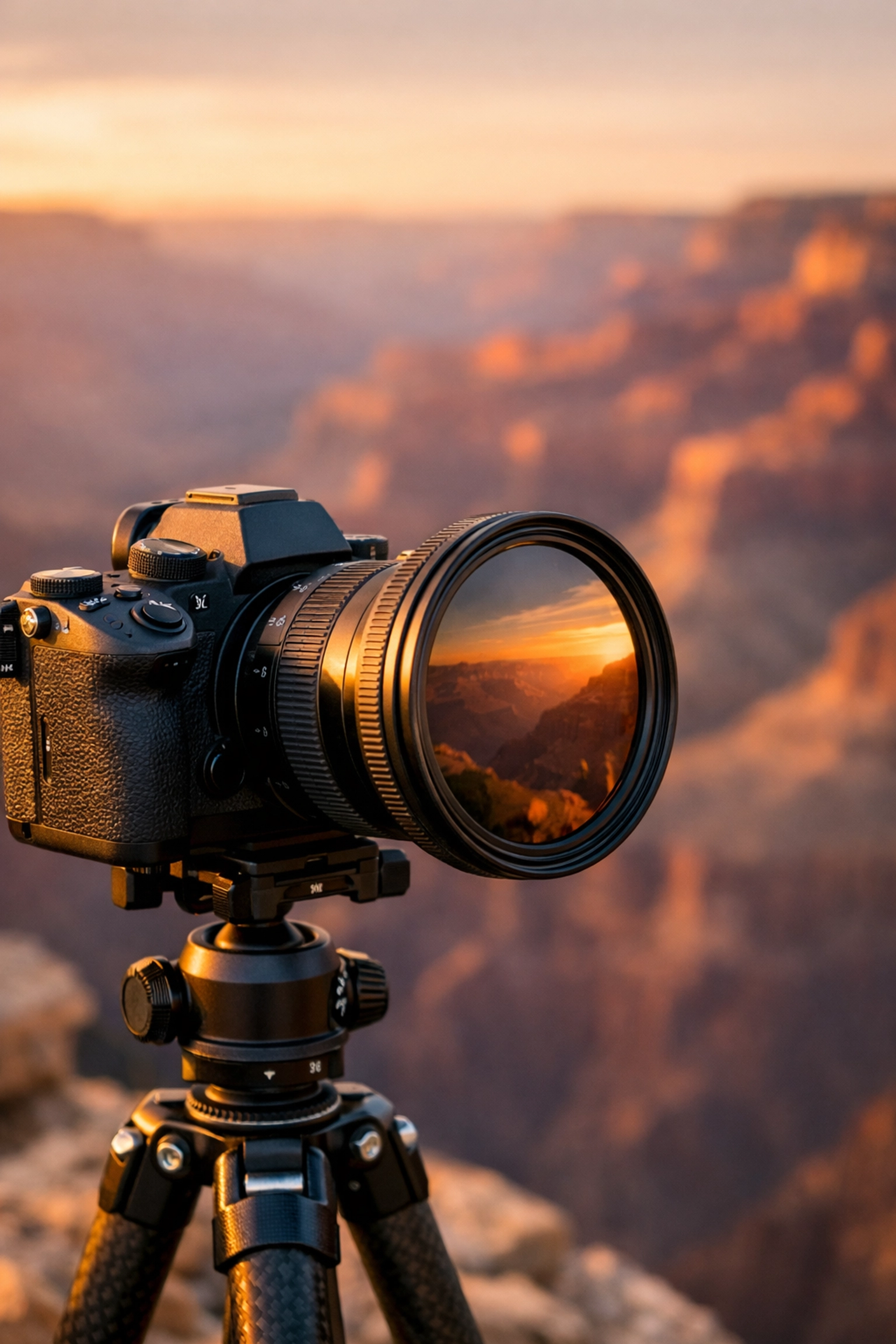
Alt Text: A professional camera setup on a tripod overlooking a vast canyon during the golden hour, showing a wide-angle lens with a circular polarizer attached.
Timing and Strategy: Beating the Crowds
The secret to great photography in the National Parks is often just showing up when everyone else is sleeping. Most of these parks see millions of visitors a year. If you want the "clean" shot without a hundred tourists in bright rain jackets, you have to be early.
- Scout During the Day: Use the midday sun (which is usually terrible for photos anyway) to find your compositions. Use apps to see where the sun will rise or set.
- Stay Late: Most tourists head to dinner right as the "Golden Hour" starts. Stay out until the stars come out.
- Check the Weather: Don't be afraid of "bad" weather. Storm clouds over the Grand Canyon or mist in the Great Smoky Mountains often lead to much more dramatic photos than a clear blue sky.
If you’re just starting your journey and want to learn the ropes of composition and lighting, our educational category has plenty of resources to get you up to speed. Also, don't forget to join the community at Shut Your Aperture to share your shots and get feedback from fellow enthusiasts.
Planning Your Adventure
National Parks are more than just photo ops; they are experiences. While you're chasing the light, don't forget to put the camera down for a second and just breathe in the air.
If you're planning a multi-park road trip, it helps to look for cheap weekend getaways or local hidden gems to break up the long drives. For those heading to the East Coast, you might even consider a stop in Virginia to check out the breweries in Williamsburg after a long day of shooting.
The US National Parks are a gift to photographers. They challenge us, inspire us, and remind us why we picked up a camera in the first place. This guide is just the beginning of our series covering all 63 parks. Stay tuned as we dive deep into each individual park, providing specific GPS coordinates for the best spots and detailed gear recommendations.
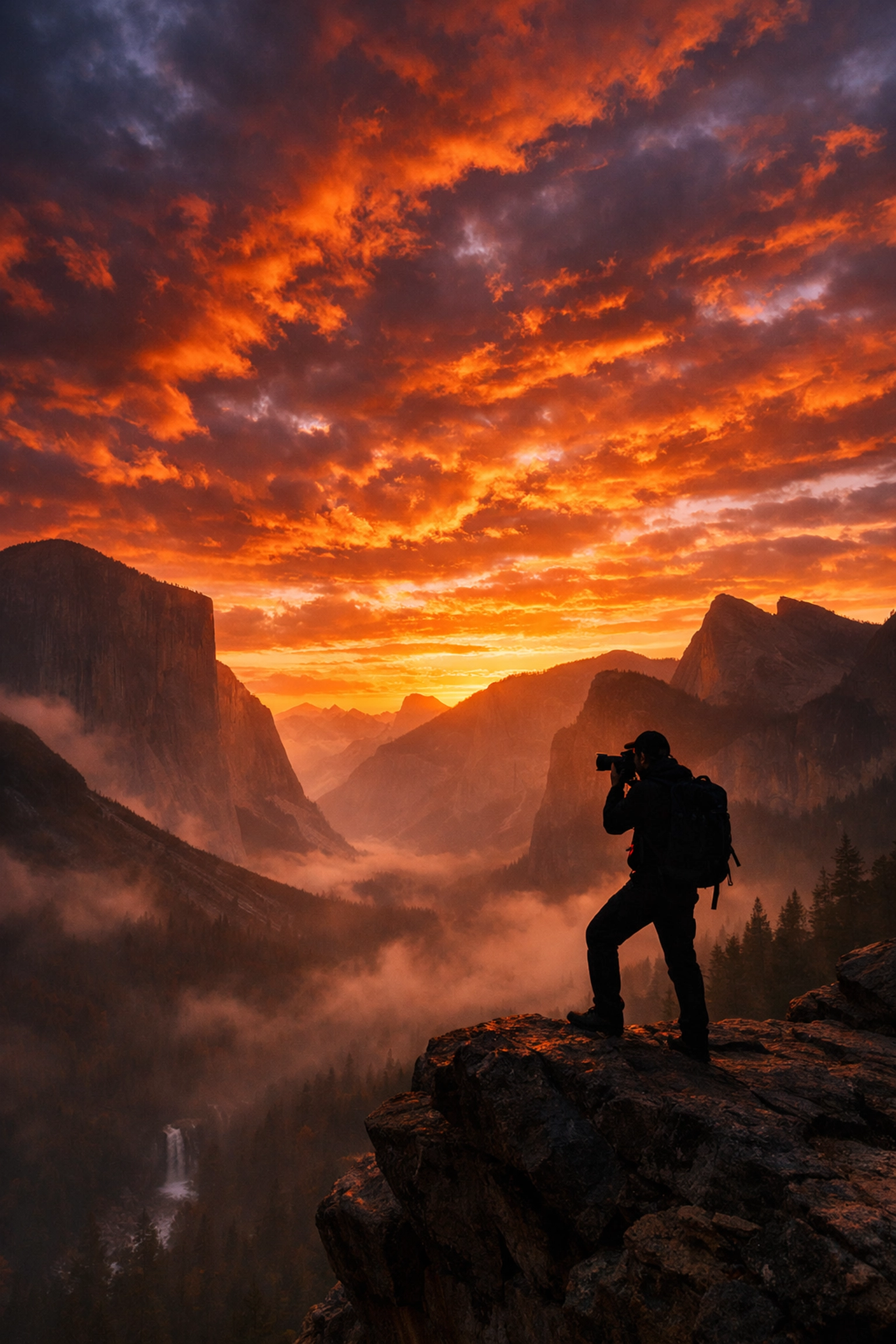
Alt Text: A photographer standing on a rocky outcrop at sunset, silhouetted against a dramatic sky of orange and purple, overlooking a deep valley in a National Park.
Ready to start your journey? Whether you're heading to the Everglades or the gates of the Arctic, remember that the best shot is the one that tells your story. Happy shooting!