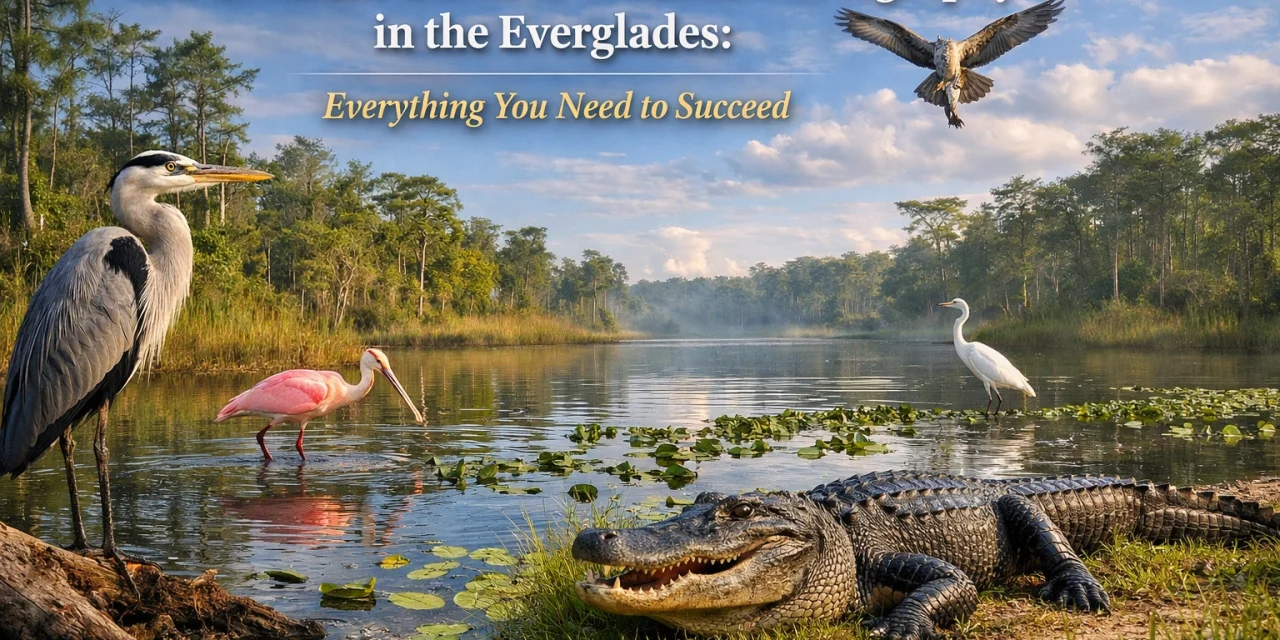
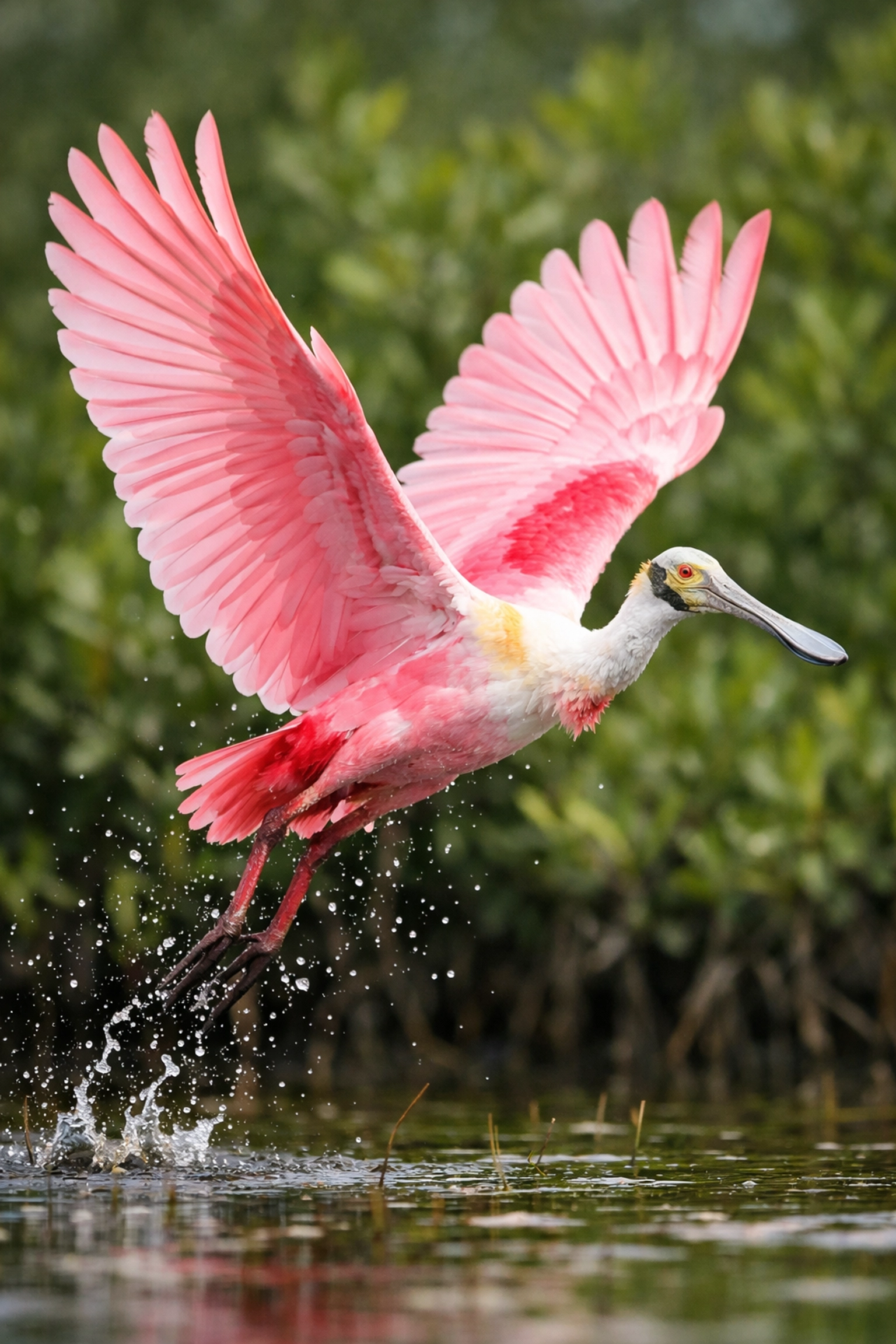
There is nowhere else on earth quite like the Florida Everglades. Often described as a "River of Grass," this sprawling subtropical wilderness is a complex system of sawgrass marshes, cypress swamps, and mangrove forests. For a wildlife photographer, it is nothing short of a paradise. Whether you are looking to capture the prehistoric gaze of an American Alligator or the delicate pink feathers of a Roseate Spoonbill, the Everglades offers opportunities that you simply can’t find anywhere else.
However, the sheer scale of the park can be overwhelming. If you show up without a plan, you might find yourself driving for hours through sawgrass with nothing but mosquitoes to show for it. Success in the Everglades requires a mix of timing, the right gear, and a deep understanding of the local ecosystem.
In this guide, we’re going to break down everything you need to know to come home with world-class images. If you want to skip the trial and error and get straight to the best spots, make sure to check out our comprehensive Everglades Photography Guide, which includes specific GPS coordinates and seasonal tips.
Understanding the Seasons: When to Go
In the Everglades, there are really only two seasons: the wet season and the dry season. For wildlife photography, the timing of your visit changes everything.
The Dry Season (November to April): This is the prime time for photography. As the water levels in the marshes drop, wildlife begins to congregate around the remaining deep-water holes. This concentration makes it much easier to find and photograph a variety of species in one location. Most of the wading birds also nest during this time, meaning you’ll see plenty of activity and potentially some chicks in the nests by February and March.
The Wet Season (May to October): While the park is lush and green, the wildlife disperses as water covers the entire landscape. This season is also marked by intense heat, high humidity, and a legendary population of mosquitoes. Unless you are specifically looking for dramatic storm landscapes or lightning, the dry season is your best bet for wildlife.
Top Photography Locations
The Everglades National Park and the surrounding areas like Big Cypress National Preserve are massive. To make the most of your time, focus on these high-yield locations:
1. Anhinga Trail (Royal Palm)
Located near the Homestead entrance, the Anhinga Trail is arguably the most famous wildlife photography spot in the park. It’s a short boardwalk over a sawgrass marsh where the animals are remarkably habituated to people. You can get stunningly close to alligators, turtles, and several species of herons and egrets. Because the wildlife is so accessible, it’s a great place to warm up and practice your compositions.
2. Shark Valley
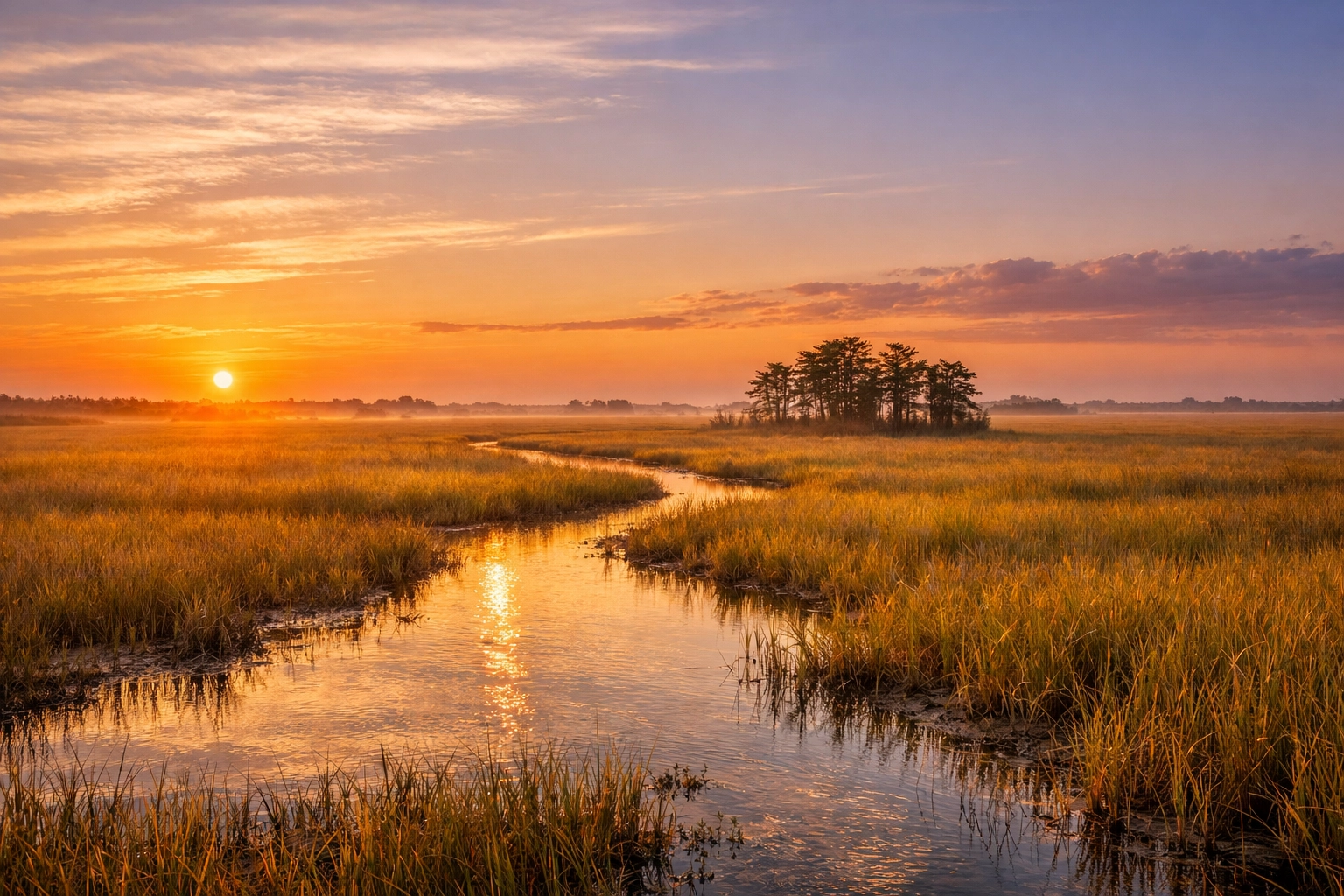
Shark Valley features a 15-mile paved loop that takes you deep into the heart of the "River of Grass." You can explore it by tram, bicycle, or on foot. The canal running alongside the road is usually packed with alligators and wading birds. The observation tower at the halfway point offers a panoramic view that is perfect for landscape shots during the golden hour.
3. Loop Road (Big Cypress National Preserve)
If you want a more "wild" feel, head to Loop Road in the neighboring Big Cypress National Preserve. This 24-mile dirt road winds through cypress strands and hardwood hammocks. It’s a fantastic place to find Barred Owls, Wood Storks, and even the occasional river otter. For more advice on how to handle gear in these remote spots, take a look at our essential photography gear recommendations.
4. Mahogany Hammock
This is a "cypress dome" area that feels like a prehistoric jungle. It’s one of the best spots in the park to photograph Barred Owls. The light here can be challenging because of the thick canopy, so be prepared to push your ISO.
Essential Gear for the Everglades
Wildlife photography is gear-intensive, but you don’t need to break the bank to get great shots. Here is what we recommend:
- The Long Lens: A telephoto lens is non-negotiable. A 100-400mm or a 200-600mm lens is the gold standard here. Birds are the main attraction, and while some are tame, others require significant reach.
- A Wider Option: Don’t forget a 70-200mm or even a wide-angle lens. Sometimes an alligator will be right next to the boardwalk, and a 600mm lens will be too much. Wide lenses are also great for environmental portraits where you show the animal in its vast habitat.
- Tripod or Monopod: While modern stabilization is great, a tripod is essential for those low-light dawn and dusk shots. If you're moving fast, a monopod offers a good middle ground.
- Circular Polarizer: This is a secret weapon for Florida photography. It helps cut the glare off the water and the waxy leaves of the mangroves, resulting in much richer colors.
- Protection: The Everglades is humid and can be dusty or wet. Bring a good camera bag and perhaps a rain cover for your gear. You can see more about high-end gear choices in our camera reviews 2024 section.
Mastery of Technique: How to Get the Shot
Getting a sharp photo of a bird is one thing; creating a work of art is another. Here are some professional tips to elevate your Everglades portfolio:
Shoot at Eye Level
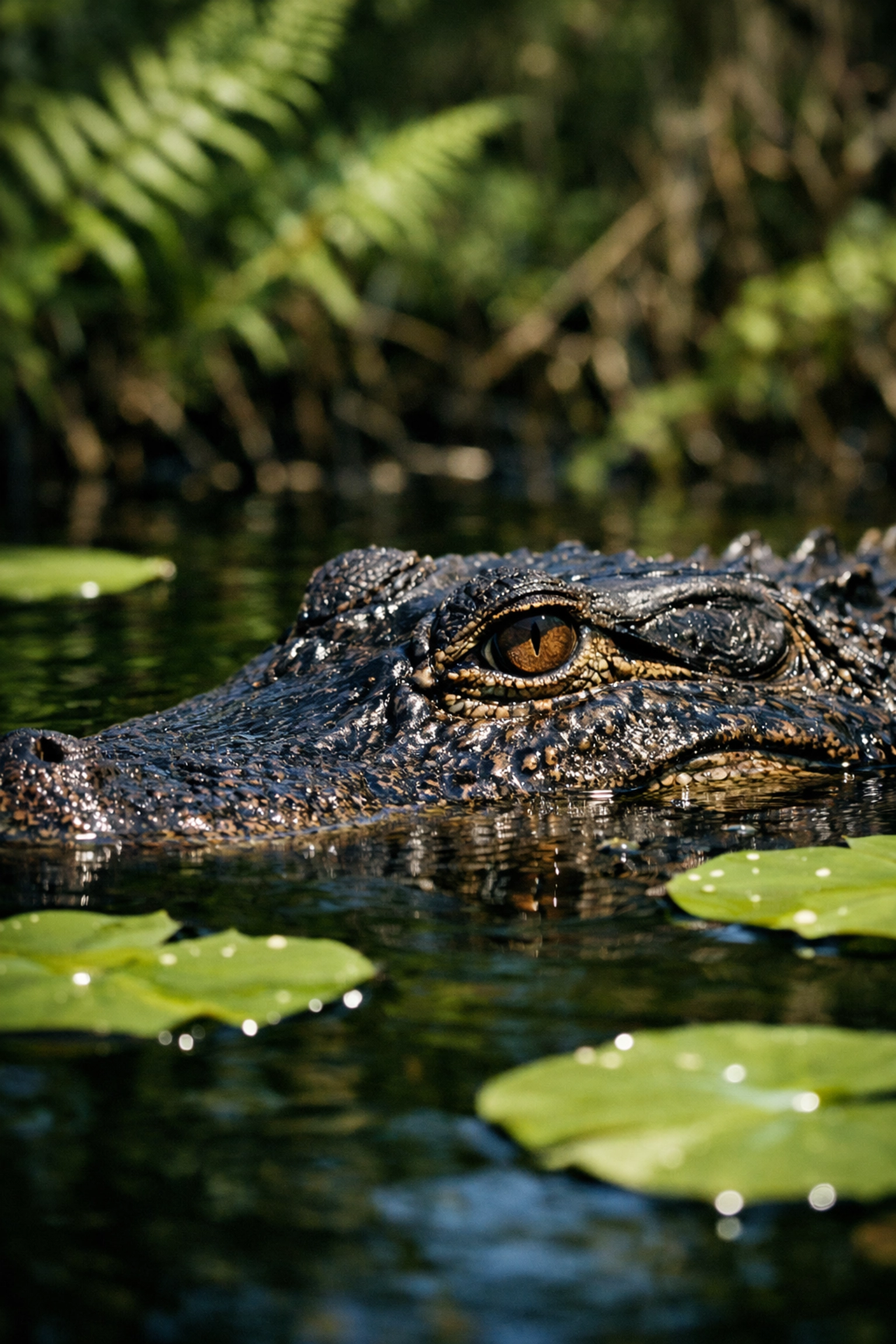
One of the most common mistakes is shooting down at an animal from a standing position. If you can, get low. Photographing a heron or an alligator at its own eye level creates a much more intimate and engaging image. It simplifies the background and makes the viewer feel like they are part of the animal's world.
Master the Shutter Speed
Birds move fast. Even a "stationary" heron can strike at a fish with lightning speed. To freeze that action, aim for a shutter speed of at least 1/1000s or 1/2000s for birds in flight. Don't be afraid to raise your ISO to achieve these speeds; modern cameras handle noise incredibly well, and a slightly grainy sharp photo is always better than a blurry clean one.
Look for the Light
The "Golden Hour": the hour after sunrise and the hour before sunset: is your best friend. In the Everglades, the morning light is particularly magical as it hits the mist rising off the water. Position yourself so the sun is at your back, illuminating your subject directly, or experiment with backlighting for a dramatic, glowing "rim light" effect on bird feathers.
Respecting the Wildlife and Safety
It’s easy to get caught up in the excitement of a shoot, but safety and ethics must come first.
- The 15-Foot Rule: Keep a respectful distance from all wildlife, especially alligators. While they may seem lethargic, they can move with incredible speed when provoked.
- Don't Feed the Animals: Feeding wildlife ruins their natural behavior and can make them aggressive toward humans.
- Stay on the Path: In areas like the Anhinga Trail, stay on the boardwalks. Venturing into the sawgrass can be dangerous for you and damaging to the environment.
We take pride in the photography booking experience we offer, which always emphasizes ethical shooting practices. Our goal is to leave the environment exactly as we found it.
Take Your Florida Photography to the Next Level
The Everglades is a place of endless mystery and beauty. Every trip reveals something new: a different light, a rare bird, or a unique behavioral interaction. But because the park is so vast, having a roadmap is the best way to ensure you don't miss the highlights.
If you're serious about capturing the best possible images during your visit, our Everglades Photography Guide is the ultimate resource. It’s packed with the exact locations Edin Chavez uses to capture his award-winning shots, along with technical advice tailored specifically to the Florida landscape.
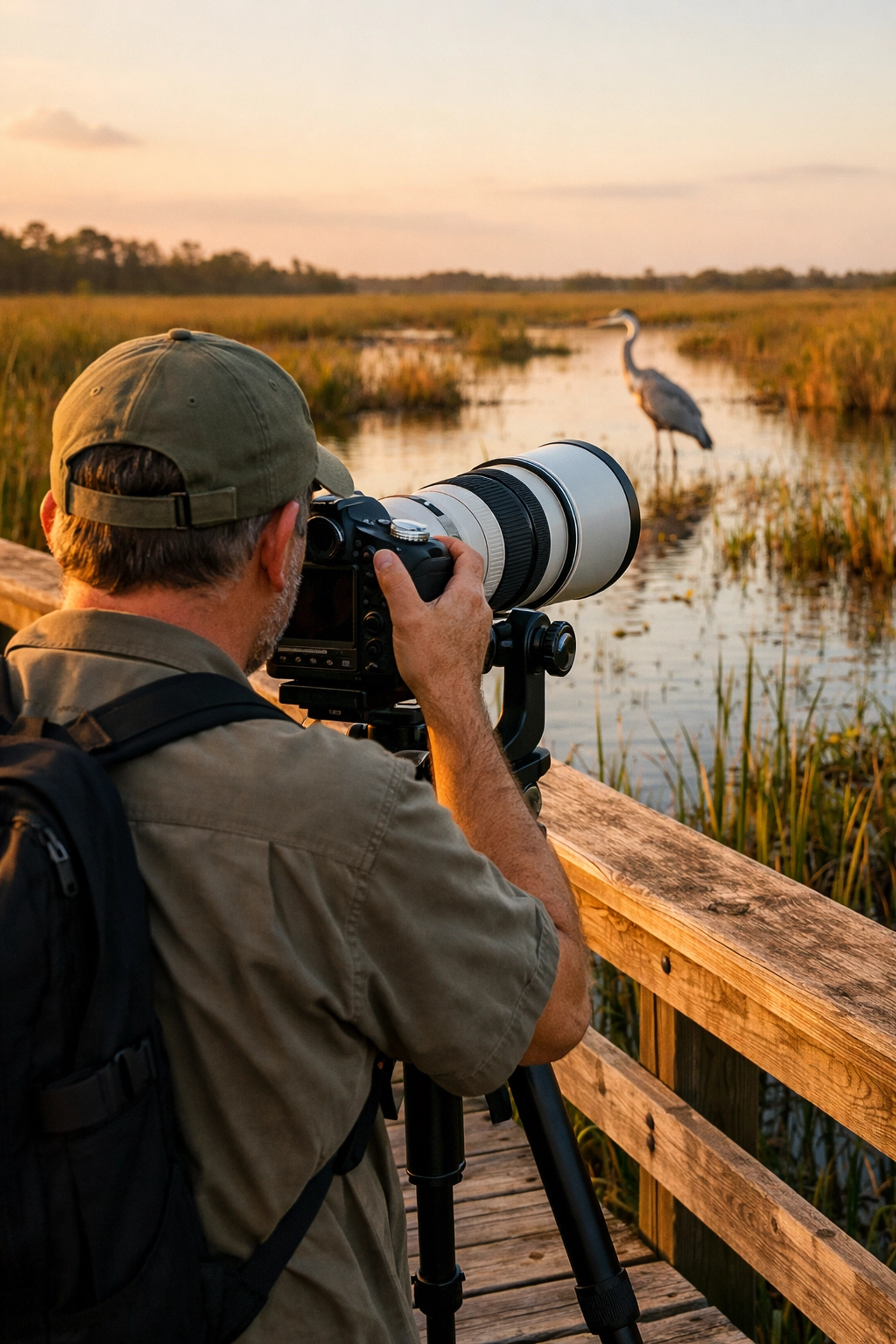
Whether you are a seasoned pro or just starting out with your first DSLR, the Everglades will challenge and inspire you. Pack your long lens, bring plenty of water, and get ready for an adventure in one of the world's most unique ecosystems.
For more inspiration on where to go after your swamp adventure, check out our guide on Miami’s hidden speakeasies for a post-shoot celebration, or look into our educational category for more deep dives into photography technique. Happy shooting!