
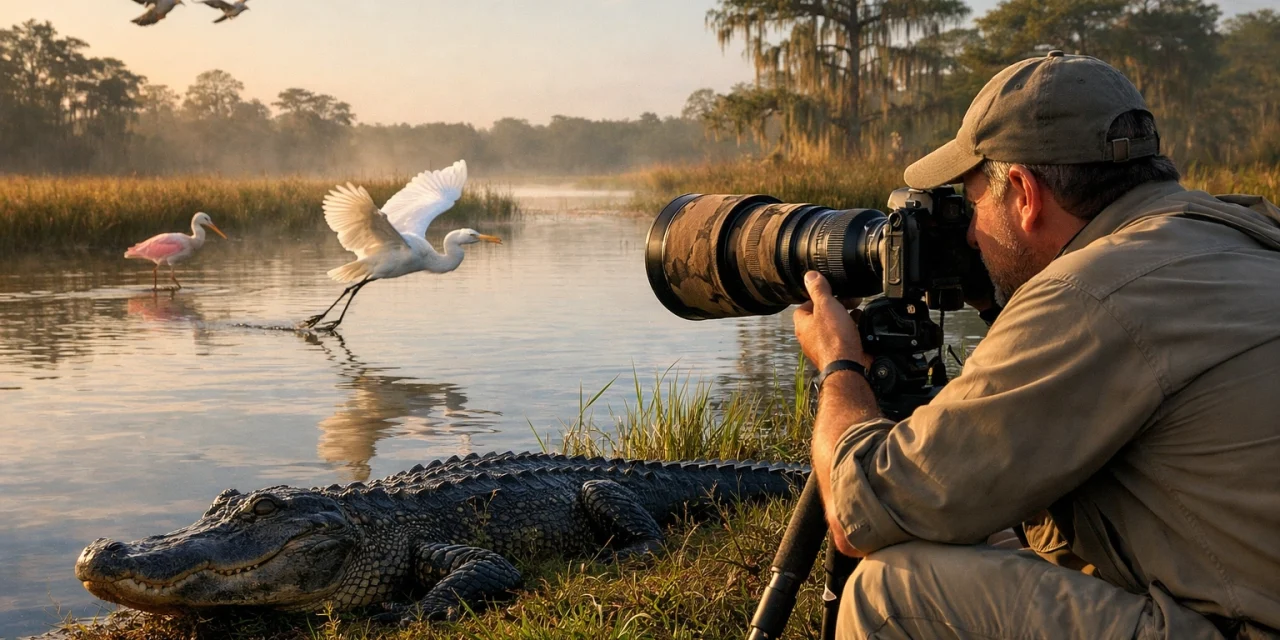
There’s something truly magical about the Everglades. It’s not just a swamp; it’s a living, breathing "River of Grass" that spans over 1.5 million acres. For a photographer, it’s one of the most rewarding: and occasionally most challenging: places on Earth to capture. Whether you are aiming for that perfect shot of a Great Blue Heron mid-strike or an American Alligator basking in the morning glow, the Everglades offers a diversity of wildlife that is hard to find anywhere else.
However, navigating this massive ecosystem isn't always easy. If you just show up and hope for the best, you might find yourself staring at a lot of grass and not much else. That is where wildlife photography tours come in. I’ve spent years exploring these waters, and I can tell you that a guided experience can be the difference between coming home with a full memory card of masterpieces or just a handful of blurry snapshots.
In this guide, I’m going to break down everything you need to know about choosing the right tour, preparing your gear, and ultimately mastering the art of photography in this unique environment. If you want to dive even deeper into the "how-to" of these locations, you should definitely check out our Everglades Photography Guide, which is designed to give you the exact coordinates and settings for success.
Why a Photography Tour is Essential in the Everglades
You might be wondering, "Edin, why can't I just drive to the park and walk the trails?" You absolutely can, and places like the Anhinga Trail are fantastic for beginners. But if you want the "National Geographic" style shots, you need to go where the crowds aren't.
Access to Hidden Locations
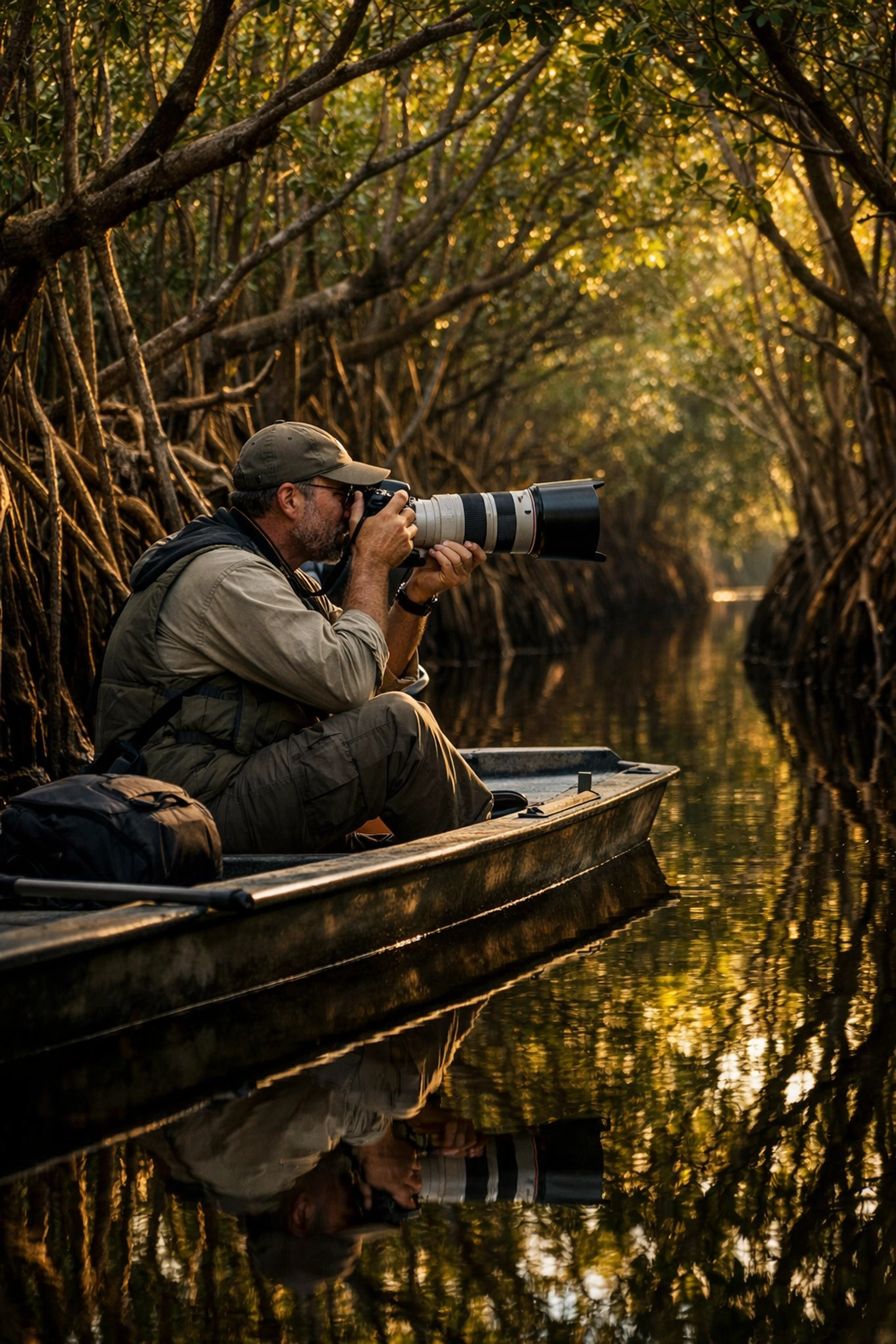
The best parts of the Everglades are often inaccessible by car. Professional photography tours use specialized equipment like traditional pole boats or flat-decked boats. These vessels are designed to navigate shallow waters and narrow mangroves where rare subjects hide. These are the spots "unseen by most visitors," where the wildlife hasn't been desensitized by hundreds of tourists.
The Value of Local Expertise
A great guide isn’t just a boat captain; they are a naturalist and a photographer. They understand animal behavior: they know exactly when a bird is about to take flight or where a crocodile likes to sunbathe based on the tide and temperature. This "sixth sense" is what puts you in the right place at the right time. At Photoguides, we believe that reassurance comes from preparation and knowledge. Having a guide who monitors water levels, rainfall, and wind patterns ensures you aren't wasting your time in inactive areas.
Choosing the Right Type of Tour
Not all tours are created equal. Depending on your skill level and what you want to achieve, you should pick a format that fits your pace.
1. Short-Duration Tours (3-7 Hours)
Perfect for those on a tight schedule or those just testing the waters. These usually start at sunrise (the golden hour) and offer a quick hit of high-activity areas. Prices usually start around $220–$250. It’s an easy pace, focusing on the most reliable sightings.
2. Multi-Day Workshops
If you are serious about your craft, a 5-6 day workshop is the way to go. These are immersive experiences. You aren’t just taking photos; you are learning composition, post-processing, and advanced technical skills. These tours often move between different ecosystems, from the Ten Thousand Islands to the Flamingo area at the southern tip of the park.
3. Private Expeditions
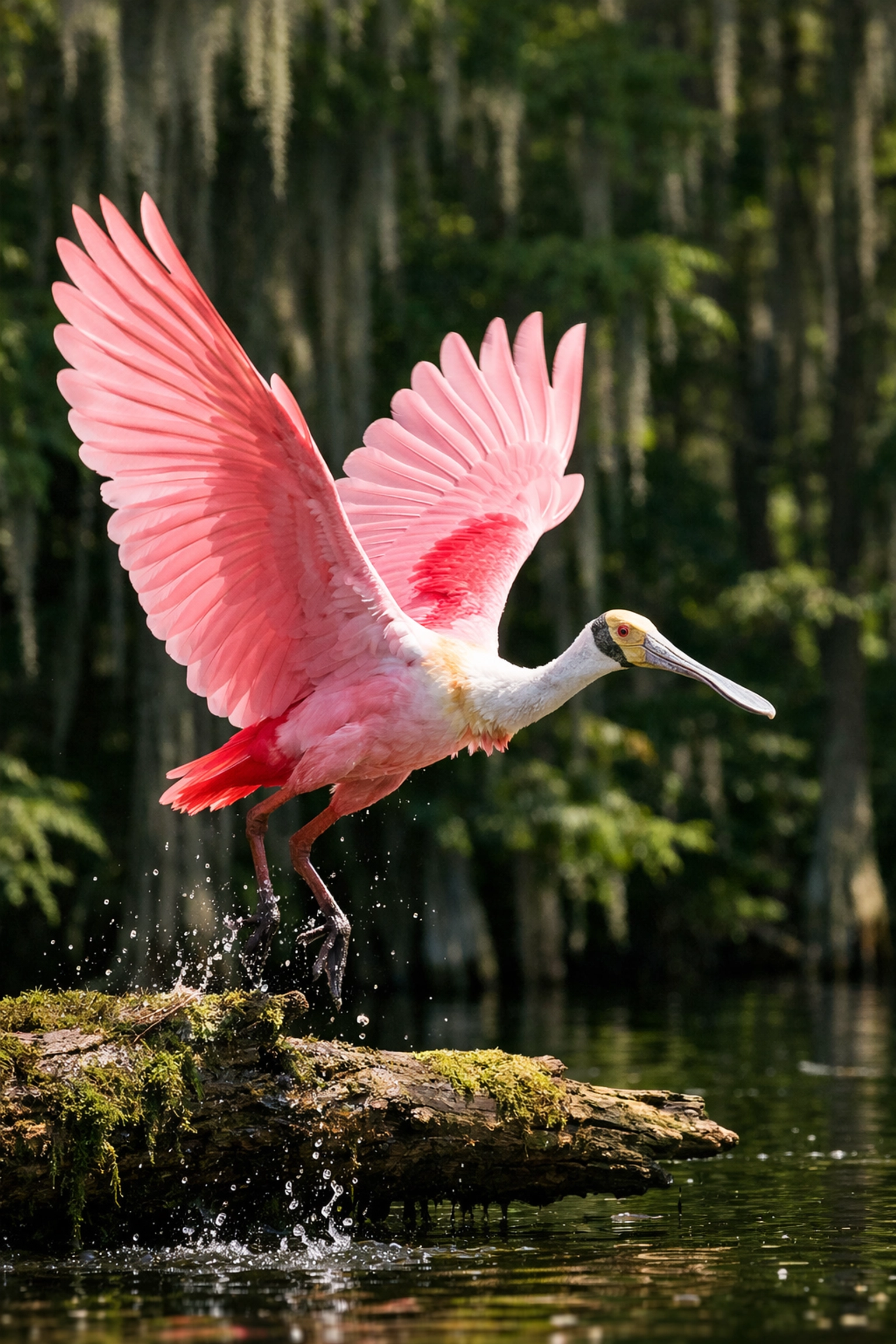
For those who want a tailored experience, private safaris are the gold standard. You can book a boat for just yourself or a small group (usually starting around $500). This allows you to stay at one spot for as long as you want. If you find a nesting pair of Roseate Spoonbills and want to wait three hours for the perfect light, a private guide will wait with you.
Top Photography Spots You’ll Visit
While the Everglades is vast, certain "hot spots" are legendary in the photography community. Most reputable tours will hit at least a few of these:
- The Anhinga Trail: Often called the "best wildlife viewing area in the park," it’s a boardwalk where alligators and birds are literally at your feet. It’s great for close-up portraits.
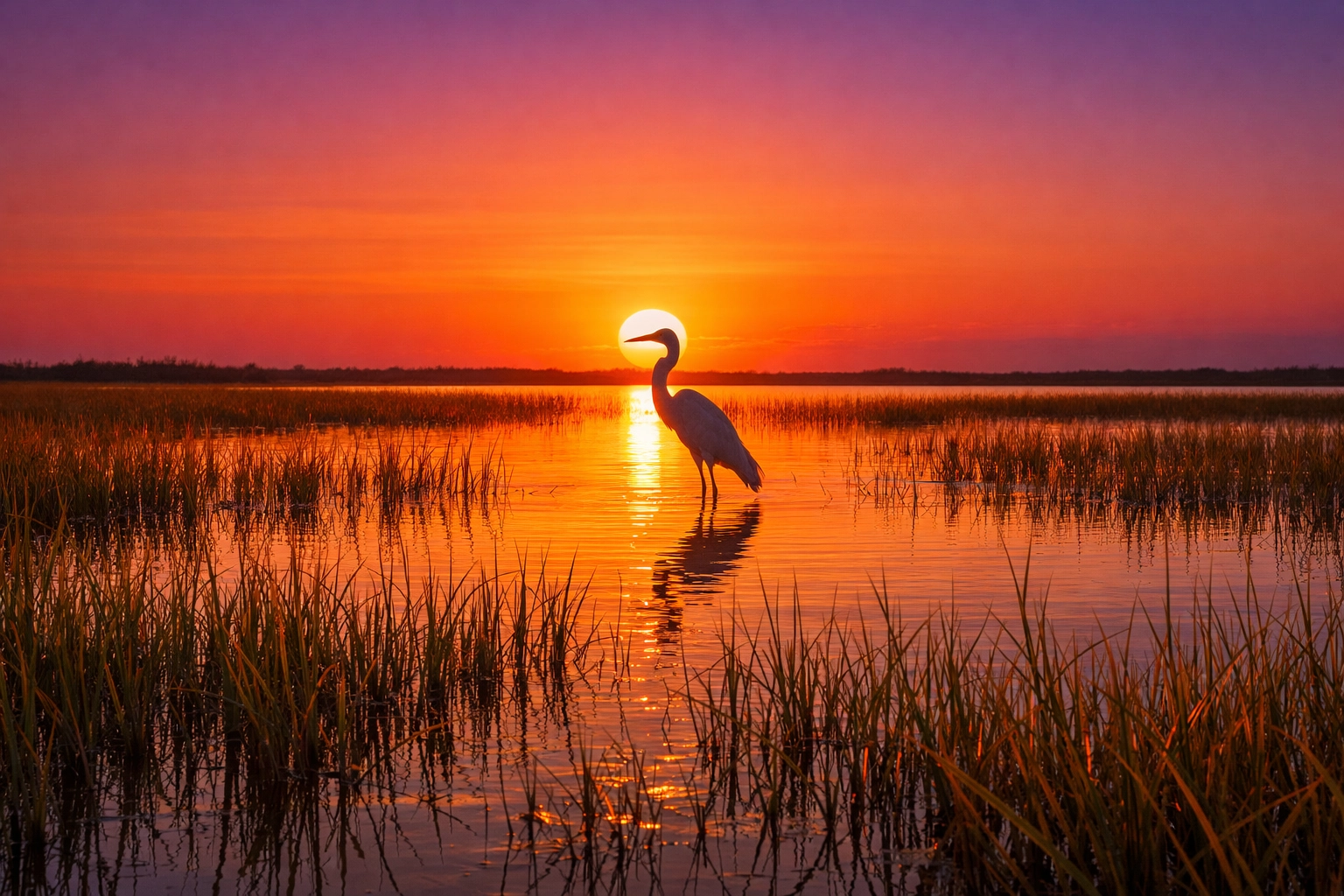
- Ten Thousand Islands: This is where you go for the "fly-offs." At sunrise, hundreds of birds leave their roosts simultaneously. It is a spectacle of movement and light.
- Flamingo and the Main Park Road: This area is the best place to find the rare American Crocodile and unique salt-water bird species. The sunsets here are second to none.
- Hidden Western Marshes: Accessible only by pole boat, these areas offer pristine landscapes and shy predators that you won't find near the tourist centers.
Preparing Your Gear for the Swamp
The Everglades can be harsh on equipment. Humidity, salt spray, and heat are all factors. Before you book your photography booking experience, make sure your kit is ready.
Lenses are Key
For wildlife, you want reach. A 100-400mm or a 200-600mm lens is the "sweet spot" for the Everglades. It allows you to fill the frame with a bird's eye without disturbing its natural behavior. However, don't forget a wide-angle lens for those iconic "River of Grass" landscapes during sunset.
Stability
If you are on a boat, a tripod might be tricky unless the boat is a specialized flat-deck version. Many photographers prefer a monopod or even shooting handheld with high-quality image stabilization. If you're looking for the latest gear recommendations, our camera reviews 2024 section covers the best stabilized bodies on the market.
Protection
Bring plenty of lens wipes and a rain cover. Even if the forecast is clear, the Everglades creates its own micro-climates. A sudden 10-minute downpour is common, and you don't want your gear getting soaked. For more details on what to pack, check out our essential photography gear list.
Technical Tips for Wildlife Success
When you are out on a tour, things happen fast. Here are three tips to keep in mind so you don't miss the shot:
- Shutter Speed is Your Friend: For birds in flight, don't drop below 1/2000s. The light in Florida is usually bright enough to allow this without cranking your ISO too high.
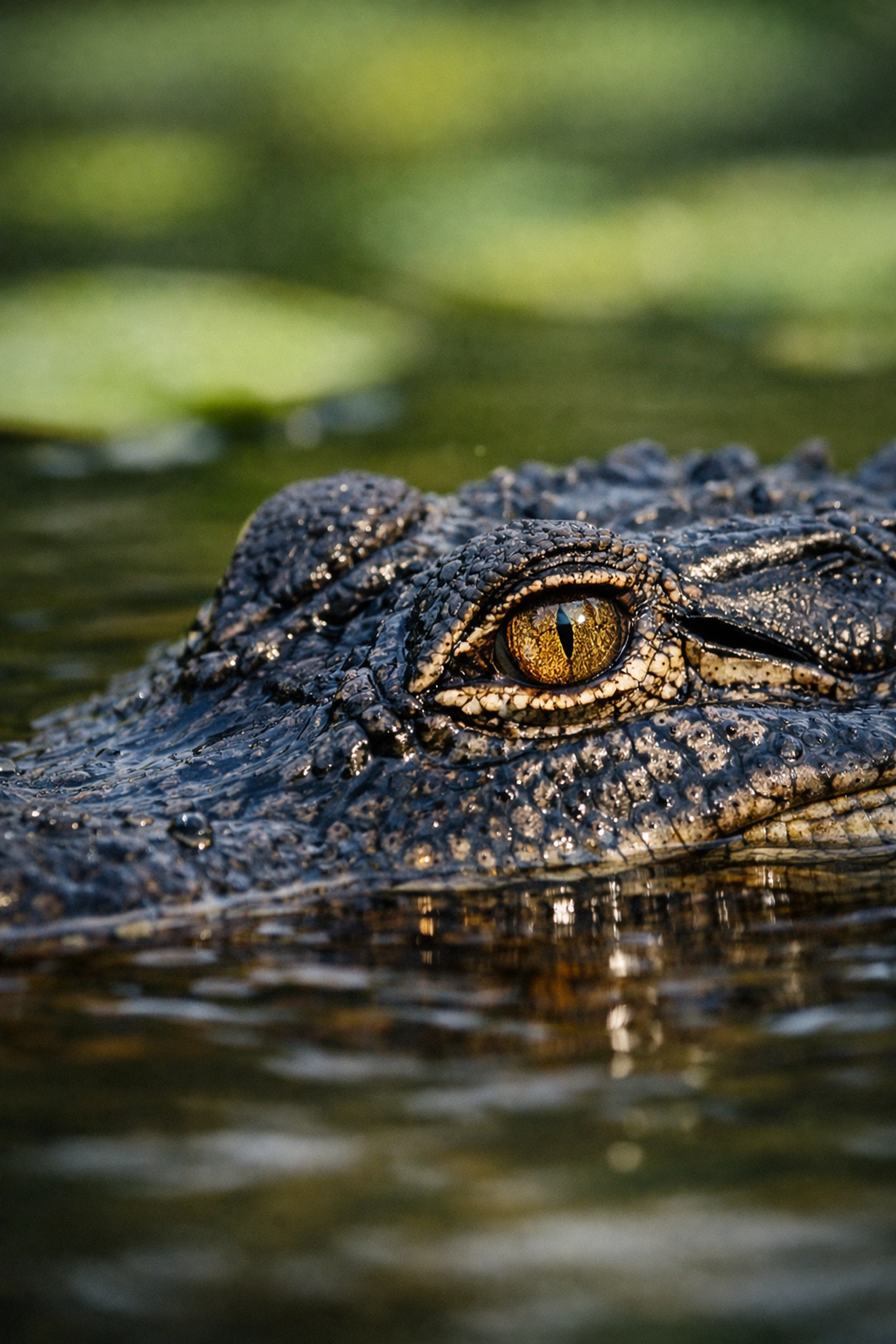
- Focus on the Eye: This is a golden rule. If the eye isn't sharp, the photo usually doesn't work. Use "Animal Eye AF" if your camera has it.
- Mind the Background: It’s easy to get excited about an alligator, but if there is a distracting branch growing out of its head in your frame, the shot is ruined. Move your body (or ask the guide to move the boat) just a few inches to clear the background.
Elevate Your Experience with the Everglades Photography Guide
While a tour gives you the "where" and the "how," having a permanent resource to study before and after your trip is invaluable. I created the Everglades Photography Guide to be the ultimate companion for any photographer visiting South Florida.
It contains:
- Exact GPS Coordinates: No more guessing where the best roosts are.
- Seasonal Insights: Know exactly which species are active in February versus July.
- Pro Settings: I share the exact aperture and shutter speeds I use for specific iconic shots.
- Logistics Tips: Where to stay, what to eat, and how to avoid the bugs.
Whether you are joining a group tour or striking out on your own, this guide is designed to ensure you leave the Everglades with world-class images.
Final Thoughts: Patience is the Secret Ingredient
If there is one thing I want you to take away from this, it’s that wildlife photography requires a "slow" mindset. The best tours aren't the ones that speed from point A to point B. They are the ones that sit quietly in the mangroves, waiting for the light to hit the water just right.
The Everglades is a place of subtle beauty. It’s in the way the sawgrass ripples in the wind and the way a Great Egret stands perfectly still for minutes on end. When you book a tour, go in with an open mind and a patient heart. The swamp will reward you.
Ready to start your journey? Explore more of our educational resources or head over to the Photoguides homepage to see how we can help you capture the world differently. And don't forget to grab your copy of the Everglades Photography Guide before you head out into the field!













