Category: Photo Guides
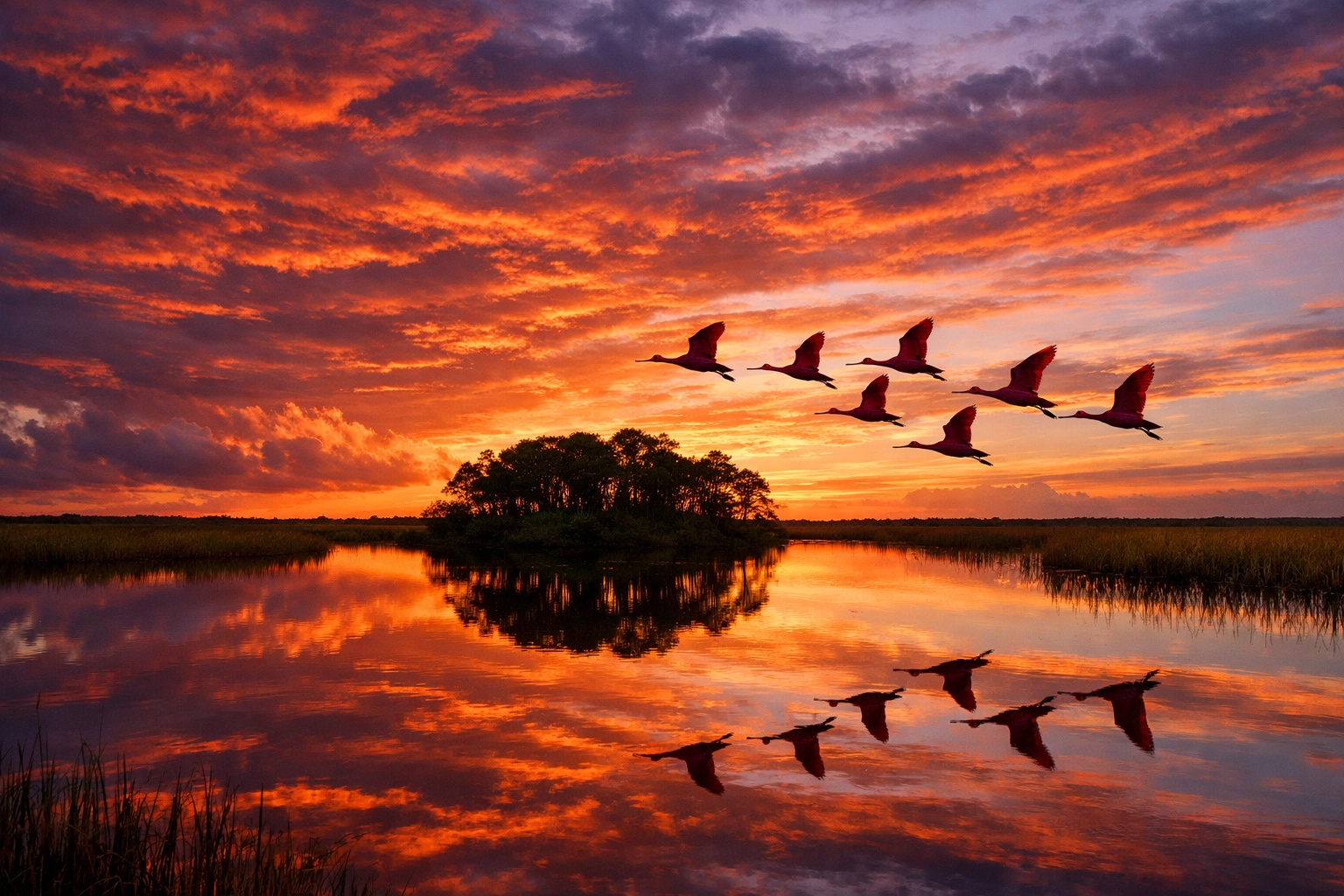
There is something almost prehistoric about the Everglades. When the sun starts to crest over the sawgrass, and the morning mist begins to dance off the water, you realize you aren’t just in a national park: you’re in a different world. For photographers, this place is the "Big Leagues." It’s where you can find everything from the majestic Roseate Spoonbill to the elusive American Crocodile, all within a few miles of each other.
But here’s the thing: the Everglades is massive. It covers over 1.5 million acres of wetlands. If you just show up with a camera and a prayer, you might spend your whole day looking at a very pretty, very empty patch of grass. That’s where wildlife photography tours come in.
I’ve spent years navigating these waters, and I can tell you that the right tour can be the difference between a memory card full of "nothing" and a portfolio full of "wow." Whether you’re a seasoned pro or just getting started, this guide will help you navigate the world of Everglades photography tours so you can capture the shots of a lifetime.
Why Book a Wildlife Photography Tour?
You might be wondering, "Can’t I just drive to the Anhinga Trail and call it a day?" You certainly can, and you’ll likely get some great shots. But a professional photography tour offers advantages that a solo trip just can’t match.
1. Expert Species Knowledge
The guides who run these tours aren't just boat captains; they are naturalists. They know the nesting cycles, the feeding patterns, and exactly which branch a Great Blue Heron likes to sit on at 7:30 AM. They can hear a bird call from across the marsh and tell you exactly what it is before you even see it.
2. Specialized Access
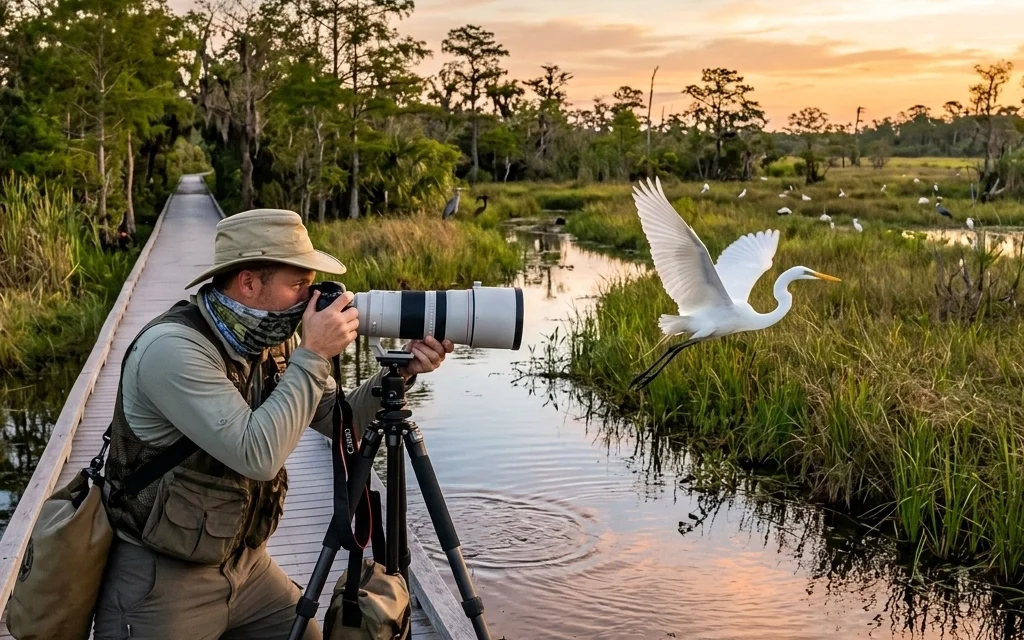
Many of the best spots in the Everglades are only accessible by water. Specialized photography boats often feature flat decks designed specifically for tripods, and they use electric trolling motors to glide silently toward wildlife. This allows you to get close without stressing the animals or ruining the shot with a loud engine.
3. Mastering the Light
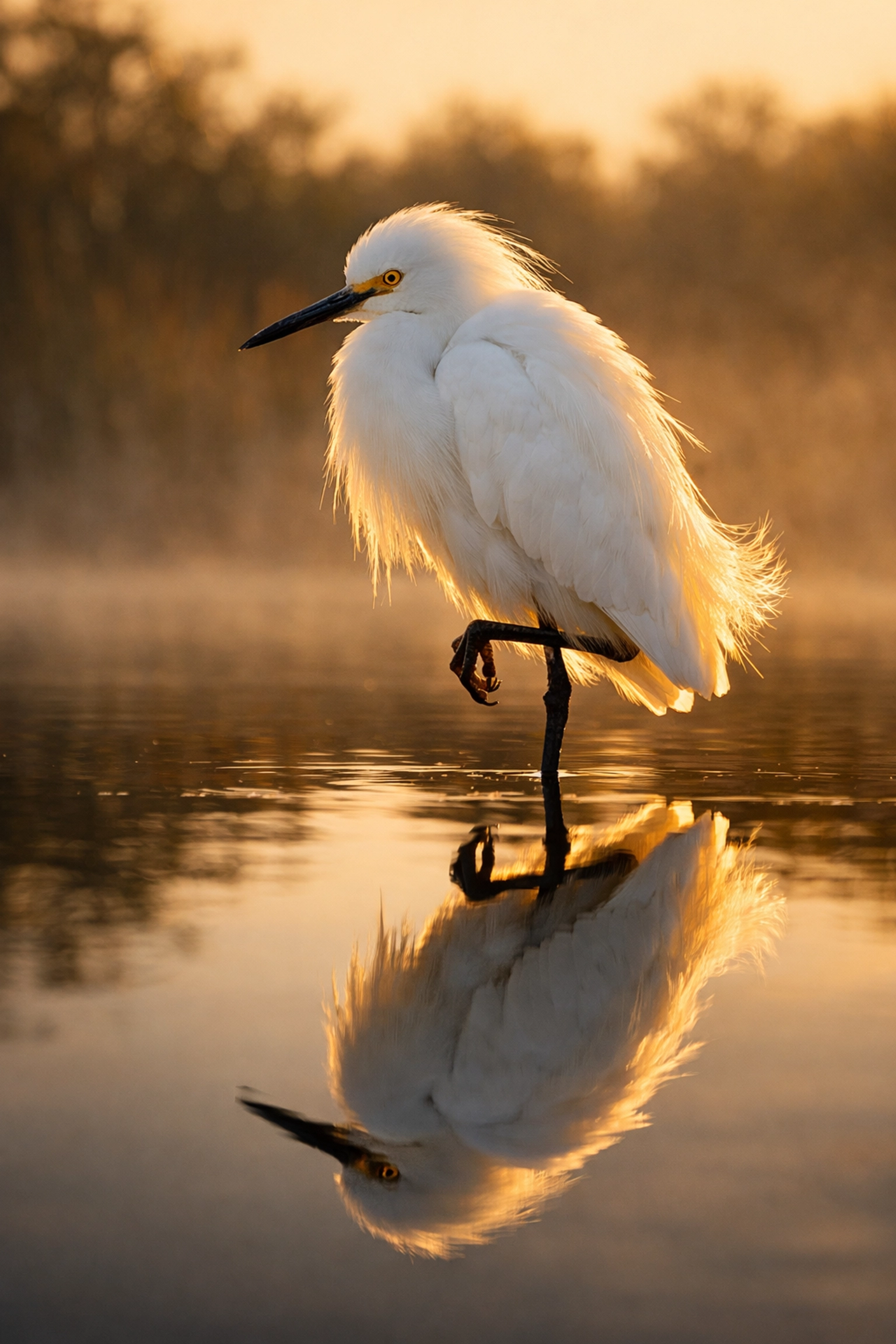
A good guide knows the "Golden Hour" is everything. They will time the tour to ensure you are in the right spot when the light hits the feathers of a Snowy Egret just right. If you want to see how this translates into finished work, take a look at some of the prints over at Edin Fine Art to see the power of perfect Florida lighting.
Choosing the Right Tour for You
Not all tours are created equal. Depending on your budget and what you want to achieve, you have a few different options.
Private Photography Safaris
This is the gold standard. When you book a private safari, the boat is yours. You can tell the guide, "I want to spend three hours just waiting for that Osprey to dive," and they’ll make it happen. These tours usually accommodate one to three photographers, providing plenty of room for your essential photography gear. Expect to pay around $500 for a half-day, but the results are usually worth every penny.
Group Photo Walks
If you’re on a budget or prefer a more social experience, group walks are a fantastic alternative. These usually take place at accessible locations like Shark Valley or the Ernest F. Coe Visitor Center. They are great for learning the basics of wildlife behavior and getting solid shots of alligators and wading birds without the cost of a private charter.
Multi-Day Workshops
For those who want to fully immerse themselves, multi-day workshops are the way to go. These often include lodging, transportation, and intensive instruction. You’ll visit multiple locations, from the Ten Thousand Islands to the deep cypress swamps, often with a professional photographer guiding you through the editing process as well.
Top Locations for Your Tour
While your guide will have their secret spots, there are a few iconic areas you should ensure your tour covers:
- The Ten Thousand Islands: This is the place for "fly-offs." At sunrise, thousands of birds take to the air at once. It’s a chaotic, beautiful, and challenging environment for any photographer.
- Anhinga Trail: Even though it’s popular, it’s popular for a reason. The wildlife here is remarkably habituated to humans, meaning you can get incredible close-ups of alligators and Purple Gallinules.
- Flamingo Marina: This is one of the few places in the world where you can find both alligators and crocodiles. It’s also a hotspot for manatees.
- Tigertail Beach: If you love shorebirds like Plovers and Redknots, this is your paradise.
Gear You Actually Need
The Everglades is a harsh environment. It’s humid, it’s salty, and the sun is relentless.
- Lenses: You’ll want a long telephoto lens (at least 400mm or 600mm) for those skittish birds. However, don't forget a wider lens for the incredible landscape shots. If you’re looking to experiment with your glass, the Module 8 lens adapter can add some unique character to your shots.
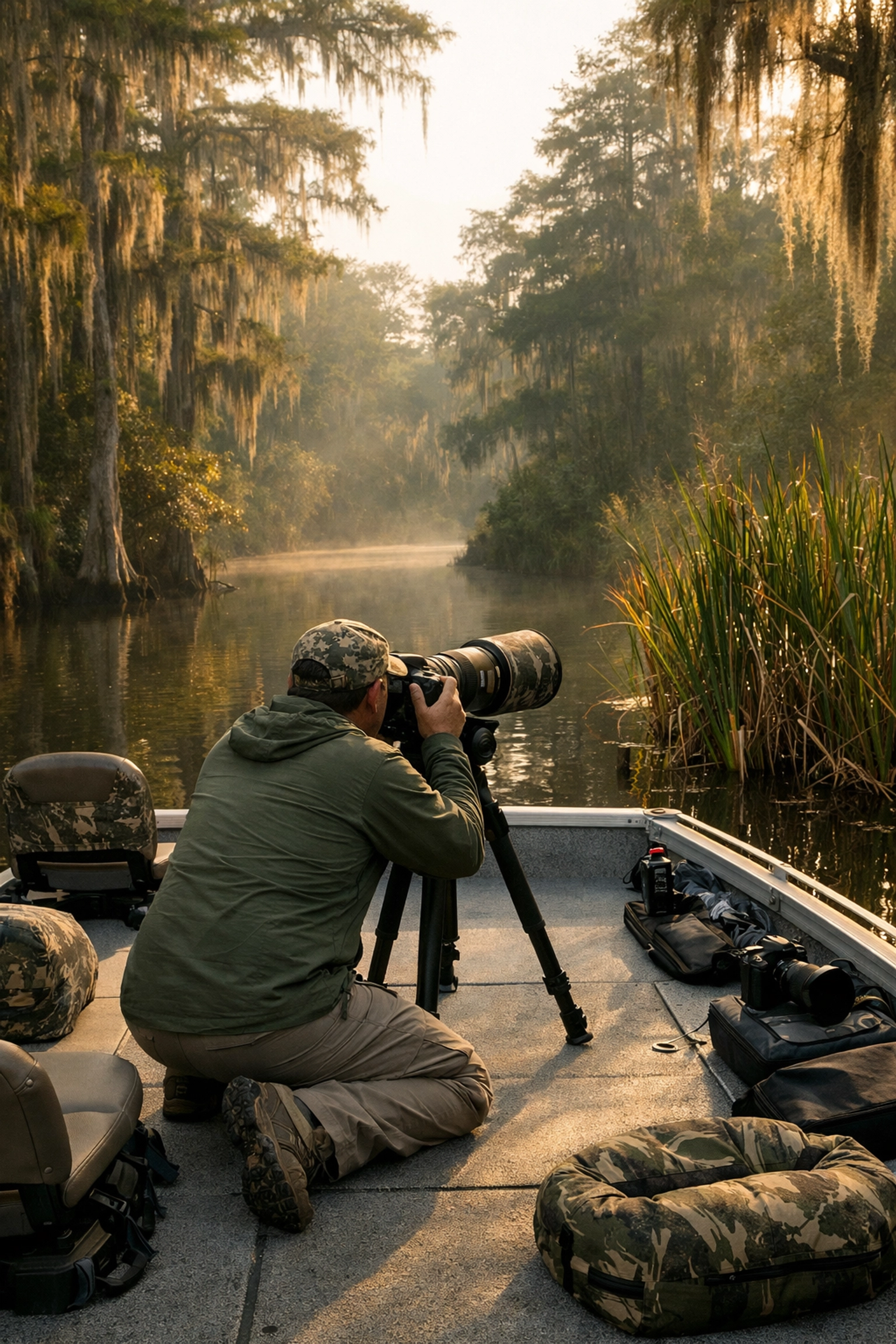
- Stability: If you’re on a specialized photo boat, bring your tripod. If you’re on a moving group boat, a monopod or handheld shooting with high shutter speeds is better.
- Protection: Use a rain cover for your camera: not just for rain, but for the salt spray if you’re out in the Ten Thousand Islands.
- The "Secret Weapon": No matter what gear you have, knowing where to go is 90% of the battle. I highly recommend downloading the Everglades Photography Guide. It’s the culmination of years of shooting in the field and will save you hours of wandering.
Pro Tips for the Field
1. Watch the Tide: Especially in the coastal areas, the tide dictates where the birds feed. Low tide is often the best time for wading birds as it exposes the mudflats.
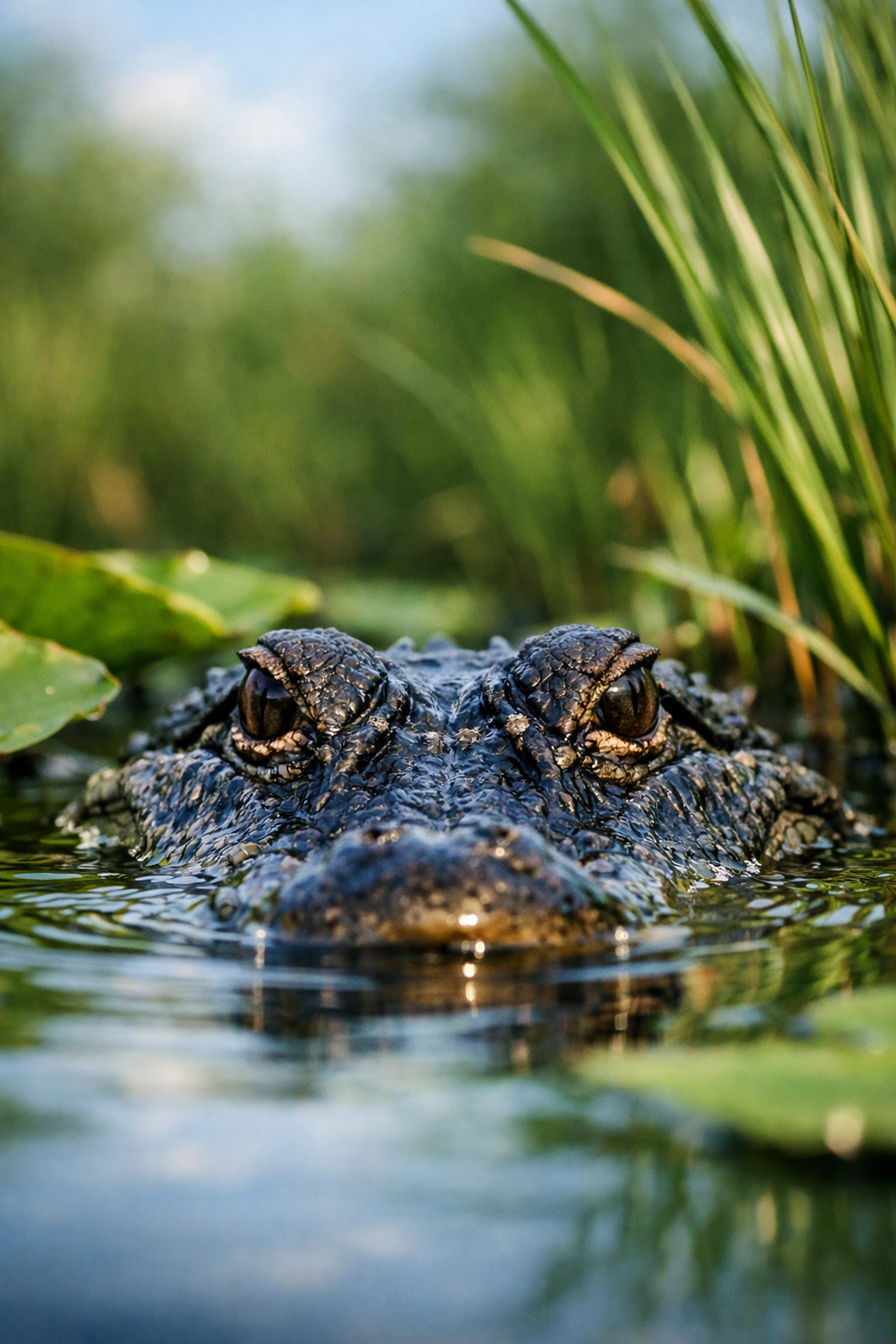
2. Shoot Low: If you’re on a bank or a flat-deck boat, try to get your camera as low as possible. Getting down to the eye level of an alligator or a heron creates a much more intimate and powerful image.
3. Be Patient: Wildlife photography is a waiting game. Sometimes the best shots happen in the last five minutes of a four-hour tour. Stay focused and keep your eyes on the viewfinder.
4. Join the Community: If you want to talk shop with other photographers before your trip, check out Shut Your Aperture. It’s a great place to see what others are using and get real-time feedback.
Timing is Everything
When should you book your tour? The "Dry Season" (November through April) is generally considered the best time. As the water levels in the glades drop, the fish and birds congregate around the remaining deep-water holes. This creates a literal "buffet" for predators and a "buffet" of subjects for photographers.
The summer months (May through October) are beautiful but challenging. It’s hot, the mosquitoes are legendary, and the wildlife disperses as the water levels rise. However, if you can handle the heat, the dramatic afternoon thunderstorms make for some of the most incredible sky-scapes you’ll ever see. If you need help editing those summer skies, our sky overlays can help you bring that drama to life in post-production.
Final Thoughts
A wildlife photography tour in the Everglades isn't just a trip; it's an investment in your craft. You’ll come away with more than just photos: you’ll have a deeper understanding of one of the most unique ecosystems on the planet.
If you're planning your visit, don't go in blind. Grab the Everglades Photography Guide to make sure you hit the right spots at the right times. And for more tips on gear and techniques, feel free to browse our educational category or read our latest camera reviews.
The swamp is waiting. Are you ready to get the shot?