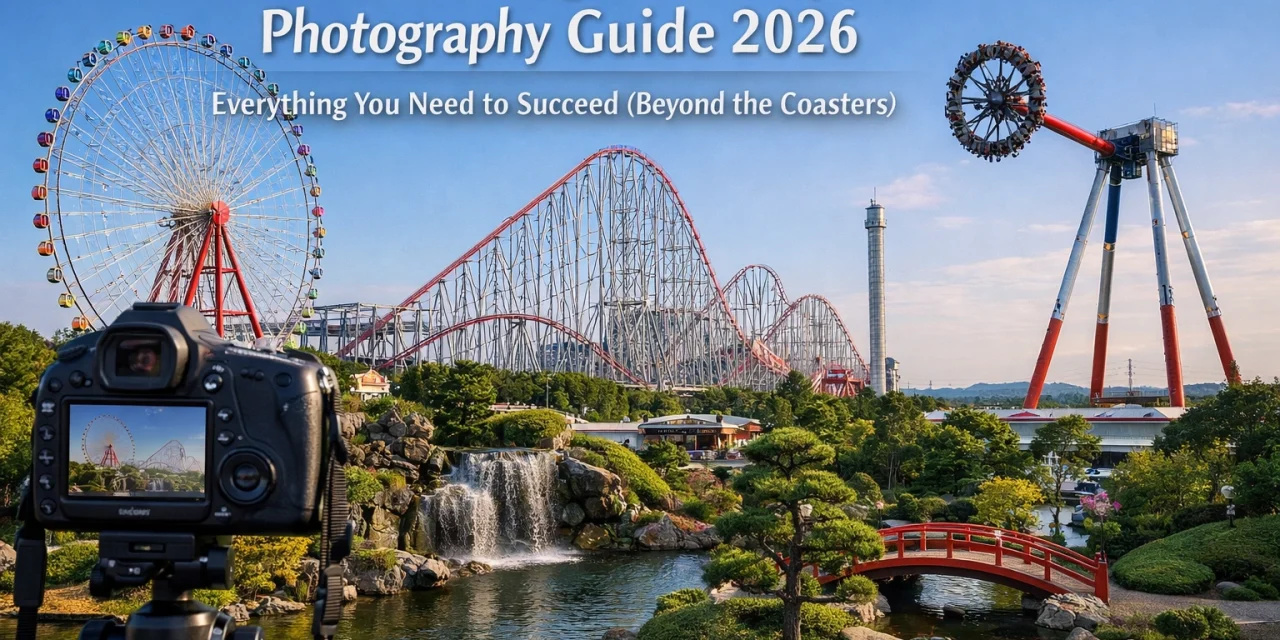
Listen, we all know why most people flock to Nagashima Spa Land. They want their adrenaline spiked by the legendary Steel Dragon 2000 or the wooden-steel hybrid beast that is Hakugei. But here at Photoguides, we see things through a different lens, literally.
If you’re heading to Mie Prefecture in 2026, you’re stepping into one of the most visually diverse resorts in Japan. From the sheer architectural scale of the roller coasters to the delicate, sprawling flower fields of Nabana no Sato, this isn't just a theme park; it’s a portfolio-builder. Whether you are a seasoned pro or just starting your journey with our Mastering Photography: The Ultimate 2026 Guide for Every Skill Level, this guide will ensure you leave with more than just a blurry selfie on a log flume.
Why Nagashima Spa Land is a Photographer’s Dream
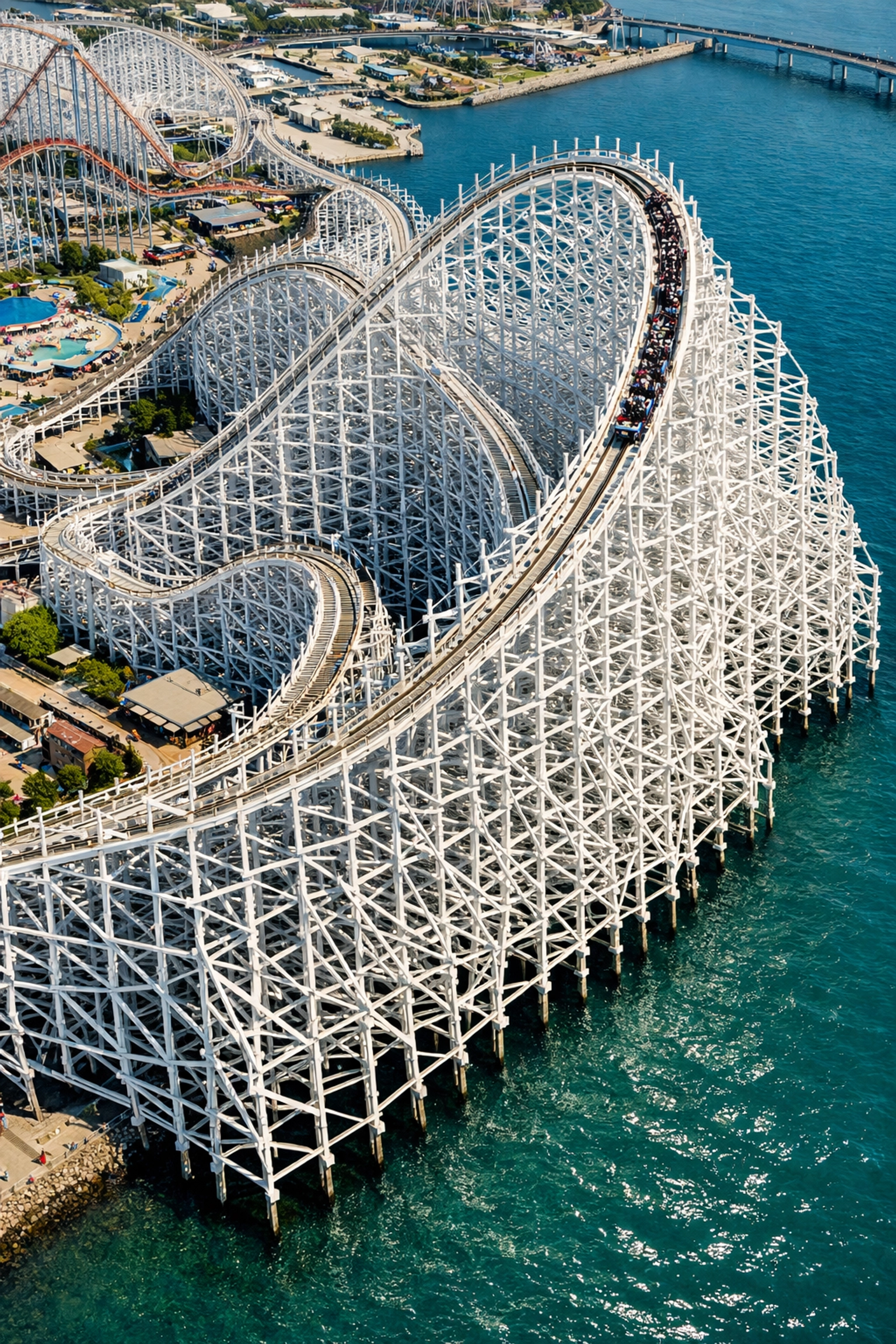
Located on a peninsula surrounded by water, Nagashima Spa Land offers a unique blend of industrial lines and natural beauty. It’s one of the best photography locations in Japan because of the contrast. You have the jagged, white wooden frames of Hakugei clashing against the deep blue of Ise Bay, and then, just a short shuttle ride away, you have the serene, meticulously groomed gardens of Nabana no Sato.
Before you pack your bags, make sure you've got your logistics sorted. I always recommend checking out Nagashima tours and transport options on Viator to make the journey from Nagoya seamless. Trust me, you don't want to be hauling a tripod on a crowded local bus if you can avoid it.
The "Sky-High" Perspective: Where to Get the Best Views
To capture the true scale of the park, you need to get off the ground. Luckily, Nagashima Spa Land has two iconic structures designed for exactly that.
1. The Giant Wheel Aurora
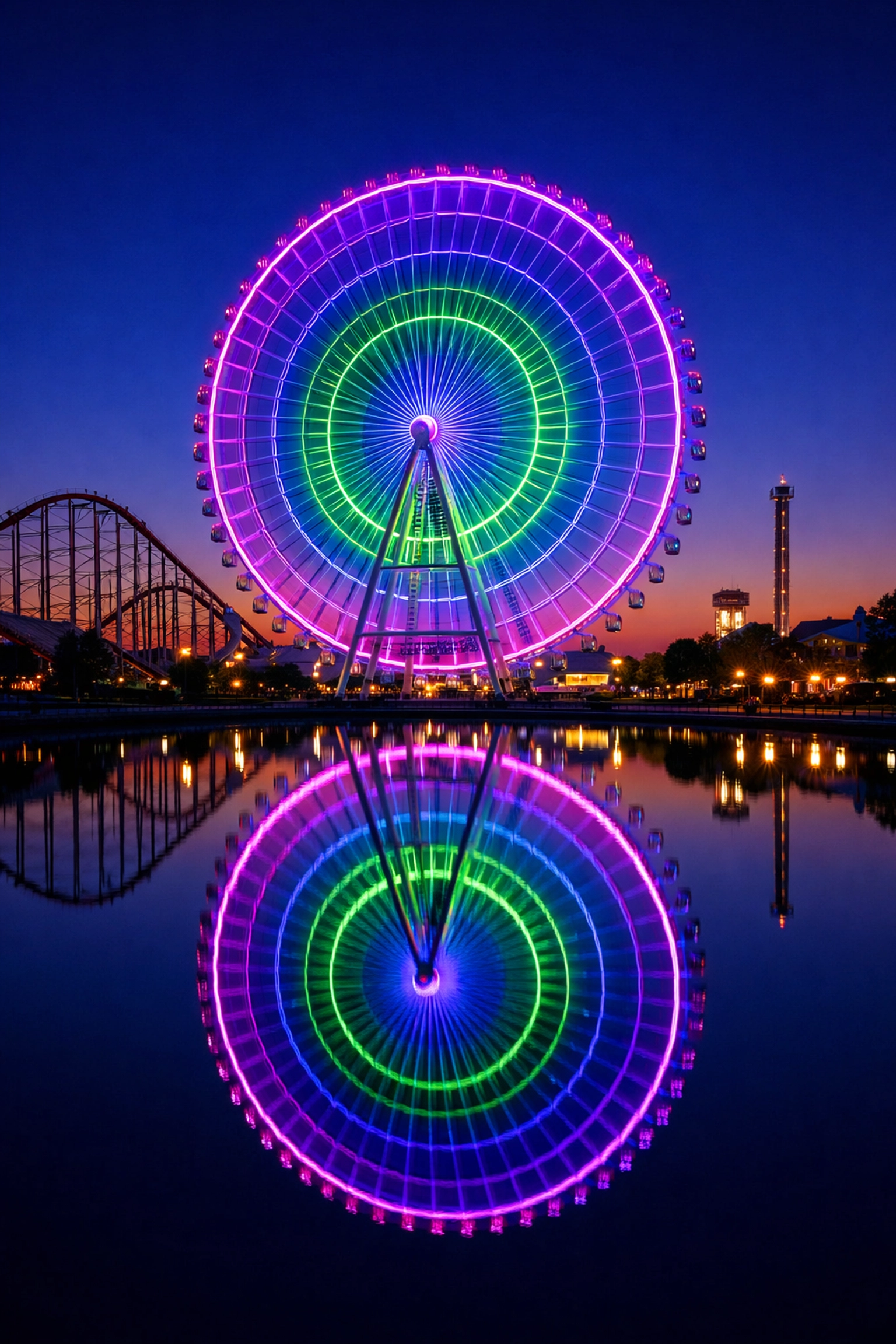
This isn’t just your average Ferris wheel. The Giant Wheel Aurora offers a panoramic sweep of the entire resort, the coastline, and the distant mountains. In 2026, the glass is kept remarkably clean (a rarity for theme parks!), making it a prime spot for shooting through the windows.
- Pro Tip: Use a circular polarizer to cut down on reflections from the pod glass.
- Best Time: Aim for the "Blue Hour" just after the sun sets when the park lights start to twinkle but there's still color in the sky.
2. Island Fuji
If you want something a bit more dynamic, head to Island Fuji. This 45-meter-high moving observation deck rises and rotates, giving you a 360-degree view without you having to move a muscle. It’s one of the top photo spots for capturing the interlocking tracks of the roller coasters from an angle that makes them look like giant, metallic spaghetti.
Capturing the Coasters: Architecture in Motion
Even if you aren't a "coaster enthusiast," you have to appreciate the geometry here.
- Steel Dragon 2000: This is a long-exposure dream. If you position yourself near the entrance plaza at night, you can capture the light trails of the trains as they crest the massive hills.
- Hakugei (The White Whale): The white wooden structure is incredibly photogenic against a clear blue sky. Use a wide-angle lens to emphasize the sprawling nature of the supports.
For more tips on the right gear for these kinds of architectural shots, check out our guide on essential photography gear.
Nabana no Sato: The Floral Masterpiece
You cannot visit Nagashima Spa Land without visiting its sister property, Nabana no Sato. This is where the "Spa Land" name really shows its softer side. Depending on when you visit in 2026, you'll be greeted by vastly different landscapes.
The Seasonal Blooms
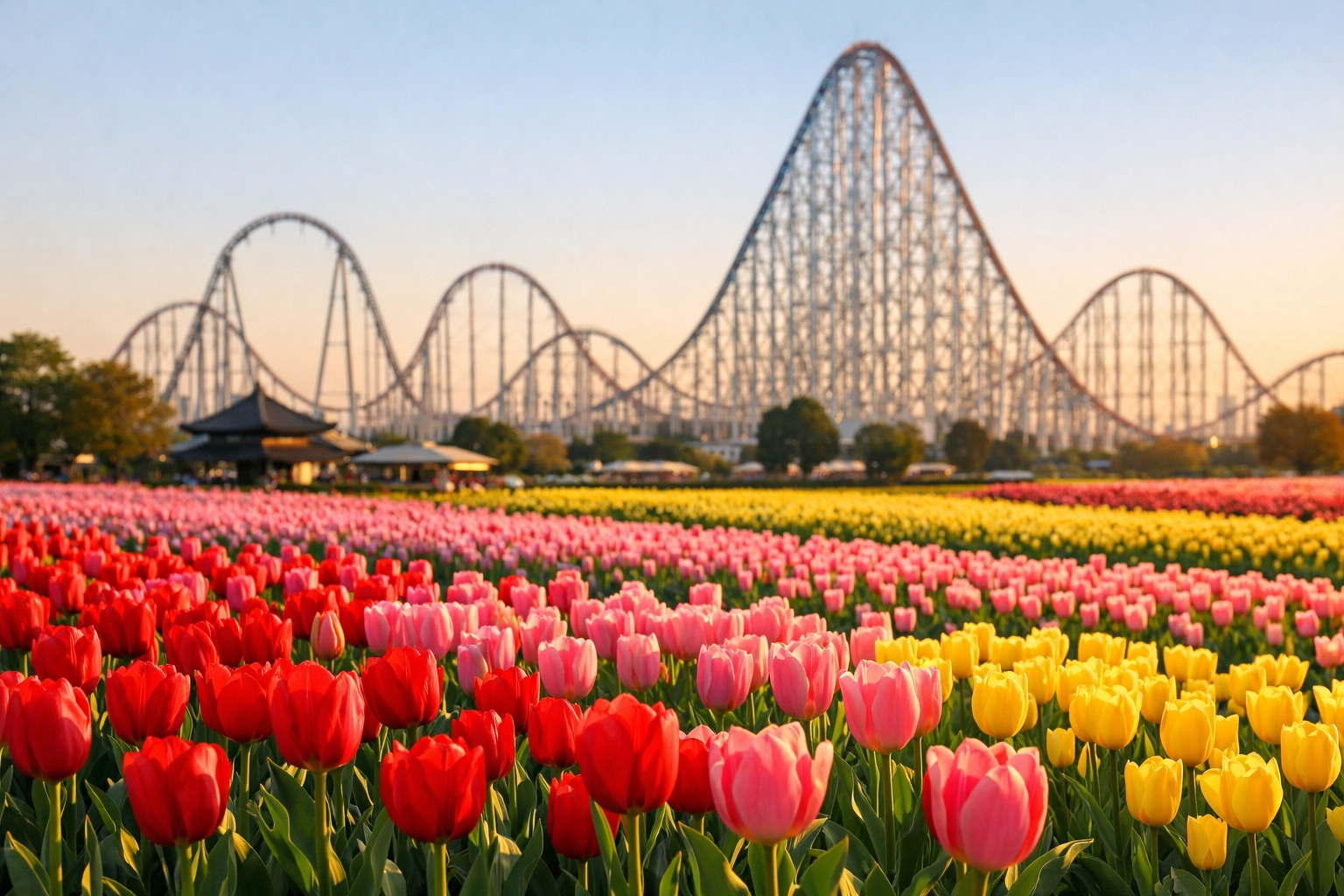
From the tulips in the spring to the dahlias in the autumn, the flower fields here are described as "paintings come to life." Our research shows that the optimal lighting for these fields is between 16:00 and 17:00 (4 PM to 5 PM). The sun hits the petals at a lower angle, creating a soft, translucent glow that makes your colors pop without looking "over-processed."
The Winter Illuminations
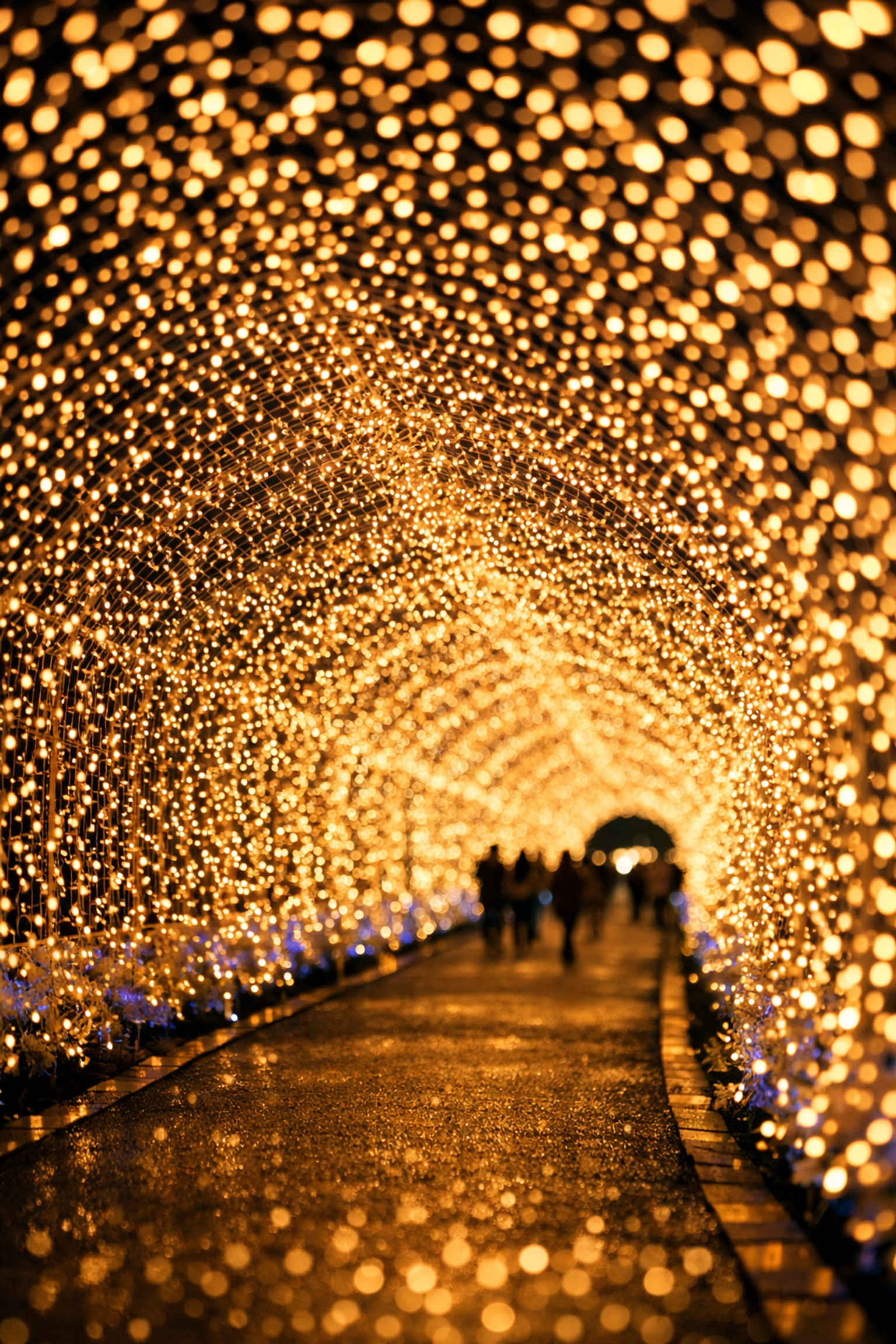
If you’re visiting between late October and late May, you’re in for a treat. This is Japan’s largest scale light festival, featuring around 8.5 million LED lights. The "Light Tunnel" is the star of the show.
- The Shot: Use a wide aperture (f/1.8 or f/2.8) to turn those millions of LEDs into soft, creamy bokeh.
- The Strategy: It gets crowded. Bring a small, travel-friendly tripod (if the staff allows: check current 2026 signage) or use a lens with excellent image stabilization to keep those night shots crisp.
Technical Tips for the 2026 Season
Photography in a Japanese theme park comes with its own set of "hidden" rules. Here is how to stay ahead of the curve:
- Respect the "No-Photo" Zones: In 2026, Nagashima has stepped up enforcement in areas where short journey videos or digital displays are shown. Keep your camera bagged in these specific zones to avoid a polite but firm talking-to from the staff.
- The Digital Photo Contest: Keep an eye on the official Nagashima Farm and Spa Land socials. They often run digital photo contests through the winter months. Winning could mean more than just bragging rights: sometimes there are park passes or gear vouchers involved.
- Weather Transitions: Mie Prefecture can be humid. If you’re moving from the air-conditioned "Joyful Waterpark" areas to the humid outdoor gardens, give your lens a few minutes to acclimate so you don't deal with internal fogging. If you're looking for gear that handles these conditions well, see our latest camera reviews.
Planning Your Trip
To get the most out of your day, I recommend a "split shift" strategy. Start your morning at Spa Land capturing the high-energy action and the architectural shots of the rides. Take a break mid-day at the Nagashima Onsen (your feet will thank you), and then head to Nabana no Sato for the late afternoon light and the evening illuminations.
For those looking to turn this into a full weekend getaway, Japan has some surprisingly affordable options if you know where to look. We’ve actually covered some cheap weekend getaways that could help you extend your trip without breaking the bank.
Essential Gear Checklist for Nagashima 2026
- Lenses: A 24-70mm is your workhorse here. You’ll also want a wide-angle (16-35mm) for the light tunnels and flower fields.
- Filters: A Circular Polarizer for the Ferris wheel and a 6-stop ND filter if you want to blur the motion of the coasters during the day.
- Memory: Bring more than you think. Between the high-burst mode for the coasters and the 4K video you’ll inevitably shoot at Nabana no Sato, you’ll burn through cards fast.
- Support: A lightweight monopod is often more "theme-park friendly" than a full tripod and can still give you that extra stop of stability.
Final Thoughts
Nagashima Spa Land is a place of extremes. It's loud, fast, and metallic one moment, then silent, colorful, and organic the next. It is easily one of the best photography locations in the Nagoya area because it forces you to switch between action photography and landscape photography in the span of a single afternoon.
Don't forget to back up your photos! If you're looking for ways to enhance your shots after the trip, you can always download our sky overlays to add a bit of drama to those "white-sky" days that sometimes plague the Japanese coast.
Ready to book? Grab your gear, check the latest booking experiences, and we'll see you in the clouds: or at least at the top of the Ferris wheel.
About Photoguides: We are dedicated to helping you capture the world, one frame at a time. From the heights of Nagashima to the streets of NYC, our guides are designed to give you the confidence to shoot like a pro. For more information on how we handle your data and keep our tips free, check our privacy policy.