Category: Photo Guides
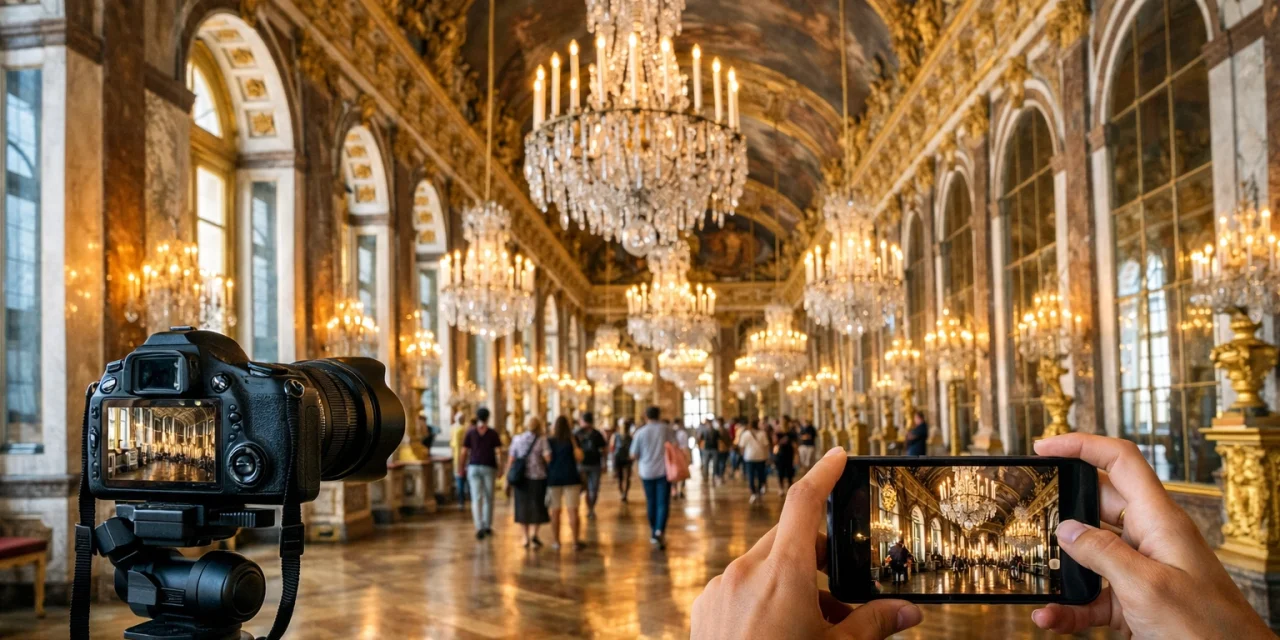
Let’s be real: we’ve all seen the photos. That infinite stretch of gold, crystal, and glass known as the Hall of Mirrors. It looks effortless, airy, and empty in the magazines. But then you show up, and it’s a mosh pit of selfie sticks and tour groups.
If you want to capture the Palace of Versailles in 2026 without losing your mind (or your shot), you need a game plan. Versailles isn't just one of the best photography locations in France; it’s a complex logistical puzzle. I’m Edin Chavez, and I’ve spent years navigating these halls to bring you the "cheat codes" for the ultimate royal portfolio. Whether you’re a pro or just looking to level up your Instagram game, this guide will help you treat the Sun King’s backyard like your personal studio.
Why Versailles is Still the GOAT in 2026
Despite the world changing, the sheer opulence of Versailles remains unmatched. In 2026, the palace has seen some incredible restorations, making the gold leaf pop more than ever. It remains a top-tier destination for anyone following our Mastering Photography: The Ultimate 2026 Guide for Every Skill Level.
But here’s the thing, Versailles is huge. We’re talking 800 hectares of gardens and a palace with 2,300 rooms. You cannot "wing it." To get the best shots, you need to know exactly where to go and when to be there.
Timing is Everything: The 8:00 AM Hustle
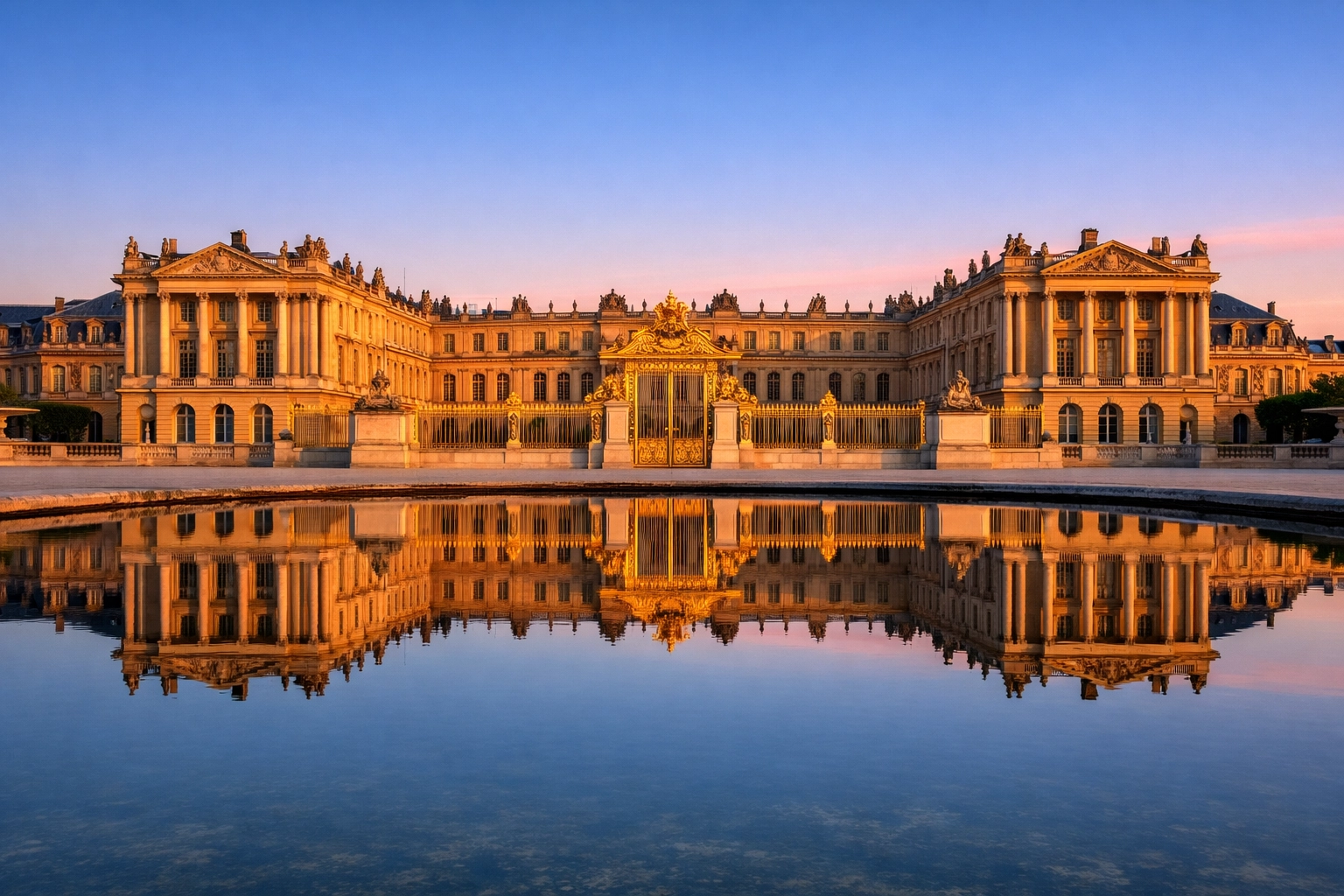
If you take one thing away from this guide, let it be this: The early bird gets the reflection.
The Palace doors typically open at 9:00 AM, but the estate grounds often open earlier. You want to be at the gates by 8:15 AM at the latest. In 2026, the crowds are as thick as ever, and if you aren't among the first ten people through the door, your chances of a clean Hall of Mirrors shot drop by about 90% every five minutes.
Pro Tip: Book a skip-the-line tour through Viator to ensure you aren't stuck in the 2-hour security queue. It’s the best investment you’ll make for your sanity.
Mastering the Hall of Mirrors: 357 Mirrors, One Perfect Shot
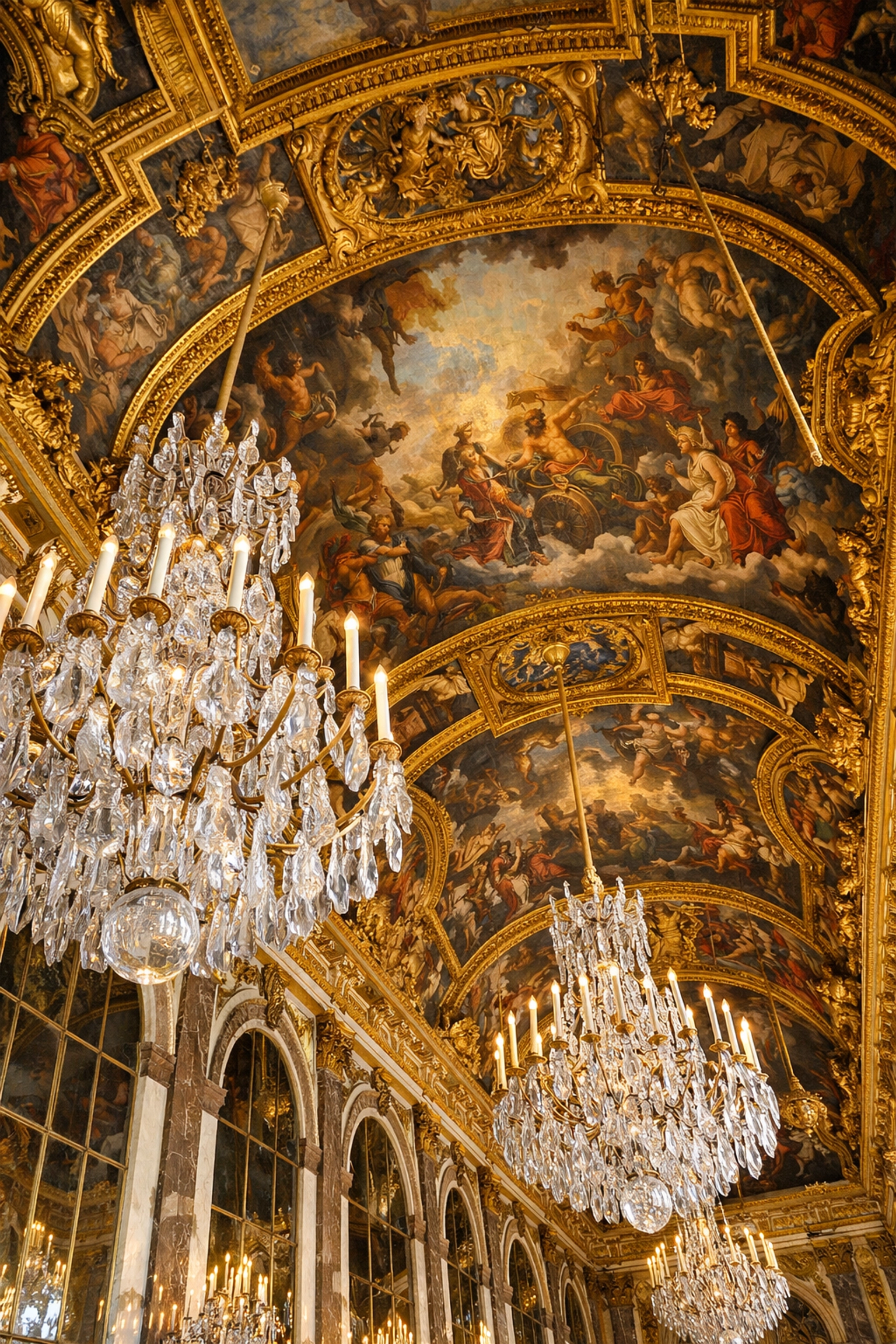
The Galerie des Glaces is the crown jewel. With 17 massive windows reflecting across 357 mirrors, the light here is a dream, if you know how to handle it.
The Settings You Need
Inside the palace, tripods are a big no-no. They’ll kick you out faster than a peasant at a royal banquet. This means you’re shooting handheld in a high-contrast environment.
- Aperture: Aim for f/8. You want those massive chandeliers and the distant ceiling frescoes to stay sharp.
- ISO: Don’t be afraid to push it. Between 800 and 1600 is usually the sweet spot for keeping your shutter speed fast enough to avoid blur while maintaining detail in the shadows.
- Shutter Speed: Keep it at 1/60 or 1/125. Any slower and you’ll get camera shake; any faster and your image will be too dark.
Composition Hacks for Symmetry
The Hall of Mirrors is all about symmetry. Stand dead center on the floor patterns. Use the lines of the parquet floor to lead the eye toward the horizon. If the floor is covered in tourists, look up. The ceilings painted by Le Brun are some of the most underrated photo spots in the building.
Beyond the Mirrors: The Royal Apartments
While everyone is fighting over the Hall of Mirrors, head to the King’s and Queen’s Grand Apartments. The velvet wallpapers and ornate bedchambers offer incredible textures.
When shooting these darker rooms, look for the way the natural light spills through the tall windows. It creates a "Rembrandt lighting" effect that is perfect for moody, high-end architectural shots. For more on how to handle tricky indoor lighting, check out my camera reviews to see which sensors handle high ISO the best.
The Gardens: Landscapes, Fountains, and Geometry
André Le Nôtre, the landscape architect, designed the gardens to be viewed from above. While we can't all fly drones (they are strictly prohibited here), you can get some elevation from the palace terraces.
The Grand Canal and the Water Parterre
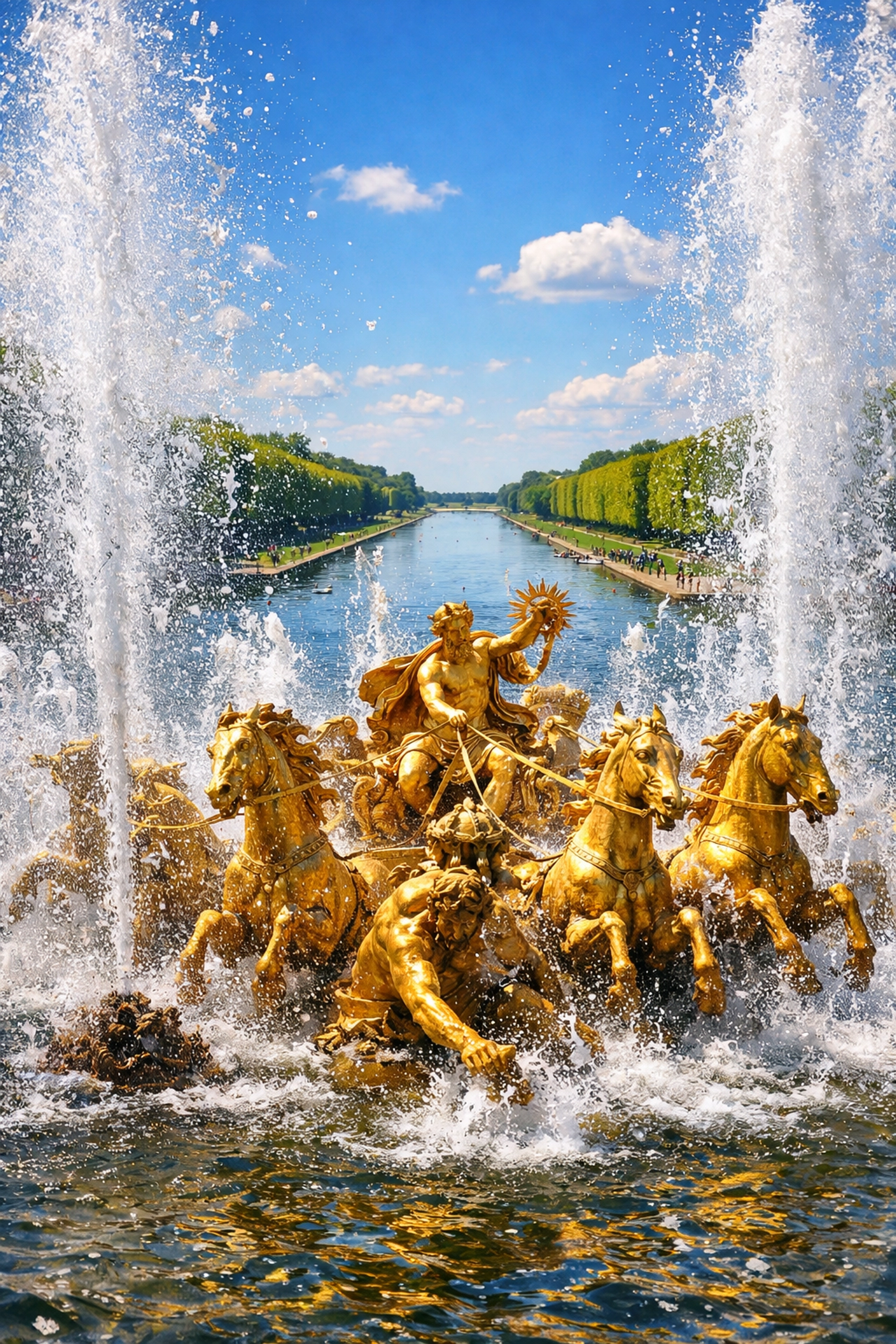
The Water Parterre offers that classic "Palace in the distance" shot. If you’re here in the spring or summer, check the schedule for the Grandes Eaux (Fountain Shows).
- To freeze the water: Use a shutter speed of 1/1000s.
- For that silky look: Since you can't use a tripod, find a stone ledge or a trash can (hey, whatever works!) to stabilize your camera and use a 1/4s shutter speed with an ND filter.
For more inspiration on capturing water and landscapes, take a look at my fine art work at Edin Fine Art.
The Queen’s Hamlet: Fairytale Vibes
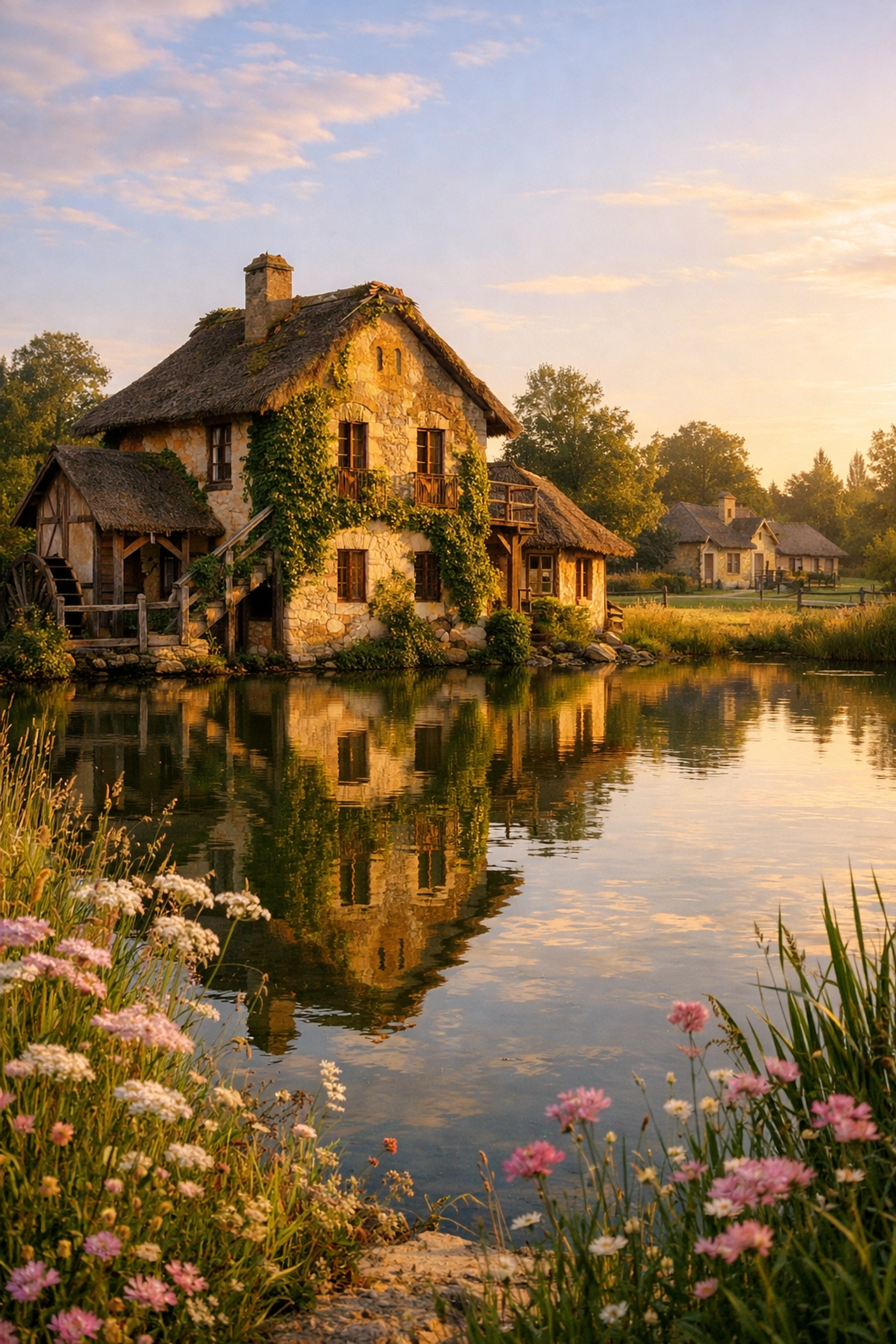
If the main palace feels too "gold and cold," head over to the Hameau de la Reine. This was Marie Antoinette’s private rustic retreat. It looks like a Disney movie come to life: thatched roofs, a mill, and a lake.
This is one of the best photography locations for portrait photography. The light here during the golden hour (the hour before sunset) is soft and magical. It’s a complete departure from the rigid symmetry of the main gardens.
Gear Guide for the French Court
You don’t need a pack mule, but you do need the right glass. If you're wondering what to bring, here is my "Versailles Essentials" list:
- Ultra-Wide Lens (16-35mm): Non-negotiable for the Hall of Mirrors. You need that width to capture the scale.
- Standard Zoom (24-70mm): The workhorse for the gardens.
- Circular Polarizer: To cut glare on the mirrors and make the sky pop over the Grand Canal.
- Extra Batteries: The cold stone of the palace can drain mirrorless batteries faster than you’d think.
For a full breakdown of what I carry on every shoot, visit the essential photography gear page.
Practical Tips for Success
- No Flash: It’s banned, and it ruins the atmosphere anyway. Embrace the natural light.
- Permits: If you’re showing up with a 600mm lens and a full lighting rig, security will stop you. Keep it low-profile. For professional commercial shoots, you’ll need to apply for a permit weeks in advance.
- Comfort: You will walk at least 10 miles. Wear comfortable shoes. You can look stylish in your photos, but your feet will thank you for the sneakers.
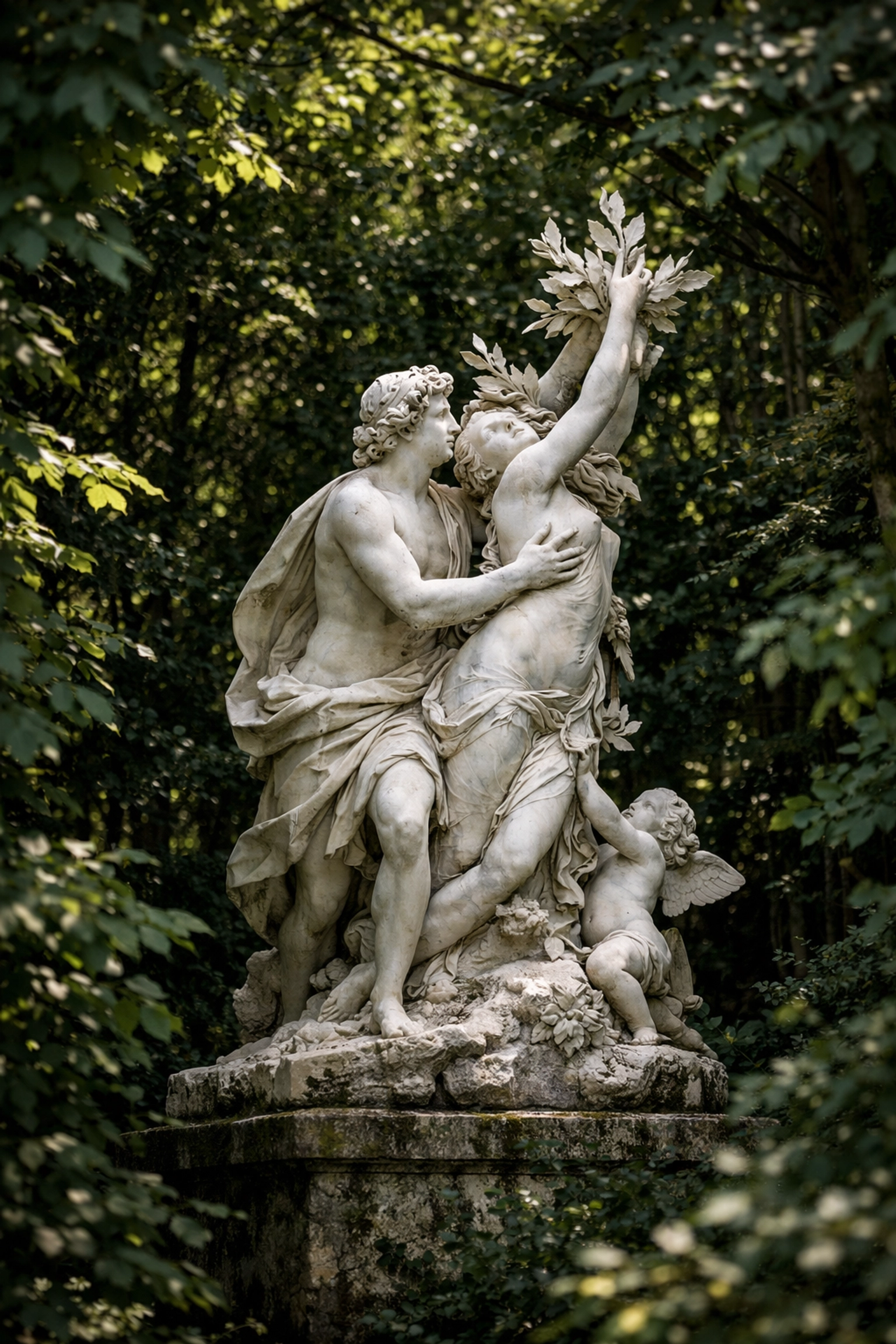
- The "Secret" Exit: When the palace gets too crowded, head to the gardens and find the smaller groves (bosquets). They are often empty and offer unique statues and fountains that most tourists miss.
Final Thoughts
Versailles in 2026 is a test of patience, but the rewards are world-class. If you find yourself overwhelmed, just stop, put the camera down for a second, and realize you’re standing in the epicenter of French history.
Once you’ve mastered the palace, why not keep the momentum going? If you’re looking for more European inspiration, check out my guides on Rome or the Dolomites.
Ready to start your journey? Don't forget to download our latest sky overlays to fix those grey Parisian skies in post-production. And for more behind-the-scenes stories and professional tips, head over to Edin Chavez’s Blog.
Now go out there and capture some royalty! Just remember: stay centered, stay wide, and for the love of all things holy, arrive early.