
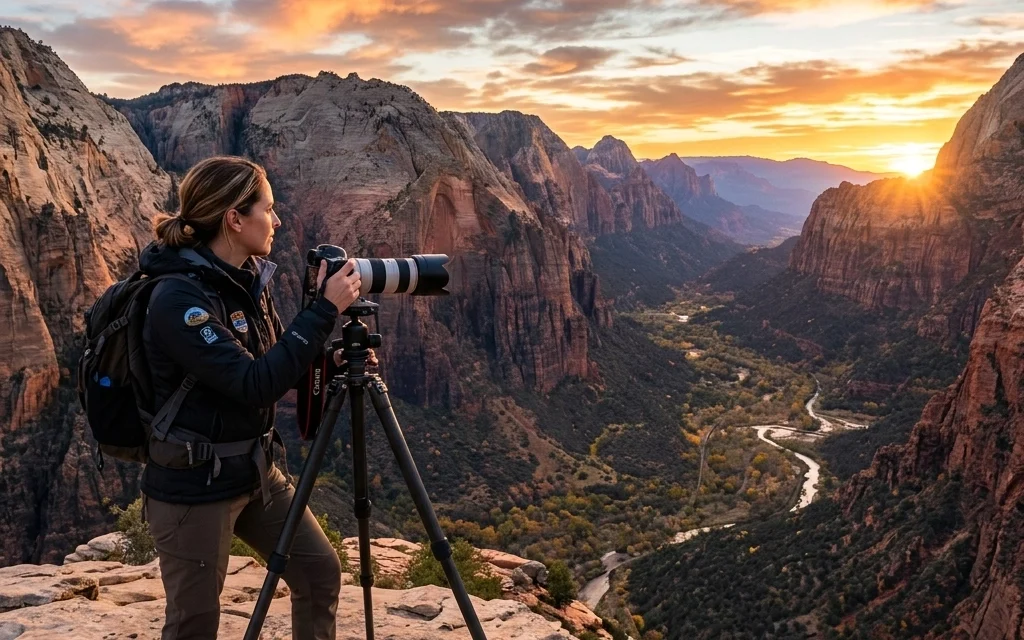
Category: Photo Guides
There is something deeply humbling about standing on the edge of the Grand Canyon or watching the mist roll through the ancient trees of the Great Smoky Mountains. As photographers, we aren't just there to see the sights; we’re there to capture a feeling. With 63 National Parks scattered across the United States, each offering a unique ecosystem and lighting challenge, the task of documenting them all can feel a bit overwhelming.
But don't worry, I’ve got your back. Whether you’re a seasoned pro looking for that elusive "Firefall" shot in Yosemite or a hobbyist planning your first big road trip, this guide is designed to give you the confidence to get out there and create something beautiful. Let’s break down the best photography locations, the gear you’ll need, and the travel tips that will make your journey smooth.
Getting Prepared: More Than Just a Camera
Before you hit the road, the most important thing you can do is pack the right tools. I’ve spent years figuring out what works and what just takes up space in my bag. For a deep dive into what I carry, check out my guide on essential photography gear.
Beyond the glass and sensors, you need to handle the logistics. Many of our most popular parks, like Zion and Arches, now require vehicle reservations months in advance. It sounds like a headache, but it actually makes for a better photography experience because the trails are less crowded. Always check the official NPS website before you go.
For those of you looking to upgrade before your big trip, take a peek at the latest camera reviews 2024 to see which bodies are handling high-dynamic-range landscapes the best.
The Iconic West: Mountains and Canyons
When people think of National Parks, they usually think of the "Big Five" in Utah or the granite cathedrals of California. These are some of the best photography locations in the world for a reason.
Yosemite National Park, California
Yosemite is the holy grail for landscape photographers. Tunnel View is the classic shot, providing a panoramic view of El Capitan, Half Dome, and Bridalveil Fall. If you’re visiting in February, you might be lucky enough to witness the "Firefall" at Horsetail Fall, where the setting sun hits the water at just the right angle to make it look like flowing lava.
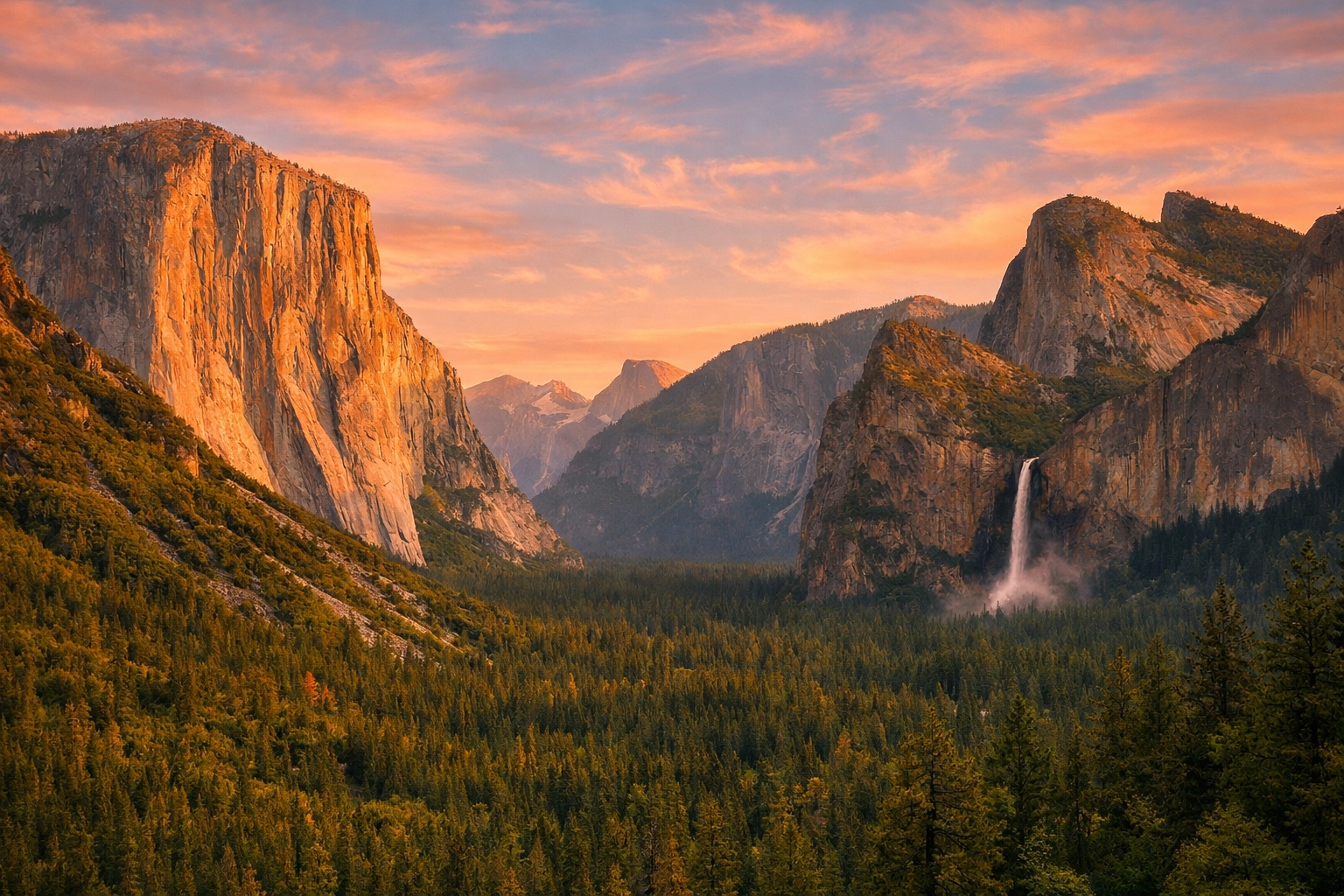
Alt text: A breathtaking wide-angle shot of Yosemite Valley from Tunnel View during the golden hour, showing the scale of El Capitan and Half Dome under a soft pink sky.
Zion National Park, Utah
Zion is all about the red Navajo sandstone and the verticality of the canyon. For one of the best sunrise spots with a relatively easy hike, head to the Canyon Overlook Trail. You’ll get a view of the switchbacks and the massive Great Arch that is simply unbeatable in the morning light. If you’re feeling adventurous, The Narrows offers a unique perspective of light filtering down into the slot canyon walls.
Grand Teton National Park, Wyoming
If you love reflections, Schwabacher Landing is your spot. The beaver ponds here create perfectly still water that acts as a mirror for the jagged Teton Range. It’s a world-class spot for sunrise where the peaks turn a vibrant orange. For more inspiration on how these shots look as finished pieces, you can browse my collection at Edin Fine Art.
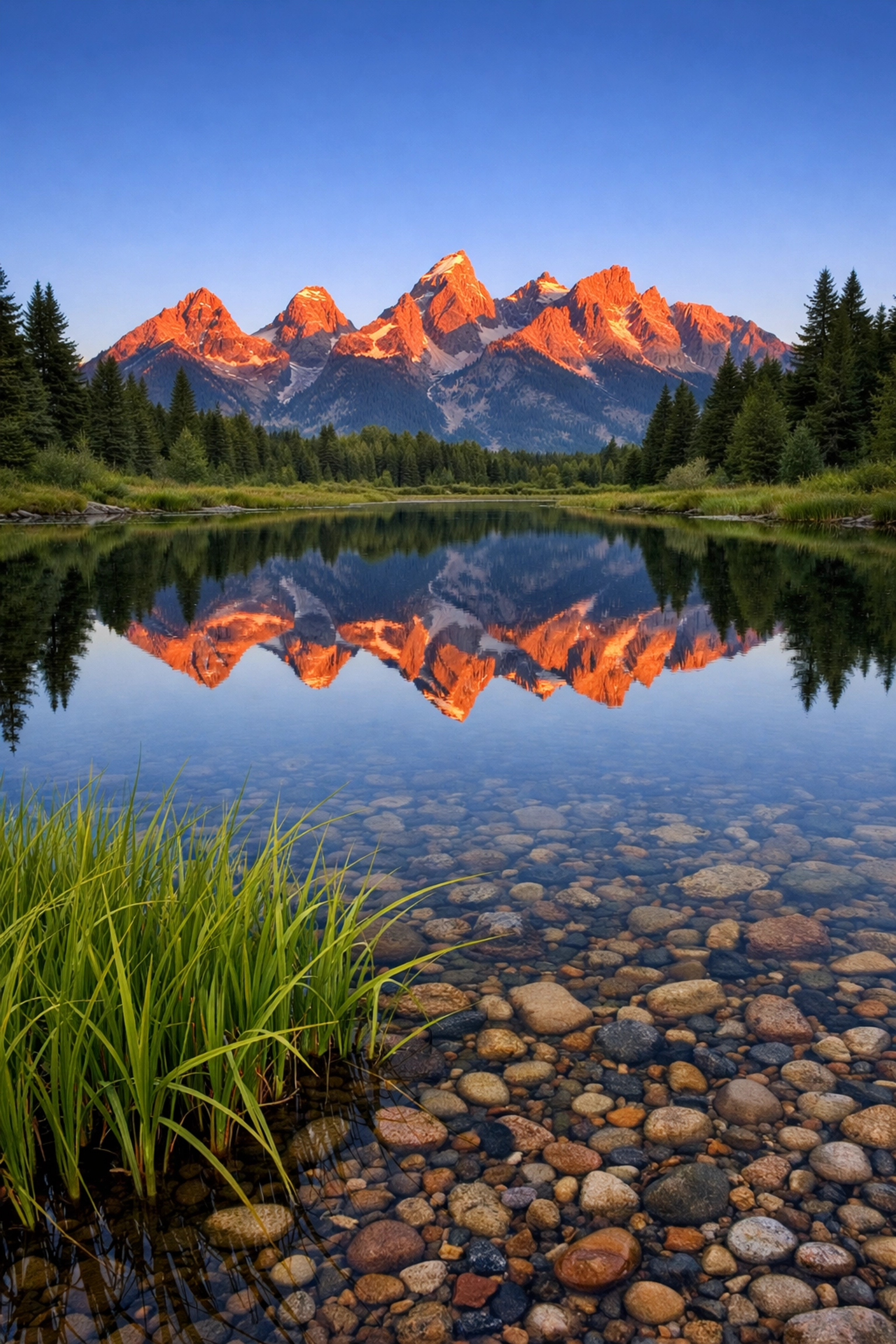
Alt text: A perfectly mirrored reflection of the Teton Range in the still waters of Schwabacher Landing at dawn, with golden light hitting the mountain peaks.
Coastal Beauty and Ancient Forests
Not every park is a desert or a mountain range. Some of the most compelling landscape photography locations are found where the land meets the sea.
Acadia National Park, Maine
Acadia is the crown jewel of the North Atlantic coast. Cadillac Mountain is famous for being the first place in the U.S. to see the sunrise during certain parts of the year. The rugged coastline at Boulder Beach or Otter Cliff provides incredible foreground interest with the crashing waves of the Atlantic.
Olympic National Park, Washington
This park is like three parks in one. You have the subalpine beauty of Hurricane Ridge, the prehistoric feeling of the Hoh Rain Forest, and the moody, sea-stack-filled beaches like Ruby Beach. It’s a place where you can spend a week and feel like you’ve visited three different continents. For community tips on shooting in wet environments like the Pacific Northwest, head over to Shut Your Aperture.
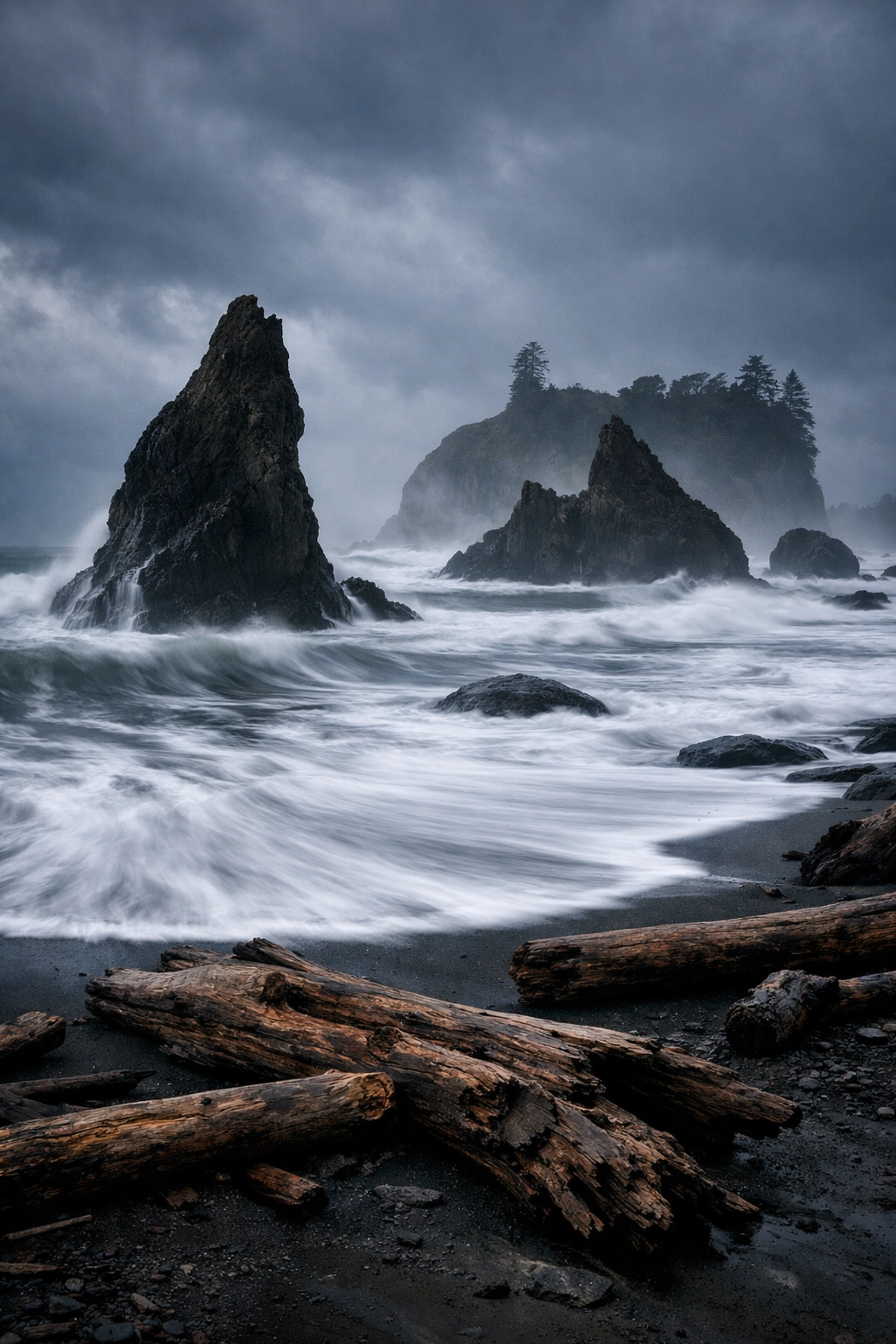
Alt text: The moody coastline of Ruby Beach in Olympic National Park, featuring massive sea stacks rising from the surf under a dramatic, cloudy sky.
Technical Tips for Success
Shooting in the wild means dealing with elements you can’t control. Here are a few ways to ensure you come home with "the shot":
- The 45-Minute Rule: For the best sunrise spots, you want to be set up and ready at least 45 minutes before the sun actually breaks the horizon. This "blue hour" provides soft, cool tones and a glow that you just can't get later in the day.
- Master Your HDR: Landscape photography often involves high-contrast scenes: bright skies and dark shadows in a canyon. Using HDR (High Dynamic Range) techniques can help you capture all that detail. If you want to learn more about the technical side, my educational category has plenty of deep dives.
- Stability is Key: Don't skimp on a tripod. Even the best stabilization in a modern mirrorless camera can't replace a rock-solid tripod when you're shooting long exposures of waterfalls or the Milky Way in a Dark Sky certified park like Arches.
Logistics: Planning Your Route
If you’re planning a multi-park road trip, it helps to group them by region. For instance, a trip through the Southwest can easily cover Zion, Bryce Canyon, Capitol Reef, Arches, and Canyonlands in one go. If you need a break from the wilderness and want to find some great spots to eat during your travels, I’ve put together some guides like restaurants in downtown Golden or even breakfast places in Cape Coral if your journey takes you toward the Everglades.
If you’re looking for a more curated experience, I offer a photography booking experience where we can work together to capture these incredible locations.
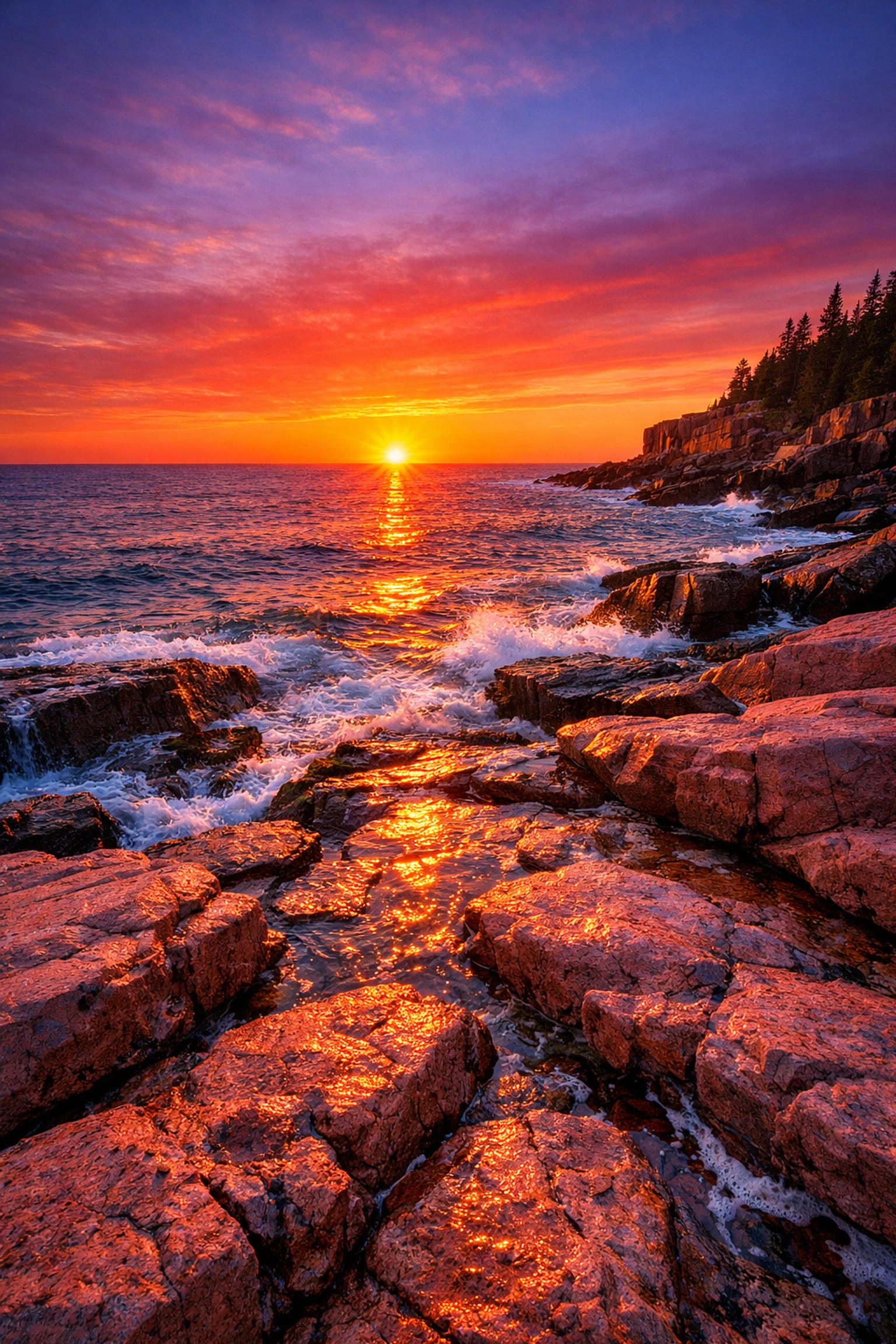
Alt text: A vibrant sunrise at Acadia National Park, with the sun just peeking over the horizon of the Atlantic Ocean, illuminating the rocky Maine coastline.
Final Thoughts
The U.S. National Parks are a gift to photographers. They challenge us, inspire us, and remind us why we picked up a camera in the first place. Whether you are documenting the swampy mysteries of the Everglades or the stark beauty of the Badlands, remember to step away from the viewfinder every once in a while and just breathe it in.
I’m constantly updating my journey through these parks over at my personal blog. I’d love for you to follow along and share your own stories and photos with the community. Every park has a story to tell; go out there and be the one to tell it.
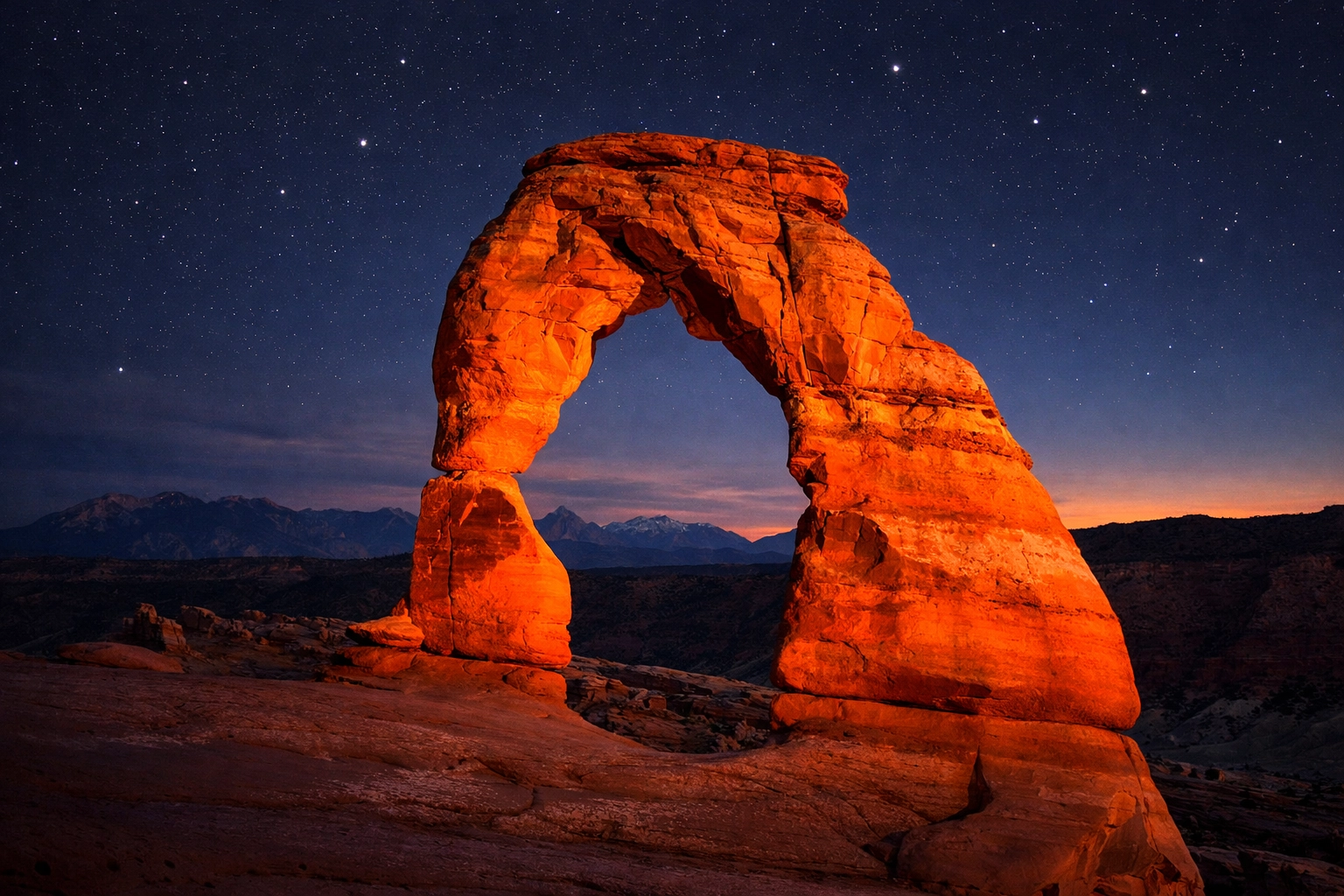
Alt text: A wide-angle view of the Delicate Arch in Arches National Park at sunset, with the glowing red rock framed against a deep blue evening sky.
If you’re just starting out and need a little help getting your files to look their best, you can even download some of my resources to help with your post-processing. See you on the trail!













