There is something deeply spiritual about standing on the edge of the Grand Canyon at 5:00 AM, camera in hand, waiting for that first sliver of light to hit the rock face. Whether you are a seasoned pro or just starting your journey, the 63 US National Parks offer the most diverse and stunning landscape photography locations on the planet.
From the rugged coastlines of Acadia to the alien landscapes of Joshua Tree, capturing these places requires more than just a good eye; it requires a plan. At Photoguides, we want to make sure you have everything you need to succeed. I’ve spent years traveling to these icons, and I can tell you that the difference between a "snapshot" and a fine art masterpiece often comes down to timing, gear, and knowing exactly where to stand.
If you’re looking to decorate your home with some of these views while you plan your trip, feel free to check out my latest work at Edin Fine Art. Otherwise, let’s dive into how you can conquer the park system.
The Essential Gear for Park Photography
Before you hit the road, you need to make sure your kit is up to the task. National Parks are notoriously tough on gear: dust in the desert, humidity in the Everglades, and freezing mist in the Tetons.
A sturdy tripod is non-negotiable. If you want to capture those silky smooth waterfalls or sharp-as-a-tack stars, you can't be hand-holding your camera. Beyond the tripod, your lens choice will define your style. I always recommend a "holy trinity" of lenses: a wide-angle (16-35mm) for those sweeping vistas, a mid-range (24-70mm) for general storytelling, and a telephoto (70-200mm) to compress those mountain peaks and stay safe while shooting wildlife.
You can find my full breakdown of the essential photography gear to see exactly what I carry in my bag. For those looking to upgrade their body before the big trip, my camera reviews 2024 section is a great place to start.
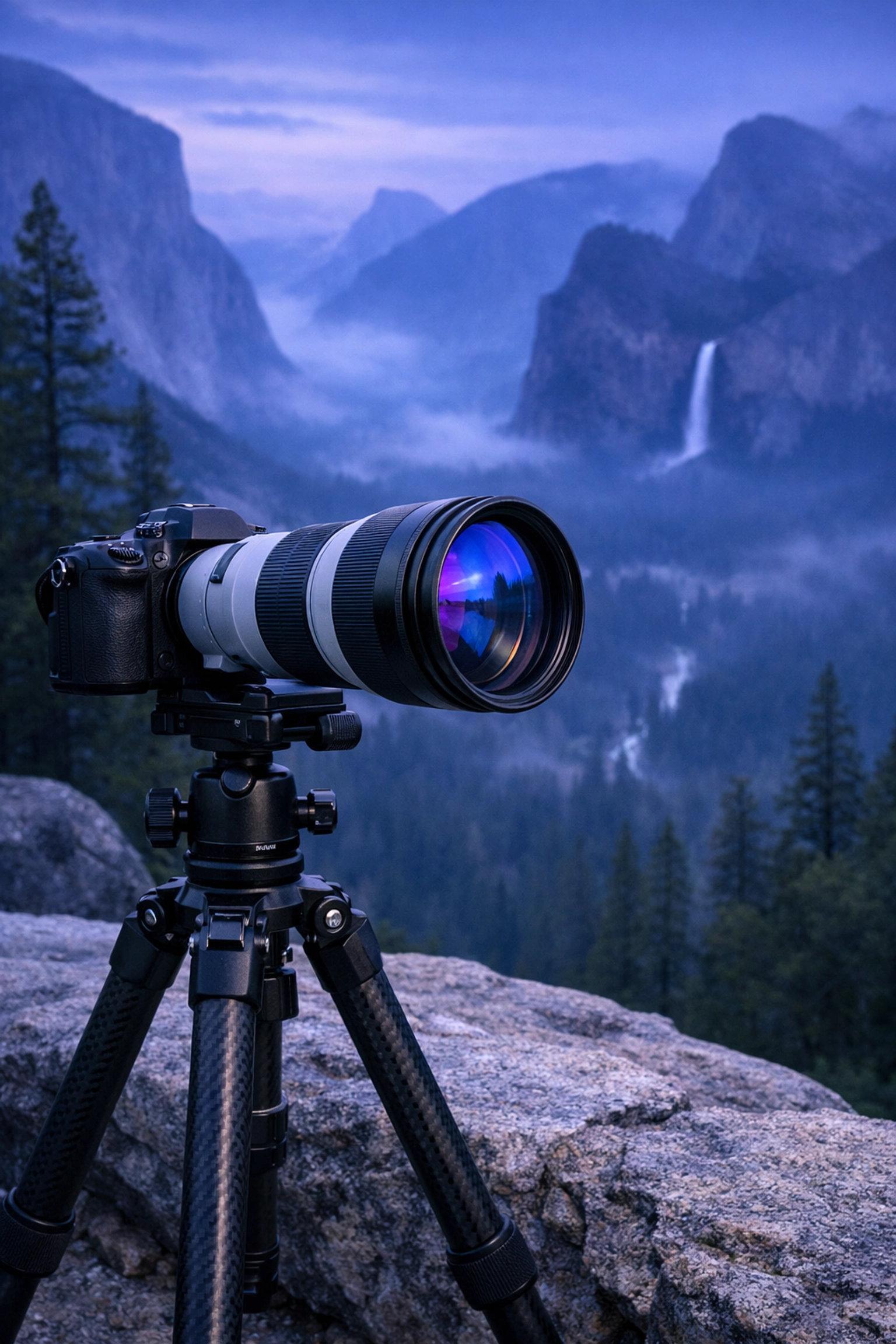
Alt Text: A professional camera setup on a tripod overlooking a misty valley in a National Park during the blue hour.
Best Photography Locations: The "Big Five" Regions
To make a guide for all 63 parks manageable, it helps to look at them by region. Each area has its own "vibe" and specific lighting challenges.
1. The Southwest: Land of the Red Rocks
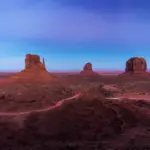
This region is home to icons like Zion, Arches, and Bryce Canyon. These are some of the best photography locations for color theory lovers. The contrast between the deep orange sandstone and a crisp blue sky is a landscape photographer's dream.
- Top Tip: Use a circular polarizer to cut the glare on the rocks and make the sky pop.
- Best Sunrise Spot: Mesa Arch in Canyonlands. The "glow" on the underside of the arch is legendary.
2. The Pacific Northwest & Rockies: The Giants
Think Glacier, Grand Teton, and Mount Rainier. Here, it’s all about scale and reflections. If you want those mirror-like lake shots, you have to be there before the wind picks up at sunrise.
- Top Tip: Check out Shut Your Aperture for community tips on weather tracking in the Rockies.
- Best Sunrise Spot: Schwabacher Landing in Grand Teton National Park.
3. Alaska: The Final Frontier
With parks like Denali and Kenai Fjords, Alaska is for the bold. The light here lasts forever in the summer, giving you "golden hour" conditions for half the night.
- Top Tip: Pack a long telephoto. You don't want to get too close to a Grizzly for the sake of a "wide" shot.
4. The East Coast: Coastal Beauty and Forests
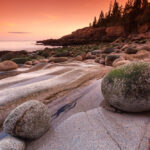
Acadia and the Great Smoky Mountains offer a softer, more atmospheric look. These parks are fantastic for "moody" photography: think fog, fall colors, and crashing waves.
- Best Sunrise Spot: Cadillac Mountain in Acadia: it's the first place the sun hits the US for much of the year.
5. The Islands and Tropics
Don't forget Hawaii Volcanoes or the Virgin Islands. These parks offer a completely different palette of volcanic blacks and tropical cyans.
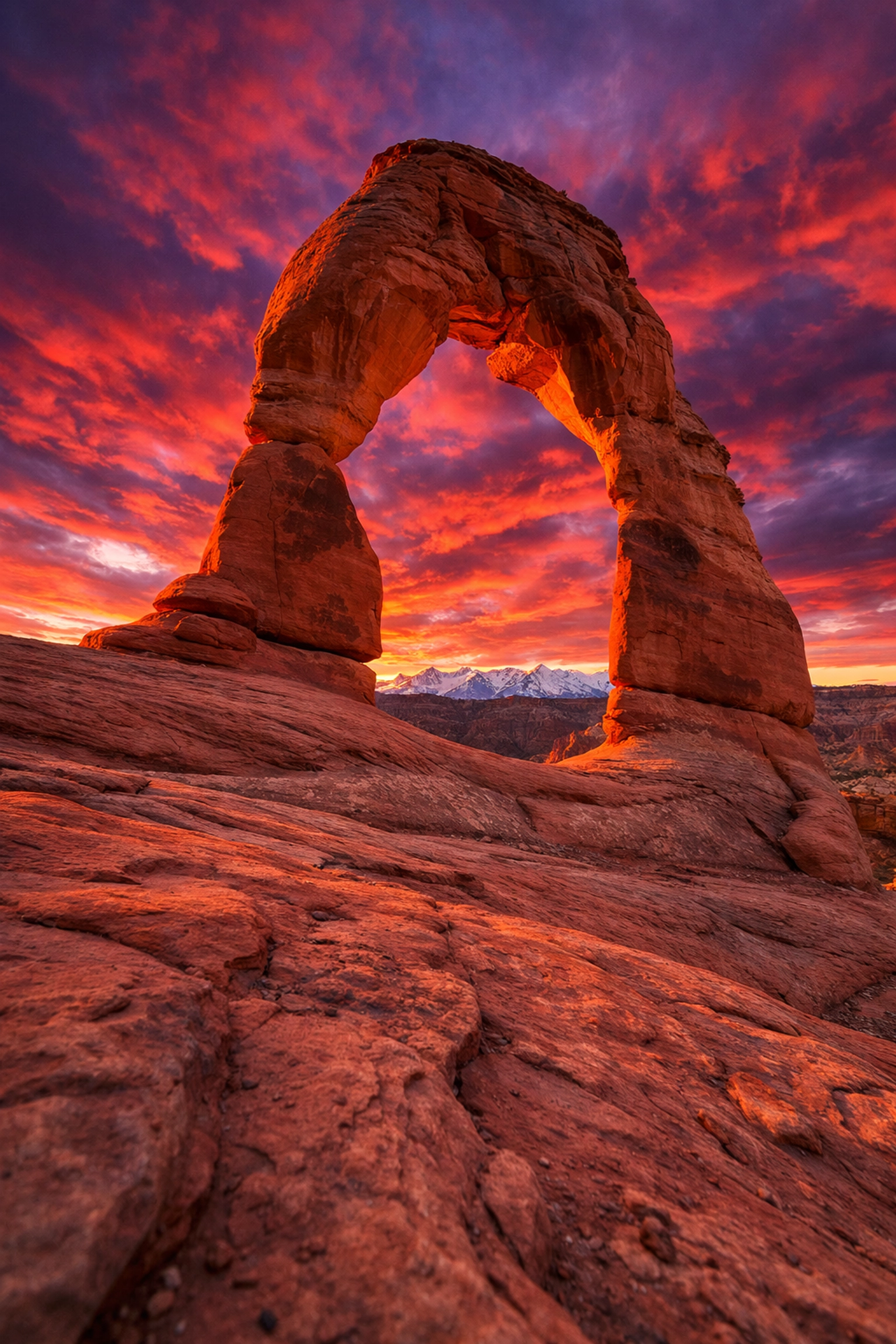
Alt Text: An ultrarealistic landscape shot of the Delicate Arch in Arches National Park during a vibrant sunset with orange and purple clouds.
Mastering the Light: Best Sunrise Spots
In landscape photography, light is your primary subject. The "best sunrise spots" are often crowded, but there is a reason for that. To truly succeed, you need to arrive at least 45 minutes before the sun actually crests the horizon. This is when "civil twilight" happens, providing a soft, even glow that is perfect for long exposures.
If you are struggling with flat skies once the sun is up, you can always experiment with post-processing tools like sky overlays to bring some drama back into your compositions. I also share many of my personal shooting stories and technical breakthroughs over on Edin’s Blog, which is a great resource for learning how to read the light.
Planning and Logistics
You can’t just show up to 63 parks and expect to get the shot. Many parks now require reservations just to enter the gates.
- Booking: For specialized tours or workshops, check out our photography booking experience to get guided help.
- Travel: If you're on a budget, look for cheap weekend getaways that focus on one or two parks in a cluster, like the "Mighty 5" in Utah.
- Ethics: Always follow "Leave No Trace" principles. No photo is worth damaging the delicate cryptobiotic soil in the desert or harassing wildlife.
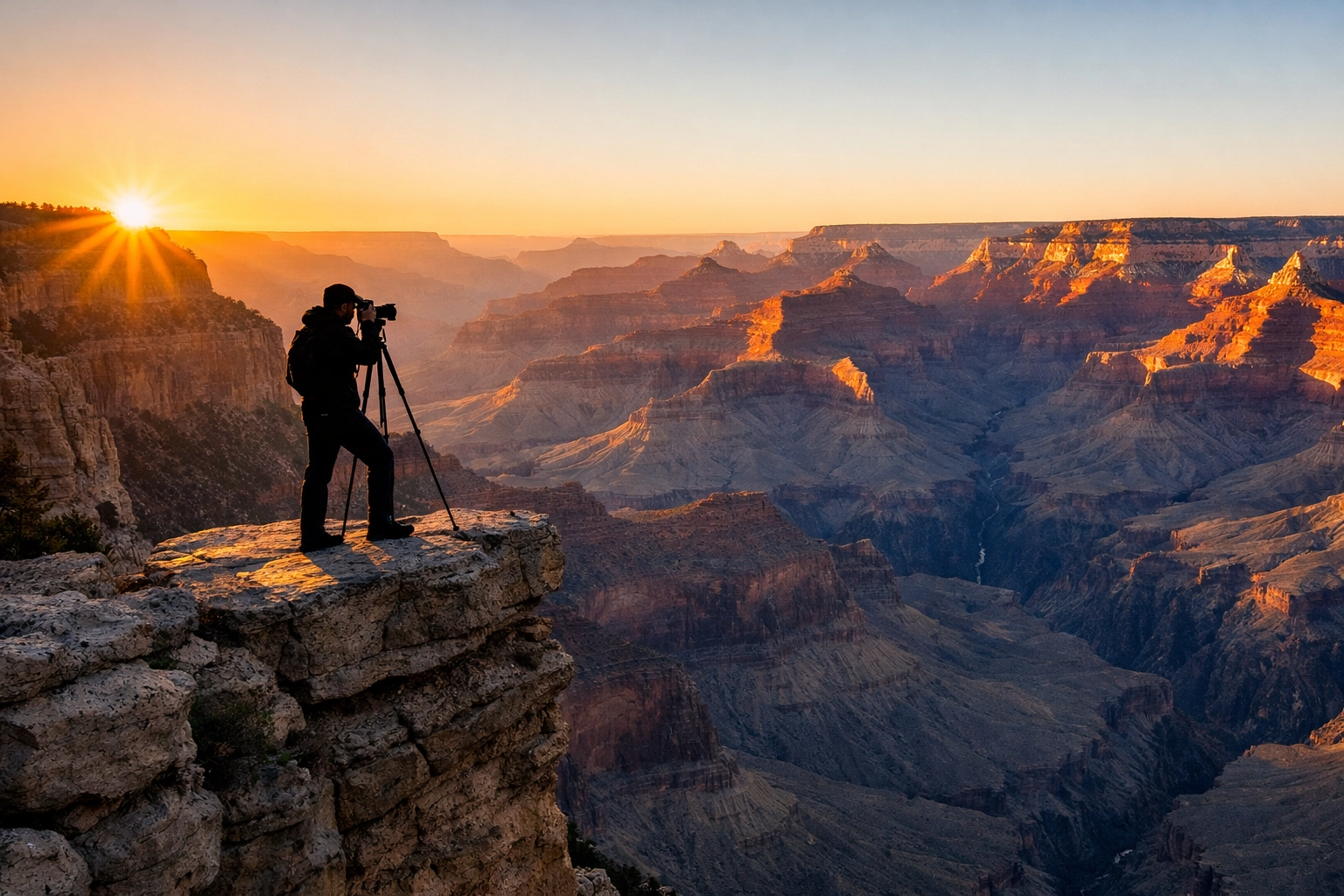
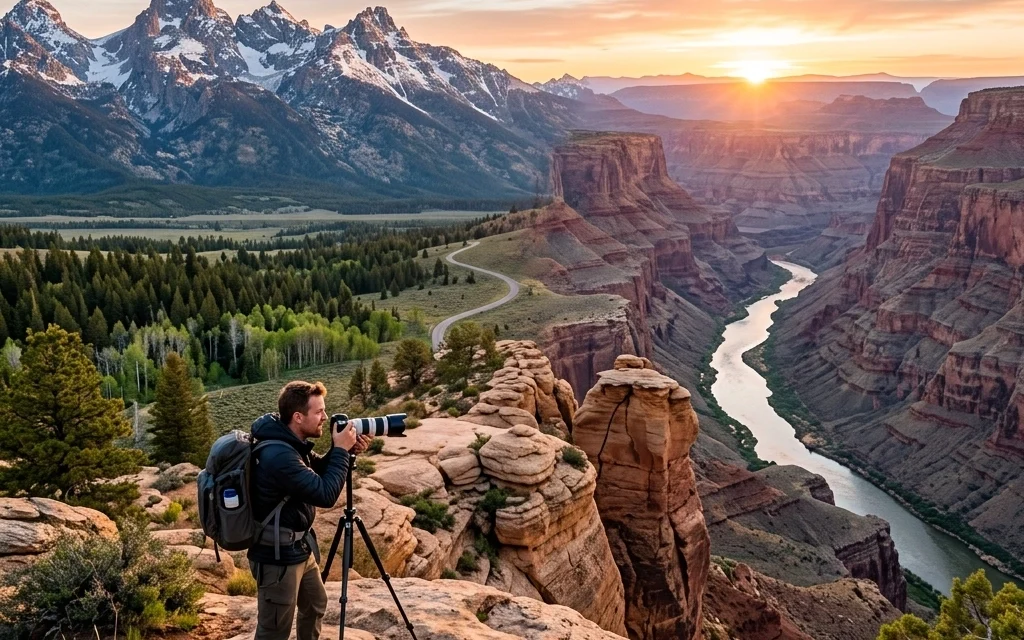
Alt Text: A photographer standing on a ridge in the Grand Canyon, holding a camera and looking at the vast expanse during golden hour.
Hidden Gems and Avoiding the Crowds
While everyone is fighting for a tripod spot at Tunnel View in Yosemite, consider exploring the lesser-known parks. Great Basin National Park in Nevada has some of the darkest skies in the country, making it one of the premier landscape photography locations for astrophotography.
Similarly, parks like Isle Royale or North Cascades see a fraction of the visitors but offer world-class scenery. If you’re traveling through smaller towns to get to these remote spots, you might find yourself in places like Golden, Colorado, or Williamsburg, Virginia. We’ve even mapped out some restaurants in downtown Golden and breweries in Williamsburg to help you refuel between shoots.
Post-Processing: Making Your Images Shine
Capturing the RAW file is only half the battle. To get that "Fine Art" look, you need to master the edit. Whether it's balancing the shadows of a deep canyon or enhancing the glow of a sunset, post-processing is where your personal style comes to life.
If you want to jumpstart your editing, you can download our custom presets and tools designed specifically for landscape photographers.
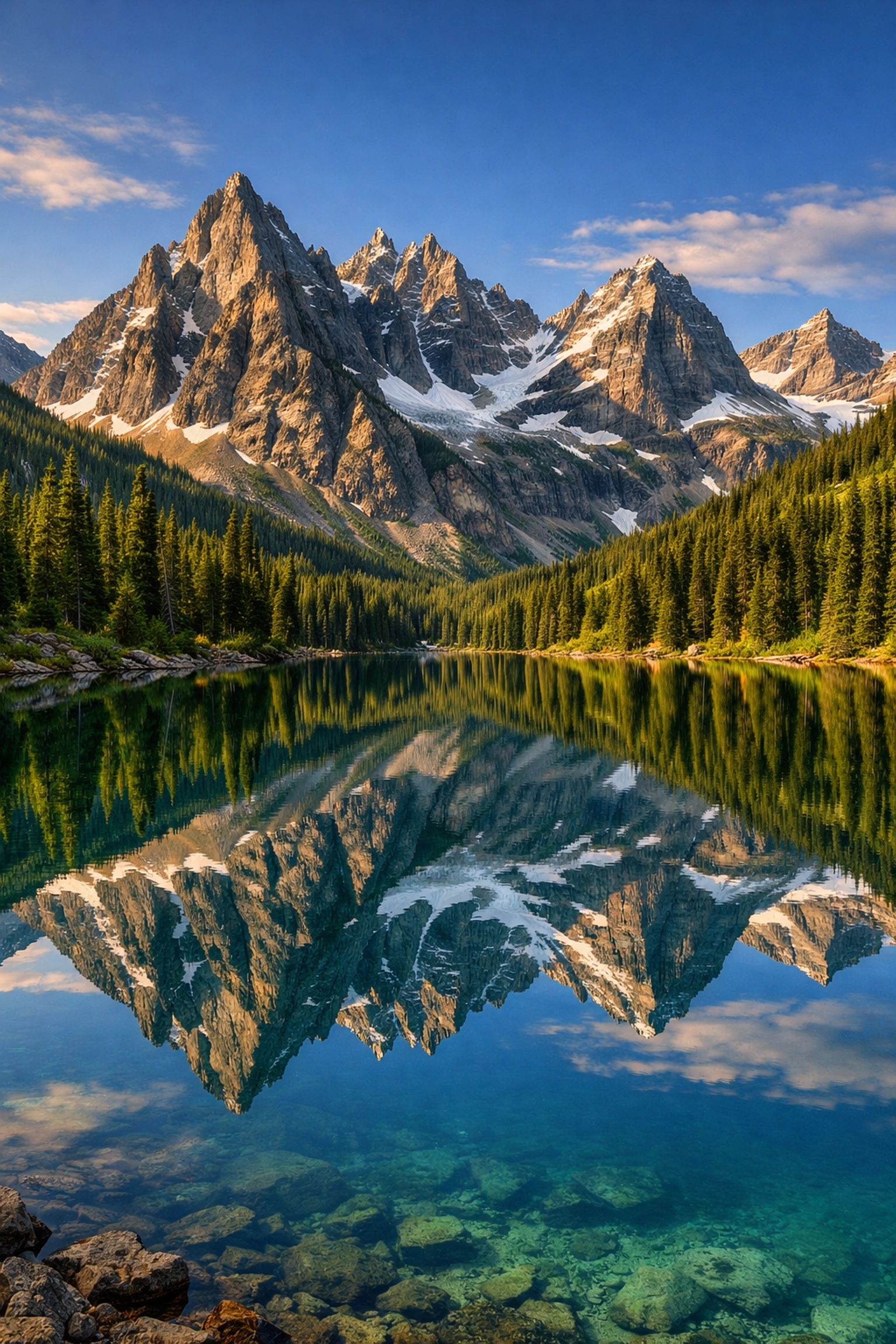
Alt Text: A split screen showing a raw photo of a mountain range versus a professionally edited version with enhanced colors and contrast.
A Reassuring Word on the Journey
Visiting all 63 National Parks is a marathon, not a sprint. Don't feel pressured to check them all off in one year. Photography is about the connection you make with the land. Some of my best shots didn't come from the most famous overlooks; they came from a random trail where I decided to sit and wait for the light to change.
If you ever feel overwhelmed by the technical side of things, our educational category is packed with tutorials to simplify the process. We are here to help you capture the beauty of the world, one frame at a time.
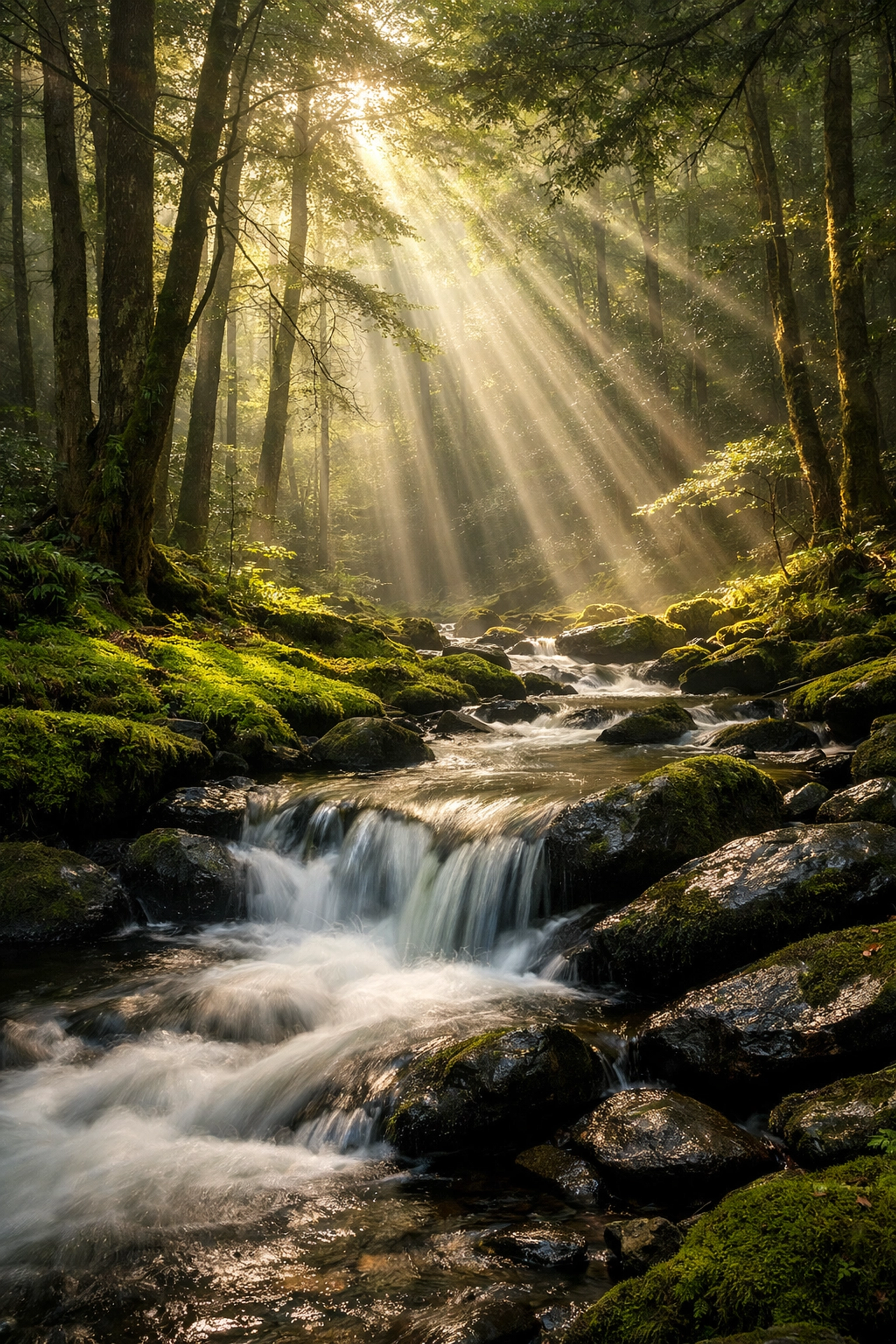
Alt Text: A peaceful forest scene in the Smoky Mountains with light rays filtering through the trees and a small stream in the foreground.
Summary Checklist for Your National Park Trip:
- Research the "Best Sunrise Spots": Use apps to track the sun's path.
- Check Gear: Ensure you have your tripod and wide-angle lens.
- Permits: Secure any necessary park entry or backcountry permits.
- Stay Inspired: Browse Edin Fine Art for composition ideas.
- Refine Your Skills: Read up on camera reviews and techniques before you go.
The parks are waiting. Grab your gear, respect the land, and go capture something incredible.