Category: Foodies
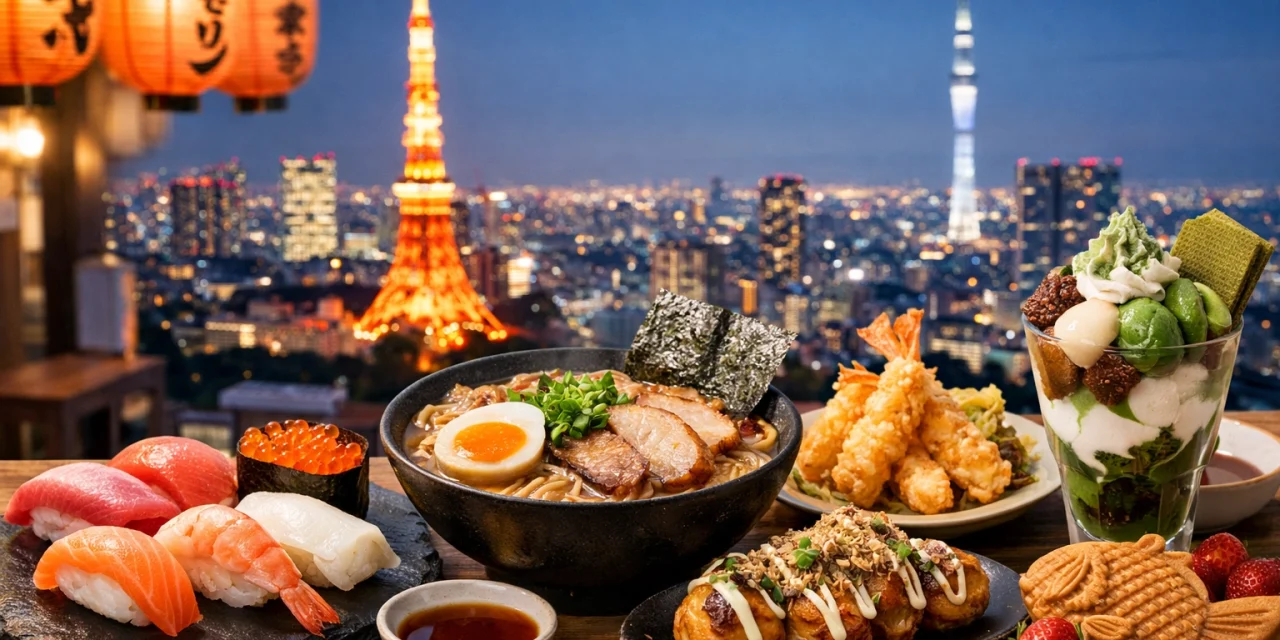
Welcome to Tokyo, a city where the neon lights are bright, the trains are on time, and the food is, honestly, borderline art. If you’ve just landed or you’re planning your first trip, you’re likely feeling two things: excitement and a very legitimate fear of accidentally ordering a bowl of fermented soybeans (natto) when you actually wanted ramen. Don't worry, I've got you.
At Photoguides, we believe that travel is about two things: eating well and making sure your photos look like they belong in a gallery. This post marks Day 1 of our 14-day Tokyo Food Series, where we’re going to dive deep into everything from the robot-themed cafes of Akihabara to the high-stakes sushi bars of Ginza.
Grab your chopsticks (and maybe your essential photography gear), because we’re about to take a bite out of the world’s greatest food city.
The "Camera Eats First" Philosophy
In Tokyo, presentation is everything. Whether it’s a ¥500 street snack or a ¥30,000 multi-course kaiseki meal, someone has put an incredible amount of thought into how that plate looks. As a photographer, this is your playground. But before you start snapping, remember that some high-end spots have rules about photography. Always check first, reassurance and respect go a long way in Japanese culture.
If you want to skip the guesswork and find the most photogenic spots without getting lost in the subway, I highly recommend booking a food tour through Viator. It’s the easiest way to hit the ground running.
1. The Morning Ritual: Tsukiji Outer Market
While the famous inner wholesale market moved to Toyosu a few years back, the Tsukiji Outer Market is still very much the heart of Tokyo’s food scene for visitors. You need to get here early, like, 7:45 AM early.
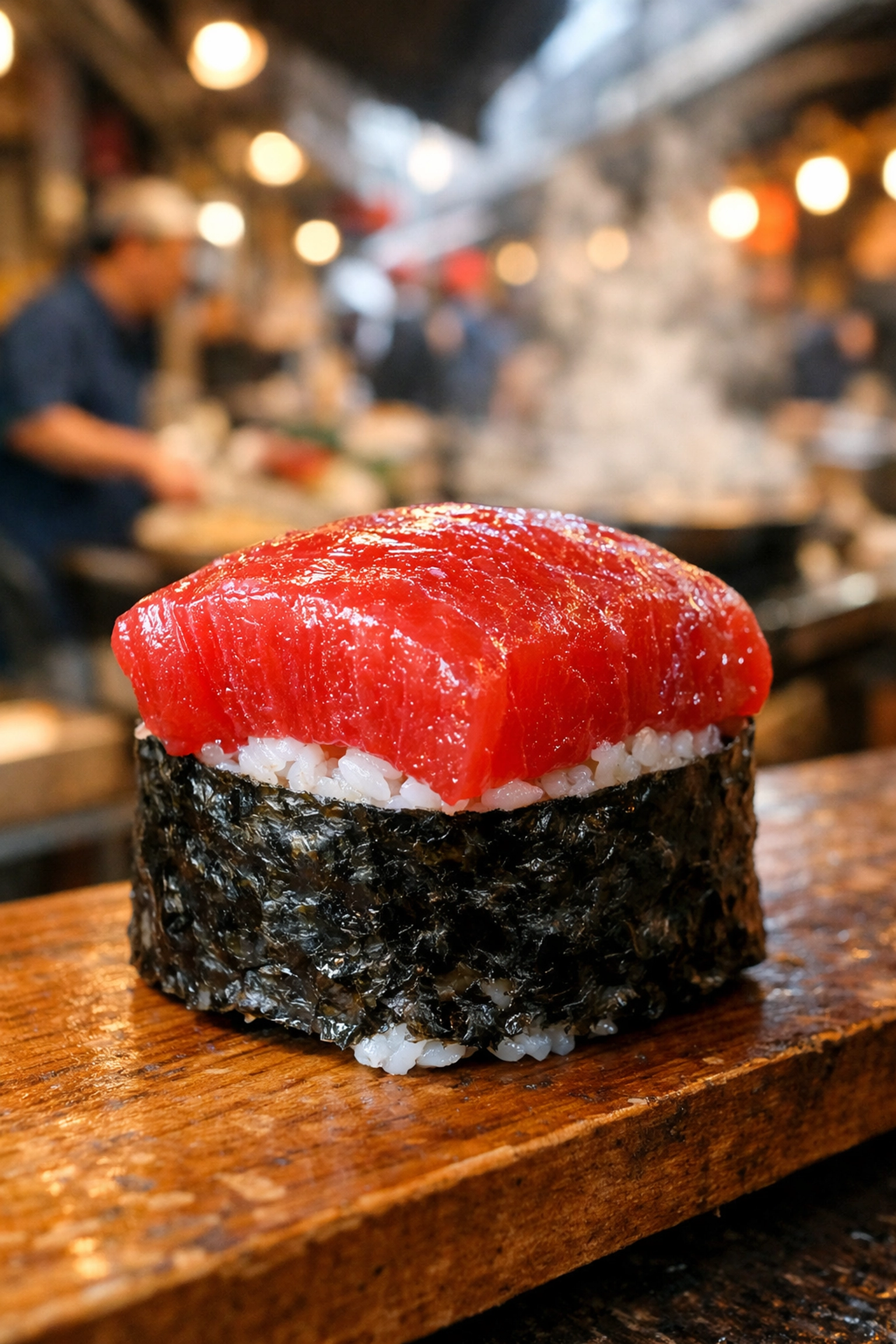
Your first mission? Find the magu-roll. It’s essentially four massive pieces of hand-chopped tuna held together by a prayer and a tiny bit of rice. It’s vibrant, it’s fresh, and the deep reds of the tuna pop beautifully against a neutral background.
Photographer’s Tip: Use a wide aperture (low f-stop) to blur out the bustling market crowds behind your food. For more tips on nailing these shots, check out my educational guides.
Eat This: Fresh tuna rolls and tamagoyaki (sweet rolled omelet on a stick).
Tour Tip: The market is a maze. To find the hidden gems, book a Tsukiji market tour via Viator.
2. The Golden Standard: Tonkatsu
If you think you’ve had fried pork before, think again. Tokyo’s Tonkatsu is a masterclass in texture. We’re talking tender pork coated in panko breadcrumbs so light they look like glass shards, fried to a perfect golden brown.
Tonkatsu Keita in Nishi-Ogikubo is legendary, but if you’re looking for a cool atmosphere, Maisen Tonkatsu in Omotesando is located in a converted World War II bathhouse. The high ceilings and wooden beams make for an incredible backdrop for your meal.
Eat This: Kurobuta (Black Pork) Tonkatsu.
Tour Tip: If you're nervous about navigating local neighborhoods, this Viator food tour will lead you straight to the best crispy cutlets in town.
3. The Visual Spectacle: Harajuku Street Food
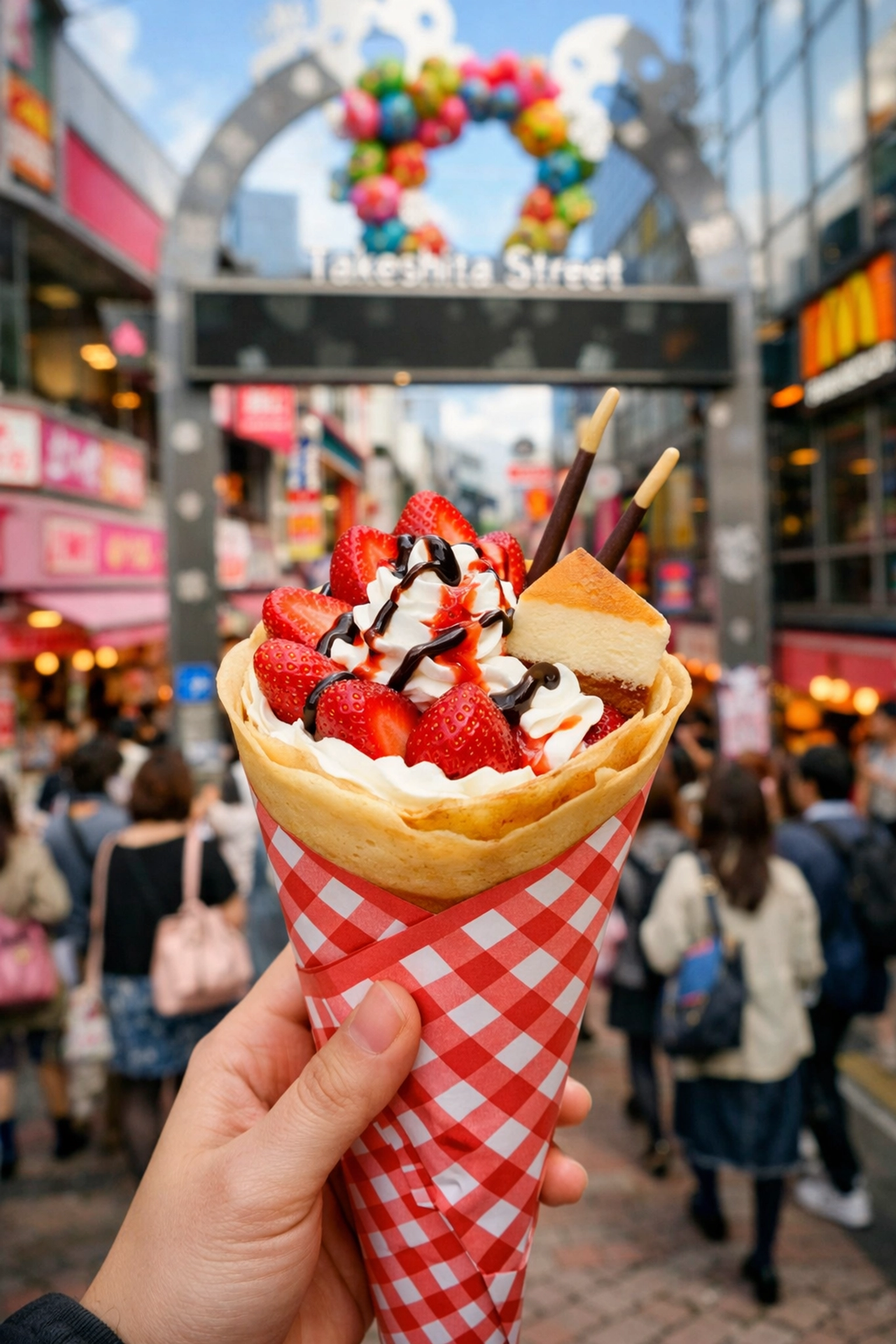
Harajuku is the undisputed king of "Instagrammable." Takeshita Street is a sensory explosion of pastel colors, giant cotton candy, and rainbow-layered everything. It’s loud, it’s crowded, and it’s a blast for street photography.
The crepes here are iconic. They aren’t just food; they are architectural feats stuffed with fruit, whipped cream, and sometimes even entire slices of cheesecake.
Photographer’s Tip: The colors here are wild. Make sure your white balance is on point so those rainbows actually look like rainbows. If you're struggling with post-processing, you might want to download some of our sky overlays to add some drama to your Tokyo cityscapes.
Eat This: Rainbow grilled cheese or a Marion Crepe.
Tour Tip: Harajuku can be overwhelming. Check out these guided street food tours to find the best spots without the 40-minute lines.
4. The Interactive Experience: Okonomiyaki & Monjayaki
Okonomiyaki is often called "Japanese savory pancakes," but that doesn't really do it justice. It's a cabbage-based batter filled with whatever you want, pork, seafood, cheese, and grilled right in front of you.
In Tokyo, you also have to try Monjayaki. It looks… well, let’s just say it looks "interesting" (it’s a runnier version of okonomiyaki), but the taste is incredible. The steam rising from the grill and the rhythmic scraping of the metal spatulas make for great video content.
Eat This: Seafood Monjayaki in the Tsukishima district.
Tour Tip: Learning to flip your own pancake is half the fun. Book an interactive cooking tour here.
5. The Comfort King: Ramen
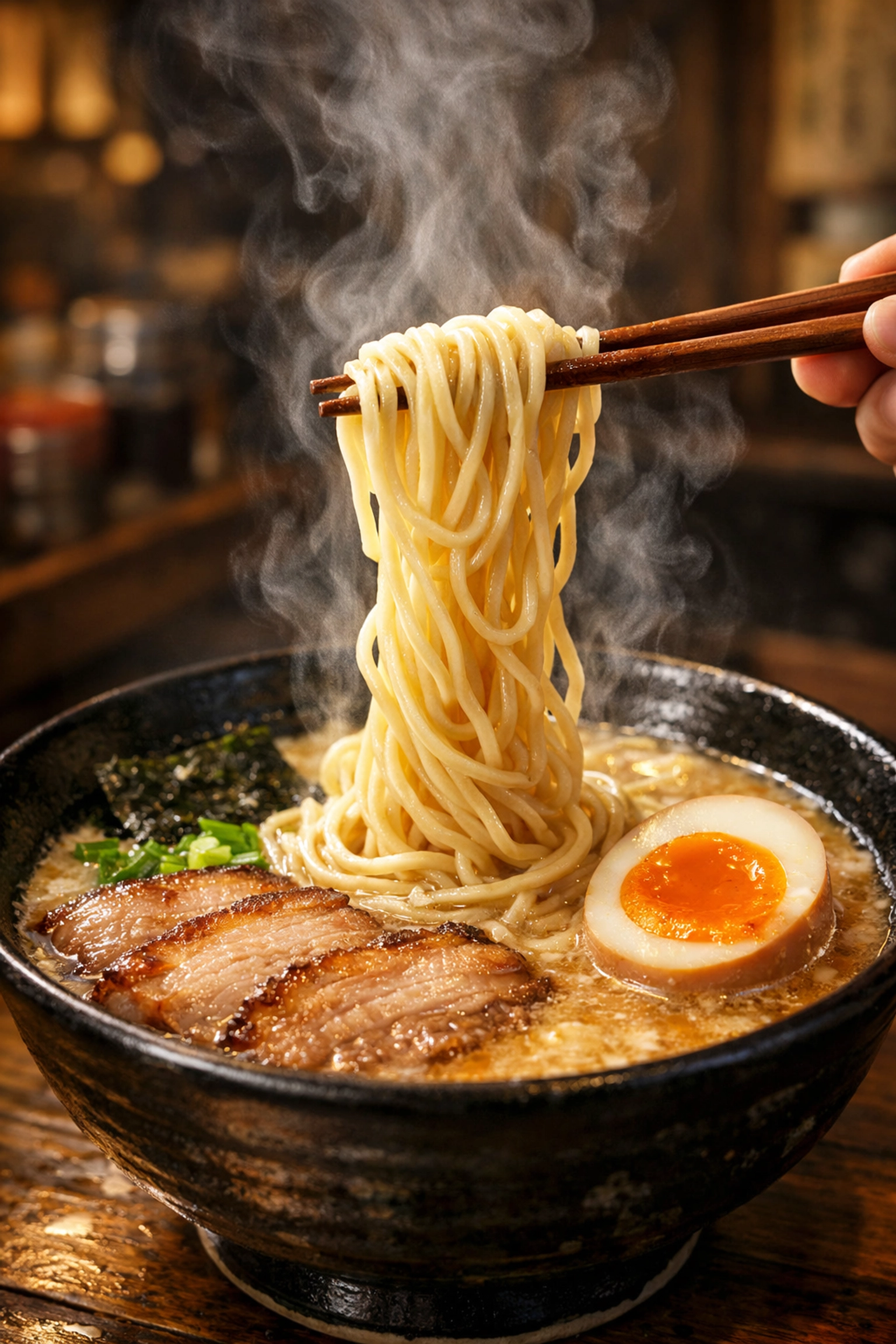
You can’t come to Tokyo and not eat ramen. It’s the ultimate comfort food. For beginners, Ichiran Tonkotsu is a great place to start. You order via a vending machine and sit in an individual booth, which is perfect if you’re feeling a bit of social anxiety.
However, if you want the "real" experience, look for the small shops with a line of locals outside. The glistening broth, the perfectly soft-boiled egg (ajitama), and the steam hitting your lens: it’s pure magic.
Photographer’s Tip: Capture the "noodle pull." Use a fast shutter speed to freeze the motion of the noodles as you lift them out of the bowl. For more gear advice on how to capture low-light restaurant scenes, see our camera reviews.
Eat This: Tonkotsu (pork broth) or Shoyu (soy sauce) ramen.
Tour Tip: Don't waste time in the wrong lines. Find the best ramen via Viator.
6. Luxury on a Plate: Ginza Sushi & Sukiyaki
If you want to treat yourself, Ginza is the place. This is where you’ll find the Michelin-starred sushi dens and the high-end Sukiyaki restaurants like Ningyocho Imahan.
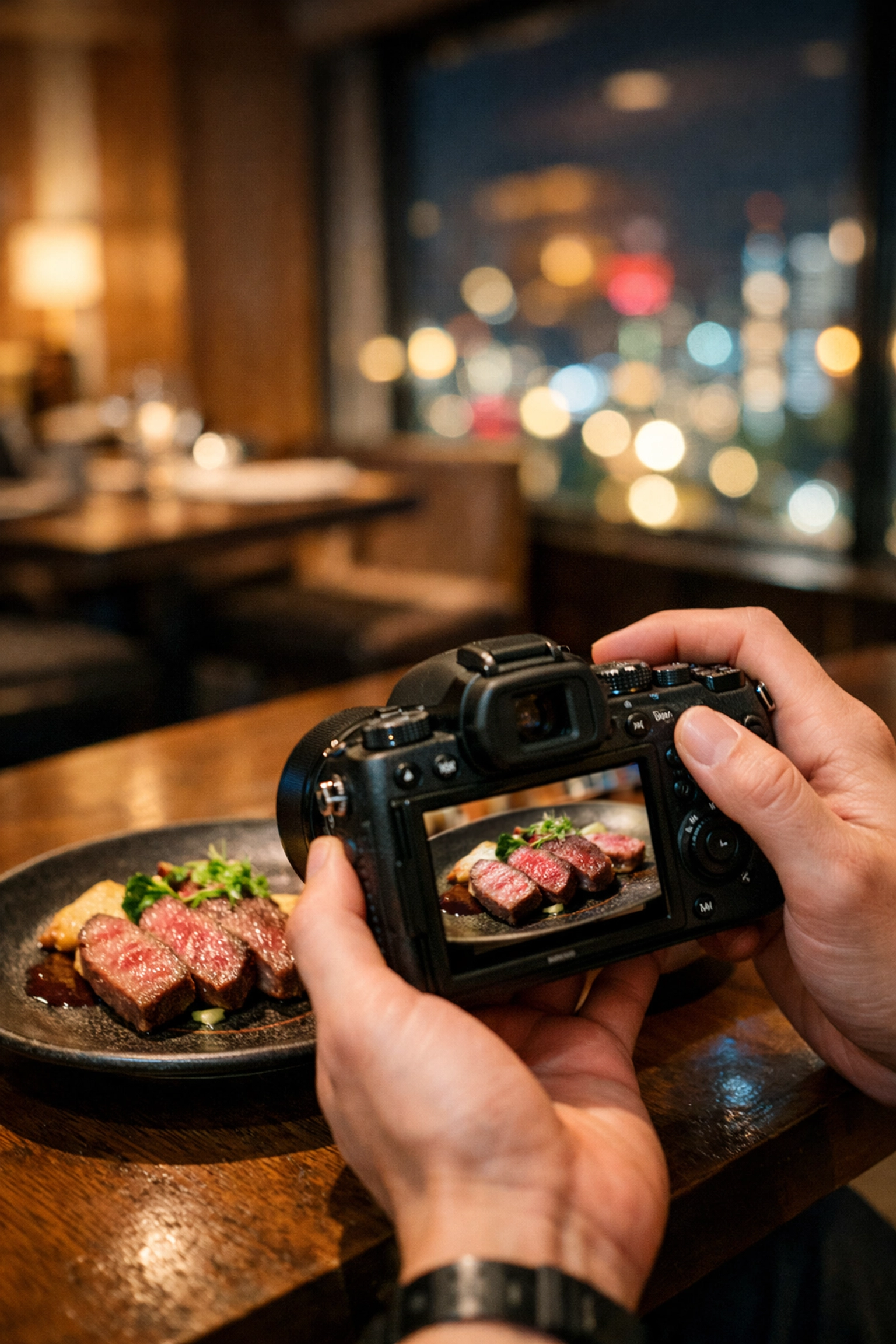
Sukiyaki involves thin slices of marbled Wagyu beef simmered in a sweet soy broth. When that beef hits the pot, the marbling starts to melt, and it is a sight to behold. For sushi, if you aren't ready to drop $300 on an Omakase, try a Kaiten-zushi (conveyor belt) spot. The colorful plates moving around the room are a great way to see what you're getting before you commit.
Eat This: A5 Wagyu Sukiyaki.
Tour Tip: High-end reservations in Ginza can be impossible for tourists. Viator has some great luxury dining experiences that handle the booking for you.
Mastering the Art of the Food Shot
Before I let you go out and feast, let's talk shop for a second. Food photography in Tokyo is about more than just the plate. It’s about the environment. Whether you’re shooting in a tiny 6-seat bar in Golden Gai or a bright cafe in Shibuya, keep these three things in mind:
- Natural Light is King: If you can, sit near a window. The soft light will make the textures of the food pop.
- Tell a Story: Don't just shoot the food. Shoot the chef’s hands, the steam, and the neon signs outside. I often share my own street photography journeys over at Edin Chavez's personal blog, so check that out for more inspiration.
- The Overhead Shot: When in doubt, go for the "flat lay." Stand up (carefully!) and shoot straight down to capture the entire spread.
Final Thoughts
Tokyo can be intimidating, but it’s also incredibly rewarding. Every meal is an opportunity to learn something new about the culture and to capture a beautiful memory. If you’re feeling overwhelmed by the choices, don’t be. Just start with one dish and go from there.
If you want to see how these photos look when they’re professionally printed and framed, take a look at my work at Edin Fine Art. It might give you some ideas for your own travel portfolio!
Stay tuned for Day 2 of our series, where we’ll be exploring the neon-soaked streets of Shinjuku and the best Izakayas for late-night eats. In the meantime, make sure your photography booking experience is sorted if you're planning a professional shoot while in town.
And seriously: book that food tour. Your stomach (and your Instagram feed) will thank you.
Happy shooting, and even happier eating!