
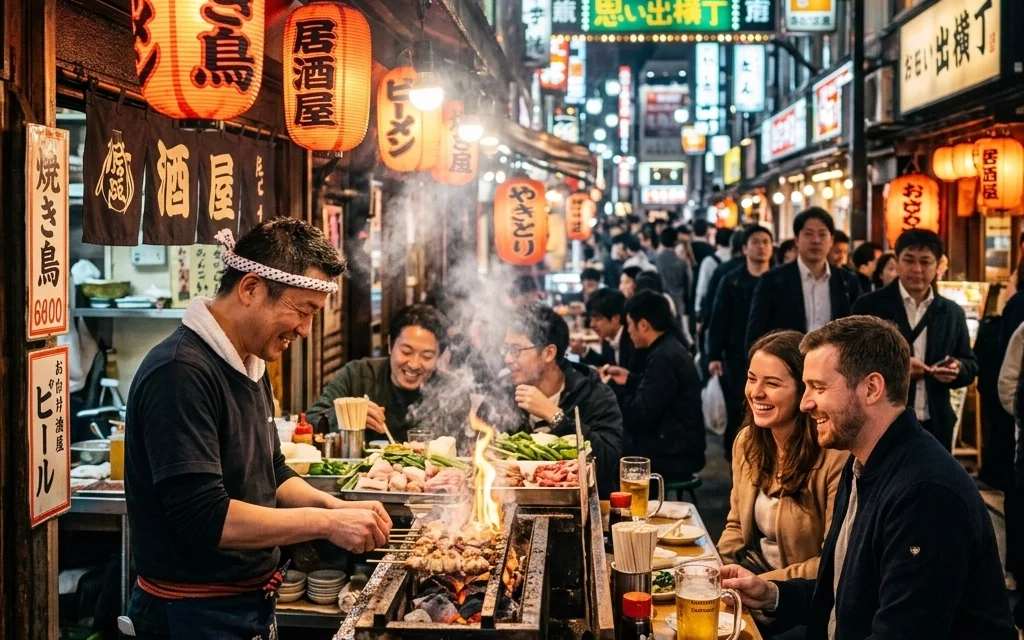
Welcome to the neon-drenched, noodle-filled fever dream that is Tokyo. If you’ve just landed, or you’re planning your first trip, you might be feeling a mix of pure adrenaline and mild culinary intimidation. It’s okay. We’ve all been there, standing in front of a Shinjuku vending machine covered in kanji, wondering if we’re ordering lunch or accidentally joining a cult.
Tokyo is, hands down, the culinary capital of the world. It has more Michelin stars than any other city, but it also has the best 7-Eleven egg salad sandwiches you will ever eat in your life. This post is the kickoff to our massive 14-day series where we dive deep into every delicious corner of this city, from the maid cafes of Akihabara to the hushed, high-end sushi dens of Ginza.
Before we start the deep dives, let’s get you grounded. Here is your Beginner’s Guide to mastering the Tokyo food scene without losing your mind (or your appetite).
1. The Big Three: Sushi, Ramen, and Izakayas
You can’t say you’ve "eaten" in Tokyo until you’ve hit these three pillars.
The Sushi Spectrum
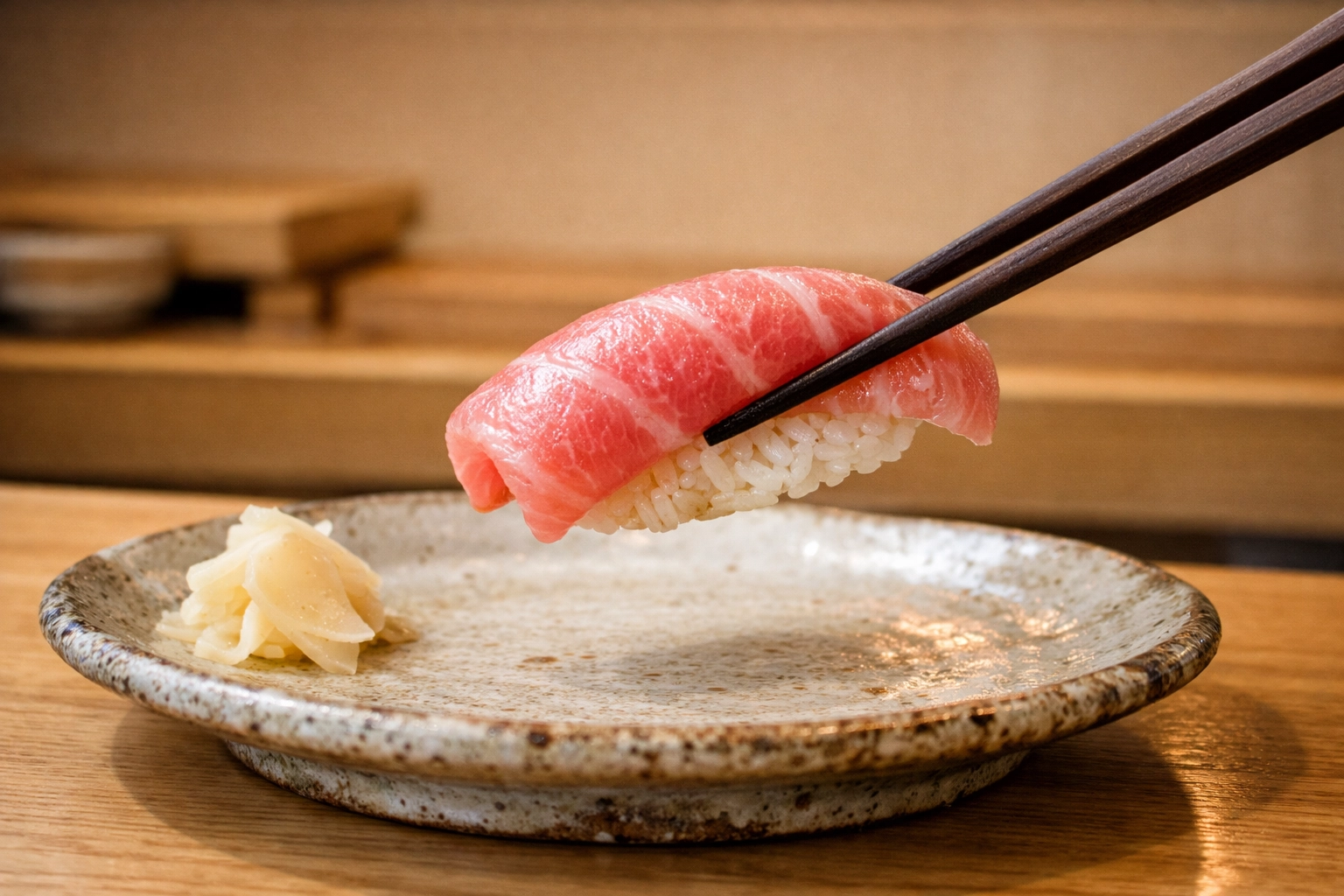
In Tokyo, sushi isn't just a meal; it’s an art form. You have the high-end Omakase (chef’s choice) experiences in Ginza that might cost more than your plane ticket, and then you have the fast-paced, high-quality Kaiten (conveyor belt) spots. For a real sense of where it all starts, you have to head to the Tsukiji Outer Market. The inner market moved to Toyosu, but the vibe, the street food, and the freshest nigiri are still very much alive in Tsukiji.
Pro Tip: If navigating the fish market feels like a lot, book a guided market tour through Viator here. Having a local show you which stall has the best fatty tuna is a game-changer.
Ramen: The Soul of the City
Tokyo ramen isn't a monolith. You’ve got creamy Tonkotsu, salty Shio, and the classic Tokyo-style Shoyu. You will likely find yourself in a tiny shop with six stools, slurping noodles next to a salaryman who is finishing his bowl in record time. Slurping isn't just allowed; it’s encouraged. It aerates the broth and shows the chef you’re actually enjoying yourself.
Don’t miss out: To find the hidden ramen gems that aren't on Google Maps, consider joining a ramen tasting tour via Viator.
The Izakaya Experience
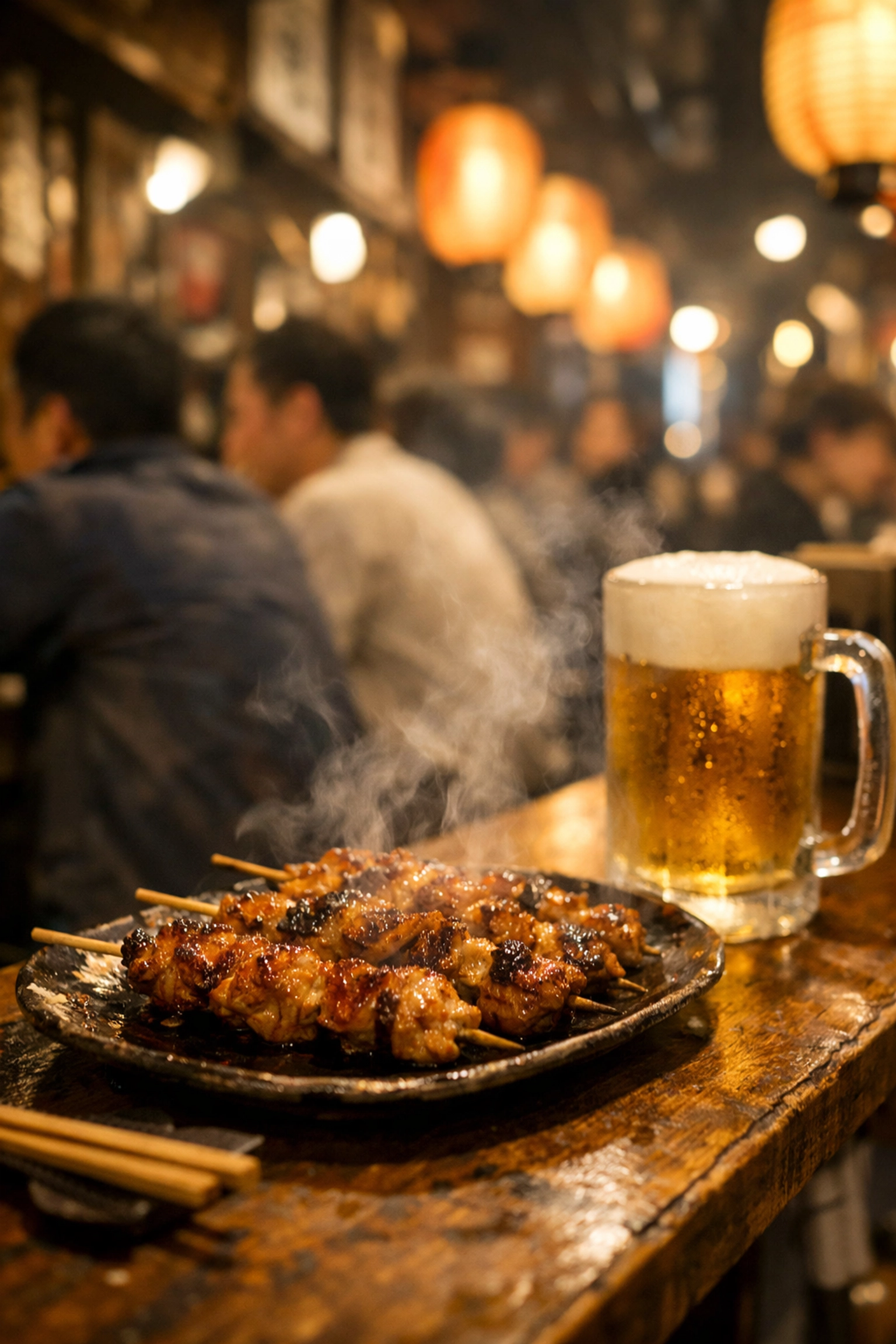
Think of an Izakaya as a Japanese gastropub. It’s where people go after work to unwind with beer, highballs, and a steady stream of small plates like Yakitori (skewered chicken), Edamame, and Gyoza. It’s loud, it’s smoky (sometimes), and it’s the best way to soak up the local culture.
2. Navigating the Neighborhoods (The 14-Day Teaser)
Over the next two weeks, we’re going to explore Tokyo one neighborhood at a time. Here’s a sneak peek at the stops we’ll be making:
- Akihabara: It’s not just for electronics and anime. We’re going to explore the weird and wonderful world of themed cafes. Whether it’s a maid cafe or a multi-level owl experience, it’s uniquely Tokyo. Book your themed cafe experience here.
- Ginza: This is where the heavy hitters live. We’re talking world-class sushi and high-end tempura. If you want to feel like royalty, this is your spot. For the ultimate luxury food experience, check out these Ginza food tours.
- Harajuku: Forget the fashion for a second; let's talk about the street food. Giant rainbow cotton candy, decadent crepes, and the iconic "long" fries. It’s a sugary, colorful paradise. Want a guided stroll through the sweetest spots? Find a Harajuku food walk here.
- Shinjuku & Golden Gai: This is the heart of Tokyo nightlife. Tiny bars that seat four people and serve the best grilled meats you've ever tasted. It can be intimidating to walk into these stalls alone, so booking a nightlife food tour is a smart move.
3. The Art of the Vending Machine
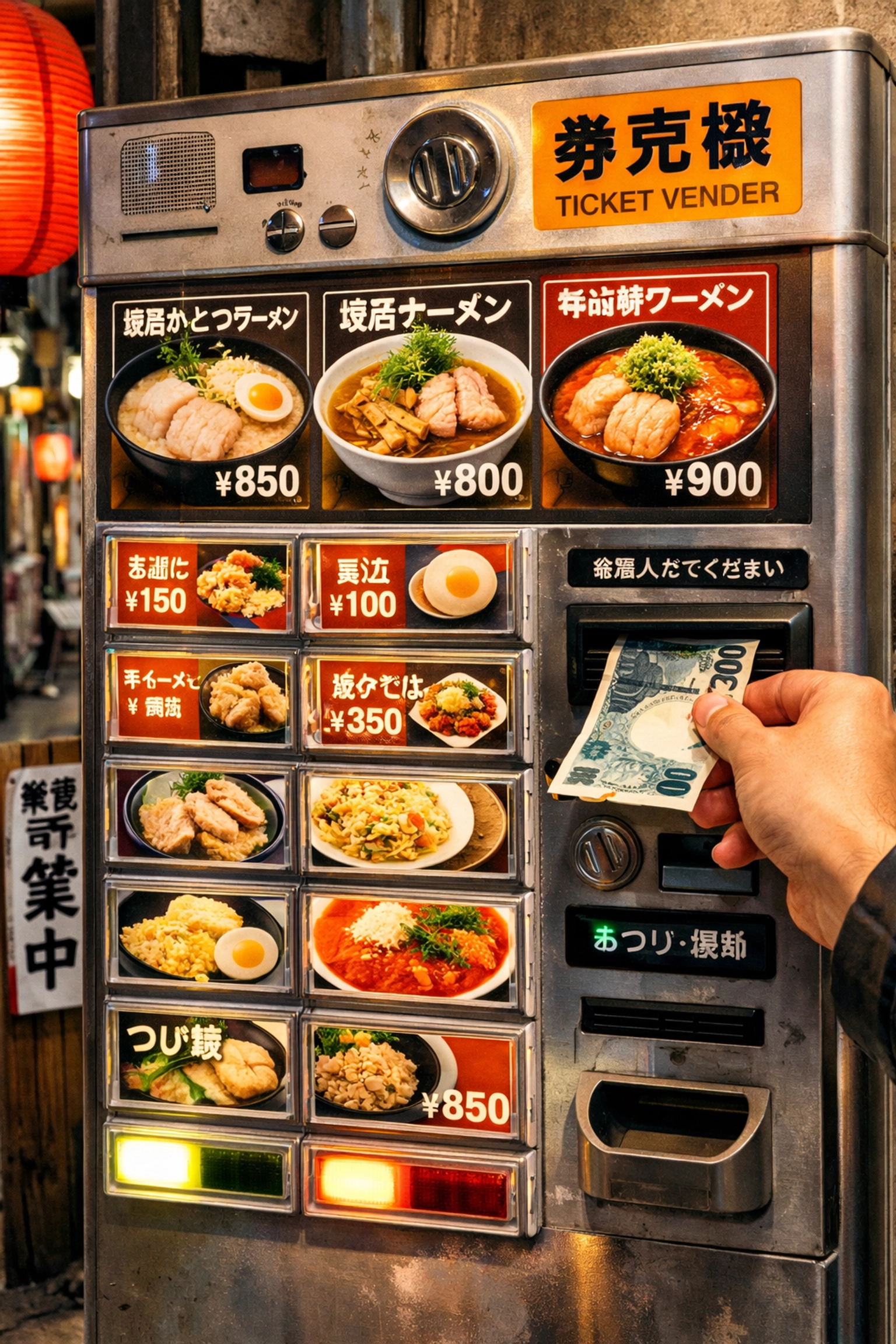
In many casual shops, you won't find a waiter waiting for your order. Instead, you’ll find a machine at the entrance. You put in your yen, press the button for what you want (photos are your best friend here), take your ticket, and hand it to the chef.
It’s efficient, it’s fast, and it’s very Japanese. If you’re worried about the language barrier, don't be. Most machines in tourist areas now have English buttons, and if they don't, just look at what the person in front of you ordered and pray for the best. It’s part of the adventure!
4. Capturing the Feast: Photography Tips
At Photoguides, we believe that if you didn't take a photo of your food, did you even eat it? Food photography in Tokyo is a blast because the presentation is always flawless.
When shooting your ramen or sushi:
- Use Natural Light: Try to sit near a window if possible.
- Top-Down for Flatlays: Great for showing the spread at an Izakaya.
- The "Noodle Lift": Use your chopsticks to lift the noodles out of the broth to create movement and texture in your shot.
For more gear advice to capture these memories, check out our guide on essential photography gear and see how the pros do it over at Edin Fine Art. If you're looking to level up your post-processing for those vibrant Tokyo neon lights, our sky overlays can add that extra punch to your travel shots.
5. Important Etiquette (How to Not Be "That" Tourist)
Japanese culture is rooted in respect, and that extends to the dining table.
- No Tipping: Seriously, don't do it. It can be seen as confusing or even insulting. The price on the menu is the price you pay.
- Oshibori: That wet towel you get? Use it for your hands only, not your face.
- Chopstick Rules: Never stick your chopsticks vertically into a bowl of rice (it’s a funeral rite) and never pass food from your chopsticks directly to someone else’s.
- Trash: Tokyo is incredibly clean, yet there are almost no trash cans. Be prepared to carry your street food wrappers with you until you get back to your hotel or find a convenience store.
If you want to ensure you're being the most respectful guest possible, a local guide can coach you through the nuances. You can find excellent cultural and food tours on Viator.
6. Dietary Restrictions and Allergies
Tokyo is becoming more accommodating to vegetarians and those with allergies, but it can still be tricky. Dashi (fish stock) is in almost everything. If you have a serious allergy, I highly recommend having a "translation card" printed out that explains your needs in Japanese.
For a worry-free experience where the planning is done for you, check out these specialized dietary food tours.
Why You Should Take a Food Tour Early
I always tell people that the best thing you can do on Day 1 or Day 2 of a Tokyo trip is a food tour. It breaks the ice. It teaches you how to use the machines, how to order, and gives you the confidence to explore on your own for the rest of your trip. Plus, you get to eat a lot of cool stuff without the stress of researching every single meal.
Browse the best Tokyo food tours on Viator here.
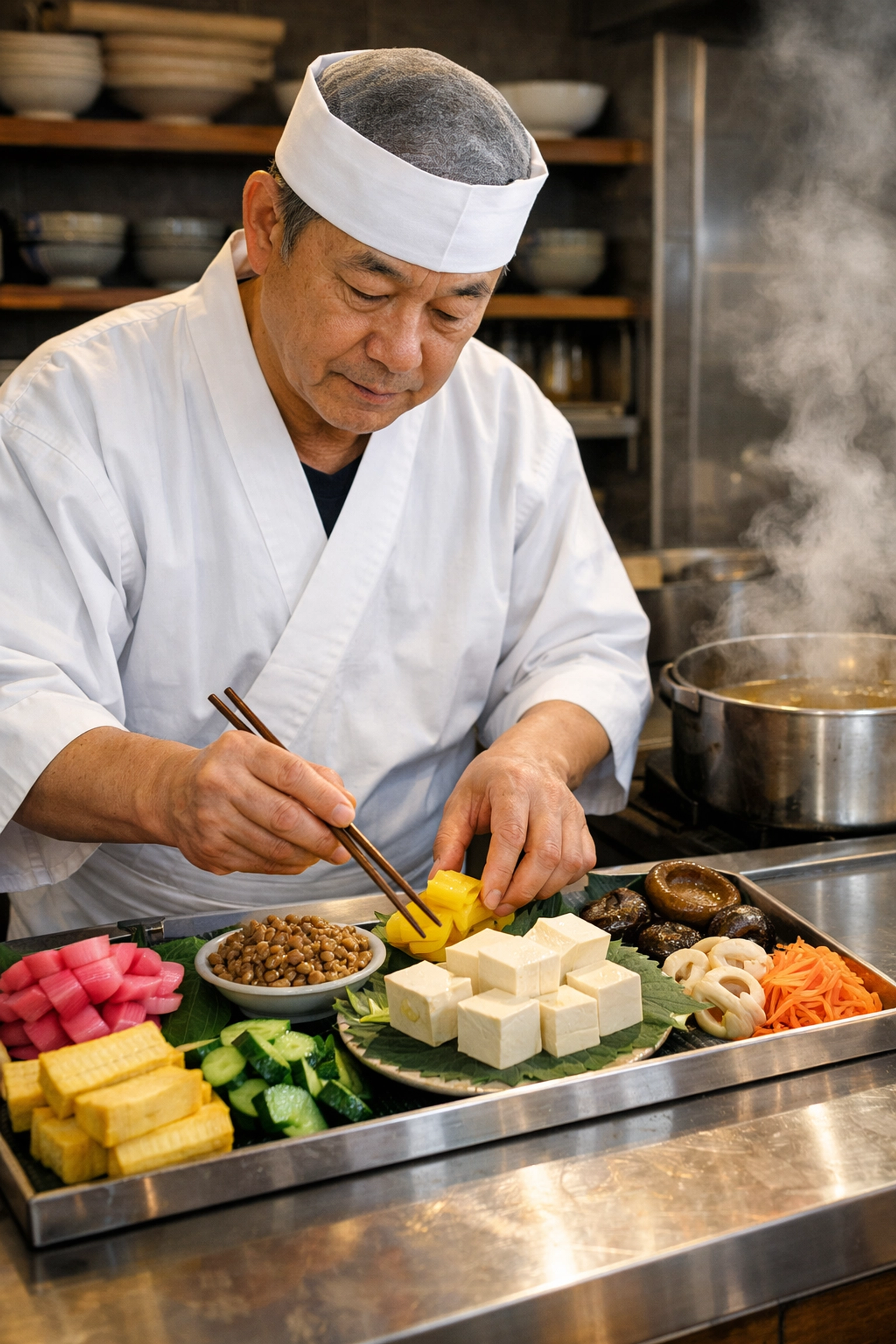
What’s Next?
This is just the beginning. Over the next 14 days, we are going to dive into the specifics. We’ll look at the best breakfast places (well, maybe not Cape Coral ones, but the Tokyo equivalent!) and the most Instagrammable spots in the city.
Stay tuned as we break down the best places to eat, neighborhood by neighborhood. If you’re looking for more travel inspiration while you wait for the next post, check out Edin’s personal travel blog at blog.edinchavez.com or explore some cheap weekend getaways if Tokyo isn't in the budget quite yet.
Tokyo is a city that rewards the brave. So, get out there, grab some chopsticks, and let's get eating.
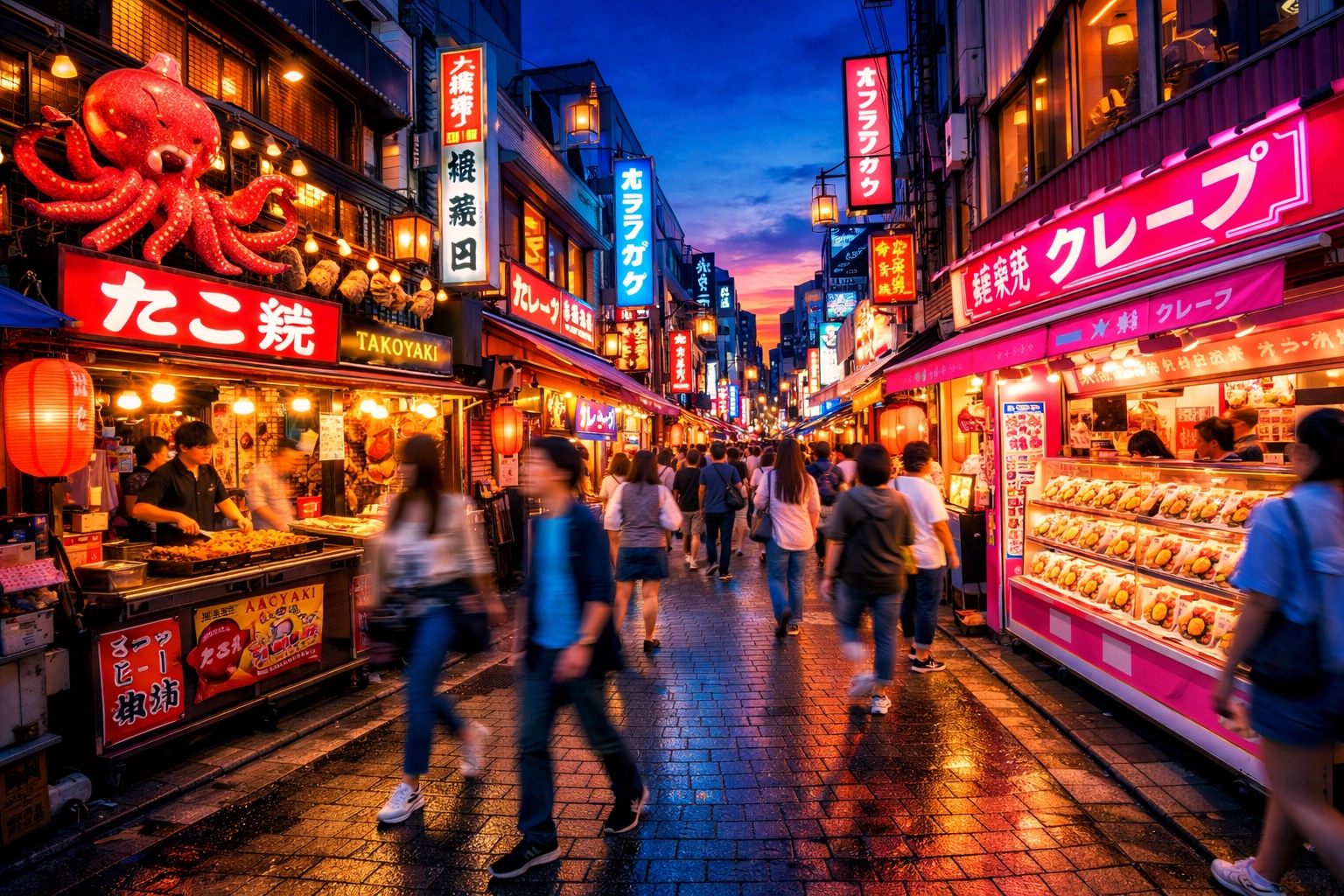
Ready to start your journey? Don't forget to look at our photography booking experience if you want professional shots of your Japanese adventure, and join the conversation over at Shut Your Aperture for more tips and community insights.













