
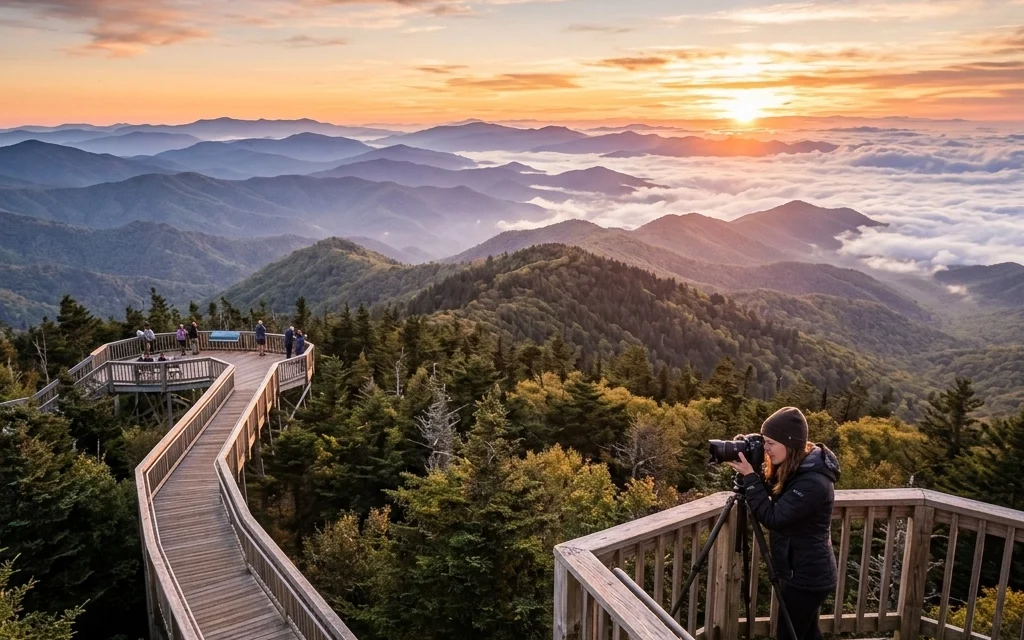
Hey there, fellow creators. If you’ve ever stood at the edge of a canyon or under the canopy of a thousand-year-old forest, you know that feeling: that sudden urge to capture the magic so you can hold onto it forever. I’ve spent years traveling through the wild heart of America, and honestly, there’s nothing quite like our National Parks.
This post is the kickoff to a massive project here at Photoguides. We’re launching a comprehensive blog series covering all 63 US National Parks. Whether you’re a pro or just starting out with your first DSLR, I want to make sure you’re in the right place at the right time. Today, we’re looking at the heavy hitters: the top 10 best photography locations that every landscape photographer needs to visit at least once.
Before you head out, make sure you're geared up correctly. You can check out my essential photography gear guide to see what I keep in my bag. And if you're looking for some fine art inspiration to hang on your walls, head over to www.edinfineart.com.
Now, let’s get into the good stuff.
1. Towers of the Virgin, Zion National Park
While most people rush to The Narrows or Angels Landing, the real magic for landscape photography happens right behind the Museum. The Towers of the Virgin is arguably one of the best sunrise spots in the entire park system.
As the sun rises behind you, it hits the peaks of the West Temple and the Altar of Sacrifice, turning them a vibrant, glowing orange. It’s a short walk from the parking lot, meaning you don't have to hike in the dark for hours to get the shot. Pro tip: use a wide-angle lens to capture the scale, but don't be afraid to zoom in on the textures of the rock face.
2. Delicate Arch, Arches National Park
You’ve seen it on the Utah license plate, but seeing it in person is a spiritual experience. Delicate Arch is the "Holy Grail" of landscape photography locations.
For the best results, you want to be there for sunset. The red Entrada sandstone catches the late afternoon light and practically glows. If you’re feeling adventurous, stick around for blue hour or a New Moon. The arch frames the Milky Way perfectly, creating an ultrarealistic, ethereal scene that looks like it belongs on another planet.

Alt Text: An ultrarealistic wide-angle shot of Delicate Arch in Arches National Park during sunset, the sandstone glowing deep orange against a clear blue sky with the La Sal Mountains in the background.
3. Schwabacher Landing, Grand Teton National Park
If you’re looking for those glass-like mountain reflections, Schwabacher Landing is where you need to be. Located along the Snake River, this spot offers a perfectly unobstructed view of the Teton Range.
The best time to shoot is definitely at sunrise. When the "alpenglow" hits the peaks of the Grand Teton, the reflection in the beaver ponds is nothing short of breathtaking. It’s quiet, serene, and exactly why we do what we do. For more tips on capturing these kinds of reflections, check out the community at www.shutyouraperture.com.
4. Tunnel View, Yosemite National Park
Yosemite is a photographer's playground, but Tunnel View is the crown jewel. From this one vantage point, you can see El Capitan, Half Dome, and Bridalveil Fall.
The trick here is timing. While sunset is popular, I prefer shooting here during or right after a storm. When the "clearing storm" mist hangs in the valley, it adds a layer of depth and mood that a clear day just can't match. If you’re struggling with flat skies in your shots, you can always check out our sky overlays to add some drama back in post-processing.
5. Inspiration Point, Bryce Canyon National Park
Bryce Canyon isn’t actually a canyon; it’s a giant natural amphitheater filled with "hoodoos": tall, thin spires of rock. Inspiration Point gives you the best perspective of the "Silent City."
The best photography locations here are all about shadows and light. Get there before the sun clears the horizon. As the light spills into the amphitheater, the shadows between the hoodoos create incredible contrast. It’s a texture-heavy environment that rewards photographers who pay attention to the details.

Alt Text: A high-detail landscape photo of the Bryce Canyon hoodoos from Inspiration Point at dawn, with deep shadows in the canyons and golden light hitting the tops of the rock spires.
6. Wild Goose Island, Glacier National Park
Located in the middle of Saint Mary Lake, Wild Goose Island is small, but it’s the perfect focal point for a massive landscape. This is one of the best sunrise spots in the American Northwest.
The surrounding peaks are massive, and having the island in the foreground provides much-needed scale. It can get windy here, so bring a sturdy tripod. If you're planning a trip up north, you might also want to look at our guide on cheap weekend getaways to help budget your journey.
7. Artist Point, Yellowstone National Park
Yellowstone is famous for geysers, but the Grand Canyon of the Yellowstone is where the real beauty lies. Artist Point offers a direct view of the Lower Falls.
The yellow and red volcanic rock walls of the canyon provide a color palette that is unique to this park. To get the best shot, I recommend a mid-range zoom lens. This allows you to compress the scene and make the waterfall feel even more powerful against the canyon walls. For more on the right gear for these shots, see our camera reviews 2024 section.
8. Cadillac Mountain, Acadia National Park
If you want to be the first person in the United States to see the sun rise (at least during certain times of the year), you need to be on top of Cadillac Mountain in Acadia.
The pink granite rocks and the view of the Porcupine Islands in Frenchman Bay make for an incredible composition. It’s a popular spot, so you’ll need a reservation for your vehicle, but the view is worth every bit of planning. For more inspiration on the East Coast, visit www.blog.edinchavez.com.

Alt Text: A vibrant sunrise from the summit of Cadillac Mountain in Acadia National Park, showing the rugged pink granite foreground and the sun breaking over the Atlantic Ocean.
9. Reflection Lakes, Mount Rainier National Park
Mount Rainier is a beast of a mountain, often shrouded in clouds. But when it clears, Reflection Lakes offers the most iconic view of the peak.
This is a fantastic spot for night photography. Because of the high elevation and low light pollution, the stars are incredibly bright. Capturing the Milky Way reflected in the subalpine lakes is a bucket-list shot for any serious photographer. If you're interested in a more guided trip to spots like this, check out our photography booking experience.
10. Mesquite Flat Sand Dunes, Death Valley National Park
Finally, we have the minimalist's dream: the sand dunes of Death Valley. While it’s one of the hottest places on Earth, the photography opportunities are endless.
The best time to shoot is early morning when the sun is low. This creates long, dramatic shadows that define the ridges of the dunes. It’s all about shape, form, and texture here. Be careful with your gear: sand gets everywhere!

Alt Text: An ultrarealistic black and white photo of the Mesquite Flat Sand Dunes in Death Valley, highlighting the sharp contrast between the sunlit ridges and the deep shadows of the dunes.
Wrapping It Up
America’s National Parks are a gift to the creative soul. Whether you’re chasing the light at Zion or waiting for the stars at Rainier, remember to take a moment to put the camera down and just breathe it in.
We’ll be diving much deeper into each of these parks over the coming months, providing specific maps, trail tips, and gear recommendations for every single one of the 63 parks. If you're looking for more educational content to hone your skills before your next trip, head over to our educational category.
Stay creative, keep exploring, and I'll see you out there on the trails. Don't forget to check out www.edinfineart.com to see how these locations look when printed on large-scale gallery acrylic!













