
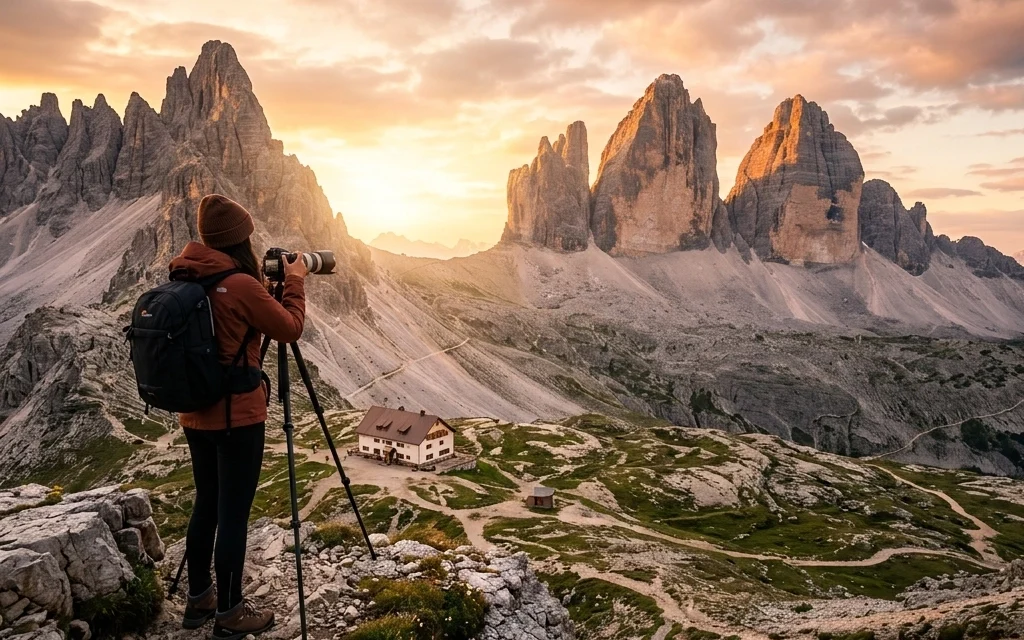
Category: Travel
Let’s be honest: we’ve all been there. You’re standing in front of a world-famous landmark, camera in hand, and suddenly you realize you have no idea how to capture the "magic" you saw on Instagram. Maybe the light is flat, or maybe there are three thousand other people in your frame. Don't worry: I’ve got your back.
Welcome to day one of our 30-day series focusing on the most iconic places to visit around the world. Whether you’re a pro or just someone who wants their vacation photos to look like they belong in a gallery, finding the best photography locations is about more than just showing up. It’s about timing, perspective, and a little bit of soul.
At Photoguides, we believe everyone can take a breath-taking photo. You don't need a $10,000 setup (though checking out essential photography gear never hurts). You just need to know where to point the lens. So, grab a coffee, and let’s dive into the top 10 spots that will make your followers: and your future self: thank you.
1. Yellowstone National Park, USA
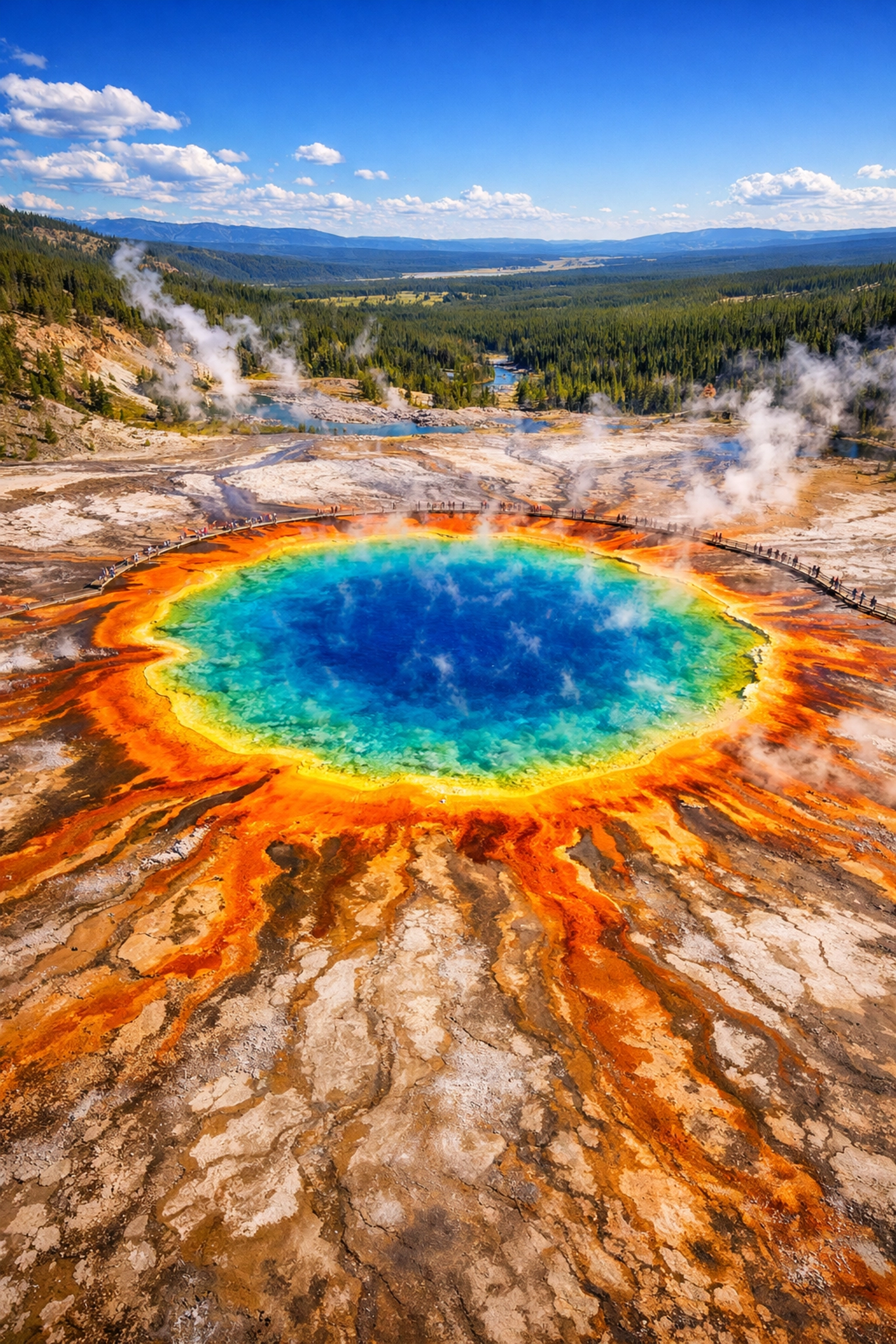
Yellowstone isn’t just a park; it’s another planet that somehow ended up in Wyoming. From the kaleidoscopic colors of the Grand Prismatic Spring to the dramatic eruptions of Old Faithful, this is a playground for landscape lovers.
Travel photography tips: To capture the Grand Prismatic’s full rainbow, you’ll want some height. Head to the Grand Prismatic Overlook trail. Also, bring a telephoto lens for the bison: they look cuddly, but they aren't, and your camera will appreciate the distance. If you want to make sure you hit the best spots without getting lost, book a guided photo tour through Viator to get the local scoop on where the wolves are hanging out.
2. Iceland: The Land of Fire and Ice
If I could only shoot in one country for the rest of my life, Iceland would be a top contender. It is, quite literally, one of the most instagrammable places on Earth. You have black sand beaches at Reynisfjara, massive waterfalls like Skógafoss, and, of course, the Northern Lights.
When shooting the Aurora, patience is your best friend. You’ll need a sturdy tripod and a wide-angle lens. If the sky doesn't cooperate, you can always enhance your shots later with some pro-level sky overlays to bring back that drama. For more deep dives into landscape techniques, I always recommend checking out Edin Chavez’s personal blog.
3. Yosemite National Park, California
There’s a reason Ansel Adams spent so much time here. Yosemite is the crown jewel of the U.S. National Park system for photographers. Between El Capitan and Half Dome, the granite cliffs offer a scale that is hard to wrap your head around.
To get that classic "Tunnel View" shot, aim for sunrise or sunset when the light hits the valley floor just right. If you’re visiting in February, you might even catch the "Firefall" at Horsetail Fall. Just make sure your gear is up to snuff; you can see what’s currently leading the pack in our camera reviews 2024 guide.
4. Rome, Italy
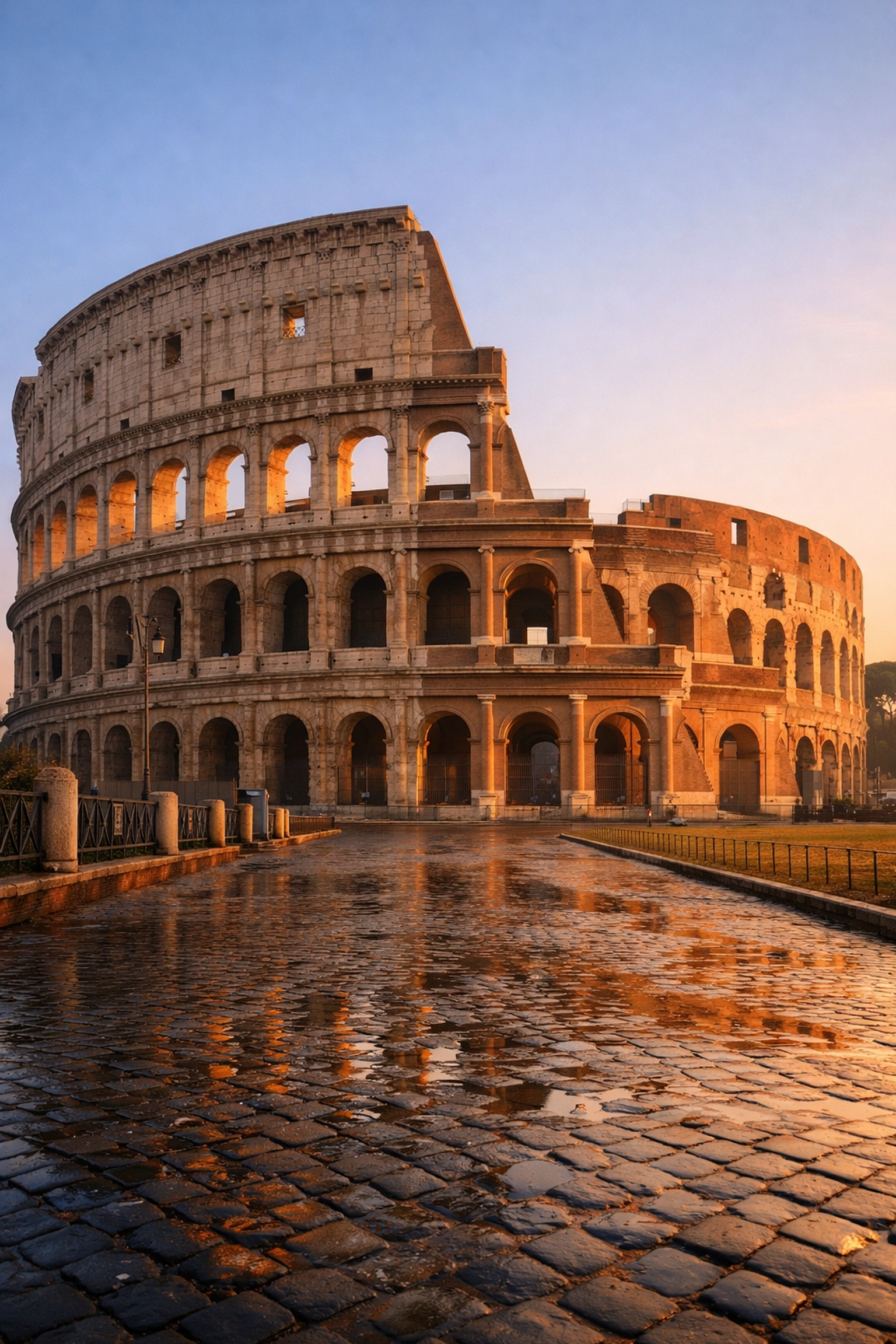
Switching gears from nature to architecture, Rome is a dream. It’s a city where every corner feels like a film set. The Colosseum, the Pantheon, and the Trevi Fountain are obvious choices, but the real magic happens in the narrow alleys of Trastevere at golden hour.
The challenge here is the crowds. My best advice? Wake up at 5:00 AM. Having the Trevi Fountain to yourself is a spiritual experience (and a great photo op). For a more curated look at fine art prints from Italy, take a look at Edin Fine Art.
5. Cinque Terre, Italy
Since we’re already in Italy, we have to talk about the five villages of Cinque Terre. These colorful houses perched on rugged cliffs overlooking the Mediterranean are the definition of best photography locations.
Manarola is the most famous for that classic sunset shot where the village lights begin to twinkle against the deep blue sea. Use a long exposure to turn the ocean waves into a smooth, misty texture. If you need help with long exposure settings, the community at Shut Your Aperture has some killer tutorials.
6. Antelope Canyon, Arizona
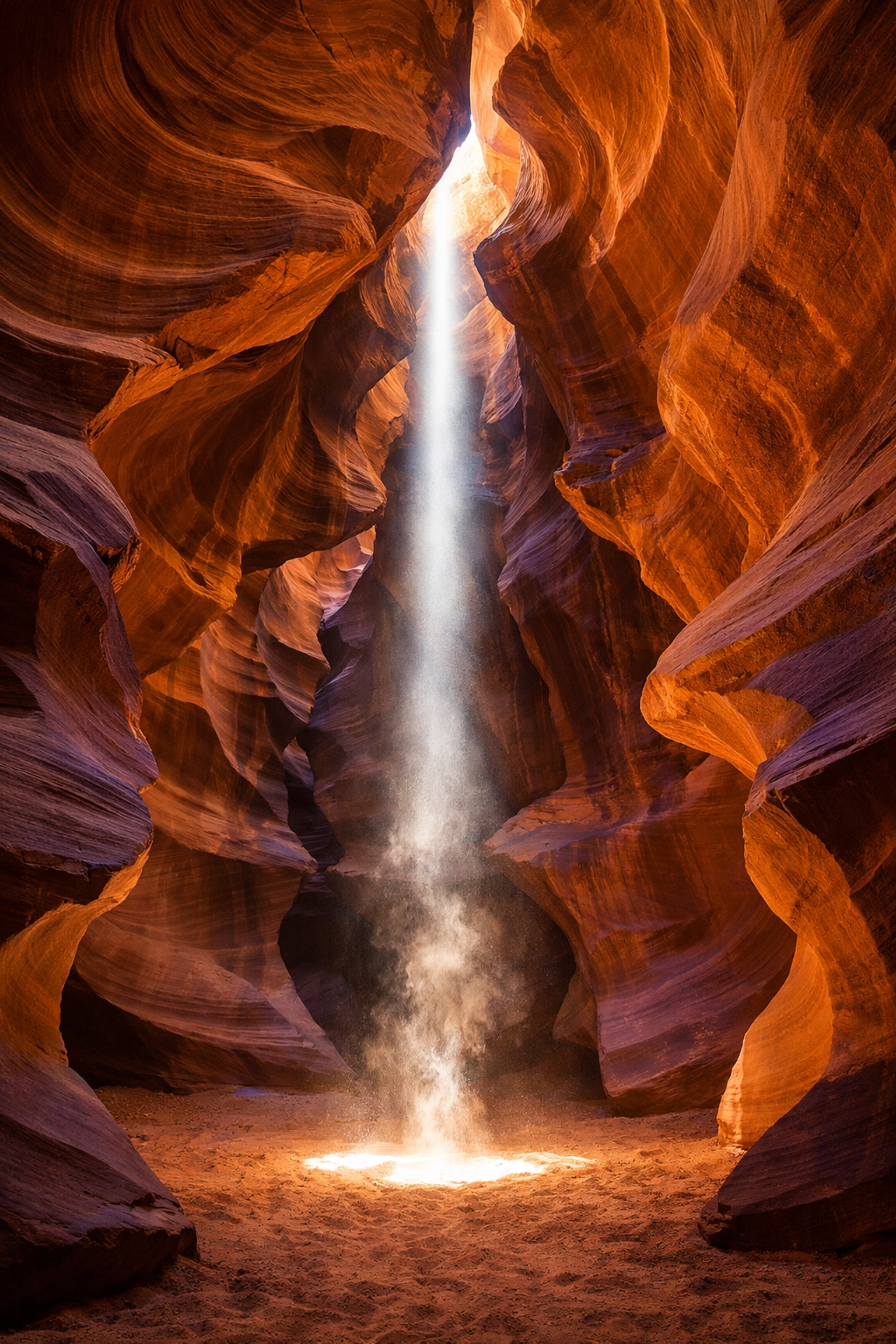
This slot canyon is a masterpiece of light and shadow. The flowing sandstone walls create shapes that look like abstract art. It’s one of those places where you have to book a tour to even enter, so check out these options to secure your spot.
Travel photography tips: Dust is your enemy here. Do not change your lens inside the canyon unless you want a sensor full of Arizona desert. Set your camera to a higher ISO because it’s darker than it looks in photos, and keep your eyes peeled for the "light beams" that occur around midday.
7. Acadia National Park, Maine
For those who love the rugged, moody vibes of the Atlantic coast, Acadia is it. The rocky shoreline and historic lighthouses, like Bass Harbor Head Light, offer incredible compositions. It’s also one of the first places in the U.S. to see the sunrise.
Acadia is also a secret weapon for Milky Way photography. Because of the low light pollution, the stars are incredibly bright. If you’re looking for a more relaxed vibe after a night of shooting stars, check out some cheap weekend getaways that include coastal gems like this.
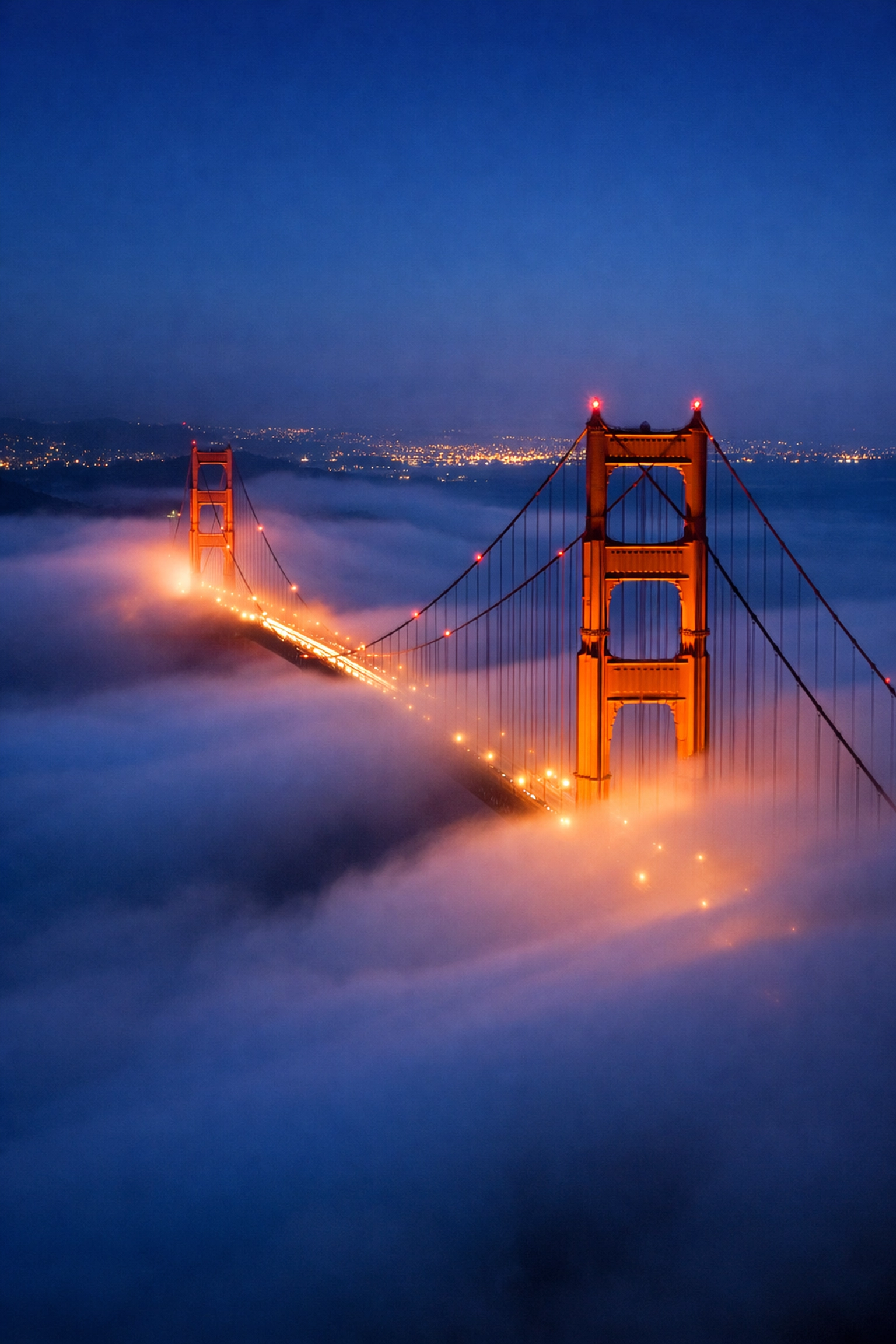
8. Golden Gate Bridge, San Francisco
The Golden Gate Bridge is arguably the most photographed bridge in the world, but that doesn't mean you can't find a unique angle. Whether it’s peeking through the "Karl the Fog" or shot from the shores of Marshall’s Beach, it never gets old.
The bridge is a great place to practice your composition. Try using leading lines or framing the towers with the local cypress trees. If you’re planning a trip to California, don’t forget to explore more than just the landmarks: check out Miami’s hidden speakeasies if you happen to be crossing the country for more urban shots.
9. Uluru, Australia
Deep in the "Red Centre" of Australia lies Uluru, a massive sandstone monolith that is sacred to the indigenous Anangu people. The way the rock changes color: from bright orange to deep violet: as the sun sets is nothing short of miraculous.
It’s a long trek to get there, but the photographic payoff is worth every mile. Remember to be respectful of local cultural rules regarding where you can and cannot take photos. It’s a great place to slow down and focus on the textures of the land.
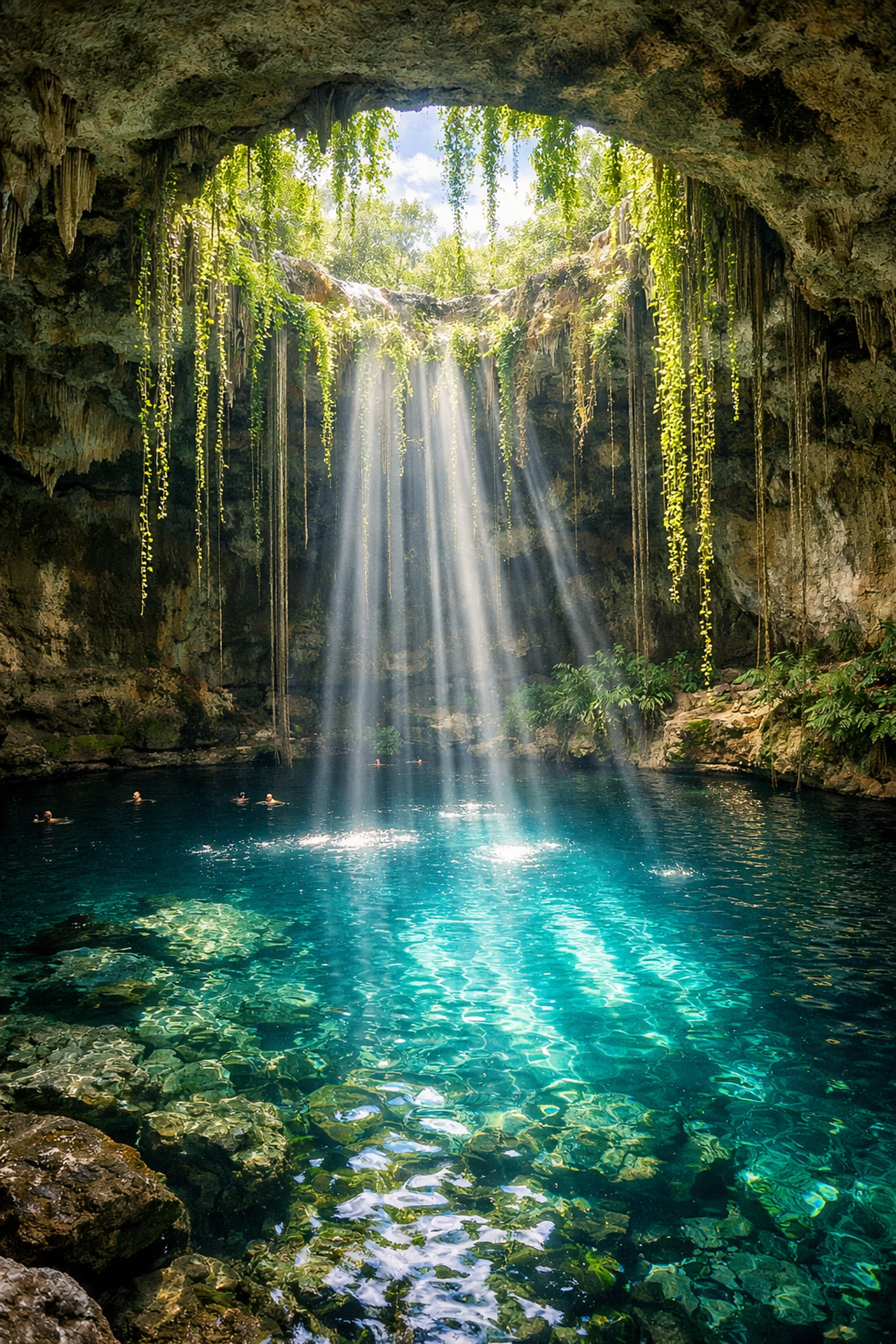
10. Cenotes, Yucatan Peninsula, Mexico
Last but certainly not least, we head underground. The cenotes near Playa del Carmen and Tulum are natural sinkholes filled with crystal-clear freshwater. They are ethereal, especially when the sun shines directly through the openings in the ceiling, creating "god rays" in the water.
Underwater photography is a whole different beast. If you aren't ready to dive in with a housing, shooting from the edge still offers incredible reflections. For a comparison of where to stay while hunting for cenotes, read our breakdown on Dominican Republic vs Cancun.
Final Thoughts for Your Journey
Photography is a journey, not a destination (I know, I know, it’s a cliché, but it’s true!). These best photography locations are just the beginning. The world is massive, and there is beauty in the mundane as much as there is in the iconic.
When you're out there, remember to put the camera down every once in a while. Take a breath, smell the salt air in Iceland, or taste the pasta in Rome. Those memories are the ones that give your photos soul.
If you're feeling overwhelmed by the technical side of things, we have plenty of resources to help. From educational modules to learning about specific gear like the Module 8 lens adapter, we’re here to make sure you feel confident behind the lens.
So, where are you heading first? Whether it's the heights of Yosemite or the depths of a Mexican cenote, just remember to keep shooting, keep exploring, and most importantly, have fun with it.
See you out there!













