
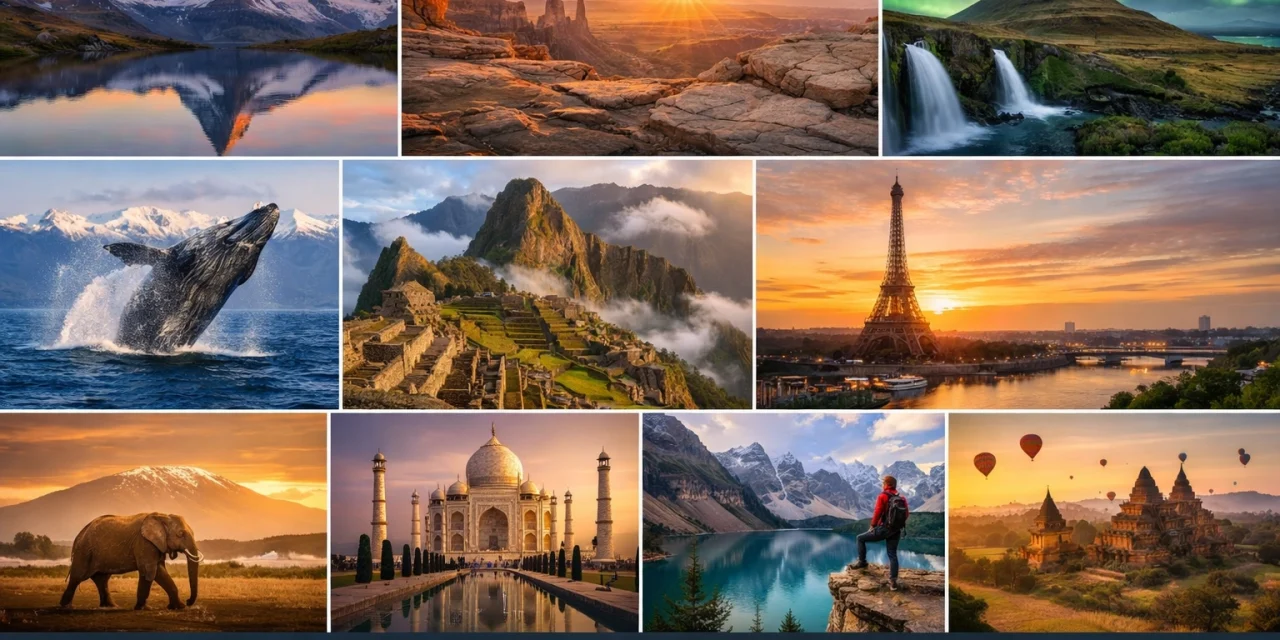
Let’s be real for a second: we’ve all spent way too much time scrolling through Instagram, looking at jaw-dropping travel photos and thinking, “How on earth did they get that shot?” Well, I have a little secret for you. While talent and gear definitely help, half the battle is just showing up.
Welcome to day one of our 30-day iconic locations series! I’m Edin, and if there’s one thing I’ve learned from years behind the lens, it’s that some places are just naturally photogenic. They’re the "supermodels" of the world, you could basically drop your camera, and it would still take a decent photo. Whether you’re a seasoned pro or just someone who wants to level up their vacation feed, these are the best photography locations you need to visit at least once.
But before you pack your bags, let’s talk logistics. You don’t need to do this alone. If you want to skip the stress of planning and get straight to the "good light," check out these amazing activity recommendations and tours to help you navigate these iconic spots.
1. Santorini, Greece: The Blue and White Dream
You knew this was coming. Santorini is arguably the king of instagrammable places. Between the whitewashed buildings of Oia and the deep blue domes overlooking the Aegean Sea, it’s a photographer’s playground.
Travel Photography Tips: Skip the sunset crowds in Oia if you want to keep your sanity. Instead, head out at sunrise. The light is softer, the streets are empty, and you won’t have to elbow 400 other people for a shot of the windmills. If you’re looking to sharpen your skills before heading to the islands, dive into our educational guides to master your manual settings.
2. Iceland: The Land of Fire and Ice
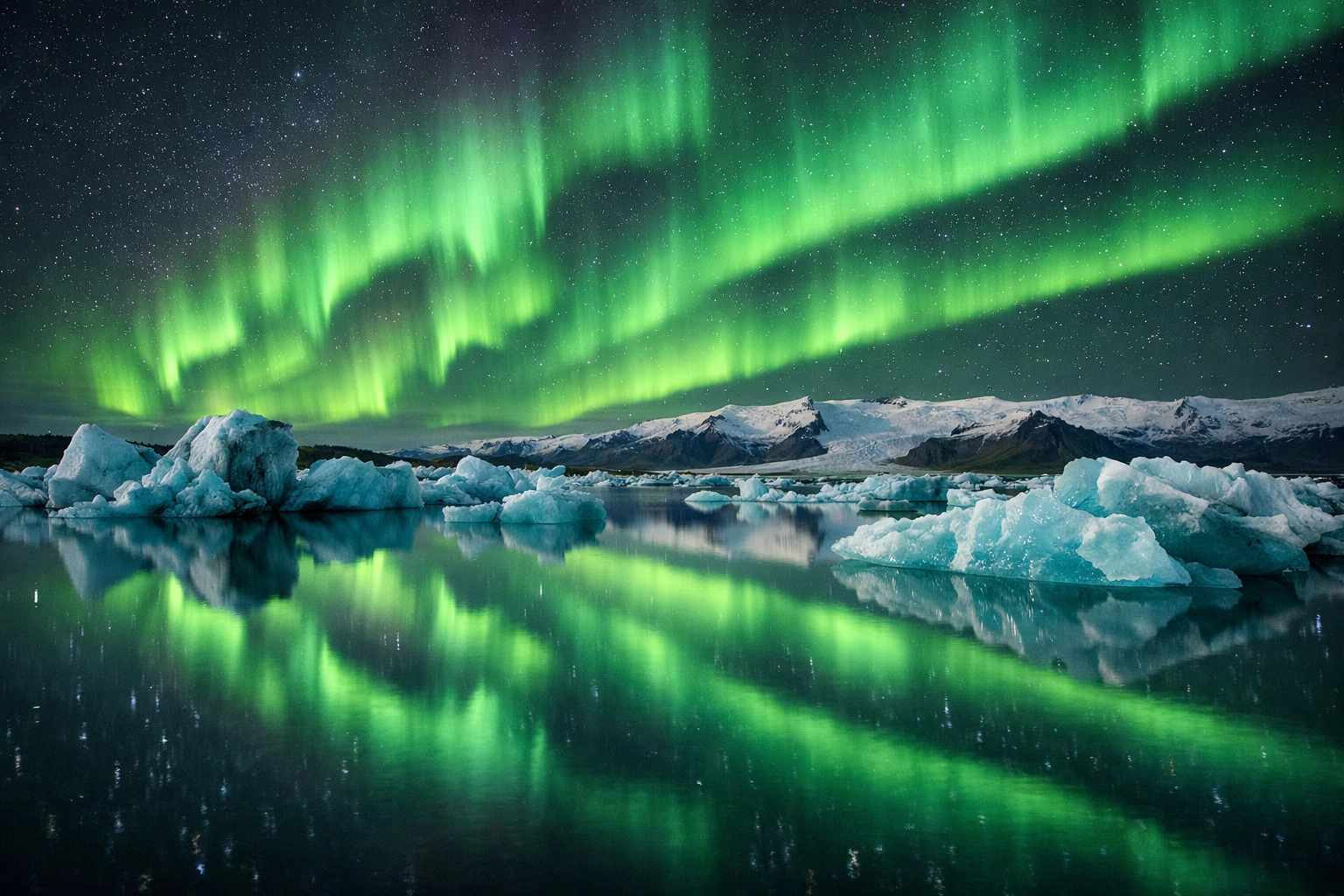
Iceland isn’t just a country; it’s another planet. From the black sand beaches of Reynisfjara to the dancing Northern Lights and the massive Skógafoss waterfall, every turn is a postcard.
The scale here is massive, which can be intimidating. Don’t worry; it’s all about perspective. Use a wide-angle lens to capture the vastness, but don’t be afraid to put a person in the frame to show just how tiny we are compared to nature. For more inspiration on capturing the wild, check out my personal work over at Edin Fine Art.
3. Paris, France: The Eiffel Tower & The Louvre
There’s a reason Paris is the most photographed city in the world. Whether it’s the classic view of the Eiffel Tower from Trocadéro or the glass pyramid of the Louvre at night, the city oozes style.
Pro Tip: For the Louvre, wait until blue hour. The lights of the museum turn on, and the sky hits that perfect deep indigo, creating a stunning contrast with the warm glow of the pyramids. If you're worried about carrying heavy gear through the streets of Paris, make sure you're packing light with our essential photography gear list.
4. Machu Picchu, Peru: The Lost City
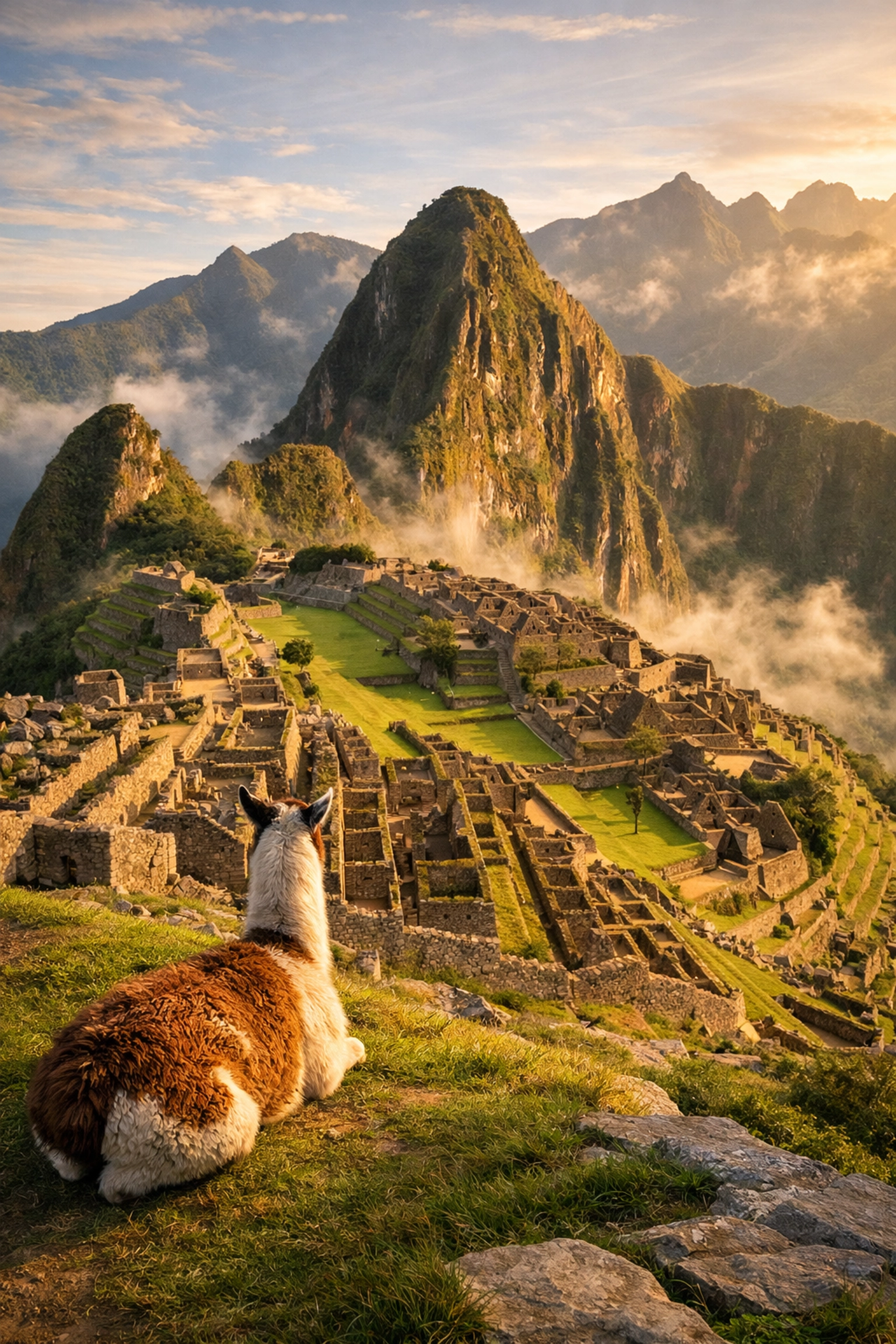
Standing at the Sun Gate as the clouds clear over Machu Picchu is a spiritual experience, and a visual one. The ancient stone structures against the jagged green peaks of the Andes are unlike anything else on Earth.
Since you're at a high altitude, the light can be very harsh mid-day. Aim for the early morning entry. It’s a bit of a hike, but your portfolio will thank you. I’ve written extensively about travel adventures like this on my personal blog, so feel free to head over there for more stories from the road.
5. Antelope Canyon, USA: Nature’s Abstract Art
Located in Page, Arizona, Antelope Canyon is a masterclass in light and shadow. The flowing sandstone walls create shapes that look like they were carved by a master artist.
Because the canyon is narrow, the light beams usually appear around midday during the summer months. It’s one of the most instagrammable places in the Southwest, but it does require a guided tour. Make sure you have your settings ready before you enter, as the dust can be brutal on your sensor if you try to change lenses inside.
6. Kyoto, Japan: Arashiyama Bamboo Grove
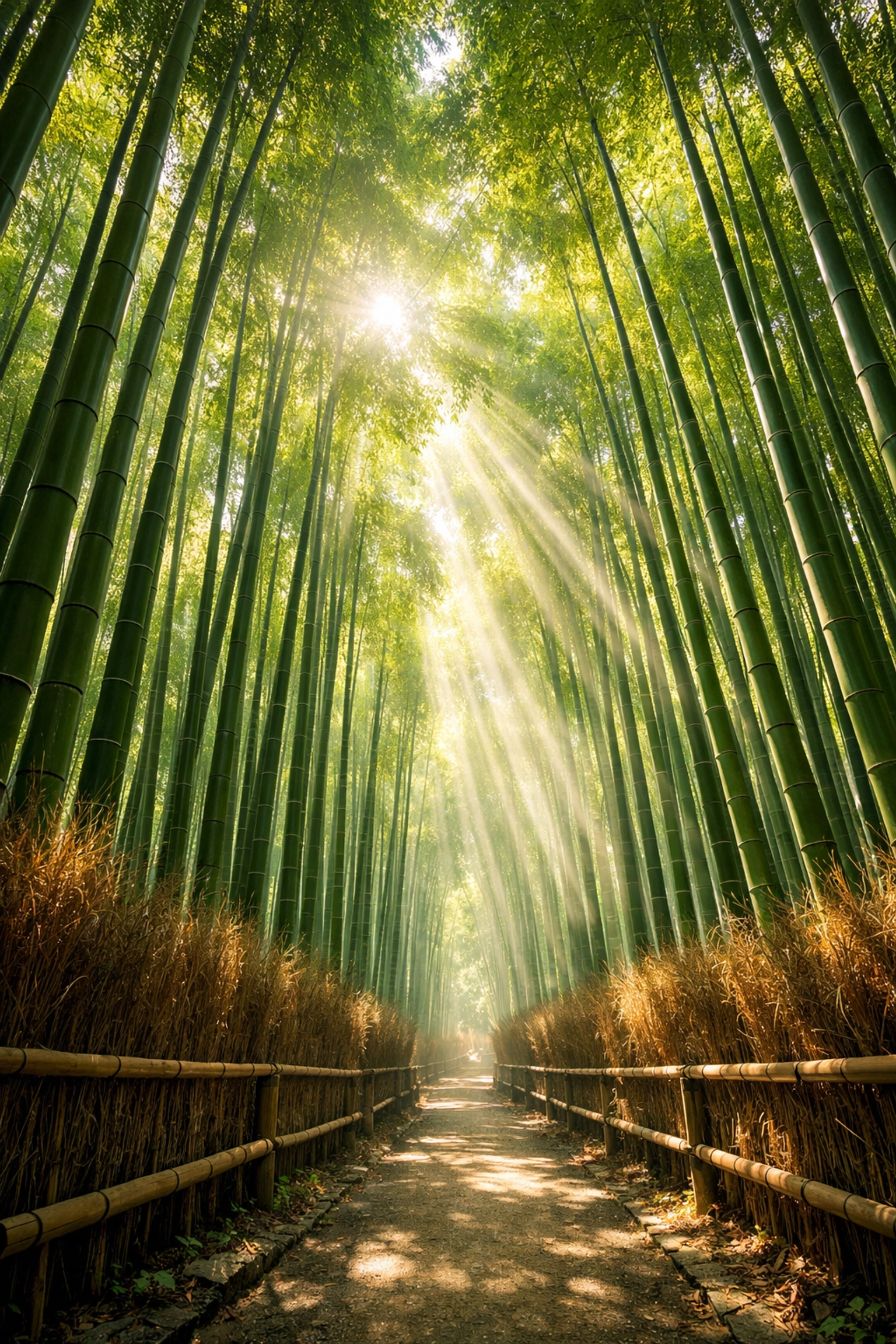
Walking through the towering stalks of green bamboo in Kyoto feels like stepping into a movie. The way the light filters through the leaves creates a dreamy, ethereal vibe.
Travel Photography Tips: Use a tripod if you can (though some areas restrict them), as the forest floor can be quite dark. A vertical composition works best here to emphasize the height of the bamboo. If you're looking to edit these to perfection later, you might want to download some of our sky overlays to add that extra "wow" factor to your landscapes.
7. Deadvlei, Namibia: The Skeleton Forest
If you want something truly unique, Deadvlei is it. Imagine 900-year-old dead camel thorn trees standing against a backdrop of the highest orange sand dunes in the world, all under a bright blue sky. The contrast is so sharp it almost looks like a painting.
It’s a trek to get there, but the shots are worth every grain of sand in your boots. This is where your composition skills really come into play: look for lead lines in the dunes and use the shadows of the trees to create depth.
8. Rome, Italy: The Colosseum
The Colosseum is a testament to time. While it’s beautiful during the day, it truly comes alive at night when it’s illuminated. It’s one of the best photography locations for practicing long exposures to blur out the surrounding traffic.
When you're done shooting the ruins, don't forget the "street" side of Rome. The cobblestone alleys and cafes offer endless opportunities for candid shots. If you're planning a European getaway on a budget, take a look at our tips for cheap weekend getaways.
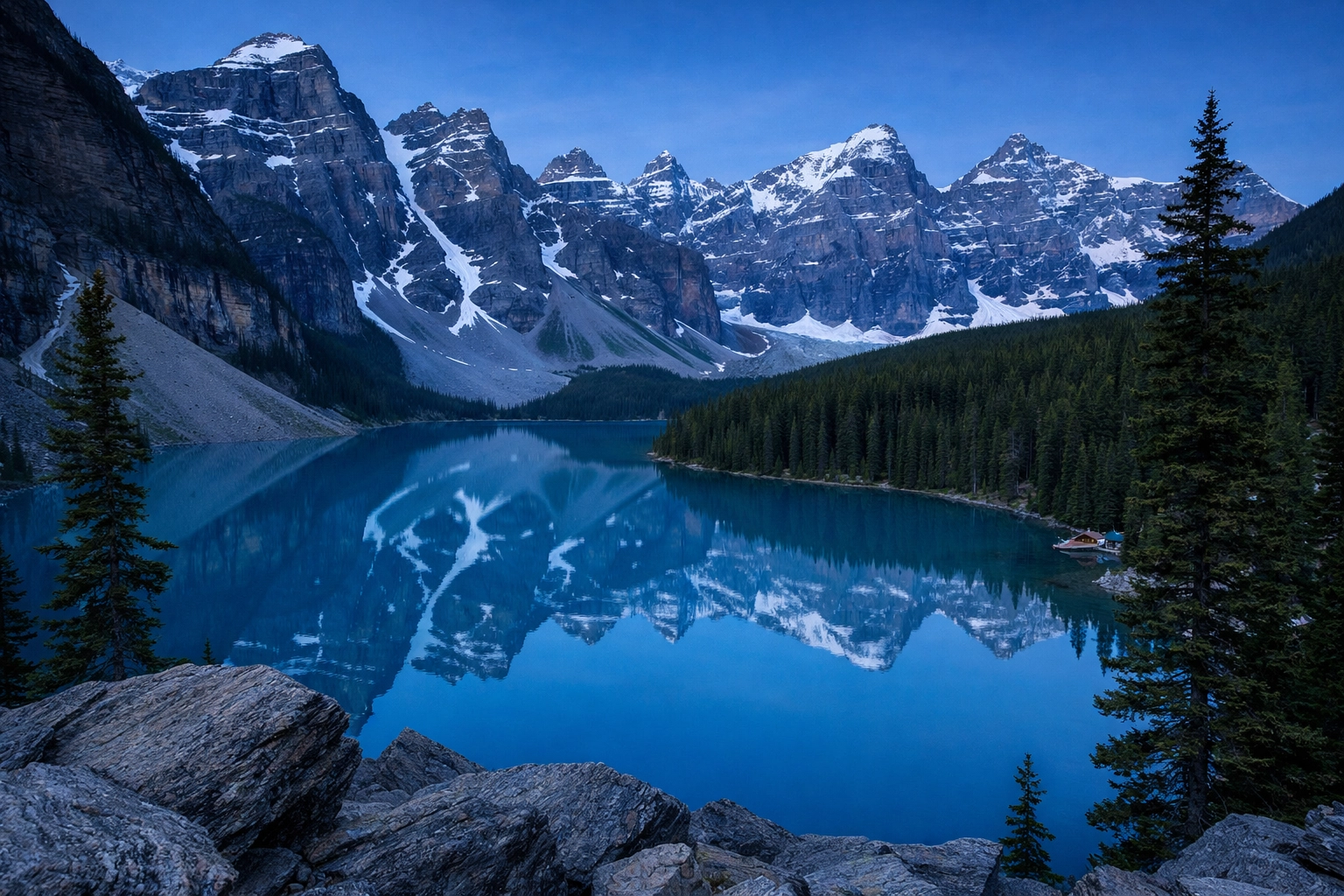
9. Banff National Park, Canada: Moraine Lake
You’ve seen it on every desktop wallpaper ever: the turquoise water of Moraine Lake reflecting the Valley of the Ten Peaks. It’s so blue it looks fake.
The "Rockpile" is the standard spot for this shot, but if you want something different, rent a canoe. Being on the water gives you a totally different perspective and removes the crowds from your foreground. For a smooth trip, I highly recommend booking your local experiences in advance.
10. Petra, Jordan: The Treasury
Emerging from the narrow "Siq" canyon to see the Treasury carved directly into the pink sandstone is a moment you’ll never forget. It’s grand, it’s ancient, and it’s incredibly photogenic.
Try to catch "Petra by Night" where they light up the area with thousands of candles. It’s a challenge for low-light photography, but the results are magical. Make sure your camera is up to the task by checking our 2024 camera reviews.
Quick Travel Photography Tips for Your Next Trip
Before you jet off to these iconic spots, keep these three things in mind:
- Light is Everything: The "Golden Hour" (the hour after sunrise and the hour before sunset) is your best friend. The shadows are long, the light is warm, and everything looks better.
- Respect the Location: These spots are iconic because they’ve been preserved. Always follow local rules, stay on the paths, and be respectful of other travelers.
- Tell a Story: Don’t just take the "trophy" shot. Capture the details: the texture of the stone, the local food, the way the wind moves the trees. That’s what makes a photo gallery feel like a journey.
Ready to Capture the World?
Traveling to these best photography locations is about more than just the photos; it’s about the experience of being there. Whether you’re standing in the dust of Namibia or the mist of Iceland, take a second to put the camera down and just soak it in.
We’ve got 29 more days of incredible locations coming your way, so stay tuned! If you’re looking for more gear advice or editing tricks, head over to our downloads page to grab some resources that will make your workflow a breeze.
Safe travels, and keep shooting!
Category: Travel













