
Category: Photo Guides
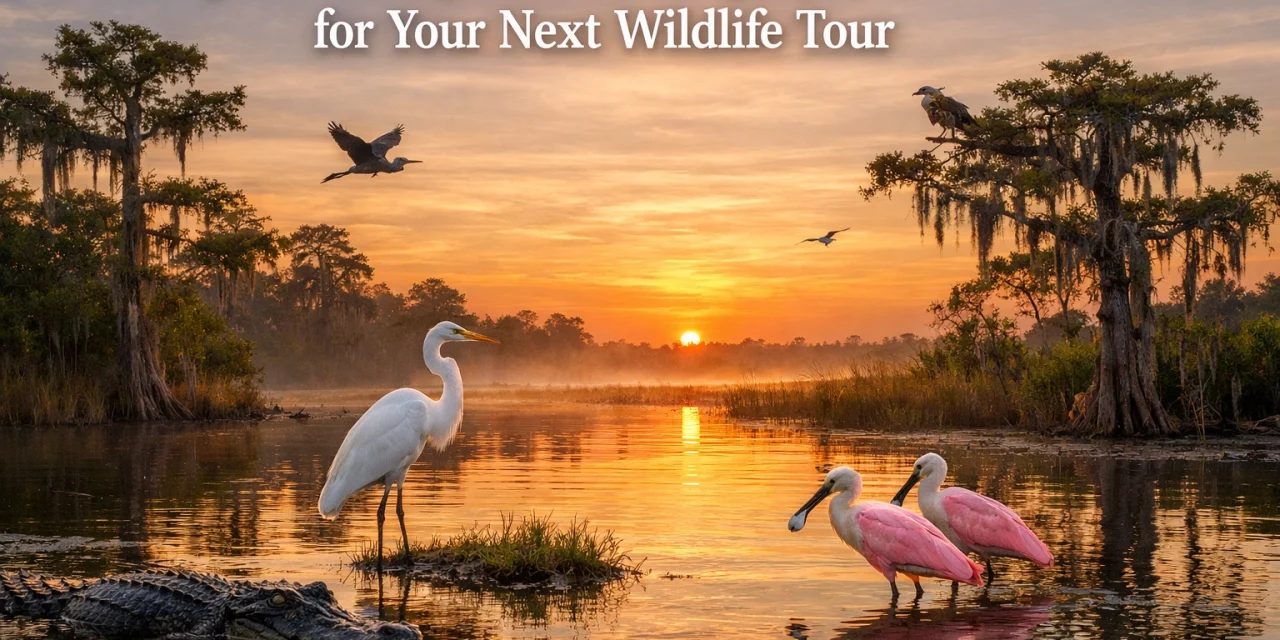
There is something almost mystical about the Everglades. It’s not just a swamp; it’s a slow-moving river of grass that hides some of the most prehistoric and beautiful creatures on the planet. If you’ve ever stood on a boardwalk at dawn, watching the mist rise off the water while a Great Blue Heron stands motionless just feet away, you know exactly what I’m talking about.
I’m Edin Chavez, and over the years, I’ve spent countless hours navigating these wetlands to capture that perfect shot. For photographers, the Everglades is a playground, but it can also be overwhelming if you don’t know where to look. Whether you are a seasoned pro or just picking up a camera, knowing the right spots can make the difference between a memory card full of "almost" shots and a portfolio of masterpieces.
To help you out, I’ve put together this list of the top 10 Everglades photography locations. If you want to dive even deeper into the technical side of things, like specific GPS coordinates and secret local tips, you should definitely check out my Everglades Photography Guide.
1. Anhinga Trail
If you only have time for one stop, make it the Anhinga Trail. Located right near the main entrance at the Royal Palm Visitor Center, this is arguably the best place in the world for close-up wildlife photography. Because the animals here are so used to people, you can get incredibly detailed shots of Anhingas drying their wings, Purple Gallinules, and, of course, the iconic American Alligator.
Pro tip: Get there at sunrise. The light hitting the sawgrass is pure gold, and the animals are most active. I usually recommend a 100-400mm lens for this spot to capture those tight portraits.
2. Shark Valley
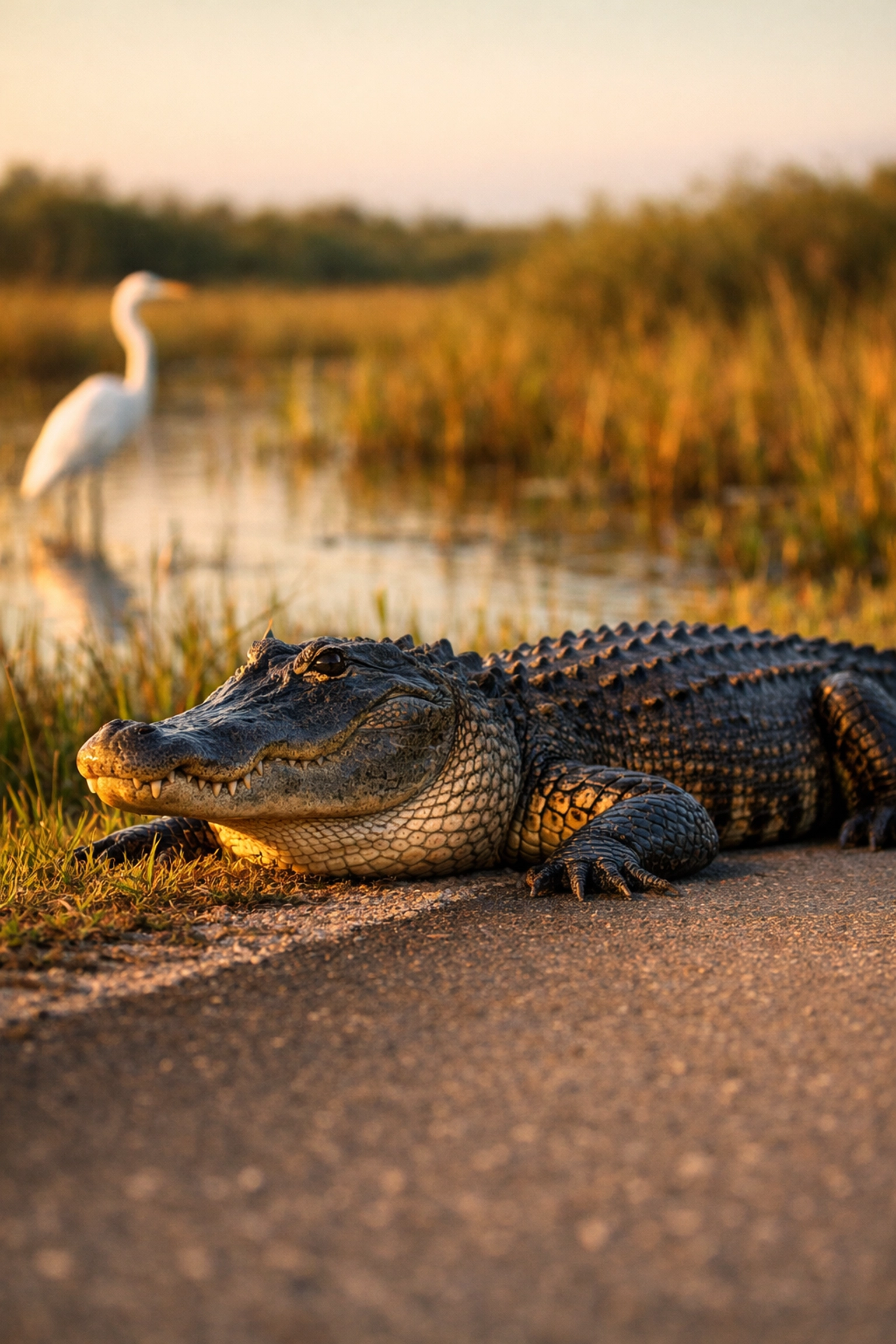
Shark Valley is famous for its 15-mile loop road, which you can explore via tram or bike. It’s a hotspot for wading birds and alligators that often sun themselves right on the edge of the pavement. The wildlife here is frequently within 50 feet of your lens, giving you amazing opportunities for both wide-angle environmental shots and telephoto details.
The park officially opens at 8:30 am, but here’s a little secret: you can often park along U.S. 41 and head in early if you’re on foot or a bike. Late afternoon is also spectacular here because the sun sets behind you, illuminating the birds perfectly.
3. Pahayokee Overlook
Pahayokee (which means "grassy waters") offers one of the most diverse bird populations in the park. From March to April, keep your eyes peeled for American White Pelicans, Roseate Spoonbills, and Wood Storks. The boardwalk leads to a raised observation platform that gives you a panoramic view of the vast river of grass.
This is a fantastic spot for sunset. Bring a tripod and some ND filters if you want to play with long exposures on the clouds moving across the horizon. For the birds, a 70-200mm lens is great for closer action, but having a 600mm handy for those distant Spoonbills is never a bad idea. You can find more advice on the right glass to bring in our essential photography gear guide.
4. Flamingo
Located at the very end of the Main Park Road, Flamingo is where the freshwater meets the saltwater of Florida Bay. It’s a unique transition zone and the only place on Earth where you can find both American Crocodiles and West Indian Manatees in the same vicinity.
The "Golden Hour" here is nothing short of magical. Because it’s a vast area, I recommend a 400mm+ lens to reach those crocodiles lounging on the banks or the ospreys nesting nearby. If you’re lucky, you might even see a manatee poking its nose out of the marina water.
5. Big Cypress National Preserve (Loop Road)
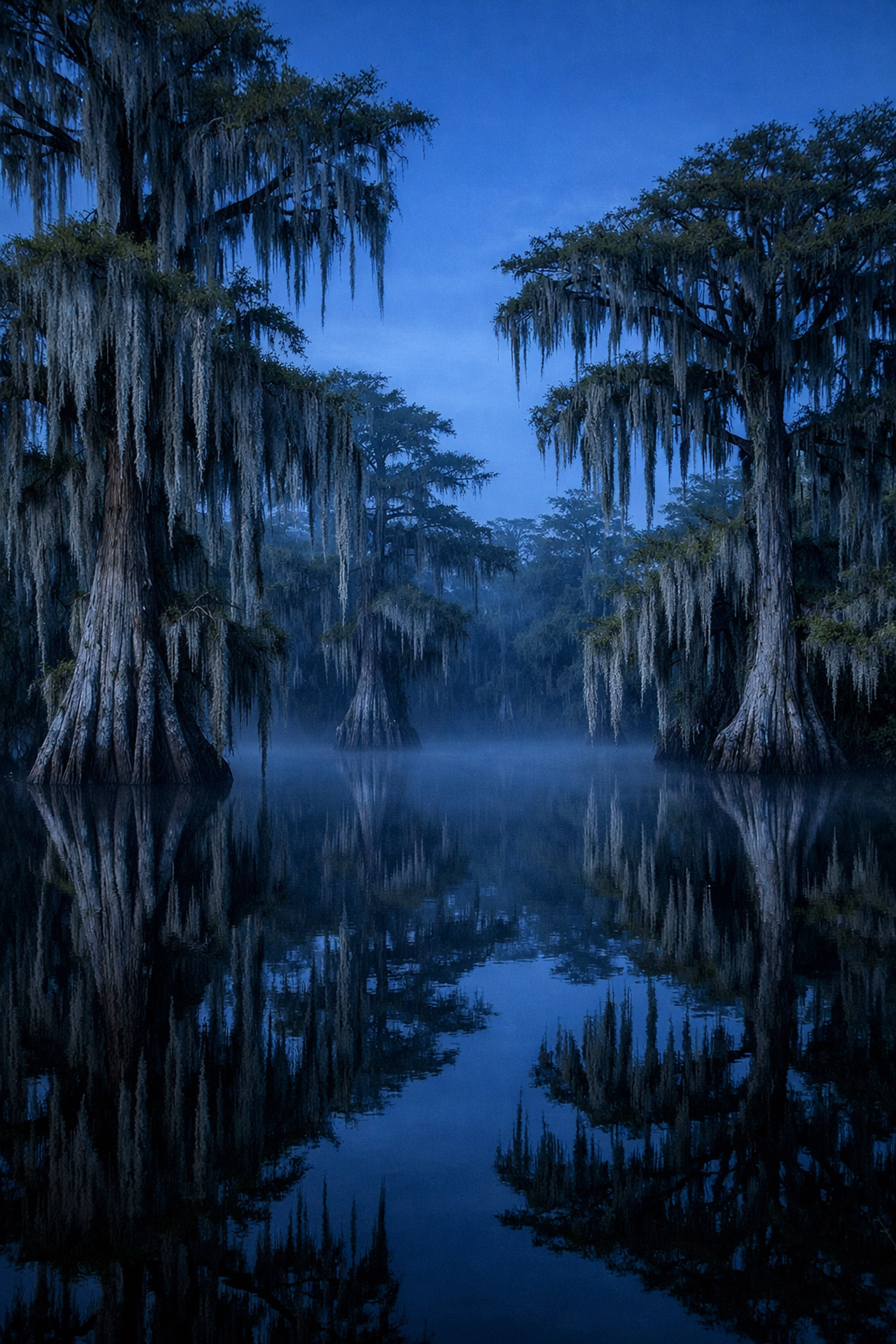
While technically a separate entity from the National Park, Big Cypress is an essential part of the Everglades ecosystem. The Loop Road is a 24-mile dirt track that feels like a trip back in time. You’ll see towering cypress trees draped in Spanish moss and still water that creates perfect mirror reflections.
Keep your eyes sharp for Barred Owls perched in the trees and the elusive Florida Panther (though sightings are rare, they are possible!). This is a great place to use a polarizer to cut the glare on the water and a macro lens for the incredible flora. If you're interested in more gear talk, I often share my latest finds on Shut Your Aperture.
6. Wakodahatchee Wetlands
Okay, this one is actually in Delray Beach, but it’s an absolute "must" for any Everglades-bound photographer. It’s a man-made wetland that has become a premier bird sanctuary. You’ll find herons, anhingas, and even the rare Least Bittern.
The boardwalk puts you right in the middle of the nesting action. Arrive within an hour of sunrise to catch the birds at their most energetic. Just be mindful: the boardwalk can vibrate when other people walk by, so a fast shutter speed is your best friend here.
7. Bobcat Boardwalk Trail
Located near the Shark Valley area, the Bobcat Boardwalk winds through a sawgrass slough and a tropical hardwood hammock. It’s a shorter trail, but it’s excellent for capturing the lush, green textures of the Everglades. During the breeding season, you’ll find Great Egrets in full plumage, looking absolutely stunning against the deep greens of the hammock.
8. Nine Mile Pond
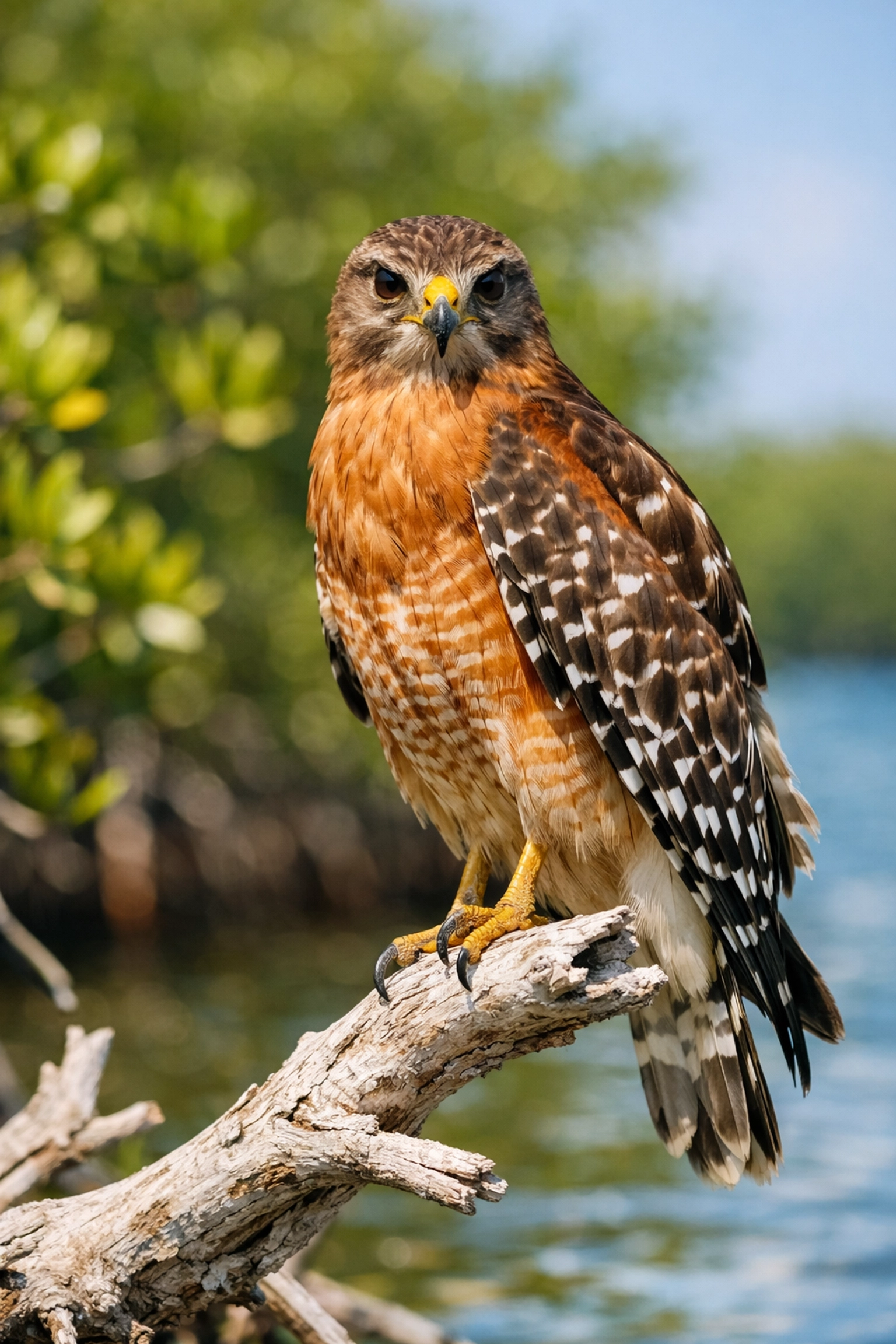
Nine Mile Pond is famous for its "Gator Hook" trail and is one of the few spots where alligators and crocodiles are known to coexist. It’s also a fantastic place to photograph Red-shouldered Hawks, which often perch on dead tree branches waiting for a meal. The mixture of open water and mangrove islands makes for some really interesting compositions.
9. Turner River Road
Located back in the Big Cypress area, Turner River Road is a gravel road that runs alongside a canal. This is one of my favorite spots for "drive-by" photography. You can often stay in your car and use it as a blind to photograph herons, egrets, and alligators without spooking them. The light here in the morning is stunning, and the vast landscapes are perfect for those who want to show the scale of the Florida wilderness.
10. Fakahatchee Strand Preserve State Park
Known as the "Amazon of North America," Fakahatchee is the place to go if you want a more rugged experience. It’s famous for its rare orchids (including the Ghost Orchid) and its dense cypress forests. While the wildlife is more spread out here, the atmosphere is unmatched. It’s a place where you can truly feel the soul of the Everglades.
Planning Your Wildlife Tour
Photographing the Everglades requires a bit of patience and a lot of bug spray. But more than that, it requires a plan. Knowing when the tide is right or which trail is currently nesting can change your entire experience.
If you are looking for a more hands-on approach, we offer a photography booking experience that can help you get to the right spots at the right time. And for those of you who want the ultimate "cheat sheet" to the glades, my Everglades Photography Guide is packed with the specific info I use every time I head out into the field.
The Everglades is a fragile, beautiful place that deserves to be documented and protected. Every time we take a photo and share it, we’re telling the story of this incredible ecosystem. For more inspiration and to see some of my favorite captures from these locations, feel free to browse my gallery at Edin Fine Art or check out more tips on my blog.
Now, grab your gear, check your batteries, and I’ll see you out there in the tall grass!













