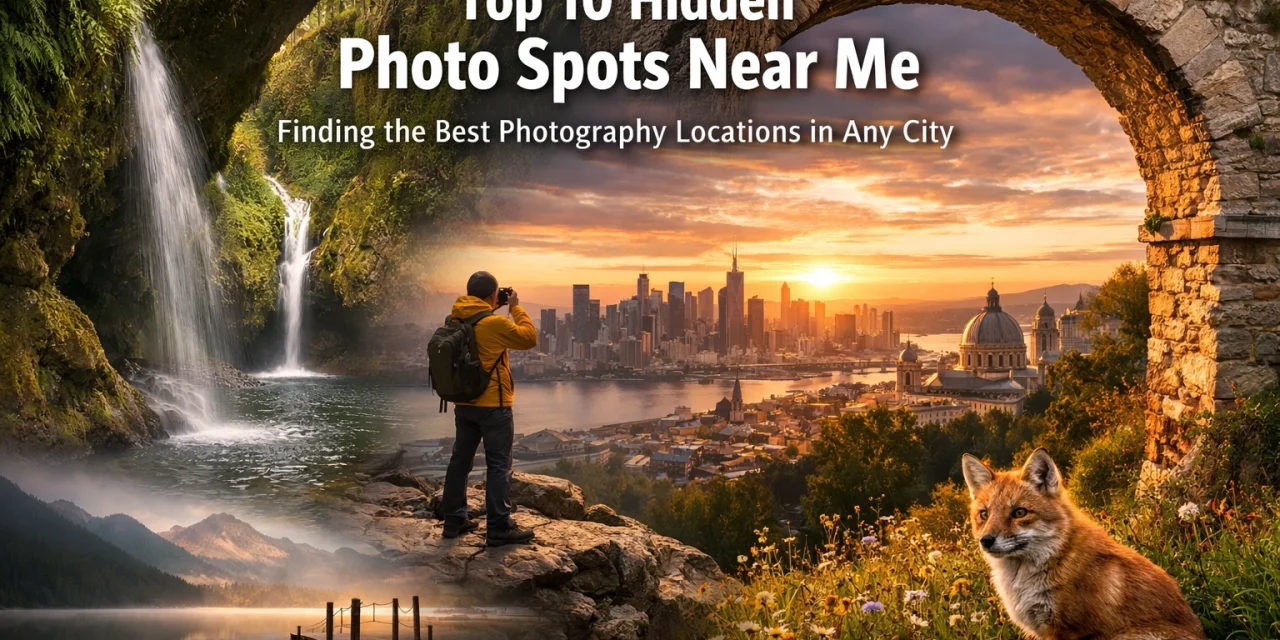
Ever feel like you’ve photographed every square inch of your city? We’ve all been there. You walk out your front door, camera in hand, and everything feels… well, ordinary. The monuments are overshot, the main parks are crowded, and the spark just isn’t there.
But here is the secret: some of the best photography locations in any city aren't the ones on the postcards. They are the quiet corners, the overlooked textures, and the spots that require a little bit of "detective work" to uncover. As we move through 2026, the world of photography is shifting. While AI-generated art is everywhere, there is a massive resurgence in the value of authentic, boots-on-the-ground photography. People crave real places and real stories.
Whether you are scouting for your next fine art print or just looking to level up your Instagram game, here is how you can find those hidden gems right in your own backyard.
The Psychology of Seeing: Overcoming "Local’s Blindness"
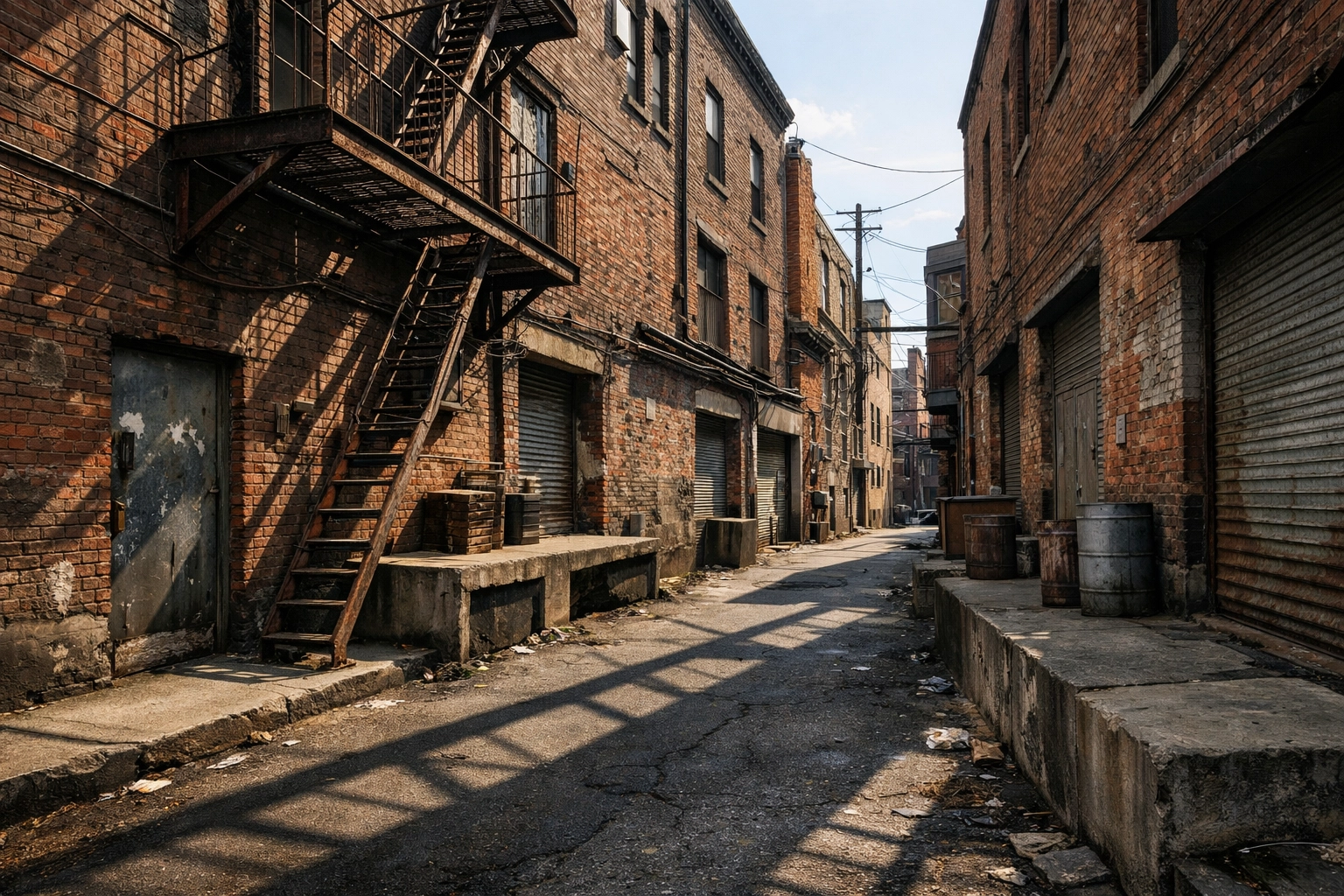
The biggest hurdle to finding new photo spots near you isn’t a lack of locations; it’s "Local’s Blindness." When you live somewhere for years, your brain starts to filter out the environment to save energy. You stop seeing the way the morning light hits a specific brick wall or how the shadows of a fire escape create a perfect geometric pattern.
To find hidden spots, you have to look at your city like a tourist. Take a different route to work. Walk instead of driving. Better yet, go out at 2:00 AM or 5:00 AM when the world looks completely different. When the crowds are gone, the architecture begins to speak.
1. The Industrial Edge: Abandoned Alleys and Loading Docks
Most people see a loading dock or a back alley and think "utility." Photographers see leading lines, grit, and incredible texture. Look for areas on the edge of the "trendy" districts. These spots offer a raw, urban aesthetic that works perfectly for street photography or high-end fashion shoots.
The key here is lighting. Midday sun in an alleyway creates harsh, dramatic shadows that are perfect for black-and-white photography. If you’re looking for gear to handle these high-contrast scenes, check out our latest camera reviews to see which sensors handle dynamic range the best in 2026.
2. Parking Garages: The Ultimate Vantage Point
If you want a panoramic view of the city without paying for a rooftop bar, head to the top floor of a public parking garage. These are some of the most underrated photography locations in any city. Not only do you get a clear view of the skyline, but the brutalist architecture of the garage itself can provide fantastic framing.
Pro tip: Use the concrete ramps for leading lines. If you’re using a drone, parking garages are great "launch pads" (just make sure you’re following local 2026 FAA or local regulations).
3. Botanical Conservatories and "Pocket Parks"
While everyone is at the main city park, look for the smaller "pocket parks" or university botanical gardens. These spots are usually quieter and better maintained. In cities like Tampa, for example, spots like Lettuce Lake Park offer boardwalks and wildlife that feel worlds away from the urban hustle.
These locations are perfect for testing out macro lenses or practicing your bokeh. The controlled environment of a conservatory also allows for year-round shooting, regardless of the weather.
4. Public Libraries and Historic Atriums
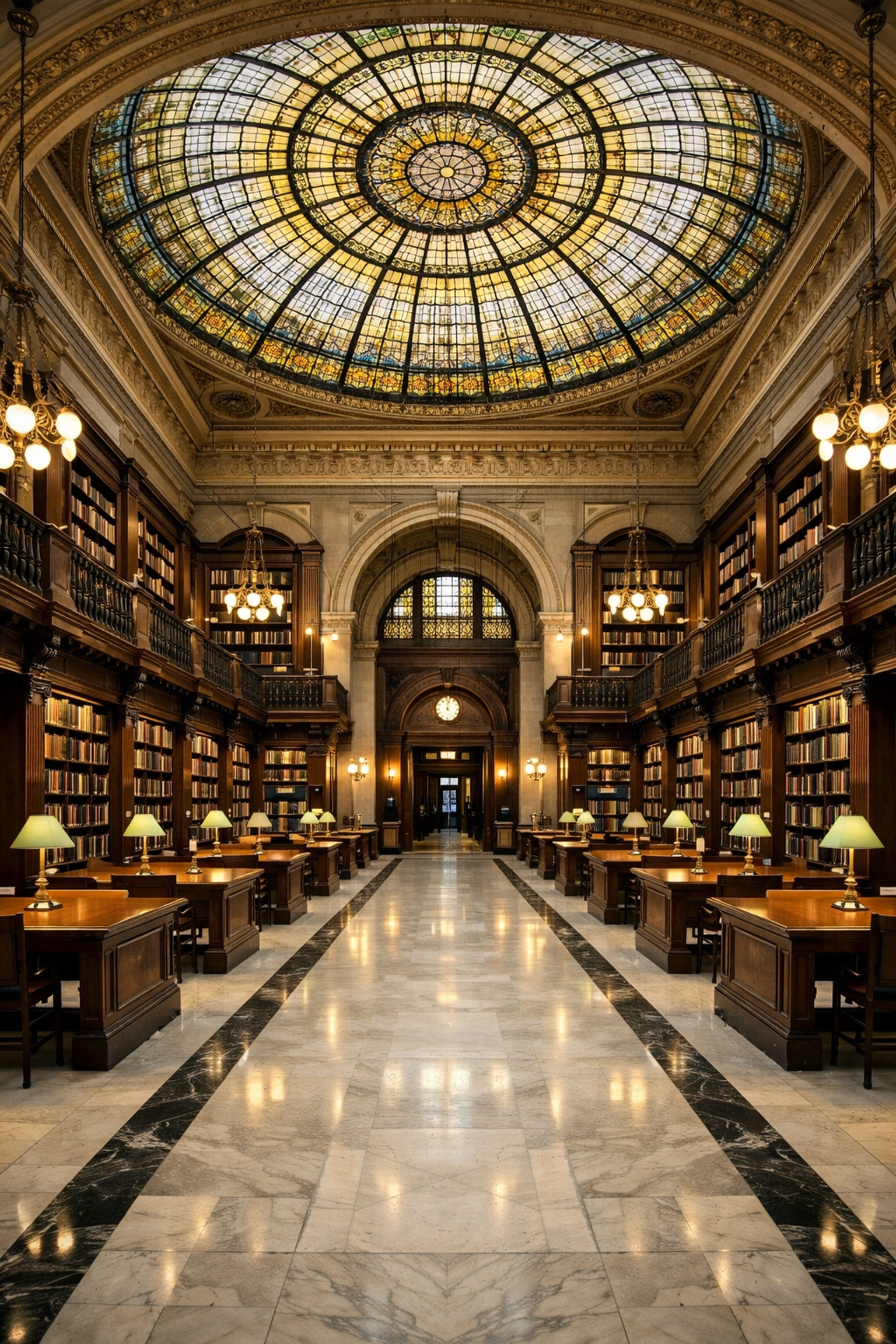
Modern architecture is great, but there is something soul-stirring about old-world craftsmanship. Many public libraries, courthouses, and historic hotels have atriums that are open to the public. The symmetry and scale found in these buildings are a dream for architectural photographers.
Always remember to be respectful. A small, silent camera like a mirrorless setup or a high-end iPhone is your best friend here. If you're looking to improve your indoor technique, our educational guides cover everything from low-light handheld shooting to advanced composition.
5. Transportation Hubs (Off-Peak Hours)
Train stations, subway platforms, and bus terminals are hubs of human energy. In 2026, the "cinematic" look is more popular than ever. To capture it, head to a station during the blue hour. The mix of artificial orange lights and the deep blue of the sky creates a natural color contrast that requires very little editing.
6. The "Third Space": Unique Cafes and Bookstores
The concept of the "third space": somewhere that isn't home or work: is where a lot of city culture lives. Think of ivy-covered bookstores, neon-lit diners, or minimalist coffee shops. These spots are perfect for lifestyle photography. Many of these local businesses are happy to let you shoot if you tag them on social media: it’s a win-win for everyone involved.
7. Construction Sites and Geometric Progress
This might sound strange, but construction sites are a goldmine for abstract photography. The skeletons of new buildings, the stacks of colorful pipes, and the repetition of scaffolding offer shapes you won't find anywhere else. Just stay behind the fence and use a telephoto lens to compress the scene.
8. Rooftop Gardens and Hidden Courtyards
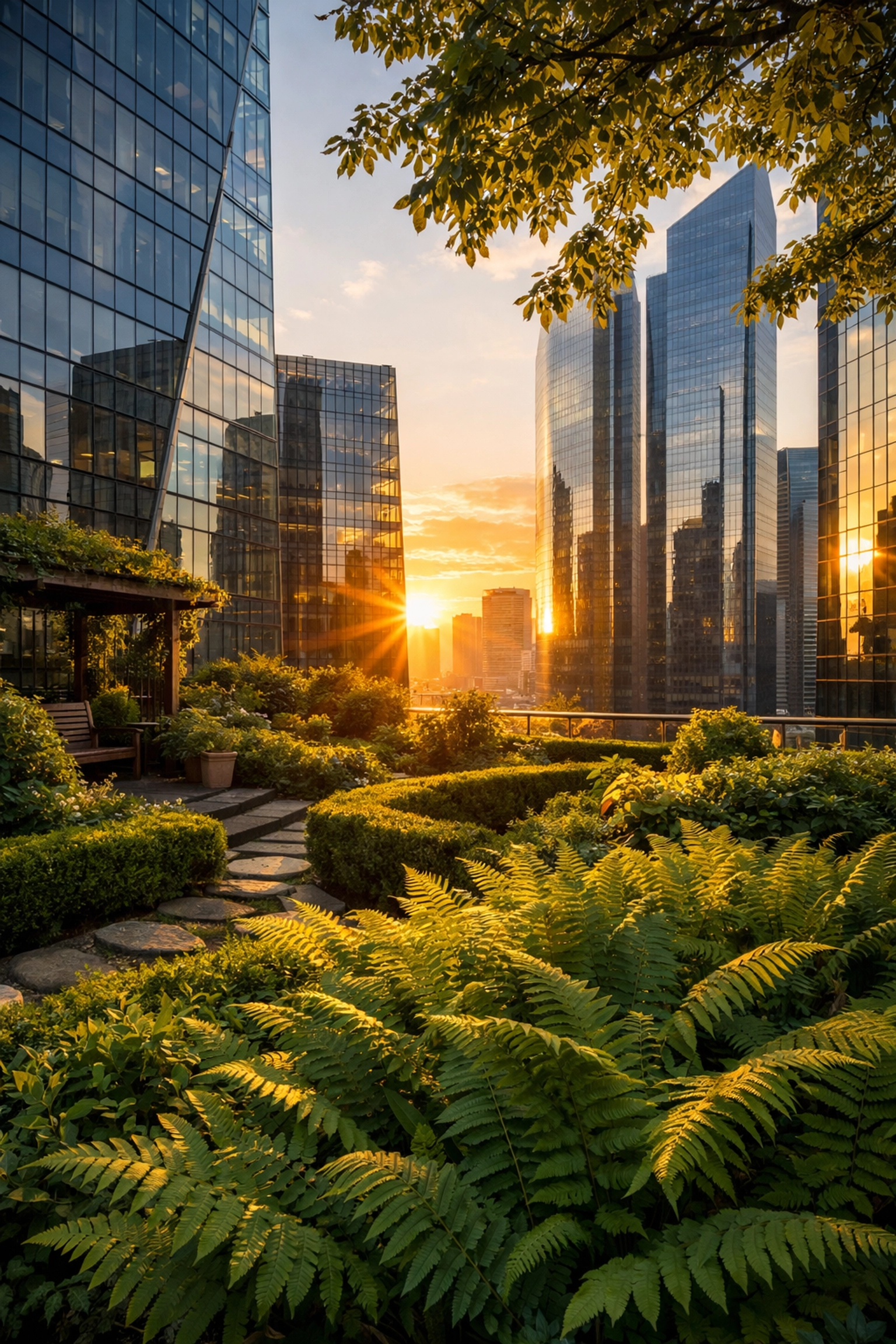
Many modern office buildings have "green roofs" or hidden courtyards that are technically public spaces but are rarely used. These spots offer a unique "jungle in the city" vibe. Use these locations to contrast soft nature against hard steel and glass.
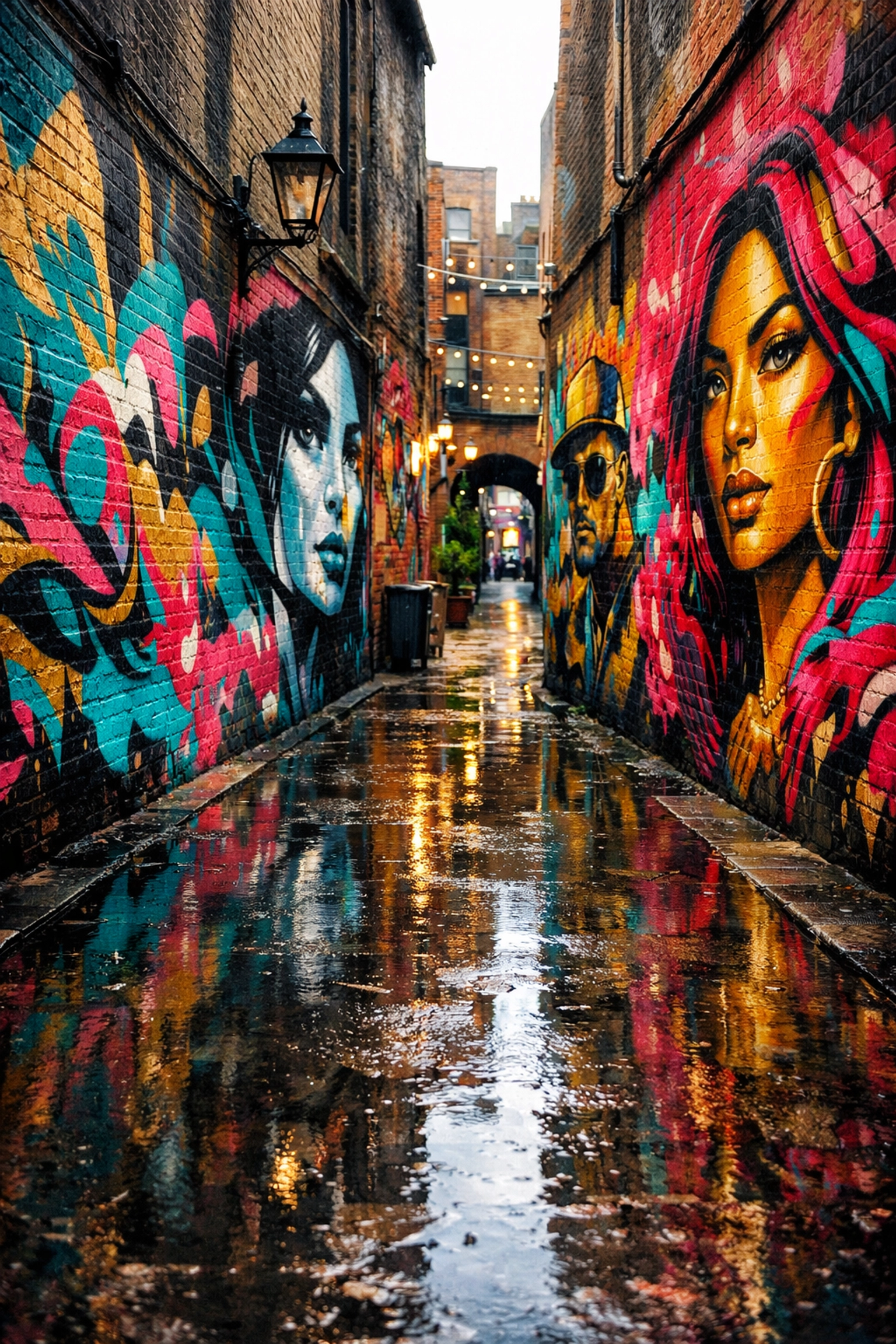
9. Street Art Alleys
Every city has a "mural district," but the hidden spots are the alleys where local artists practice. These spots are constantly changing. What was a blank wall last week might be a masterpiece today. This makes these locations great for repeat visits. For more inspiration on street art photography, you can see some of our work over at Shut Your Aperture.
10. Waterways and Canal Paths
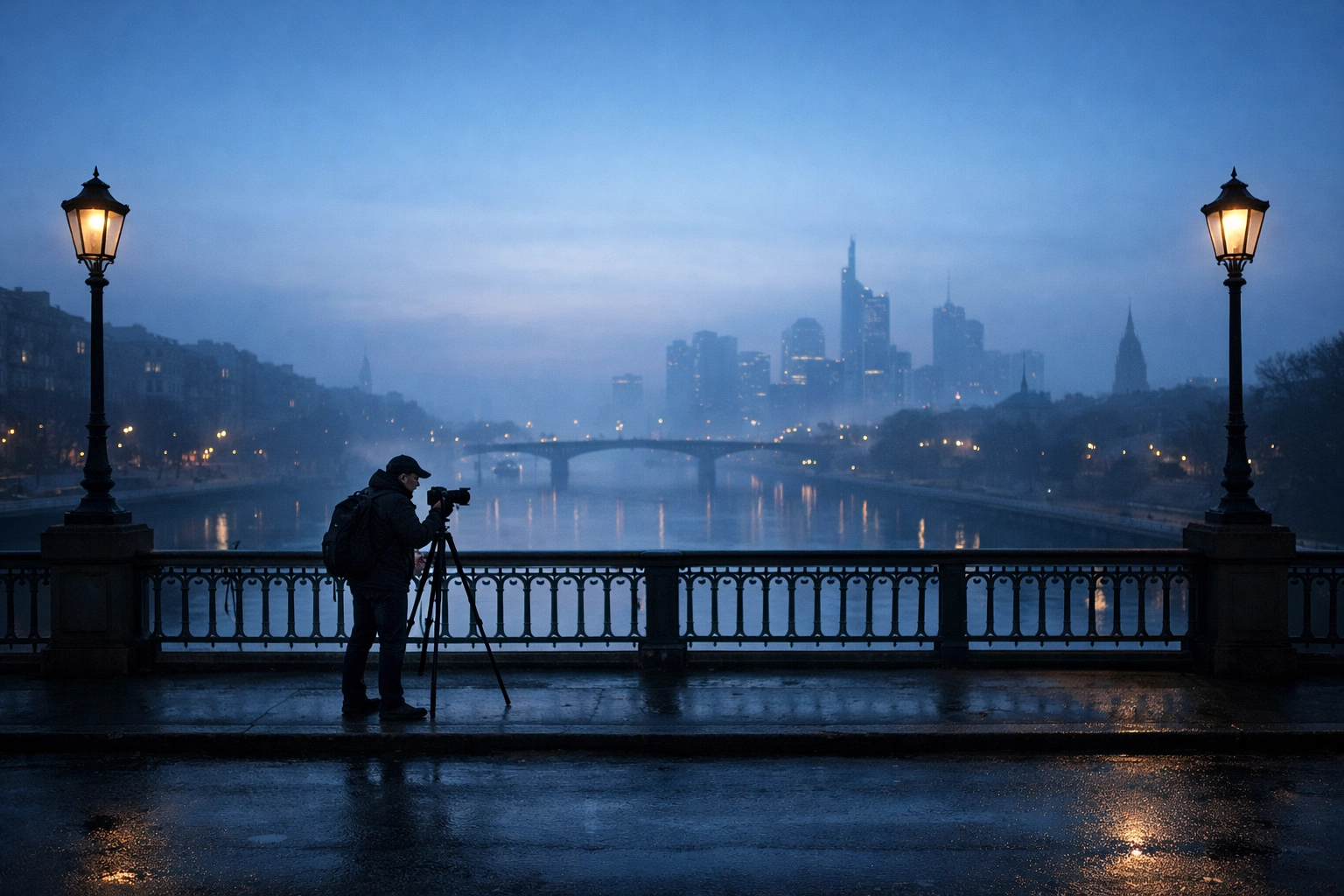
If your city has a river, canal, or lake, skip the main pier and follow the walking paths as far as they go. You’ll often find old bridges, fishing spots, or docks that provide a peaceful, reflective foreground for sunset shots.
Digital Scouting in 2026: AI and Maps
Finding photo spots near you has been revolutionized by AI. In 2026, we aren't just looking at Google Maps; we are using AI-augmented scouting tools. Some apps can now predict exactly where shadows will fall at any given minute of the day based on 3D city models.
You can also use AI to "clean up" your shots. If you find a perfect hidden gem but there’s an ugly trash can in the way, tools like sky overlays and generative fill can help you realize the vision you had in your head. However, at Photoguides, we believe the best shots are the ones where you used your eyes and your heart to find something others missed.
Essential Gear for Local Scouting
When you’re exploring the city, you want to stay light. You don't need a 20lb bag of gear to find hidden gems.
- The "Nifty Fifty": A 50mm prime lens is versatile and forces you to move your feet.
- A Discreet Bag: Don't look like a tourist. A sleek, weather-resistant sling is perfect for urban exploration.
- Smartphone with Pro Features: Don't underestimate the power of your phone. The 2026 flagship phones have sensors that rival pro cameras for social media content.
- Portable Power: Scouting takes time. Make sure you’ve got the juice to keep your GPS and camera running.
For a full list of what we recommend for 2026, see our essential photography gear guide.
Authenticity in the Age of AI
There is a lot of talk about whether AI will replace photographers. But here is the thing: AI can't experience a city. It can't feel the crisp morning air on a waterfront or the excitement of stumbling upon an old neon sign in a forgotten neighborhood. Finding hidden photo spots is about more than just a "cool picture": it's about the journey of discovery.
As you go out this weekend to find your own hidden spots, remember to look up, look behind you, and never be afraid to take the long way home. Your next award-winning shot might be just around the corner, waiting in an alleyway you've passed a hundred times.
If you’re looking for more tips on how to turn your passion into a profession, check out my personal journey on the Edin Chavez Blog.
Final Thoughts
Finding the best photography locations in any city is a skill that you can develop with practice. It's about curiosity and a willingness to explore. So, grab your camera, download our free guides, and get out there. The city is waiting.