
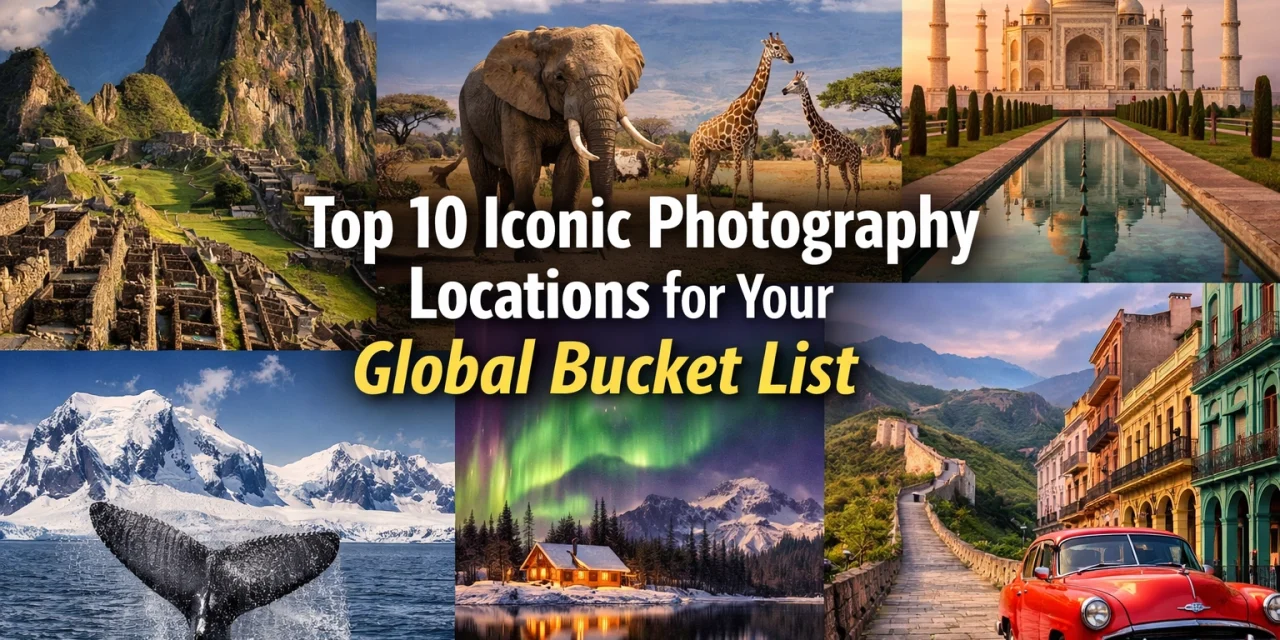
Category: Travel
Let’s be honest: your camera bag is probably staring at you from the corner of the room, begging for an adventure. We’ve all been there: scrolling through endless feeds of perfect sunsets and mountain peaks, wondering where to point our lenses next. If you’re looking to turn that "someday" into "right now," you’ve come to the right place.
At Photoguides, we believe that travel photography isn’t just about the gear; it’s about the story you tell. Whether you’re a seasoned pro or just someone who loves finding the most instagrammable places to share with friends, having a solid bucket list is the first step. To help you plan your next trip, I’ve pulled together the absolute best photography locations across the globe that every photographer needs to experience at least once.
1. The Eiffel Tower, Paris, France
You can’t talk about iconic landmarks without starting in the City of Light. The Eiffel Tower is arguably the most photographed structure in the world, but that doesn’t mean you can’t find a fresh perspective. For the best shots, skip the crowded Trocadéro at noon and head there for sunrise. The soft, pastel Parisian sky provides a dreamlike backdrop that makes your photos look like fine art.
Travel photography tips: Try shooting from the side streets in the 7th Arrondissement to frame the tower with classic Parisian architecture. If you're looking for more inspiration on how to capture European charm, check out some of my favorite prints at Edin Fine Art.
2. The Taj Mahal, Agra, India
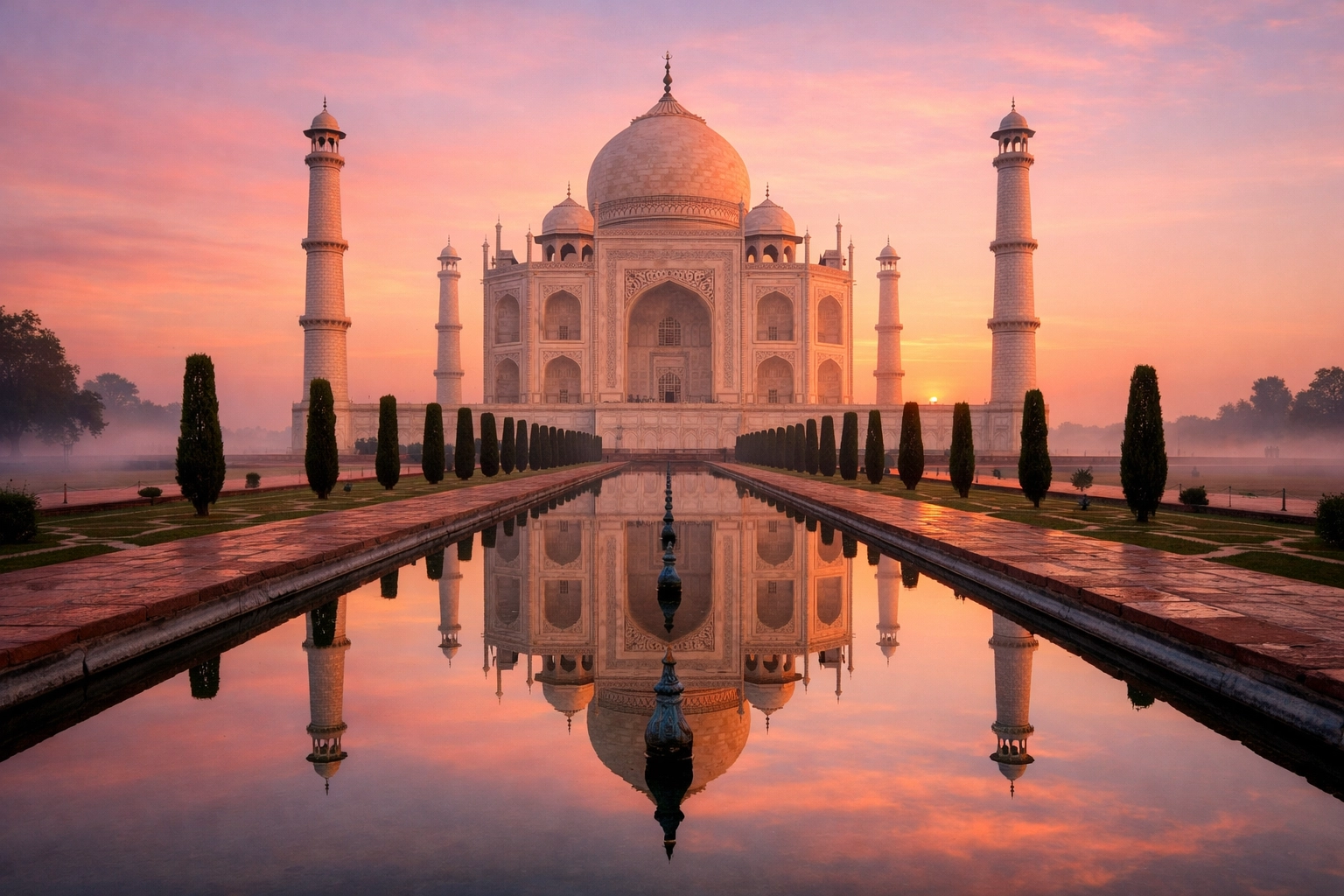
There is something truly spiritual about seeing the Taj Mahal in person. This ivory-white marble mausoleum is a masterclass in symmetry. To get those classic reflecting pool shots without a thousand other tourists in the frame, you’ll want to be first in line when the gates open at dawn.
The light between March and June is particularly soft, making it one of the best photography locations for capturing the subtle color shifts on the marble. Don’t forget to explore the gardens for unique angles that most people miss. To make the logistics easier, you can book a guided sunrise tour here to ensure you’re in the right spot at the right time.
3. Machu Picchu, Cuzco, Peru
Perched high in the Andes, the "Lost City of the Incas" is a place that actually lives up to the hype. The combination of ancient dry-stone walls and dramatic mountain peaks is a photographer’s dream. One of my top travel photography tips for Machu Picchu is to wait for the morning mist to roll through the ruins; it adds a layer of mystery that a clear blue sky just can't replicate.
Before you head out on a high-altitude trek like this, make sure your kit is up to the task. You can find our latest gear recommendations over at Shut Your Aperture or browse our essential photography gear list.
4. Sagrada Familia, Barcelona, Spain
Antoni Gaudí’s masterpiece is unlike any other building on earth. While the exterior is breathtaking, the interior is where the magic really happens. The way the stained glass windows filter the light creates a forest of colors across the stone columns. It’s easily one of the most instagrammable places in Europe, but it requires a bit of technical skill to capture the high contrast between the shadows and the vibrant lights.
5. Big Ben & Westminster, London, UK
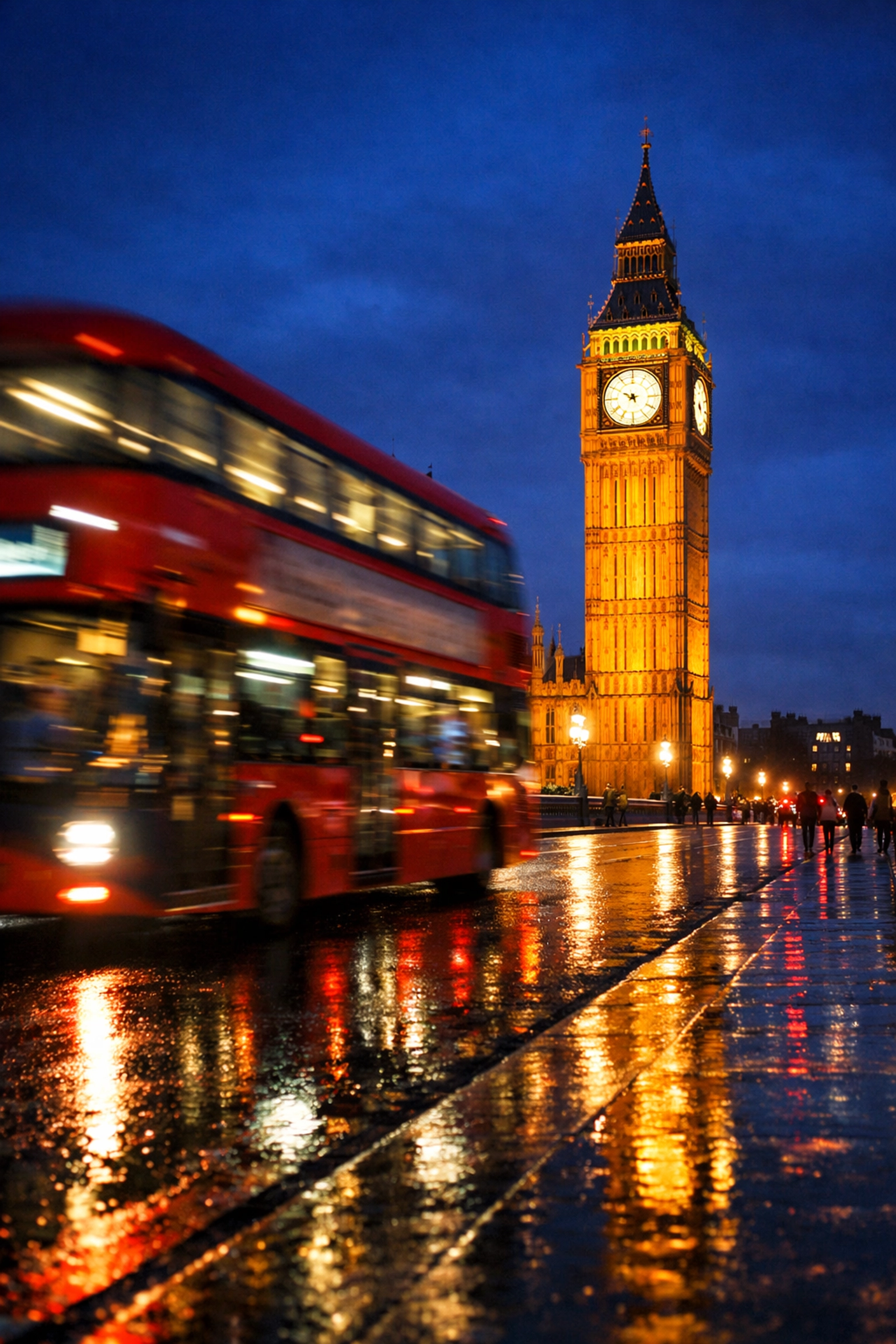
London has a mood all its own, especially when the fog rolls off the Thames. Big Ben (the Elizabeth Tower) is the anchor of any London photography session. For a classic shot, use a slow shutter speed to capture the movement of a red double-decker bus crossing Westminster Bridge. It adds a sense of "life" to your static architectural shots.
If you're planning a quick trip to the UK, you might also find some great ideas in our guide to cheap weekend getaways.
6. Burj Khalifa, Dubai, UAE
If you like scale, Dubai is your playground. The Burj Khalifa is the tallest building in the world, and capturing its full height requires a very wide-angle lens: or a lot of distance. For a truly spectacular shot, head to the Dubai Fountain at night. The combination of the illuminated tower, the dancing water, and the city lights is pure gold for your portfolio.
7. The Colosseum, Rome, Italy
The Eternal City is a treasure trove of history, but the Colosseum remains its crown jewel. To avoid the midday harsh sun, aim for a "blue hour" shoot just after sunset. The internal lights of the arches turn on, creating a beautiful golden glow that contrasts perfectly with the deep blue sky. For more in-depth advice on capturing historic sites, I often post detailed walkthroughs on my personal blog.
8. The Alhambra, Granada, Spain
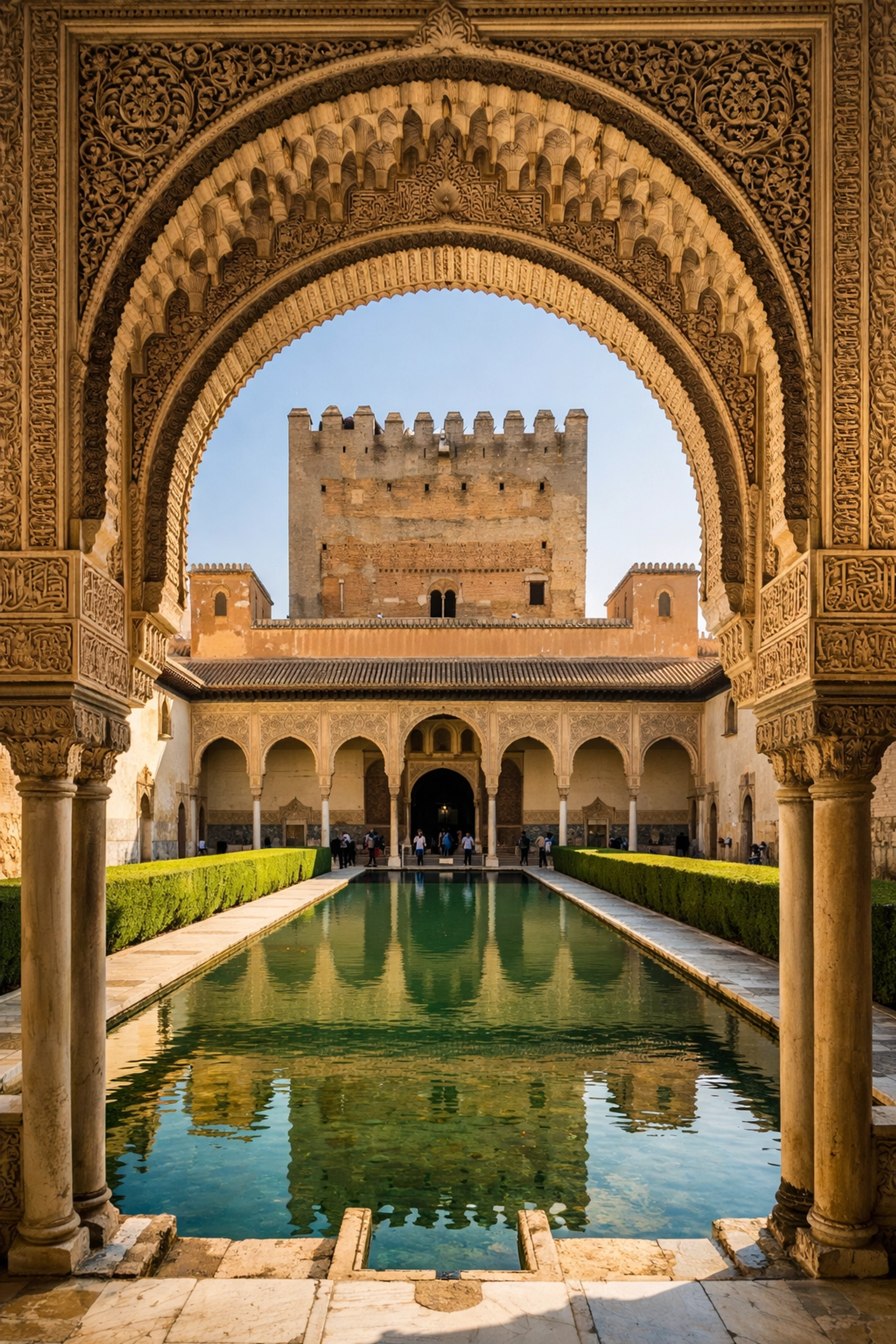
The Alhambra is a complex of palaces and fortresses that showcases some of the most intricate Islamic art in the world. The geometry and patterns here are mind-blowing. When shooting here, look for reflections in the still pools of the Court of the Myrtles. It’s all about the details: the carvings, the tiles, and the way the light hits the Sierra Nevada mountains in the distance.
9. Mont Saint-Michel, Normandy, France
Rising out of the sea like a fairytale kingdom, Mont Saint-Michel is a masterpiece of medieval architecture. Because it’s an island subject to the tides, the landscape changes every few hours. This is one of the best photography locations for long-exposure photography. Using a tripod and a neutral density filter will allow you to smooth out the water, making the abbey look like it’s floating on a mirror.
If you’re wondering how to edit these kinds of moody sky shots, you can actually download sky overlays from our site to give your images that extra "oomph."
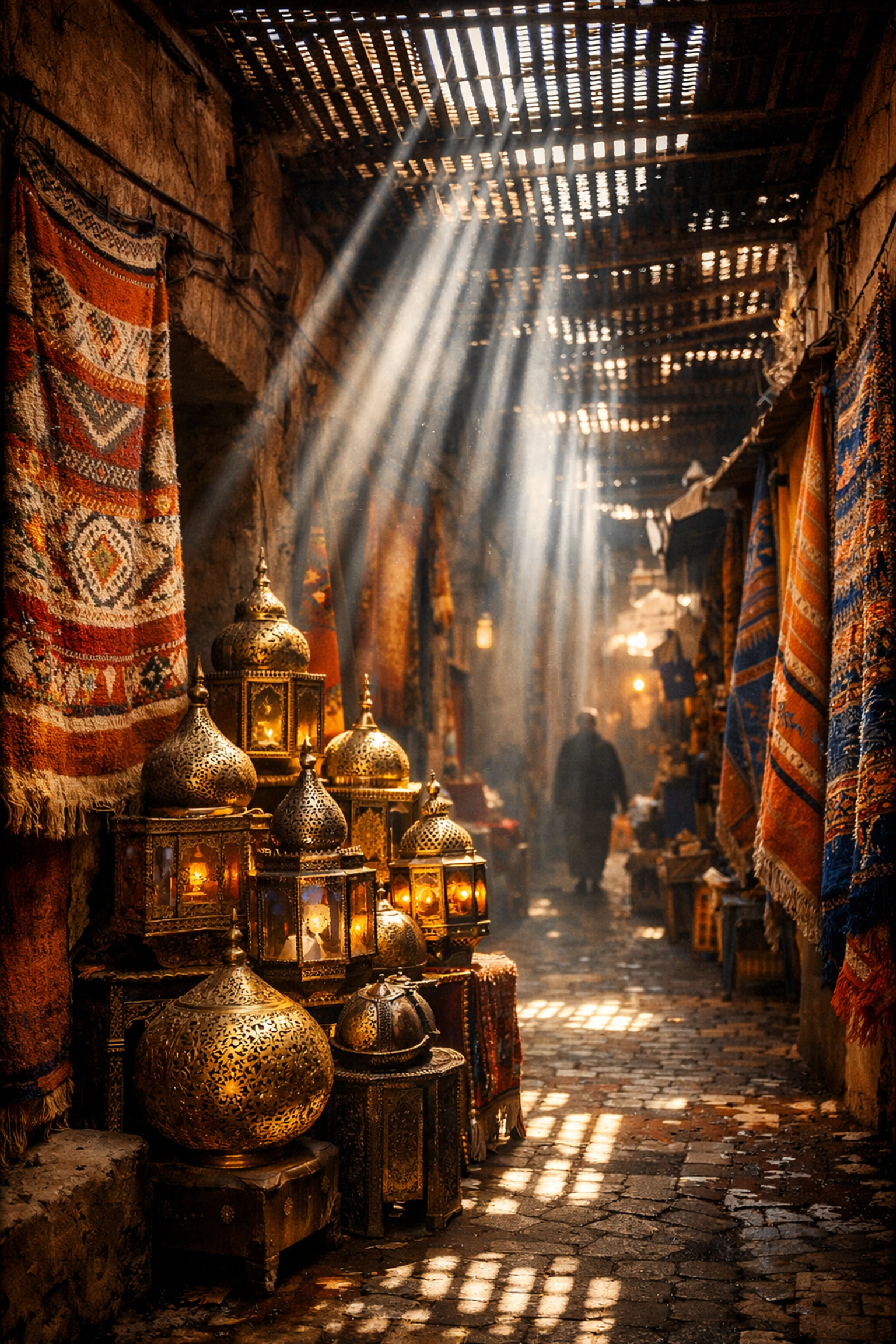
10. The Marrakech Medina, Morocco
Marrakech is an assault on the senses in the best way possible. The Medina is a labyrinth of narrow alleys, vibrant spices, and stunning doorways. This is the place for street photography. The "God rays" that seep through the slatted wooden roofs in the souks are iconic. Just remember to be respectful: always ask for permission before taking a close-up portrait of the locals.
Pro Tips for Your Global Photo Trek
Going to these places is one thing; coming back with world-class photos is another. Here are a few things to keep in mind:
- Do Your Homework: Check sunset and sunrise times before you arrive. I use apps to track exactly where the sun will be hitting the buildings.
- Travel Light: You don’t need every lens you own. A versatile 24-70mm and a wide-angle are usually enough for most travel scenarios.
- Reassure Yourself: Don’t get discouraged if the weather doesn't cooperate. Sometimes a stormy sky over the Eiffel Tower is more unique than a sunny one.
- Experience the Moment: Put the camera down for five minutes. Take a breath. If you don't enjoy the place, it’ll show in your photos.
To make sure your trip is as smooth as possible, I highly recommend checking out Viator for local tours and experiences. They have amazing local guides who can often get you into spots you wouldn't find on your own.
Ready to Pack Your Bags?
Each of these locations offers something unique, from the ancient stones of Peru to the futuristic skyline of Dubai. The world is a massive, beautiful place, and there’s no better way to see it than through a viewfinder.
If you’re looking to sharpen your skills before you head out, browse through our educational category for more tutorials. And if you’re looking to upgrade your body or glass before the big trip, our camera reviews 2024 is a great place to start your research.
Wherever you end up, remember that the best photo is the one that captures how the place felt to you. Happy shooting!













