
Category: Foodies
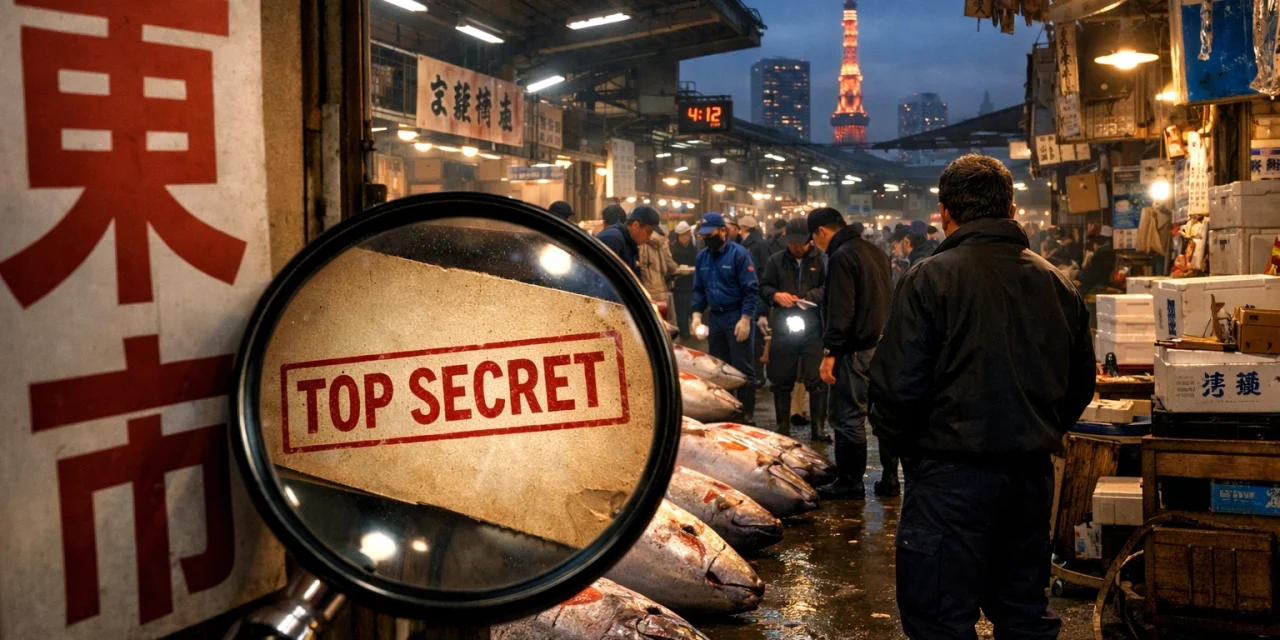
Welcome back to day four of our 14-day deep dive into the culinary heartbeat of Tokyo. If you’ve been following along, we’ve already braved the neon chaos of Akihabara and sampled the high-end delicacies of Ginza. But today, we’re heading to the legendary Tsukiji.
Now, I know what you’re thinking. "Penny, didn't Tsukiji close down years ago?"
That is the first "secret" the internet keeps getting wrong. While the famous inner market, the one with the high-stakes tuna auctions and those motorized carts that would run you over without a second thought, moved to Toyosu in 2018, the Tsukiji Outer Market is still very much alive, kicking, and smelling faintly of the best soy sauce you’ve ever tasted.
In fact, it’s better than ever for foodies like us. But if you want to experience it without looking like a lost tourist holding a soggy map, you need the inside scoop. Here is what the experts don't always tell you.
The Secret of the "Construction"
To understand Tsukiji, you have to understand that the land itself shouldn't exist. The word "Tsukiji" literally translates to "constructed land." Back in 1657, after the Great Fire of Meireki leveled half of Edo (old Tokyo), the shogunate decided they needed more room. They used the rubble from the fire to reclaim land from the bay.
The fish market didn't even move here until 1935, after another disaster, the 1923 Great Kantō earthquake, destroyed the original market in Nihonbashi. Why does this matter? Because the market was born out of resilience. When you walk these narrow alleys, you aren’t just looking for a snack; you’re walking on history that was literally forged in fire.
Timing is Everything (And Most People Get It Wrong)
The most common advice you’ll hear is: "Get there at 5:00 AM!"
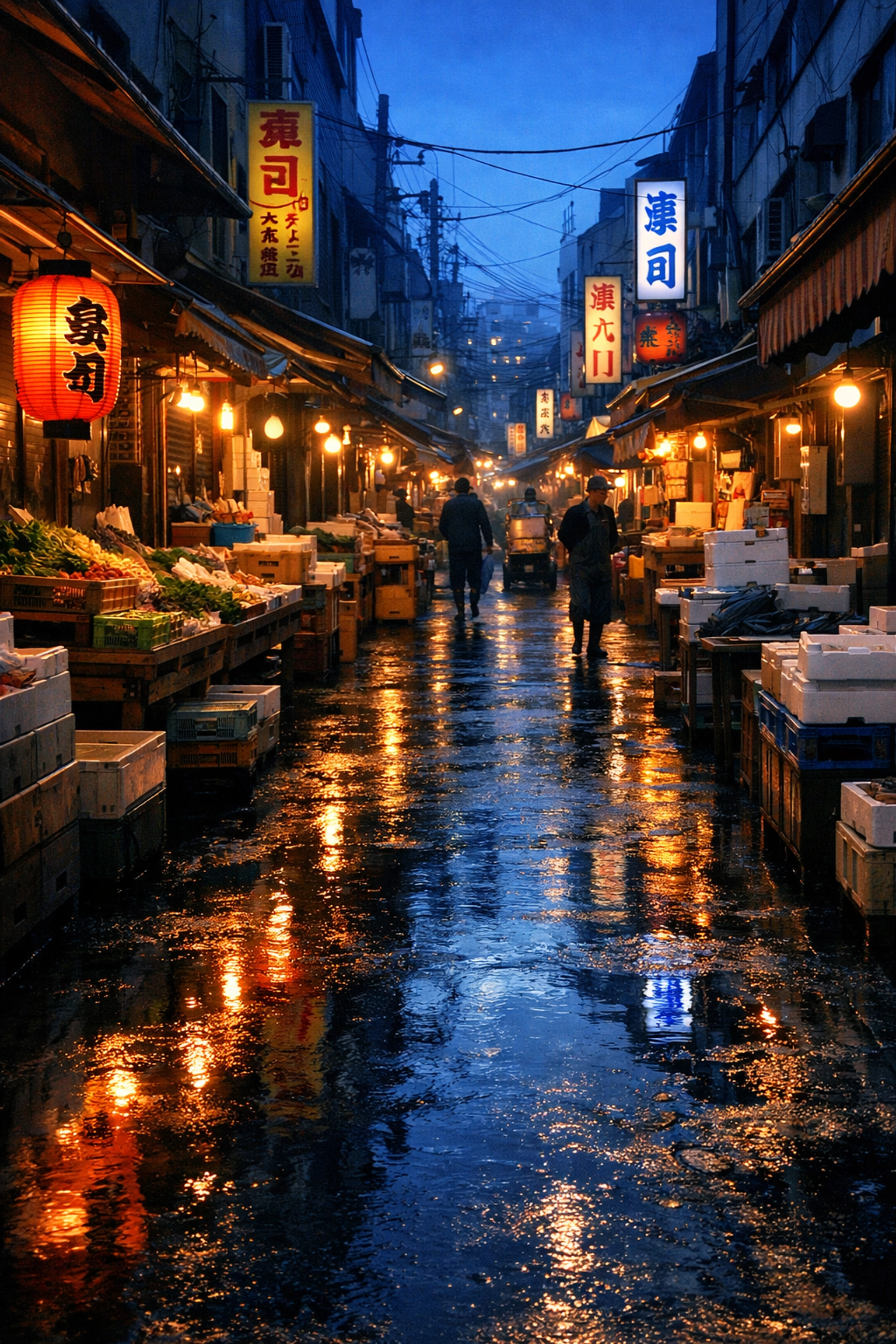
Unless you are trying to buy a 400-pound tuna for your own private sushi empire at the new Toyosu market, please, for the love of all things holy, sleep in a little. The Outer Market at Tsukiji doesn't really hit its stride until about 8:00 AM or 9:00 AM.
If you show up at the crack of dawn, half the street food stalls are still setting up, and you’ll be standing in the cold wondering where the party is. However, if you show up after 11:00 AM, the best fatty tuna (Otoro) is gone, and the crowds become a literal wall of humanity.
Pro Tip: Aim for 8:30 AM. You’ll beat the massive tour groups, the fish is fresh, and the energy is electric. If you want to make sure you're hitting the right spots at the right time, I highly recommend booking a food tour through Viator. Having a local guide navigate these labyrinths is a game-changer.
It’s Not Just About the Fish
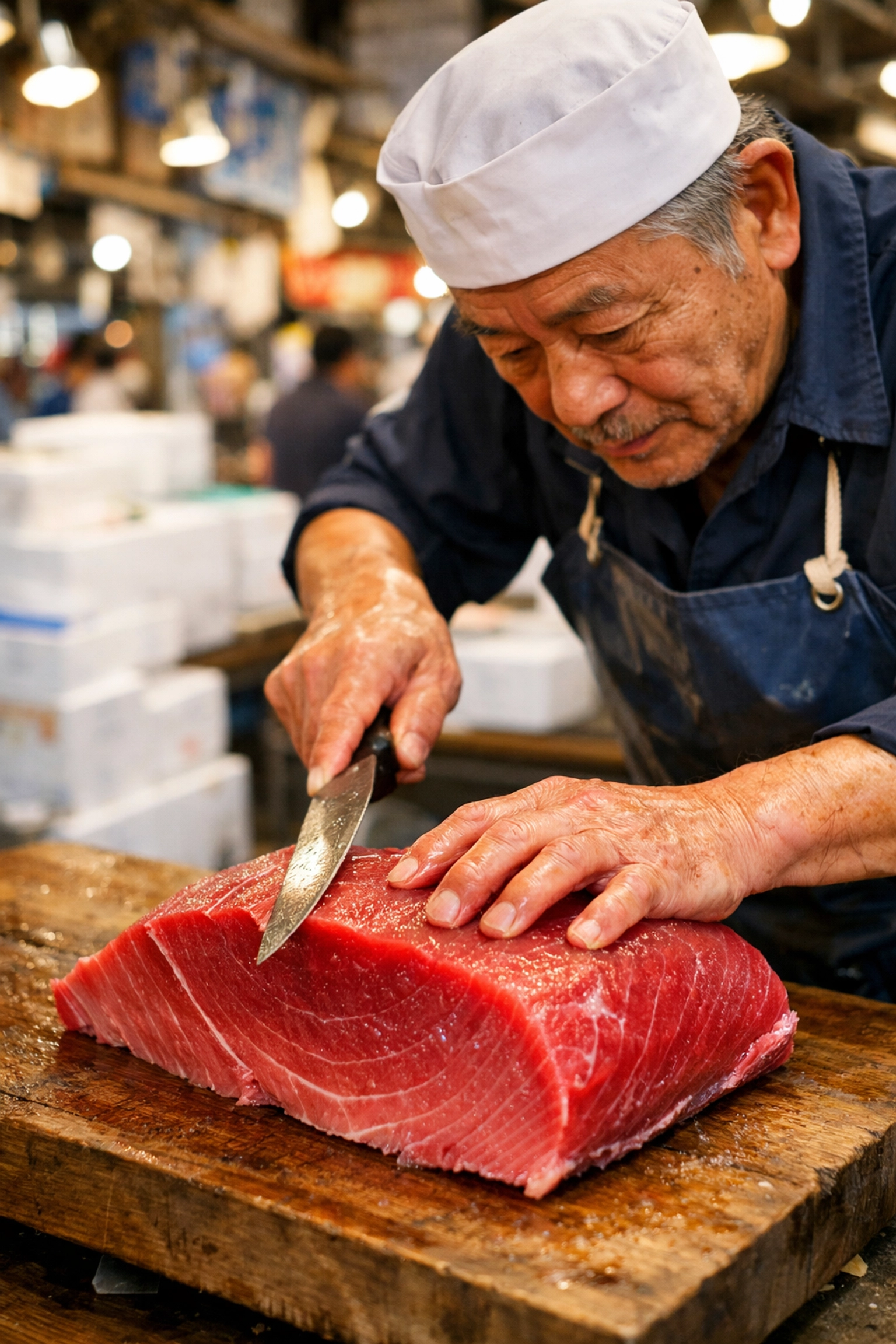
This is the "secret" that professional chefs try to keep to themselves. While the tourists are lining up for two hours to get a bowl of chirashi sushi, the pros are tucked away in the back corners of the Outer Market buying the world's best kitchen tools.
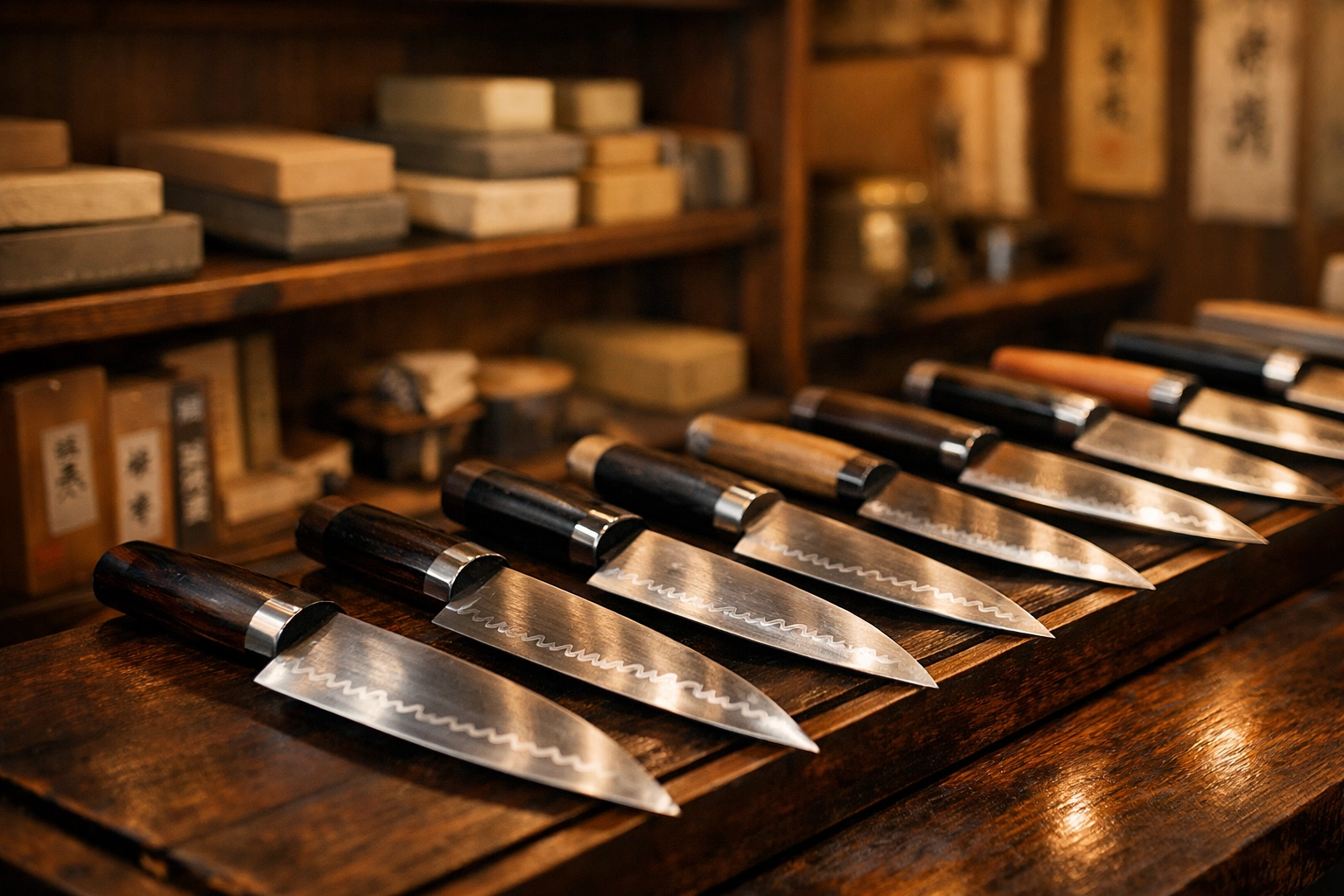
Tsukiji is home to some of the most legendary knife shops on the planet. I’m talking about blades that can slice through a tomato so cleanly the tomato doesn’t even realize it’s been cut. Shops like Masamoto and Azuma Minamoto no Kotane have been around for generations.
But it’s not just knives. You can find hand-crafted ceramics, high-end dried bonito flakes (katsuobushi), and authentic wasabi roots that look like gnarled space vegetables. If you’re a photographer, these shops offer incredible textures and "lifestyle" shots that go way beyond a simple plate of food. If you're looking to upgrade your own kit before the trip, check out these essential photography gear recommendations to make sure your macro shots of that wasabi are tack-sharp.
The "Wave Protection" Shrine
Hidden in plain sight on the edge of the market is the Namiyoke Inari Shrine. Its name literally means "protection from waves." When they were originally reclaiming this land in the 1600s, the waves kept washing away the dirt. Legend says they found a statue of a god floating in the water, built a shrine for it, and the waves suddenly stopped.
Experts know that this is the best place to find a moment of Zen when the market crowds get too intense. It’s also where you’ll find some unique "funerary" markers for things like eggs, sushi, and shrimp, placed there by the merchants to show gratitude to the lives of the creatures that sustain their business. It’s a beautiful, slightly haunting piece of Japanese culture that most people walk right past.
The Street Food "Must-Haves"
Forget the sit-down restaurants for a second. The real magic of Tsukiji is the street food. Here is what you actually need to eat:
- Tamagoyaki (Japanese Omelet): You’ll see several stalls selling these on sticks for about 100-150 yen. They are sweet, savory, and fluffy. Yamacho is a fan favorite. Watching them flip the eggs with giant chopsticks is a feat of manual dexterity that deserves its own Olympic sport.
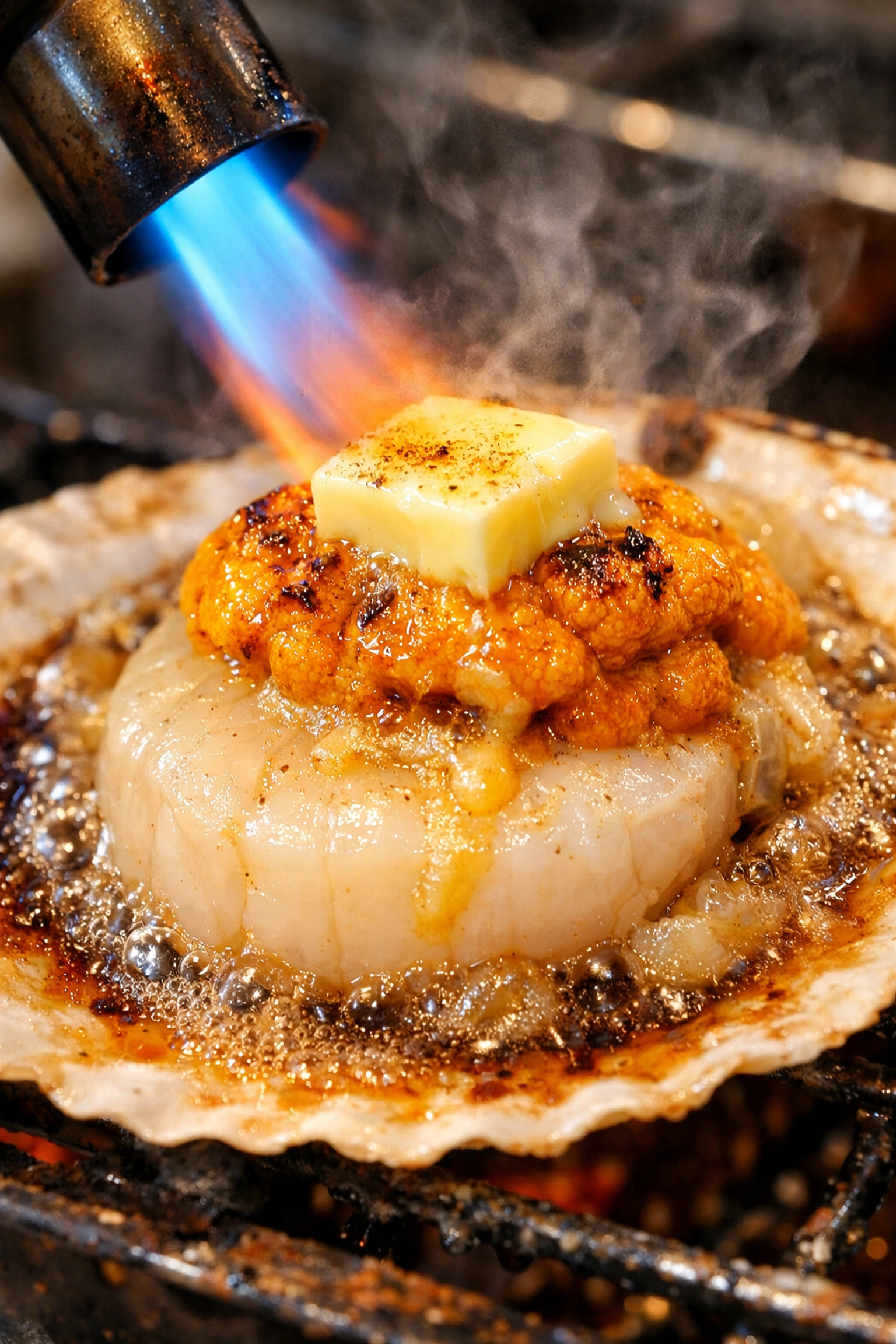
- Grilled Scallops with Uni: You’ll find vendors torching giant scallops in their shells, topped with a dollop of sea urchin and a square of butter. It is decadent, messy, and worth every yen.
- Strawberry Mochi: For a palate cleanser, look for the stalls selling giant white mochi stuffed with a whole, bright red strawberry. It’s the perfect contrast of textures.
Capturing these food moments requires a quick eye. If you're struggling with your food photography, you might want to dive into some educational guides to learn how to handle the tricky lighting of those covered market stalls.
A Note for the Photographers
If you’re like Edin and the rest of the crew here at Photoguides, you aren’t just there to eat, you’re there to capture the soul of Tokyo. Tsukiji is a masterclass in environmental portraiture. The weather-worn faces of the fishmongers, the steam rising from the giant crab legs, and the reflection of neon signs in the melted ice on the ground are goldmines for your portfolio.
However, don't be "that person." Don't stick a giant lens in a merchant's face while they are trying to work. Buy a piece of sashimi first, give them a nod, and then ask for a photo. It goes a long way. For more tips on how to handle street photography in foreign countries, I always suggest checking out Shut Your Aperture for some community wisdom.
And if you’re looking for a bit more inspiration for your next trip, Edin’s personal work at Edin Fine Art shows exactly how to turn a travel moment into a piece of gallery-worthy art.
Why You Shouldn't Do It Alone
I’ve been to Tsukiji more times than I can count, and I still get lost. There’s a specific "rhythm" to the place that takes time to learn. If you only have one morning in the area, don’t spend it looking at Google Maps.
By booking a food tour through Viator, you get the "secrets" handed to you on a silver platter (or a cedar board). These guides know which stalls are the real deal and which ones are just tourist traps selling frozen fish from halfway across the world. Plus, they can help translate exactly what kind of mysterious sea creature you're about to put in your mouth.
Final Thoughts
Tsukiji Market is a survivor. It survived fires, earthquakes, and a massive relocation that many thought would be its death knell. But the Outer Market remains the "Kitchen of Tokyo." It’s a place where tradition meets the modern appetite, and where every bite tells a story of 400 years of reclaimed land and resilient spirits.
So, set your alarm (for 8:00 AM, remember!), grab your camera, and get ready to eat some of the best food of your life. And hey, if you find a secret stall I didn't mention, keep it under your hat: or better yet, tell me about it on the Photoguides blog.
Tomorrow, we’re heading to Harajuku to see if the street food is as "kawaii" as everyone says. Spoiler alert: it involves a lot of rainbow-colored cheese. See you then!
Planning your own photography adventure? Check out our photography booking experience to see how we can help you capture your next big trip.













