Category: Foodies
Welcome to day four of our 14-day deep dive into the culinary labyrinth of Tokyo. If you’ve been following along, we’ve already hit the neon-soaked themed cafes of Akihabara and the high-end sushi counters of Ginza. But today, we’re going to the place that everyone thinks they know, but very few actually understand: Tsukiji.
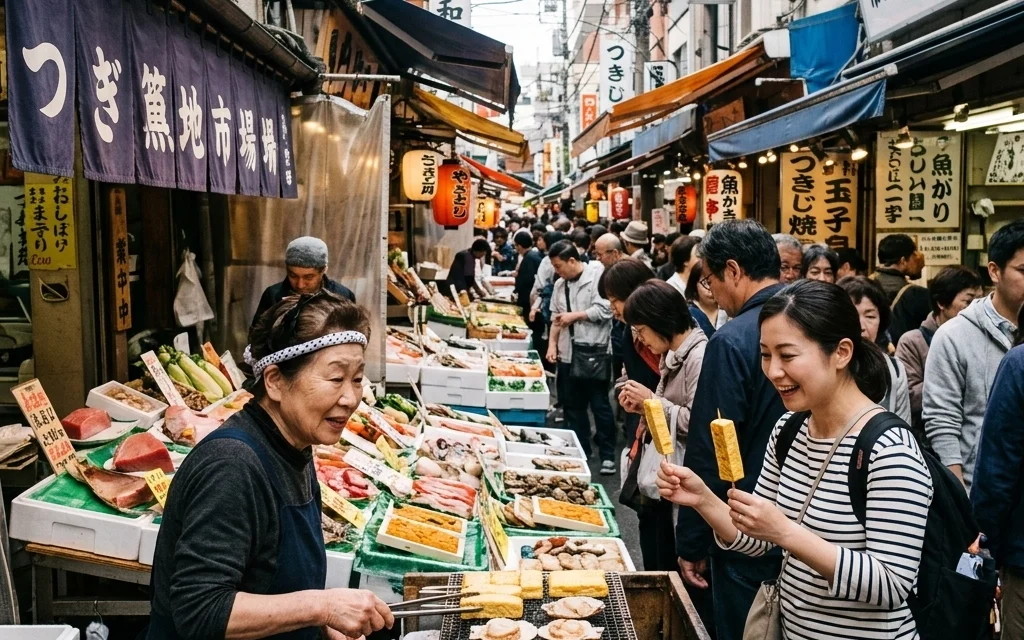
Now, before we get into the nitty-gritty, let’s clear up the biggest misconception in the travel world. People will tell you, "Oh, Tsukiji is closed! It moved to Toyosu!" Listen, those people are technically correct but practically wrong. Yes, the wholesale inner market and the famous tuna auction moved to the shiny, sterile facility in Toyosu back in 2018. But the Tsukiji Outer Market? It’s still right where it’s always been, and honestly, it’s better than ever.
While the tourists are waking up at 3:00 AM to stand behind glass partitions in Toyosu, the real foodies are sleeping in, grabbing their cameras, and heading to the Outer Market for a breakfast that will change their lives. As someone who spends a lot of time looking through a lens at Photoguides, I can tell you that the textures, colors, and raw energy of Tsukiji are a photographer’s dream.
The "Secret" Timing: Why 9:00 AM is Your Golden Hour
One of the best-kept secrets of the Outer Market is that you don’t actually have to be there at the crack of dawn. In fact, if you show up at 5:00 AM, you’re mostly just getting in the way of professional chefs who are grumpy, caffeinated, and carrying very sharp knives.
The sweet spot is between 9:00 AM and 1:00 PM. By 9:00 AM, the bulk of the professional wholesale business has wrapped up, and the vendors shift their focus to us, the hungry mortals. This is when the street food stalls are in full swing, the lines are manageable, and the "limited-run" items are still available.
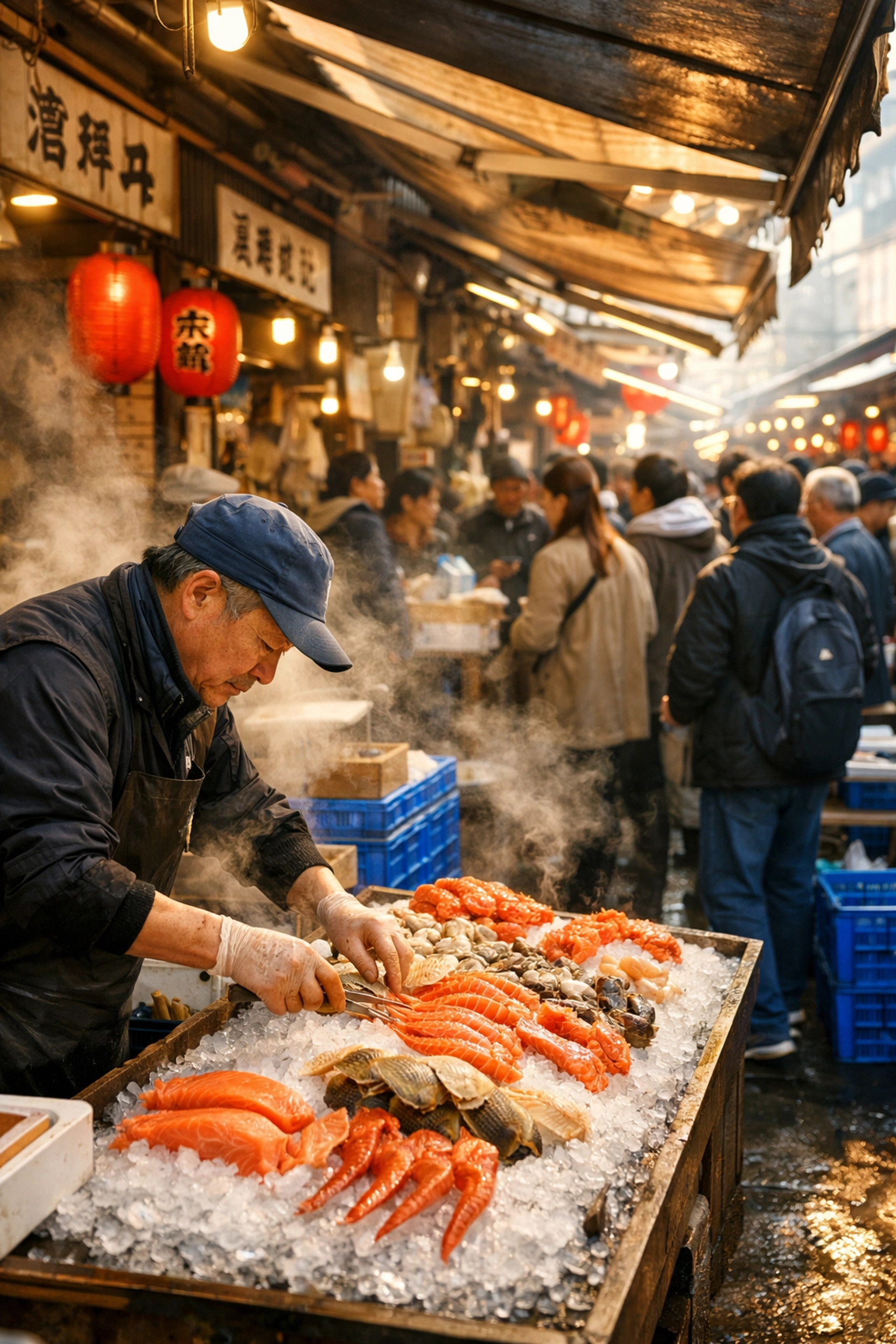
If you want to navigate this madness without feeling like a lost tourist, I highly recommend booking a food tour through Viator. Having a local guide explain exactly what you’re eating (and more importantly, how to eat it without offending anyone) is a total game-changer. Plus, they know which stalls are the tourist traps and which ones are the hidden gems that have been family-owned for four generations.
What to Eat: Beyond the Basic Sushi Roll
Everyone goes to Tsukiji for sushi. And yes, the sushi is incredible. But the real secrets are the items the locals are queuing for.
1. The 100-Yen Tamagoyaki
You’ll see several stalls specialized in Japanese rolled omelets. Look for the one with the longest line of locals. For about 100 or 150 yen, you get a warm, sweet, savory block of egg on a stick. It’s the ultimate Tsukiji breakfast. It’s simple, but the technique required to layer those eggs is a form of art. If you’re into food photography, the steam rising off a fresh tamagoyaki in the morning light is a shot you can't miss. Check out some of our camera reviews for 2024 to make sure you have the right gear to capture those macro food shots.
2. Grilled Scallops with Uni (Sea Urchin)
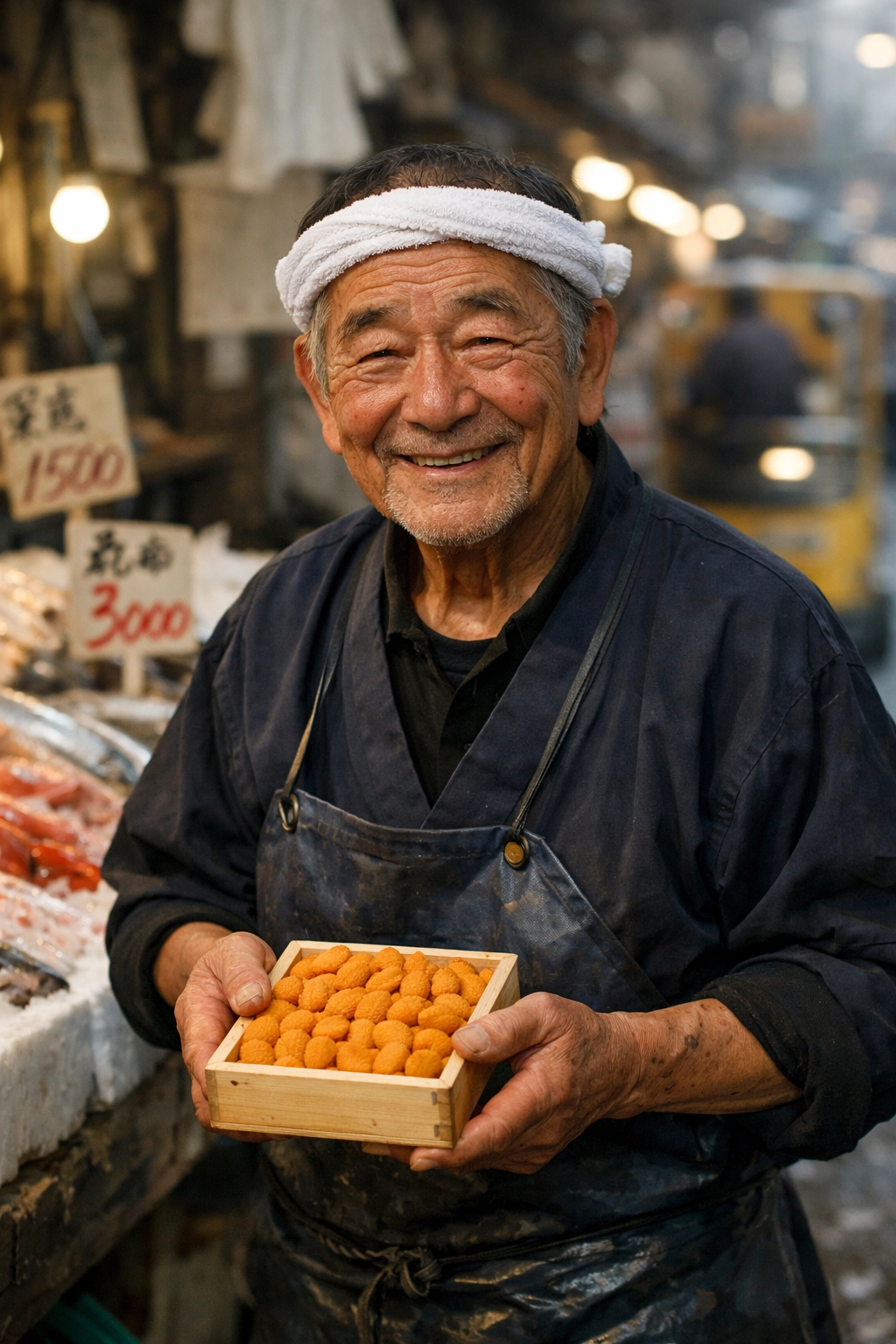
This is the "expensive" street food, but it’s worth every yen. Vendors take a giant scallop, grill it in its shell over an open flame with a bit of butter and soy sauce, and then top it with a generous dollop of fresh uni. It’s decadent, creamy, and salty. It’s the kind of thing you’d pay $50 for in a New York bistro, but here you eat it standing up while a delivery cart zooms past your toes.
3. Onigiri from Marutoyo
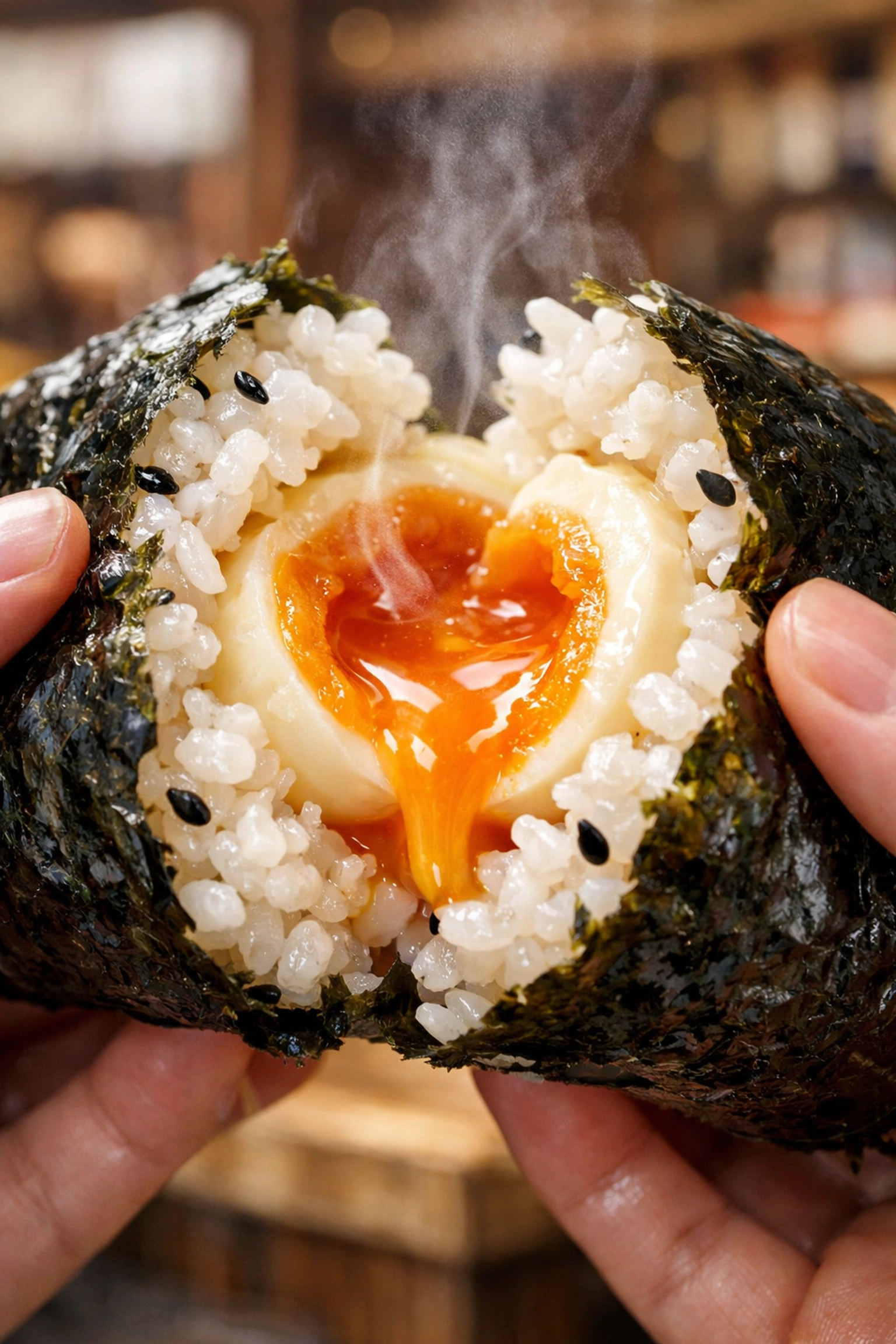
This stall is legendary. They make giant rice balls filled with everything from spicy cod roe to fatty tuna. The "secret" here is the Bakudan (The Bomb): an onigiri with a whole soft-boiled egg hidden inside. It’s messy, it’s filling, and it’s the best fuel for a day of walking around Tokyo.
The Photographer’s Perspective: Gear and Etiquette
Tsukiji is a working market. It’s cramped, it’s wet, and it moves fast. This is not the place to bring your massive tripod and three different telephoto lenses. If you want to capture the essence of the market, you need to be mobile.
I usually recommend a compact mirrorless camera with a fast 35mm or 50mm prime lens. You want to be able to snap a shot and get out of the way. If you’re looking for the right setup, peek at our essential photography gear guide. And remember, always ask before taking a close-up photo of a vendor. A simple nod and a "Sumimasen?" goes a long way.
If you're serious about your craft, check out Shut Your Aperture for some more technical tips on street photography in crowded environments. The lighting in the covered alleys of Tsukiji can be tricky, with harsh sunlight hitting the edges and deep shadows in the stalls. You’ll need to master your exposure settings to keep from blowing out those highlights on the fresh fish.
Shopping for More Than Just Fish
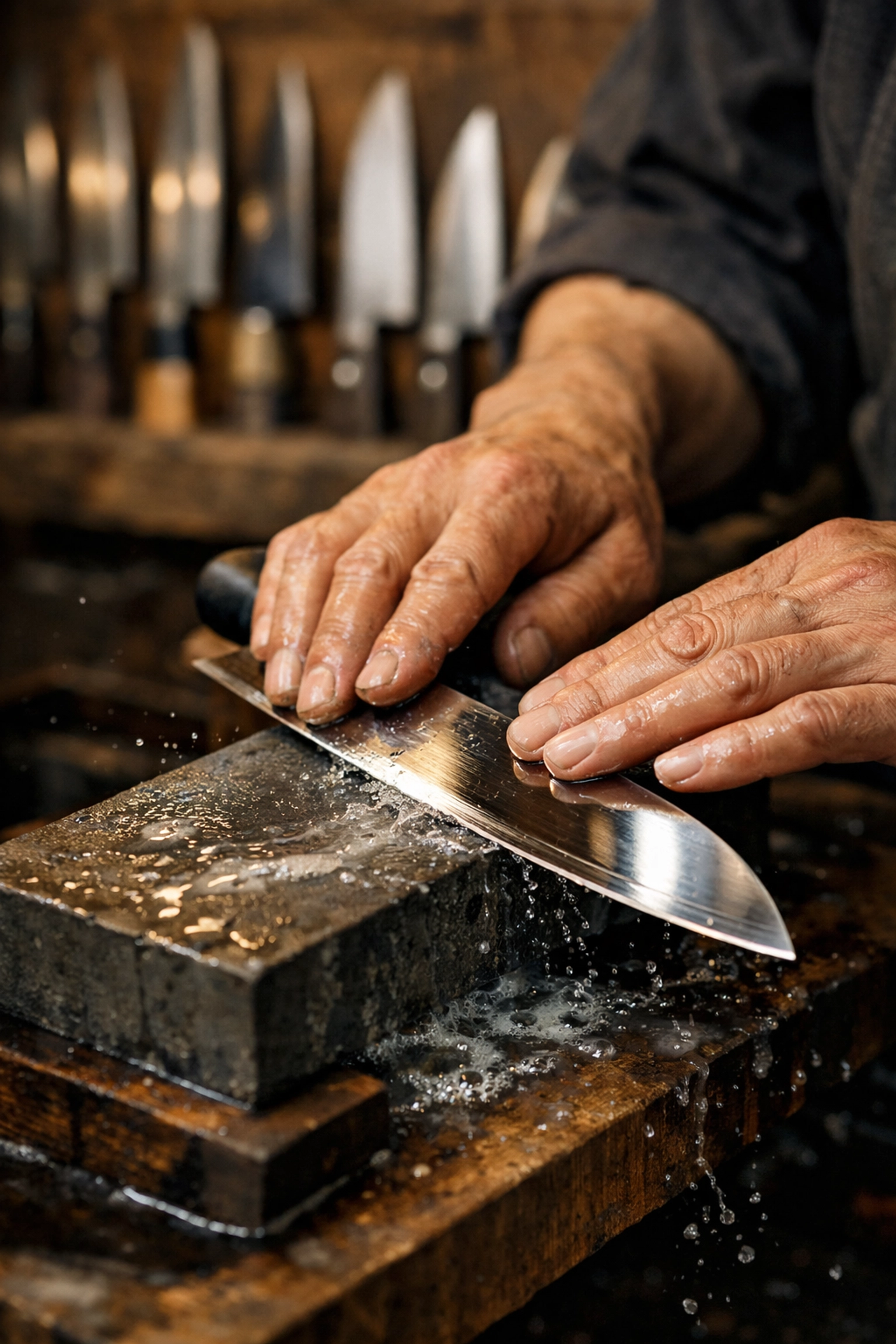
Most people forget that Tsukiji is one of the best places in the world to buy kitchenware. If you’re a fan of Japanese knives, this is your pilgrimage site. Shops like Masamoto and Azuma Minamoto no Masahisa have been around for centuries.
But buying a knife in Tsukiji is an experience. They will ask you how you cook, what you cut, and which hand you use. They’ll sharpen it for you on the spot. It’s the same level of craftsmanship we talk about over at Edin Fine Art: where the focus is on the details that make a product truly exceptional.
Aside from knives, look for dried goods. Katsuobushi (dried bonito flakes) shaved fresh right in front of you will make any ramen you cook at home taste ten times better. It’s also a great place to pick up high-quality matcha and ceramic tea sets that aren’t the mass-produced stuff you find in the souvenir shops of Asakusa.
The "Rules" of the Market
The locals don't want you to know the secrets if you’re going to be "that" tourist. To stay on everyone’s good side, follow these unwritten rules:
- Don’t Walk and Eat: This is a big one in Japan. Buy your food, stand in the designated area near the stall, eat it, and give the trash back to the vendor. Walking through a crowded market with a dripping scallop skewer is a recipe for disaster.
- No Large Luggage: There is nowhere to put a suitcase. Use the coin lockers at the station.
- Watch the Turret Trucks: Those little motorized carts (called Turret trucks) wait for no one. If you hear a hum, move.
- Cash is King: While some bigger shops take cards, the best street food stalls are cash-only. Have plenty of 100 and 500 yen coins ready.
If all of this sounds a bit overwhelming, don’t sweat it. The market is meant to be a bit chaotic. That’s part of the charm! If you’re feeling a bit nervous about navigating the language barrier, remember that a smile and a "Oishii!" (delicious) works wonders. For a more structured experience where someone else handles the logistics, definitely check out that Viator food tour. It’s the easiest way to ensure you’re hitting the spots that actually matter.
Capturing the Soul of Tokyo
Tsukiji isn't just about the food; it's about the people. It's about the guy who has been grating wasabi for 40 years. It's about the woman who wraps sushi with a speed that defies physics. When you’re there, try to look past the plates and see the stories. That’s what we try to teach in our photography booking experiences: how to find the narrative in the noise.
After a morning of eating your way through the market, you might find yourself wanting a change of pace. If you're looking for more travel inspiration or maybe a quieter weekend plan, check out our guide on cheap weekend getaways. Or, if you're already planning your next big trip, my personal blog at Edin Chavez has a ton of travel stories from around the globe that might spark some ideas.
Final Thoughts on Tsukiji
The "secret" of Tsukiji is that it’s not a secret at all: it’s just a living, breathing part of Tokyo that refuses to fade away. It’s resilient, delicious, and incredibly photogenic. Whether you’re there for the melt-in-your-mouth fatty tuna or just to soak up the atmosphere of a bygone era, it remains an essential stop on any Tokyo itinerary.
So, grab your camera, leave your suitcase at the hotel, and go get lost in the alleys. Just keep an eye out for those turret trucks.
Stay tuned for day five, where we’re heading to Harajuku. We’re moving from the traditional depths of the fish market to the neon-colored, sugar-coated world of street food and "Kawaii" culture. You won't want to miss it!