
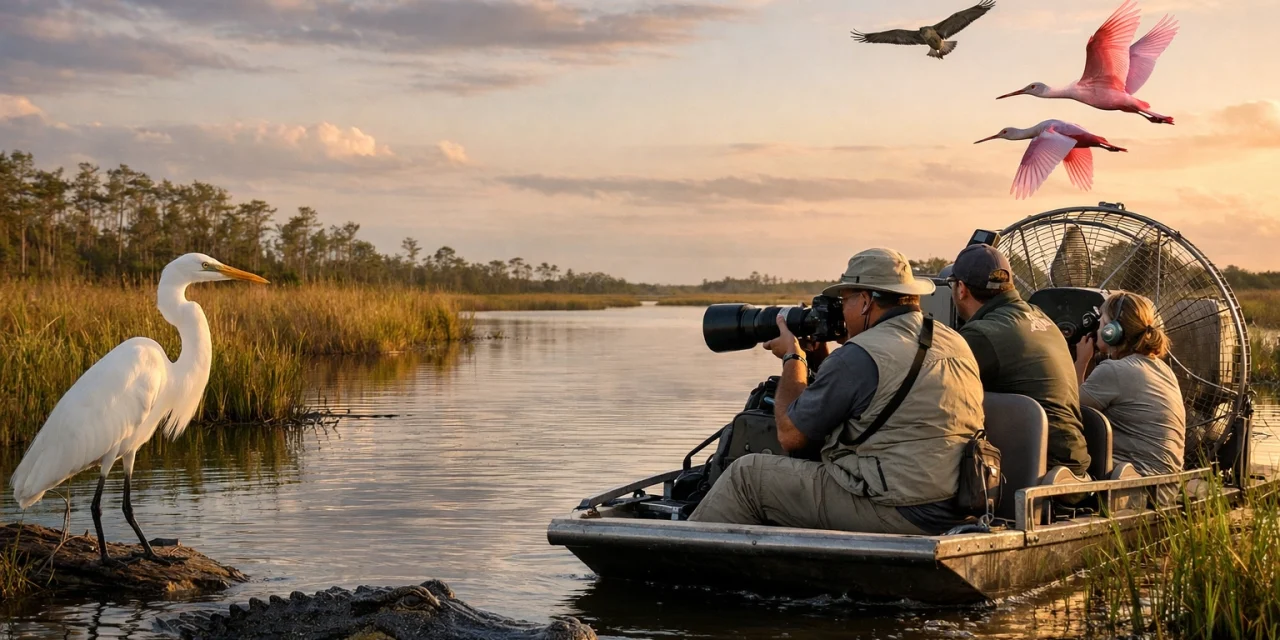
If you’ve been scrolling through your social media feeds lately, you’ve probably noticed something. Amidst the portraits and cityscapes, there’s a surge of incredible, high-contrast images of prehistoric-looking reptiles, neon-pink birds, and golden-hour landscapes that look like they belong on the cover of National Geographic.
The secret is out: the Florida Everglades has become the "it" destination for wildlife photographers.
I’ve spent years exploring these wetlands, and honestly, there is nothing quite like it in North America. But here’s the thing, the Everglades is massive, intimidating, and can be a bit of a maze if you don't know where to look. That’s why everyone is talking about Everglades wildlife photography tours. They take the guesswork out of the equation so you can focus on what you actually came for: the shot.
If you’re looking to truly master this landscape, you’ll want to check out our Everglades Photography Guide. It’s the perfect companion to any tour, giving you the technical edge you need to capture the "River of Grass" in all its glory.
Why the Everglades? Why Now?
The Everglades isn't just a swamp; it’s a 1.5-million-acre biodiverse engine. It’s one of the few places on Earth where you can find both alligators and crocodiles living in the same ecosystem. But for photographers, the real draw is the sheer volume of life. With over 360 species of birds, the opportunities for action shots, from diving ospreys to nesting herons, are endless.
Right now, as we sit in April, we are at the tail end of the dry season. This is the "sweet spot" for photography. As the water levels drop, wildlife concentrates around the remaining deep-water holes. This means you aren’t hunting for subjects; they are essentially waiting for you.
The Magic of Professional Guidance
You might be thinking, "Edin, can’t I just drive down to Shark Valley and take some photos myself?"
Sure, you can. And you’ll probably see a few alligators sunning themselves on the pavement. But there is a massive difference between seeing wildlife and photographing wildlife.
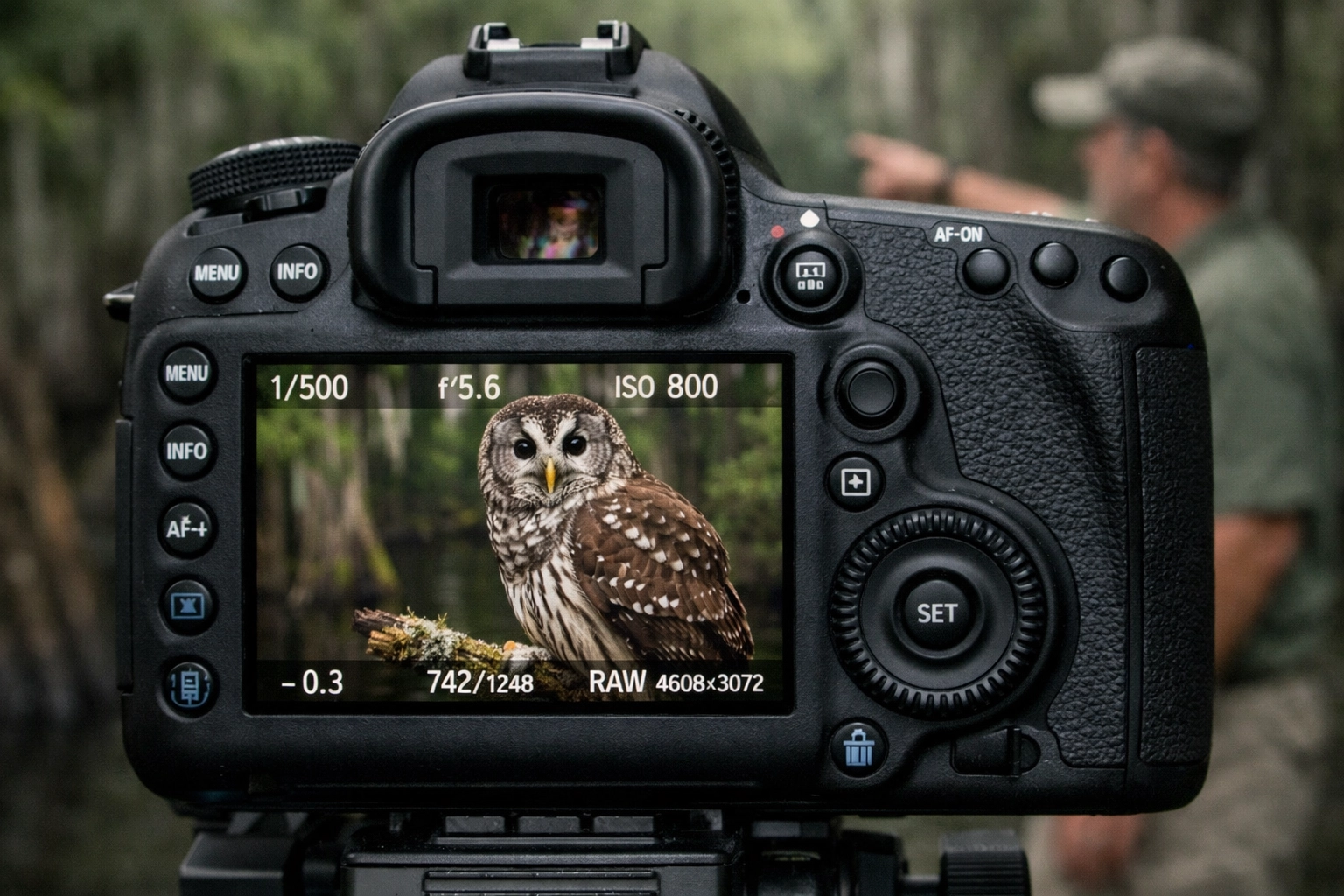
Professional photography tours are led by people who know the rhythm of the marsh. They understand where the light hits at 6:15 AM and which specific cypress strand the barred owls prefer. More importantly, they have access to specialized transportation. Whether it’s a traditional pole boat that glides silently through the sawgrass or a custom skiff that can navigate the mangroves, these tours get you into the "white zones": areas known by few and seen by almost no one else.
When you book a photography booking experience, you aren't just paying for a boat ride. You’re paying for the expertise of a Florida Master Naturalist who can predict animal behavior. Knowing that a Great Egret is about to strike or that a manatee is about to surface gives you that split-second advantage to dial in your settings.
What You’ll Be Shooting
Every time I head out into the glades, I’m reminded of how lucky we are to have this in our backyard. Here is what usually steals the show on these tours:
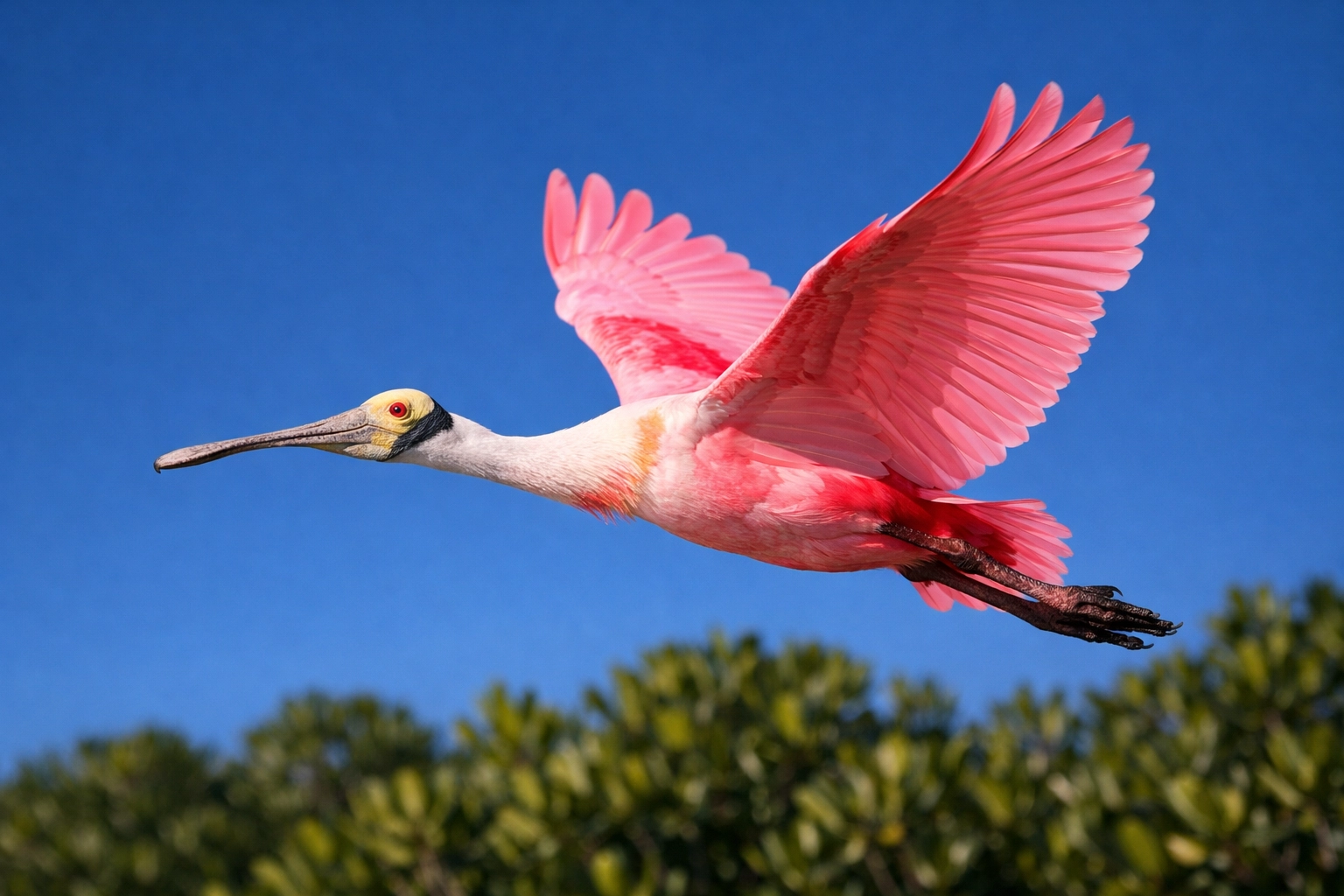
- The Avian Superstars: Roseate Spoonbills are the crowd favorites. Their vibrant pink feathers against the deep green mangroves are a dream for color theory lovers. You’ll also find Wood Storks, Anhingas (often drying their wings), and various species of Herons and Egrets.
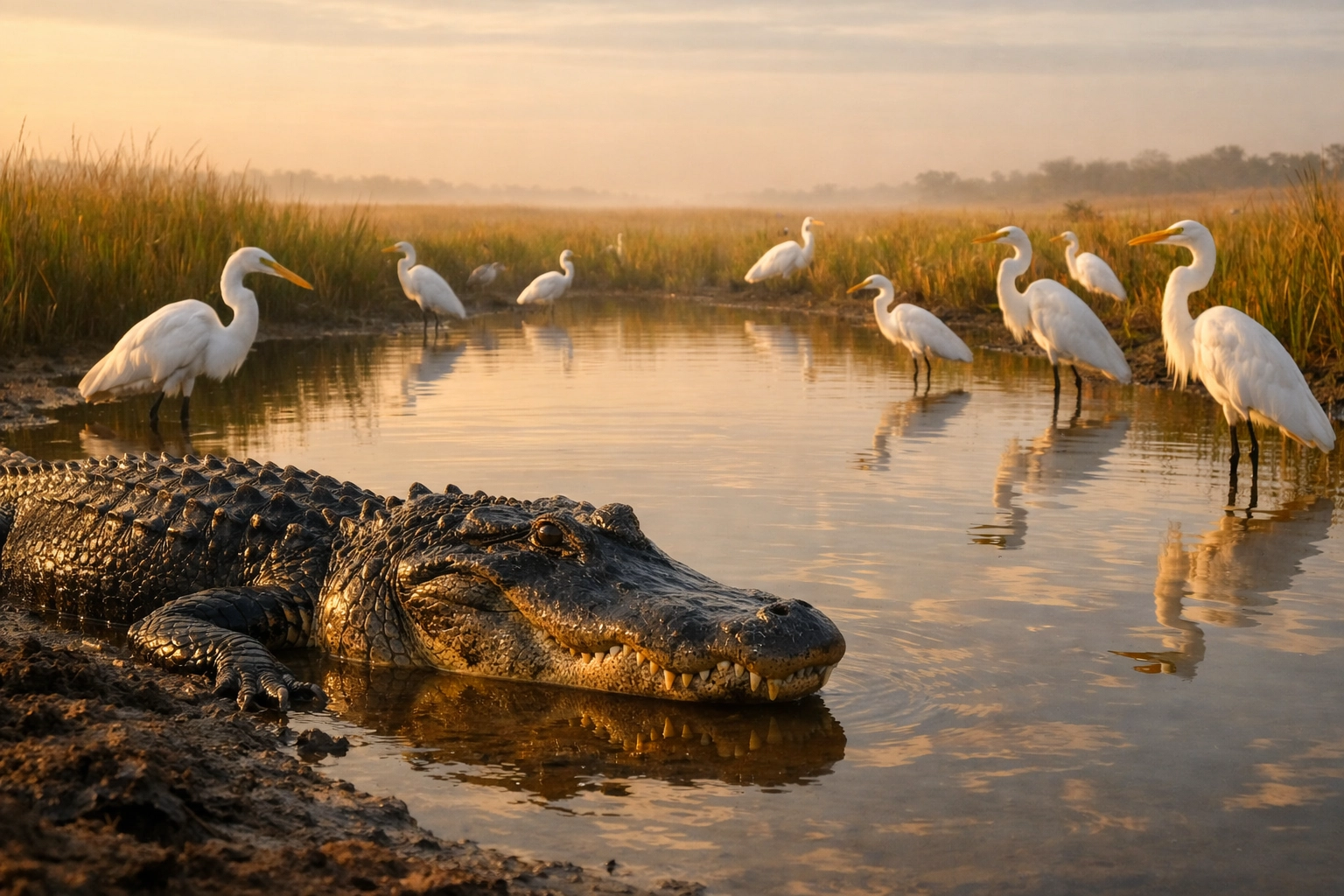
- The Reptilian Icons: Alligators are everywhere, but a tour helps you find the big bulls in environments that look natural and wild, rather than on the side of a gravel path.
- The Rare Gems: If you’re lucky, you might spot a Snail Kite or even a Florida Panther (though they are notoriously shy).
- The Landscape: Don't get so focused on the animals that you miss the scenery. The "River of Grass" offers some of the most unique minimalist landscapes in the country. If you want to see how these translate into fine art, take a look at some of my work at Edin Fine Art.
Preparation Is Everything
Before you hop on a boat, you need to make sure your kit is ready. The Everglades can be harsh on gear. It’s humid, salty near the coast, and the sun is relentless.
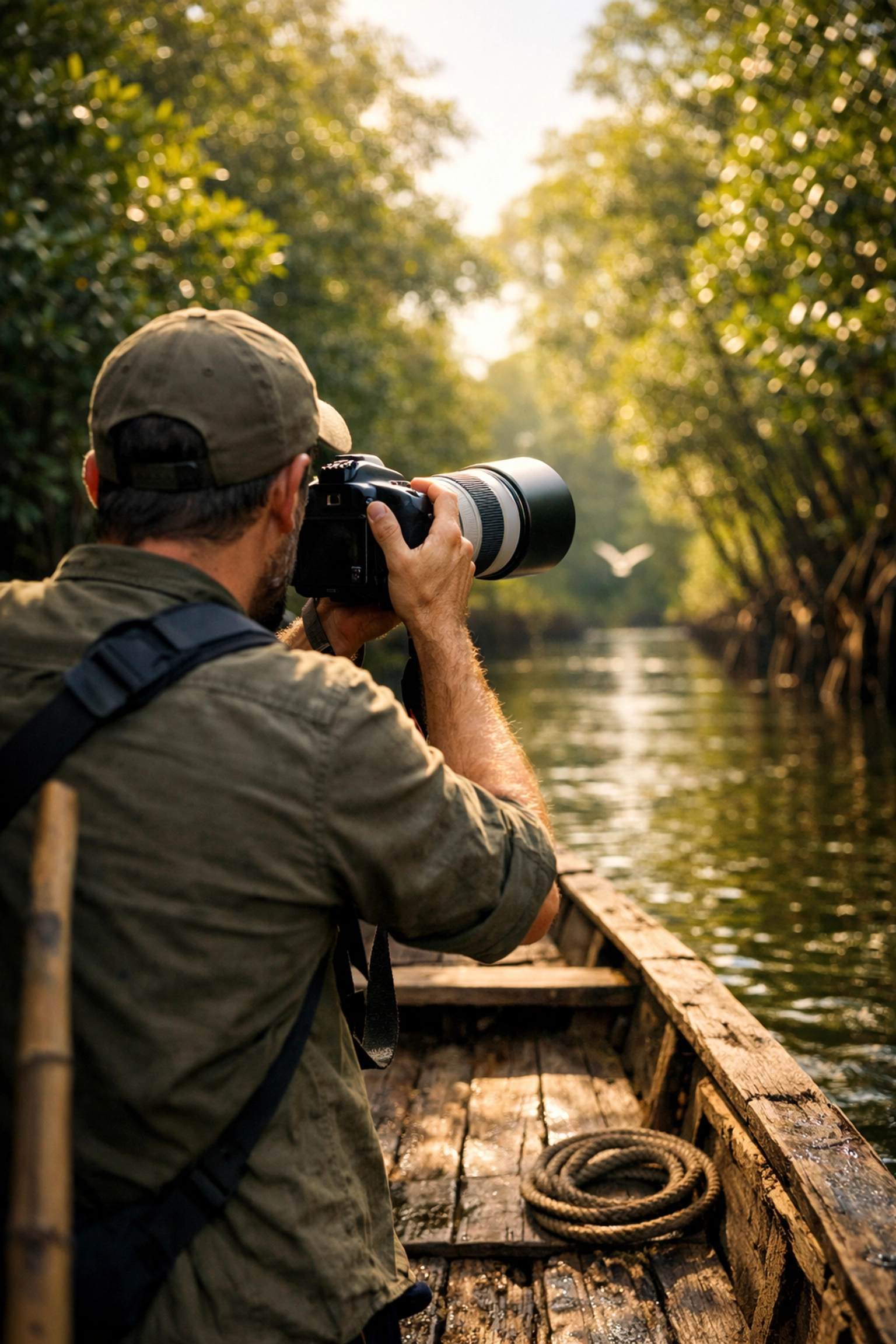
I always tell my students to bring a long lens (400mm to 600mm) for those tight bird portraits, but don't forget a wider lens for the sweeping landscapes. If you're looking for recommendations on what to pack, our list of essential photography gear covers the basics that will keep your equipment safe and functional in the field.
Also, consider joining a community like Shut Your Aperture to see what other photographers are using and to share your results after the trip. There’s no better way to learn than by seeing what worked for others in the same conditions.
The Educational Component
One of the reasons these tours are trending is that they have evolved into mobile classrooms. At Photoguides, we believe in a reassuring approach. Photography can be technical and frustrating, especially when you’re dealing with moving targets and changing light.
On a dedicated photography tour, the guides speak your language. They won't just point at a bird; they’ll tell you to "expose for the whites" or "watch your background for distracting branches." This real-time instruction is invaluable. It’s the difference between coming home with a blurry "documentary" shot and a "portfolio-worthy" masterpiece.
For those who want to dive deeper into the "how-to" before they arrive, we have a wealth of resources in our educational category that can help you brush up on your wildlife technique.
Tips for a Successful Everglades Tour
To make the most of your experience, keep these three things in mind:
- Patience is a Virtue: Nature doesn't work on a schedule. Sometimes the best shots happen in the last five minutes of the tour when the light turns purple and the wind dies down.
- Check the Reviews: Not all tours are created equal. Some are "eco-tours" that just happen to allow cameras, while others are specifically designed for photographers. Check out our reviews section to see what makes a tour truly "photo-friendly."
- Get the Guide: I can’t stress this enough: having a physical or digital guide to refer to is a game changer. The Everglades Photography Guide covers specific GPS coordinates, best times of year for certain species, and technical tips tailored specifically for this park.
Beyond the Lens: The Experience
There is a peace you find in the Everglades that you can't find anywhere else. When the engine cuts out and you’re just sitting there, camera ready, listening to the symphony of the marsh, you realize why this place is so special.
It’s not just about the photos. It’s about the connection to a world that feels completely untouched by the modern hustle. Whether you’re a pro or just starting out, taking an Everglades wildlife photography tour is an investment in your craft and your soul.
Planning Your Visit
If you’re coming from out of town, maybe you’re looking for a cheap weekend getaway to Florida. Make the Everglades your primary destination. Spend your mornings on the water and your afternoons exploring the local culture. And if you’re looking for more tips on how to navigate the technical side of things, don’t forget to visit blog.edinchavez.com for the latest updates and gear talk.
The Everglades is waiting. The birds are nesting, the gators are out, and the light is perfect. Are you ready to get the shot?
Remember, the best way to ensure success is to go in prepared. Grab your copy of the Everglades Photography Guide and let’s get out there and create something amazing together.













