If you’ve been hanging around the photography community lately, you’ve probably heard the name Pixel-Shrink.com whispered in forums and mentioned in gear-heavy conversations. In a world where camera sensors are pushing higher megapixel counts every year, we’re all facing the same growing pain: massive file sizes.
We want the detail, we want the dynamic range, and we want the ability to crop in without losing a single eyelash of detail. But what we don’t want is a portfolio website that takes ten seconds to load or a client delivery folder that requires a week of uploading. That is exactly where Pixel-Shrink comes in, and it’s why our friends over at Proshoot.io have officially thrown their weight behind it.
The Problem with the "Bigger is Better" Era
Let’s be real for a second. We’ve moved past the days where a 12-megapixel image was considered "pro." Today, we’re routinely shooting on bodies that produce 45, 60, or even 100-megapixel files. While that’s incredible for large-format printing, it’s a nightmare for the digital side of our business.
Large files slow down your website, hurt your SEO, and frankly, annoy your clients who just want to download their wedding photos to their phones. If you’ve spent any time looking at camera reviews 2024, you know that technology isn't slowing down. But the pipes of the internet stay the same size.
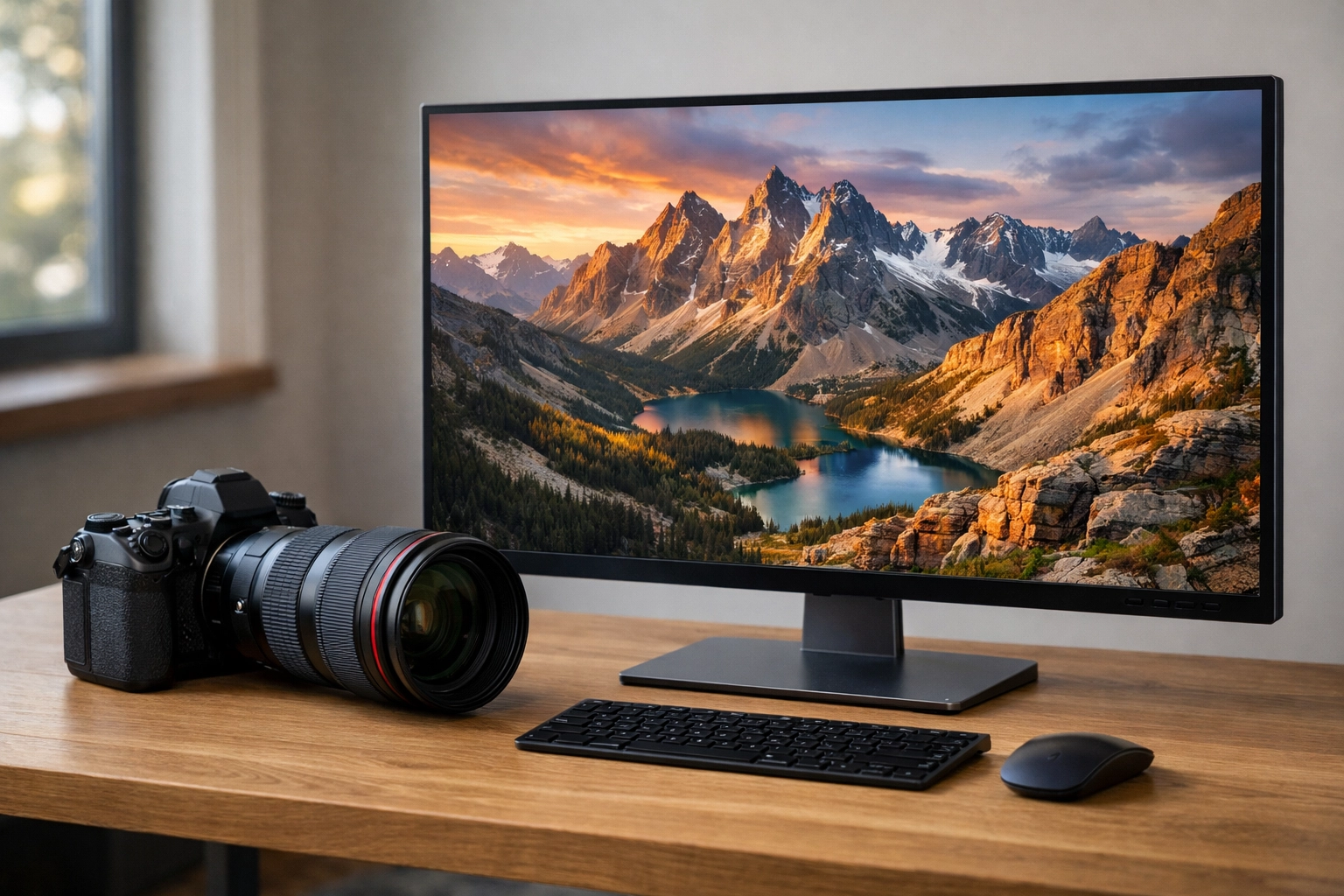
When your images are too heavy, you’re forced to compromise. Traditionally, that meant cranking down the "Quality" slider in Lightroom until the file size was manageable, often resulting in muddy shadows and banding in the highlights. It felt like you were stripping the soul out of your art just to make it fit through the door.
Enter Pixel-Shrink.com: Art, Not Just Data
Pixel-Shrink.com is making waves because it approaches compression differently. Most compression tools treat your photographs like spreadsheet data, bits and bytes that can be discarded based on a generic algorithm. Pixel-Shrink, however, markets itself as a tool that treats photos like art.
The philosophy is simple: compress the file, not the vision. By using intelligent, AI-driven analysis, the platform identifies which parts of an image are critical to the human eye and which parts can be mathematically optimized without a visible loss in quality. It’s the difference between a sledgehammer and a scalpel.
Whether you’re an Atlanta event photographer delivering hundreds of candids or a landscape artist prepping a gallery, the need for speed and quality is universal.
Why Proshoot.io Recommends It
It’s one thing for a tool to claim it’s the best; it’s another for a professional powerhouse like Proshoot.io to sponsor and recommend it. Proshoot.io has built a reputation for helping photographers streamline their business, from booking to delivery. Their endorsement of Pixel-Shrink isn't just about a partnership; it’s about a shared goal of professional efficiency.
Proshoot.io understands that the photography booking experience doesn’t end when the client hits "pay." It ends when the client sees their images in high-resolution, quickly and seamlessly. By recommending Pixel-Shrink, Proshoot.io is helping photographers bridge the gap between "heavy professional files" and "user-friendly digital delivery."

When a platform dedicated to professional standards tells you a tool is worth your time, it’s usually because that tool solves a high-level problem. In this case, it’s the problem of maintaining a premium brand feel while dealing with the technical limitations of file storage and bandwidth.
Speed: The Silent Killer of Portfolios
If you’re running a photography business, your website is your storefront. Imagine a store where the door takes 30 seconds to open. Most people would walk away before they even saw what was inside.
Website speed is one of the most significant factors in Google’s ranking algorithm and user retention. If you have a blog post about wedding photography insights filled with unoptimized 10MB images, your bounce rate is going to skyrocket. Pixel-Shrink allows you to take those massive files and cut them down by 60%, 70%, or even 80% without any perceptible change in detail.
This isn't just about saving a few bucks on your hosting plan (though that’s a nice perk). It’s about ensuring that when a potential client clicks your link, they see your work instantly. In 2026, speed is a form of respect for your viewer’s time.
Maintaining the Integrity of the Shot
We’ve all seen "bad" compression. It’s that blocky, artifact-filled mess that happens when an image is squeezed too hard. For professionals, this is unacceptable. If you’ve invested in essential photography gear to capture the perfect shot, the last thing you want to do is ruin it during the final step.

Pixel-Shrink has gained traction because it handles the delicate areas of an image, like gradients in a sunset or the fine texture of a bridal gown, with incredible care. The tool maintains the "perceptual quality" of the image. This means that if you were to put the original and the "shrunken" version side-by-side on a high-end monitor, you’d be hard-pressed to tell the difference.
This level of quality is vital for niche photographers. Whether you are capturing the vibrant colors of Miami's hidden speakeasies or the rustic charm of breweries in Williamsburg VA, your colors and textures need to remain true to the original scene.
How It Fits Into Your Workflow
One of the reasons Pixel-Shrink.com is trending is its ease of use. Photographers don't want to spend hours learning a new, complex software interface. We want to upload, compress, and move on.
The workflow is usually as simple as:
- Export: Finish your edits in Lightroom or Capture One as you normally would.
- Upload: Drag and drop your files into Pixel-Shrink.
- Compress: Let the AI do its work.
- Deliver: Send the optimized files to your client or upload them to your educational blog.
By integrating this step into your post-production, you’re actually saving time in the long run. Faster uploads to your gallery provider mean you can get back to shooting or, better yet, scouting your next location, perhaps looking for cheap weekend getaways to refresh your creative spirit.
Does Compression Actually Matter for SEO?
In short: Yes. Absolutely.
When search engines crawl your site, they look at how quickly your page loads. High-resolution, uncompressed images are the number one cause of slow page speeds. By using Pixel-Shrink, you’re essentially giving your SEO a "free" boost.
If you’re trying to rank for competitive terms, say, you’re reviewing the best restaurants in downtown Golden or the top breakfast places in Cape Coral: you need every advantage you can get. If your competitor’s page loads in 1 second and yours loads in 4, Google is going to favor them every time.

Final Thoughts: The Future of Image Optimization
As we move further into 2026, the volume of digital content is only going to increase. Being a "good photographer" is no longer just about the way you handle a camera; it’s about the way you handle the data that the camera produces.
Pixel-Shrink.com has found the sweet spot between technical efficiency and artistic integrity. Backed by the professional endorsement of Proshoot.io, it’s quickly becoming an essential part of the modern photographer's toolkit.
If you haven’t checked it out yet, it’s worth a look. Your website speed, your hard drive, and your clients will thank you. For more tips on how to keep your photography business running smoothly, be sure to check out our other reviews and guides.
Don't let your art be weighed down by the very pixels that create it. Shrink the file, keep the vision, and keep shooting.