Category: Foodies
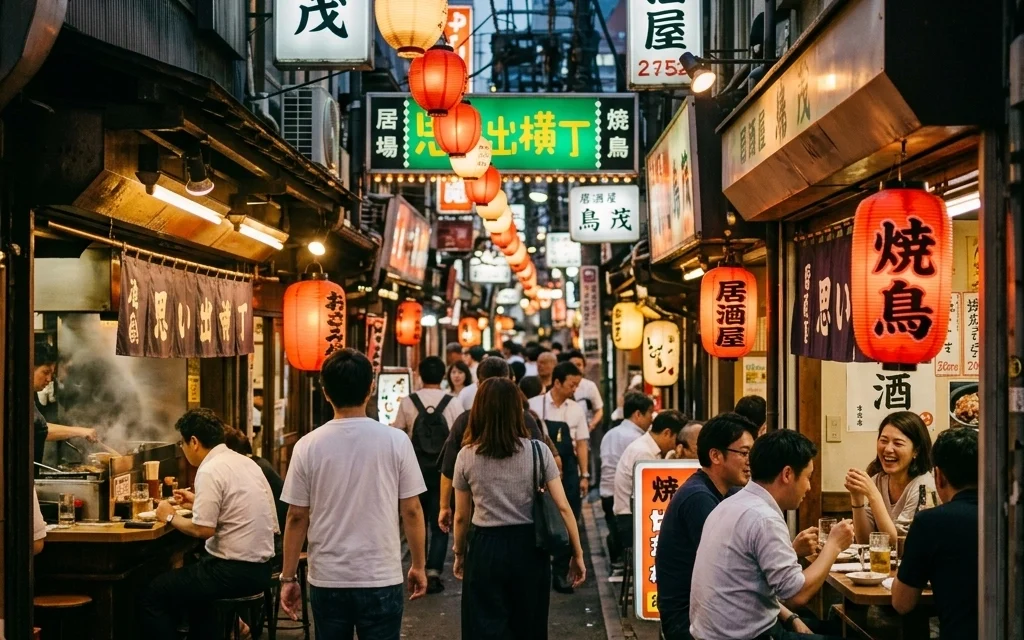
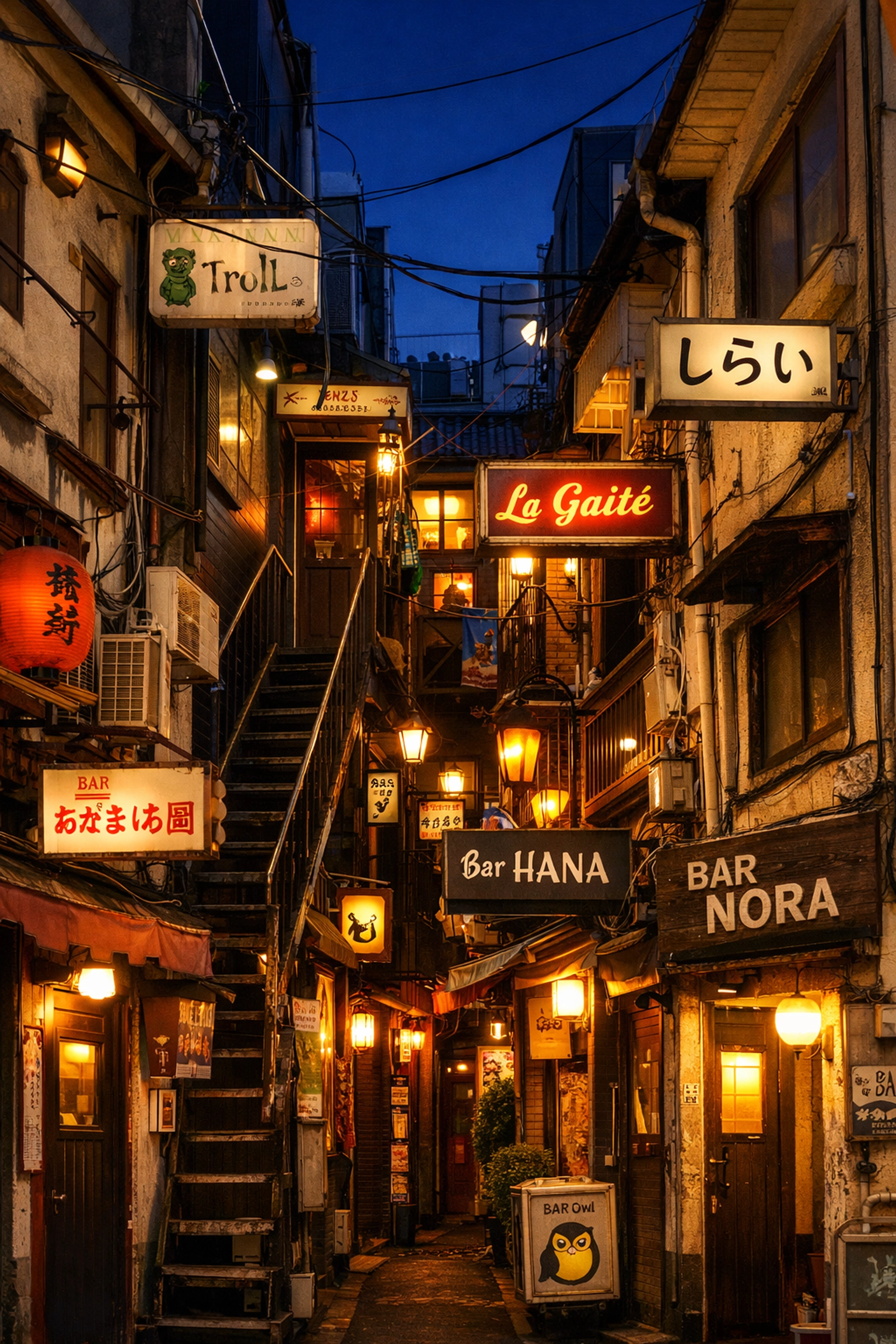
If you’ve ever scrolled through Instagram and seen a moody, rain-slicked photo of a narrow Tokyo alleyway drenched in neon light and mystery, you’ve seen a yokocho. But these aren’t just backdrops for your next profile picture; they are the beating, hungry heart of Tokyo’s nightlife.
Welcome to our 14-day deep dive into the culinary wonders of Tokyo. We’re moving beyond the pre-packaged convenience store onigiri (though we love those too) and stepping into the places where history, charcoal smoke, and cold beer collide. Today, we’re talking about the "hidden" yokocho: those labyrinthine alleys that make you feel like you’ve accidentally stepped onto the set of Blade Runner.
What exactly is a Yokocho?
In Japanese, "yokocho" literally means "alleyway off to the side of a main street." Historically, these were the hubs of post-World War II black markets. While the rest of Tokyo raced toward the future with gleaming skyscrapers and high-speed trains, these pockets of the city stayed stubborn. They kept their low ceilings, their sliding wooden doors, and their cramped footprints.
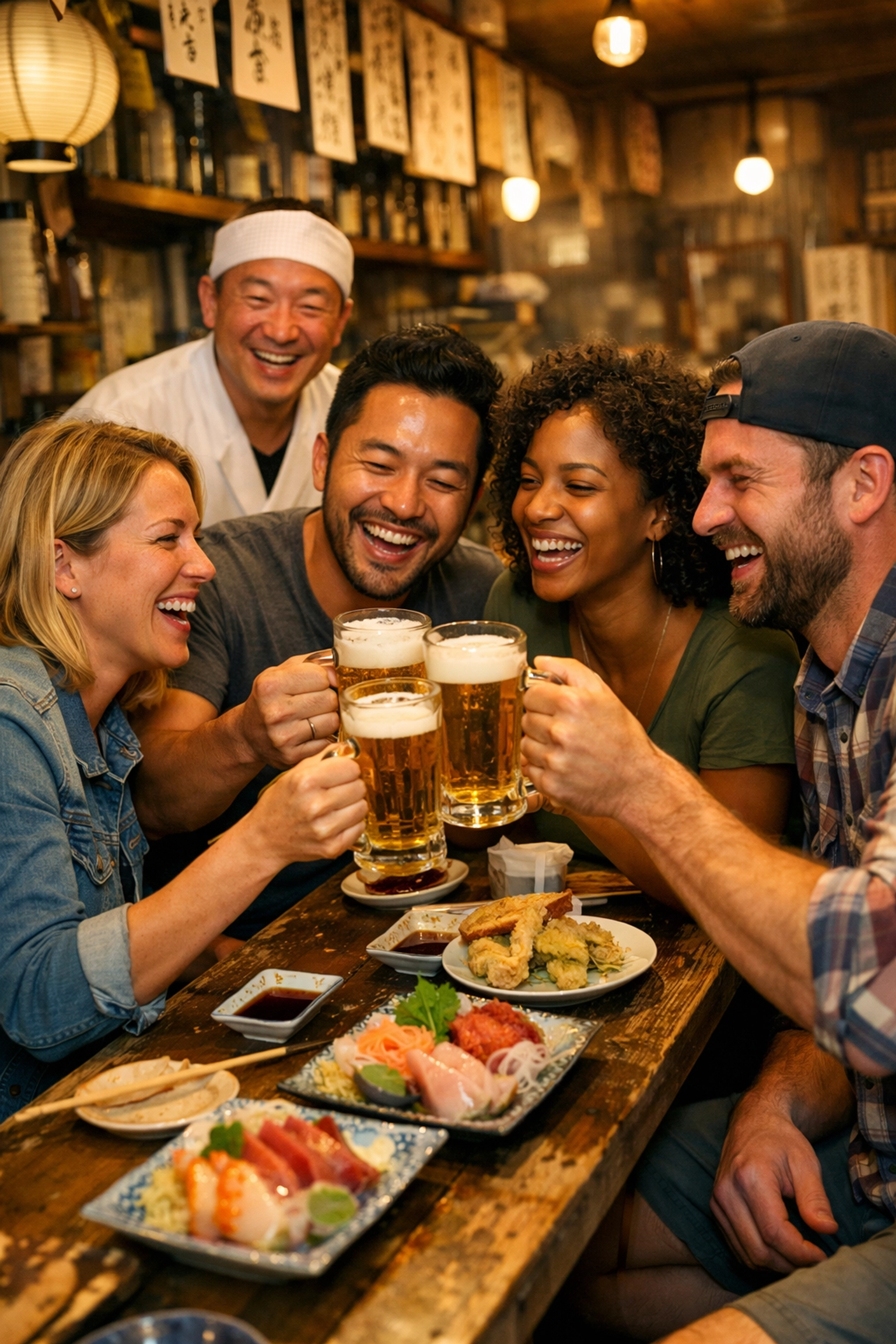
Today, they are sanctuaries of authentic Japanese culture. Stepping into a yokocho is like taking a time machine back to the Showa Period (1926–1989). You won't find sterile, corporate dining here. You’ll find six-seat bars where the owner has been grilling the same cut of chicken for forty years, and where you’re guaranteed to brush shoulders, literally: with a local salaryman blowing off steam.
The Legend: Omoide Yokocho (Memory Lane)
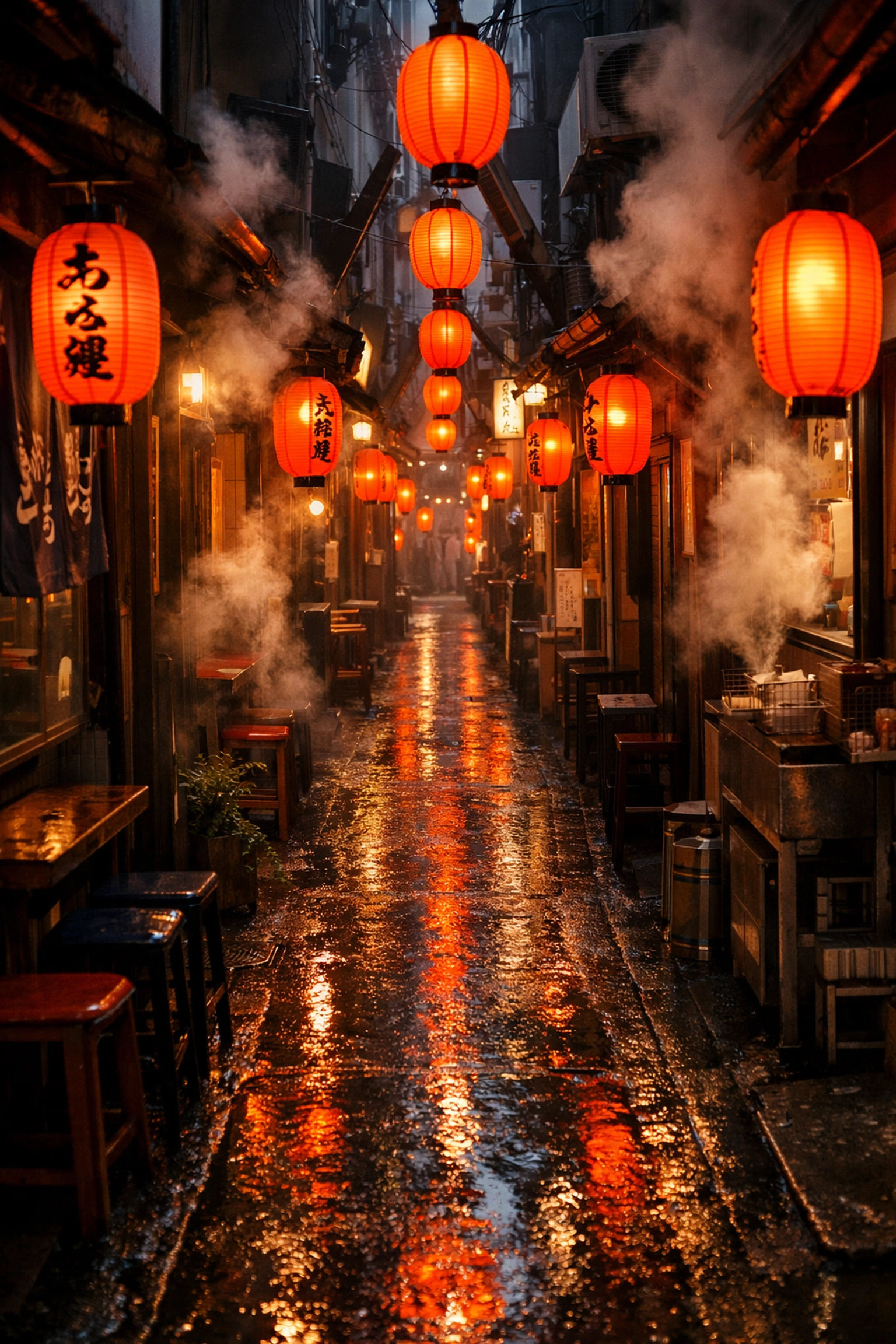
Located just a stone’s throw from the madness of Shinjuku Station, Omoide Yokocho is perhaps the most famous of them all. Locals often call it Shonben Yokocho (Piss Alley), a nickname leftover from its rougher post-war days when plumbing was… optional. Don't let the name scare you off; today, the only thing flowing is high-quality sake and some of the best yakitori in the world.
The air here is thick with the scent of binchotan charcoal. As you walk through the narrow path, vendors will beckon you into tiny stalls. My advice? Don’t overthink it. Look for the place with the most locals and the most smoke. Order a plate of negima (chicken and leek skewers) and a cold Suntory.
Because these places are so tiny, they can be intimidating for first-timers. If you want to skip the "do I belong here?" anxiety and get straight to the best bites, I highly recommend booking a food tour through Viator. Having a local guide navigate the "no-photo" signs and the unwritten rules of the alley is a total game-changer.
The Creative Hub: Shinjuku Golden Gai
If Omoide Yokocho is for eating, Golden Gai is for drinking and thinking. Nestled in a corner of Kabukicho, Golden Gai consists of six tiny alleys packed with over 200 miniature bars. Each one has its own personality: some are dedicated to jazz, some to punk rock, and others to 1950s cinema.
In the 60s and 70s, this was the haunt of Tokyo’s elite writers, photographers, and artists. Even today, you can feel that creative energy in the air. Many of these bars are so small they can only fit five or six people. It’s the ultimate intimate social experience. You aren't just a customer; for an hour, you're part of a tiny, temporary community.
As a photographer, Golden Gai is a dream, but be respectful. These are private businesses. If you're looking to capture that perfect cinematic glow, check out our guide on essential photography gear to see which low-light primes we recommend for these tight spaces.
The Local Secret: Harmonica Yokocho
If you want to escape the tourist crowds of Shinjuku, head west to Kichijoji. Right outside the north exit of the station lies Harmonica Yokocho. It gets its name because the tiny stalls lined up side-by-side look like the reeds of a harmonica.
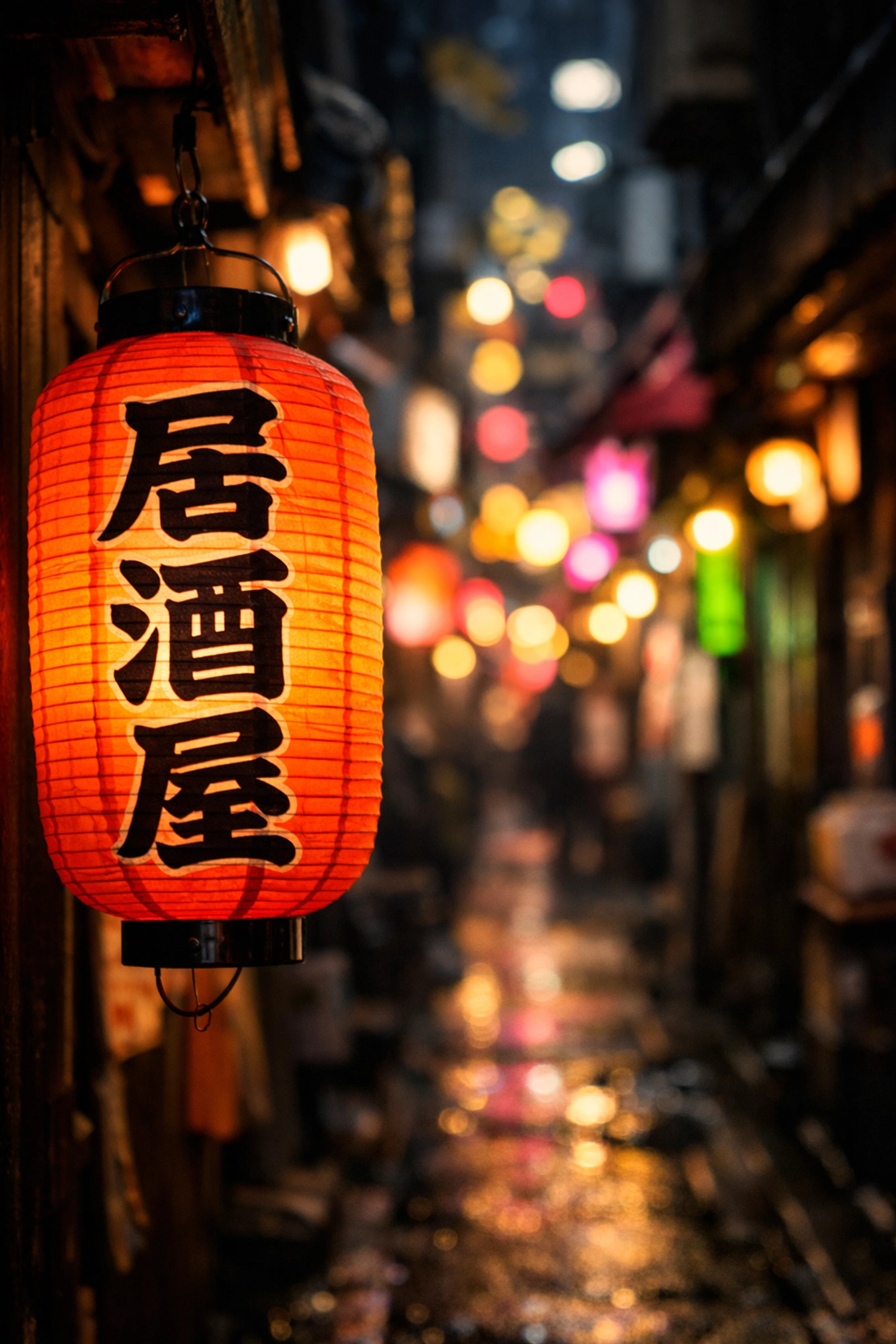
This spot feels a bit more "neighborhood" than its Shinjuku cousins. During the day, it’s a mix of clothing shops and dry goods, but as the sun sets, the red lanterns (chochin) flicker to life. It’s a fantastic place to try gyoza or taiyaki. It’s also a bit more spacious than Golden Gai, making it a great "entry-level" yokocho for those who aren't quite ready to be squeezed like sardines.
Capturing the Glow: Photography Tips for Alleys
You can't go to a yokocho without wanting to take photos. The contrast between the dark shadows and the warm yellow glow of the lanterns is intoxicating. However, shooting here requires some finesse.
- Fast Glass is King: You’re in low light and tight spaces. A 35mm or 50mm f/1.8 lens is your best friend. If you’re looking to upgrade your kit for a trip like this, browse our camera reviews 2024 for the latest in mirrorless low-light performance.
- Respect the "No Photo" Signs: Some bars are very protective of their regulars' privacy. Always look for a sign or ask "Sumimasen, shashin ok?" (Excuse me, is a photo okay?).
- Go Wide or Go Home: To capture the scale of these narrow lanes, you might need a wider perspective. I’ve been experimenting with the Module 8 lens adapter lately to get some really unique, cinematic flares that look incredible against Tokyo’s neon.
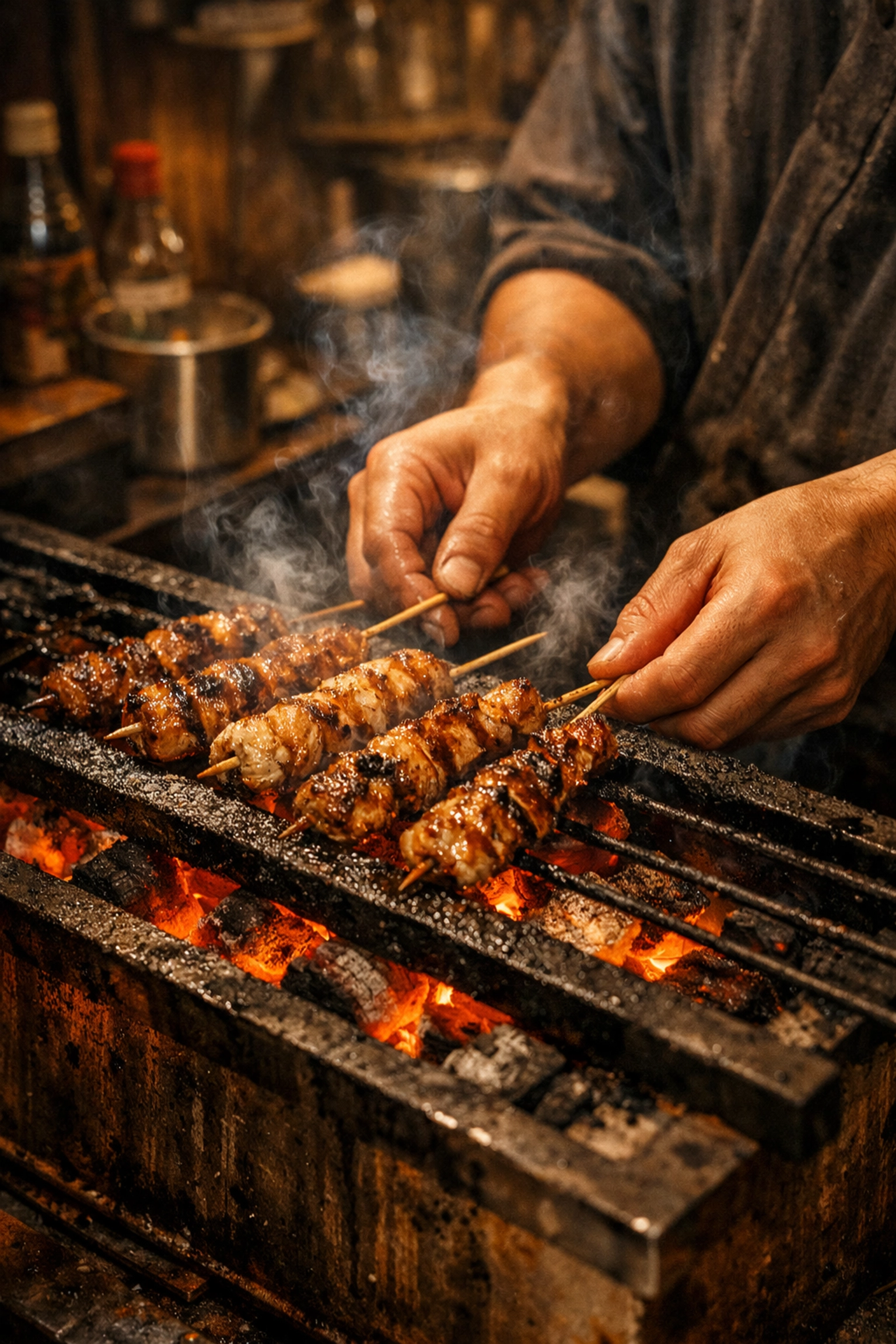
- The Human Element: A photo of an empty alley is fine, but a photo of a chef flipping skewers through a cloud of steam? That’s a story. For more inspiration on capturing the "vibe" of a city, I always check out Edin’s work at Edin Fine Art.
Yokocho Etiquette (Don't Be "That" Tourist)
Since these spaces are small and steeped in tradition, there are a few things to keep in mind to ensure you’re a welcome guest:
- The Cover Charge: Many bars in areas like Golden Gai have a "table charge" (otoshidama). It usually comes with a small snack. Don’t argue about it; it’s how these tiny places pay the rent.
- One Drink, One Move: Don’t camp out in a six-seat bar for three hours with one beer. The etiquette is to have a drink, a few snacks, and move on to the next spot to keep the flow going.
- Keep Your Gear Minimal: This is not the place for a tripod or a massive camera bag. You will trip someone, or worse, knock over someone’s precious sake. Carry a small crossbody bag or use a peak design clip.
For more tips on how to handle yourself in high-pressure travel environments, our photography booking experience section has some great insights on navigating foreign cultures with a camera in hand.
Why You Need a Food Tour
I’ve traveled to Tokyo more times than I can count, and even I still get overwhelmed by the sheer volume of choices in a yokocho. Which stall has the best tongue? Which one is friendly to English speakers? Which one is secretly a tourist trap?
That’s why I always tell people to book a food tour via Viator. It takes the guesswork out of the evening. You get to sample 4-5 different spots, learn the history of the neighborhood, and meet fellow travelers. It’s the most efficient (and delicious) way to spend an evening in Tokyo. Plus, your guide will often point out the best angles for photos that you might have walked right past.
Final Thoughts
Tokyo’s hidden yokocho are a reminder that the soul of a city isn’t found in its tallest buildings, but in its smallest corners. Whether you’re there for the yakitori, the photography, or just the feeling of being somewhere that feels "real," these alleys are a mandatory stop on your Japanese adventure.
If you’re planning your trip and want to make sure your photos do these locations justice, head over to Shut Your Aperture for some community tips and gear talk. And if you’re just starting your photography journey, our educational category is packed with basics to get you up to speed before you land at Narita.
Tokyo is waiting. The lanterns are lit. Now, go get lost in the alleys. Just make sure you bring an extra memory card and a very large appetite. For more travel inspiration and photography deep-dives, keep an eye on Edin’s Blog.