
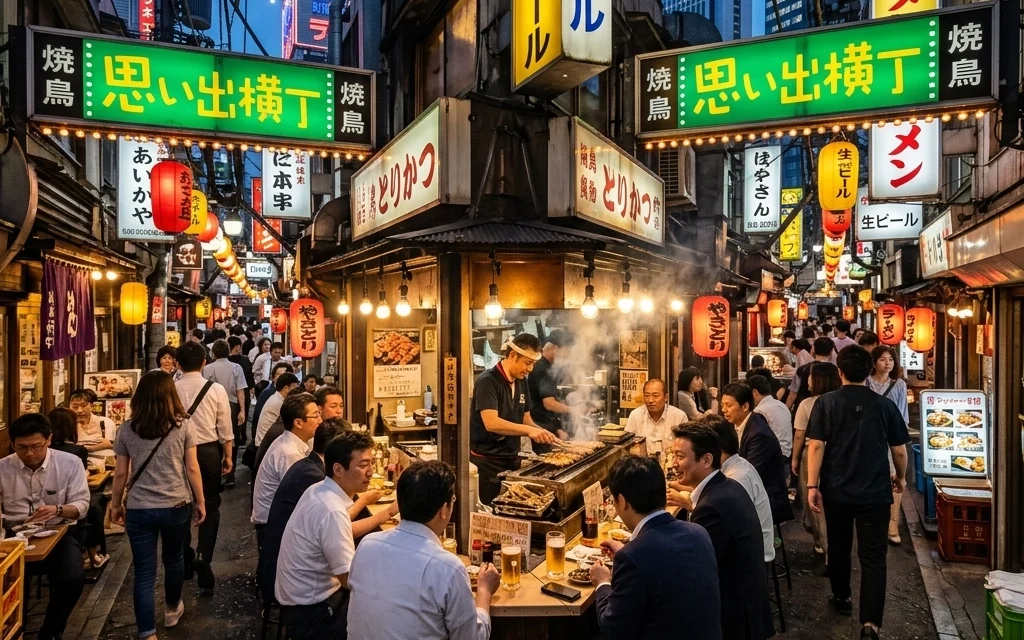
Category: Foodies
So, you’re headed to Tokyo. Your bags are packed, your camera sensor is clean, and your stomach is… well, hopefully, it’s empty and ready for a workout. Tokyo isn’t just a city; it’s a sprawling, neon-lit buffet that happens to have a subway system. But here is the thing: if you show up in Japan without a plan, you’re going to spend half your trip staring at Google Maps and the other half eating mediocre lukewarm sandwiches because you couldn’t figure out the ticket machine at the ramen shop.
We don’t want that for you. At Photoguides, we’re all about making sure you get the shot and the experience without the stress. This is the first post in our 14-day series where we dive deep into the culinary heart of Japan. Before we get into the nitty-gritty of themed cafes in Akihabara or high-end sushi in Ginza, we need to talk about the "Pre-Game." This is your quick-start guide to the things you need to know before your wheels touch the tarmac at Haneda or Narita.
1. Study the "Big Five" of Tokyo Comfort Food
You probably know sushi. You might even know ramen. But Tokyo’s food scene is a massive ecosystem. Before you land, familiarize yourself with the heavy hitters so you aren't overwhelmed by the kanji-heavy menus.
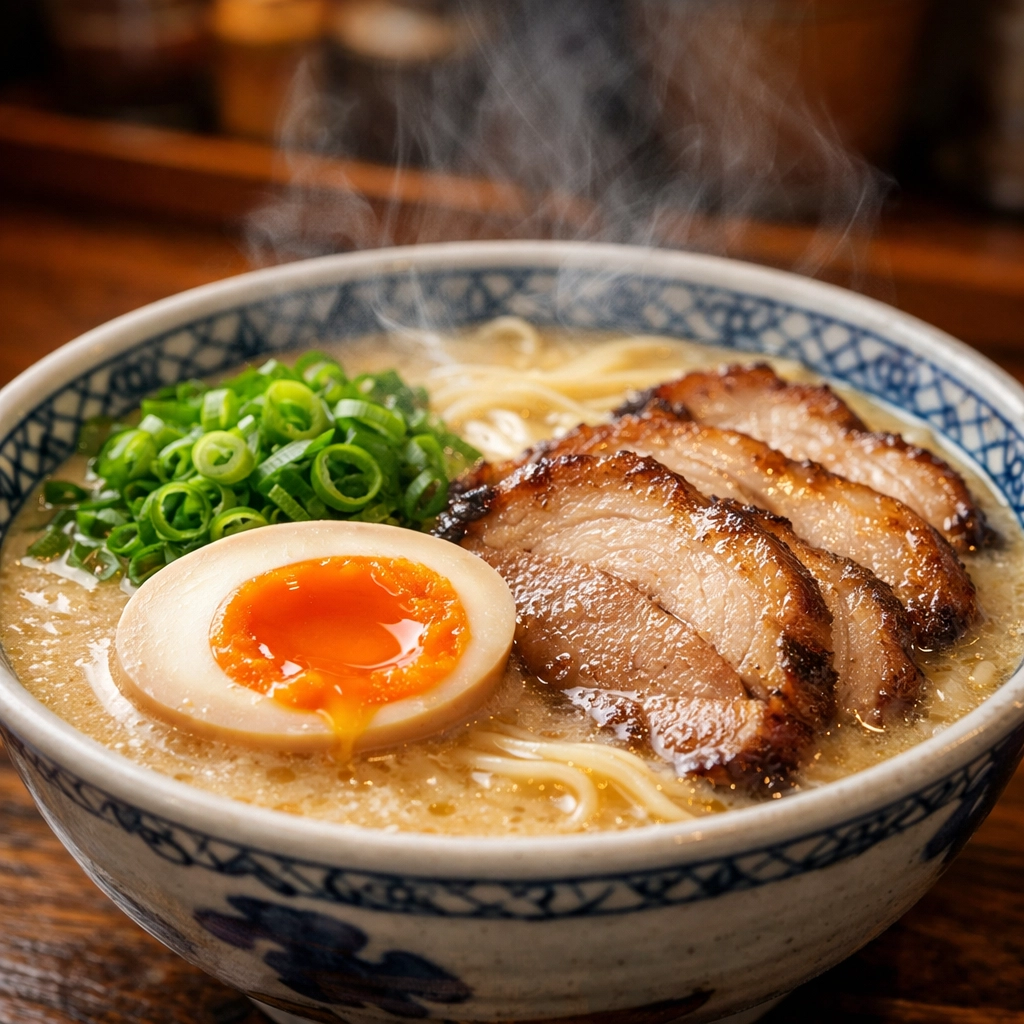
- Ramen: It’s more than just noodles. You’ve got Tonkotsu (creamy pork bone), Shoyu (soy sauce based), and the spicy, sesame-laden Tantanmen. If you want to skip the lines and find the hidden gems, booking a ramen-specific food tour through Viator is the ultimate pro move.
- Sushi: From the $200-a-plate Omakase in Ginza to the "conveyor belt" (Kaiten) spots where you grab what looks good, sushi is everywhere.
- Okonomiyaki: Think of it as a savory pancake filled with cabbage and whatever protein your heart desires. It’s messy, it’s delicious, and it’s a communal experience.
- Gyoza: These dumplings are the perfect sidekick to a cold beer. Look for teba gyoza, fried chicken wings stuffed with dumpling filling. It’s as life-changing as it sounds.
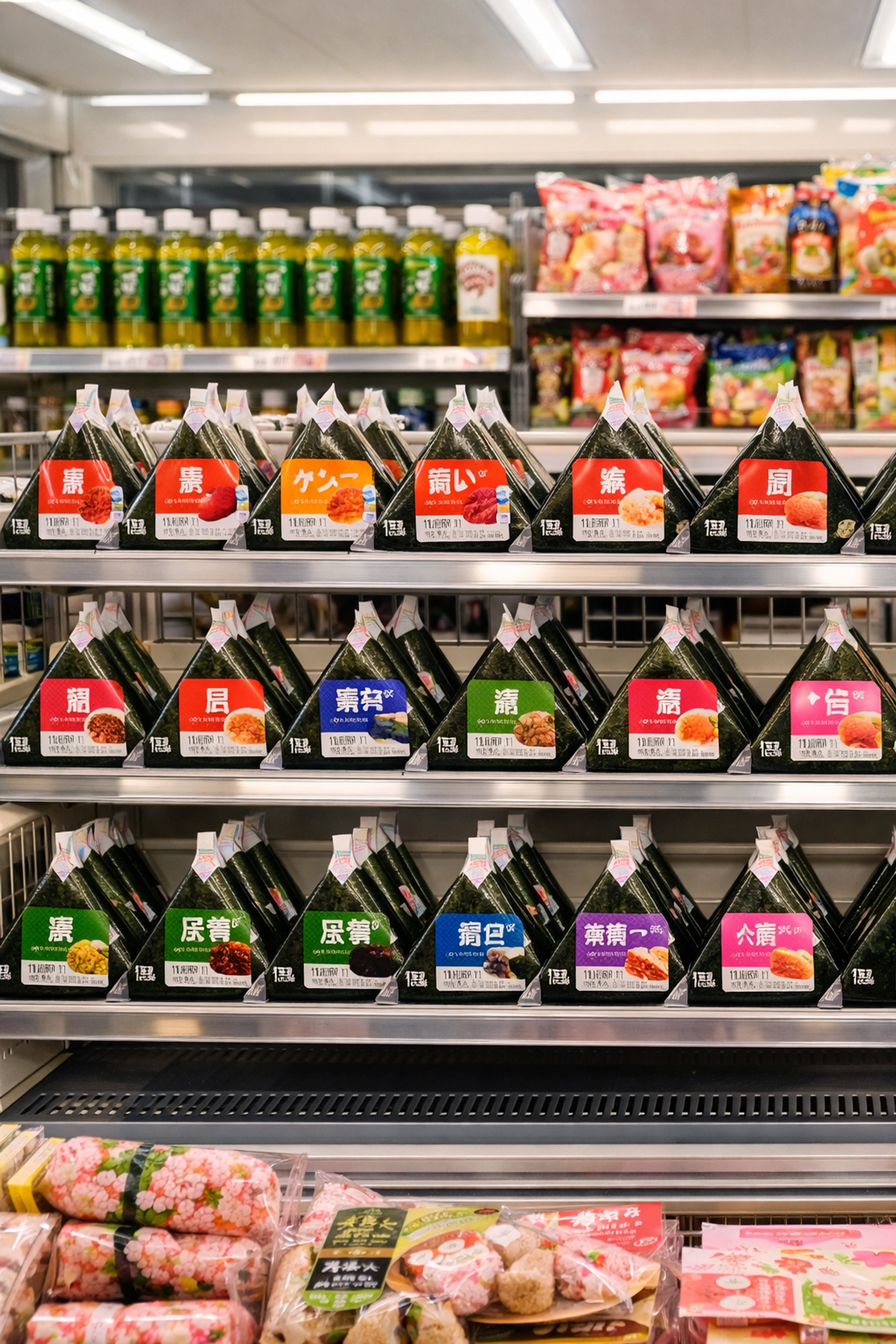
- Onigiri: The humble rice ball. It’s the ultimate Japanese fuel.
2. Master the "Konbini" Culture
In the U.S., "gas station food" is a threat. In Tokyo, "convenience store food" (Konbini) is a lifestyle. 7-Eleven, Lawson, and Family Mart will become your best friends. They are everywhere, literally on every corner.
Before you land, understand that you can eat like a king for under $10 here. Grab some onigiri, a weirdly delicious egg salad sandwich (seriously, they are world-famous), and a hot bottle of green tea. Pro tip: learn how to open the onigiri wrappers properly. There’s a numbered system (1, 2, 3) that keeps the seaweed (nori) crispy until the second you eat it. If you mess it up, you’ll end up with a soggy mess and a bruised ego.
While you're planning your budget for these snacks, check out our guide on cheap weekend getaways to see how Tokyo compares to other major hubs.
3. The Magic of the "Depachika"
If you want to see where the locals go for the "good stuff" without the white-tablecloth prices, head to a Depachika. These are the basement food halls of massive department stores like Isetan or Mitsukoshi.
It’s an assault on the senses in the best way possible. You’ll find everything from $100 melons (yes, really) to incredibly high-quality bento boxes and French-style pastries that would make a Parisian weep. It’s the perfect place to grab a high-end meal to take back to your hotel after a long day of shooting.
4. Prep Your Tech and Your Wallet
Tokyo is a mix of futuristic technology and surprisingly old-school habits.
- Cash is (Still) King-ish: While more places take cards now, small ramen shops and street vendors in places like the Tsukiji Outer Market often only take cash. Make sure you have some Yen on you.
- Translation Apps: Download Google Lens. You can point your camera at a menu, and it will translate it in real-time. It’s not perfect, but it’ll stop you from accidentally ordering grilled chicken hearts when you wanted thighs (unless you’re into that).
- Photography Gear: You’re going to want to document these meals. Food photography in Tokyo’s dimly lit izakayas can be tricky. Make sure you’ve checked out our essential photography gear list to ensure you have a fast prime lens for those low-light shots.
5. Get to Know Tsukiji (The Outer Market)
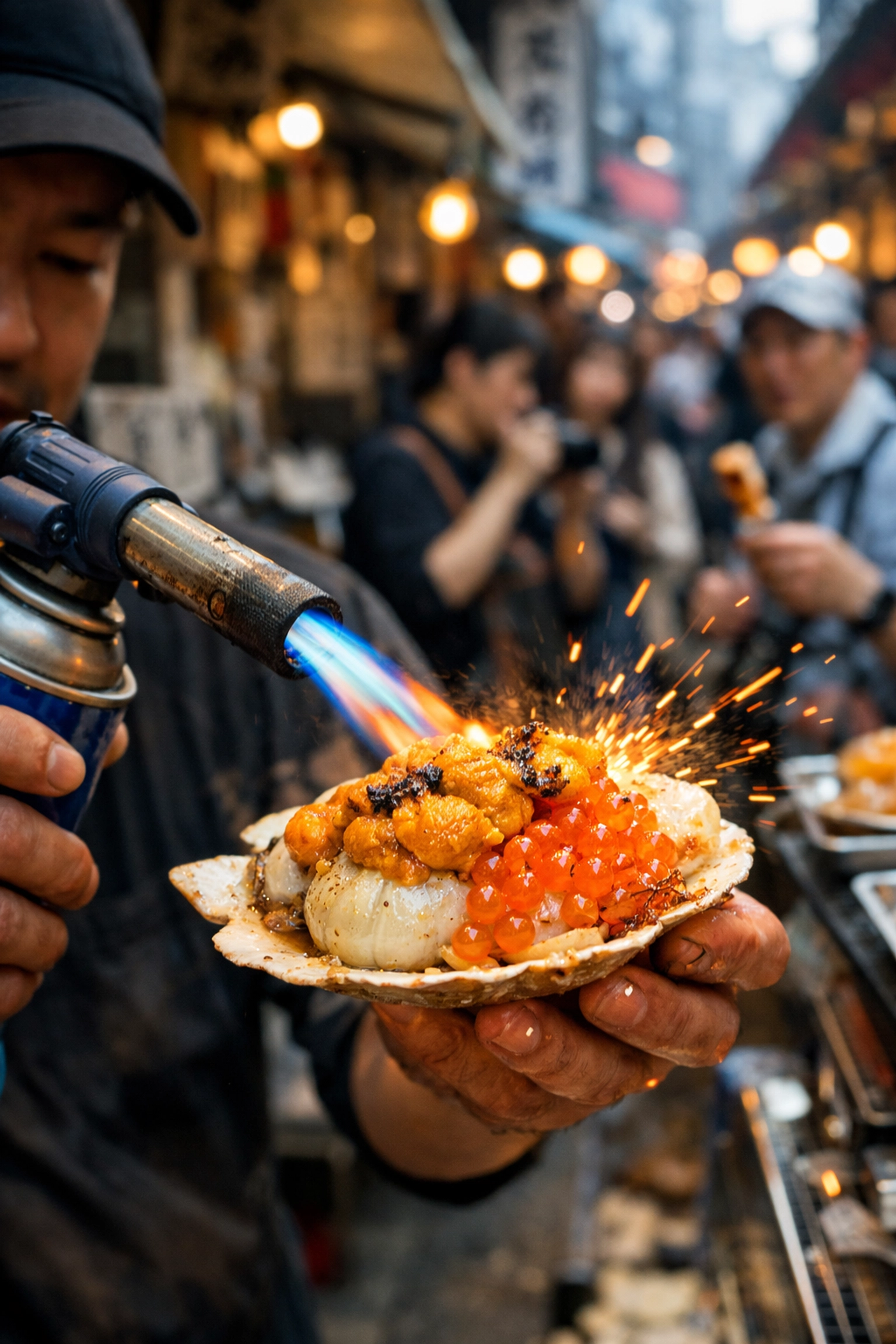
The famous inner tuna auction moved to Toyosu a few years back, but the Tsukiji Outer Market is still the place to be for foodies. It opens early (around 5:00 AM) and most of the action is wrapped up by 2:00 PM.
This is where you go for fresh-off-the-boat sashimi bowls, grilled scallops as big as your fist, and tamagoyaki (sweet rolled omelet) on a stick. It can be insanely crowded, so if you want to navigate the maze like a local, we highly recommend booking a guided tour of Tsukiji through Viator. They’ll show you the best stalls and explain exactly what you’re eating.
6. Capturing the Moment
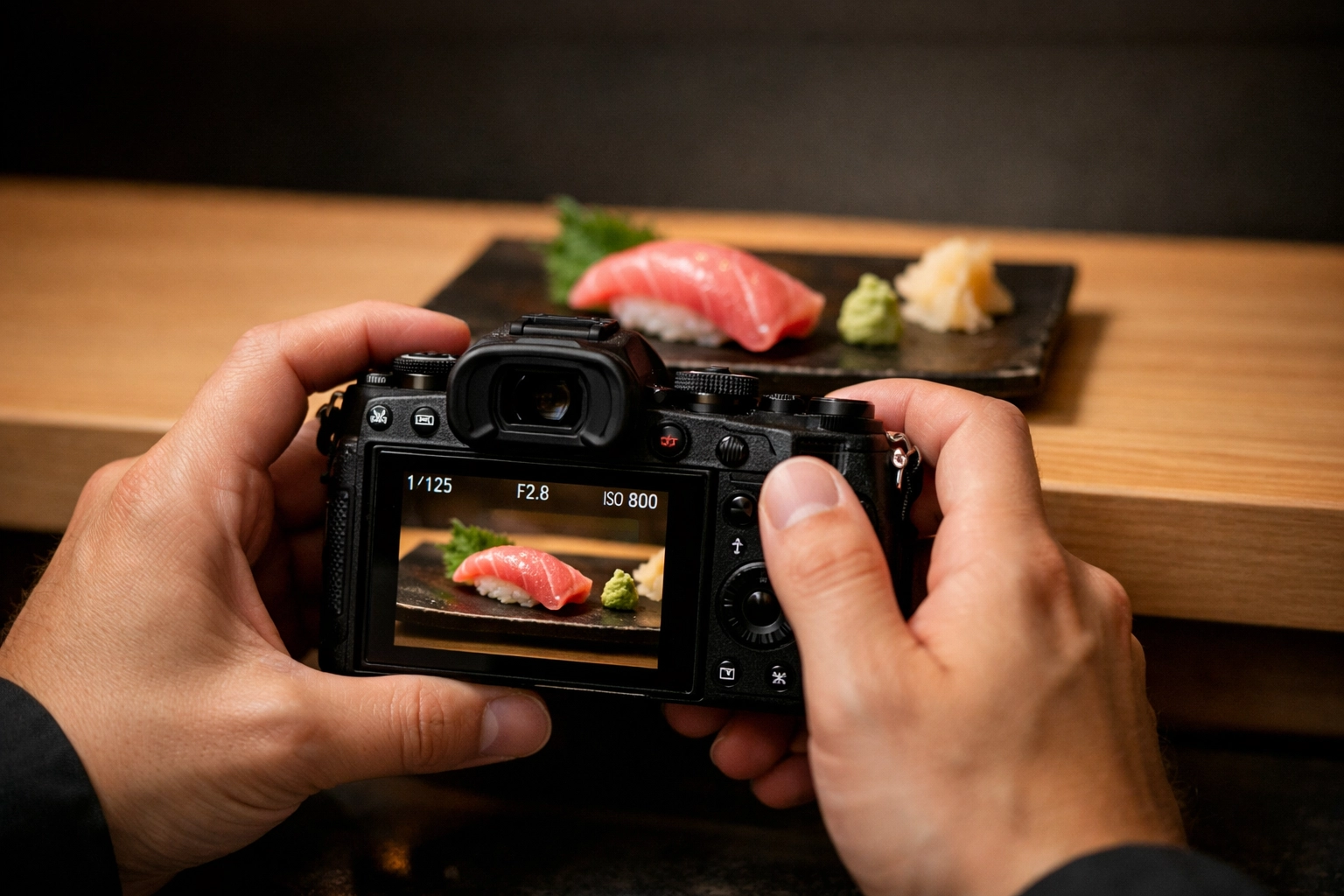
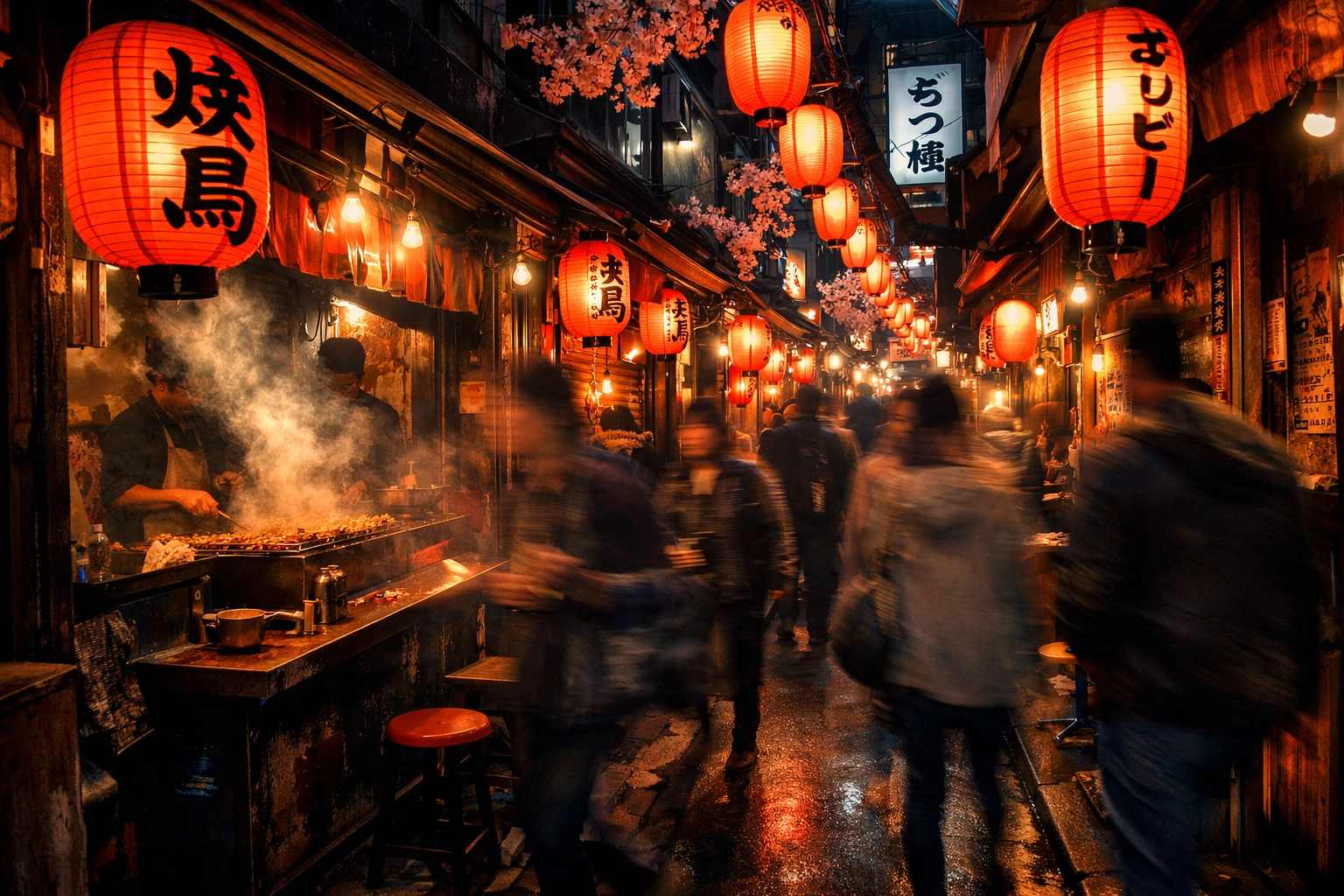
Since we are Photoguides, we have to talk about the "Gram." Tokyo food is incredibly aesthetic. Whether it's the steam rising off a bowl of ramen in Shinjuku's Memory Lane or the intricate plating of a Kaiseki meal, you’re going to want to take photos.
Remember to be respectful. Some high-end sushi spots actually forbid photography to preserve the "wa" (harmony) of the meal. Always ask "Shashin ok desu ka?" (Are photos okay?) before you start snapping. If you’re looking to level up your editing once you get home, take a look at our sky overlays to give your Tokyo cityscapes that extra pop. Also, check out Shut Your Aperture for more community tips on street and food photography.
7. The 14-Day Roadmap
This is just the beginning. Over the next two weeks, we are going to explore:
- Akihabara: Maid cafes and monster sliders.
- Ginza: Where to find the world’s best sushi (and how to book it).
- Harajuku: Street food that is almost too cute to eat.
- Shinjuku: Drinking and snacking in the tiny alleys of Golden Gai.
- Asakusa: Traditional snacks and temple food.
…and much more.
If you’re the type of person who likes to have everything handled, you can browse a variety of Tokyo photography booking experiences or, better yet, dive straight into the local flavors by finding a food experience on Viator.
Final "Before You Land" Checklist:
- Download your maps: Tokyo is a labyrinth.
- Buy a Suica/Pasmo card: Even if it's the digital version on your iPhone. It’s for trains, but you can also use it to pay at vending machines and Konbinis.
- Hydrate: You’re going to be eating a lot of sodium.
- Book one tour early: Getting your bearings with a local guide on your first day can change the trajectory of your whole trip. Check out these highly-rated food tours to get started.
Tokyo is a city that rewards the curious and the hungry. It can be intimidating, but that’s part of the charm. If you want more inspiration on travel and lifestyle photography, don't forget to visit Edin Chavez’s personal blog or browse the fine art at Edin Fine Art.
Stay tuned for tomorrow, where we tackle the neon madness of Akihabara. Until then, keep your lenses clean and your appetite sharp. Sayonara!













