
Category: Photo Guides
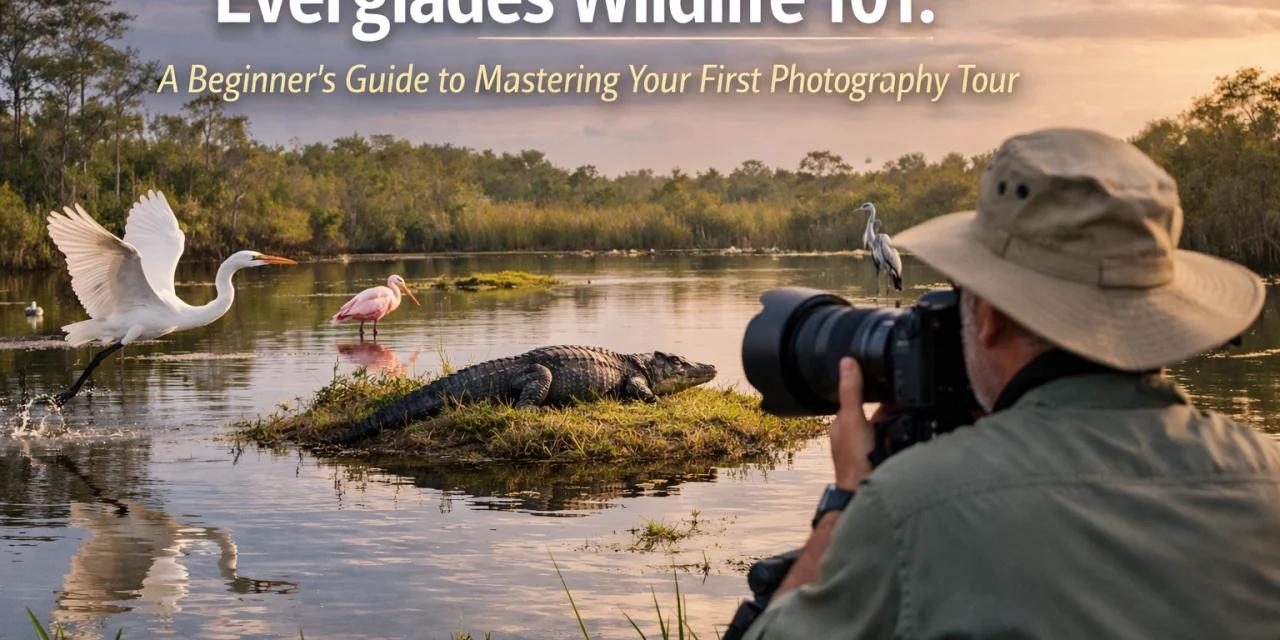
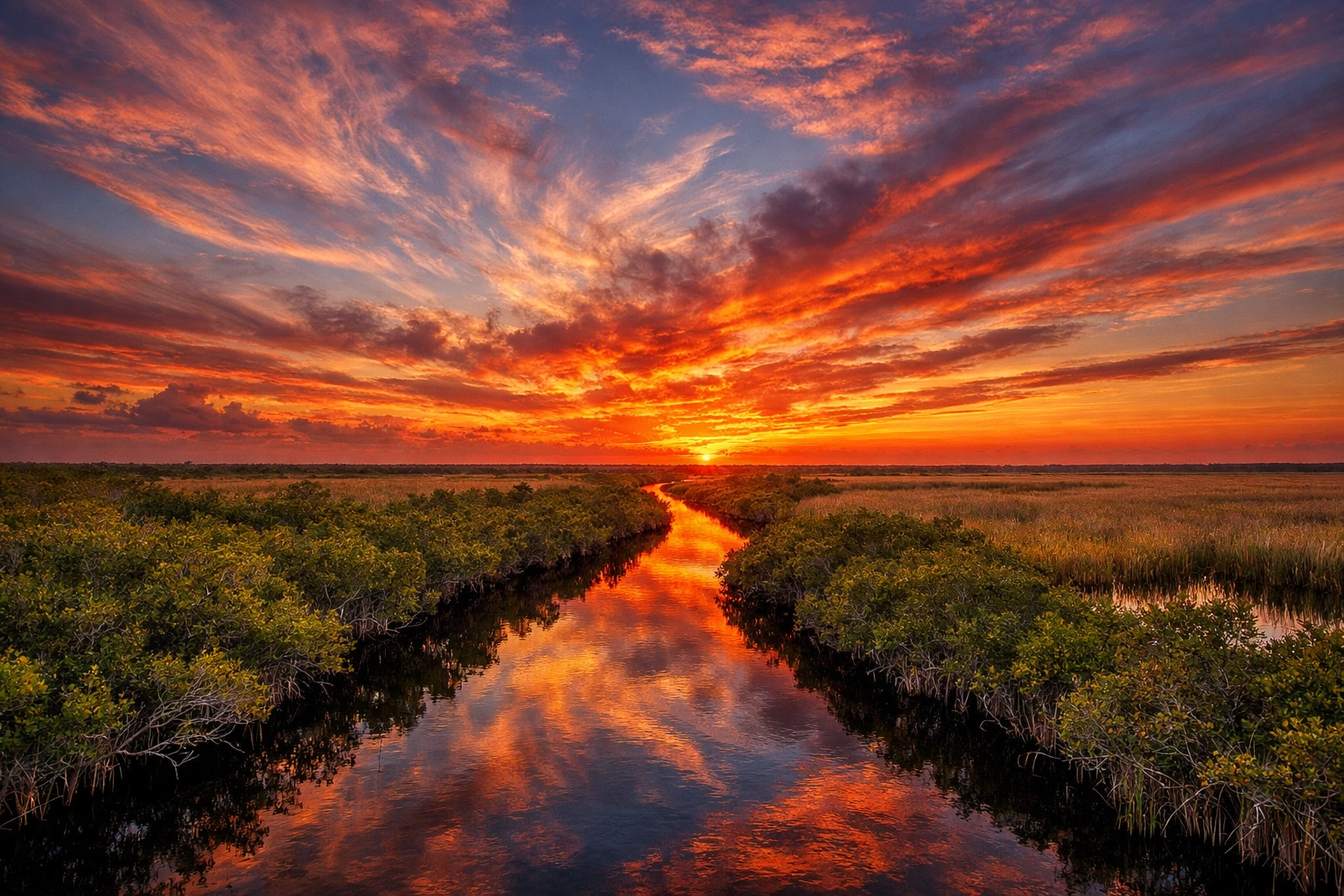
There is something almost prehistoric about the Florida Everglades. As you stand on a wooden boardwalk, the morning mist rising off the sawgrass, and hear the low, guttural rumble of an alligator nearby, you realize you’ve stepped into another world. For a photographer, it’s a playground of light, texture, and some of the most accessible wildlife on the planet.
If you are planning your first photography tour, you might feel a mix of excitement and "gear-anxiety." What lens do I need? Where do I go? Will the animals even show up? Don't worry: I’ve got you covered. The Everglades is actually one of the best places for a beginner to cut their teeth on wildlife photography because the animals here are often surprisingly patient with us humans.
In this guide, we’re going to walk through everything you need to know to make your first trip a success. And if you want to skip the guesswork entirely, you should definitely check out my Everglades Photography Guide to get the exact GPS coordinates and secret spots I use for my own professional shoots.
Why the Everglades is Perfect for Beginners
Most wildlife photography requires hours of trekking through dense forest or sitting in a blind for days just to see a flicker of a tail. The Everglades is different. Because of the way the park is structured: with extensive boardwalks and well-maintained trails: the wildlife is often right in front of you.
Animals in popular spots like the Anhinga Trail have become "habituated" to people. They aren't "tame," but they aren't skittish either. This gives you the rare opportunity to slow down, check your settings, and really think about your composition without the animal bolting the second you click the shutter.
Timing is Everything: The Dry Season Advantage
If you want the best experience for your first tour, timing is the most important factor. In Florida, we don't really have four seasons; we have the "Dry Season" and the "Wet Season."
The Dry Season (November to April) is the prime time for photography. As the water levels across the Glades drop, the fish are forced into deeper, shrinking pools. Naturally, the birds and alligators follow the food. This creates high concentrations of wildlife in predictable locations. Plus, the weather is gorgeous, and the mosquitoes are (mostly) on vacation.
The Wet Season (May to October) is beautiful and lush, but the wildlife disperses because there is water everywhere. It’s also when the humidity and bugs are at their peak. For your first tour, stick to the winter months.
Essential Gear for Your First Tour
You don't need a $15,000 setup to get pro-level shots in the Everglades, but you do need the right tools.
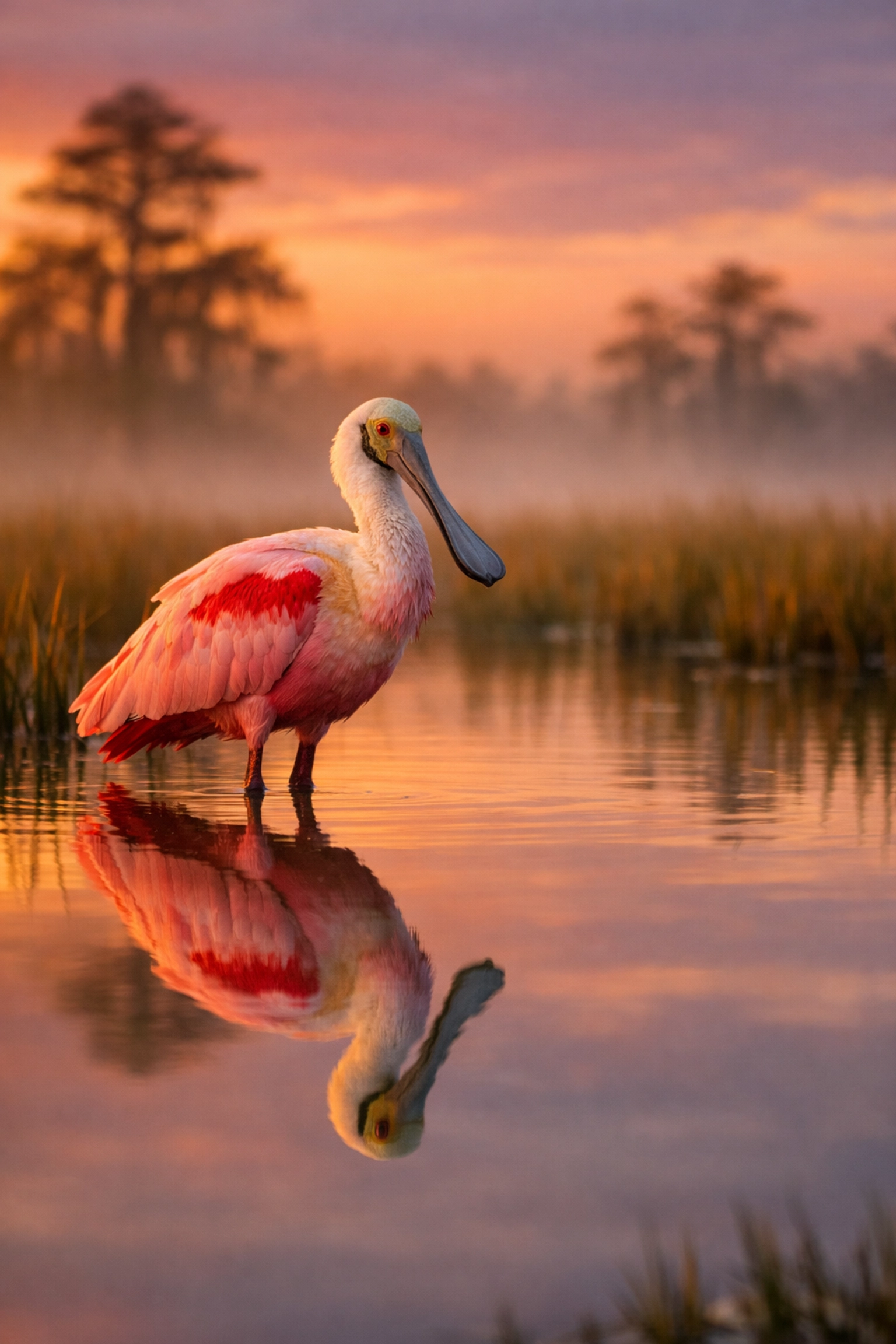
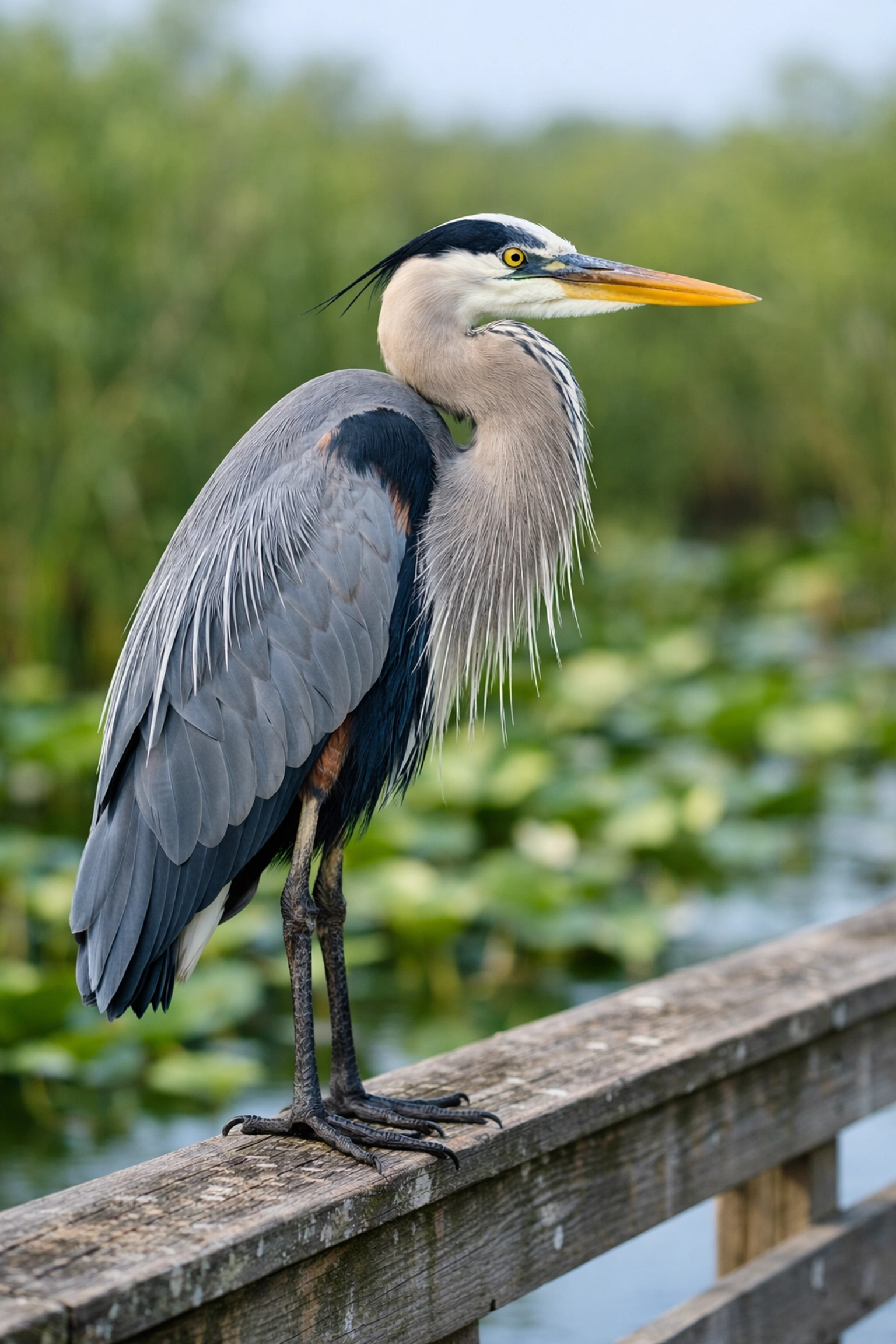
- The Telephoto Lens: This is your bread and butter. A 70-200mm lens is great for "environmental portraits" where you show the animal in its habitat. However, for those stunning close-ups of a Great Blue Heron’s eye or a Roseate Spoonbill in flight, a 300mm or 400mm lens is ideal. If you're looking for recommendations, check out our camera reviews 2024 section.
- A Circular Polarizer: The Everglades is a world of water. A polarizer helps cut the glare on the surface of the swamp, allowing you to see (and photograph) what’s beneath: like an alligator’s tail or a submerged turtle.
- Stability: While many modern cameras have great stabilization, a tripod or monopod can be a lifesaver when you're waiting for a bird to take flight.
- Protection: Florida weather is unpredictable. Even in the dry season, a quick rain shower can pop up. Bring a simple rain cover for your gear.
You can find a more detailed breakdown of what I carry in my bag over at essential photography gear.
Top Beginner-Friendly Locations
For your first outing, I recommend starting with the "classics." These spots are popular for a reason: they deliver results.
1. The Anhinga Trail (Royal Palm)
This is the "Old Faithful" of the Everglades. Located near the Homestead entrance, this trail features a long boardwalk over a sawgrass marsh. You are almost guaranteed to see alligators, turtles, and plenty of Anhingas (the trail's namesake). It’s the perfect place to practice your bird photography techniques because the birds here often sit perfectly still while they dry their wings.
2. Shark Valley
Don’t let the name fool you: you won’t see many sharks here (it’s named for the Shark River). Instead, you’ll see an abundance of alligators. The 15-mile loop is best explored by bike or the park’s tram. The wildlife here is very accustomed to people, making it an excellent spot for close-ups.
3. Wakodahatchee Wetlands
While technically just north of the park in Delray Beach, this is a must-visit for any beginner. The boardwalk takes you right through a nesting colony. You can get incredibly close to Wood Storks, Great Egrets, and Blue Herons without even needing a massive lens.
Mastering the "Big Two": Alligators and Crocodiles
The Everglades is the only place on Earth where American Alligators and American Crocodiles coexist. As a photographer, capturing these apex predators is a thrill.
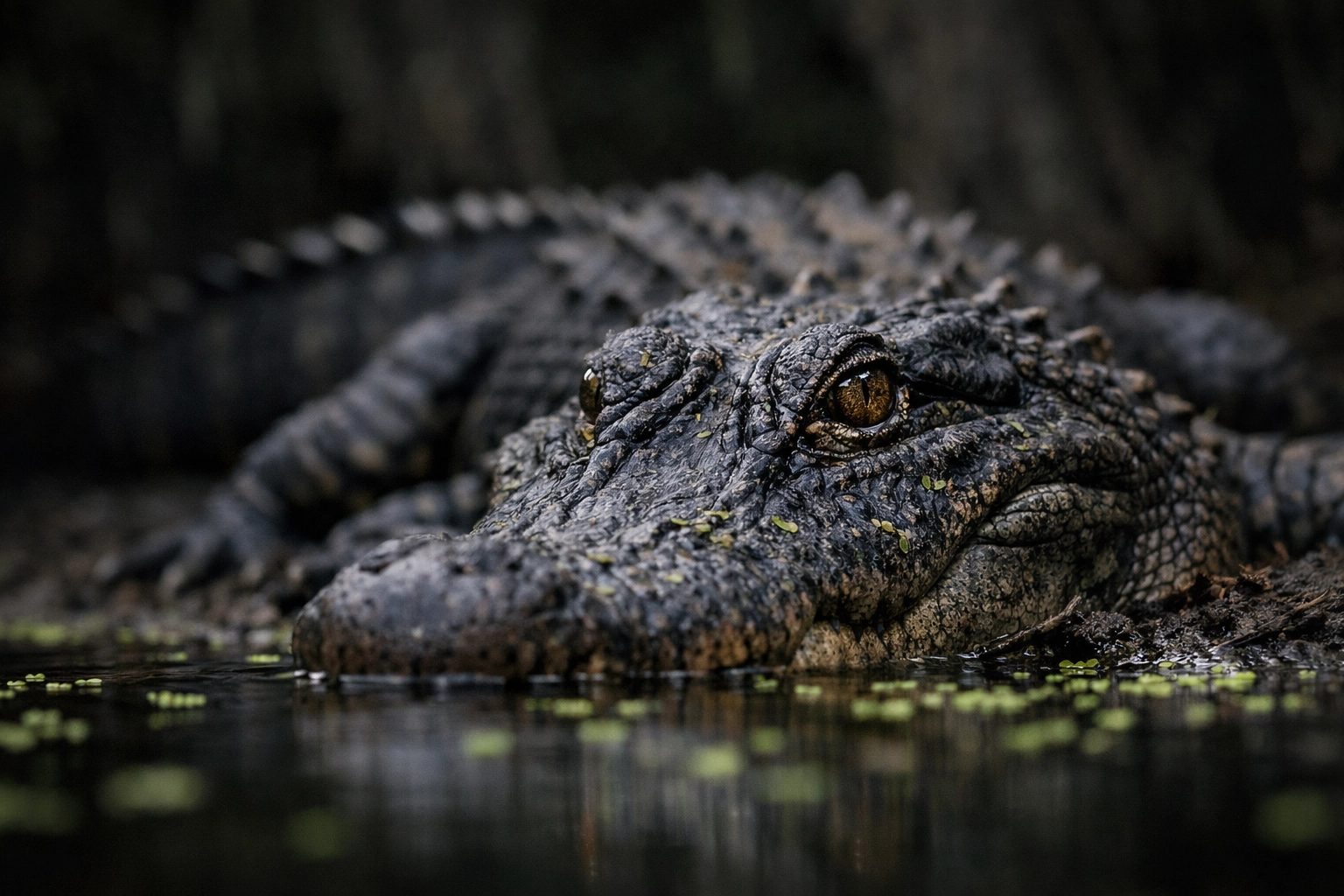
- The Alligator: Look for them sunning themselves on the banks. The best shots often involve getting low (while staying a safe distance away!) to capture an eye-level perspective.
- The Crocodile: These are rarer and usually found in the saltier waters near Flamingo. They have a narrower snout and a more "toothy" grin.
For more wildlife insights and fine art inspiration, you can see how I process these powerful images at Edin Fine Art.
Photography Techniques for Success
Getting a clear shot of an animal is one thing; getting a great shot is another. Here are a few tips to elevate your work during your tour:
- Shoot at Eye Level: This is the #1 rule in wildlife photography. If you photograph a bird or a gator from a standing position looking down, the image feels like a snapshot. If you get down low, you enter their world. It creates an intimate connection between the subject and the viewer.
- Focus on the Eye: If the eye isn't sharp, the photo is a discard. Use single-point autofocus and lock it right on the eye of the animal.
- Watch the Background: A distracting branch or a bright patch of sky can ruin a great subject. Shift your body a few inches to the left or right to find a "clean" background that makes your subject pop.
- Fast Shutter Speeds: Even when a bird seems still, it can move its head in a split second. Keep your shutter speed high: at least 1/1000th of a second for perched birds and 1/2500th or higher for birds in flight.
Respecting the Wild
As a photographer, your first priority is always the welfare of the animal. Never feed or harass wildlife to get a better "pose." If an animal changes its behavior because of your presence, you are too close.
The goal is to be a ghost: to capture the natural beauty of the Everglades without leaving a trace. This philosophy is something we take very seriously in our community at Shut Your Aperture.
Planning Your Logistics
If you're traveling from out of town, you'll likely want to stay in Homestead or Florida City for easy access to the main park entrance. If you have some extra time, I highly recommend checking out some of Miami's hidden speakeasies for a celebratory drink after a long day of shooting.
For those looking to turn their photography hobby into something more, the Everglades is a great place to build a portfolio. You can even learn about evergreen online business ideas for 2026 to see how to monetize your nature shots.
Final Thoughts: Your Adventure Awaits
Your first photography tour in the Everglades will be an experience you never forget. Whether you’re capturing the prehistoric scales of an alligator or the delicate pink feathers of a Roseate Spoonbill, the "River of Grass" has a way of getting under your skin.
Remember, the best photos come to those who are patient. Sit, observe, and wait for the light to hit just right. And if you want to ensure you're in the right place at the right time, grab a copy of the Everglades Photography Guide. It’s the ultimate shortcut to getting the shots you’ve always dreamed of.
Happy shooting, and I’ll see you out in the swamp! For more tips on booking the perfect trip, check out our photography booking experience guide.













