
Category: Foodies
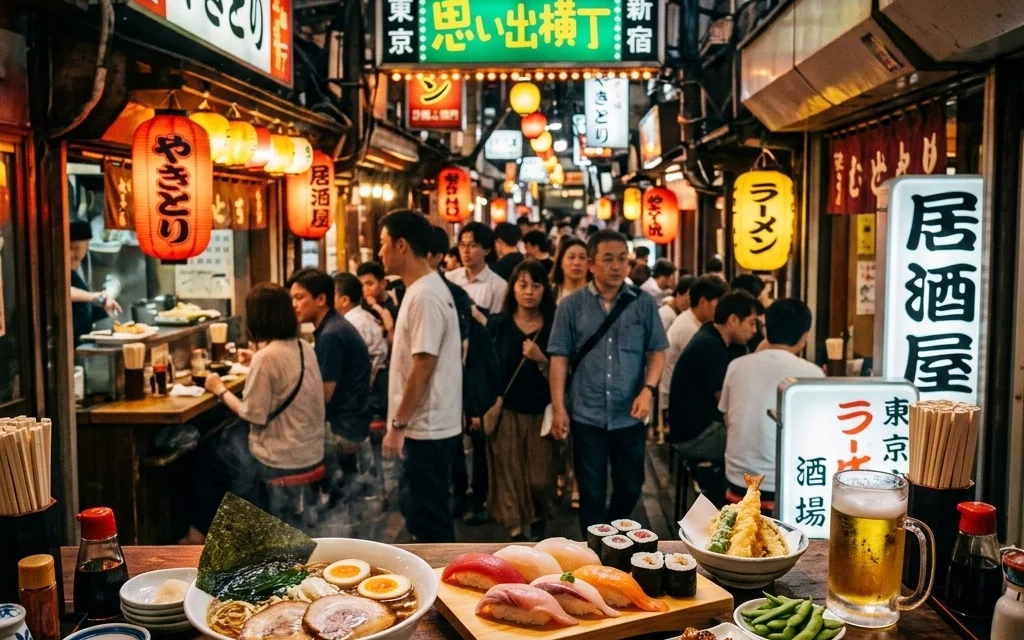
Tokyo is less of a city and more of a multi-sensory fever dream where the soundtrack is the sizzle of yakitori and the visuals are neon-drenched ramen stalls. If you’re a fan of eating, and let’s be honest, if you aren't, why are you here?, Tokyo is your Mecca. It has more Michelin stars than any other city on the planet, but it also has 7-Eleven egg salad sandwiches that will legitimately change your life.
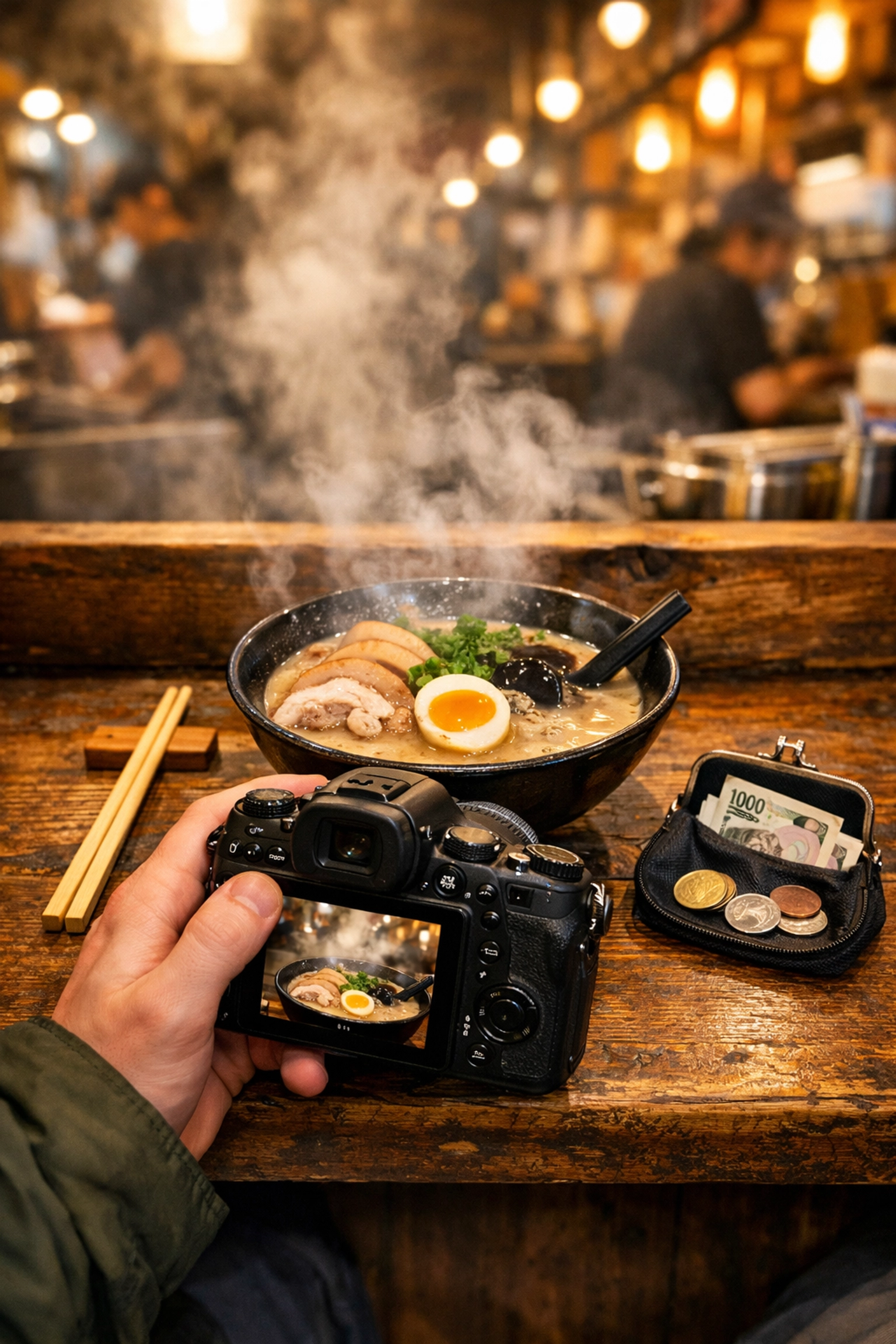
I’m Edin Chavez, and at Photoguides, we’re usually obsessed with getting the perfect shot. But in Tokyo? The "shot" is often the steam rising off a bowl of Tonkotsu. This is a 14-day culinary roadmap to help you navigate the delicious chaos of Japan’s capital. Put on your stretchy pants; we’re going in.
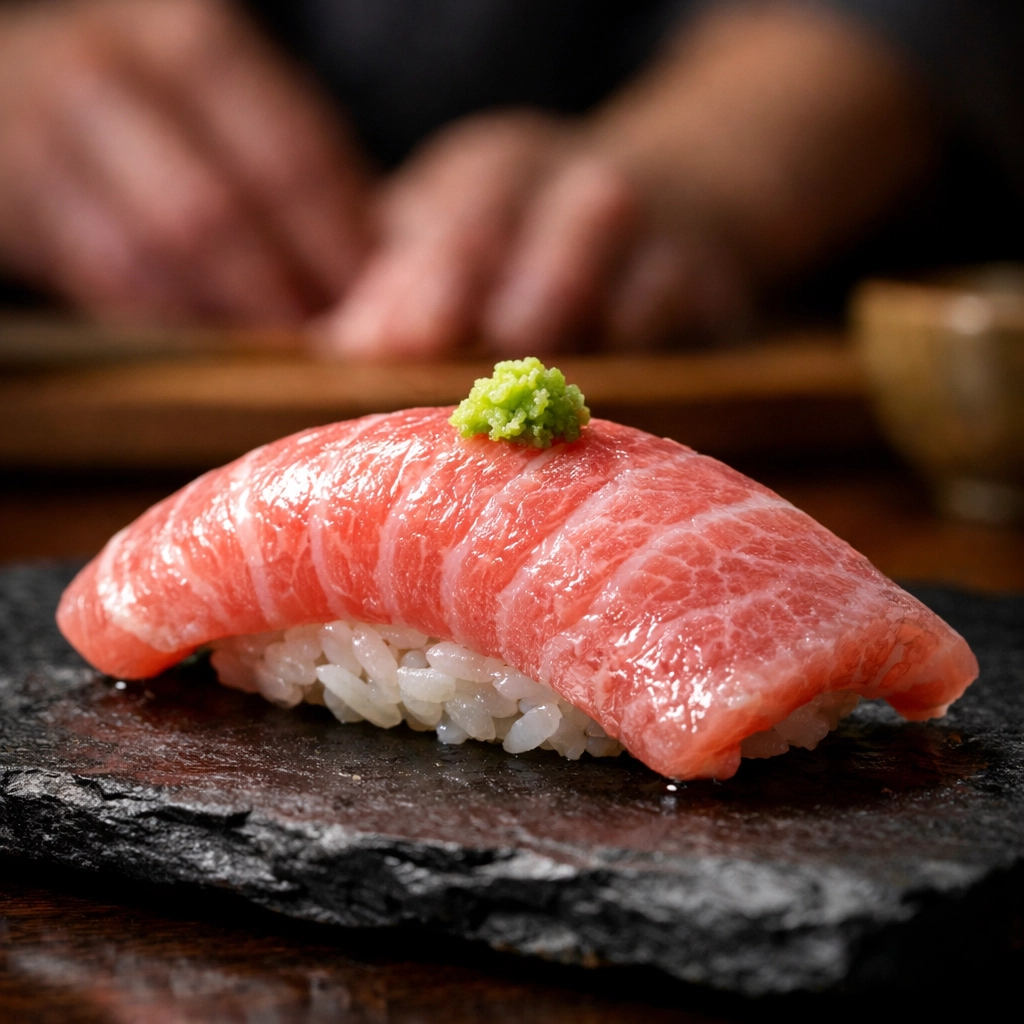
Days 1-2: The Sushi Standard (Ginza & Tsukiji)
You can't start a Tokyo food tour anywhere else. Ginza is the land of high-end omakase where the rice is seasoned to perfection and the fish is sliced with the precision of a surgeon. This is where you find the legendary spots that require booking months in advance. If you want to see the masters at work, I highly recommend booking a luxury sushi tour through Viator to skip the confusion of the booking systems.
On Day 2, head to the Tsukiji Outer Market. While the inner wholesale market moved to Toyosu, the outer market is still a vibrant maze of street food. Think grilled scallops topped with sea urchin, tamagoyaki (sweet rolled omelet) on a stick, and tuna bowls so fresh they practically glow.
Pro Tip: This is a great place to test your essential photography gear. The textures of the seafood are a macro photographer’s dream. Check out my work at Edin Fine Art to see how I capture those tiny details.
Days 3-4: Street Food & Sugar Highs (Harajuku & Shibuya)
Harajuku isn't just for wild fashion; it’s the capital of "Instagrammable" eats. Walking down Takeshita Street, you’ll be tempted by towering crepes, rainbow grilled cheese, and those insanely fluffy Japanese pancakes at Flippers. They wiggle when you move the plate, it’s mesmerizing.
In Shibuya, after you’ve survived the famous Scramble Crossing, reward yourself with some Henry’s Burger. It’s simple, no-frills, and incredibly juicy. For a deep dive into the hidden alleyways (yokocho) where the locals hide, this Shibuya food tour is a game-changer.
Days 5-6: Nerd Culture & Legendary Noodles (Akihabara & Ikebukuro)
Akihabara is the "Electric Town," famous for electronics and anime. But for foodies, it’s about the themed cafes. From Maid Cafes to Final Fantasy-themed bars, the food is often more about the presentation than the flavor, but the experience is 10/10.
When you’re ready for "real" food, jump over to Ikebukuro, a hub for serious ramen lovers. Try Mutekiya, the line is long, but the rich, creamy broth is worth every minute. If you want to learn the history behind the broth, book a ramen tasting tour here.
Days 7-8: Meat Lovers' Paradise (Ebisu & Shinjuku)
Ebisu is where you go for Yakiniku (grilled beef). Places like Toranoana specialize in premium cuts that melt on your tongue. It’s a sensory experience: the smell of the charcoal, the sizzle of the wagyu, and the cold beer to wash it down.
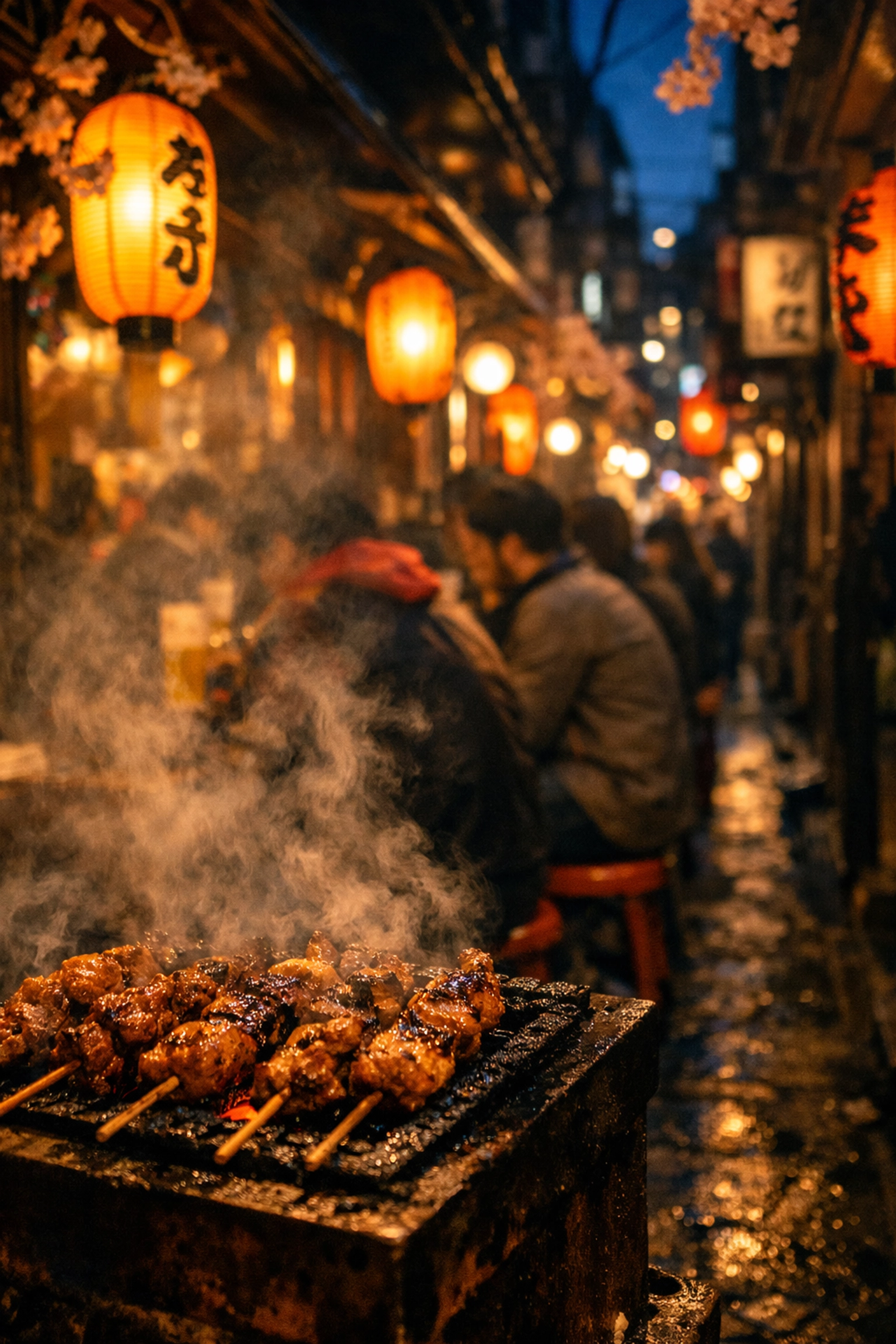
Shinjuku is home to Omoide Yokocho (Memory Lane), also known as "Piss Alley." Don't let the name scare you; it’s a narrow alley filled with tiny stalls serving the best yakitori in the city. After dinner, wander over to the Golden Gai for a drink in a bar that only holds five people. For a curated night out in the neon lights, check out these Shinjuku food experiences.
Photography Note: Low-light photography is tricky here. If you're struggling with your nighttime shots, head over to Shut Your Aperture for some community tips on nailing the neon vibe.
Days 9-10: Traditional Flavors (Asakusa)
Asakusa feels like a step back in time. Around the Senso-ji Temple, you’ll find traditional snacks like age-manju (deep-fried bean cakes) and kibi-dango (millet dumplings). It’s also a great spot for Unagi (freshwater eel). The sweet, savory glaze and the tender fish served over rice is a classic Tokyo meal.
To really understand the history of this area, a guided food walk through Asakusa is the best way to ensure you don't miss the "secret" stalls hidden in the side streets.
Days 11-12: The Depachika & Konbini Magic
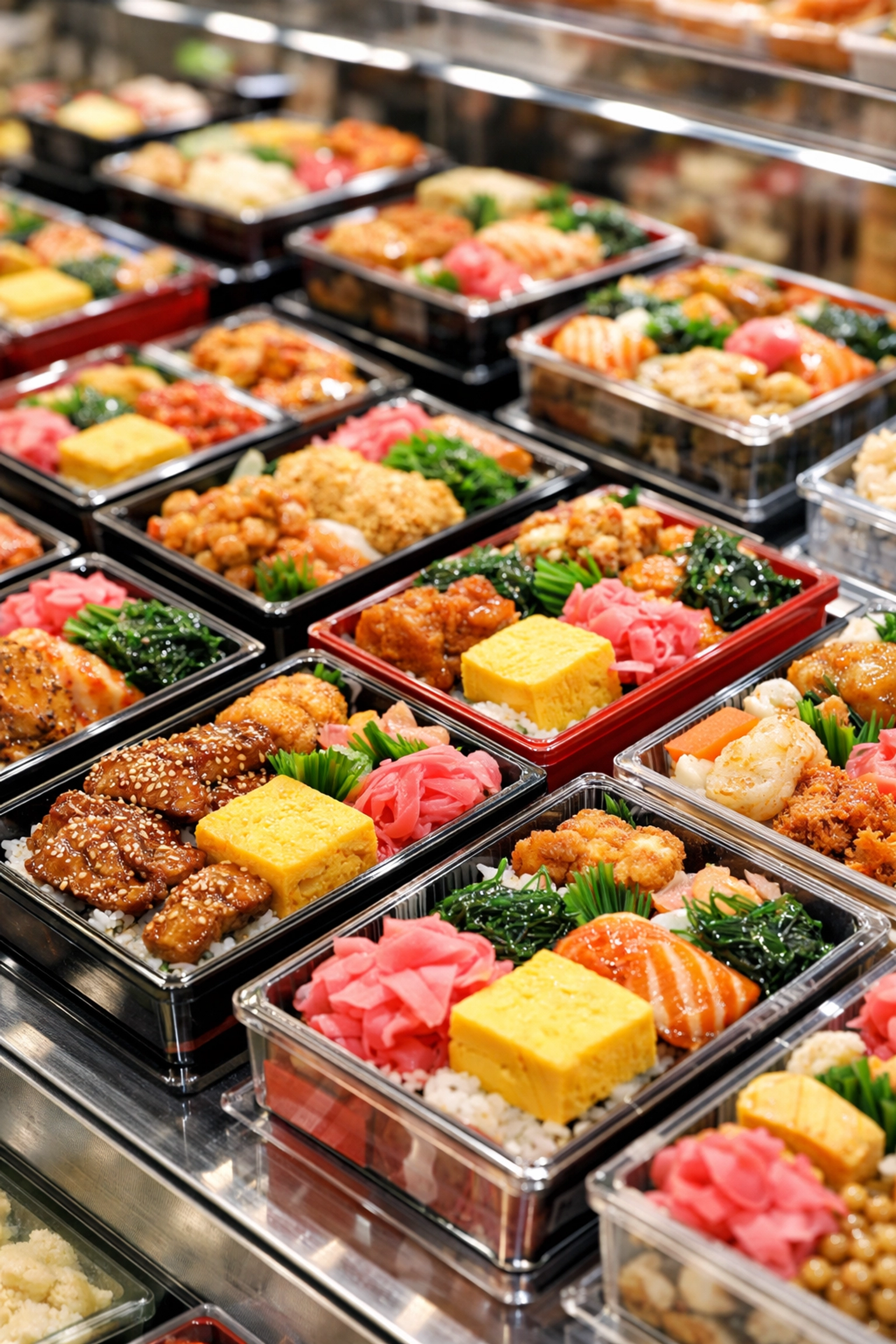
Wait, don’t skip this. A Depachika is the basement food hall of a Japanese department store (like Isetan or Mitsukoshi). It is a temple of gastronomy. You’ll see $100 melons, perfectly packaged bento boxes, and French pastries that would make a Parisian weep.
And then there’s the Konbini (convenience store). 7-Eleven, Lawson, and Family Mart are a way of life in Tokyo. Do not leave Japan without trying the egg salad sandwich, the fried chicken (Famichiki), and the onigiri. It’s high-quality food for the price of a subway fare. If you’re looking for more cheap weekend getaways or travel hacks, we’ve got plenty of guides for that.
Days 13-14: The Deep Cuts (Nishi-Azabu & Beyond)
To wrap up your 14 days, head to Nishi-Azabu for some Tonkatsu at Butagumi. They serve pork from various regions across Japan, and each cut has its own "flavor profile." It’s served in a traditional Japanese house, making it feel incredibly intimate.
For your final night, go for the "Wagyu Katsu Sando." It’s a breaded wagyu beef cutlet between slices of fluffy white bread. It’s expensive, it’s decadent, and it’s the perfect farewell to Tokyo. For a final grand finale, find a top-rated dining experience here.
The "Succeed in Tokyo" Checklist
Eating in Tokyo is an art form, and like any art, it requires a bit of prep. Here is how you ensure you actually get to eat the food you're dreaming about:
- Download Tabelog: This is the Japanese version of Yelp, and the ratings are brutal. Anything above a 3.5 is considered world-class.
- Cash is King: While things are changing, many of the best "hole-in-the-wall" ramen shops only take cash via a vending machine ticket system.
- Learn the Etiquette: No tipping. None. It’s actually considered a bit rude. Also, don't walk and eat (except in designated street food areas like Harajuku).
- Book Your Tours Early: Tokyo is crowded. If you want a guide who knows the owners and the history, Viator is your best bet.
- Camera Ready: You’re going to want to document this. If you’re looking to upgrade your setup before the trip, check out our camera reviews for 2024.
Why Tokyo?
People ask me all the time why I keep going back to Tokyo when I could be exploring Miami's hidden speakeasies or shooting wedding photography in remote locations. The answer is simple: the respect for the ingredient. Whether it’s a chef who has spent 40 years perfecting a single piece of tuna or a guy in a stall making sure your takoyaki is perfectly round, there is a level of pride in Tokyo’s food scene that you just don’t find anywhere else.
It can be overwhelming, sure. The subway map looks like a bowl of spilled noodles itself. But that’s the beauty of it. You can't "fail" at eating in Tokyo; you can only find new things you didn't know you loved.
If you’re planning your trip and need more inspiration, check out my personal blog at Edin Chavez for more travel stories and behind-the-scenes looks at my photography expeditions.
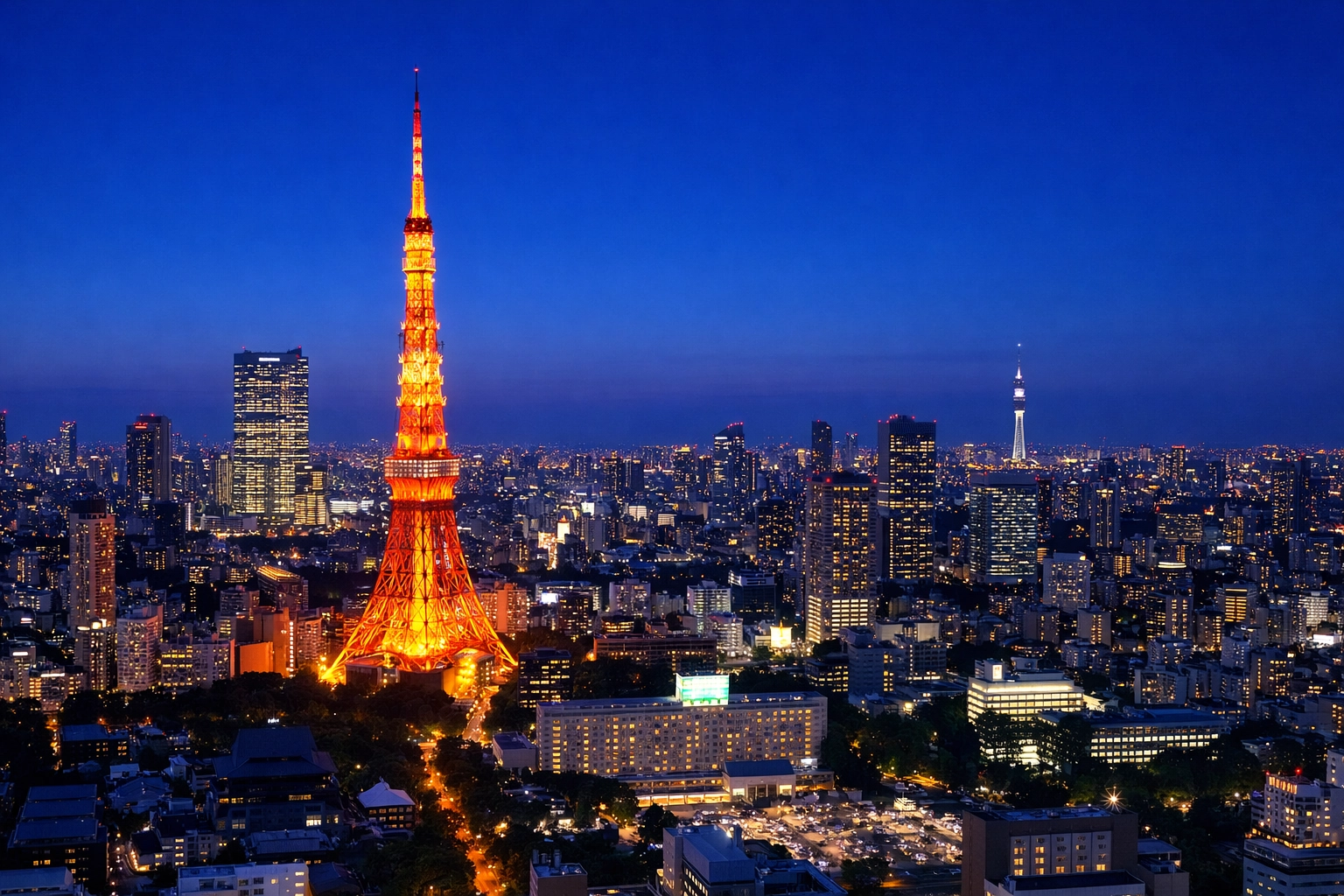
Tokyo is waiting. The grill is hot, the fish is fresh, and the ramen is steaming. Now, go forth and eat everything in sight. Just remember to book your food tours ahead of time so you don't spend your whole vacation standing in line!













