
Category: Photo Guides
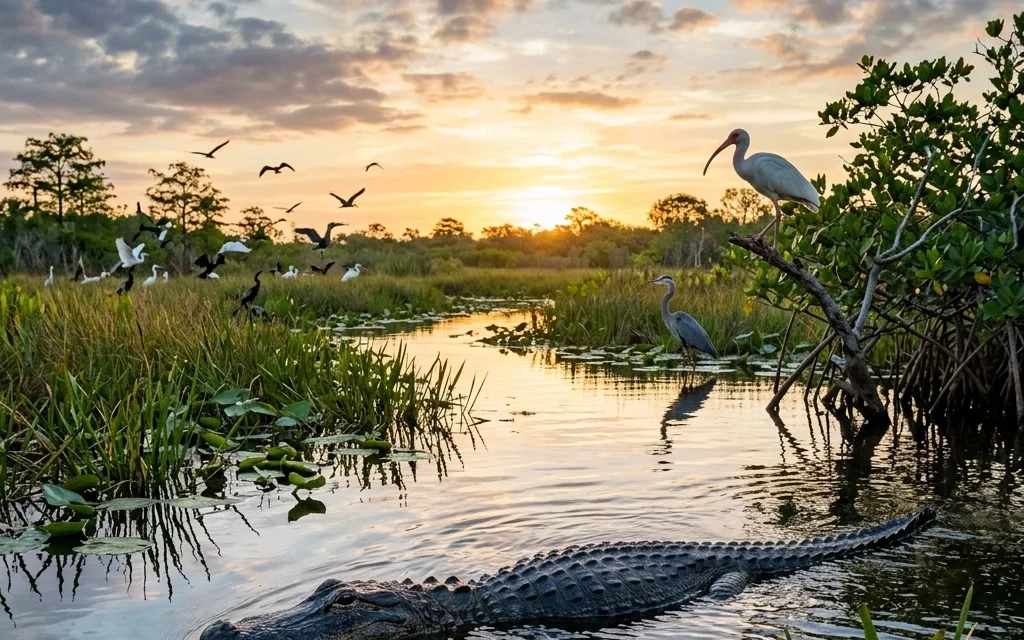
You’ve seen those stunning shots of a prehistoric alligator surfacing through the duckweed or a Great Blue Heron frozen in mid-strike, every drop of water glistening in the sun. They look like they belong on the cover of National Geographic, and if you’ve ever tried to take them yourself, you might have ended up with a blurry bird or a landscape that looks more like a messy puddle than a masterpiece.
I’m here to tell you that those professional shots aren't just the result of a $15,000 lens. While gear helps, the real "secrets" are actually about timing, patience, and a deep understanding of the Floridian landscape. At Photoguides, we believe everyone should be able to capture the raw beauty of the River of Grass. Whether you are a seasoned pro or just picking up your first DSLR, these tips will change how you look through your viewfinder.
If you are ready to stop guessing and start shooting like a pro, you should definitely check out my Everglades Photography Guide. It’s the culmination of years spent in the muck and mud, distilled into a roadmap for your success.
The Secret of the "Dry" Season
Most people think of Florida as a summer destination. Big mistake. For wildlife photography in the Everglades, the "secret" isn't a hidden trail; it's a date on the calendar.
The Everglades is a seasonal ecosystem. During the wet season (May to October), the water levels rise, and the wildlife scatters across thousands of square miles of sawgrass. It’s nearly impossible to find them. But come November through April, the dry season, the water recedes into deep holes and canals. This forces the alligators, fish, and birds into concentrated areas.
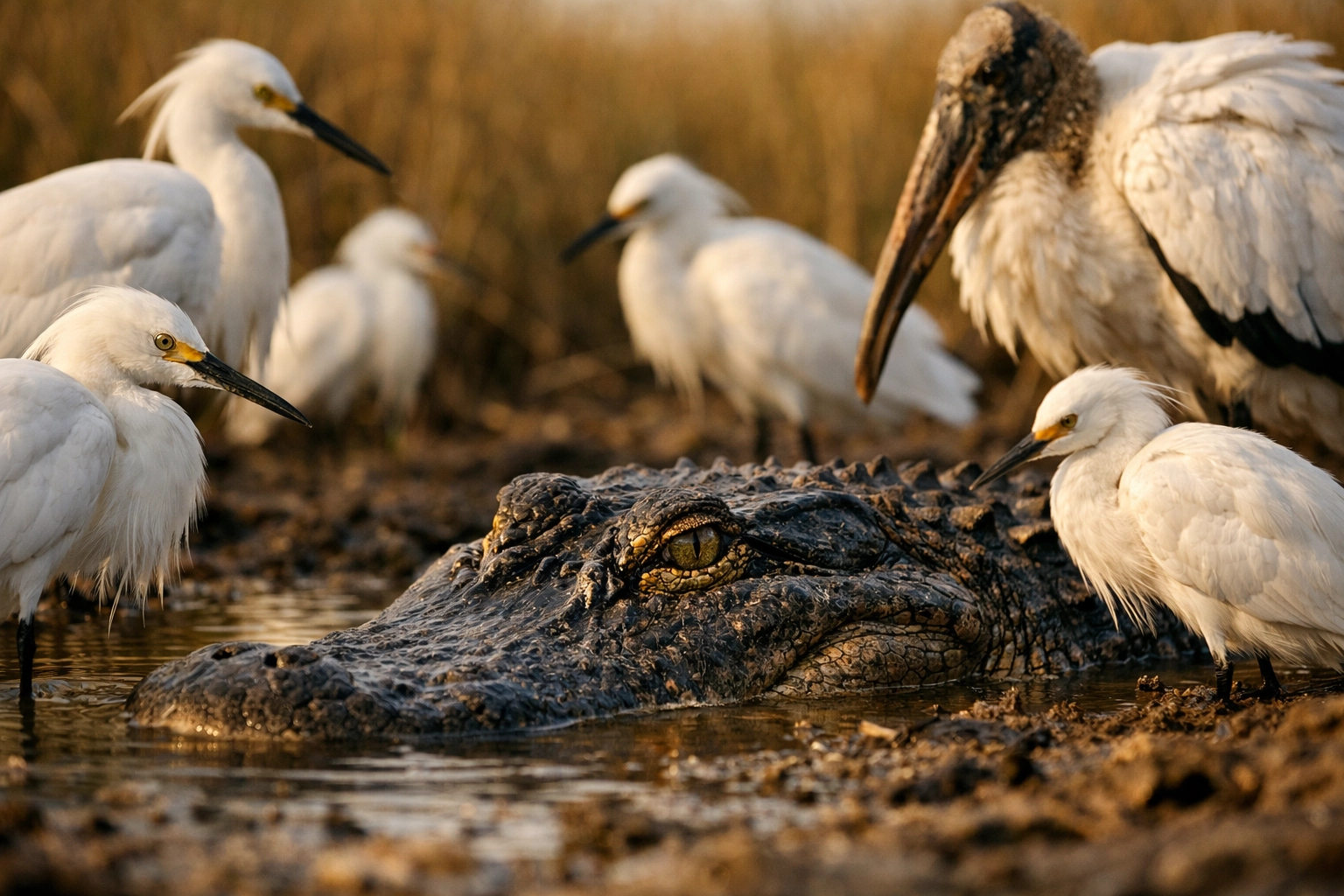
When you visit during the dry season, the density of wildlife is staggering. You don't have to hunt for the animals; they are all right there, competing for space in the remaining water. This is when you can get those incredible action shots of wading birds hunting or alligators basking just feet away from the trail.
Timing Your Light (And Your Subjects)
You’ve heard about the Golden Hour, but in the Everglades, it’s about more than just pretty light. It’s about activity.
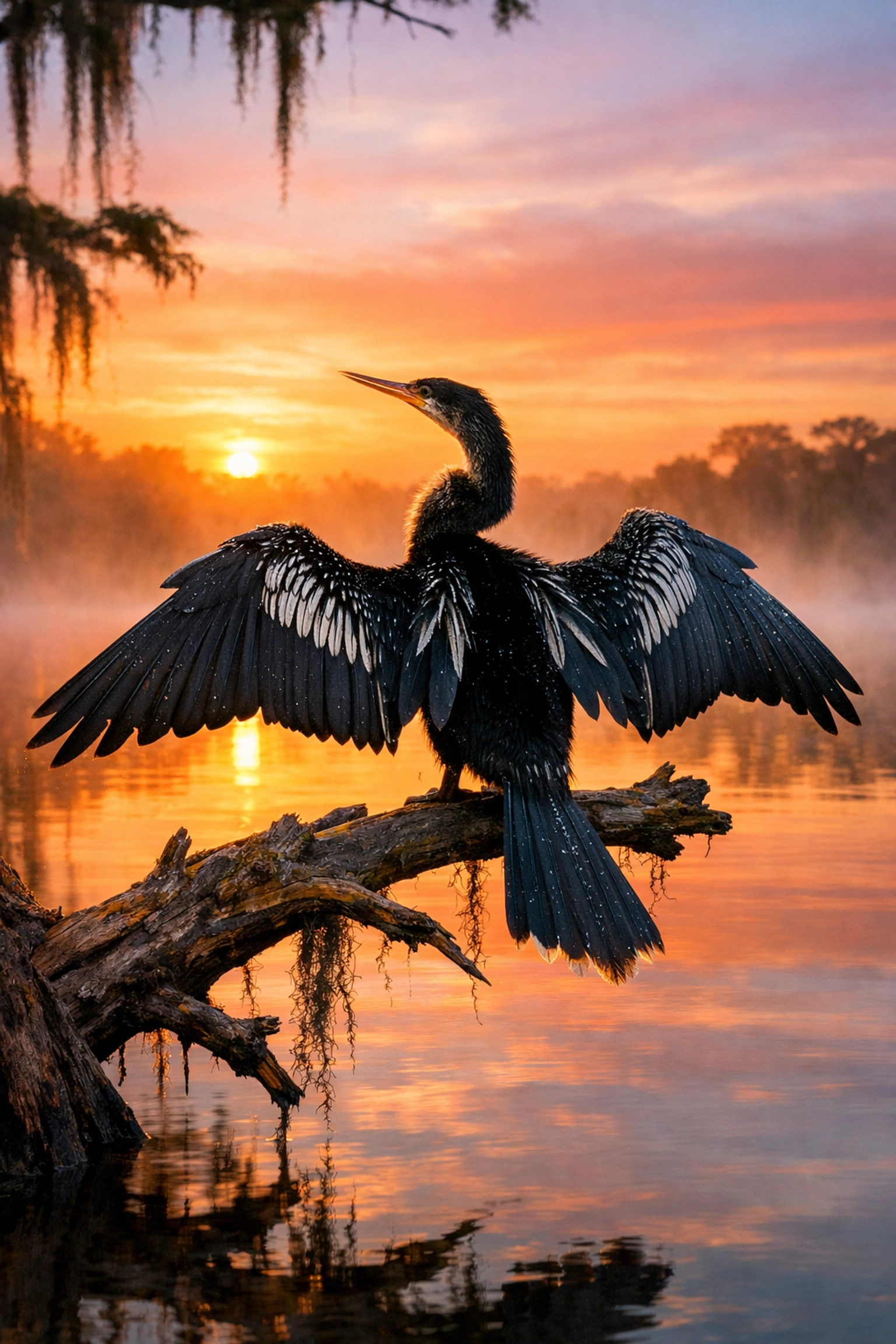
Experts know that the "secret" to those high-energy bird shots is arriving before the sun even peaks over the horizon. Birds like the Anhinga and the Snowy Egret are most active in the early morning. They are hunting, preening, and establishing territory. By 10:00 AM, the Florida sun becomes harsh and flat, washing out the colors of the birds and creating deep, ugly shadows on the water.
If you can’t make it for sunrise, the late afternoon is your next best bet. The light softens, and the animals become active again as the temperature drops. If you’re looking for gear to handle these low-light transitions, I’ve put together a list of essential photography gear that can help you navigate the technical challenges of the swamp.
The "Car Blind" Technique
Here is something the experts don't always talk about: some of your best shots will be taken from the driver's seat of your car.
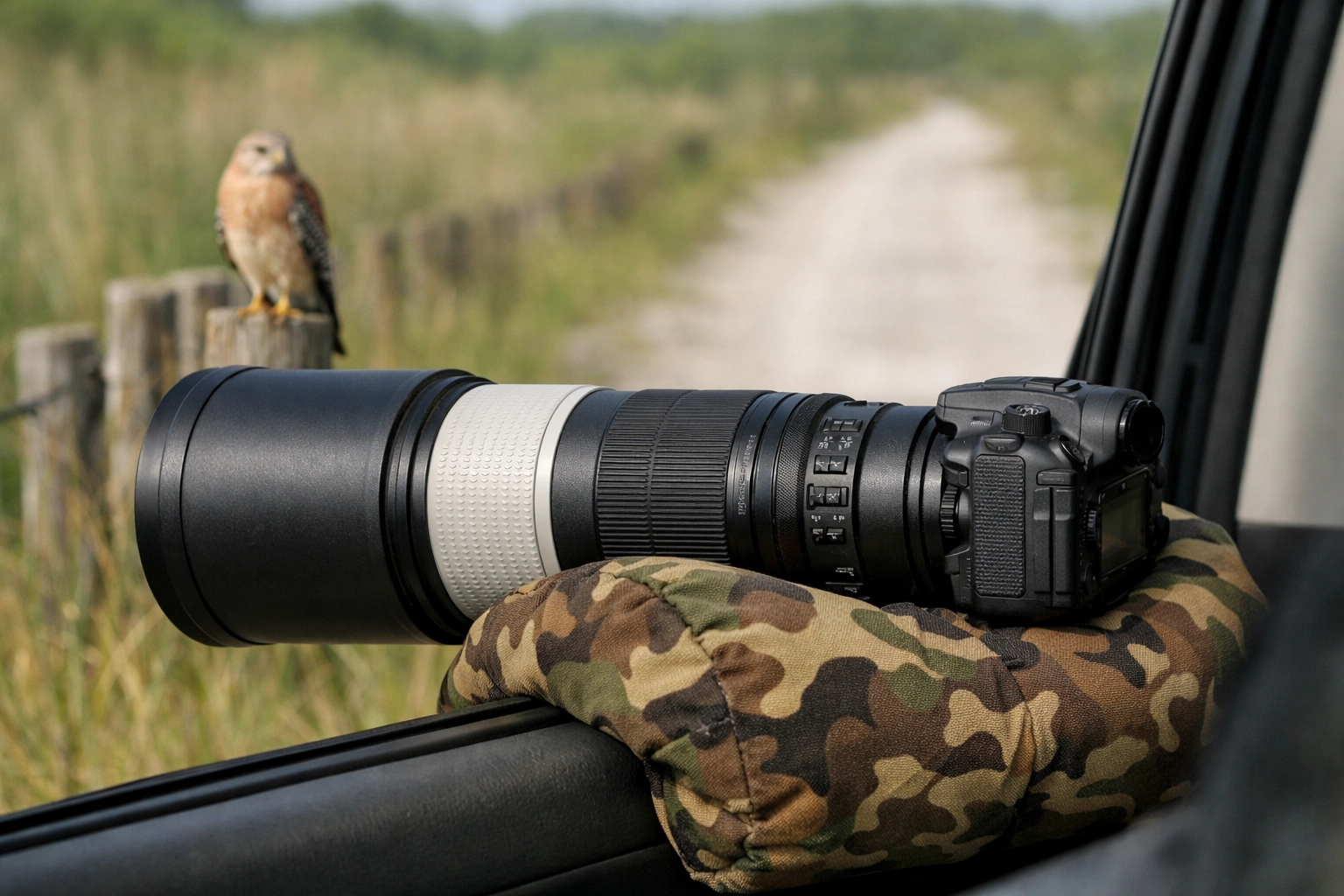
Wildlife in the Everglades, especially along the main park roads and the Loop Road, are surprisingly accustomed to vehicles. They see a car as a non-threatening, large object. The moment you open the door and step out, you become a "human", a predator, and they’ll fly or scurry away.
Professional wildlife photographers often use their vehicle as a mobile "blind." Roll down the window, turn off the engine to eliminate vibration, and use a beanbag on the door frame to stabilize your long lens. This allows you to get remarkably close to Ospreys and Hawks without disturbing their natural behavior. For more on the technical side of these setups, you can dive into our camera reviews.
Master Your Settings for Motion
One of the biggest frustrations for newcomers is coming home with a memory card full of blurry birds. Experts don’t rely on "Auto" mode. To capture the Everglades, you need to master your shutter speed.
- Birds in Flight: You need a shutter speed of at least 1/2000s or faster. Even if the bird looks like it's gliding, its wingtips are moving fast.
- The High ISO Secret: Don't be afraid of ISO. Modern cameras handle noise incredibly well. I’d rather have a sharp photo with a little grain than a clean photo that’s blurry. In the dark canopy of the cypress domes, I often push my ISO to 1600 or even 3200 to keep my shutter speed high.
- Aperture Strategy: To get that creamy, blurred background (bokeh) that makes a Great White Egret pop, use a wide aperture like f/4 or f/5.6. This separates your subject from the messy tangle of branches and sawgrass.
If you want to see how these settings look in practice, I share a lot of my professional work and deep-dives over at Edin Fine Art. Seeing the final product often helps reverse-engineer the settings in your head.
Where to Find the "Hidden" Gems
While the Anhinga Trail is famous (and for good reason, the birds there are practically tame), the real secrets lie in the lesser-traveled paths.
- Shark Valley: Don't just stay by the visitor center. Rent a bike and head out into the 15-mile loop. The middle section of the trail often has fewer crowds and more undisturbed wildlife.
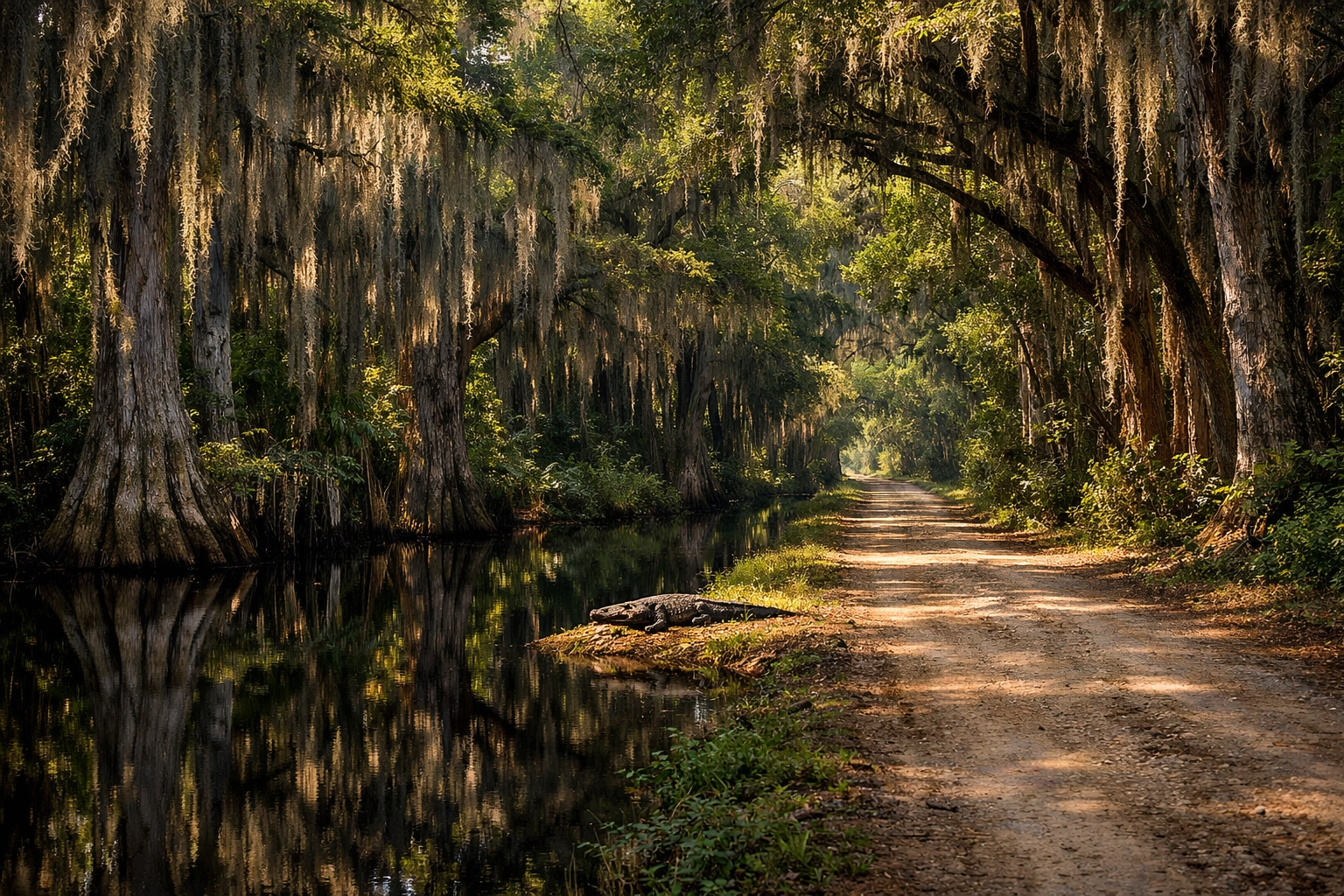
- The Big Cypress Loop Road: This is where you find the "old Florida" vibe. It’s a dirt road where alligators literally line the banks. It’s the best place for those moody, swamp-chic shots of cypress trees reflecting in still water.
For those planning a longer trip, I always recommend looking into photography booking experiences to ensure you have a guided hand in these wilder areas. A guide knows exactly which pond has the nesting spoonbills this week and which canal is currently hosting a family of otters.
Ethical Photography: The Pro’s Code
The real "experts" are the ones who respect the wildlife. There is a "secret" code of ethics that ensures we can keep coming back to these spots year after year.
- Never Feed Wildlife: This is a huge no-no. It changes animal behavior and makes them dangerous to humans (which usually ends poorly for the animal).
- Respect the Nest: During nesting season, stay back. If a bird stops what it's doing to watch you, you are too close. Stressing a parent bird can cause them to abandon their chicks.
- Leave No Trace: It sounds cliché, but the Everglades is a fragile ecosystem.
I’m a big believer in the photography community holding each other accountable. I often talk about the ethics and community side of things on Shut Your Aperture, where we focus on the passion behind the lens.
Why You Need a Guide
You can spend days driving around the Everglades and see plenty of gators, but if you want the shots, you need a plan. The Everglades is over 1.5 million acres. You can't just "wing it" and expect professional results.
That is exactly why I created the Everglades Photography Guide. I wanted to give people a shortcut to the locations, the settings, and the timing that took me years to master. It’s not just about where to go; it’s about understanding the "why" behind the wildlife behavior.
When you understand that a Roseate Spoonbill feeds in a specific way or that a Limpkin is looking for apple snails in certain marshy edges, your "luck" suddenly improves. You aren't just taking pictures; you are telling a story of one of the most unique places on Earth.
Final Thoughts from the Swamp
The Everglades is a place of mystery, mosquitoes, and magnificent beauty. The "secrets" aren't locked away in a vault; they are learned through dirt under your fingernails and a few early wake-up calls.
If you're feeling overwhelmed, don't worry. Start small. Head to the Anhinga Trail at 7:00 AM, set your camera to Shutter Priority, and just observe. You’ll find that once you stop rushing, the swamp starts to reveal itself to you.
For more tips, gear talk, and deep dives into the world of photography, keep an eye on our educational category. And if you're ever in the Miami area and want to swap stories or see the latest work, check out my personal blog.
Now, grab your gear, pack some bug spray, and go capture something incredible. The River of Grass is waiting.













