
Category: Travel
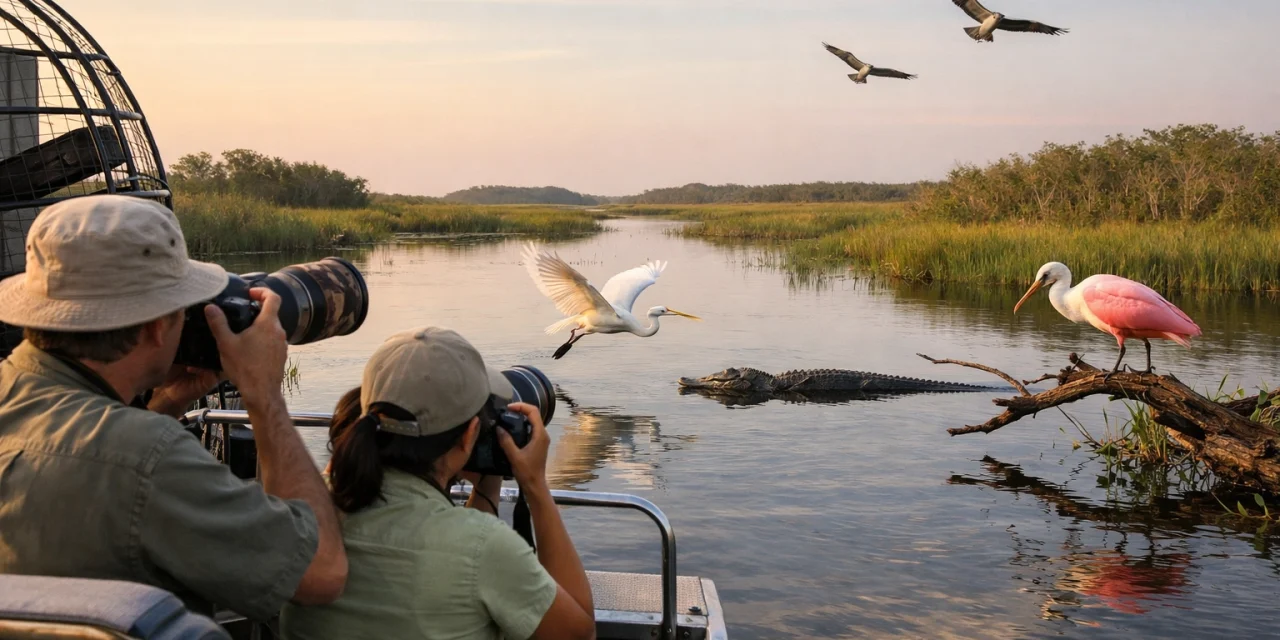
There is no place on Earth quite like the Florida Everglades. It is a vast, primeval "River of Grass" that stretches as far as the eye can see, filled with prehistoric reptiles, rare orchids, and some of the most spectacular birdlife you’ll ever point a lens at. But here’s the reality: the Everglades is also massive, hot, and occasionally overwhelming. If you just show up with a camera and hope for the best, you’re likely to leave with a few blurry photos of a distant alligator and a lot of mosquito bites.
To truly capture the soul of this landscape, you need to get off the main roads and onto the water. That’s where photography tours come in. But not all tours are created equal. Choosing the wrong one can mean the difference between a frustrating day of "spraying and praying" and coming home with a portfolio-worthy shot of a Roseate Spoonbill in mid-flight.
Let’s break down how to choose the best Everglades wildlife photography tour so you can focus on what matters: getting the shot.
The Big Divide: Private vs. Group Tours
This is the most important decision you’ll make. If you take away only one thing from this guide, let it be this: for serious photography, private is almost always better.
The "Tourist" Airboat Experience
We’ve all seen them: the giant airboats packed with 30 people, everyone wearing neon earplugs, screaming as the boat flies over the sawgrass. These are great for families looking for a thrill, but they are a nightmare for photographers. They move too fast, they’re loud enough to scare off anything with wings, and you have zero control over the angle or the lighting. If you’re on a $30-$50 budget tour, don’t expect to get anything more than a "record shot."
The Private Photo Expedition
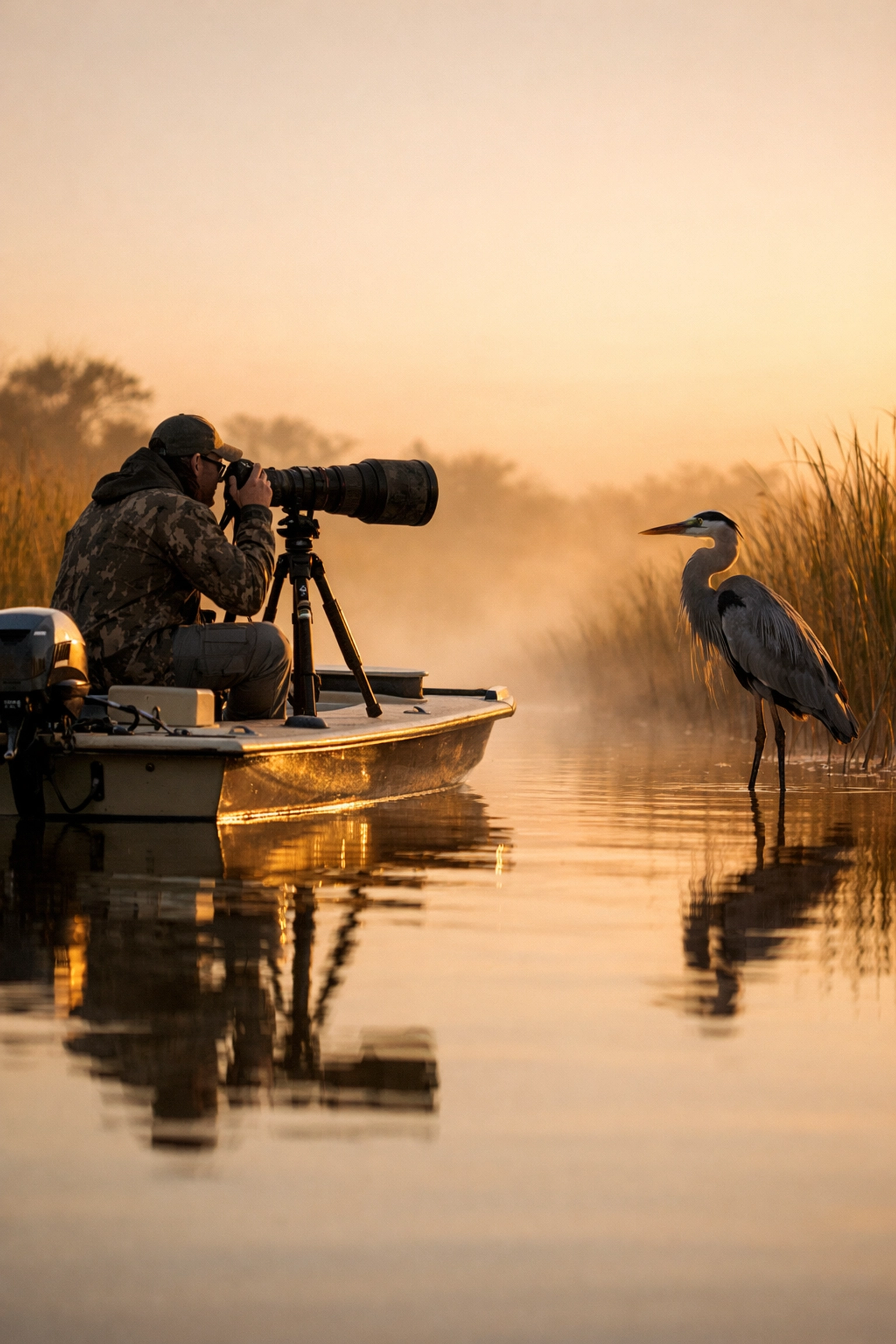
A dedicated wildlife photography tour is a completely different beast. These are usually led by guides who are photographers themselves. They understand "the light." They know that when you see a Snail Kite, you don’t just want to see it: you want to position the boat so the sun is at your back and the background is clean.
A private tour allows you to:
- Control the Pace: If you find an owl nesting in a cypress head, you can stay for an hour to wait for that perfect wing stretch.
- Dictate the Angle: Your guide can nudge the boat a few feet to the left to remove a distracting branch from your frame.
- Minimize Disturbance: Smaller boats (and quieter engines) allow you to get much closer to wildlife without causing them stress or making them fly away.
Location: Where Should You Point Your Lens?
The Everglades isn't just one big swamp; it’s a mosaic of different ecosystems. Depending on what you want to photograph, you’ll need to pick the right region.
1. Western Everglades & Ten Thousand Islands
If you’re after coastal birds, manatees, and dolphins, this is your spot. This area is heavily influenced by the tides. A great guide here won’t just look at the clock; they’ll look at the tide charts. You want to be there when the falling tide exposes the oyster bars, drawing in hundreds of shorebirds and wading birds to feed.
2. Big Cypress National Preserve
Just next door to the Everglades is Big Cypress. This area is famous for its cypress domes and deep, moody swamps. It’s the best place to find Barred Owls, Red-shouldered Hawks, and, if you are incredibly lucky, the elusive Florida Panther. The photography here is more about "the vibe": think Spanish moss, tea-colored water, and filtered forest light.
3. The Central Everglades (Shark Valley & Anhinga Trail)
While these are popular land-based spots, some tours operate in the marshes nearby. This is "Gator Central." During the dry season (winter and spring), the water levels drop, and the wildlife concentrates in the remaining deep-water holes. It’s like a buffet for photographers.
What to Look for in a Professional Guide
When you’re browsing websites like Photoguides, you’ll see plenty of options. But how do you vet a guide? Here are the non-negotiables:
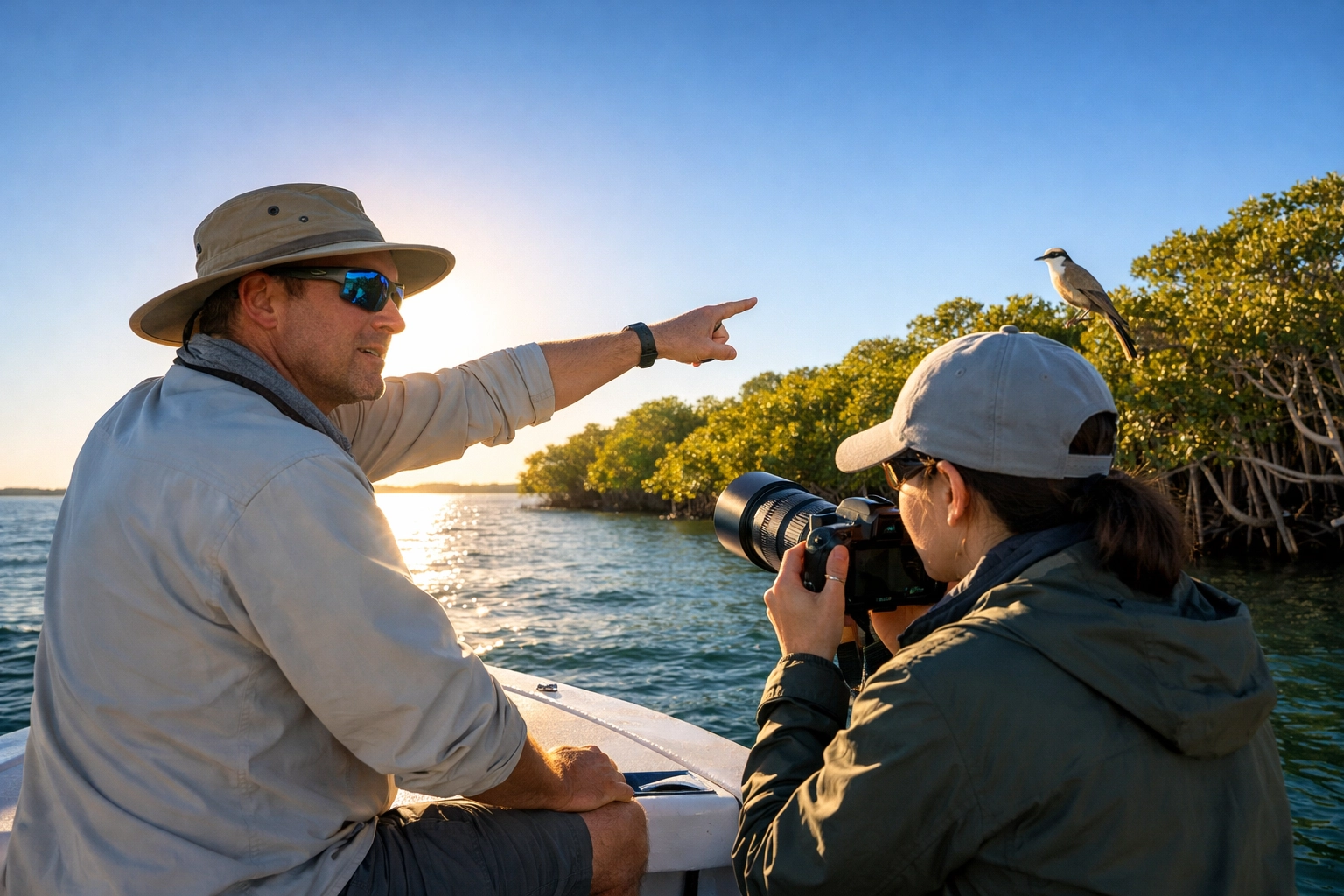
- Photography Knowledge: Ask if the guide knows how to handle a long telephoto lens. Do they understand the "Golden Hour"? A guide who understands composition will position the boat far better than one who just knows how to drive it.
- Ethical Practices: This is huge. Avoid any tour that baits animals or "flushes" birds to get them to fly. Not only is it illegal in many areas, but it’s also bad for the wildlife. A true pro knows how to read animal behavior to get you close without causing a disturbance.
- Equipment Accommodations: Does the boat have room for a tripod or a gimbal head? Is there a dry spot to stash your extra glass? Check out our essential photography gear list to make sure you’re bringing the right kit for a boat environment.
- Flexibility: The best tours aren't on a rigid 2-hour loop. They go where the action is.
Timing Your Trip for Maximum Impact
Timing is everything in Florida. If you come in July, you’ll deal with oppressive heat, daily thunderstorms, and more mosquitoes than you can imagine.
The Golden Window: January through April.
This is the dry season. As the water disappears from the sawgrass prairies, all the fish are pushed into the deeper canals and sloughs. The birds follow the fish, and the alligators follow the birds. The concentrations of wildlife during these months are nothing short of breath-taking.
If you are planning a trip, I highly recommend checking out the Everglades Photography Guide. I put this together to be the ultimate resource for anyone visiting the park. It covers the best spots, the best times, and the specific settings I use to capture the images you see on Edin Fine Art. It’s the perfect companion to a guided tour because it helps you maximize your time before and after you get off the boat.
Price vs. Value: What Should You Pay?
You get what you pay for. A high-quality, private wildlife photography tour in the Everglades typically starts around $150 for a few hours and can go up to $500 or more for a full-day expedition.
That might seem steep compared to a $40 group airboat ride, but look at it this way: how much is your time worth? If you spend three days wandering the park on your own and get mediocre shots, you’ve spent a lot of money on travel and lodging for very little return. A professional guide can put you in front of more wildlife in four hours than you might find in four days on your own. It is an investment in your portfolio and your skills.
Preparing for Your Tour
Once you’ve booked your tour (which you can often do through a streamlined photography booking experience), you need to prep.
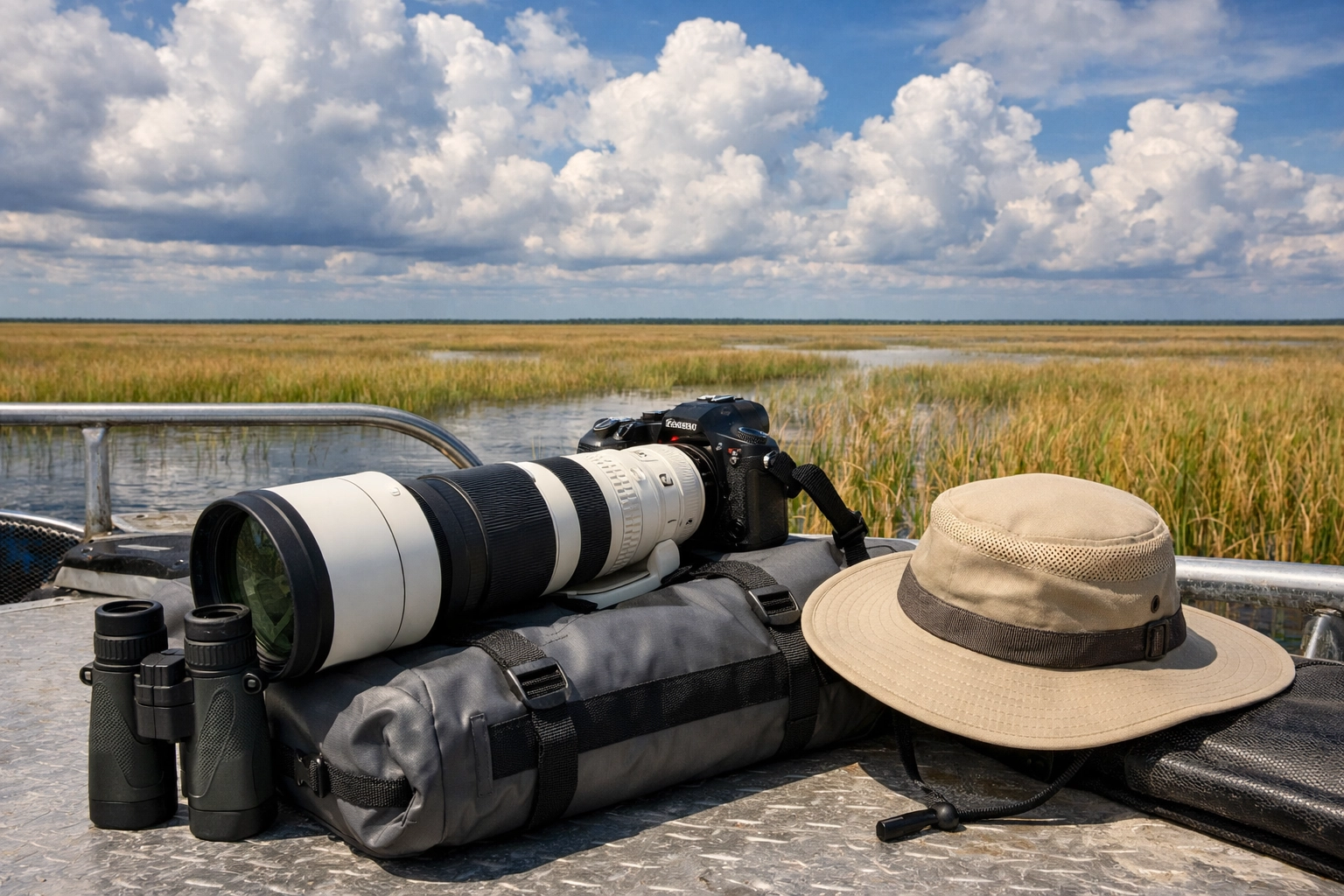
- Long Lenses are King: You’ll want at least 400mm or 600mm for birds. If you’re on a boat, a fast zoom (like a 100-400mm or 200-600mm) is often better than a prime because it gives you flexibility as the boat moves.
- Protect Your Gear: Even on a calm day, there’s spray and humidity. Bring a dedicated rain cover or at least a dry bag for your gear.
- Dress for the Swamp: Long sleeves and pants (breathable, moisture-wicking) are better than shorts. Not only for the sun but for the occasional biting fly.
Final Thoughts
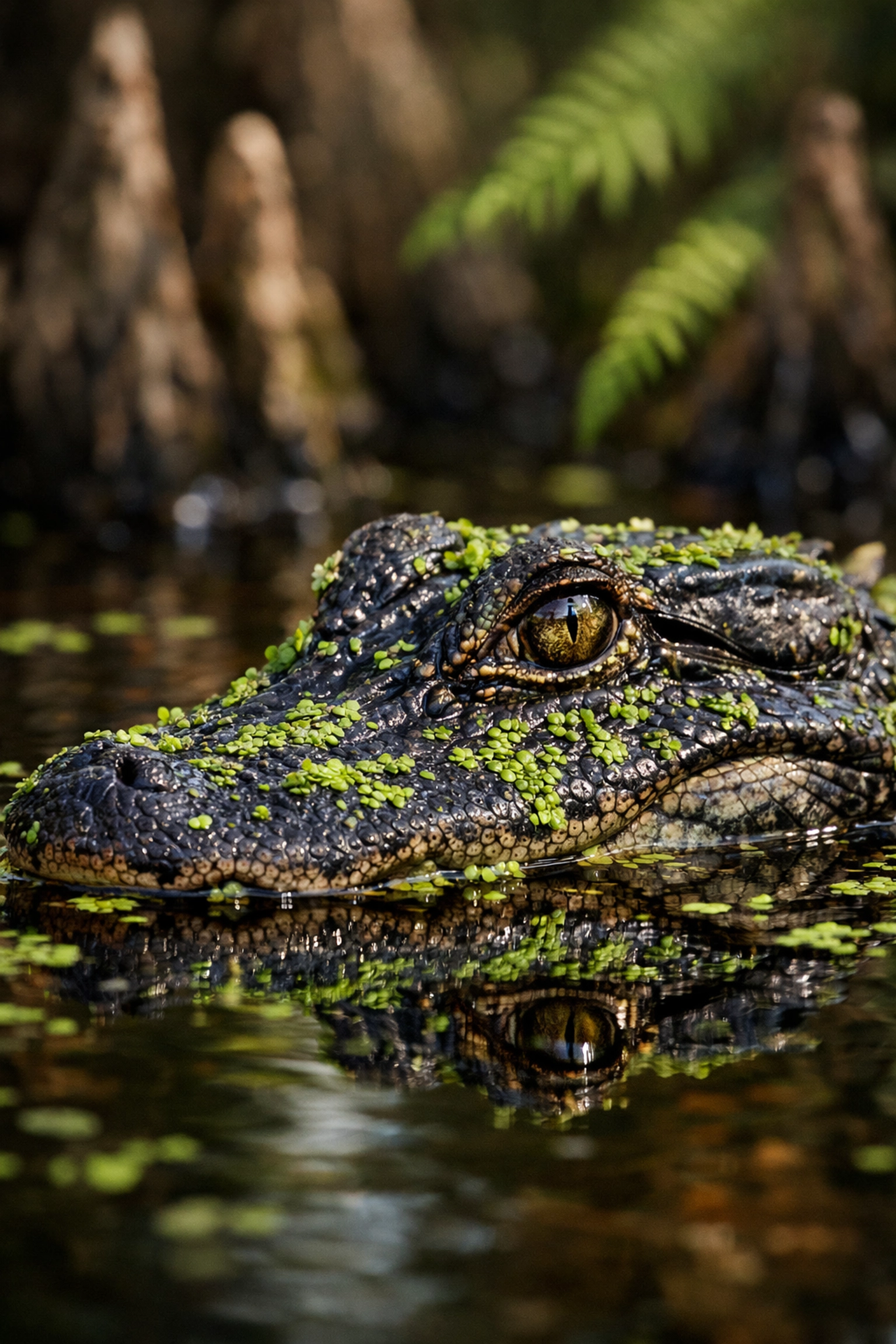
Choosing an Everglades photography tour isn't just about finding a boat; it’s about finding a partner who understands your vision. Whether you’re chasing the perfect silhouette of a Great Egret at sunset or the powerful gaze of an American Alligator, the right guide makes all the difference.
Don't forget to grab your copy of the Everglades Photography Guide before you head out. It’s packed with the "insider" knowledge I’ve gained over years of shooting in the Florida heat.
The Everglades is waiting. The light is calling. It’s time to go get the shot. For more tips on travel and gear, feel free to explore our educational category or check out some of our other travel guides. Happy shooting!













