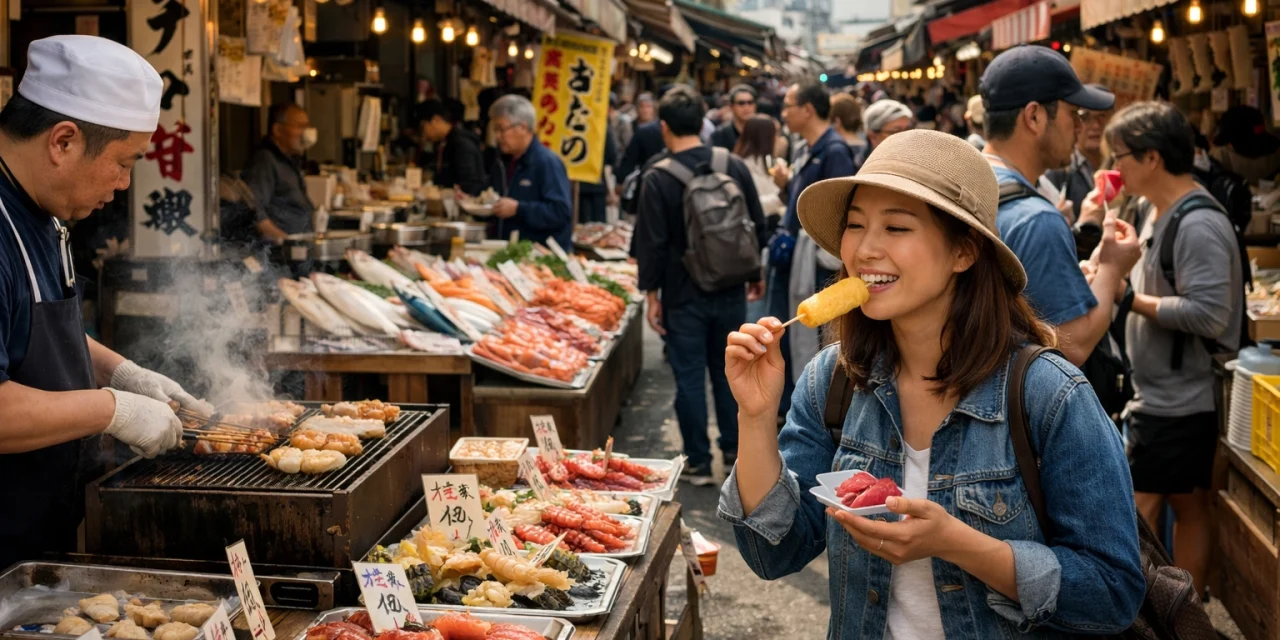
Welcome to day four of our 14-day culinary marathon through the neon-lit, calorie-dense streets of Tokyo. If you missed our previous stops at the themed cafes of Akihabara or the high-end omakase in Ginza, don't worry, your belt can still be loosened. Today, we are tackling the heavy hitter. The legend. The place where your cholesterol levels go to party and your camera shutter goes to work: the Tsukiji Outer Market.
Now, I know what you’re thinking. “Penny, didn't the fish market move?” Yes, the inner wholesale market: the one with the famous tuna auctions and the electric carts trying to take your shins out: moved to Toyosu in 2018. But the Outer Market stayed right where it belongs. It is still the beating heart of Tokyo’s food scene, packed with over 400 stalls selling everything from sea urchin the size of your fist to knives sharp enough to cut through your problems.
Grab a coffee, put on your most comfortable walking shoes, and let’s dive into how you can "win" at Tsukiji without looking like a lost tourist.
The Early Bird Gets the… Best Toro
Tsukiji isn't for the "I'll wake up at 11:00 AM" crowd. If you want to see the market in its full, chaotic glory, you need to be there early. Most shops start humming around 5:00 AM, and by 9:00 AM, the professional buyers have finished their business, leaving the stage to us hungry travelers.
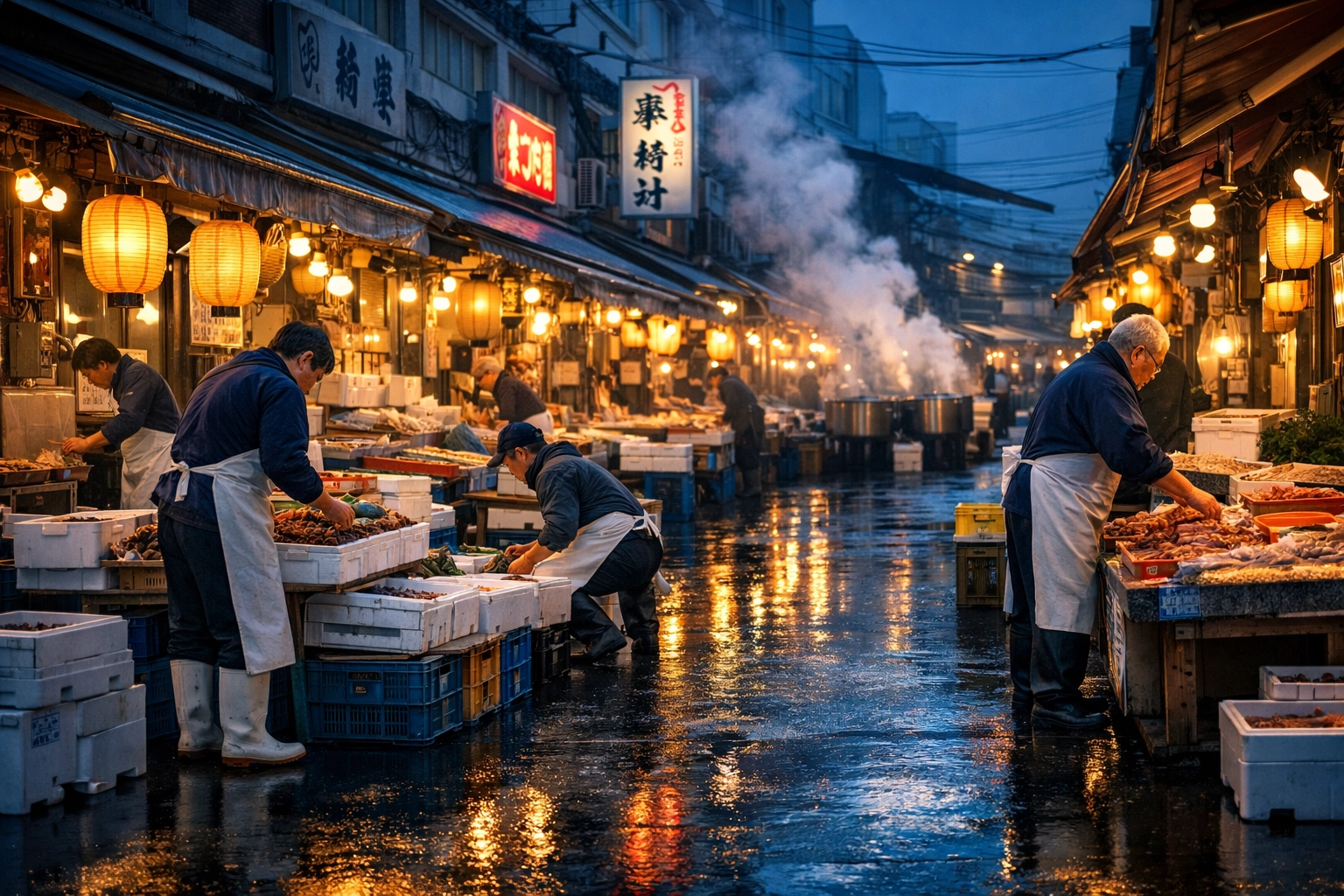
The vibe here is electric. It’s a sensory overload of steam rising from giant pots of beef stew, the rhythmic thwack of knives on wooden boards, and the smell of toasted nori. To get here, hop on the Oedo Subway Line to Tsukiji Shijo Station or the Hibiya Subway Line to Tsukiji Station. If you’re staying near Shimbashi, it’s a pleasant 20-minute walk: perfect for burning off the calories you’re about to inhale.
Navigation Strategy: Don’t Just Follow the Crowds
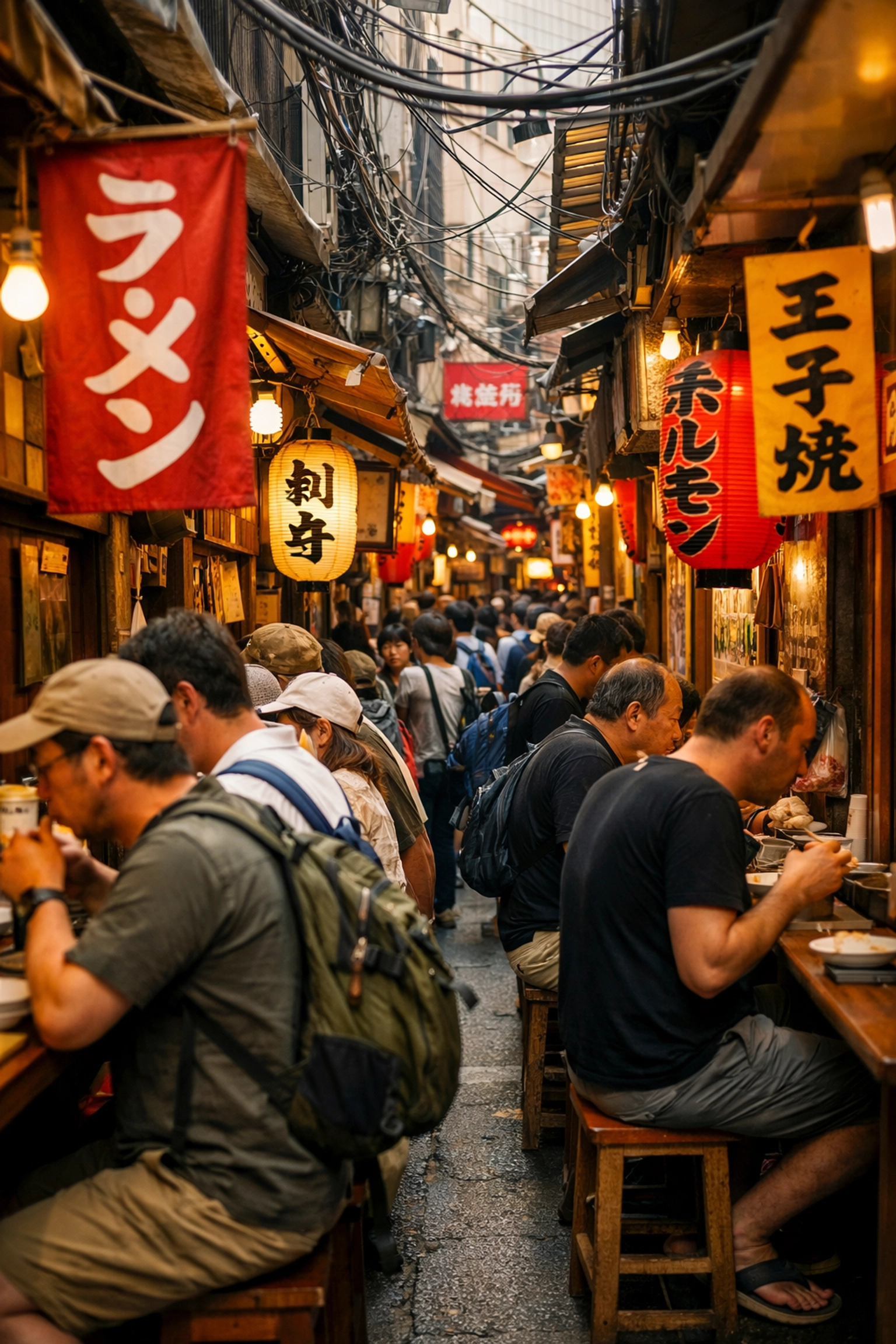
The market is a maze of narrow alleyways. While the main drags: Tsukiji Nishi-dōri and Tsukiji Naka-dōri: are where most people congregate, the real magic happens in the side streets.
Pro Tip: Spend your first 30 minutes just walking. Don’t buy the first thing you see (unless it’s a 100-yen tamagoyaki, because those are mandatory). Survey the land. Look at the price of the sea urchin (uni) bowls. Check which stalls have the longest lines of locals: that’s usually your green light for quality.
If the maze feels a bit too much and you’d rather have a pro lead you to the hidden gems, I highly recommend booking a food tour through Viator. Having a guide means you won't accidentally spend forty bucks on a mediocre "tourist trap" bowl of rice. Plus, they know the history that makes the food taste even better.
The Essential Eat-List
You can’t leave Tsukiji without hitting these culinary milestones. Consider this your bingo card for the morning:
1. Tamagoyaki (Rolled Omelet)
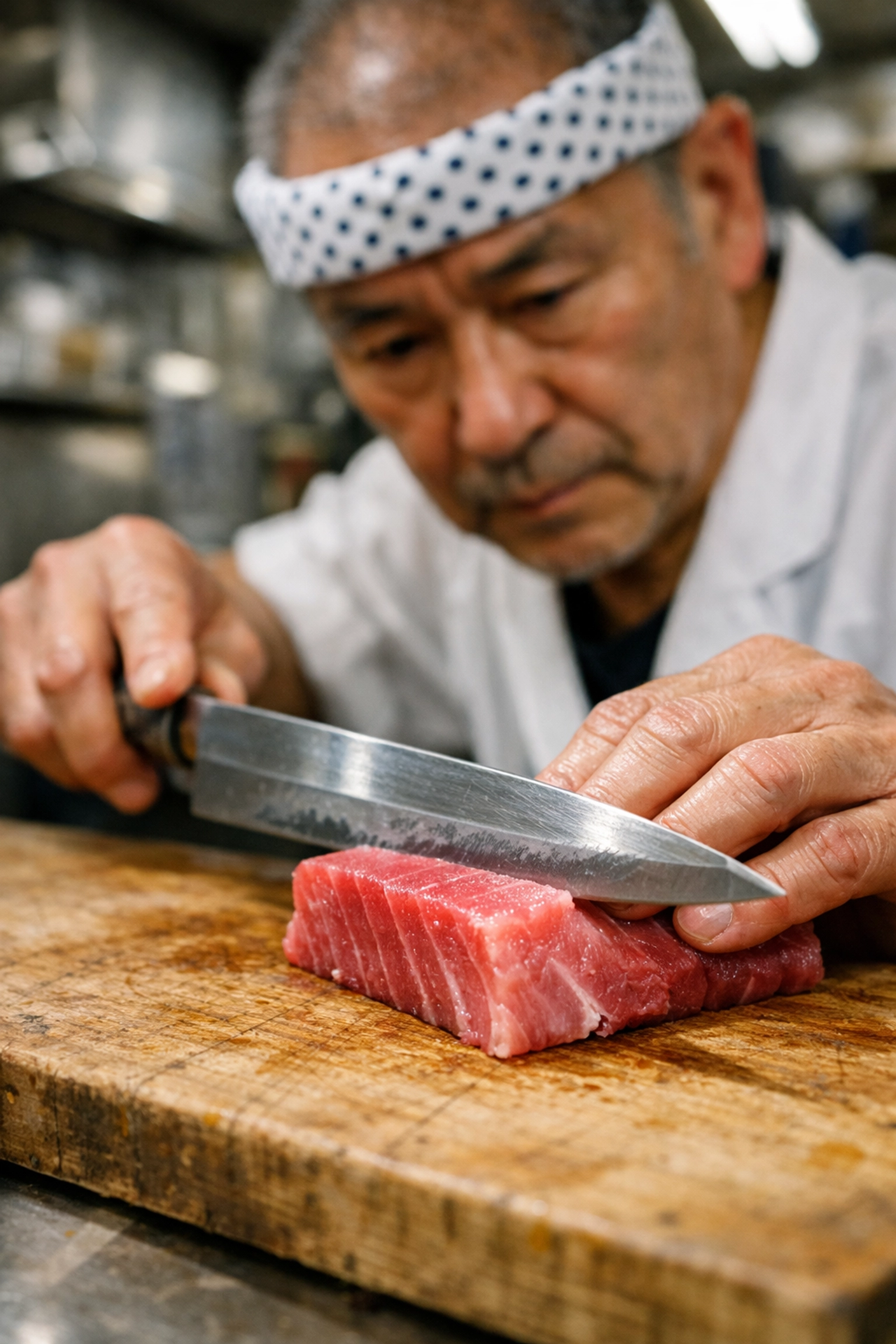
This is the quintessential Tsukiji snack. It’s a slightly sweet, fluffy, layered omelet served on a stick. It’s cheap, it’s warm, and watching the chefs flip them with giant rectangular pans is a form of performance art.
2. The Kaisen-don (Seafood Bowl)
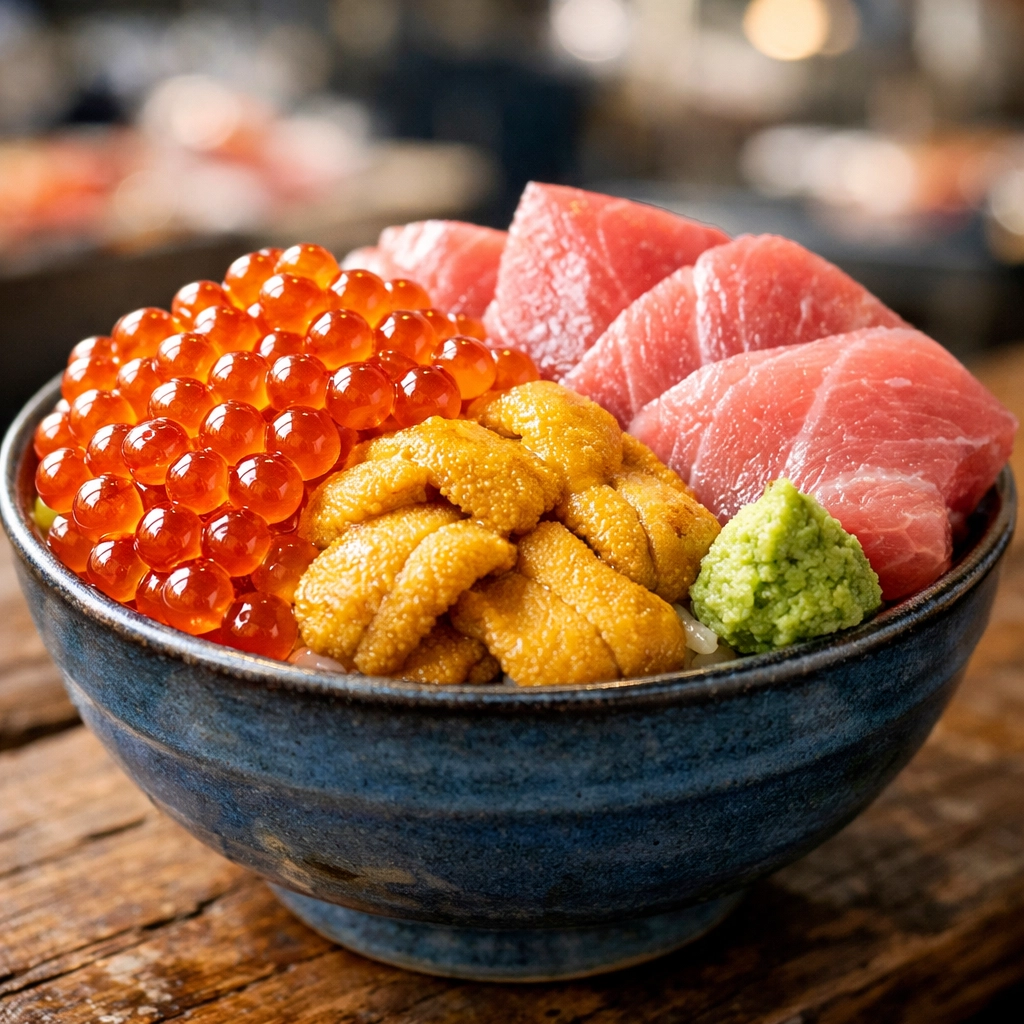
This is the big leagues. A bowl of perfectly seasoned rice topped with a rainbow of raw seafood. Look for bowls featuring Otoro (fatty tuna), Ikura (salmon roe), and Uni (sea urchin). It’s basically a luxury spa day for your taste buds.
3. Grilled Scallops with Butter and Soy
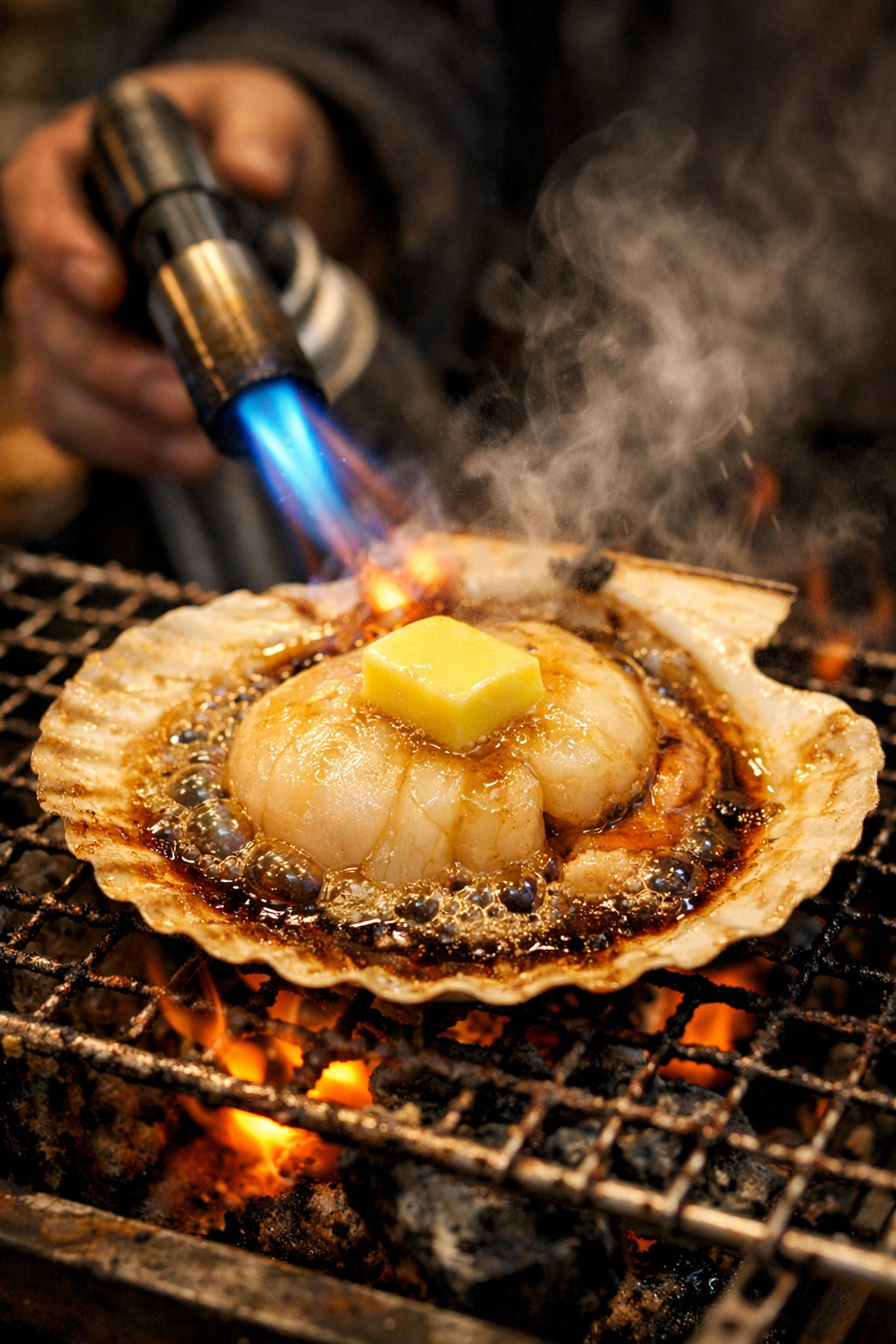
You’ll see vendors using blowtorches on giant scallops still in their shells. They add a dollop of butter and a splash of soy sauce, and the result is a smoky, umami bomb that will make you rethink every scallop you’ve ever had back home.
4. Onigiri (Rice Balls)
Don't sleep on the humble rice ball. In Tsukiji, these are jumbo-sized and filled with premium ingredients like grilled salmon or spicy cod roe. They are the perfect fuel for a long day of photography booking experiences around the city.
Capturing the Chaos: Photography Tips
At Photoguides, we care just as much about the shot as we do about the snack. Tsukiji is a photographer's dream, but it’s also a working marketplace. Here’s how to get the shots without being "that person":
- Respect the "No Photo" Signs: Some vendors find cameras distracting or believe it slows down their business. If you see a sign, put the lens cap on.
- The Right Gear: You’re in tight spaces with varying light. A fast prime lens (like a 35mm or 50mm) is your best friend. It allows you to blur out the background crowds and focus on the glistening texture of the fish. For more on what to pack, check out our guide on essential photography gear.
- Ask Before You Snap: A simple "Sumimasen?" (Excuse me) and a nod toward your camera goes a long way. Most vendors are proud of their craft and will give you a quick smile or a "pose" if you're polite.
- Mind the Aisles: Don't stand in the middle of a narrow walkway to adjust your settings. You will be run over by a cart or a very busy chef carrying a tub of octopus.
For more inspiration on capturing the soul of a city, take a look at Edin Chavez’s blog or browse some high-end fine art to see how the pros frame urban environments.
The Rules of the Road (Etiquette)
Japan is a country of rules, and Tsukiji is no exception. To ensure you have a "reassuring" experience (as we like to say here at Photoguides), keep these in mind:
- Don’t Walk and Eat: This is a big one. In many Western cultures, we grab a taco and keep walking. In Japan, this is considered rude. Buy your food, stay at the stall’s designated eating area, finish it, and then move on.
- No Big Bags: The aisles are tiny. If you’re carrying a massive hiking backpack, you’re going to knock over a display of expensive dried scallops. Use the coin lockers at the station.
- Cash is King: While some larger shops take cards, the best street food stalls are strictly cash-only. Carry plenty of 1,000-yen notes and 100-yen coins.
- Small Groups Only: If you’re traveling with a group of eight, split up. Navigating the market as a giant pack is impossible and frustrates the locals.
Beyond the Fish
While seafood is the star, Tsukiji has a supporting cast that deserves an Oscar. Don’t miss the fruit stalls. Japanese fruit is world-renowned for its perfection. You might see a single melon for $100, but you can usually find smaller cups of "strawberry of the year" or premium grapes for a few dollars.
Also, keep an eye out for kitchenware. If you want a authentic Japanese chef's knife or a beautiful ceramic sake set, this is the place to buy it. It’s much more meaningful than a plastic keychain from a souvenir shop. For more ideas on how to spend your time in Tokyo beyond the plate, check out our things to do section for some educational travel deep-dives.
Why a Food Tour is the Ultimate "Cheat Code"
If you've read this far and feel a little overwhelmed: good. Tsukiji is overwhelming. That’s part of its charm. But if you want to skip the "where do I go?" anxiety and jump straight to the "this is the best thing I've ever tasted" phase, book a food tour via Viator.
A guide will take you to the stalls that don't have English signs. They’ll explain the difference between farm-raised and wild-caught bluefin tuna. They’ll show you the hidden temple (Namiyoke Inari Shrine) tucked away at the edge of the market where traders pray for safety and business success. It’s an investment in your travel sanity.
Wrapping Up the Morning
By noon, the market starts to wind down. The floors are being hosed off, and the best cuts of fish are long gone. This is your cue to head back to your hotel for a well-deserved nap or to find a quiet coffee shop to edit your photos.
Tsukiji is more than just a place to eat; it’s a living museum of Japanese culture. It’s chaotic, it’s loud, it’s delicious, and it’s an essential part of any Tokyo itinerary. Whether you're here for the food photography or just to fill your stomach, you’re going to leave with a story to tell.
Stay tuned for Day 5 of our series, where we leave the salty air of the fish market behind and head to the colorful, sugary chaos of Harajuku's street food scene. See you there!