
Listen, I get it. You’ve just stepped off a plane at Narita or Haneda, your brain is slightly scrambled from the time jump, and your primary mission, besides finding a vending machine that sells hot coffee in a can, is to eat the best meal of your life.
Tokyo isn't just a city; it’s a culinary galaxy. With over 160,000 restaurants (more than any other city on the planet), trying to "pick a spot" is like trying to choose a favorite star in the sky while someone is shaking the telescope. You could eat at a different place every day for the rest of your life and still barely scratch the surface.
That’s where we come in. At Photoguides, we believe that travel is about the intersection of a great shot and a great bite. Whether you’re here for the neon-soaked grit of Shinjuku or the polished elegance of Ginza, choosing the right neighborhood is the difference between a "tourist trap" and a life-changing bowl of ramen.
This post kicks off our 14-day series on the ultimate Tokyo food crawl. Let’s break down the heavy hitters so you can decide where to point your chopsticks first.
1. Asakusa: The Soul of Old Tokyo
If you want to feel like you’ve stepped back into the Edo period, Asakusa is your home base. Centered around the massive Senso-ji Temple, this neighborhood is the undisputed king of traditional street food.
The main approach to the temple, Nakamise-dori, is lined with stalls that have been serving the same snacks for generations. You’ll find age-manju (deep-fried bean paste buns), ningyo-yaki (small cakes shaped like dolls), and the smell of toasted senbei (rice crackers) wafting through the air. It’s crowded, it’s noisy, and it’s absolutely delicious.
What to eat: Freshly grilled unagi (eel) or a steaming bowl of tempura over rice.
Pro Tip: If you want to navigate the labyrinth of stalls without missing the hidden gems, booking a food tour through Viator is the best way to ensure you’re eating what the locals eat, not just what the signs say in English.

2. Akihabara: Where "Themed" is a Way of Life
Akihabara (or "Electric Town") is famous for electronics and anime, but its food scene is… well, it’s a trip. This is the birthplace of the themed cafe. From Maid Cafes where your omelet comes with a ketchup drawing of a cat, to Final Fantasy-themed bars, Akihabara is for the adventurous soul who doesn't mind a bit of performance art with their lunch.
It’s not all gimmicks, though. The "Gundam Cafe" might be the draw, but the backstreets hold some of the most intense, thick-broth tsukemen (dipping noodles) shops in the city.
What to eat: A "Character Parfait" for the 'gram, followed by a heavy bowl of garlic-laden ramen to ground your soul.
Photographer’s Note: The lighting in these cafes is notoriously tricky. If you're serious about your food shots, check out our guide on essential photography gear to make sure your low-light game is on point.
3. Ginza: The High-End Masterclass
Ginza is where your credit card goes to feel inadequate, but your taste buds go to find enlightenment. This is the land of Michelin stars and world-class sushi. If you’ve seen Jiro Dreams of Sushi, you’ve seen the soul of Ginza.
But here’s a secret: you don't have to spend $500 to eat well here. The depachika (basement food halls) in department stores like Mitsukoshi or Matsuya are legendary. You can find high-end bento boxes, French-style pastries, and perfectly square melons that cost more than my first car.
What to eat: High-end omakase sushi.
Booking Advice: These spots fill up months in advance. To get the inside track on high-end dining, I highly recommend finding a guided experience on Viator to help navigate the etiquette and reservations.

4. Harajuku: The Instagram Capital of the World
If a food item is colorful, oversized, or shaped like a rainbow, it probably started in Harajuku. Takeshita Street is the epicenter of "kawaii" food. We're talking giant cotton candy, crêpes stuffed with whole slices of cheesecake, and "long potatoes" that are literally a foot long.
It’s fun, it’s loud, and it’s a photographer’s dream. Just be prepared for the "sugar crash" of the century about an hour after you leave. For a more grounded experience, check out the gyoza shops hidden in the side streets: they are legendary for a reason.
What to eat: A Harajuku crêpe and a tray of crispy pork gyoza.
Photography Insight: Capturing the vibrant colors of Harajuku requires a bit of post-processing magic. Check out Edin Chavez’s fine art for inspiration on how to make those city colors pop.
5. Shinjuku: Grit, Grills, and Golden Gai
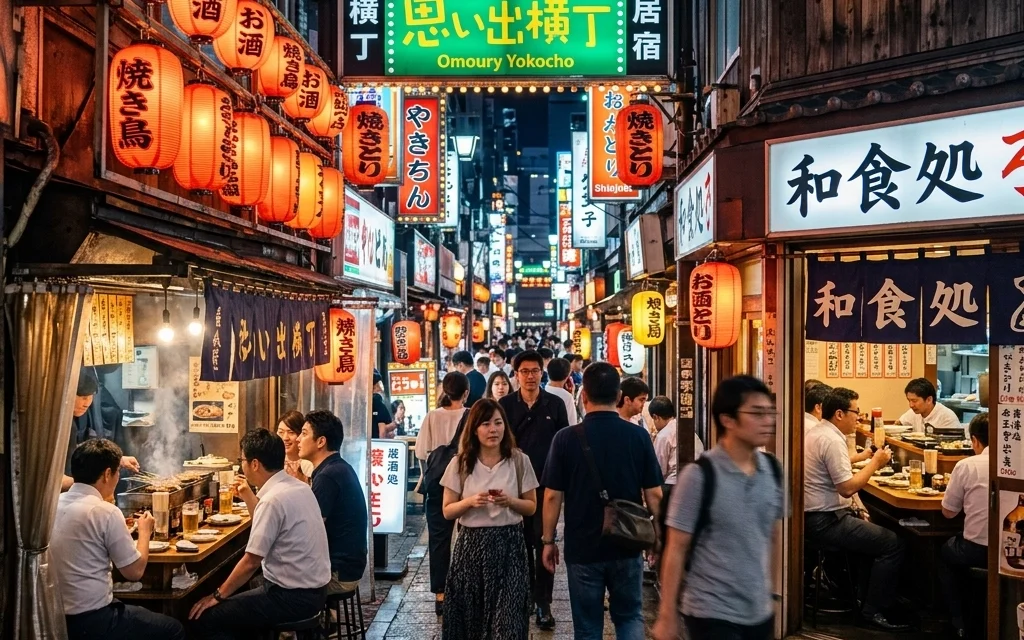
Shinjuku is the Tokyo you see in the movies. It’s neon, it’s crowded, and it’s slightly chaotic. For foodies, the destination is Omoide Yokocho, affectionately (and accurately) known as "Piss Alley." Don't let the name scare you; it’s a narrow alleyway packed with tiny yakitori stalls where the smoke from the charcoal grills creates a cinematic haze.
Then there’s Golden Gai: six tiny alleys filled with over 200 miniature bars. Some only seat four people. It’s the perfect place to grab a highball and some small plates while swapping stories with a bartender who has seen it all.
What to eat: Yakitori (grilled chicken skewers) and motsu nikomi (tripe stew).
Safety and Style: Navigating Shinjuku at night can be a lot. If you’re feeling a bit overwhelmed, a night food tour is a reassuring way to see the best spots without getting lost in the crowd.

6. Tsukiji and Toyosu: The Seafood Sovereignty
The famous inner wholesale market moved to Toyosu a few years back, but the Tsukiji Outer Market is still very much alive and kicking. This is where you go for a "sushi breakfast." There is nothing quite like eating tuna that was swimming in the Pacific just a few hours ago while the sun is still coming up.
Toyosu is the modern counterpart: cleaner, more clinical, but home to the famous tuna auctions. Both are essential for anyone who takes seafood seriously.
What to eat: A kaisendon (seafood rice bowl) topped with uni, fatty tuna, and salmon roe.
Gear Talk: If you’re heading to the markets early, you’ll need a fast lens. Take a look at Shut Your Aperture for the latest community discussions on the best glass for travel photography.
Comparing the Neighborhoods: At a Glance
| Neighborhood | Vibe | Best For… | Price Point |
|---|---|---|---|
| Asakusa | Traditional / Historic | Street Food & Classics | $$ |
| Akihabara | Geeky / High-Energy | Themed Cafes & Ramen | $$ |
| Ginza | Sophisticated / Luxury | Sushi & Fine Dining | $$$$ |
| Harajuku | Trendy / Colorful | Sweets & Instagram Shots | $ |
| Shinjuku | Gritty / Neon | Yakitori & Nightlife | $$$ |
| Tsukiji | Bustling / Authentic | Fresh Seafood | $$$ |
Why You Should Consider a Food Tour
I know, I know: you’re a "traveler," not a "tourist." You want to discover things on your own. But Tokyo is a different beast. Many of the best restaurants are located on the 4th floor of an office building or down a flight of stairs in a basement with no English signage.
A local guide doesn't just show you where to eat; they explain how to eat. They’ll teach you why you shouldn't dip your sushi rice in the soy sauce (dip the fish!) and the proper way to slurp your ramen to show the chef you're enjoying it.
We always recommend starting your trip with a Viator food tour. It builds your confidence for the rest of the 14 days, and you'll likely make some friends along the way. Plus, from a photography booking experience perspective, having a guide helps you get into those tight spaces where a camera might otherwise be frowned upon.

Capturing the Flavor
Eating in Tokyo is a sensory overload. The hiss of the grill, the shout of "Irasshaimase!" (Welcome!) when you walk in, and the meticulous presentation of every dish.
If you're looking to document your journey, don't just take a photo of the plate. Capture the chef’s hands, the steam rising from the bowl, and the neon lights reflecting in a puddle outside the shop. For more tips on lifestyle and event-style shooting, you can see how we handle Atlanta event photography for some cross-cultural inspiration.
Tokyo is a city that rewards the curious. Whether you’re hunting for the perfect $5 bowl of noodles or a $500 sushi symphony, you really can’t go wrong: as long as you know which neighborhood fits your mood.
Stay tuned for Day 2 of our series, where we’ll dive deep into the neon-lit world of Akihabara’s wildest cafes. Until then, keep your shutter speed high and your hunger higher. For more travel inspiration, check out Edin’s personal blog at blog.edinchavez.com.














