
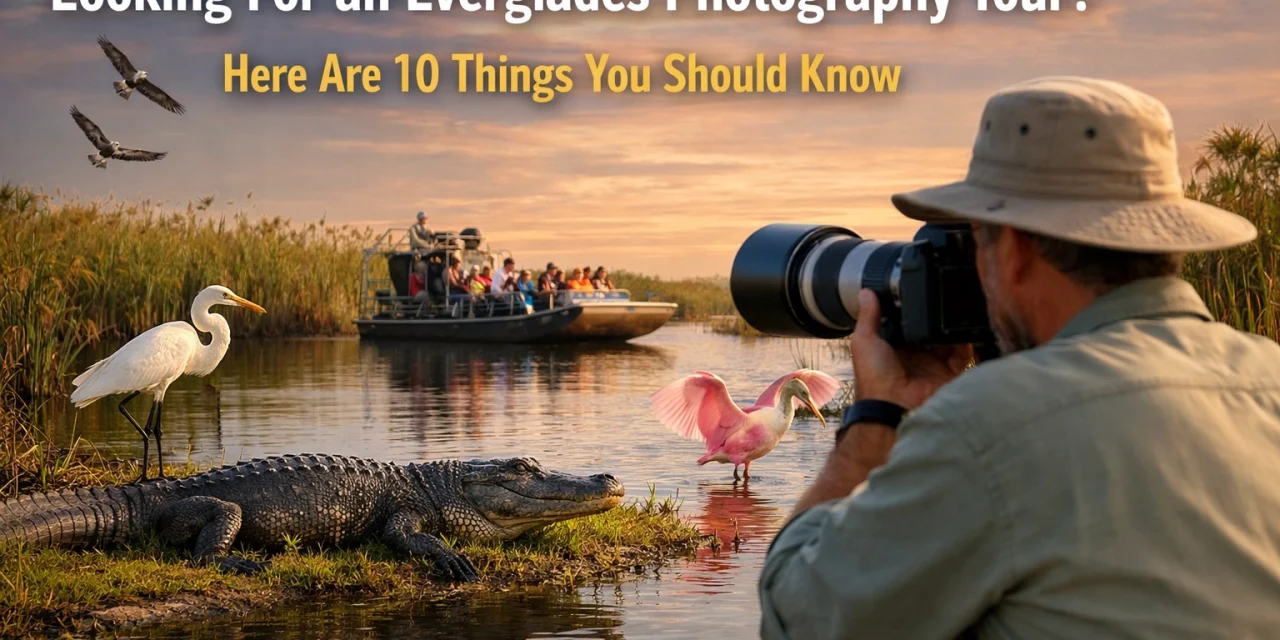
Category: Photo Guides
There is something deeply mystical about the Florida Everglades. Often called the "River of Grass," this vast, slow-moving sheet of water creates an ecosystem unlike anywhere else on the planet. For a photographer, it is a playground of textures, light, and some of the most prehistoric-looking wildlife you’ll ever lay eyes on.
But here’s the thing: the Everglades is huge. It’s over 1.5 million acres of subtropical wilderness. If you just roll up to the gate with your camera bag and hope for the best, you might end up staring at a lot of grass and a few distant dragonflies. To really capture the soul of this place, most people look toward an Everglades photography tour.
Whether you’re a seasoned pro with a 600mm lens or a hobbyist who just loves being in nature, a guided experience can be the difference between a memory card full of "blobs in the distance" and a portfolio of world-class wildlife shots.
Before you book your trip and pack your bags, here are 10 things you should know about Everglades photography tours to ensure you get the shots you’ve been dreaming of.
1. The Wildlife Diversity is Staggering
Most people think "alligators" when they think of the Everglades. And while you will definitely see plenty of those toothy locals, the real stars for many photographers are the birds. The Everglades is home to between 300 and 350 species of birds.
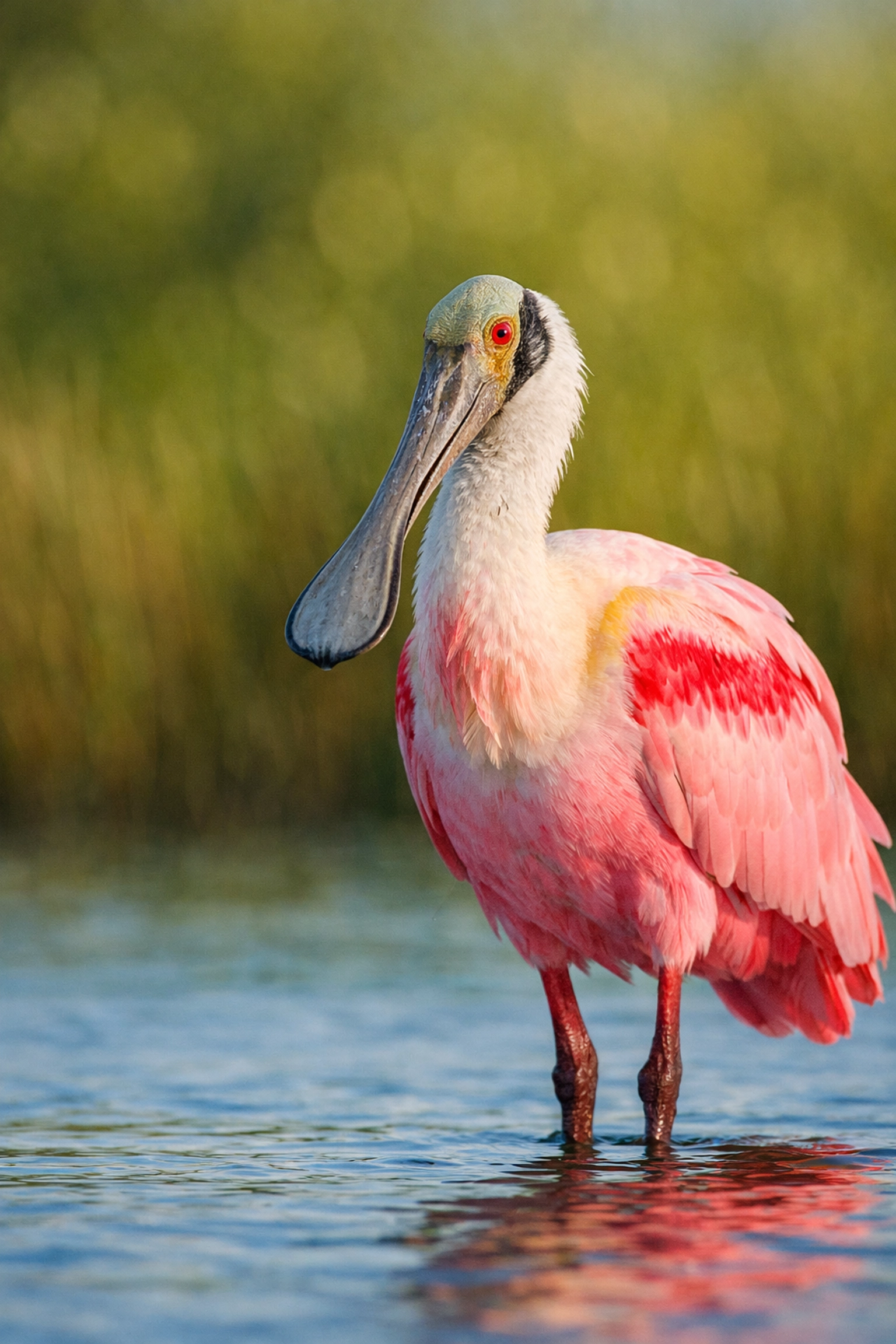
You’ll have the chance to photograph Roseate Spoonbills with their vibrant pink feathers, Great Blue Herons, Snowy Egrets, and even the elusive Snail Kite. Depending on where your tour takes you, you might also spot dolphins, manatees, or sea turtles. Because there is so much to see, I highly recommend checking out the Everglades Photography Guide before you go. It breaks down where the best spots are so you don’t waste a single sunrise.
2. Choosing the Right Tour Format
Not all tours are created equal. When you start searching, you’ll find everything from large group "airboat" tours to highly specialized private photo safaris.
- Group Tours: These are usually more affordable (around $200–$250) but can be crowded. You might find yourself elbowing another photographer to get the right angle.
- Private Tours: These are the gold standard for serious shooters. They usually cost between $400 and $500, but the boat is yours. The captain will position the vessel specifically for your light and your angle.
If you want to see what high-end wildlife photography looks like when everything comes together, take a look at some of the prints over at Edin Fine Art. You’ll see the level of detail that’s possible when you have the right access.
3. Timing is Everything (Sunrise vs. Sunset)
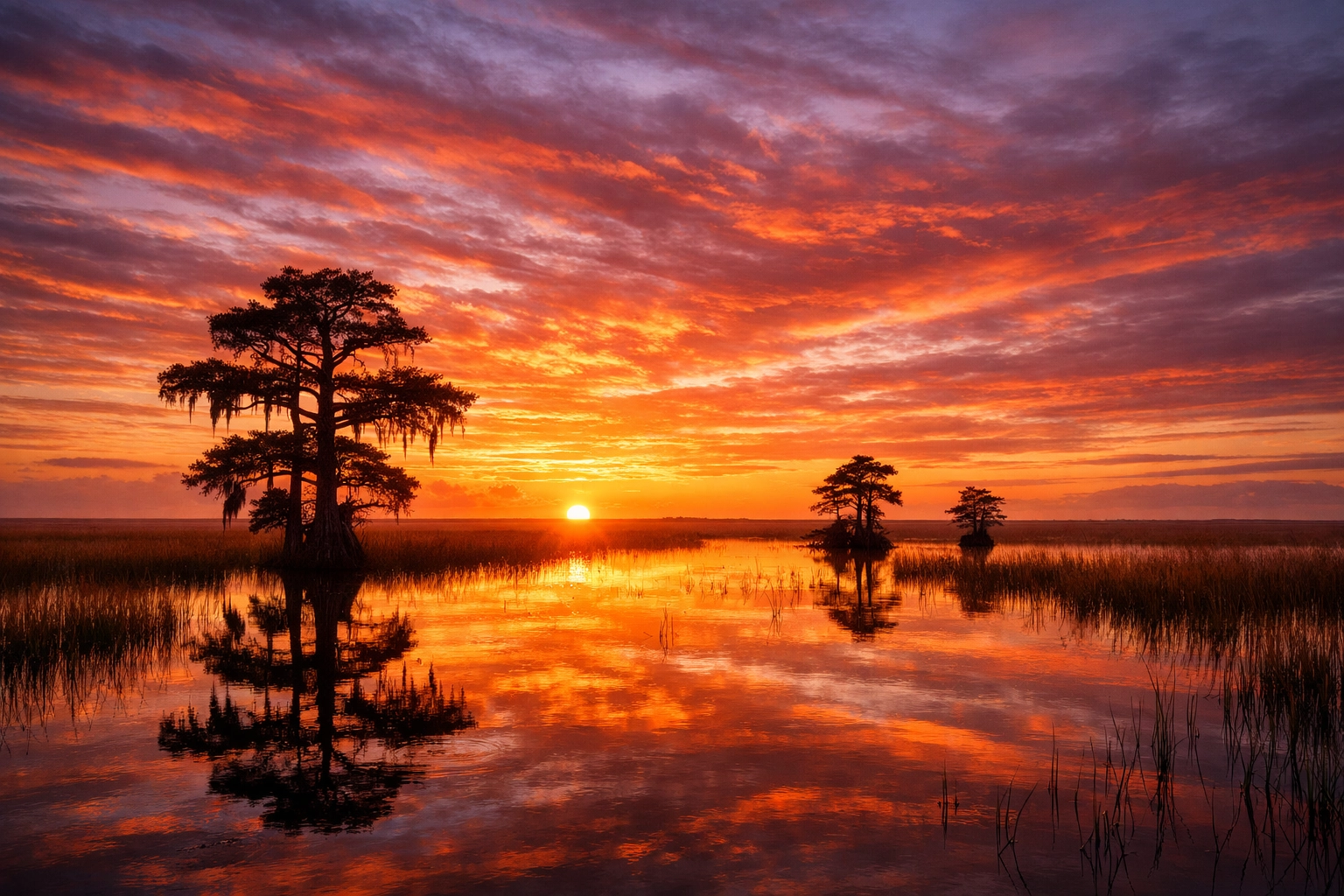
In the world of photography, light is our currency. In the Everglades, the "Golden Hour" isn’t just a suggestion; it’s a requirement.
Most professional tours depart before sunrise or in the late afternoon. During the summer months (June through October), morning tours are almost always better because the Florida heat and humidity can lead to afternoon thunderstorms that might wash out your shoot. Plus, wildlife is generally more active in the cooler morning hours.
4. Expert Guides are Worth Their Weight in Gold
A great photography tour isn't just about the boat; it's about the person steering it. The best tours are led by professional photographers or Florida Master Naturalists.
These guides understand wildlife behavior. They can predict when a heron is about to take flight or where an alligator is likely to sun itself. They also understand "photographic positioning": knowing how to pull the boat up so the sun is at your back, illuminating your subject perfectly. This expertise is a huge part of what you’re paying for, and it’s a great way to learn photography booking experience nuances first-hand.
5. Stable Platforms for Big Glass
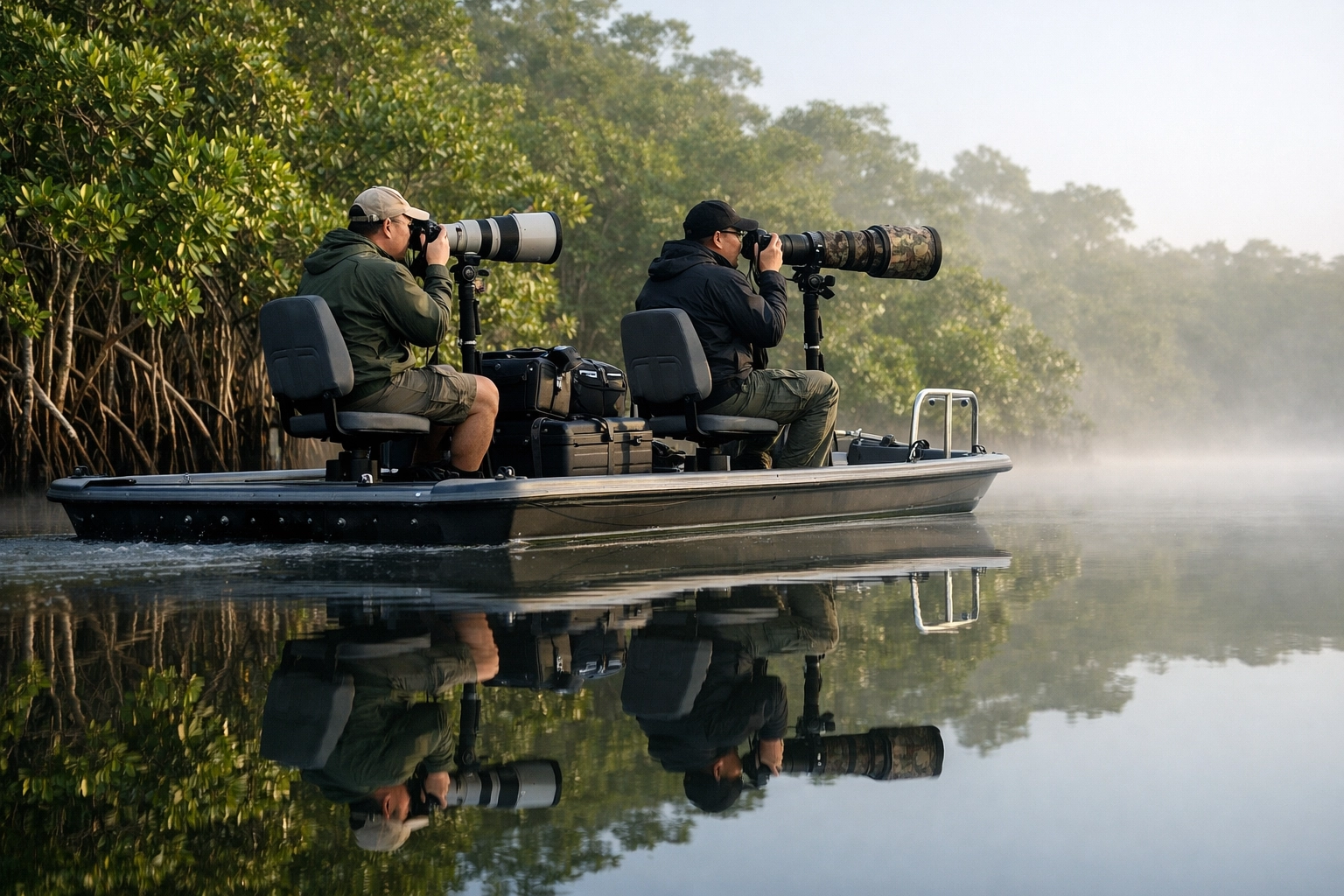
If you’ve ever tried to shoot with a long telephoto lens on a rocking boat, you know the struggle. Specialized photography tours use flat-decked boats or stable pole boats. These are designed to minimize vibration and movement.
More importantly, these boats often have enough room for you to set up a tripod or a monopod. This "hands-free" stability allows you to focus on your composition and wait for that perfect moment when a bird catches a fish. If you’re wondering what kind of gear works best in these conditions, head over to Shut Your Aperture for some deep dives into wildlife gear and techniques.
6. Explore Different Geographic Zones
The Everglades isn't just one big swamp. It’s a mosaic of ecosystems. When looking for a tour, ask where they are going.
- The Ten Thousand Islands: Perfect for coastal birds, mangroves, and potentially dolphins.
- The Anhinga Trail: Great for "up close" encounters with gators and water birds.
- Shark Valley: Known for its vast open vistas and excellent cycling/walking paths for land-based shooting.
Each area offers a different "look." If you want a comprehensive plan for hitting all these spots, I can’t recommend the Everglades Photography Guide enough: it’s the ultimate shortcut to knowing the park like a local.
7. Small Groups Mean Better Shots
There is nothing more frustrating than having a rare bird in your sights, only to have another tourist on the boat stand up and scare it away.
The best photography tours limit their capacity to 6 people or fewer. Private tours are even better, usually accommodating just 1 or 2 photographers. Small groups mean a quieter environment, less vibration on the boat, and more one-on-one time with the guide to talk about camera settings and composition.
8. Essential Gear to Bring
You don't need a $10,000 setup to enjoy an Everglades tour, but a few specific items will make your life much easier:
- Telephoto Lens: At least 300mm to 600mm is ideal for wildlife.
- Wide-Angle Lens: For those epic "River of Grass" landscapes.
- Extra Batteries: The humidity and constant focusing can drain batteries faster than you think.
- Polarizing Filter: Essential for cutting through the glare on the water.
For a full breakdown of what should be in your bag, check out our list of essential photography gear. Being prepared means you can focus on the art, not the equipment.
9. It’s an Educational Experience
A good tour isn’t just about clicking the shutter; it’s about understanding the "why" behind the scenery. Many guides will share the history of the "Gladesmen" heritage and the delicate balance of the ecosystem.
Learning about the flow of water from Lake Okeechobee down to Florida Bay gives you a deeper appreciation for the landscape you’re photographing. It turns a "pretty picture" into a story. If you're looking for more ways to expand your knowledge, our educational category has plenty of resources to help you grow.
10. Perfect for All Skill Levels
Don't feel intimidated if you're a beginner! These tours are designed for anyone who loves nature. Whether you have the latest mirrorless kit or a high-end point-and-shoot, the guides are there to help you. They can give you tips on exposure in the harsh Florida sun or help you understand how to frame a shot using the mangroves as natural leading lines.
If you’re still in the "research phase" of buying your first big wildlife setup, have a look at our camera reviews 2024 to see what’s currently leading the pack for outdoor photography.
Why You Need a Guide
The Everglades is a place of subtle beauty. It doesn't shout like the Grand Canyon; it whispers. To hear those whispers, you need to be in the right place at the right time.
Investing in a photography tour is an investment in your craft. You’ll see things you would never find on your own, and you’ll come home with images that actually do justice to the majesty of the Florida wild.
Before you head out into the marsh, make sure you have the Everglades Photography Guide. It’s packed with the specific GPS coordinates, seasonal tips, and gear advice that Edin Chavez has gathered over years of shooting in his own backyard.
The Everglades is waiting. The light is perfect, the birds are nesting, and the "River of Grass" is calling. Go get the shot!













