
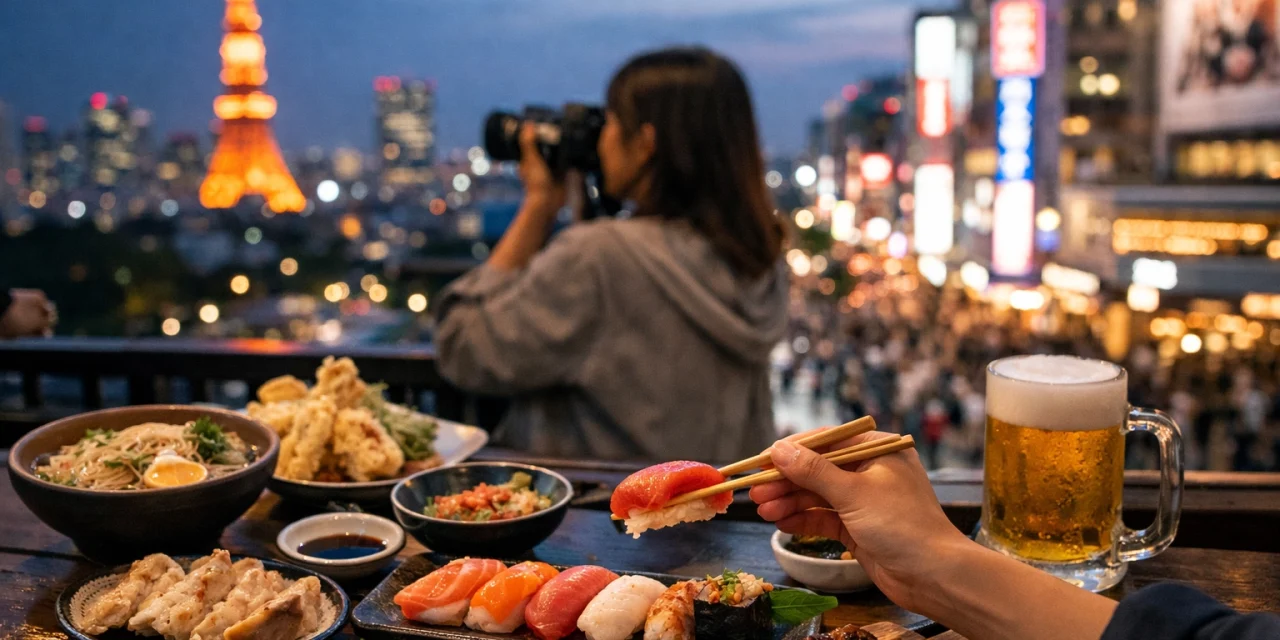
If you’ve ever stood in the middle of Shibuya Crossing with your camera in hand, feeling like you’re trying to photograph a hurricane, you know that Tokyo is a lot to take in. It’s a sensory overload of neon, steel, and a million stories happening at once. But here’s a secret I’ve learned after years of traveling and shooting: if you want to truly understand a city: and more importantly, if you want your photos to tell a story that people can actually feel: you have to stop looking at the buildings and start looking at the plates.
Welcome to Day 1 of our 14-day deep dive into the soul of Japan. Over the next two weeks, we’re going to eat our way through the narrow alleys and high-rise dining rooms of Tokyo. But this isn't just about finding the best ramen (though we’ll do that, too). It’s about how the culinary landscape of this city provides the perfect framework for better travel photography.
Eating in Tokyo transforms your storytelling because food here isn't just fuel; it’s a direct conduit to history, culture, and insane levels of human creativity. Every meal is a narrative waiting to be captured.
The Three Pillars of the Tokyo Narrative
To understand why Tokyo’s food scene is so photogenic, you have to look at the three pillars that hold it up: markets, technology, and specialists. This infrastructure has been refined over centuries. When you’re shooting a chef in a 10-seat sushi den, you aren't just taking a picture of a guy with a knife. You’re documenting an ecosystem that spans 3,000 kilometers of ingredient sourcing and generations of specialized technique.
If you’re ready to start your own journey, I highly recommend kicking things off with a guided experience to get your bearings. You can book a local food tour through Viator here to find those hidden spots that don't show up on Google Maps.
Akihabara: Capturing the Kitsch and the Culture
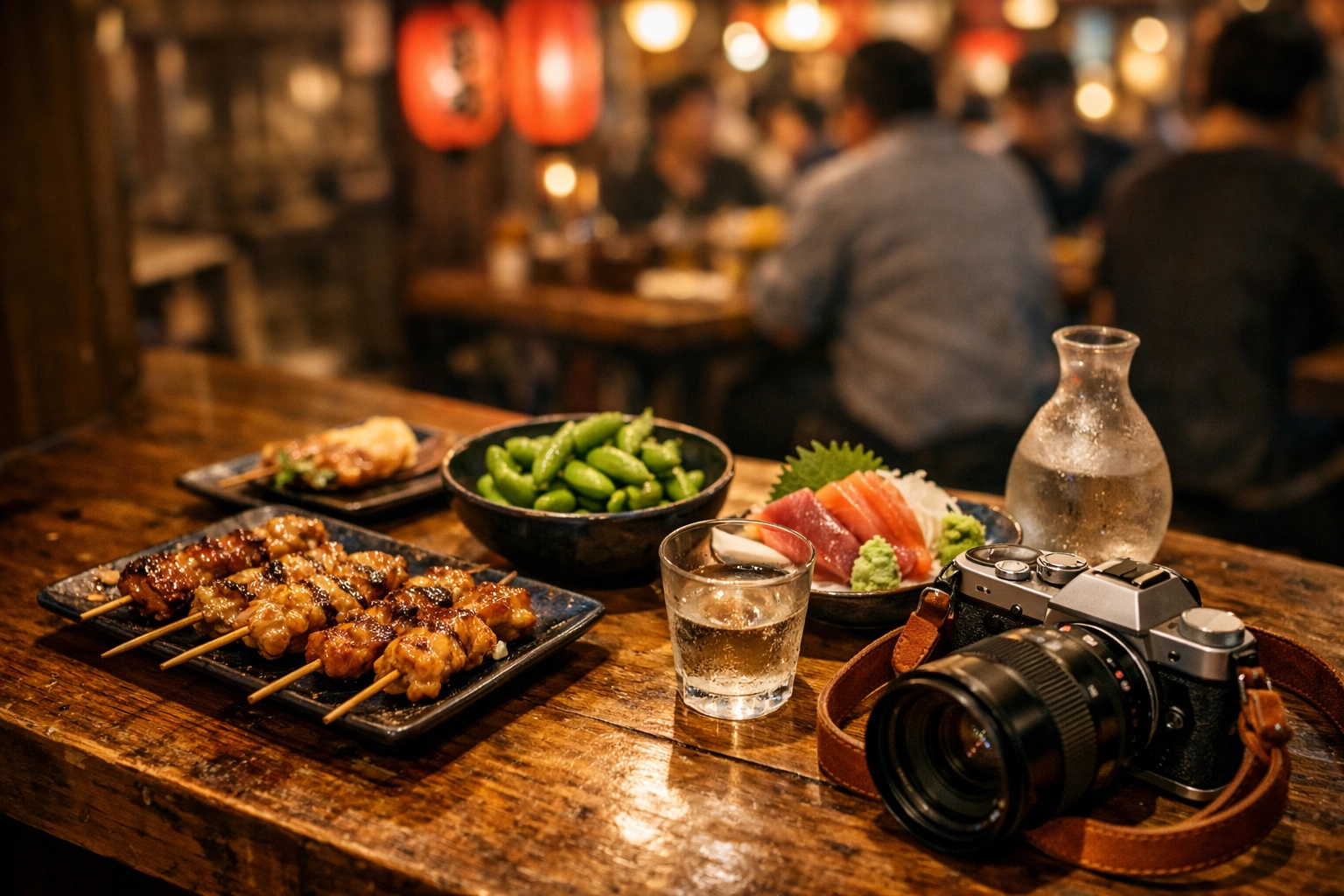
Our first stop on this 14-day journey takes us to Akihabara. Known as the "Electric Town," it’s the heart of otaku culture. But among the multi-story electronics shops are the famous themed cafes. Whether it’s a maid cafe, an owl cafe, or something even more niche, these spots offer a masterclass in capturing "vibe."
From a photography perspective, Akihabara is all about color and character. You’re looking for those high-contrast, vibrant shots that scream modern Japan. The food here is often designed to be "Instagrammable" before that was even a word: think lattes with 3D foam art or desserts shaped like cartoon characters. It’s quirky, it’s a bit weird, and it tells a story of a culture that embraces the fantastical.
To see the best of the "Electric Town" food scene without getting lost in the neon maze, check out these Akihabara food tours on Viator.
Ginza: The Art of Precision
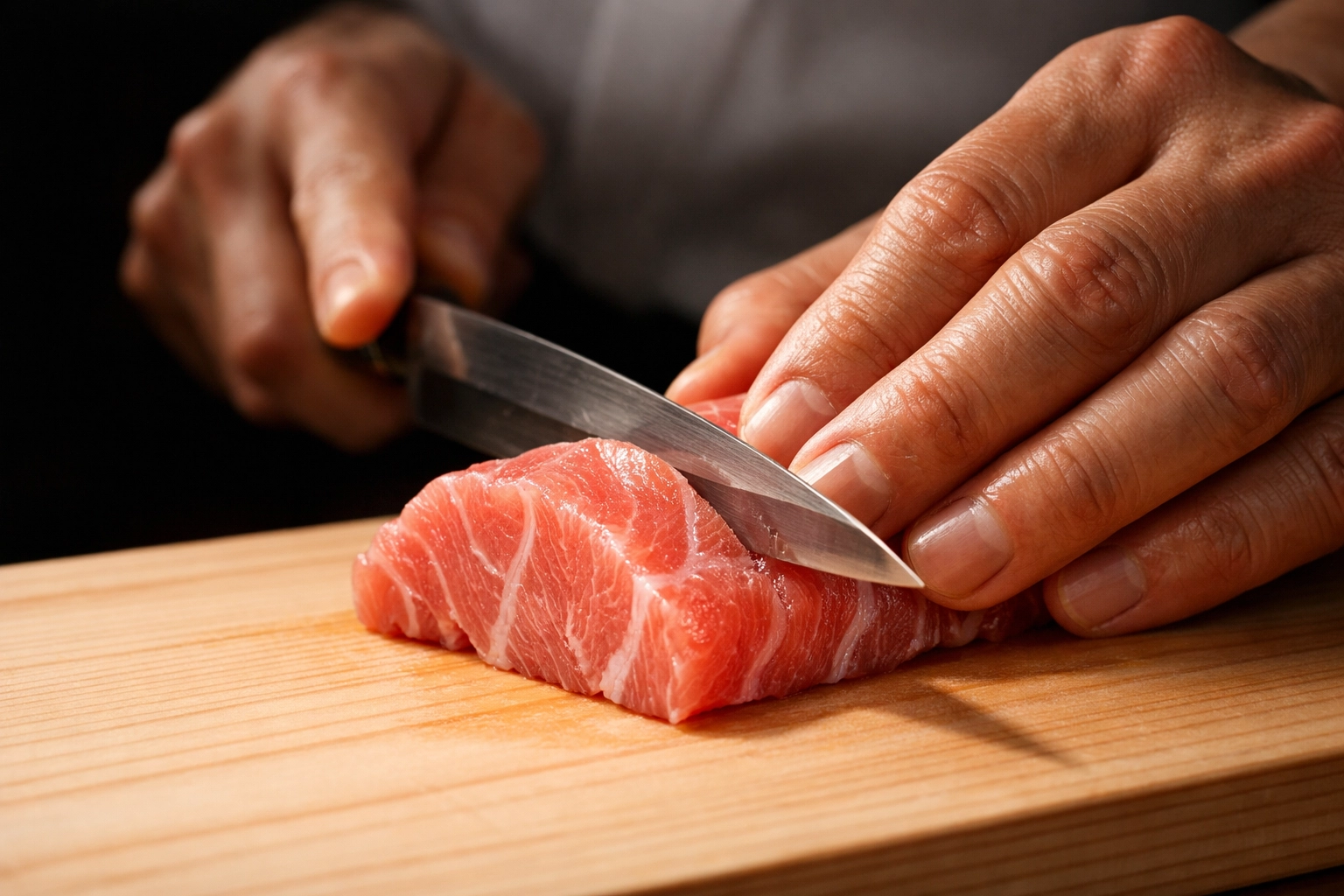
Switching gears entirely, we head to Ginza. This is where the "specialist" pillar of Japanese cuisine really shines. Ginza is home to some of the highest-end sushi restaurants in the world. Here, the story isn't about neon; it’s about minimalism and the pursuit of perfection.
When you’re shooting in Ginza, look for the details. The way the light hits a piece of nigiri, the texture of the hand-carved wooden counter, or the focused expression of a master chef who has spent 40 years perfecting his rice. This is where you practice your macro photography and your ability to capture quiet, powerful moments. It’s the "Leica" of food experiences: expensive, precise, and timeless.
For a high-end experience that’s worth every penny, book a Ginza culinary tour here.
Harajuku: Street Food and Rainbow Aesthetics
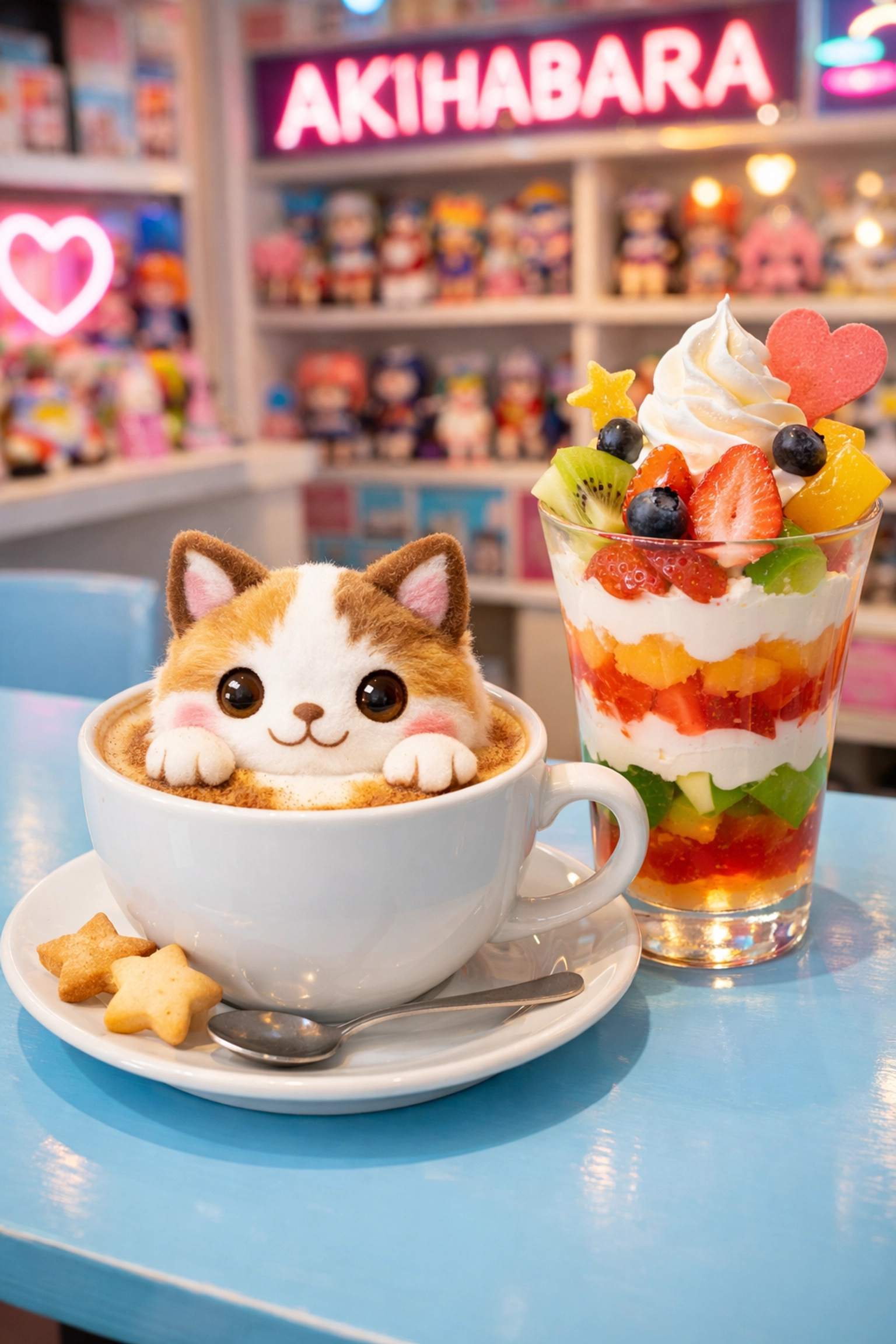
If Ginza is a classic black-and-white portrait, Harajuku is a pop-art collage. Takeshita Street is the epicenter of Tokyo’s youth street food scene. We’re talking giant rainbow cotton candy, decadent crepes filled with entire slices of cake, and "long potatoes" that defy gravity.
For a photographer, Harajuku is the place to practice candid street shots. The energy is infectious, and the food is a prop that everyone is using. Capturing a teenager’s genuine delight as they bite into a strawberry-laden crepe provides a human element to your travel story that a landscape shot of a temple just can’t match.
Don't just wander aimlessly; find the best street food gems in Harajuku via Viator.
Tsukiji Outer Market: The Grit and the Soul
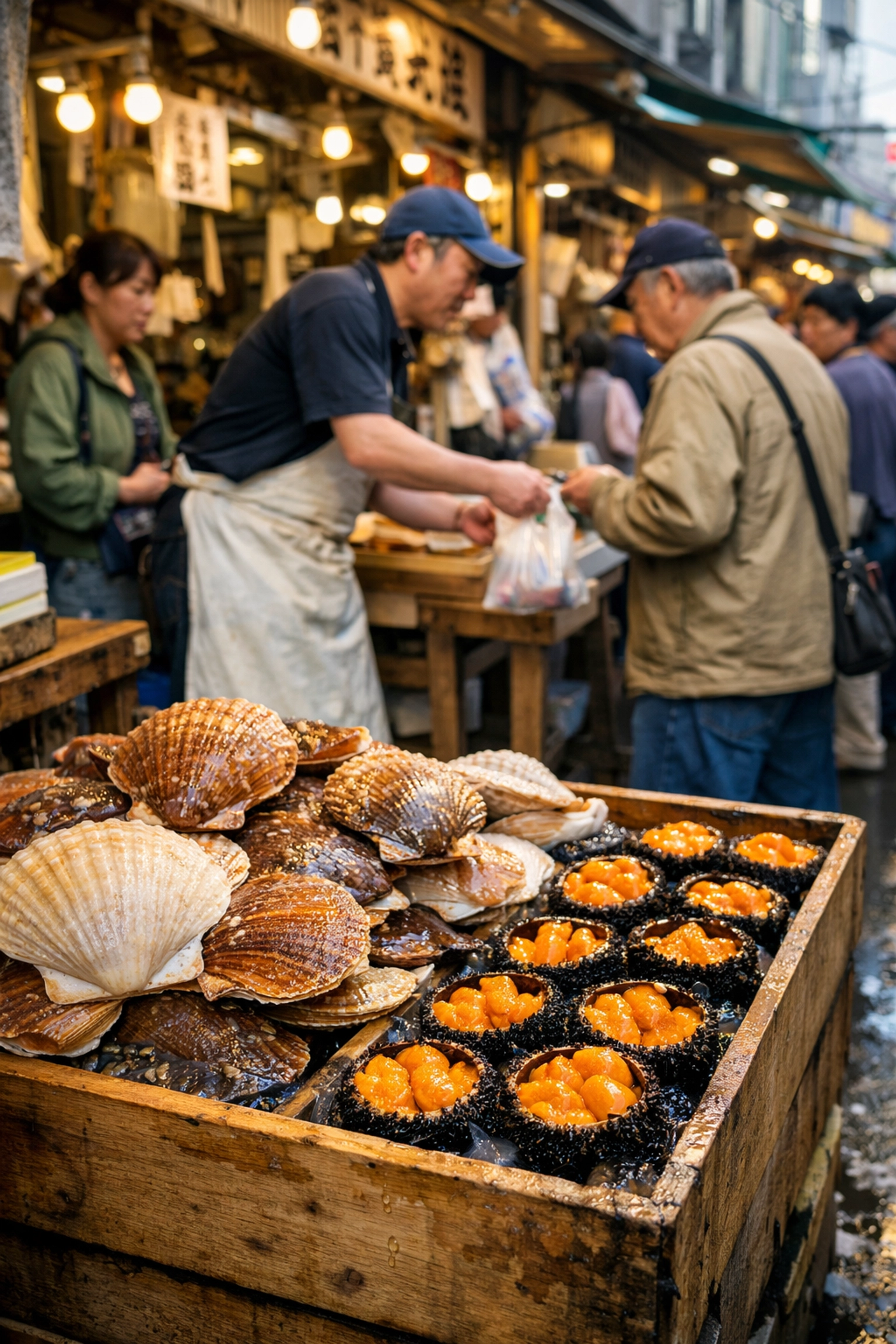
While the famous inner tuna auction moved to Toyosu, the Tsukiji Outer Market remains the soul of Tokyo’s food world. This is where the "market" pillar comes to life. It’s loud, it’s crowded, and it smells like the ocean.
This is the place to capture texture. The glistening skin of a fresh mackerel, the steam rising from a bowl of horumon-don (offal stew), and the weathered hands of vendors who have been there for decades. It’s a raw, honest look at the city’s culinary foundation. I always tell people that if you want to understand the history of Tokyo, you have to spend a morning at Tsukiji.
Get there early and book a professional guide through Viator to ensure you’re seeing the authentic side of the market.
How to Shoot Food Without Being "That Person"
We’ve all seen the person who stands on their chair in a quiet restaurant to get the perfect flat lay. Don't be that person. Part of being a great travel storyteller is respecting the environment.
- Use Natural Light: Sit by a window whenever possible. Artificial restaurant lighting is usually a nightmare for food.
- Focus on the Details: Sometimes a close-up of the steam or the texture of the garnish tells a better story than the whole plate.
- Pack Light: You don't need a massive rig. A versatile prime lens or even a high-end smartphone can do wonders. Check out our essential photography gear guide for my top recommendations on travel kits.
- Be Quick: The food is meant to be eaten. Take your shot in under 30 seconds and then enjoy the meal. The memory of the taste is just as important as the photo.
If you’re looking to sharpen your skills before your trip, our educational section has tons of tips on composition and lighting.
The Narrative of the Noodle
Every bowl of ramen in Tokyo is a conversation between tradition and innovation. Some shops have been using the same broth recipe for fifty years, while others are experimenting with truffle oil and molecular gastronomy. This balance is what makes Tokyo such a compelling subject for any creator.
As you explore the city over the next 14 days, look for these contrasts. Look for the way the old world leans against the new. When you capture a photo of a salaryman slurping noodles under a railway bridge next to a gleaming skyscraper, you’ve captured the essence of Tokyo.
Ready to Start Your Own Story?
Tokyo can be intimidating, but that’s why we’re here. Whether you’re looking for cheap weekend getaways or a full-blown photography booking experience, the goal is always the same: to help you see the world a little more clearly.
For those of you who want to bring some of that Tokyo aesthetic into your own work, check out my fine art prints at Edin Fine Art or dive into gear talk over at Shut Your Aperture. If you're looking for more ways to enhance your shots, you can even download our sky overlays to give your cityscapes that extra punch.
Stay tuned for Day 2, where we’ll be diving deep into the smoky world of Shinjuku’s Omoide Yokocho (Memory Lane). Trust me, your camera: and your stomach: won't want to miss it.
Until then, get out there, grab a snack, and keep shooting. For more inspiration on where to eat and shoot around the world, check out our reviews on restaurants in Downtown Golden or breakfast places in Cape Coral. Tokyo is just the beginning!













