We’ve all been there. You grab your camera bag, check your batteries, and feel that surge of creative energy, only to hit a wall: Where do I actually go?
Whether you’re in your hometown or exploring a new city halfway across the globe, finding the best photography locations can feel like a full-time job. In 2026, the landscape of photography has shifted. We aren't just looking for a "pretty view" anymore; we’re looking for unique perspectives, authentic moments, and spots that haven't been over-saturated by every travel influencer on the planet.
As the CEO of Photoguides, I’ve spent a lifetime scouting locations, from the neon streets of Tokyo to the quietest corners of the National Parks. Finding "photo spots near me" shouldn't be a source of stress. It should be the start of the adventure.
Here are 10 things you need to know to find the best places to take pictures anywhere in the world.
1. Master the Art of Virtual Scouting
Before you even leave your house, the digital world is your best friend. But I’m not just talking about a basic Google search. In 2026, we have access to high-resolution satellite imagery and street-level views that make traditional scouting look like the Stone Age.
Start by using Google Earth to look for interesting textures and shapes from above. This is especially useful if you’re into drone photography. Once you find a potential area, drop into Street View to check for things like power lines, construction, or parking accessibility. If you’re looking for inspiration from someone who has mastered the art of the "hidden gem," check out some of the work on Edin Chavez’s blog for deep dives into specific location scouting.
2. Leverage AI-Powered Visual Search
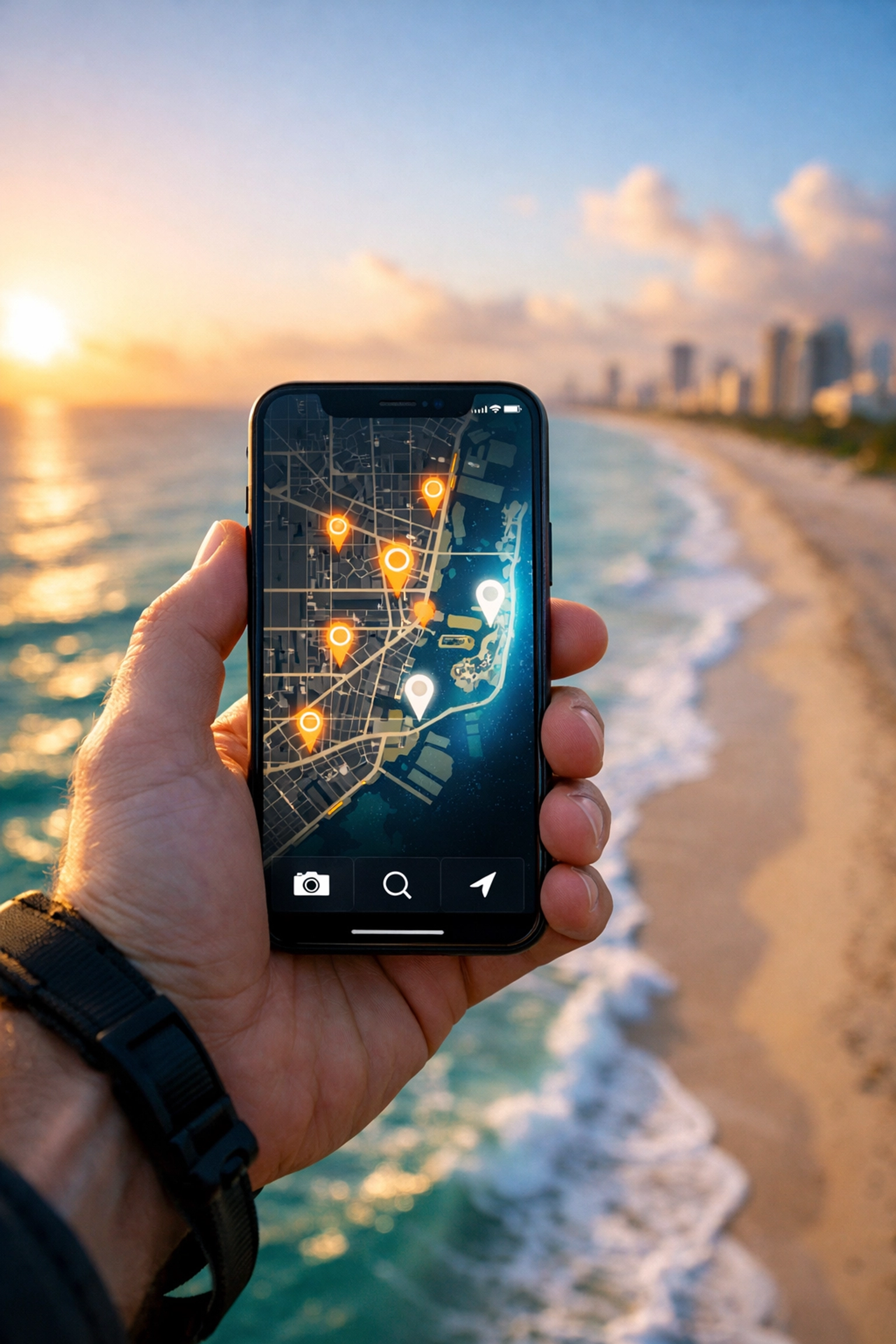
AI has changed the game for finding photography locations. Instead of typing "best photography locations in Miami," try using AI-driven visual search tools. You can upload a photo of a style you like, and AI can now analyze the light, the architecture, and the geography to suggest similar "vibe" locations near your current GPS coordinates.
At Photoguides, we’ve seen a massive trend toward using AI to predict foot traffic and lighting conditions. While we value authentic art, using AI as a tool to get you to the right place at the right time is just smart photography.
3. Light is More Important Than the Landmark
A mediocre location in incredible light will almost always beat a world-class location in flat, midday sun. When you’re looking for "photo spots near me," stop looking for "things" and start looking for "light."
Use apps like PhotoPills or The Photographer’s Ephemeris to track exactly where the sun (or moon) will be at any given time. A boring alleyway can turn into a cinematic masterpiece during the blue hour. If you’re just starting to refine your eye for light, our educational resources cover the fundamentals of timing and composition that apply no matter where you are.
4. Join the Local Community
The best spots aren't on the first page of a search engine; they’re in the heads of the people who live there. Photographers are generally a collaborative bunch. Look for local photography groups on social media or check out communities like Shut Your Aperture to see where enthusiasts are currently shooting.
Sometimes, the most "Instagrammable" spots are actually the ones local professionals avoid because they’re too crowded. Engaging with a community helps you find those "locals only" spots: like those Miami hidden speakeasies that offer incredible mood lighting for portraits.
5. Revisit the "Boring" Spots
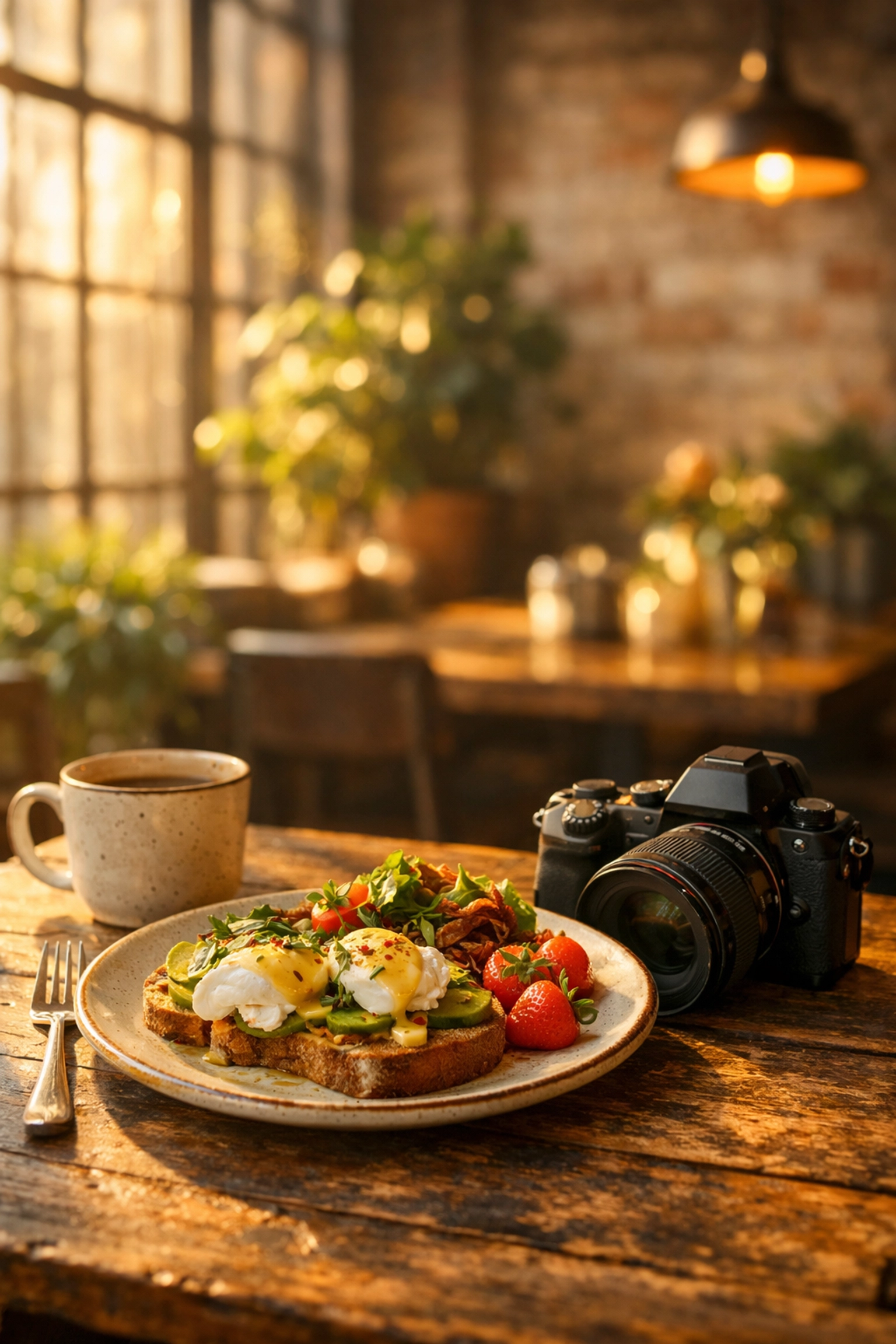
We often overlook what’s right in front of us. Your local park, a nearby industrial estate, or even a local breakfast spot can be a goldmine if you look at it with fresh eyes. Have you checked out the breakfast places in Cape Coral or the restaurants in downtown Golden? These everyday locations provide amazing opportunities for lifestyle and food photography.
The trick is to look for details. Instead of the whole building, look at the way the light hits a window or the texture of a brick wall.
6. Gear Up for the Environment
Finding the spot is only half the battle; being prepared to shoot it is the other. If you’re heading out to find "travel photography tips," you need to ensure your gear matches the location. Are you shooting wide-angle landscapes or tight street portraits?
In 2026, we’re seeing a huge resurgence in tactile, intentional gear. The Module 8 lens adapter is a perfect example of how you can give your modern digital shots a cinematic, vintage feel right in the moment. Always check our essential photography gear guide before heading out on a major scouting trip.
7. Use "Non-Photography" Keywords
When everyone searches for "best places to take pictures," everyone ends up at the same fountain or viewpoint. Try searching for different keywords:
- "Hidden courtyards"
- "Rooftop bars"
- "Botanical gardens"
- "Abandoned architecture"
- "Street art districts"
If you’re in Virginia, for example, searching for breweries in Williamsburg might lead you to a rustic, industrial patio that’s perfect for a sunset shoot.
8. Don't Fear the Weather
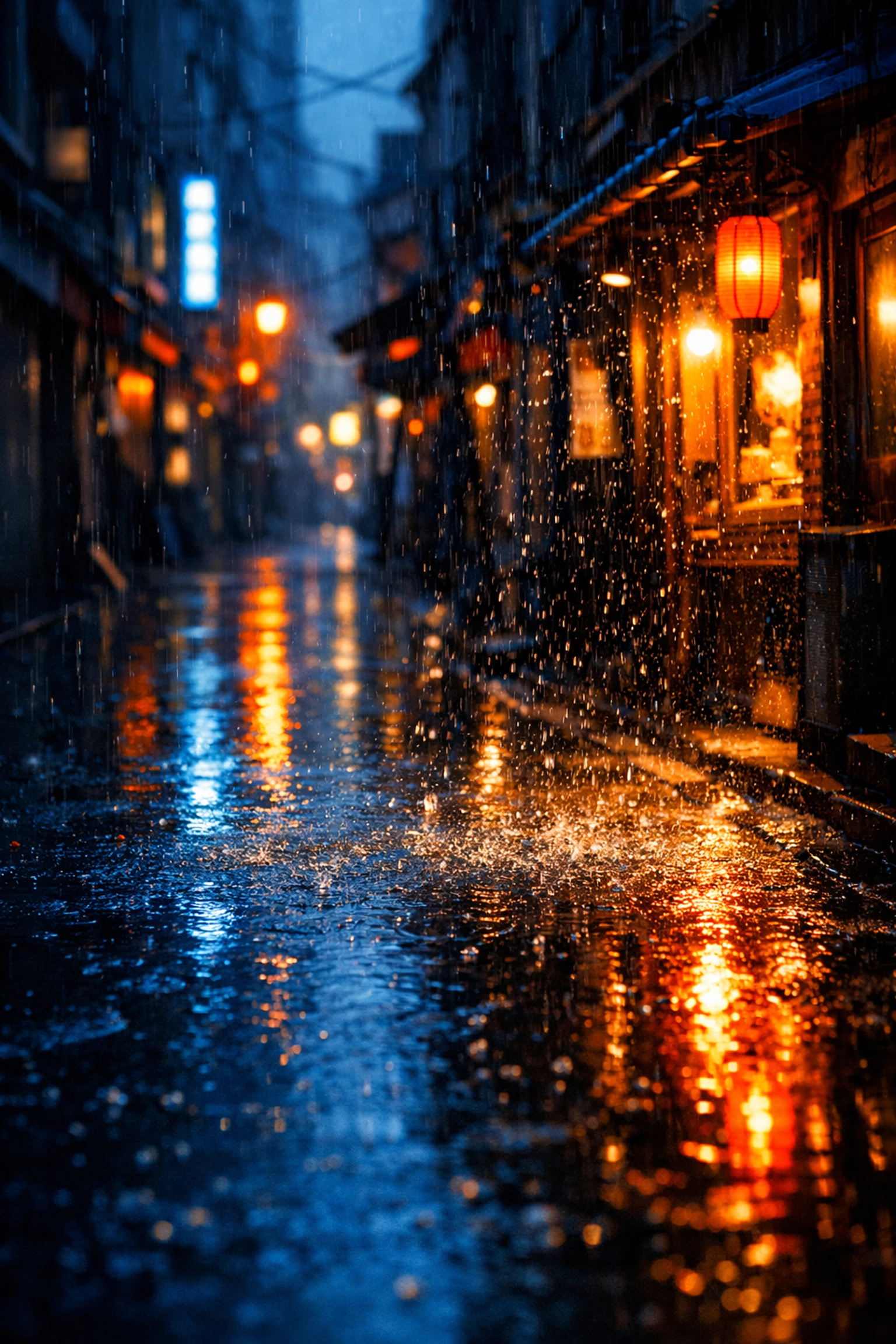
Some of the most iconic photos ever taken were captured in "bad" weather. Fog, rain, and even storms add a layer of drama that a clear blue sky just can’t provide. If the sky is looking a bit dull, you can always enhance the mood later with tools like sky overlays, but there’s no substitute for the atmosphere of a rainy street.
Reassuringly, modern cameras are more weather-sealed than ever. Check out our 2024 camera reviews (many of which are still top-tier performers in 2026) to see which bodies can handle a bit of rain.
9. Understand the "Vibe" Before You Go
Every location has a soul. A wedding photography insight might tell you that a romantic beach at sunset is perfect for couples, but that same spot might be terrible for edgy, high-fashion editorial work.
Before you commit to a long drive, look at the "tagged" photos on social media for that location. Don't look at the professional shots: look at the "recent" tab to see what the place actually looks like right now. Is there construction? Is it packed with tourists? This "vibe check" saves you hours of wasted time.
10. The Power of "The Walk"
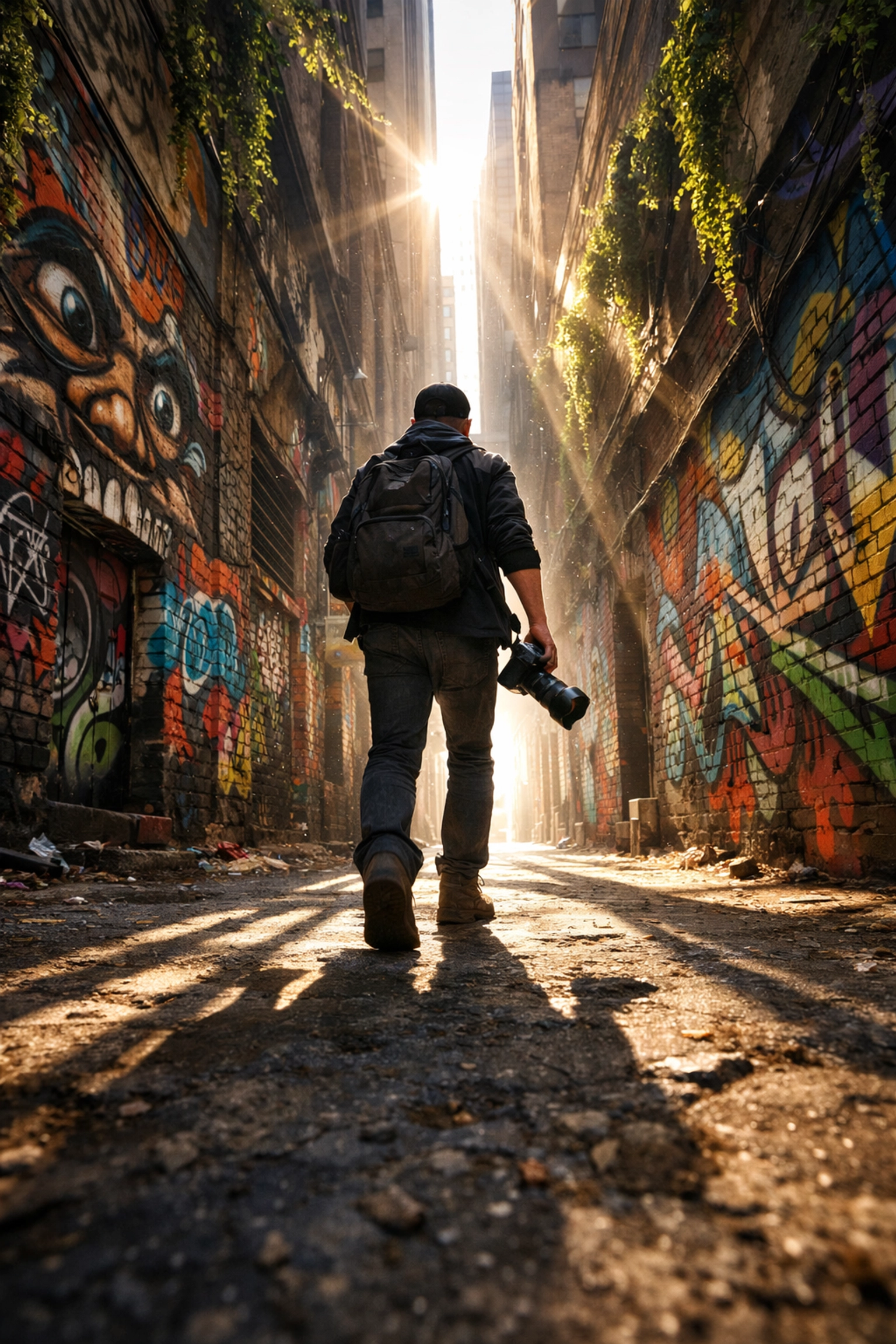
Finally, the most effective way to find photo spots near you is simply to walk. Park your car or get off the bus three stops early. When we’re moving at 40 miles per hour, we miss the small things: the way a vine crawls up a fence, the reflection in a puddle, or the interesting shadow cast by a fire escape.
If you’re looking for a change of pace, maybe a cheap weekend getaway to a new city is exactly what you need to jumpstart your creativity. Sometimes a new zip code is the best filter you can use.
Conclusion
Finding the best photography locations is a blend of high-tech scouting and old-school wandering. Whether you’re looking for high-end landscapes to hang as fine art prints or just want a great new spot for your next social media post, the secret is in the preparation.
Remember, the "best" spot isn't necessarily the one that's been photographed a million times. It’s the one where you feel a connection to the subject. So, grab your gear, use the tools at your disposal, and go discover something that hasn't been seen before.
Happy shooting!
Want to take your photography to the next level? Browse our latest reviews and downloadable guides to stay ahead of the curve in 2026.