
Category: Photo Guides
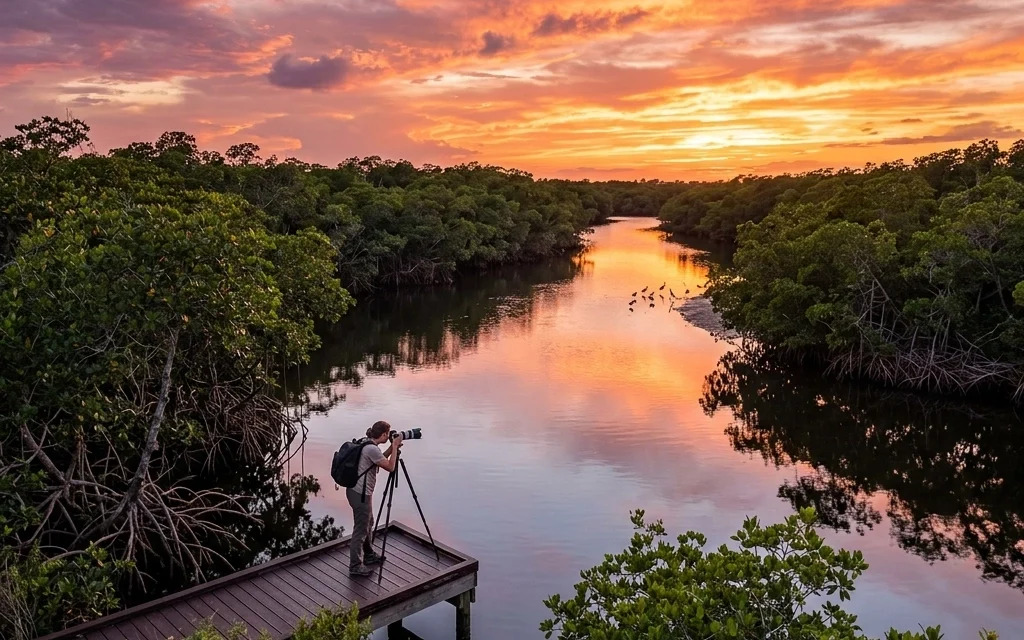
When most people think of Florida, they think of neon lights in South Beach or the crowded theme parks of Orlando. But for those of us with a camera strapped around our necks, the real magic happens about an hour south of the city. The Everglades is a place unlike any other on Earth. It’s not just a "swamp": it’s a slow-moving river of grass, a sanctuary for some of the world’s most prehistoric creatures, and a playground for photographers who know how to look.
However, the Everglades can be intimidating. It’s huge, it’s hot, and if you don’t know where to go, you can spend a lot of time looking at a whole lot of nothing. That’s why I want to share the 10 things you absolutely need to know before you head out into the glades with your gear.
If you are looking to skip the learning curve and get straight to the best shots, you should definitely check out our Everglades Photography Guide. It’s the ultimate shortcut to getting professional-grade shots in this unique ecosystem.
1. The Anhinga Trail is Your Best Friend
If you only have time for one spot, make it the Anhinga Trail. Located at the Royal Palm Visitor Center, this is arguably the most famous photography location in the park. Why? Because the wildlife here is remarkably habituated to humans.
You’ll see Anhingas drying their wings just feet from the boardwalk, and alligators lounging right beneath your feet. It’s one of the few places where you don't necessarily need a 600mm lens to get a tight portrait of a heron. For more on the right tools for the job, take a look at our essential photography gear list. At the Anhinga Trail, a 70-200mm is often the sweet spot.
2. Sunrise is Non-Negotiable
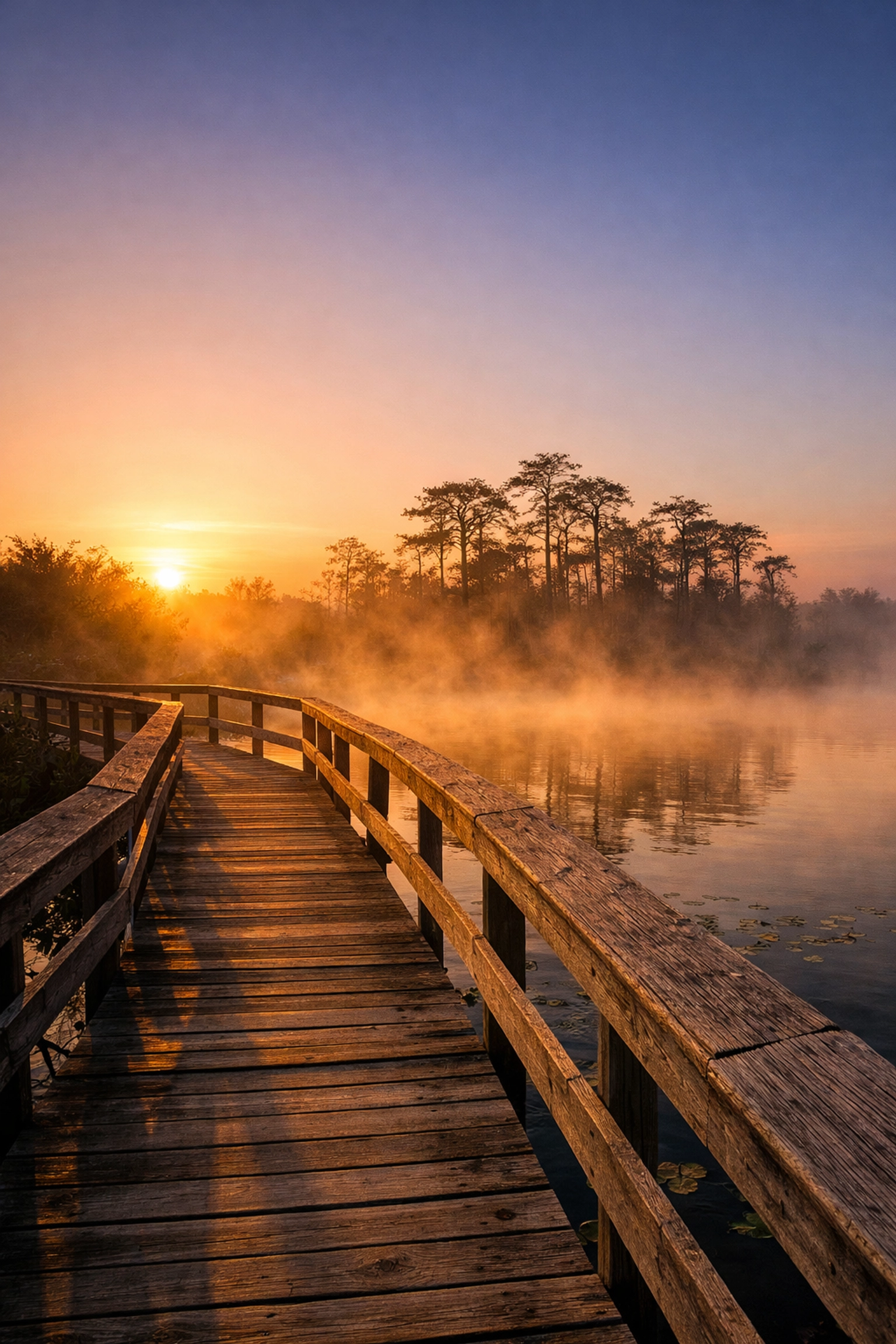
I know, getting up at 4:00 AM isn't everyone's idea of a vacation, but in the Everglades, the "Golden Hour" is more like the "Golden Twenty Minutes." Arriving at the Anhinga Trail or Long Pine Key at sunrise allows you to capture the mist rising off the Taylor Slough. This atmospheric haze adds a layer of mystery and depth to your shots that disappears the moment the sun gets high.
If you’re interested in seeing how these morning sessions translate into high-end art, you can browse some of my finished pieces at Edin Fine Art.
3. Shark Valley is for Landscapes and Alligators
Located on the northern edge of the park off the Tamiami Trail, Shark Valley offers a completely different vibe. There’s a 15-mile loop that you can bike or take a tram through. The highlight is the observation tower, which provides a panoramic view of the "River of Grass."
While you’re there, you’ll find alligators lining the canal edges. Because the path is narrow, you can get some incredible wide-angle shots of these reptiles. Just remember to keep a respectful distance: even if they seem like they’re napping, they’re faster than they look!
4. Seasonality Changes Everything
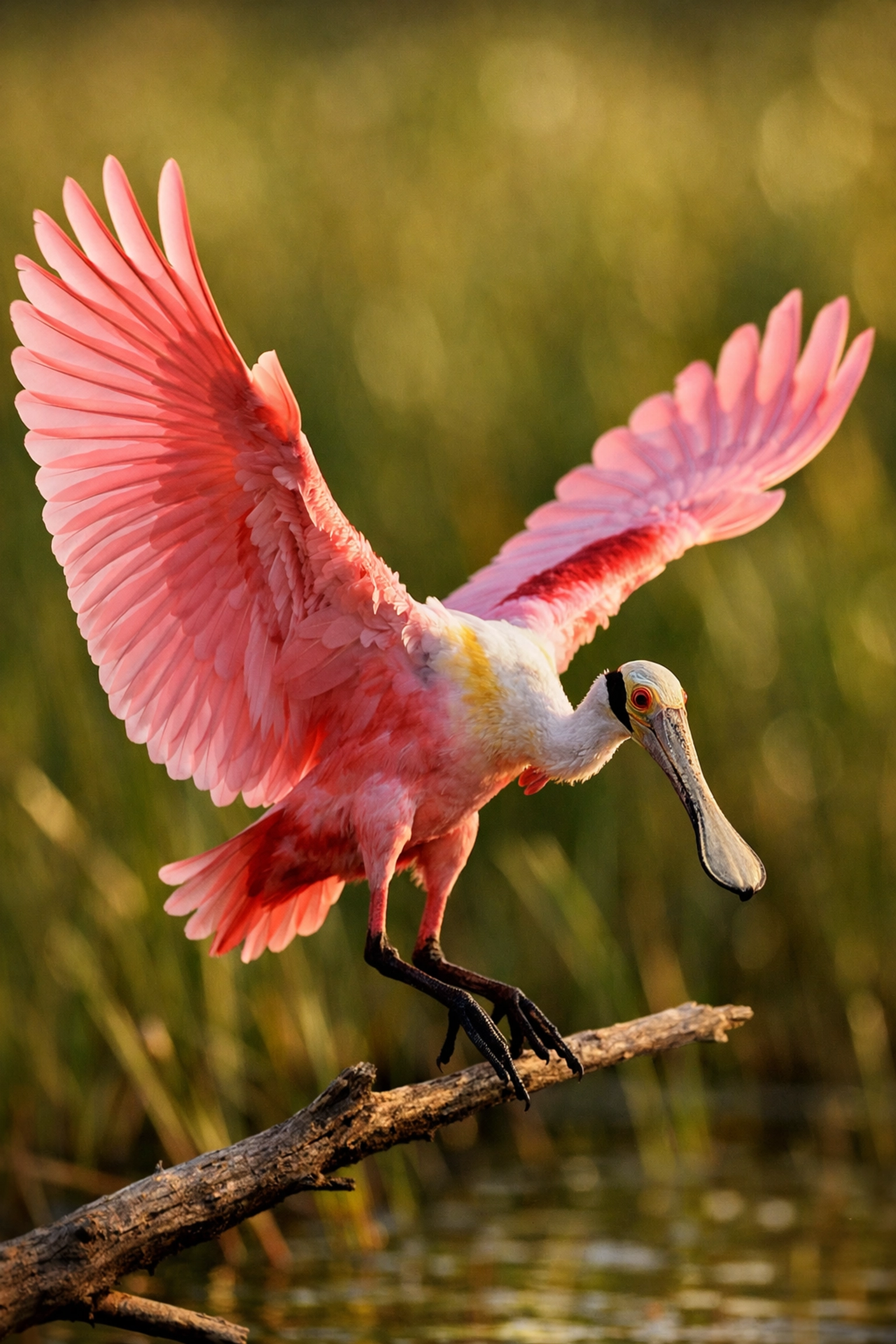
The Everglades has two main seasons: Wet and Dry. For photography, the Dry Season (November to April) is king. As the water levels drop, fish get concentrated into smaller pools, which creates a literal feeding frenzy for wading birds like Wood Storks and Roseate Spoonbills.
If you come during the Wet Season, the animals disperse into the deep swamp, and the mosquitoes will likely carry you away. If you’re planning a trip during the peak months, check out our photography booking experience to see how we can help you navigate the crowds and the light.
5. Pahayokee Overlook for the Classic "River of Grass"
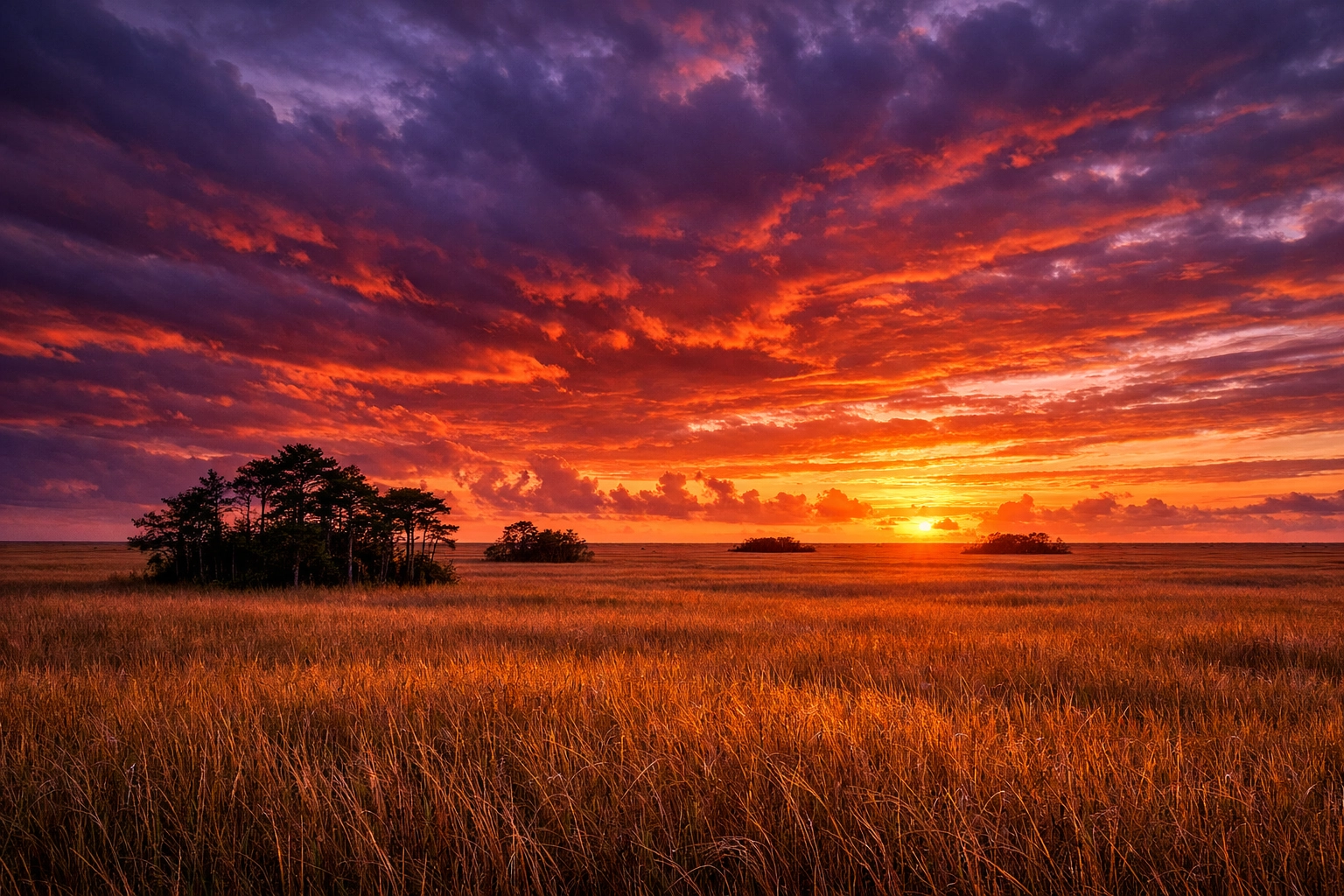
If you want that iconic shot of the sawgrass prairie stretching to the horizon, Pahayokee Overlook is the place. It features an elevated boardwalk that puts you above the grass. It’s an incredible spot for sunset, especially when the sky turns those deep Florida purples and oranges.
I always recommend bringing a tripod here. As the light fades, you’ll want to stop down your aperture to keep those distant cypress domes in focus. For tips on modern camera tech that handles these low-light situations, see our camera reviews 2024.
6. Don’t Sleep on Big Cypress
While not technically part of Everglades National Park, the Big Cypress National Preserve is right next door and is equally stunning. It’s a bit more rugged and "swampy" in the traditional sense. This is the place to go if you want to photograph the ghost orchid or try to catch a glimpse of the elusive Florida panther.
The cypress domes here are hauntingly beautiful. If you’re into moody, high-contrast black and white photography, the textures of the cypress bark and the hanging Spanish moss are a dream. You can find more inspiration on technique over at Shut Your Aperture.
7. Mahogany Hammock is an Owl Sanctuary
If you’re a bird enthusiast, Mahogany Hammock is a must-visit. This is a "hammock": an island of trees in the middle of the sawgrass. It’s home to ancient mahogany trees and is a well-known nesting site for Barred Owls.
Because the canopy is so thick, it’s much cooler here, but the light is also much lower. You’ll want a lens with a wide aperture or a camera with great high-ISO performance. It’s a great place to practice your wildlife stalking skills: quietly, of course.
8. Use the Water (Nine Mile Pond)
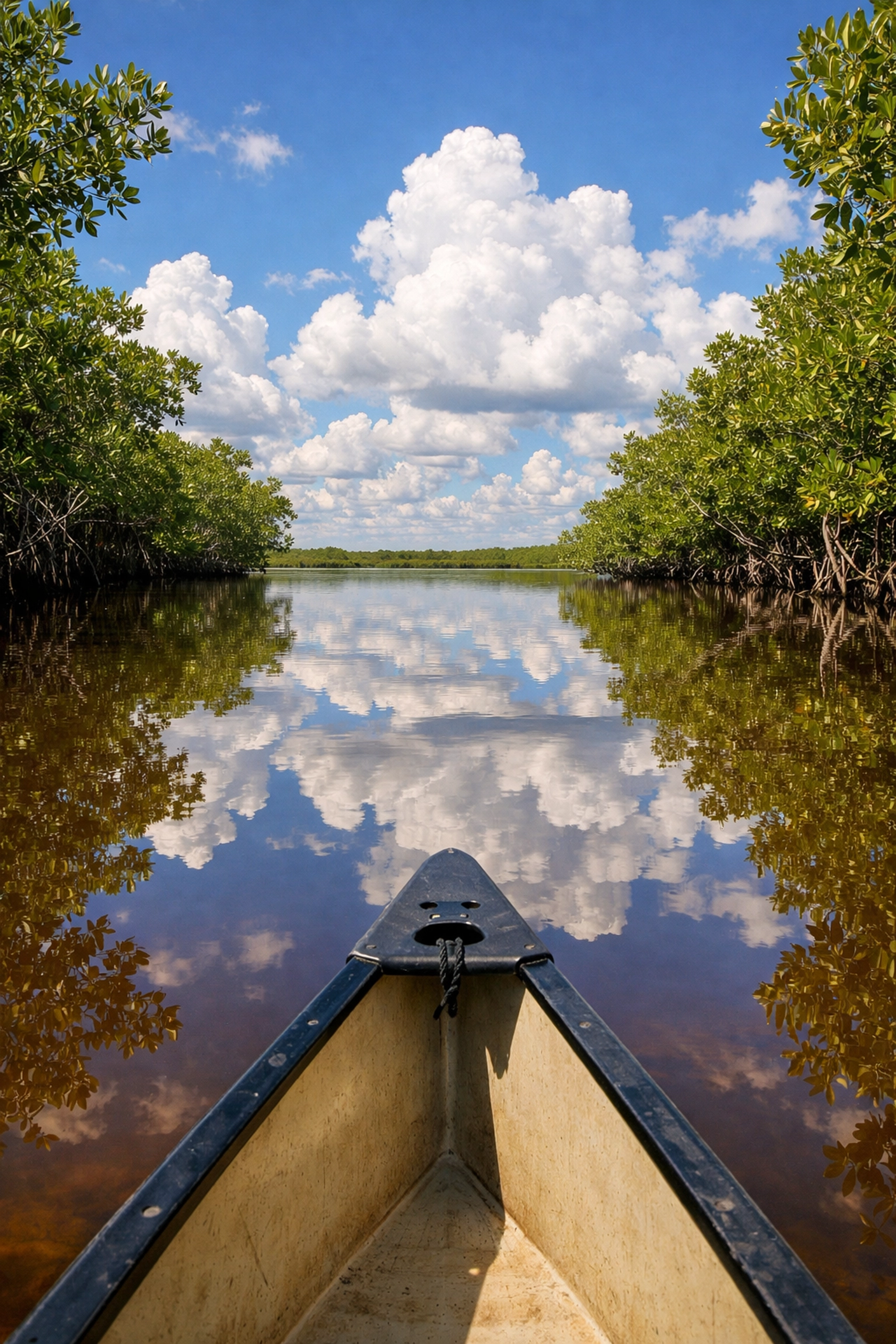
To truly experience the Everglades, you have to get off the land. Renting a canoe or kayak at Nine Mile Pond gives you a perspective that most tourists never see. You can paddle through mangrove tunnels and out into open ponds where the water is like a mirror.
Reflections are a huge part of Everglades photography. On a calm day, the clouds reflecting in the tea-colored water can create stunning symmetrical compositions. Just be sure to bring a dry bag for your gear!
9. Composition is More Than Just Wildlife
It’s easy to get "gator fever" and spend your whole trip shooting lizard portraits. But the Everglades is a landscape photographer's paradise if you look for the details. The "Z Tree" (a famous stunted cypress tree) and the various rock reefs provide unique focal points in an otherwise flat landscape.
Pay attention to the textures of the periphyton (the algae at the bottom of the water) and the way the sawgrass bends in the wind. Sometimes the best story is told through the environment, not just the inhabitants. For more educational resources on composition, visit our educational category.
10. The Everglades Photography Guide is Your Secret Weapon
Let’s be honest: the Everglades is 1.5 million acres of wilderness. You could spend years exploring it and still miss the best spots. That’s why we created the Everglades Photography Guide.
We’ve scouted the locations, tracked the light, and noted exactly where the birds nest and the gators sunbathe. It’s designed to help you make the most of your time so you can go home with a portfolio you’re proud of. Whether you’re a pro or a hobbyist, having a roadmap makes all the difference.
Final Thoughts
The Everglades is a place that requires patience. It’s not a zoo; the animals don’t perform on cue. But if you sit still long enough, the swamp starts to speak. You’ll hear the splash of a gar, the guttural roar of an alligator, and the rustle of a heron in the grass.
When you capture that perfect moment: the light hitting a Roseate Spoonbill's pink feathers just right: you’ll realize why we keep coming back to this wild, watery world. If you want to see more of what Florida has to offer beyond the swamps, check out our guide on Miami's hidden speakeasies for some post-shoot relaxation.
Happy shooting, and I’ll see you out in the glades! For any questions or to see our latest work, head over to blog.edinchavez.com.













