
Category: Foodies
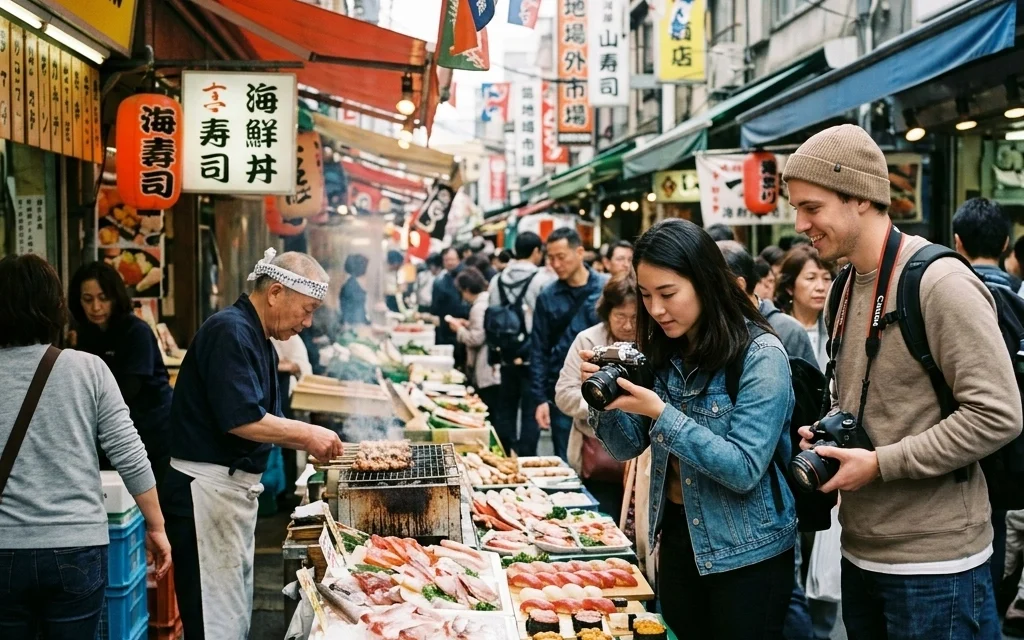
Welcome to Day 4 of our 14-day culinary deep dive into the neon-lit, ramen-fueled streets of Tokyo. If you’ve been following along, your stomach is probably already confused by the sheer volume of high-end sushi and Akihabara themed-cafe treats we’ve been throwing at it. But today, we’re hitting the big one. The legend. The place where the ocean meets the city in a glorious, chaotic, and incredibly photogenic explosion: the Tsukiji Outer Market.
While the famous inner wholesale market (and that iconic tuna auction) moved to Toyosu back in 2018, the Outer Market stayed right where it belongs. It’s a labyrinth of over 400 stalls, tiny restaurants, and shops selling everything from $500 chef knives to $5 sticks of grilled wagyu. For a photographer, it’s a masterclass in textures, shadows, and candid human moments. For a foodie, it’s basically Disneyland, but with more blowtorched scallops.
If you want to capture the soul of Tokyo’s food scene without getting hit by a turret truck or yelled at by a busy vendor, you’ve come to the right place. Let’s get into how to photograph, and eat, your way through Tsukiji.
The Photographer’s Toolkit: Gear Up for the Chaos
Before we even step onto the train, let’s talk gear. Tsukiji is tight. The alleyways are narrow, the crowds are dense, and the light can be remarkably fickle. You don’t want to be that person swinging a massive 70-200mm lens around, knocking over displays of dried seaweed.
I always recommend traveling light. A fast prime lens is your best friend here. Something like a 35mm or 50mm f/1.8 will give you that beautiful, creamy bokeh that makes a single piece of Nigiri pop against a blurred market background. Plus, the wide aperture is essential for those dimly lit indoor stalls. If you’re looking for more advice on what to pack, check out our guide on essential photography gear.
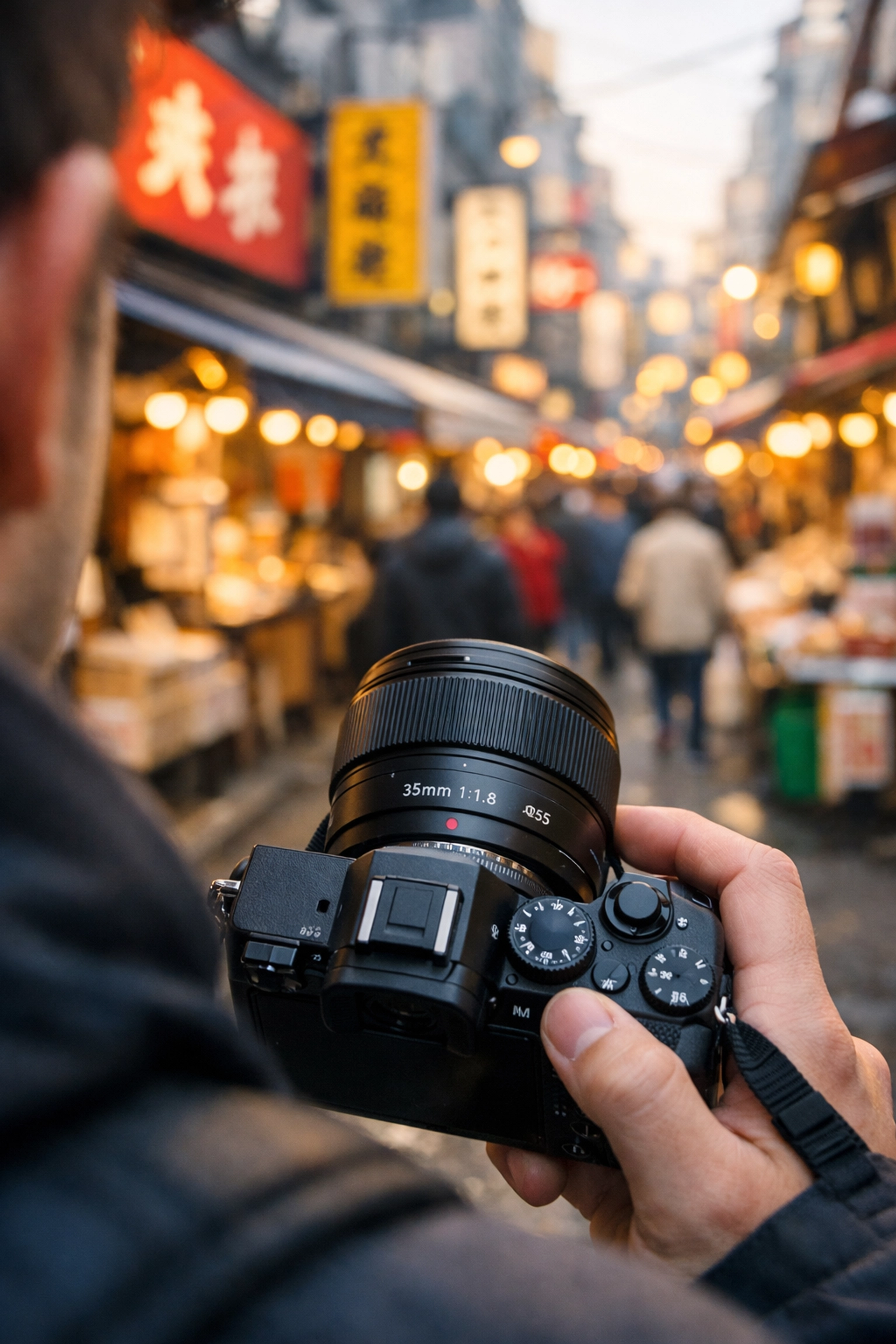
Pro tip: Keep your camera strap short and tight. You’re going to be dodging people, and you don’t want your precious gear banging against a counter. For more technical tips on keeping your kit safe and effective, head over to Shut Your Aperture.
Timing is Everything (And Early is Better)
If you show up at 11:00 AM, you’ve already missed the magic. By then, the market is a sea of tourists, and the "authentic" grit of the morning prep has been replaced by the frantic energy of the lunch rush.
To get the best shots, aim to be there by 7:30 AM or 8:00 AM. This is when the light hits the narrow streets at a sharp angle, creating dramatic shadows and highlights. You’ll catch the steam rising from giant pots of ramen and the morning sun glinting off the scales of freshly sliced fish. This is the "golden hour" of the market.
If you’re feeling a bit overwhelmed by the idea of navigating these alleys alone while trying to juggle a camera and a snack, I highly recommend booking a food tour through Viator. Not only will a guide show you the best hidden spots that aren't on the main maps, but they’ll also help you understand the etiquette of when and where it’s okay to shoot.
What to Photograph: The "Must-Have" Shots
Tsukiji is a visual feast, but there are a few iconic subjects you absolutely cannot miss if you want your portfolio (or your Instagram feed) to stand out.
1. Tamagoyaki (The Rolled Omelet)
This is probably the most "Instagrammed" food in the market, and for good reason. Watching the chefs at stalls like Yamachō or Shōgetsu work is mesmerizing. They use rectangular pans to flip layers of egg with surgical precision.
- The Shot: Use a high shutter speed to freeze the motion of the egg being flipped. Focus on the chef’s hands, the weathered texture of a master's hands tells a story that the egg alone can’t.
2. The Tuna (Maguro)
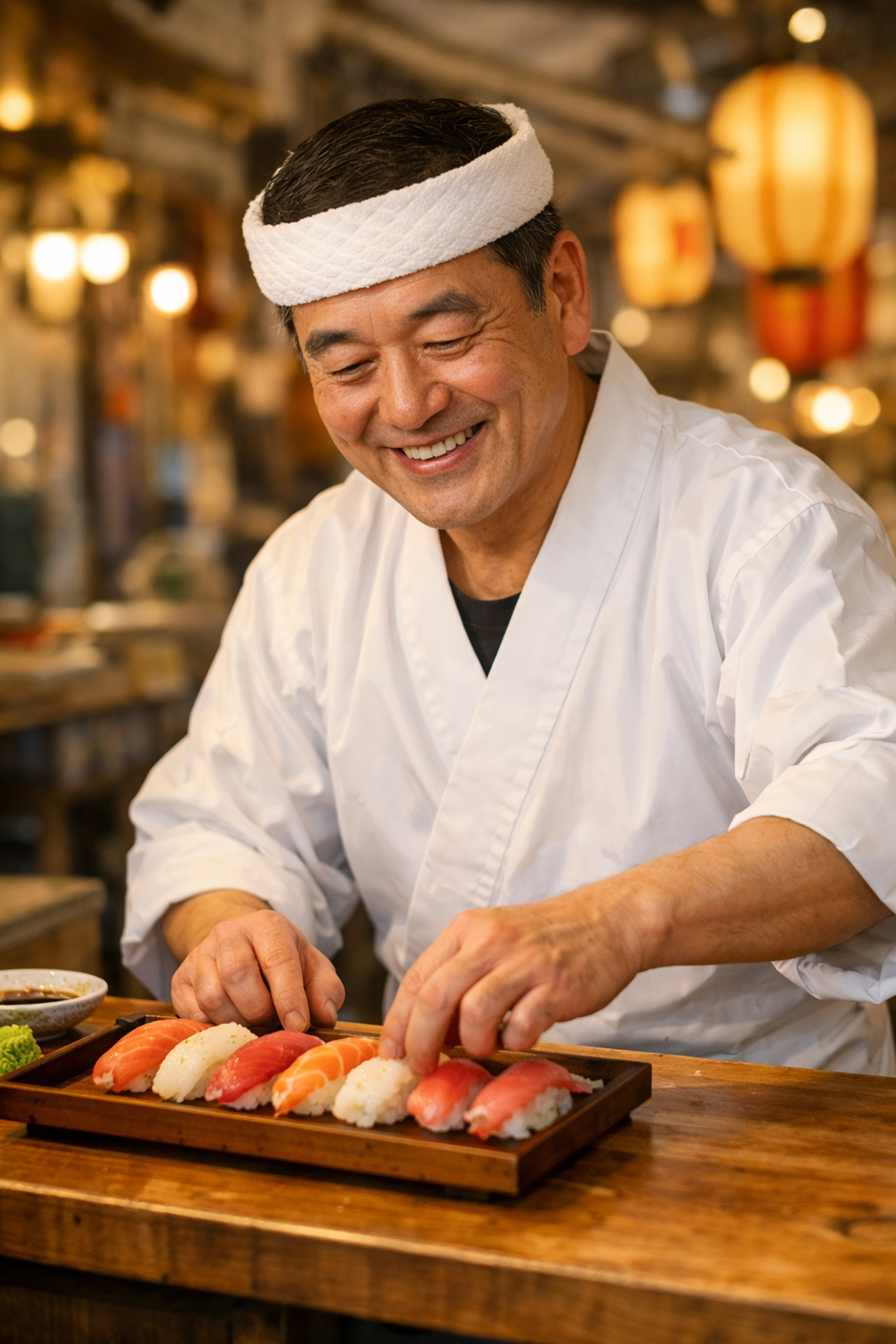
You can’t go to Tsukiji and not photograph the tuna. Look for stalls where they are breaking down large cuts of Maguro. The deep reds and marbling of the Otoro (fatty tuna) are visually stunning.
- The Shot: Get in close. Use a macro lens if you have one, or just get as close as your minimum focus distance allows. Capture the glistening texture of the fish. If you want to see how these shots look when printed as professional art, take a peek at Edin Fine Art.
3. The Details of the Trade
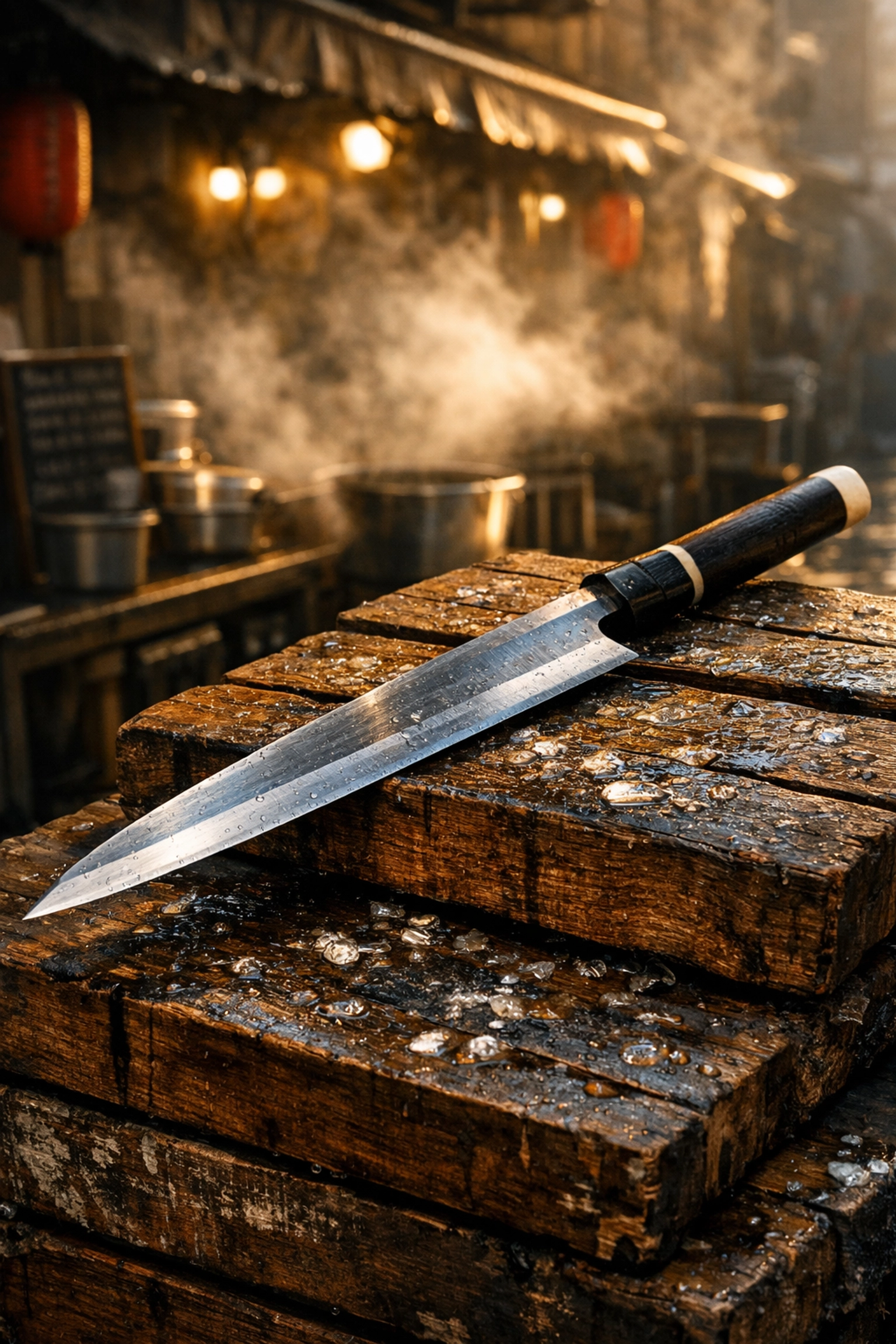
Don't just focus on the food. Photograph the environment. The stacked wooden crates, the specialized fish knives, the handwritten price tags in calligraphy, and the steam rising from the stalls. These "environmental" shots are what give your photo essay a sense of place.
Eating for the Camera (And Your Stomach)
Let’s be real: you’re here to eat. But in the world of food photography, there’s a delicate balance between "getting the shot" and "eating it while it’s hot."
Here are my top food picks for Tsukiji that are as delicious as they are photogenic:
- Grilled Scallops with Uni: These are usually topped with a dollop of sea urchin and blowtorched right in front of you. The flame creates a great action shot, and the orange of the Uni against the white shell is a color-grading dream.
- Strawberry Mochi: For a pop of color, look for the stalls selling Daifuku (mochi filled with bean paste and a whole strawberry). The vibrant red of the berry peeking out of the white or green dough is perfect for a clean, minimalist shot.
- Fresh Oysters: Some of these are the size of your hand. They usually have a lemon wedge and a splash of ponzu. The metallic, wet look of the oyster reflects light beautifully.
If you're planning a trip specifically to build your photography portfolio, you might want to look into a dedicated photography booking experience to ensure you have a pro by your side to help you nail these compositions.
Market Etiquette: Don’t Be "That" Tourist
Tsukiji is a place of business. It’s loud, it’s busy, and people are trying to make a living. To be a successful (and respected) photographer here, you need to follow a few unwritten rules:
- Ask Before You Shoot: Most vendors are used to cameras, but a quick nod and a smile (or a polite "Sumimasen?") goes a long way. If they say no, respect it and move on.
- Buy Something: If you spend five minutes taking photos of a vendor's beautiful tuna, the least you can do is buy a piece. It’s good karma, and it makes for better photos when you’re actually holding the product you’re shooting.
- Don’t Block the Flow: The alleyways are tiny. If you stop in the middle of a path to set up a tripod, you’re going to have a bad time. Stay mobile.
- No Flash: In the tight quarters of the market, a flash is intrusive and ruins the natural ambiance of the scene. Stick to your fast lenses.
Post-Processing: Bringing the Market to Life
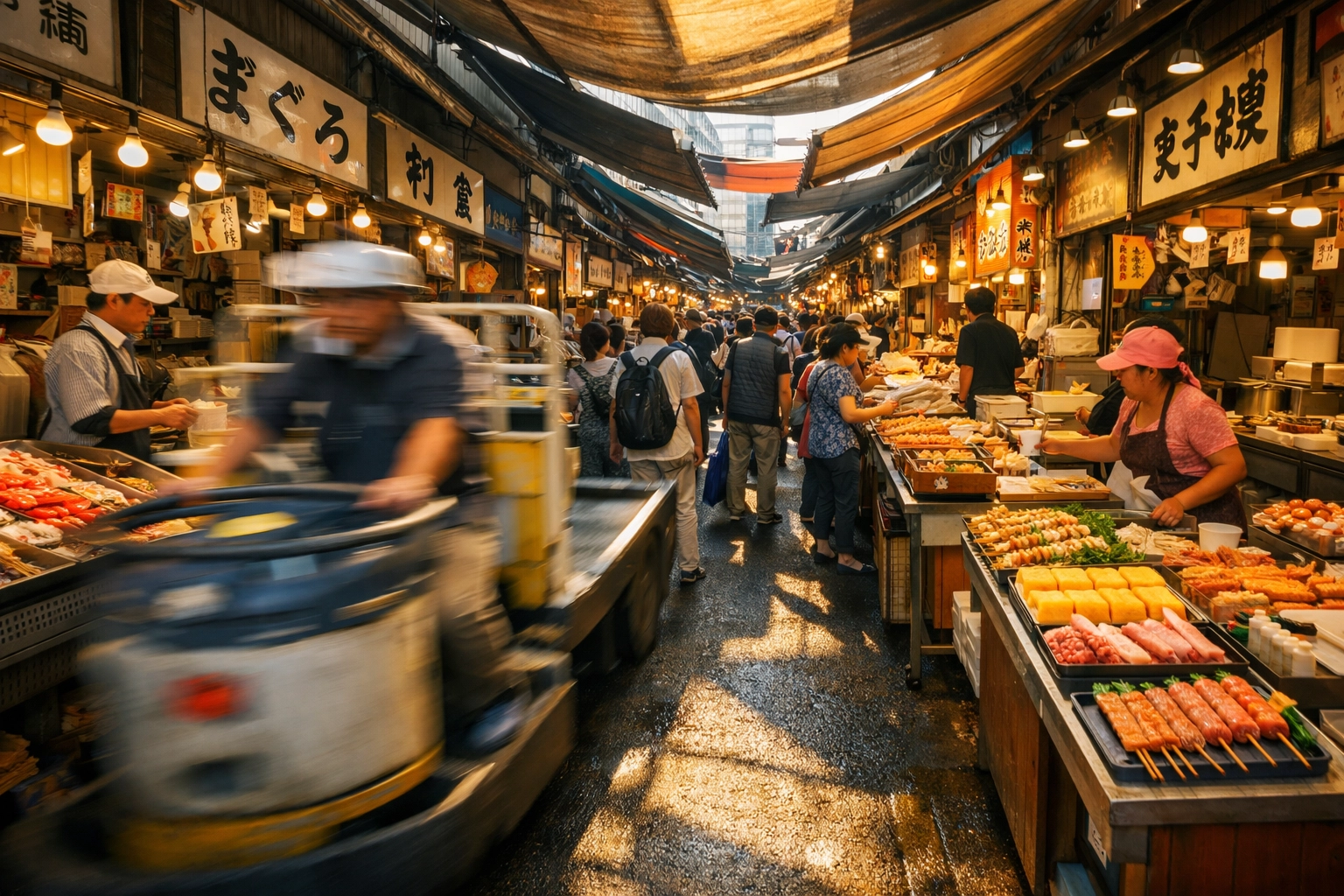
Once you get home and dump your SD card, the real work begins. Tsukiji photos often benefit from a bit of "grit." Don't be afraid to lean into the shadows and highlight the textures of the wood and ice.
If your sky looks a bit blown out in those outdoor alley shots, you can always use some sky overlays to bring back some drama. For more tips on editing and to see my personal workflow, you can check out my blog at Edin Chavez.
How to Get There and Stay Reassured
Getting to Tsukiji is easy. Take the Hibiya Subway Line to Tsukiji Station or the Oedo Subway Line to Tsukiji-shijo Station. From there, follow the smell of grilled seafood and the crowds.
I know navigating a foreign market can feel a bit daunting, but honestly, Tsukiji is one of the friendliest places in Tokyo for travelers. The vendors are proud of their work, the food is incredibly fresh (and safe), and the atmosphere is electric. Even if you don't speak a word of Japanese, the universal language of "that looks delicious" and a camera around your neck will get you far.
If you’re feeling a bit overwhelmed by the logistics of a Tokyo trip, take a breather and read through some of our educational guides. We’ve got plenty of resources to help you feel confident behind the lens.
Final Thoughts
Tsukiji Outer Market isn't just a place to eat; it's an experience that defines the Tokyo culinary spirit. It’s a place where tradition meets the modern hustle, and for a photographer, it’s a goldmine of opportunity.
Just remember: arrive early, bring a fast lens, be respectful of the workers, and most importantly, book that food tour so you don't miss the best bites.
Stay tuned for Day 5 of our series, where we’ll be heading to the neon lights of Shinjuku for some late-night yakitori. Until then, keep shooting and keep eating! For more inspiration on where to go next, check out our thoughts on cheap weekend getaways: though after Tsukiji, every other market might feel like a bit of a letdown.
Happy shooting!













