
Category: Photo Guides
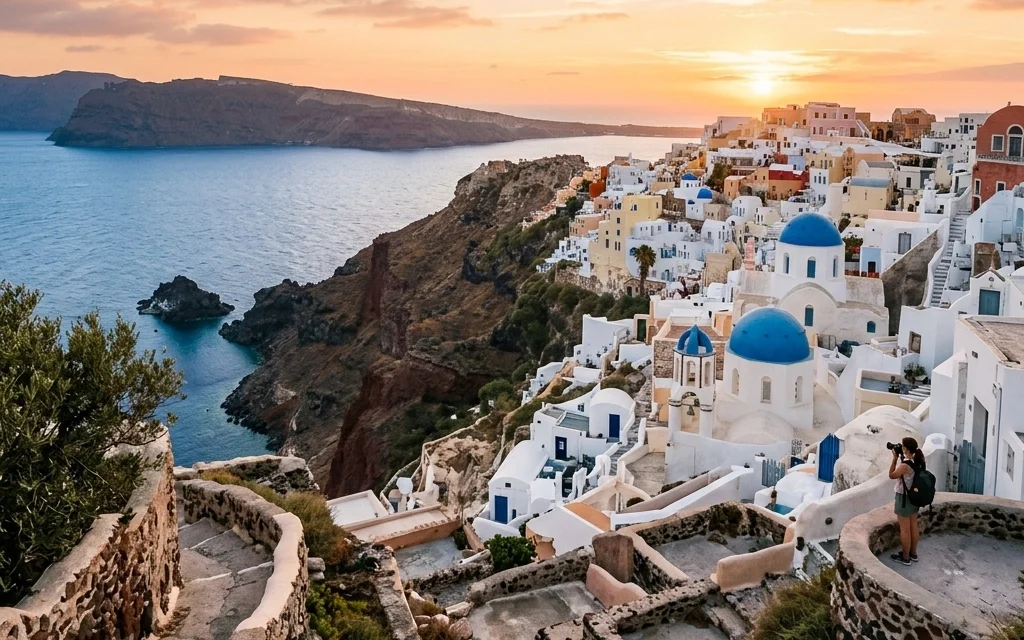
Let’s be real for a second. We’ve all seen the photos. You know the ones: the blindingly white buildings, the deep sapphire domes, and a sunset that looks like someone spilled a bottle of Aperol across the sky. Santorini is arguably the most photographed island on the planet. Because of that, there’s this weird gatekeeping that happens in the travel photography world.
Experts like to act like they’ve found "secret" spots that nobody else knows about. I’m going to let you in on a little secret: in a place as small as Santorini, there are no secret locations. But there are secret timings, secret angles, and secret ways to avoid the absolute chaos of the crowds.
If you’re planning a trip to the Cyclades, you aren't just looking for a vacation; you’re looking to capture the essence of a dream. Whether you’re shooting for your portfolio or just trying to find the most instagrammable places to make your friends back home a little bit jealous, I’ve got you covered. Here is what the "experts" aren't telling you about the best photography locations in Santorini.
1. The Oia Castle Sunset (And Why You Should Skip It)
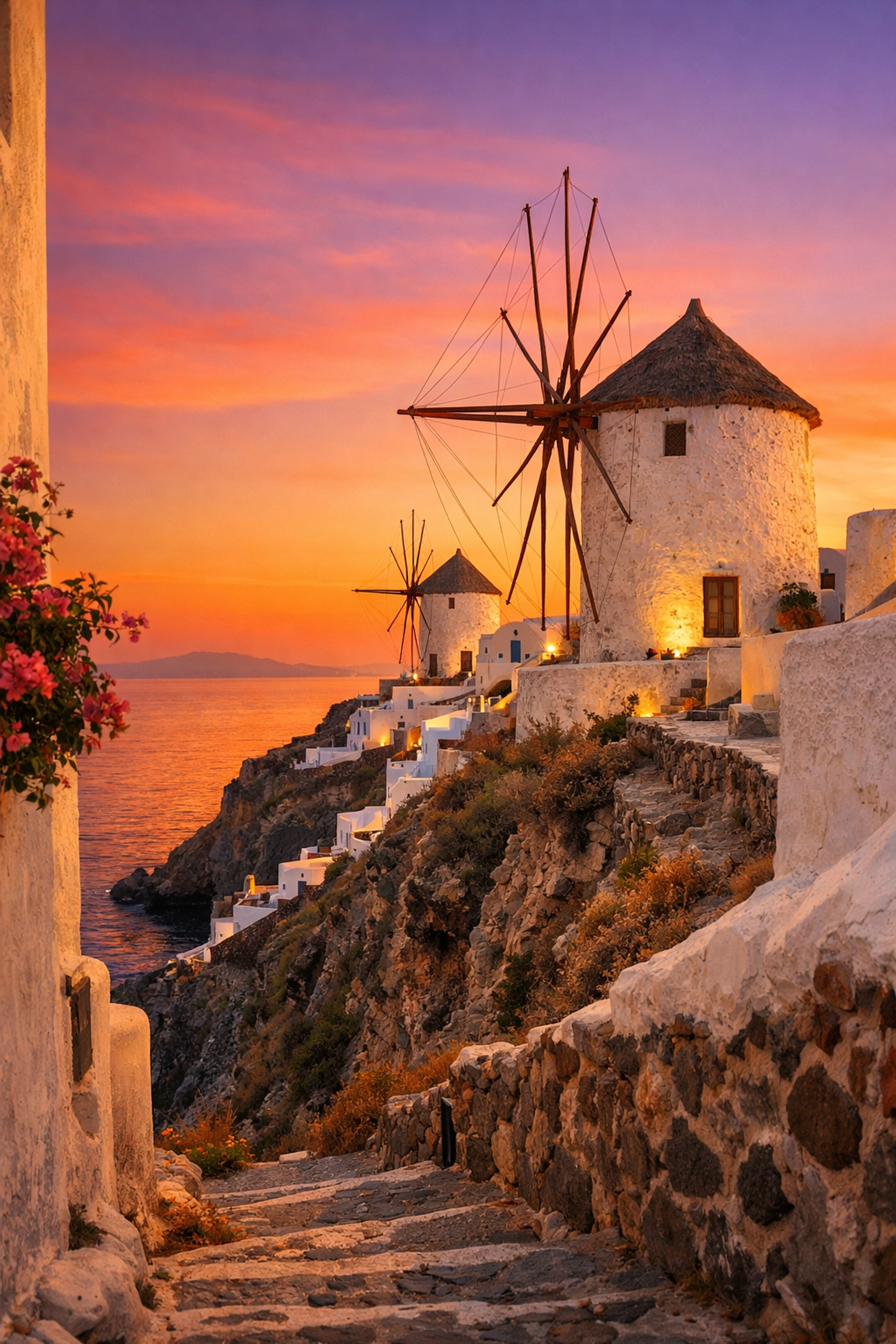
Ask anyone where the best photography locations are for sunset, and they’ll point you toward the Oia Castle ruins. It’s iconic. It’s also a mosh pit. People start camping out there three hours before the sun even starts to dip. If you want a photo of the back of three hundred tourists’ heads, by all means, go to the castle.
If you want the actual shot: the one with the windmills and the cliffside glow: you need to move away from the castle. The "pro" move is to head toward the edge of the cliff near the Oia Windmills about an hour before the "golden hour" actually starts.
Pro Tip: Instead of fighting for a spot on the wall, look for the small side alleys that lead toward the Amoudi Bay path. You’ll find vantage points that frame the windmills without the elbow of a stranger in your lens. If you’re feeling fancy, you can always check out some professional photography booking experiences to have a local guide show you the ropes without the stress.
2. The Three Blue Domes (The Real Way to Find Them)
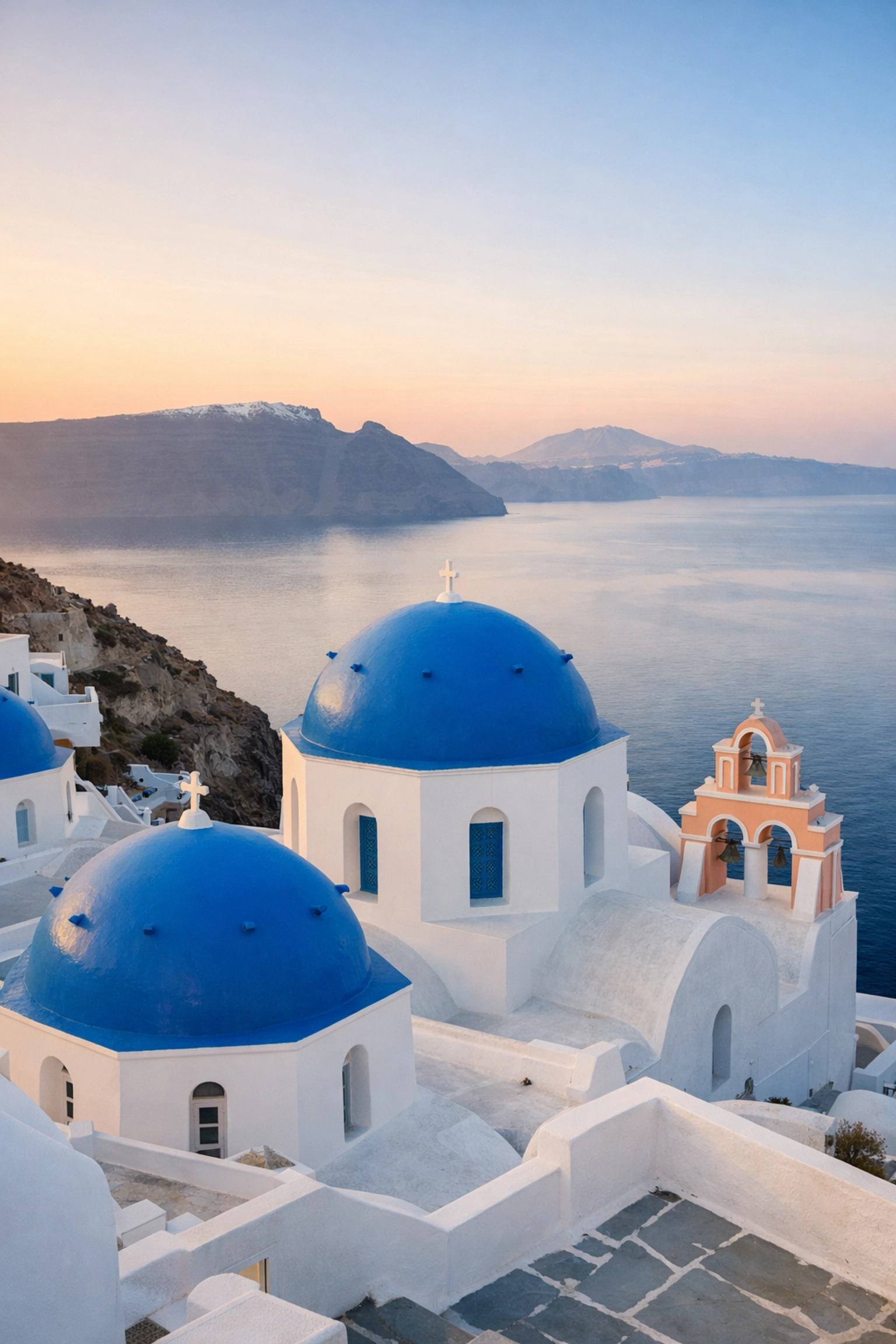
You’ve seen the postcard. The three blue domes of Oia overlooking the caldera. Most people wander around Oia for hours getting frustrated because they can’t find the exact angle. The experts won’t tell you that the "best" spot is actually behind a "No Entry" sign (which you should respect, by the way).
To find the most instagrammable places without trespassing, look for the jewelry store called "Alexandros" on the main marble walkway. Take the small alleyway down toward the sea right next to it. This leads you to the famous viewpoint of the Anastasis Church.
Here’s the secret: Go at sunrise. Not 8:00 AM. Not "early-ish." Go when the sky is still grey. By the time the sun hits those domes, you’ll have about fifteen minutes of peace before the cruise ship tours arrive. If you want to dive deeper into how to handle these high-contrast lighting situations, check out some educational photography resources to level up your skill set.
3. The Imerovigli "Alternative"
If Oia is the loud, famous older sister, Imerovigli is the sophisticated, quiet middle child. This is where the real travel photography tips come into play. Imerovigli is the highest point on the caldera, and it offers views that make Oia look like a thumb-nail sketch.
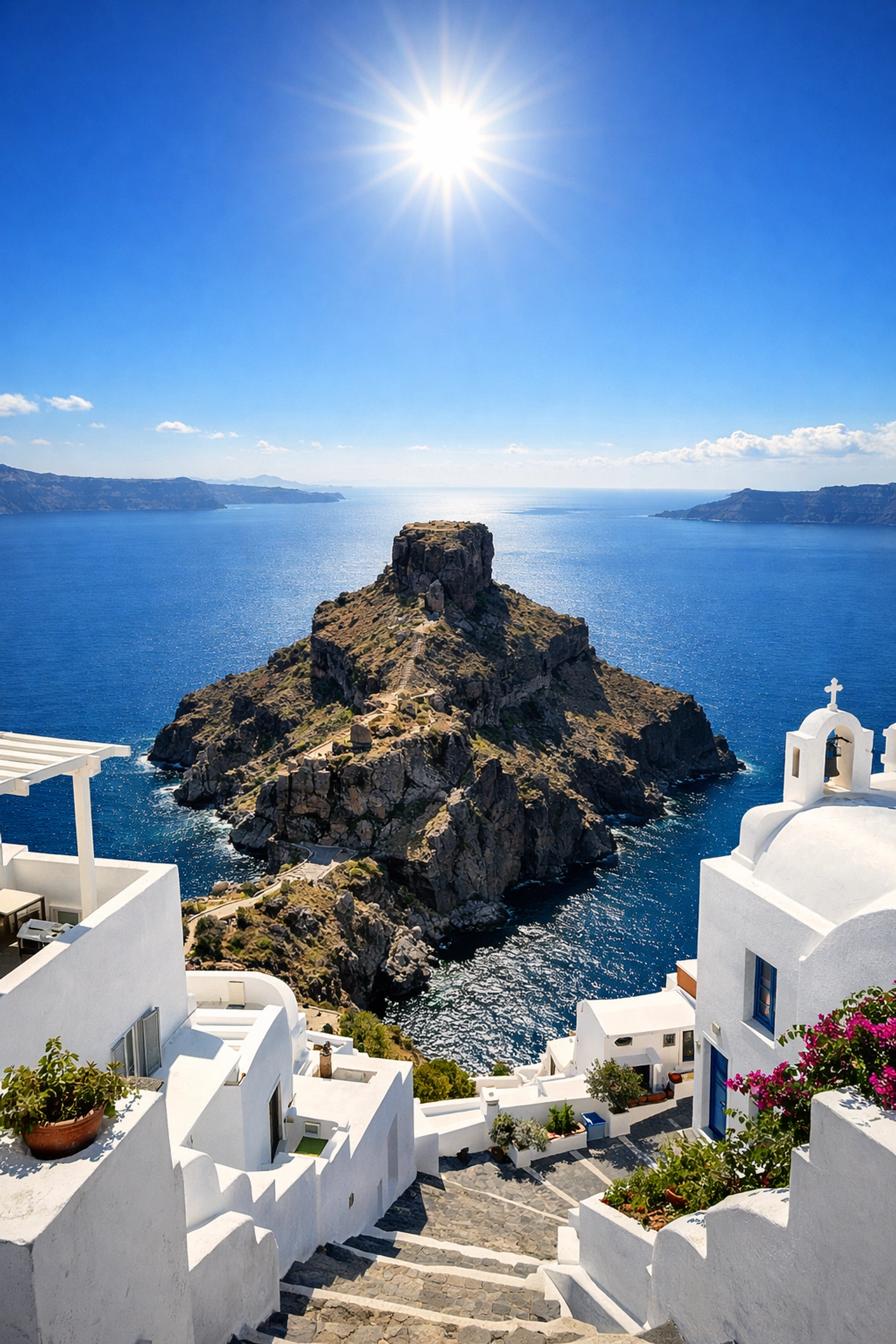
Most experts keep Imerovigli to themselves because it’s where they go to get "the shot" without the crowds. The Skaros Rock is a photographer’s playground. It’s a bit of a hike, but the view looking back at the village from the rock is one of the best photography locations on the island.
4. Don’t Forget About the South: Megalochori and Pyrgos
Everyone obsesses over the north end of the island, but the traditional villages of Megalochori and Pyrgos are where you find the soul of Santorini. These aren't just instagrammable places; they are living history.
Pyrgos is built on a hill and offers 360-degree views of the entire island. Because it’s not right on the caldera edge of Oia, it gets a fraction of the foot traffic. You can spend an entire afternoon shooting the bell towers and winding white alleys without having to wait in a literal line for a photo.
While you’re exploring the south, you might want to consider booking a guided photo tour to find the hidden courtyards. You can find some great Santorini activity recommendations on Viator that focus on these lesser-known spots.
5. Gear Talk: What You Actually Need
I see people lugging 40 pounds of gear up those Santorini stairs, and let me tell you: they look miserable. The steps are steep, the sun is hot, and you will regret that extra telephoto lens by noon.
To get the most out of your Santorini photography, you need a wide-angle lens (16-35mm is the sweet spot) for the narrow alleys and a versatile prime for portraits. If you’re looking to upgrade before your trip, check out the latest camera reviews for 2024 to see what’s performing best in high-sun environments.
Also, don't forget your filters. The white buildings are incredibly reflective. A good circular polarizer will help you manage those highlights and make the blue of the Aegean Sea truly pop. You can find my full list of essential photography gear here to make sure you aren't missing the basics.
6. The "Hidden" Sunset at Akrotiri Lighthouse
If you want a sunset experience that feels like a movie, drive all the way to the southern tip of the island to the Akrotiri Lighthouse. The experts don't talk about this much because there are no blue domes here: just raw, rugged cliffs and the endless horizon.
It’s windy, it’s wild, and it’s one of the best photography locations for long-exposure shots of the waves crashing against the rocks. It’s a completely different vibe than the manicured streets of Oia. For more inspiration on world-class landscapes, you can browse through the galleries at Edin Fine Art.
7. The Etiquette (How Not to be "That" Tourist)
This is the most important "secret" I can give you. Santorini is a home, not just a film set. In recent years, locals have had to put up fences and signs because tourists were climbing on church roofs to get the perfect shot.
Don’t do it.
You don't need to stand on a roof to get a great photo. Use your focal length, find a creative angle, or just ask permission. Being a respectful photographer is part of the craft. If you want to connect with a community of photographers who value ethics as much as aesthetics, join the conversation over at Shut Your Aperture.
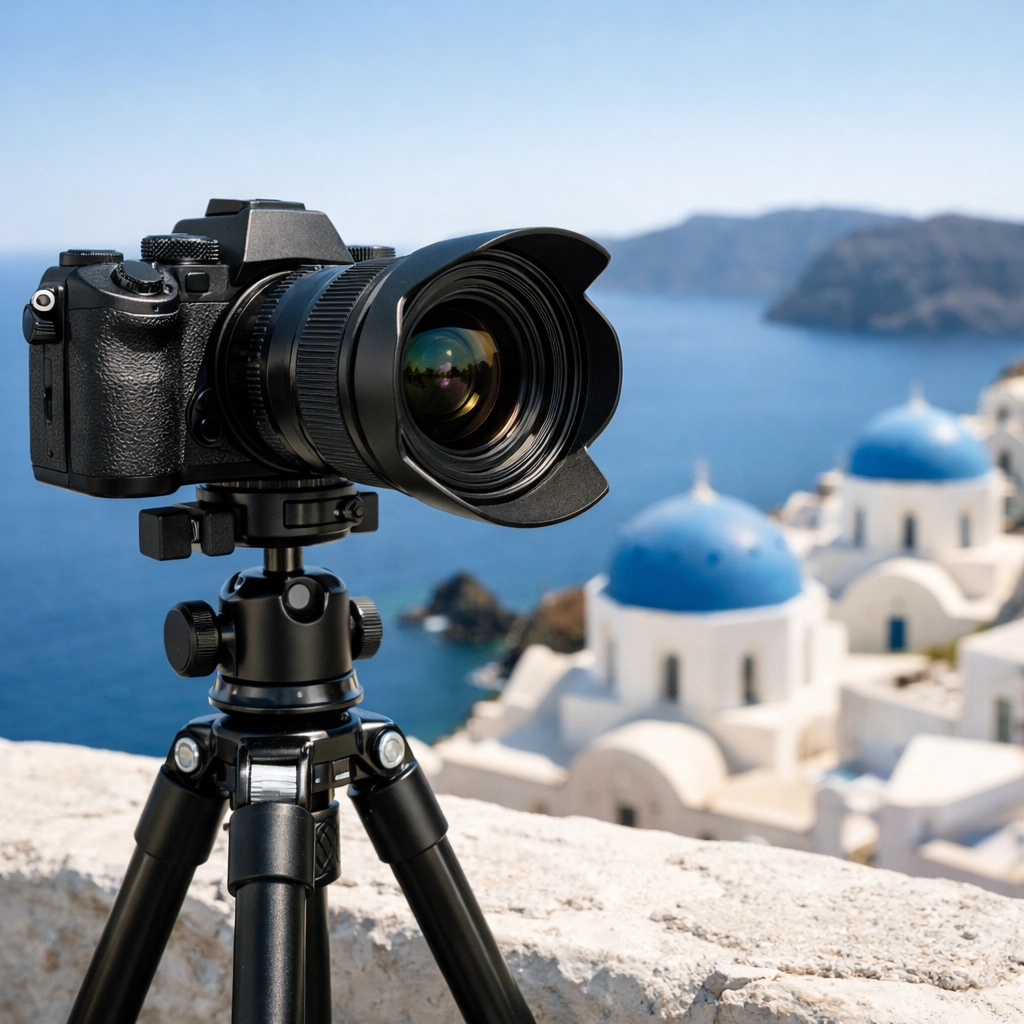
8. Post-Processing the Santorini Blue
Even with the best light, the "Santorini Blue" can be tricky to get right in post. Sometimes the white buildings turn a weird shade of blue in the shadows, or the sky looks washed out.
If the weather doesn't cooperate and you end up with a flat, grey sky (it happens even in Greece!), you can always use sky overlays to save the shot. Just remember to keep it subtle: the beauty of Santorini is in its natural luminosity. For more post-processing tips and tricks, I always recommend checking out Edin Chavez’s blog for some behind-the-scenes editing magic.
Planning Your Strategy
Santorini is a dream, but it’s a dream that requires a plan. If you go in blind, you’ll spend your time fighting crowds and feeling overwhelmed. If you go in with these "secrets," you’ll come home with a gallery that actually does the island justice.
- Stay in Imerovigli if you want better views with less stress.
- Shoot at sunrise to avoid the cruise ship crowds.
- Explore the South for the traditional, quiet beauty.
- Respect the locals and stay off the roofs.
Santorini is one of those places that stays with you long after you’ve left. The light there is unlike anywhere else in the world. It’s soft, it’s forgiving, and it makes everything look like a masterpiece.
Ready to book your trip? Make sure to check out Viator for the best local tours so you can focus on the art while someone else handles the logistics. Happy shooting, and I can't wait to see what you capture!













