
Category: Photo Guides
Let’s be honest: in 2026, a pretty picture of a sunset just isn't enough to stop the scroll anymore. With AI-generated landscapes looking more "perfect" than reality and everyone with an iPhone 17 Pro capturing 48-megapixel memories, the digital world is a bit crowded. If you want your work to truly resonate: whether you are building a portfolio on EdinFineArt.com or just sharing your journey with friends: you need a narrative.
The difference between a "snapshot" and a "photograph" is the story it tells. I’ve spent years traveling the globe, from the busy streets of Tokyo to the quiet corners of hidden gems in the Dominican Republic, and I’ve realized that the most impactful images all follow a specific framework.
Today, I’m breaking down the proven storytelling framework that will help you move past "getting lucky" with your shots and start creating intentional, high-impact travel photography.
The 5 P’s of Travel Storytelling
When I’m out in the field, I don’t just look for what’s "pretty." I look for the Five P’s. This framework ensures that your collection of images feels like a cohesive story rather than a random folder of files.
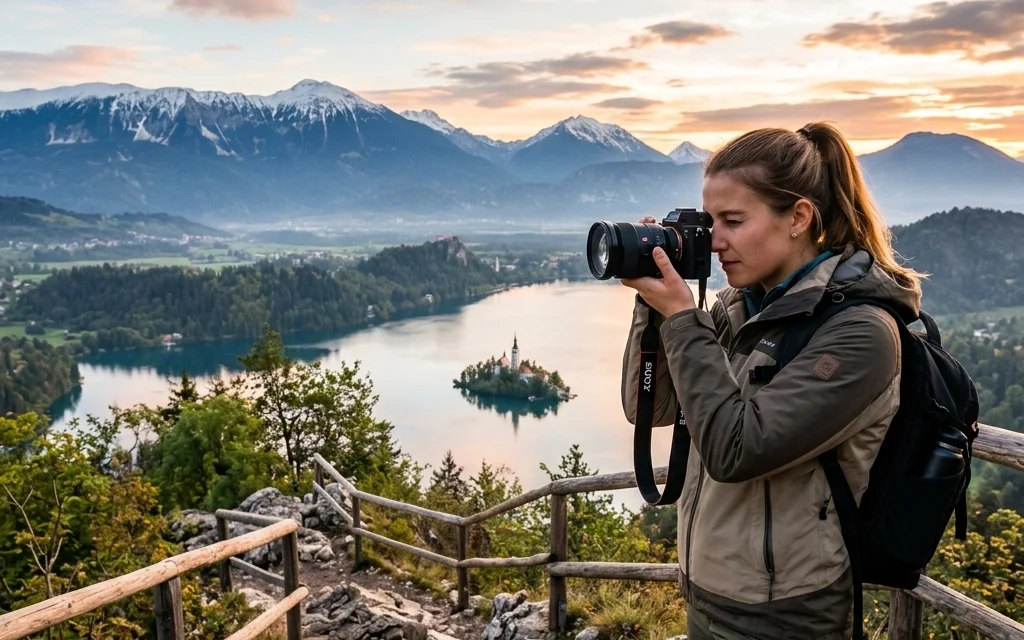
- People: Landscapes provide the stage, but people provide the soul. Even a candid shot of a local artisan or a fellow traveler looking at the horizon adds a layer of empathy.
- Place: This is your "Establishing Shot." It sets the scene and answers the question, "Where are we?"
- Plot: What is happening? Is it a storm rolling in over the mountains? A busy morning market? Show the movement and the change.
- Purpose: Why are you taking this? Are you trying to show the solitude of a location or the chaotic energy of a city?
- Point of View: This is your unique thumbprint. It’s the angle you chose that no one else did.
By keeping these five elements in mind, you stop being a passive observer and start being a director.

Using the Three-Act Structure for Your Photo Essays
If you’re planning to put together a blog post or a digital gallery, think like a filmmaker. A great travel story needs a beginning, a middle, and an end.
Act I: The Beginning (The Establishing Shot)
Start with the "big picture." This is usually a wide-angle shot that shows the scale of the location. If you’re shooting with a drone, this is the perfect time to get those high-altitude perspectives. In 2026, drone technology has become so accessible that there’s no excuse not to have a bird's-eye view of your destination. These shots give the viewer context and ground them in the environment.
Act II: The Middle (The Interaction)
This is where the meat of the story happens. Move in closer. This act is about the details, the culture, and the "vibe." Show the textures of the old brick walls, the steam rising from a bowl of street food, or the way the light hits a specific architectural curve. If you’re checking out restaurants in Downtown Golden, don't just take a photo of your plate; take a photo of the chef’s hands or the reflections in the window.
Act III: The End (The Resolution)
A great story needs a closing image that leaves a lasting impression. This could be a shot of the road leading away, a sunset that feels like a "goodnight," or a quiet, reflective moment that signals the journey is over. It should feel like a period at the end of a sentence.
Advanced Techniques: Beyond the Basics
To make your photos truly stand out, you need to master a few high-end techniques that separate the pros from the hobbyists.
Long Exposure for Mood
Long exposure isn't just for waterfalls. Use it in crowded city squares to blur the people, making the architecture feel permanent while the world rushes by. It adds a professional, high-end feel that is hard to replicate without intentionality. If you’re just starting to upgrade your kit, check out our guide on essential photography gear to find the right filters for these shots.
The Power of the iPhone in 2026
Don't look down on mobile photography. The latest sensors are incredible, especially for candid storytelling. Sometimes a big camera can be intimidating to locals. A sleek phone allows you to blend in and capture more authentic, raw moments. Just remember to use the "Raw" setting to give yourself more flexibility in post-processing.

Authentic Art vs. AI: Finding the Balance
In the current landscape of photography, the "AI or Real?" debate is everywhere. While AI can be a powerful tool for sky overlays or minor cleanups, the value of authentic photography has actually skyrocketed.
People crave the "real." They want to see the slight imperfection in the lens flare or the genuine emotion on a face. Use AI to enhance your workflow: maybe for organizing your library or doing some initial color grading: but never let it replace the soul of your shot. Authenticity is your most valuable currency in 2026. For more on this, I often share my thoughts on the latest industry shifts over at ShutYourAperture.com.
Finding the Hidden Gems
To tell a unique story, you often need to go where others aren't. While the "Best Photography Locations" lists are great, the real magic happens in the hidden spots.
Instead of just hitting the main squares, look for the hidden speakeasies in Miami or the quiet breweries in Williamsburg. These locations offer a narrative that hasn't been told a thousand times already. When you find these spots, you aren't just taking another photo of a landmark; you’re sharing a discovery.

Gear Guide 2026: What Actually Matters
I get asked all the time: "Edin, what should I buy?" My answer is always the same: Buy the gear that removes the friction between your eye and the shutter.
For travel photography in 2026, focus on:
- Lightweight Mirrorless Bodies: Your back will thank you after a 10-mile hike.
- A Versatile 24-70mm Lens: If you can only take one, this is it.
- Module 8 Lens Adapters: For those who want that cinematic, "organic" look in a digital world. You can read more about why I love these in our Module 8 lens adapter review.
- High-Speed Portable SSDs: With file sizes growing, don't let a slow drive kill your momentum.
For a deeper dive into current hardware, our camera reviews section is always being updated with the latest field tests.
Sequencing: The Secret Sauce
The final step in the storytelling framework is sequencing. How do you arrange your photos? You want to vary the "visual weight."
Don't put three wide shots in a row. Follow a wide shot with a tight detail shot. Follow a busy street scene with a minimalist portrait. This creates a rhythm that keeps the viewer’s eye moving and their brain engaged. It’s the same logic we use when curating galleries on the Edin Chavez Blog.

Final Thoughts: Just Go Shoot
At the end of the day, no framework can replace time behind the lens. The more you shoot with intention, the more natural this narrative flow will become. You’ll start seeing the world in "acts" and "chapters."
Travel photography is a gift: it allows you to freeze a moment in time and share your perspective of the world with others. Whether you're planning cheap weekend getaways or a month-long expedition across Europe, remember that you are the narrator.
If you want to dive deeper into the technical side or download some of my personal editing presets to give your story a consistent look, head over to our educational category. We’re here to help you turn those raw files into a legacy.
Go out there, be present, and tell a story worth remembering.














