
Category: Photo Guides
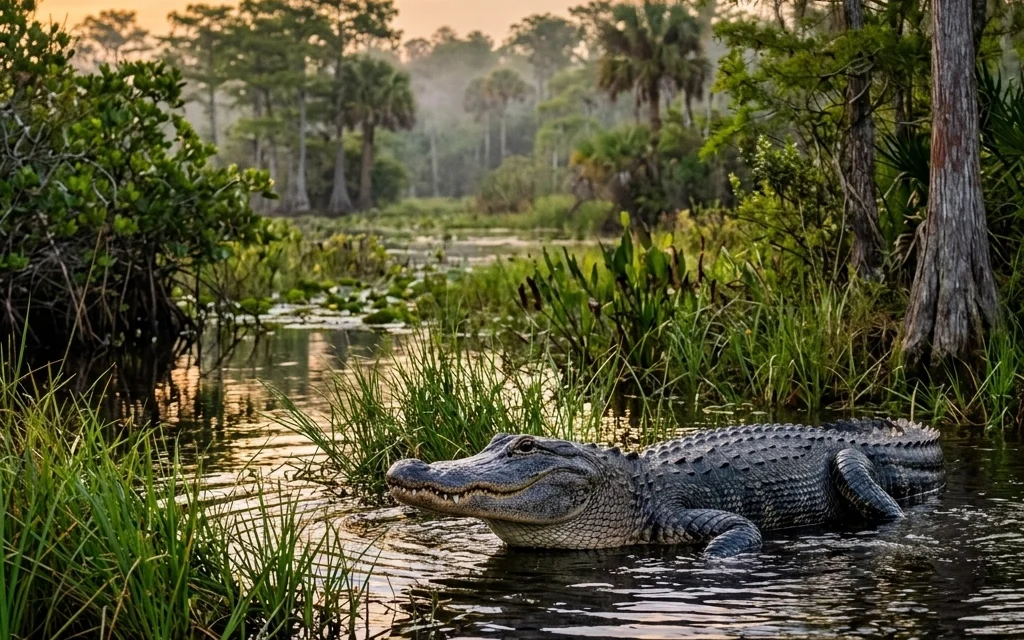
There is something hauntingly beautiful about the Florida Everglades. If you’ve never been, it’s hard to describe the feeling of standing on a boardwalk at sunrise, the mist rising off the sawgrass, while the prehistoric grunt of an alligator echoes in the distance. It’s a place that feels like it hasn’t changed in ten thousand years.
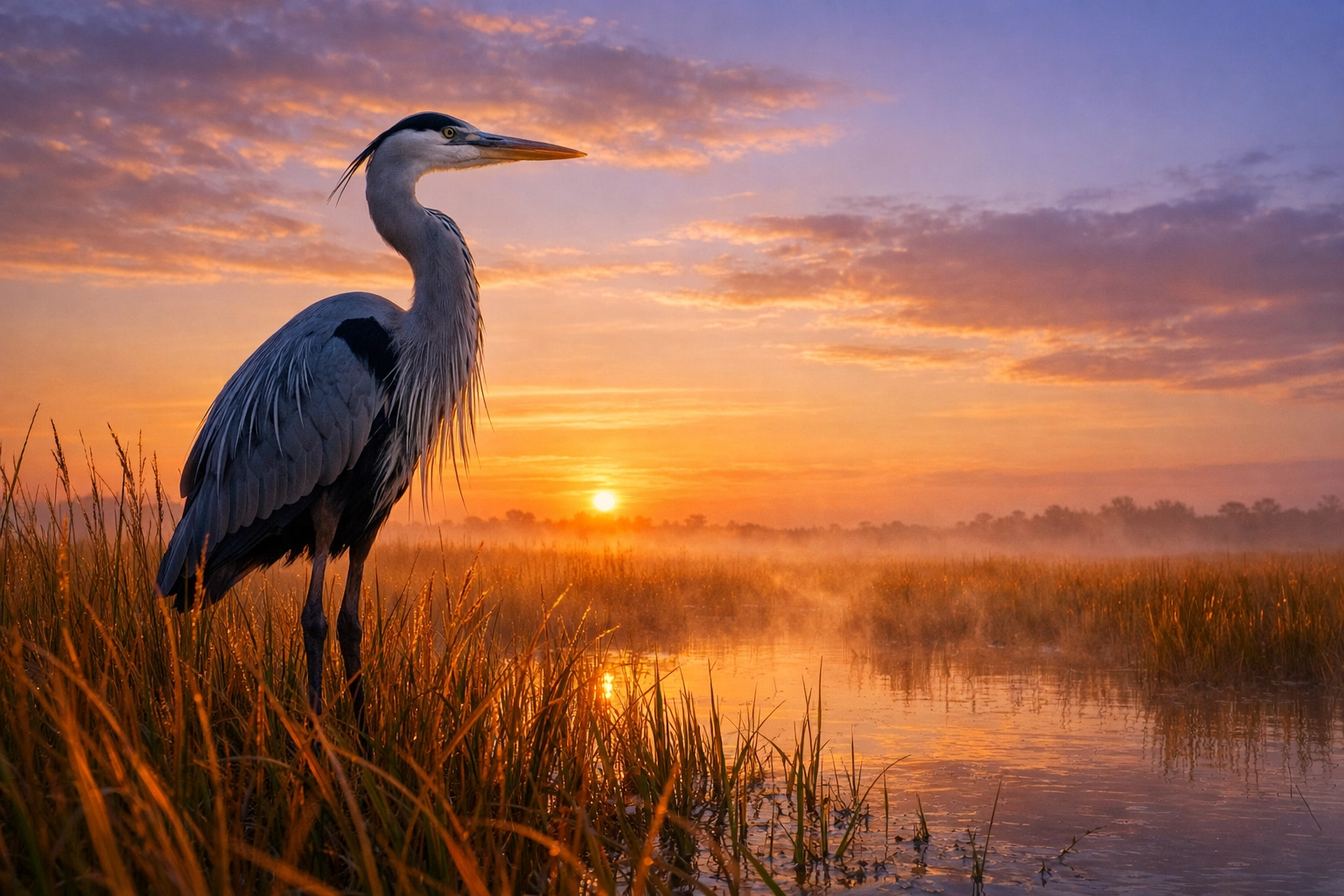
For a photographer, the Everglades is a gold mine. But it’s also a massive, 1.5-million-acre labyrinth that can be incredibly intimidating if you don’t have a plan. I’ve spent countless hours trekking through these wetlands, and I’ve learned the hard way what works and what doesn’t. Whether you’re looking to capture the intense gaze of a Great Blue Heron or the slow-motion slide of an American Alligator, this guide is going to get you there.
If you really want to skip the trial and error and get straight to the best shots, you should definitely check out my Everglades Photography Guide. It’s the result of years of shooting in the field and is designed to put you in the right place at the right time.
Why the Everglades?
The Everglades is one of the most unique ecosystems on the planet. It’s not just a swamp; it’s a slow-moving river of grass. This environment supports over 360 species of birds, dozens of reptiles, and rare mammals like the Florida Panther and the West Indian Manatee.
The accessibility here is actually quite surprising. While much of the park is wilderness, there are world-class photography spots located just a short walk from parking lots. This makes it a perfect destination for photographers of all mobility levels.
Timing Your Visit: The Seasons Matter
In Florida, we don’t really have four seasons. We have two: Dry and Wet.
The Dry Season (November – April)
This is the "Golden Age" for wildlife photography in the Everglades. As the water levels across the state drop, the fish and crustaceans are forced into smaller, deeper pools called "gator holes." The predators: birds and alligators: follow the food. This concentration of wildlife is a photographer’s dream. You can stand in one spot and see hundreds of birds and dozens of alligators. Plus, the weather is gorgeous, and the mosquitoes are much more manageable.
The Wet Season (May – October)
The wet season is a different beast. The water levels rise, and the wildlife disperses into the deep backcountry. It’s harder to find subjects, and the humidity can be brutal. However, if you’re into landscape photography, the summer brings dramatic afternoon thunderstorms and incredible cloud formations. If you’re feeling adventurous, you can explore some camera reviews 2024 to see which gear handles the moisture best.
Essential Gear for the Swamp
You don’t need a backpack full of every lens ever made, but you do need the right tools.
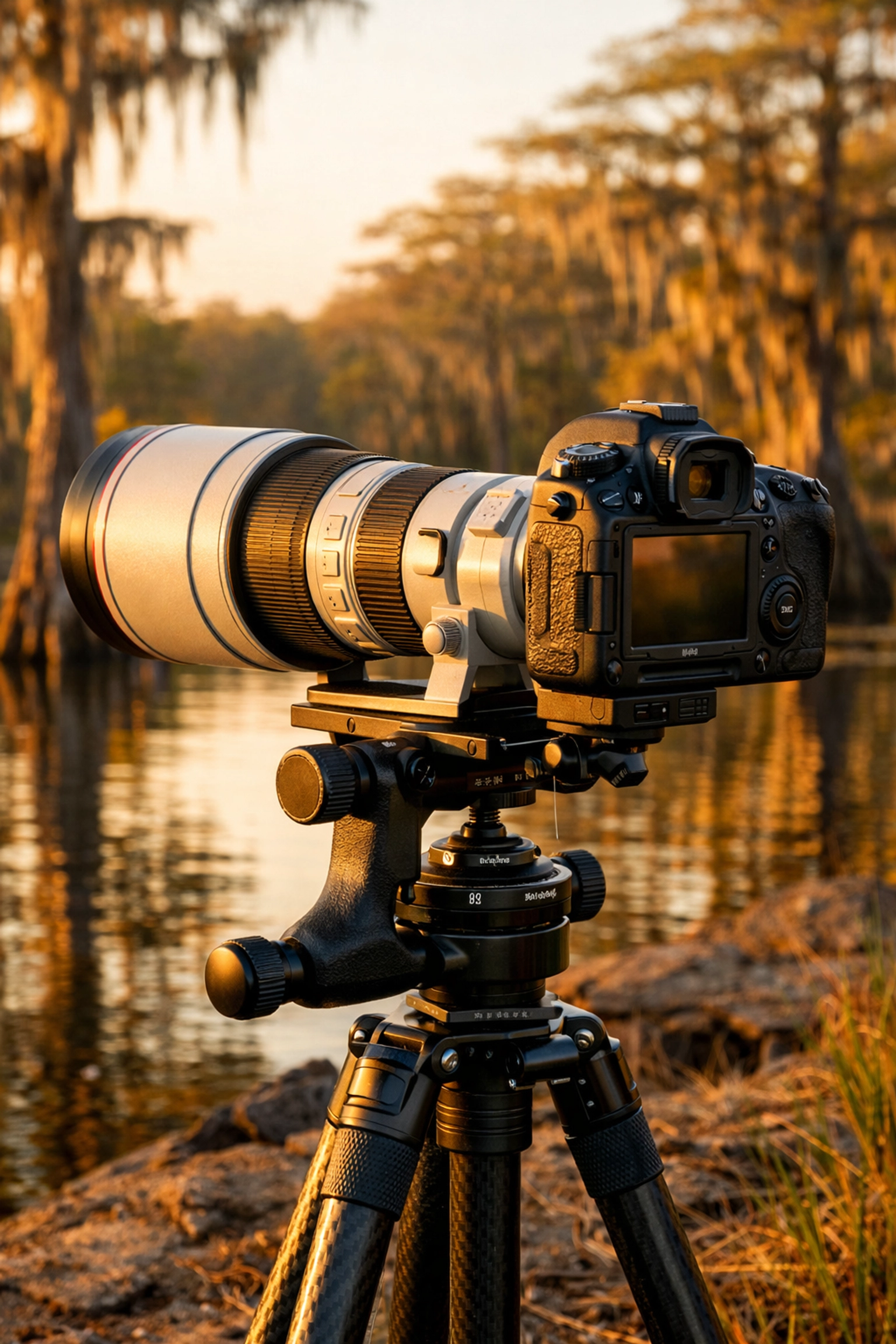
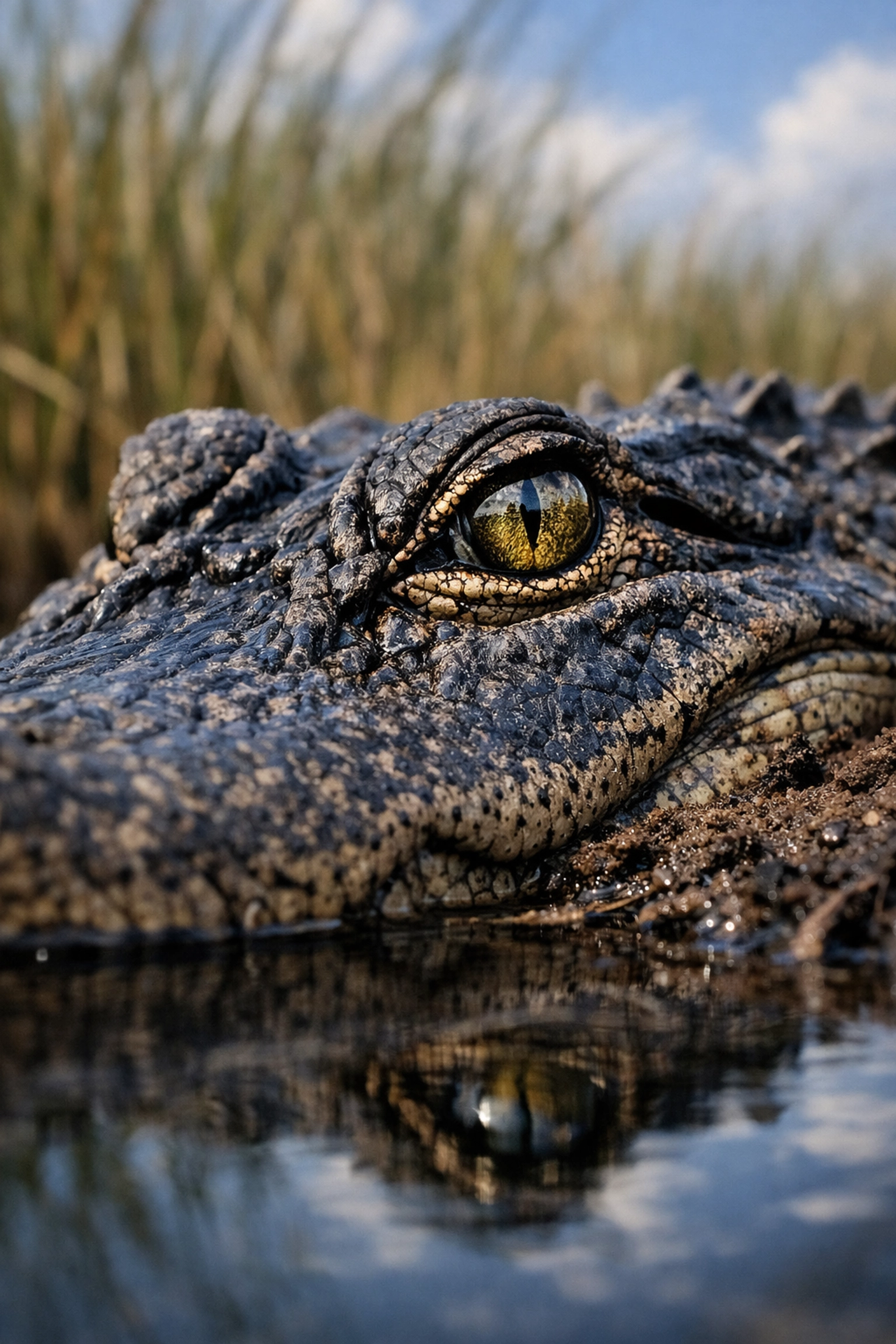
- The Long Lens: A 100-400mm or a 200-600mm is your bread and butter here. Most birds are used to humans, but you still want that reach to capture the fine details of their feathers or the reflection in an alligator’s eye.
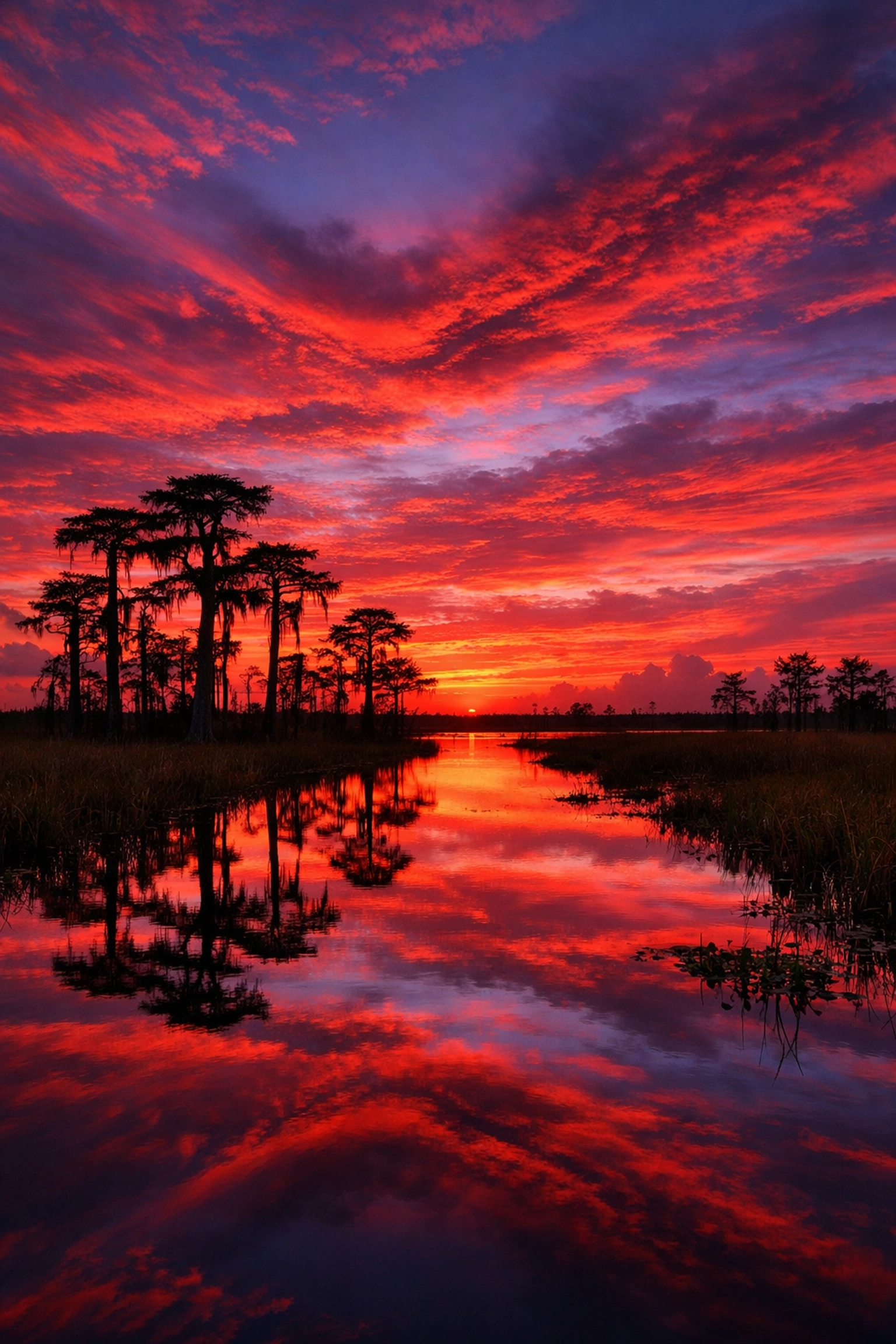
- Wide-Angle Lens: Don’t forget the landscapes! A 16-35mm is perfect for capturing those massive Florida skies. I love using this lens for "environmental portraits" where the animal is a small part of a much larger, beautiful scene.
- Circular Polarizer: This is non-negotiable. The Everglades is full of water, and the glare can be distracting. A polarizer will cut through the reflections, allowing you to see into the water and making the greens of the mangroves pop.
- Stability: A sturdy tripod or monopod is essential, especially for those low-light sunrise sessions. If you're looking to upgrade your kit, check out this list of essential photography gear.
- Protection: Florida is humid. Your lens will fog up the second you step out of an air-conditioned car. Give yourself 15-20 minutes for your gear to acclimate. Also, consider a rain cover for those unexpected tropical downpours.
The Best Spots for Wildlife
If you have limited time, focus on these three areas. They offer the highest "hit rate" for great photos.
1. Anhinga Trail (Royal Palm)
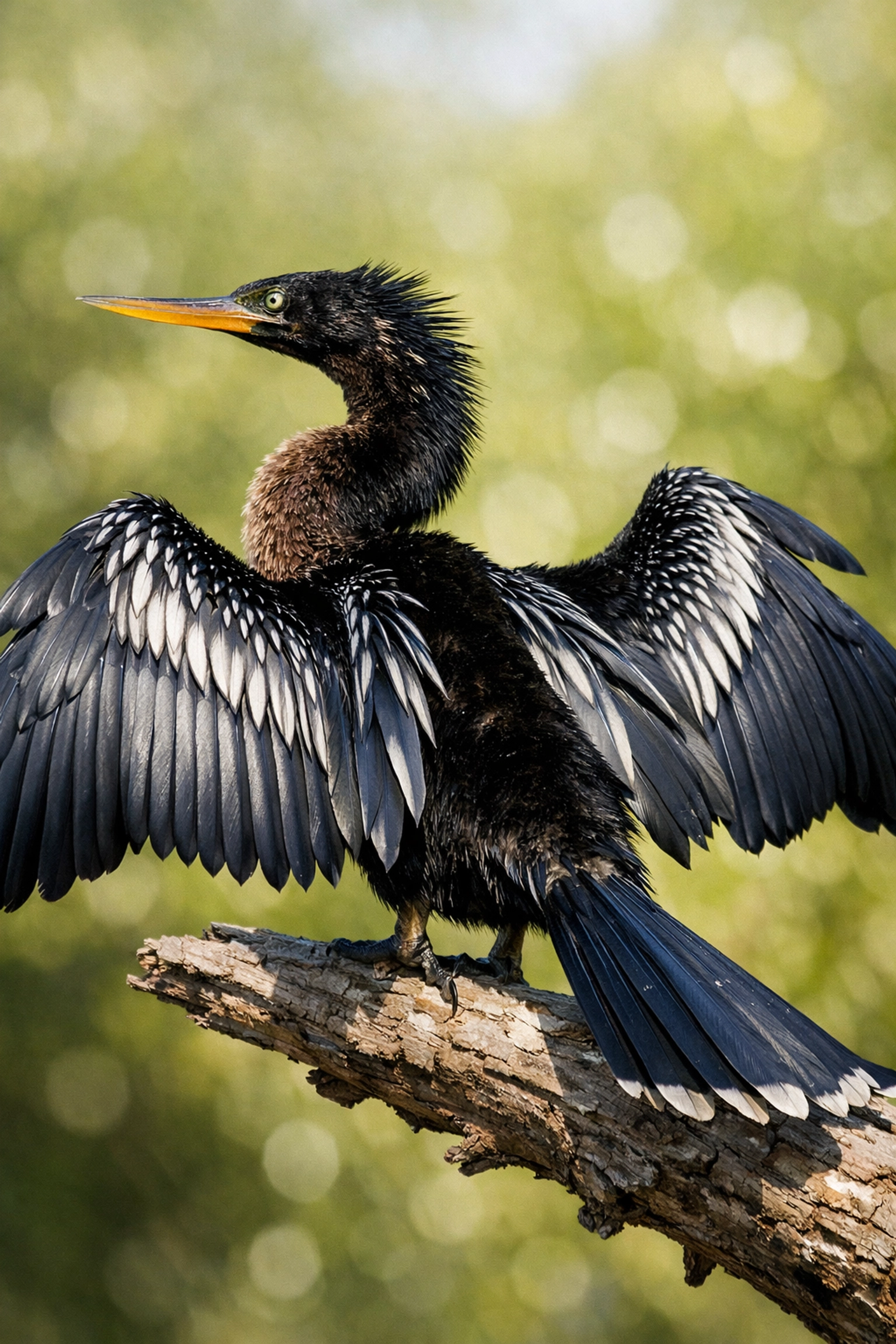
Located near the Homestead entrance, this is probably the most famous photography trail in the park. It’s a series of boardwalks over a sawgrass marsh. You will see alligators here: guaranteed. It’s also the best place to see Anhingas (hence the name) drying their wings in the sun. The light here at sunrise is nothing short of magical.
2. Shark Valley
Located off the Tamiami Trail, Shark Valley features a 15-mile paved loop. You can hike it, bike it, or take the tram. The wildlife here is remarkably habituated to people. Alligators will often lounge right on the edge of the pavement. It’s a great spot to practice your composition and work on getting low-angle shots.
3. Flamingo
At the very end of the main park road, you’ll find Flamingo. This is where the freshwater meets the saltwater of Florida Bay. This is the best spot to find the American Crocodile (which is rarer and more shy than the alligator) and West Indian Manatees in the marina. The birdlife here: especially Roseate Spoonbills: can be spectacular.
Pro Tips for Better Wildlife Photos
1. Get Low: Don’t just shoot from eye level. Getting down low (while staying a safe distance from the gators!) creates a much more intimate connection between the viewer and the subject. It also helps blur the background and foreground, making your subject pop.
2. Focus on the Eye: This is a golden rule in wildlife photography. If the eye isn't sharp, the photo usually doesn't work. Use continuous autofocus (AI Servo or AF-C) to track moving birds.
3. Watch the Background: The Everglades can be "busy." Sawgrass and mangroves can create a messy background. Try to position yourself so there is some distance between your subject and the background to create a nice bokeh effect. If the sky is a bit boring, you can always enhance the mood later with some sky overlays.
4. Be Patient: Some of my best shots came from sitting in one spot for an hour, just watching a Great Egret hunt. Eventually, it will strike, and if you're ready, you'll get that "hero" shot.
5. Respect the Wildlife: This is their home. Never feed or harass the animals. Not only is it illegal, but it also changes their natural behavior, which ruins the experience for everyone.
Elevate Your Skills
If you find yourself struggling with the technical side of things, like how to handle tricky lighting or fast-moving birds, I recommend diving into some educational photography resources. Learning the "why" behind your settings will make your time in the field so much more productive.
For those of you who want to see what professional-grade Everglades photography looks like, feel free to browse my work at Edin Fine Art. Seeing how others compose their shots can be a huge inspiration for your own journey.
Making the Most of Your Trip
The Everglades is more than just a photography destination; it's an experience. When you're done shooting for the day, take a moment to put the camera down and just listen. The sounds of the swamp are a symphony you won't hear anywhere else.
If you’re traveling from out of state, you might want to pair your Everglades trip with some other Florida highlights. I’ve written about everything from breakfast places in Cape Coral to the best clubs in Palm Beach if you want to unwind after a long day in the sun.
Final Thoughts
Wildlife photography in the Everglades is a rewarding challenge. It requires patience, the right gear, and a bit of "swamp smarts." But when you nail that shot of a Spoonbill in flight or a Gator surfacing through the duckweed, all the sweat and mosquito bites become worth it.
Don't forget to grab your copy of the Everglades Photography Guide before you head out. It’s packed with specific GPS coordinates and seasonal tips that will save you days of scouting.
For more gear talk and community insights, head over to Shut Your Aperture. We’re all about helping each other take better photos and sharing the love for the craft.
Good luck out there, and I can't wait to see what you capture in the River of Grass! If you want to keep up with more of my adventures and photography tips, check out my main photography blog. Happy shooting!













