
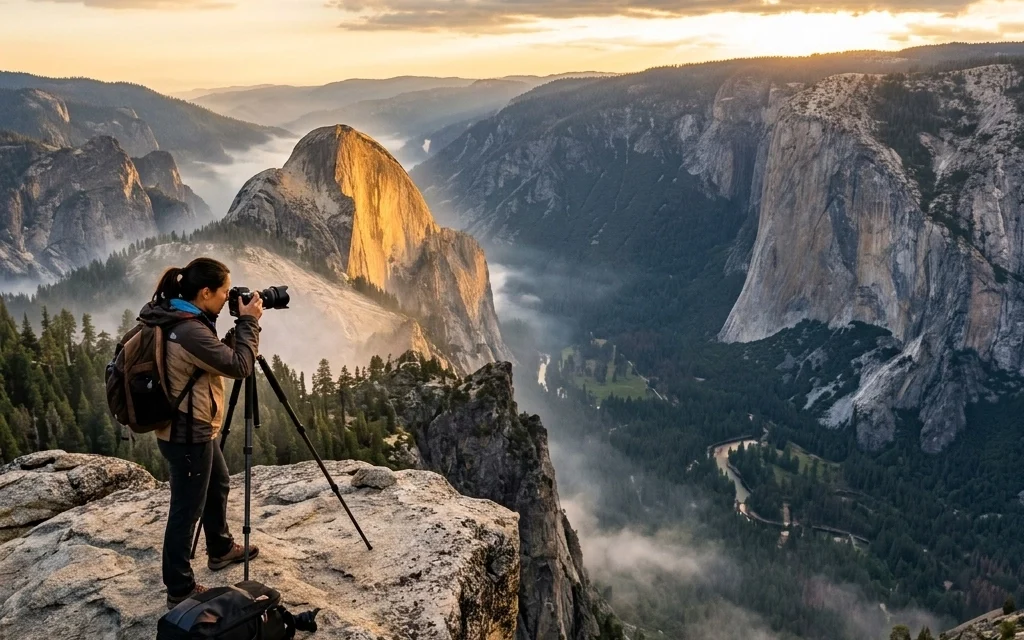
Hey everyone, Edin here. There is something truly spiritual about standing on the edge of a canyon or deep within a temperate rainforest, camera in hand, waiting for that split second when the light hits just right. If you have ever thought about hitting all 63 US National Parks, you aren't just planning a road trip: you’re embarking on a photographic odyssey.
At Photoguides, we believe that these public lands are the greatest canvases on earth. Whether you are a seasoned pro or just getting started with your first DSLR, the sheer scale of the US National Park system can be overwhelming. From the mossy depths of the Olympic Peninsula to the jagged peaks of the Tetons, each park requires a different approach, a specific kit, and a whole lot of patience.
In this ultimate guide, we’re going to break down exactly what you need to succeed, how to time your shots, and where to find the absolute best photography locations in the country. This is the first in a comprehensive series where we will dive deep into every single park, so consider this your home base for the journey ahead.
Why the National Parks?
The National Parks represent the diversity of the American landscape. They aren't just "pretty places": they are geological history books. For a photographer, they offer a masterclass in composition, light, and scale. But capturing them well isn’t about just showing up and snapping a photo; it’s about understanding the rhythm of the land.
If you’re looking to see how these shots look when printed on high-quality gallery medium, you can check out some of my personal favorites at Edin Fine Art. Seeing the final product often helps you visualize what you’re aiming for when you’re out in the field.
The Gear: Pack Light, But Pack Right
One of the biggest mistakes I see photographers make is overpacking. When you’re hiking miles into the backcountry of Glacier or Zion, every ounce counts. However, there are a few non-negotiables.
- A Sturdy Tripod: You cannot capture a world-class landscape without one. Whether it’s for long exposures of waterfalls or keeping your frame sharp during a windy sunset at an overlook, a tripod is your best friend.
- Wide-Angle Lens (16-35mm): These are essential for those expansive vistas. When you’re at the Grand Canyon or Death Valley, you need that width to capture the scale.
- Telephoto Lens (100-400mm): Many people forget these for landscapes, but they are vital for "compressing" mountain ranges and, of course, for wildlife in places like Yellowstone or Katmai.
- Filters: A Circular Polarizer and a few Neutral Density (ND) filters will help you manage reflections and sky contrast.
For a deeper dive into what I personally carry, check out our guide on essential photography gear. It’ll help you narrow down your kit before you head out.
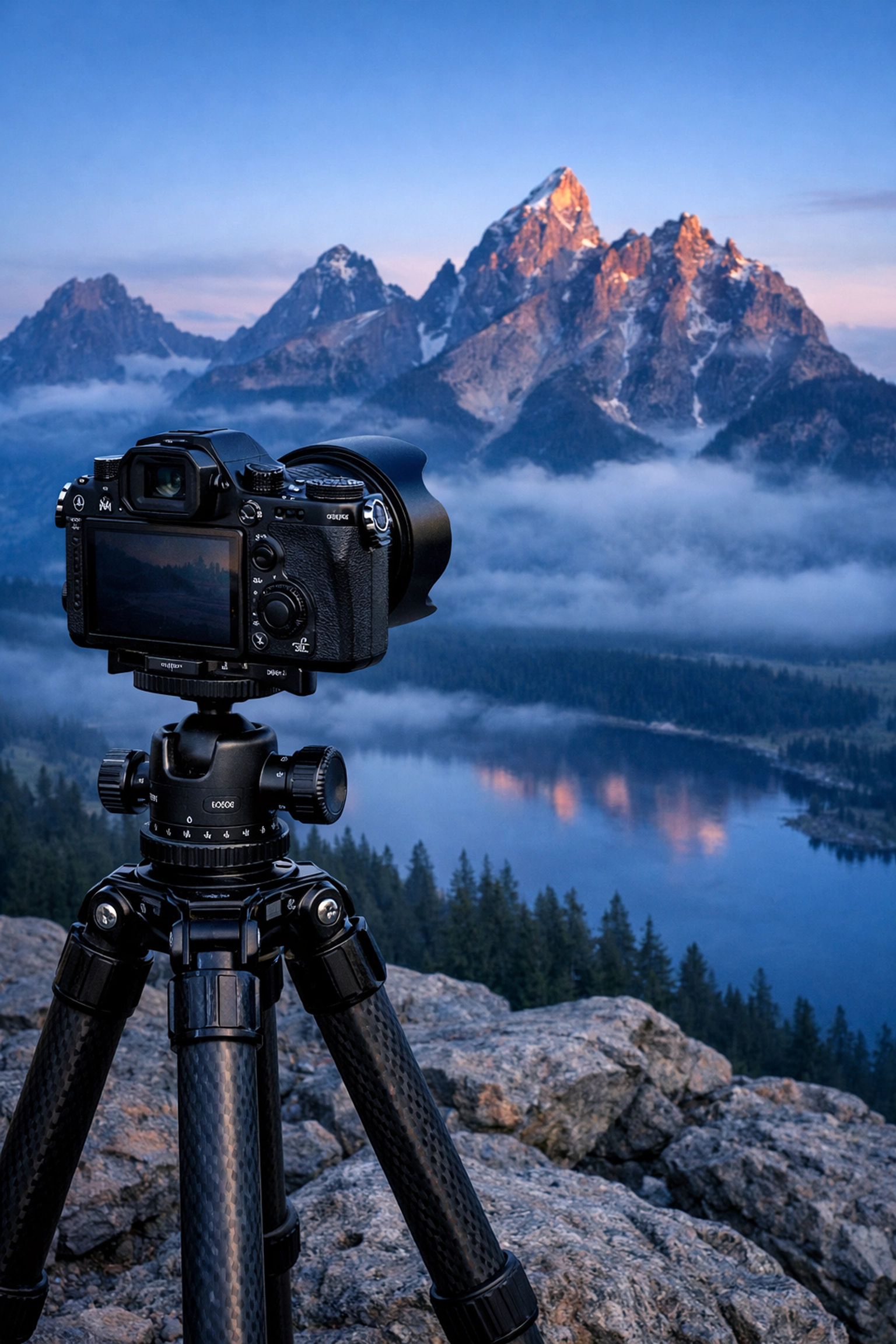
Caption: A professional camera setup on a tripod overlooking a misty mountain range at dawn, showcasing the essential gear for landscape photography.
Mastering Light: The Golden and Blue Hours
If you want to move beyond snapshots and into professional-grade imagery, you have to master timing. In the photography world, we live for the "Golden Hour": the hour just after sunrise and just before sunset. This is when the sun is low, the shadows are long, and the light is soft and warm.
However, don't pack up as soon as the sun dips below the horizon. The "Blue Hour" follows, offering a moody, ethereal glow that is perfect for cityscapes or deep forest scenes.
The Dark Sky Advantage
Many of our National Parks, like Arches, Big Bend, and Bryce Canyon, are certified International Dark Sky Parks. This means they have minimal light pollution, making them some of the best photography locations for Milky Way and star trail photography. If you’ve never shot the night sky, you’re missing out on half the beauty of the parks.
For more tips on advanced techniques and gear reviews to help with low-light situations, head over to Shut Your Aperture.
Iconic Locations and Best Sunrise Spots
While we will be covering every park in detail in our upcoming posts, here are a few "must-hits" to get your wanderlust flowing.
The Southwest Giants
In Arches National Park, Delicate Arch is the classic sunset spot, but don't sleep on The Windows Section for sunrise. Just down the road in Canyonlands National Park, Mesa Arch is arguably the most famous best sunrise spot in the entire US. The way the sun glows under the arch is something every photographer needs to see at least once.
The Mountain Icons
Grand Teton National Park is a personal favorite. For that perfect reflection of the peaks, head to Schwabacher Landing or Mormon Row. In Yosemite, you have the "Big Three": El Capitan, Half Dome, and Bridalveil Fall. Tunnel View is the classic spot, but for a more unique perspective, Glacier Point offers incredible light on Half Dome during the early morning hours.
The Coastal Wonders
Acadia National Park on the East Coast is legendary. Cadillac Mountain is one of the first places in the US to see the sunrise during certain parts of the year. The rugged granite coastline provides endless opportunities for long-exposure wave shots.
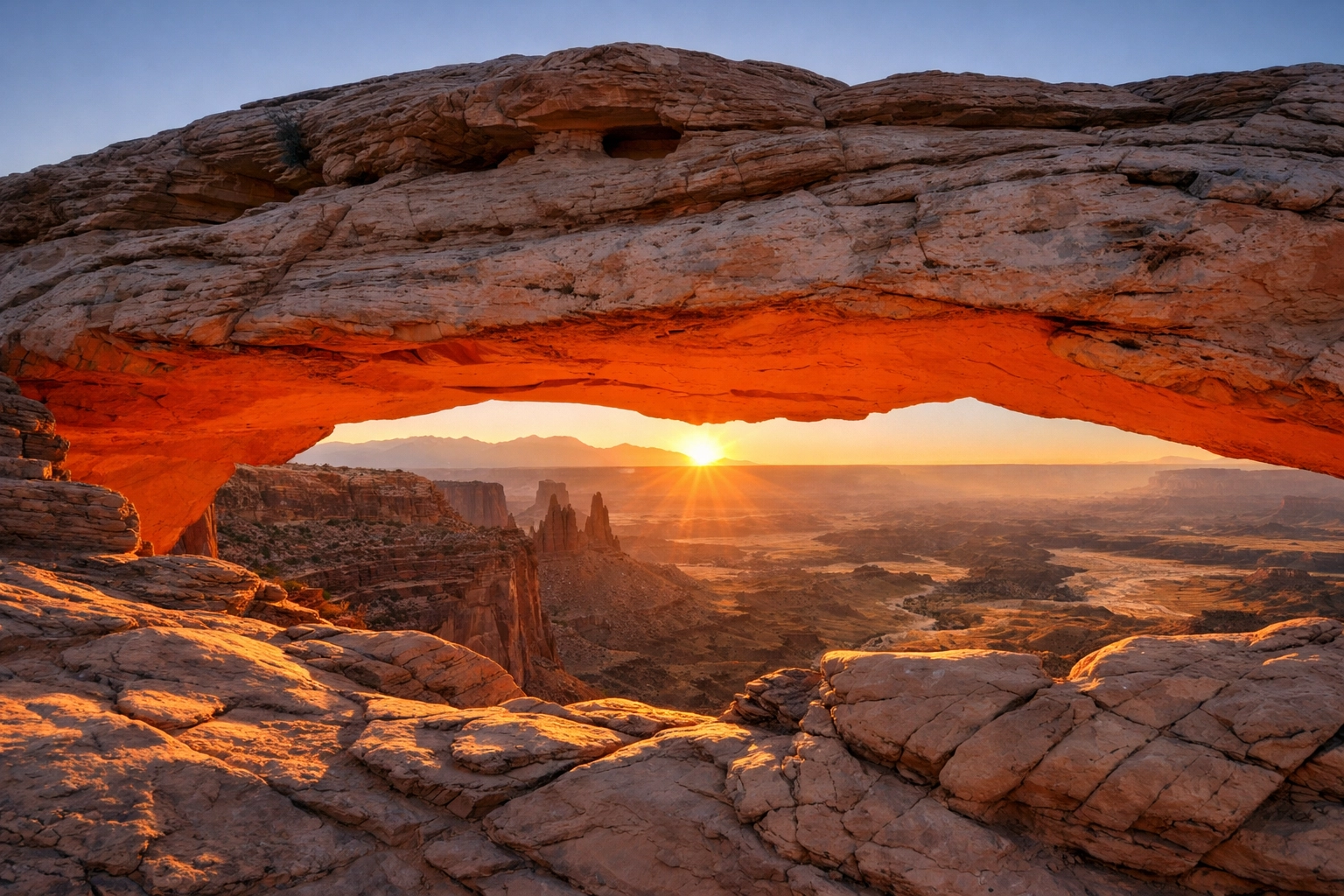
Caption: The sun rising behind a natural stone arch, casting a golden glow on the surrounding red rock desert, highlighting the best sunrise spots.
Planning Your Photographic Expedition
Success in the National Parks is 40% photography and 60% logistics. Since the pandemic, many parks have moved to reservation systems. Places like Arches, Zion, and Glacier often require vehicle permits months in advance.
If you are planning a multi-park trip, I highly recommend testing your gear and your physical stamina on a smaller scale first. You can find some great ideas for shorter trips in our article on cheap weekend getaways. Use these smaller trips to dial in your workflow so that when you finally get to a place like Denali or the Everglades, you aren't fumbling with your settings.
Scouting and Apps
Don't just show up and hope for the best. Use apps like PhotoPills or The Photographer’s Ephemeris to track exactly where the sun and moon will be at any given time. I also spend a lot of time looking at satellite imagery to find unique perspectives that aren't the "standard" tripod holes.
For more in-depth tutorials on how to plan these shoots, our educational category has everything you need to level up your planning game.
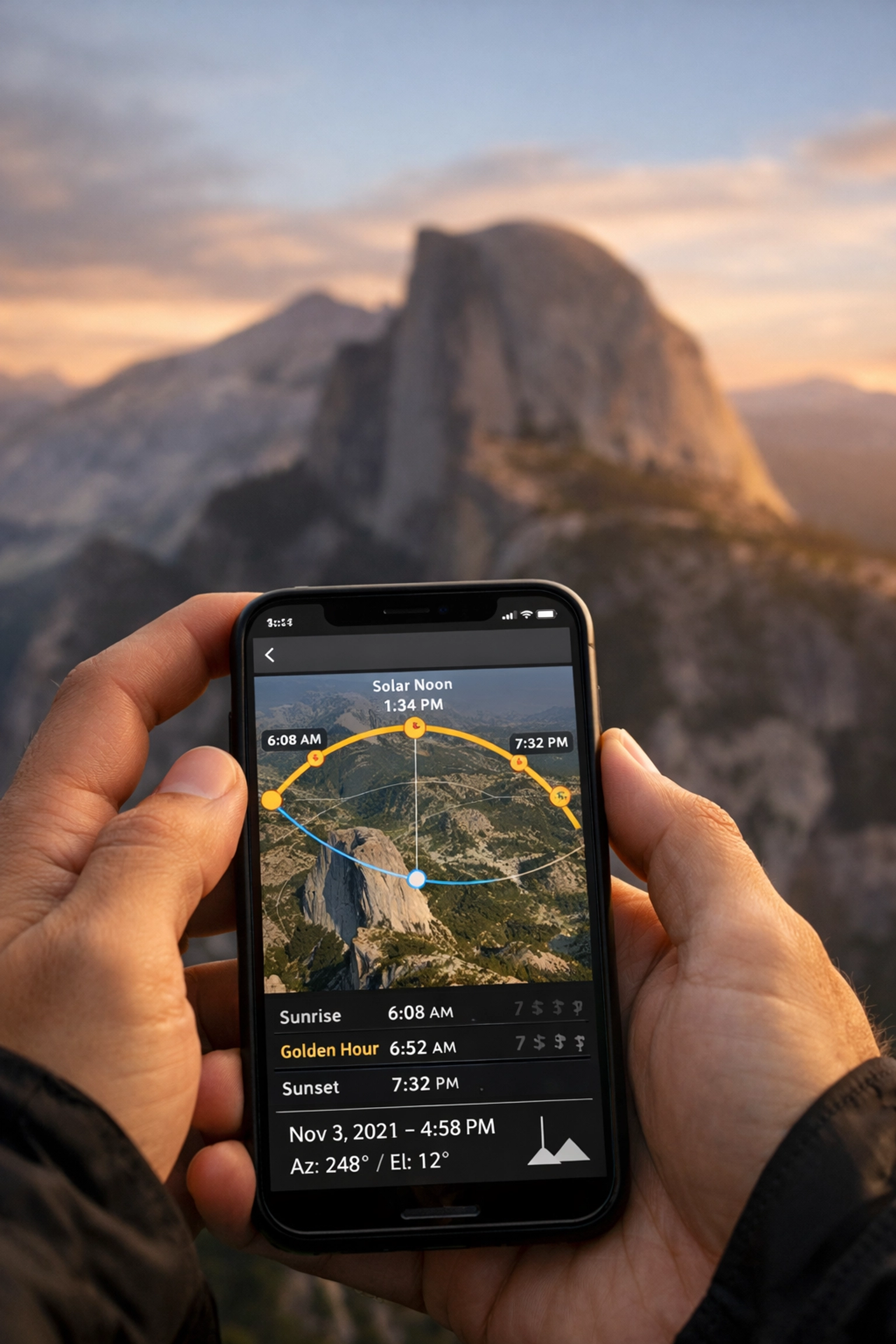
Caption: A photographer using a smartphone app to track the sun's path over a rugged mountain peak, demonstrating the importance of planning.
Building Your Portfolio and Sharing Your Work
Once you start capturing these incredible places, what do you do with the photos? Developing a consistent style is key. I’ve spent years refining my "look," and much of that comes down to how I handle the sky and light in post-processing. If you find your skies are looking a bit flat, you might find my sky overlays helpful for adding that extra bit of drama to your compositions.
Sharing your journey is also a great way to connect with the community. I post regular updates, behind-the-scenes stories, and technical breakdowns over at the Edin Chavez Blog. It’s a great place to see the "why" behind the "what."
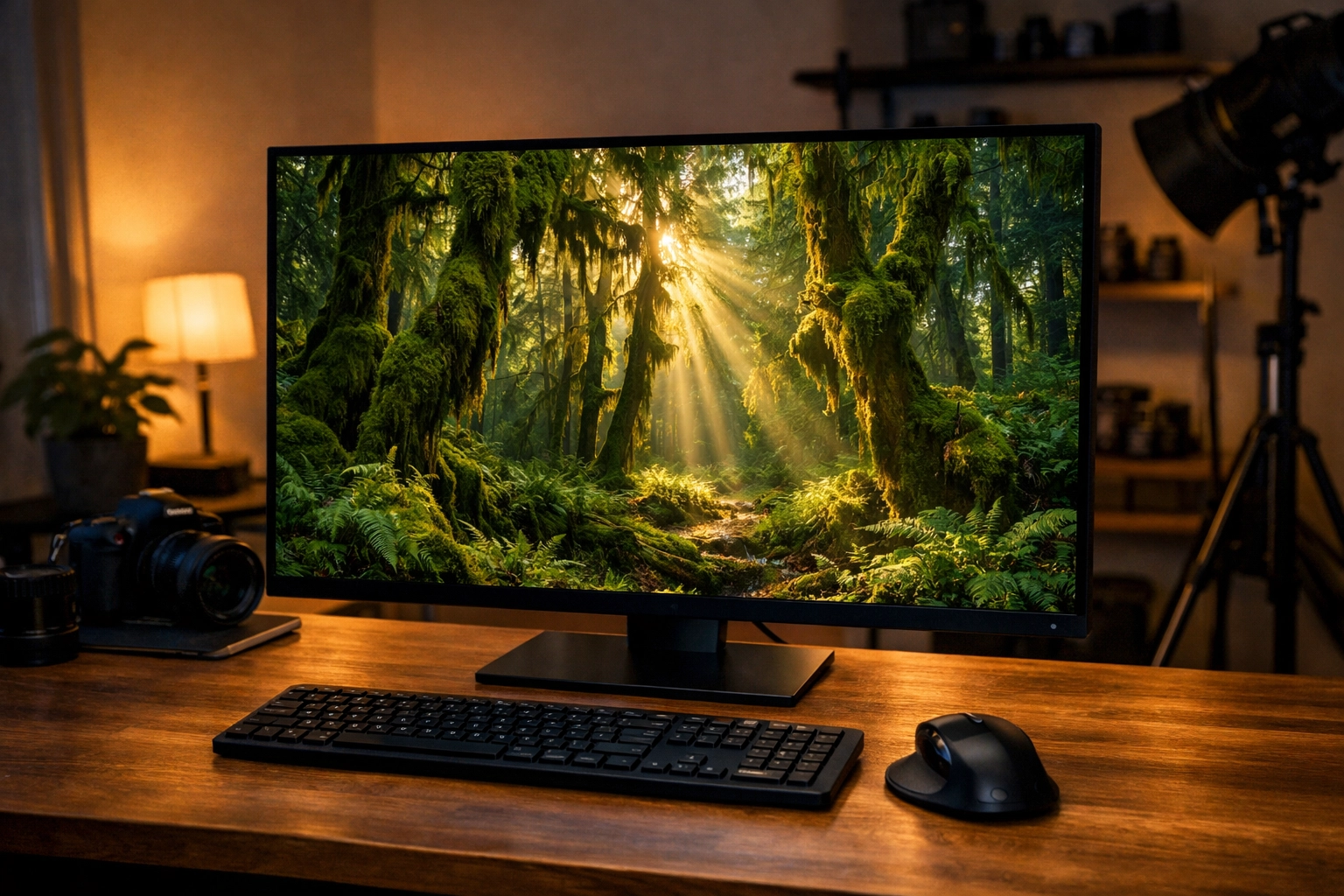
Caption: A beautiful landscape photograph displayed on a high-end monitor, showing the result of careful post-processing and editing.
Staying Reassured: You’ve Got This
The idea of photographing 63 parks can feel daunting. You might worry about the weather, the crowds, or whether your gear is "good enough." Here is the truth: the best camera is the one you have with you, and the best photo is the one that moves you.
Nature is unpredictable. You might get rained out at Mount Rainier or find yourself in a whiteout at Crater Lake. That’s okay. Some of my favorite shots have come from "bad" weather. The clouds add drama, the rain saturates the colors, and the mist adds mystery.
We are here to support you through this process. Whether you need camera reviews to help you choose your next body or just some inspiration to get out the door, Photoguides is your partner in this adventure.
What’s Next?
This guide is just the beginning. We are rolling out individual, deep-dive guides for every single US National Park. We’ll talk about the secret trails, the specific lens focal lengths for certain overlooks, and the best times of year to avoid the crowds while catching peak foliage or snow.
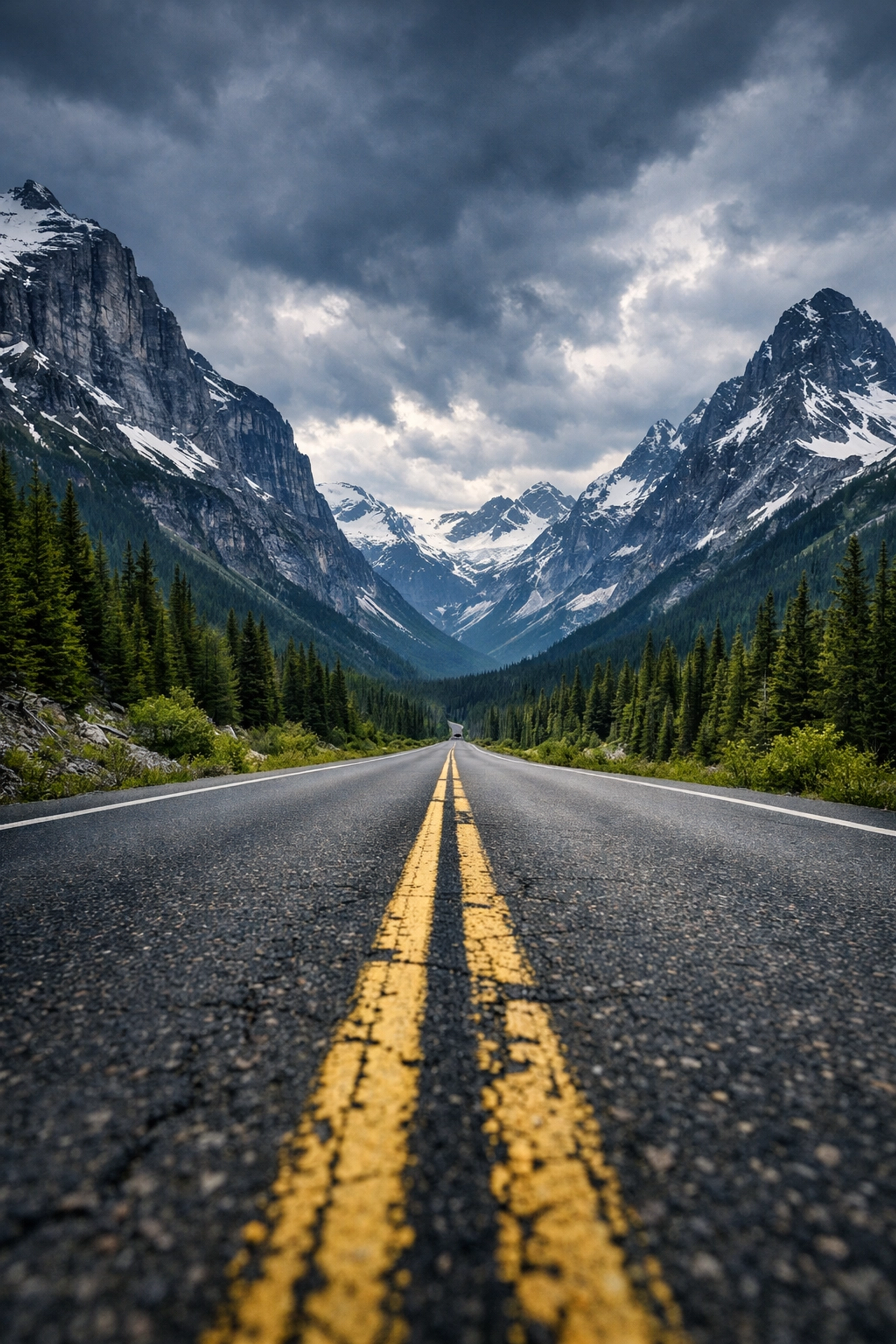
Caption: A winding road leading into a vast national park valley, symbolizing the start of a long and rewarding photographic journey.
So, grab your boots, charge your batteries, and let’s get out there. The parks are waiting, and the light is getting perfect.
Keep shooting, stay inspired, and I’ll see you at the next trailhead!













