Category: Travel
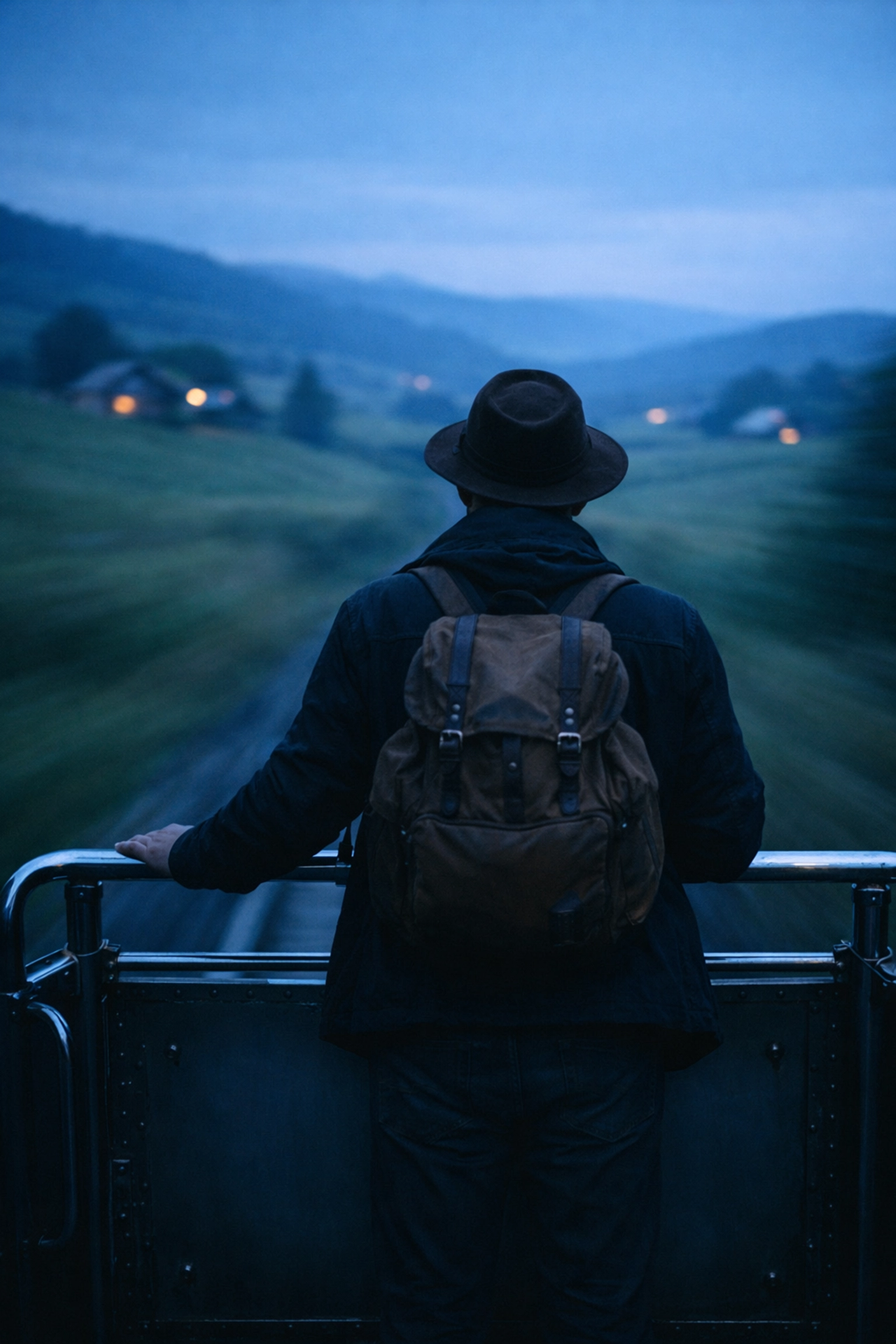
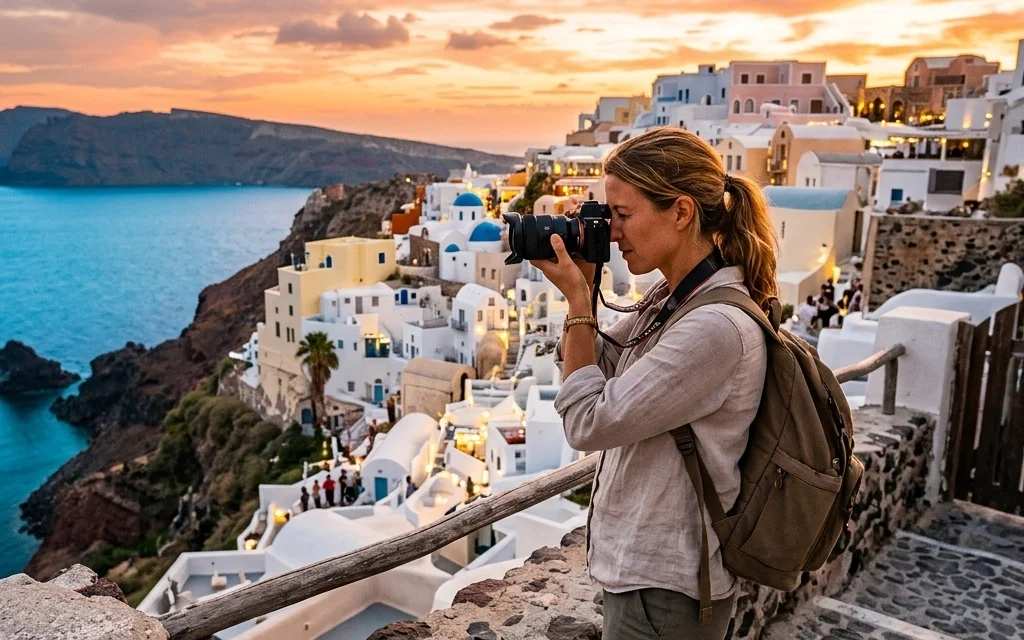
We’ve all been there. You’re standing on a cliffside in Laguna Beach, the sun is dipping below the horizon, and the sky is a bruised purple and gold. You snap a hundred photos, but when you look at them later over dinner, they feel… empty. They look like postcards, sure, but they don't feel like the experience.
That’s because there’s a massive difference between taking a photo of a place and telling a story about it.
As we move through 2026, photography has evolved. We have AI tools that can generate entire worlds, but that has only made the "human" element of storytelling more valuable. People don't just want to see a pretty sunset anymore; they want to feel the wind, smell the street food, and understand the soul of the destination. Whether you’re a pro with a mirrorless setup or looking for iPhone photography tips to level up your Instagram game, this guide is your roadmap to creating images that resonate.
The Mindset: Becoming an Observer First
The biggest mistake most travelers make is reaching for the camera the second they arrive at a "photo spot near me" or a famous landmark. If you want to tell a story, you have to be an observer first and a photographer second.
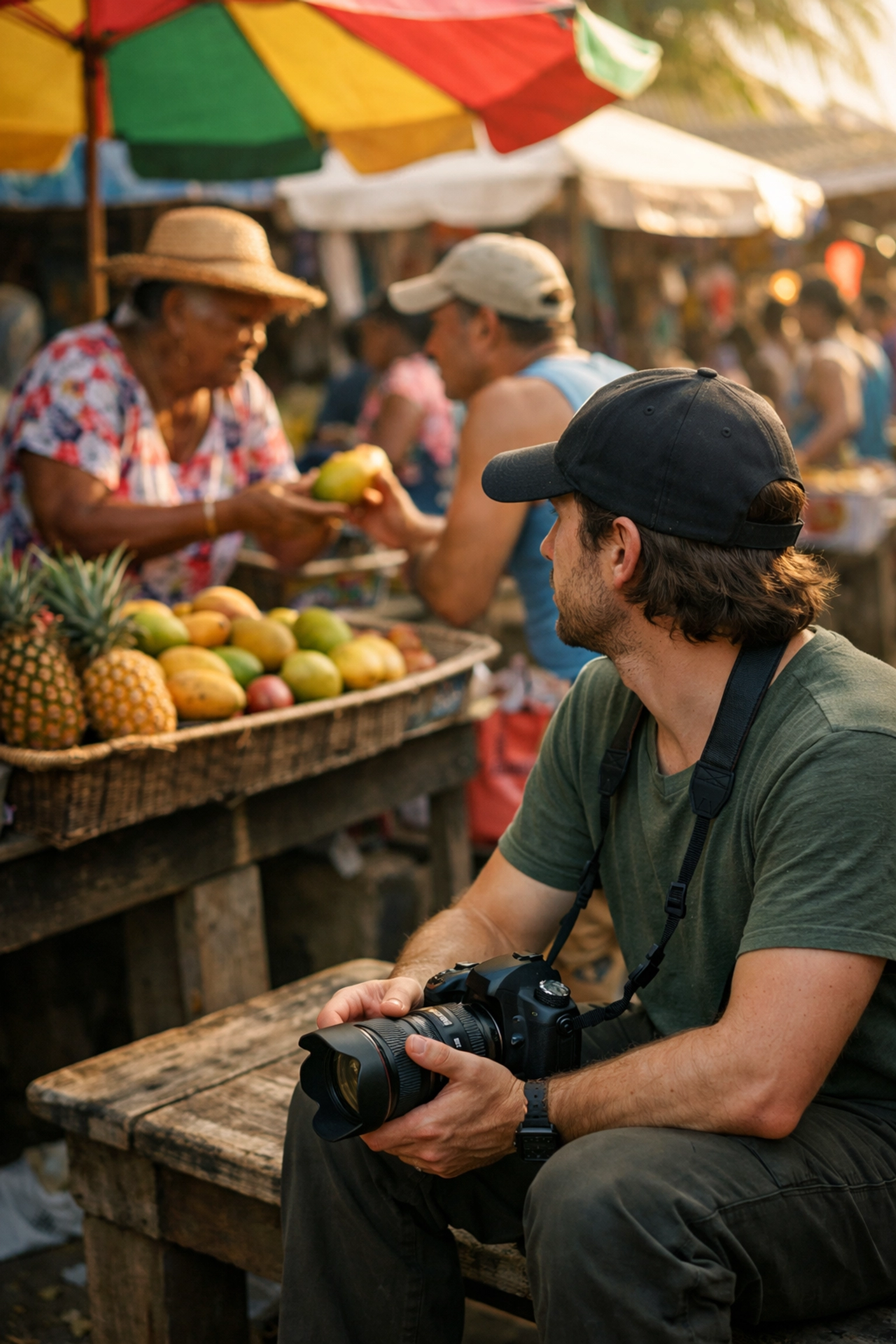
Before you even take the lens cap off, spend ten minutes just sitting. What are the sounds? Is there a specific rhythm to the way people move? In a bustling market in the Dominican Republic, the story might not be the fruit on the stalls; it might be the weathered hands of the vendor or the way the light hits the steam rising from a nearby pot.
Authentic storytelling requires emotional honesty. If you feel a sense of solitude while hiking through a National Park, don’t try to make the photo look "epic" and crowded. Lean into that loneliness. For more inspiration on capturing the raw beauty of the outdoors, check out the National Parks series on Edin’s blog.
The Narrative Arc: The Three-Shot Method
In filmmaking, directors use a specific sequence of shots to tell a story. You can apply this exact same logic to your travel galleries. If you only take wide landscape shots, your story lacks intimacy. If you only take close-ups, your story lacks context.
To create a cohesive narrative, aim for these three types of shots at every location:
1. The Establishing Shot (The "Where")
This is your wide-angle view. It sets the scene and gives the viewer a sense of scale. Think of a sweeping vista of the Dolomites or a top-down drone shot of a winding road. It tells the viewer, "This is where we are."
2. The Relationship Shot (The "What")
This is usually a medium-length shot that shows the interaction between the subject and the environment. It could be a local fisherman pulling in a net or a fellow traveler looking out over a balcony. This shot provides the "action" of your story.
3. The Detail Shot (The "Soul")
This is where the magic happens. Use a macro lens or move in close to capture textures, colors, and small moments. It’s the peeling paint on a door in Old San Juan, the pattern of a woven rug, or the condensation on a glass of local craft beer. These details ground the story in reality.
For a deeper dive into the gear that helps capture these specific perspectives, visit our guide on essential photography gear.
Composition Techniques That Speak
While the "Rule of Thirds" is a classic for a reason, storytelling photography often requires breaking the rules or using more advanced techniques to guide the viewer’s eye.
- Leading Lines: Use roads, fences, or even shadows to point the viewer toward the "hero" of your story.
- Framing: Shoot through a window, an archway, or even some overhanging leaves. This creates a "voyeuristic" feel that makes the viewer feel like they are standing right there with you.
- Perspective: Don't just shoot from eye level. Get low to the ground to make a subject look powerful, or find a high vantage point to show the layout of a city.
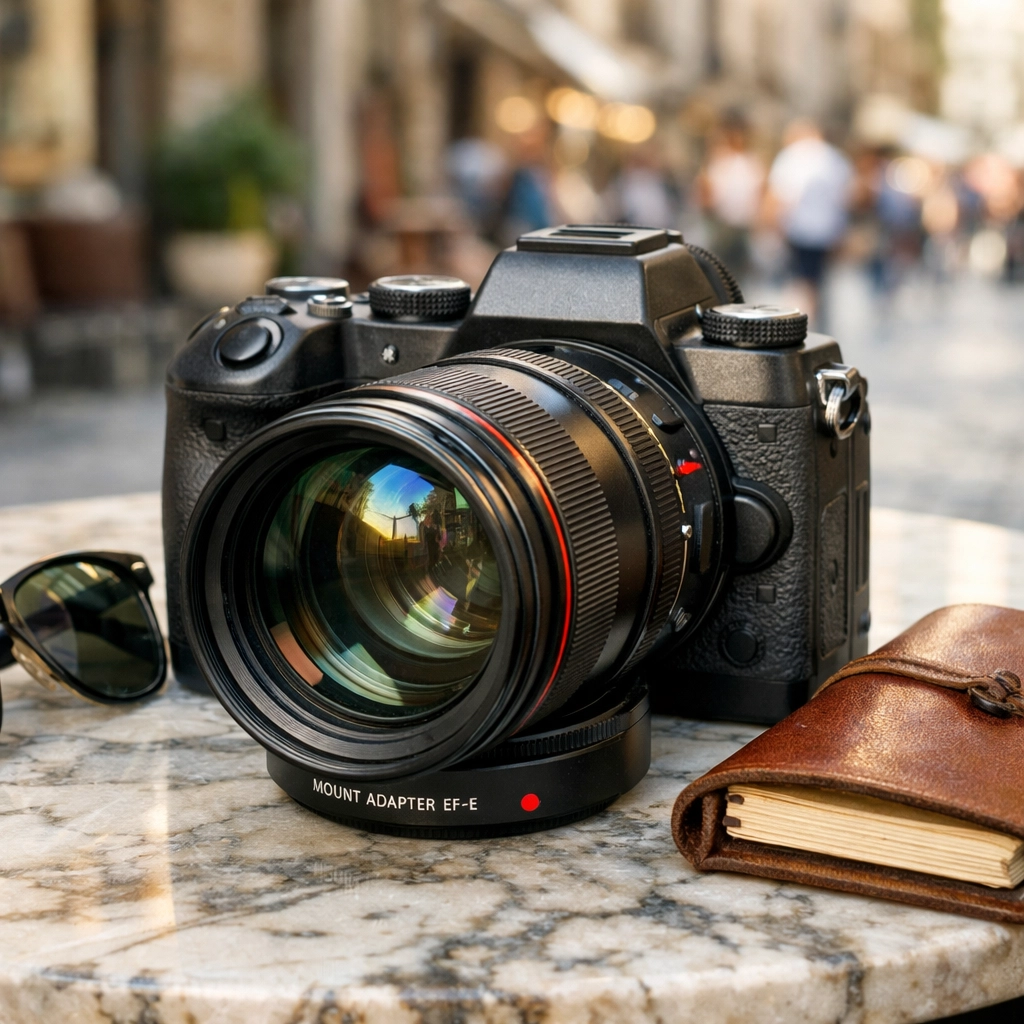
If you’re looking for high-end gear to achieve these looks, such as specialized glass, you might want to look into the Module 8 lens adapter for that cinematic, vintage feel.
Gear and Tech in 2026: The AI Revolution
By 2026, the line between "authentic" and "AI-assisted" has blurred, but our philosophy at Photoguides remains the same: use technology to enhance your vision, not replace it.
AI photography trends have shifted toward "smart editing." We no longer spend hours fixing a dull sky manually. Tools like sky overlays allow us to bring back the mood we remember feeling, even if the camera didn't quite catch it.
However, the trend for 2026 is "Authentic Art." People are craving imperfection. Grain, slight motion blur, and natural lighting are back in style. While gear is important, your ability to see a moment is what truly matters. If you’re wondering what to pack for your next trip, our camera reviews for 2024–2026 will help you find the right balance between weight and power.
Best Global Locations for Storytelling in 2026
If you're looking for the best photography locations that offer more than just a pretty face, here are a few spots that are currently topping our list for their narrative depth:
- The Hidden Speakeasies of Miami: Beyond the beaches, Miami has a gritty, neon-soaked underworld perfect for street photography and moody narratives. Check out Miami’s hidden speakeasies for some low-light inspiration.
- Williamsburg, Virginia: For those who love historical storytelling, the blend of colonial aesthetics and modern life is a goldmine. You can even find great stories in the local culture, like the growing scene of breweries in Williamsburg.
- Cape Coral at Sunrise: The breakfast culture here offers amazing "lifestyle" photography opportunities. From the steam on a coffee cup to the morning light hitting the canals, breakfast places in Cape Coral are surprisingly photogenic.
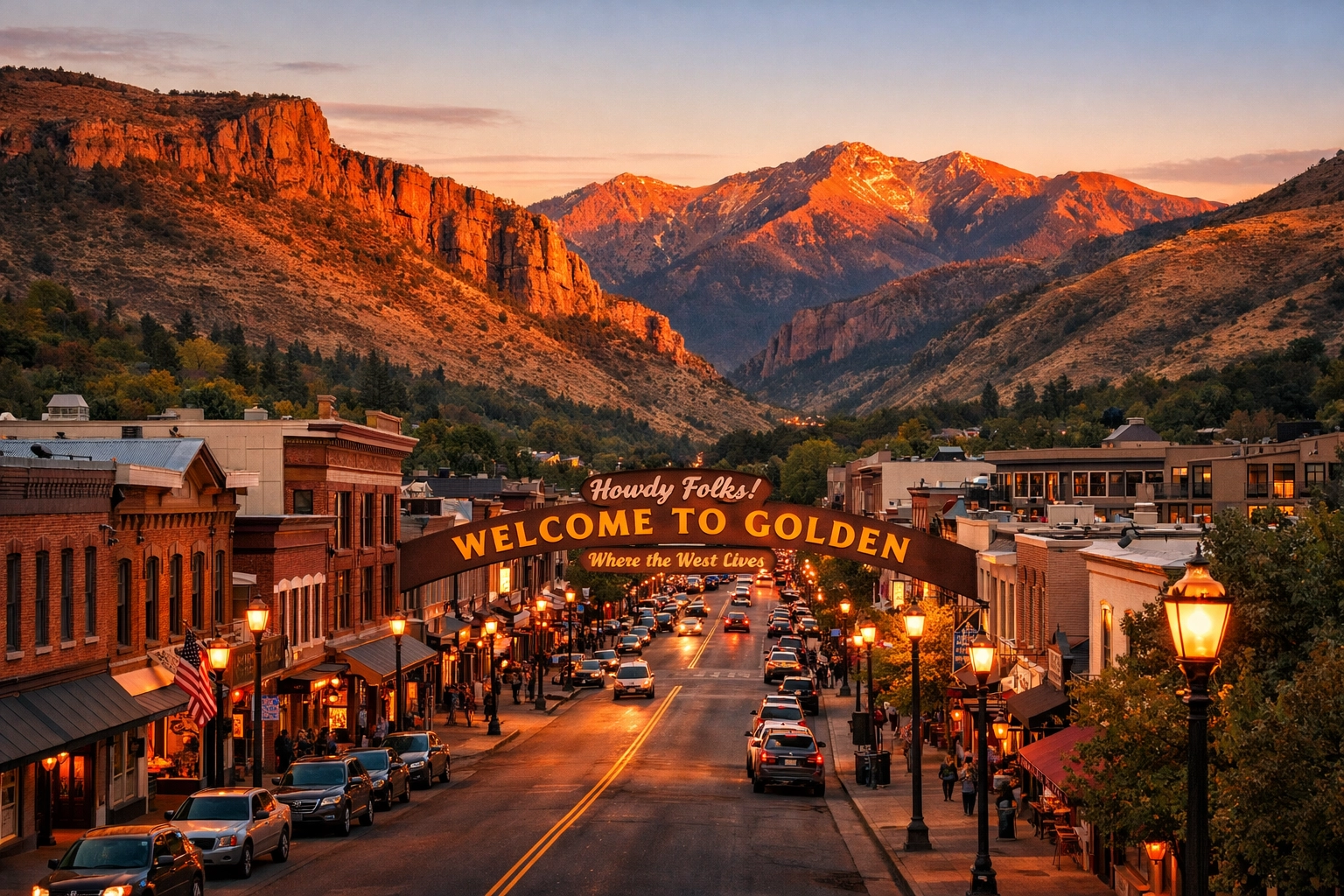
- Golden, Colorado: For the mountain-town vibe, the restaurants in downtown Golden provide a perfect backdrop for "foodie" storytelling combined with rugged outdoor elements.
Pro Tip: Engaging with Your Subjects
The most powerful stories involve people. However, many photographers feel awkward approaching strangers. The key is to be human first. Ask a question, give a compliment, or buy a small item from a vendor before asking to take their photo.
In many cultures, a smile and a nod are all the "permission" you need, but always be respectful. If you’re documenting a high-stakes event, like a wedding or a corporate gala, the rules change slightly. You can learn more about managing these professional interactions in our wedding photography insights.
Editing for Cohesion
Once you get home, the storytelling continues in the edit. A great travel story should have a consistent "look." This doesn't mean every photo needs to be orange and teal, but the lighting, contrast, and color palette should feel like they belong to the same book.
If you’re struggling with your workflow, join the community at Shut Your Aperture to see how other photographers are processing their travel sets in 2026. You can also find fine art prints that exemplify these storytelling techniques at Edin Fine Art.
Final Thoughts: Your Journey, Your Story
Travel photography is a gift. It forces you to slow down, look deeper, and appreciate the nuances of the world around you. Don't worry about having the most expensive gear or hitting the most famous "photo spots." Some of the best stories are found in the quiet moments between the landmarks: the cheap weekend getaways or the meal at a local diner.
Capture the "why" behind your trip, and the "how" will naturally follow.
If you're ready to take the next step in your photography journey, whether it's learning a new technique or finding the right gear, browse our educational category for more in-depth guides.
Happy shooting!