
Category: Foodies
If you’re planning a trip to Tokyo, I have some good news and some bad news. The good news: you are about to enter a city with more Michelin stars than any other place on Earth. The bad news: your jeans probably won’t fit by the time you leave.
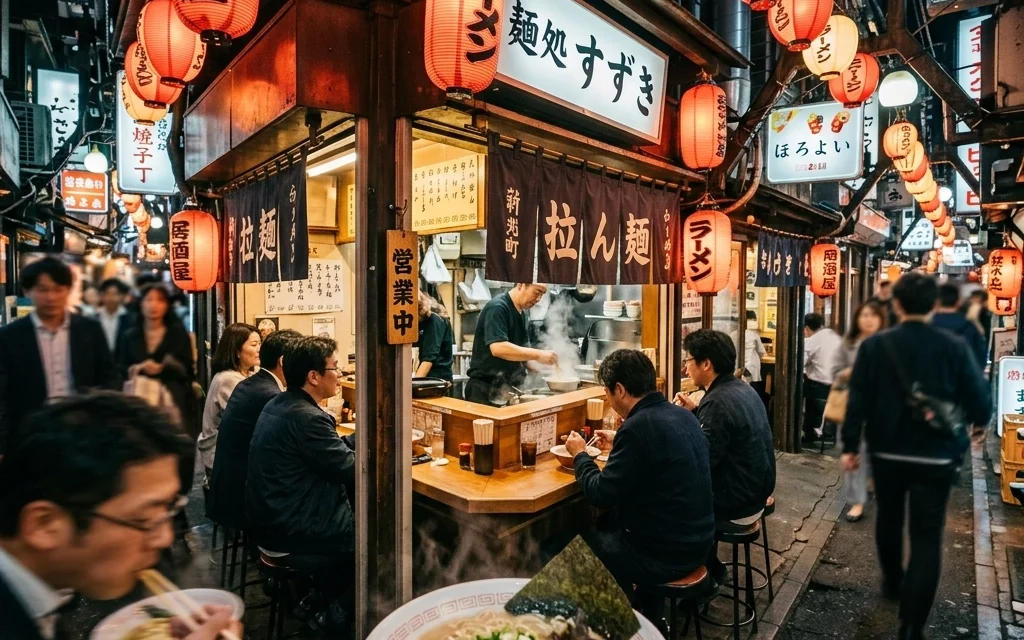
Tokyo isn’t just a city; it’s a living, breathing buffet that never sleeps. From the high-octane energy of fish markets at dawn to the neon-lit izakayas of Shinjuku at 2 AM, the food here is an art form. But honestly, navigating it can be overwhelming. Do you stand in line for three hours for sushi? Is that "vending machine ramen" actually good? (Spoilers: Yes, it’s amazing).
To help you conquer the chaos, we’ve put together the ultimate 14-day culinary roadmap. Whether you're a seasoned foodie or just someone who really likes a good egg sandwich from a convenience store, this guide is your ticket to success.
And look, if you want to make sure you actually find these hidden gems without getting lost in a subway station for three days, I highly recommend booking a professional food tour through Viator here. It’s the easiest way to eat like a local without the "where am I?" panic.
Days 1-2: The Seafood Foundations (Tsukiji & Toyosu)
You can’t talk about Tokyo food without starting at the source. While the inner wholesale market moved to Toyosu, the Tsukiji Outer Market is still very much the beating heart of Tokyo’s street seafood scene.
Start your morning with a grilled unagi (eel) skewer or some Tamago Yaki, that sweet, fluffy rolled omelet that’s surprisingly addictive. If you’re feeling brave, try the fresh oysters the size of your palm.
Pro Tip: This is a prime spot for food photography. If you’re worried about your shots looking a bit flat, check out our guide on essential photography gear to make those tuna textures pop.
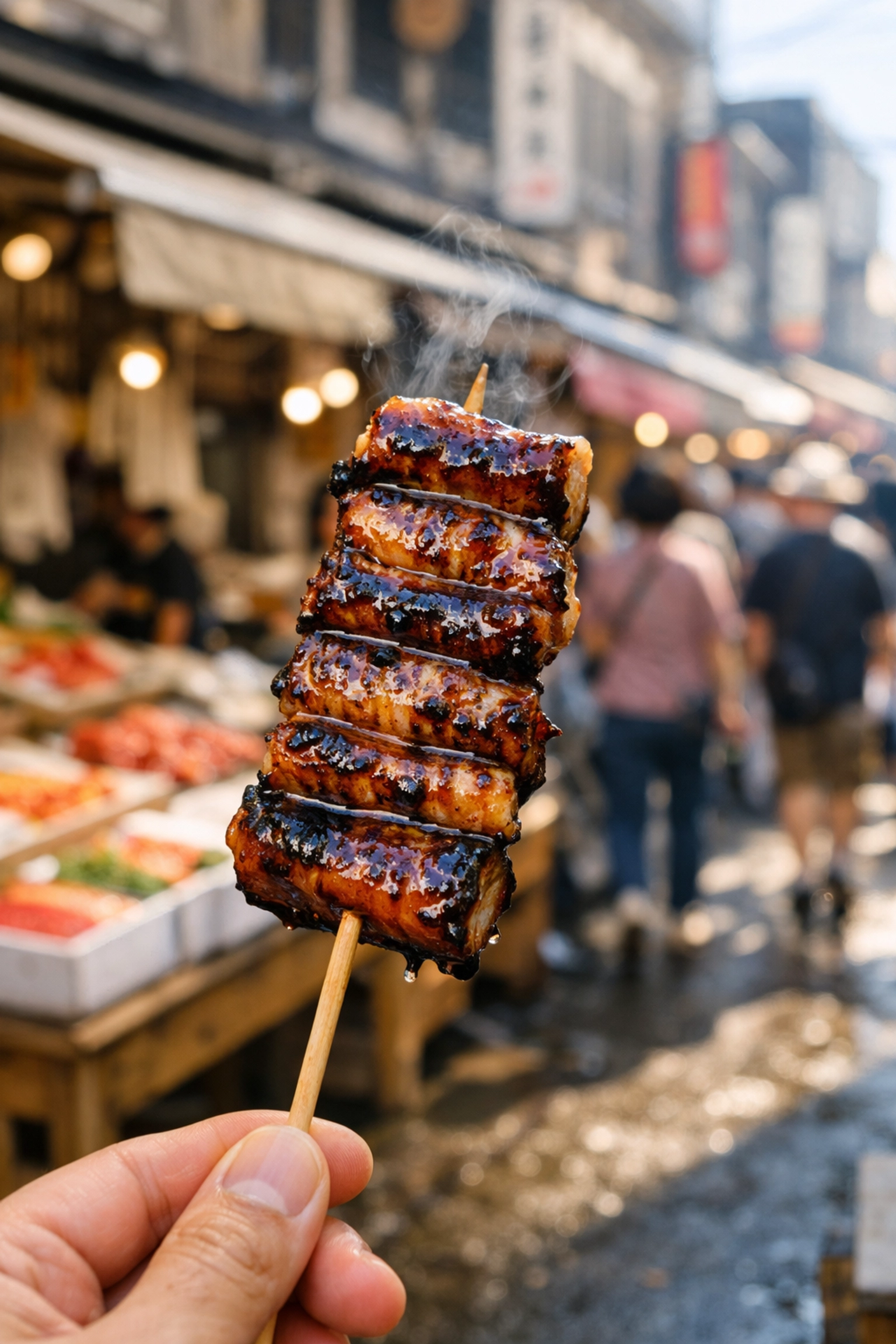
For the ultimate experience, book a Tsukiji market tour via Viator so an expert can tell you which stalls are legendary and which are just for tourists.
Days 3-4: Street Food & Neon Sugar (Harajuku & Ameyoko)
Next up, we’re hitting the streets. Harajuku is famous for Takeshita Street, where the food is as colorful as the fashion. We’re talking rainbow grilled cheese, towering crepes, and animal-shaped ice cream. It’s loud, it’s crowded, and it’s a blast.
Once you’ve had your sugar fix, head over to Ameyoko in Ueno. This market street feels like old-school Tokyo. You’ll find incredible Takoyaki (octopus balls) at stalls like Gindaco, where the outside is crispy and the inside is molten lava levels of gooey.
If you’re trying to capture the vibrant street life here, you’ll want to brush up on your candid techniques over at Shut Your Aperture before you go.
Days 5-6: High-End Elegance (Ginza)
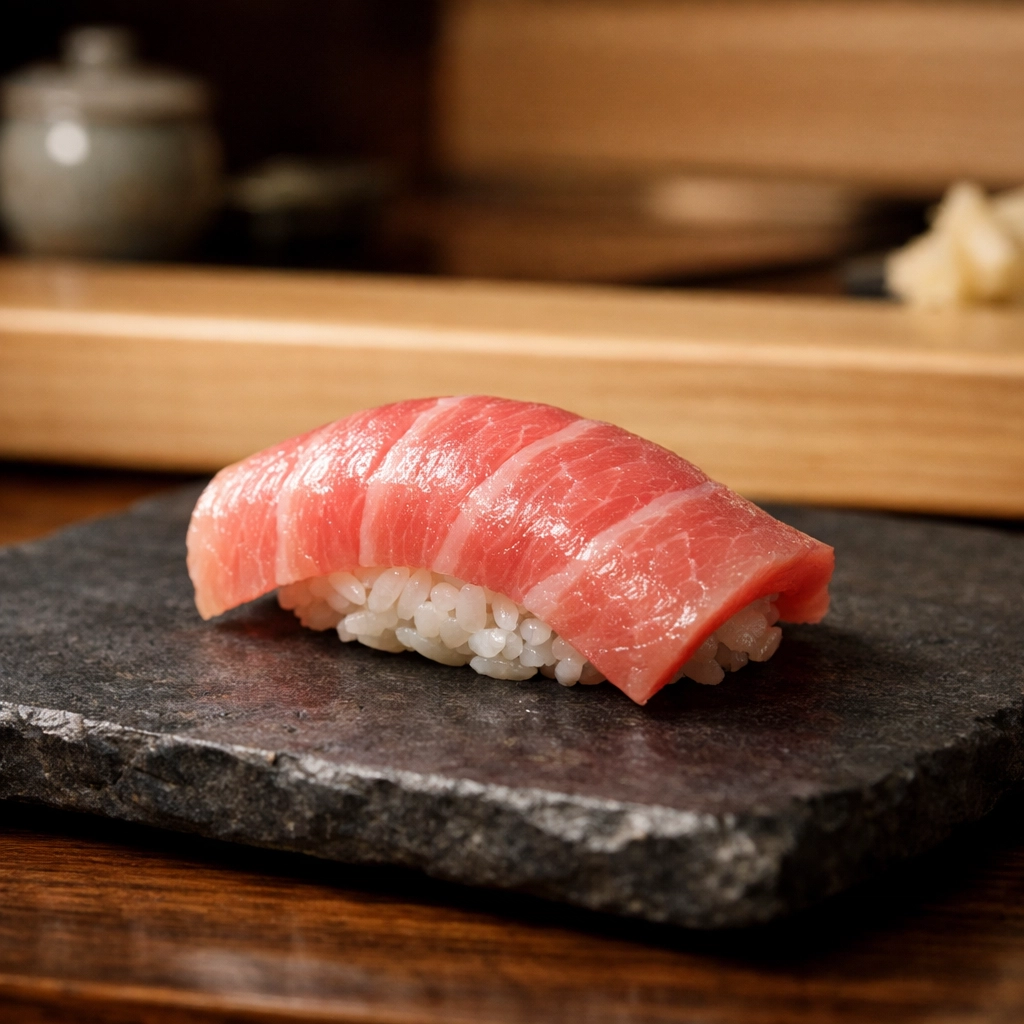
It’s time to put on your nice shoes. Ginza is where the heavy hitters live. This is the land of high-end sushi and Wagyu beef that literally melts before it hits your tongue.
Dining in Ginza is an experience in precision. Whether it’s Sushi Okame or a high-end Tempura specialist, the chefs here have spent decades perfecting a single craft. It’s expensive, yes, but it’s a masterclass in culinary discipline.
If you want to ensure a seat at a table that doesn't usually take international reservations, searching for a luxury dining experience on Viator is your best bet.
Days 7-8: The Weird and Wonderful (Akihabara Themed Cafes)
Tokyo wouldn’t be Tokyo without a little bit of "Wait, what?" Akihabara is the center of otaku culture and home to the city's most famous themed cafes. From Maid Cafes where your omelet comes with a ketchup drawing to Owl and Cat cafes (though we recommend checking reviews for ethical practices first!), it’s a sensory overload.
Is the food world-class? Usually not. Is the experience unforgettable? Absolutely. It’s a great way to take a break from the "seriousness" of traditional dining. For more ideas on how to document these quirky experiences, I always find inspiration in Edin Chavez’s fine art gallery.
Days 9-10: Noodle Nirvana (Ramen, Soba, & Udon)
By day nine, you’re going to want comfort food. Tokyo’s ramen scene is a universe of its own. You have the heavy, creamy Tonkotsu, the salty Shio, and the dipping-style Tsukemen.
Don’t be afraid of the vending machines! Most of the best ramen shops use them for ordering. Just push the button with the biggest picture, hand your ticket to the chef, and get ready for the best bowl of your life.
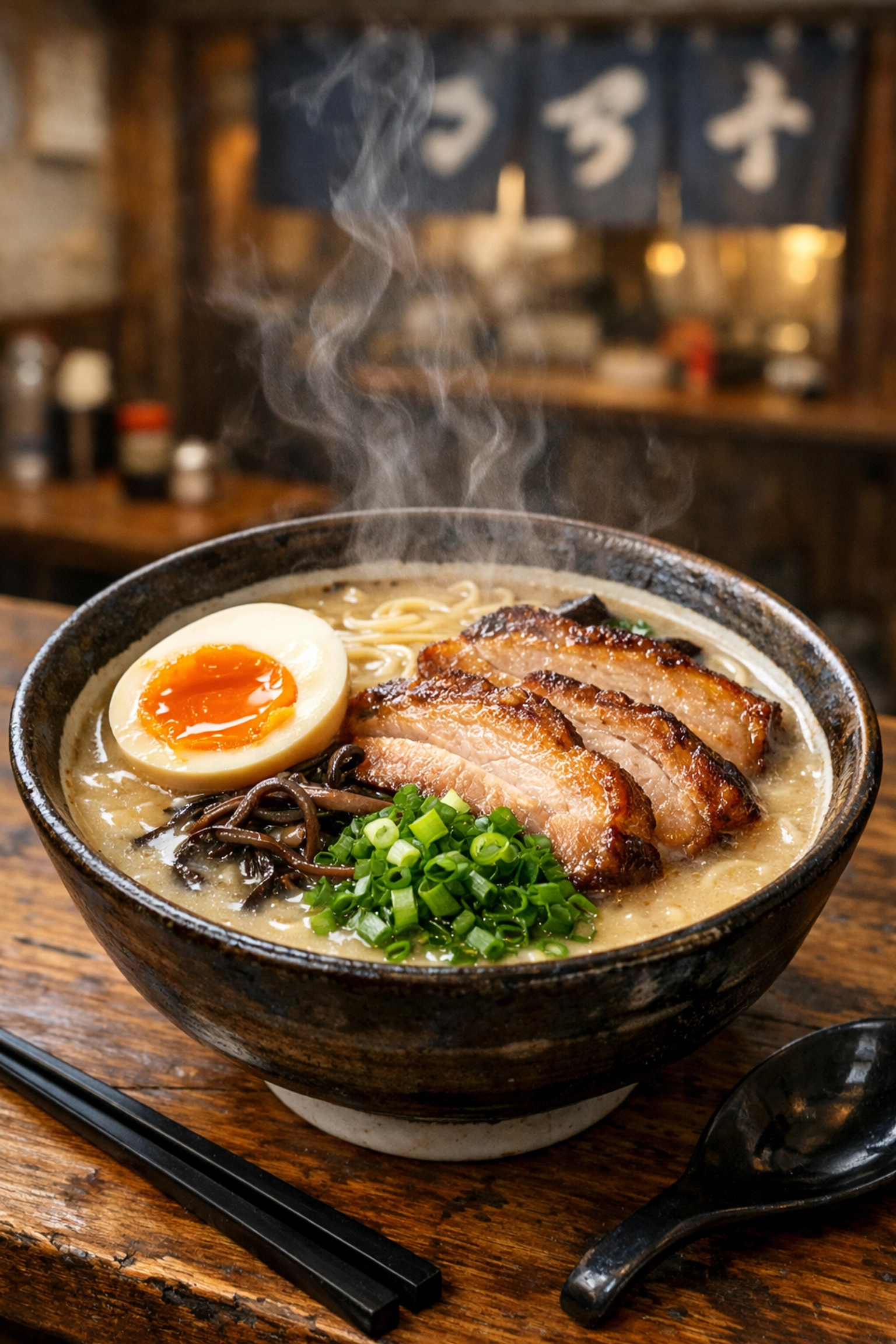
If you’re a real noodle geek, check out a Ramen tasting tour through Viator to visit the shops that locals keep secret.
Days 11-12: The Salaryman Social (Izakayas & Golden Gai)
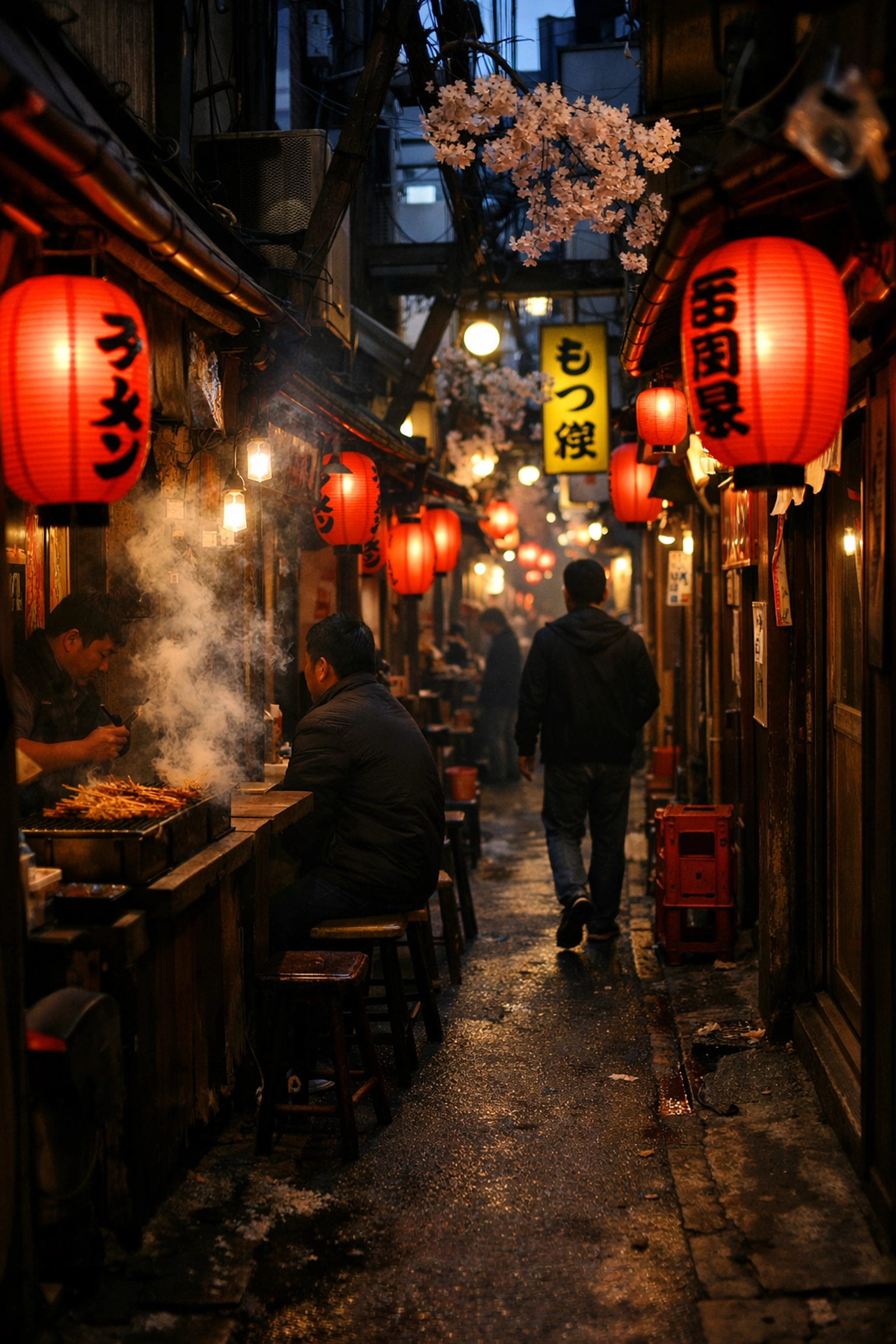
As the sun sets, follow the smoke. It’ll lead you to a Yakitori (grilled chicken) stand. The best place for this is Omoide Yokocho (Memory Lane) or the tiny bars of Golden Gai in Shinjuku.
These spots are cramped, smoky, and absolutely wonderful. You’ll be sitting shoulder-to-shoulder with locals grabbing a beer after work. It’s the perfect place to test your low-light photography skills. If you’re struggling with those dark alleyway shots, check out the tips on Edin Chavez’s blog.
To navigate the "members only" feel of these tiny bars, book an Izakaya hopping tour on Viator. It takes the guesswork out of the cover charges and "no English menu" hurdles.
Days 13-14: The Final Flourish (Sweets & Konbini)
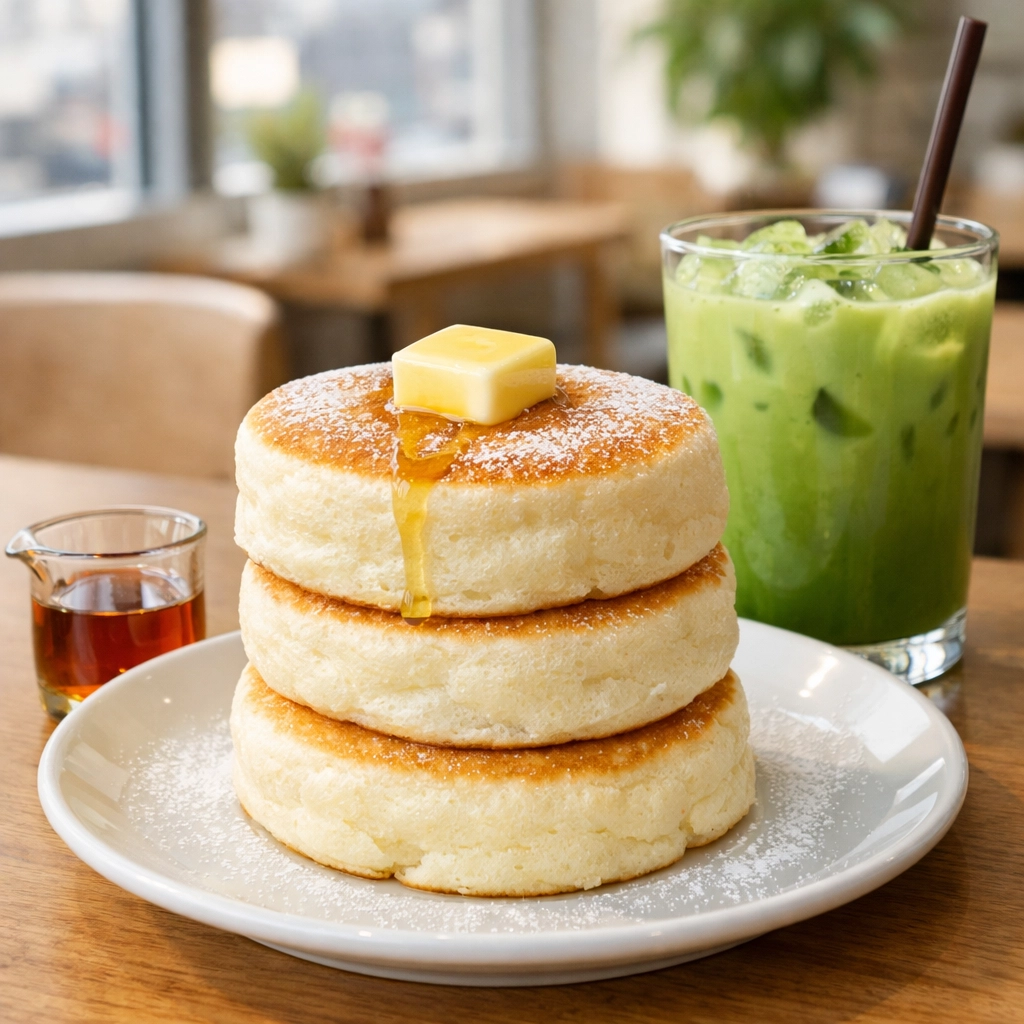
For your final days, slow it down. Visit a traditional tea house in Asakusa for Dorayaki (red bean pancakes) or head to Flippers Pancakes for those impossibly fluffy Japanese soufflé pancakes that jiggle when you move the plate.
And don’t forget the Konbini (convenience stores). Places like 7-Eleven, Lawson, and FamilyMart are legendary for a reason. The egg salad sandwiches, the fried chicken (Famichiki), and the seasonal Kit-Kat flavors are legitimate culinary highlights.
How to Succeed as a Foodie in Tokyo
Before you head out with your camera and an empty stomach, here are a few tips to make sure your trip is a success:
- Cash is (Still) King: While things are changing, many small ramen shops and street stalls only take yen. Keep a coin purse handy.
- Etiquette Matters: Don’t eat while walking (it’s considered rude). Find a spot to stand near the stall, finish your food, and then move on.
- Booking is Essential: For anything high-end, you need to book weeks (or months) in advance. If you missed out, check our photography booking experience page for tips on how we handle high-demand reservations and tours.
- The "Vibe" Check: If a place has a long line of locals, it’s probably worth the wait. If it has a giant plastic lobster and someone shouting at you in English to come inside… maybe skip it.
Ready to Eat?
Tokyo is a city that rewards the curious. Every alleyway has a story, and every basement probably has a 5-star restaurant you haven’t heard of yet. It’s a lot to take in, but that’s the beauty of it.
If you’re feeling a bit overwhelmed by the logistics, remember that booking a guided tour through Viator is the best way to hit the ground running. You’ll eat better, learn more, and probably make a few friends along the way.
Now, grab your camera, pack some stretchy pants, and go find your new favorite meal. Tokyo is waiting.













