
Category: Photo Guides
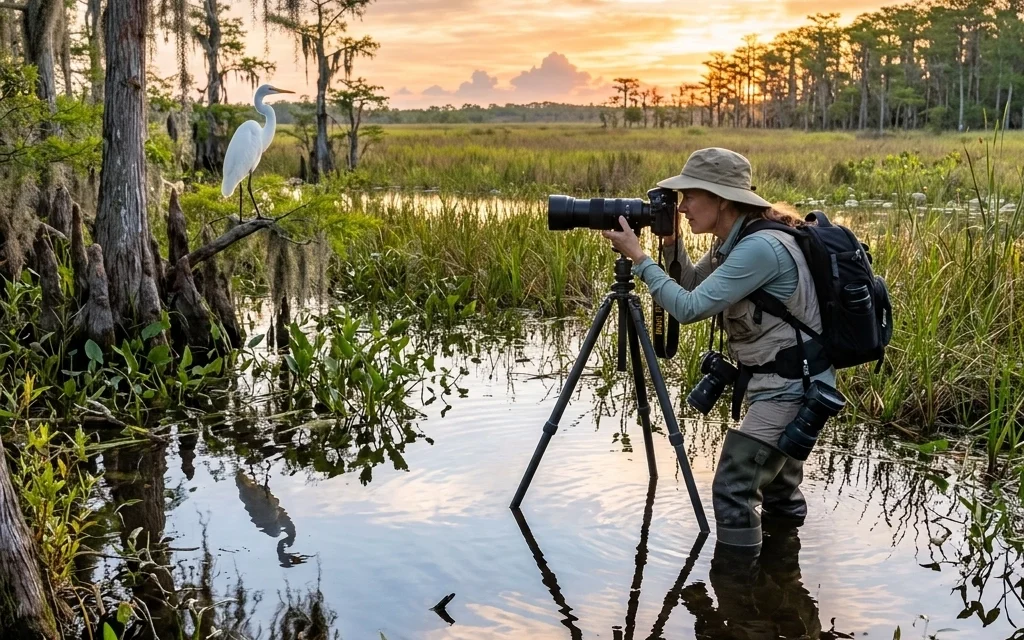
There is something almost prehistoric about standing on a boardwalk in the Florida Everglades as the sun begins to peek over the sawgrass. You hear the rhythmic splash of a gator slipping into the water and the distant, haunting cry of a Limpkin. For a wildlife photographer, this isn’t just a park; it’s a playground of endless possibilities.
If you’ve ever scrolled through Edin Fine Art and wondered how to capture that perfect balance of light and raw nature, you’re in the right place. The Everglades can be intimidating: it's vast, hot, and full of things that bite: but with the right approach, it’s one of the most rewarding places on Earth to point a lens.
In this guide, I’m going to walk you through everything you need to know to come home with world-class shots. And if you want to skip the trial and error, you should definitely check out our Everglades Photography Guide, which is packed with the exact coordinates and secrets I’ve gathered over years of shooting here.
Why the Everglades?
The Everglades is a unique ecosystem: a "River of Grass" that moves so slowly you’d hardly know it’s flowing. Because of this unique environment, the density of wildlife is staggering. From the iconic American Alligator to the elusive Roseate Spoonbill, the opportunities for character-driven wildlife portraits are everywhere.
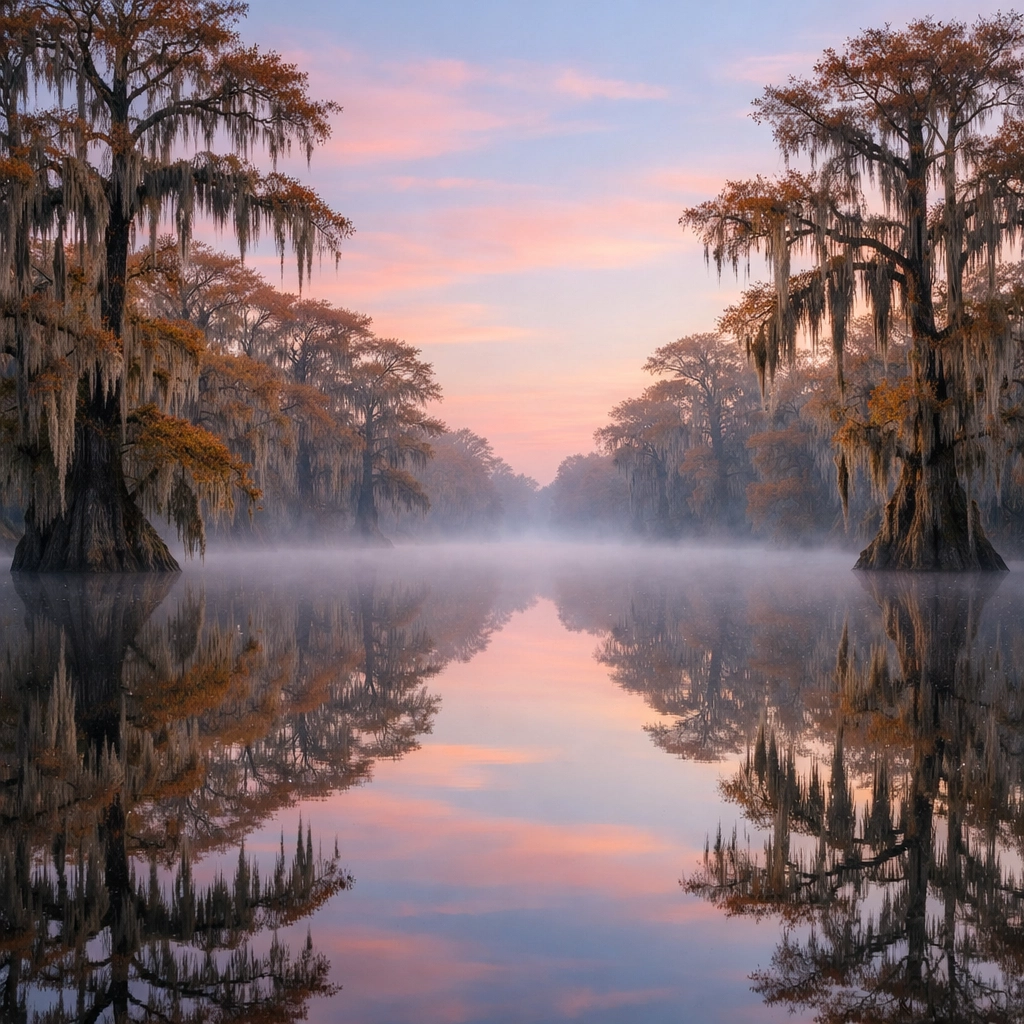
But it’s not just about the animals. The landscapes here are minimalist and hauntingly beautiful. Whether you’re shooting the cypress domes or the coastal mangroves, you’re dealing with a landscape that demands a thoughtful eye.
Timing Your Trip: The Dry vs. Wet Season
If you show up in the middle of July, you’re going to have a very different experience than if you show up in January.
The Dry Season (November to April): This is the "Golden Era" for Everglades wildlife photography. As the water levels drop, fish get concentrated into smaller pools. This creates a literal buffet for birds and alligators. You’ll find hundreds of birds gathered in single locations, making it much easier to get those "action" shots of herons hunting or ospreys diving.
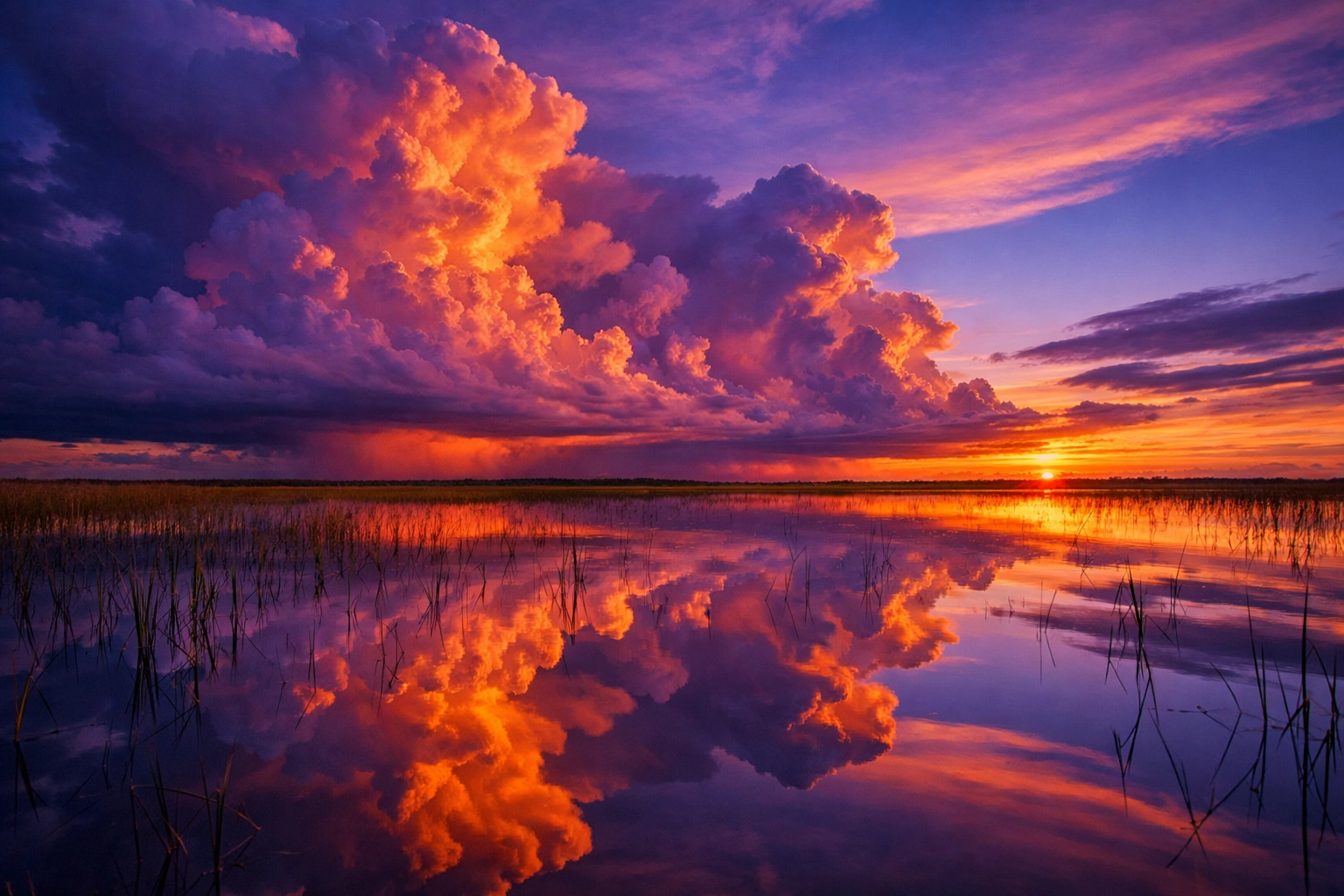
The Wet Season (May to October): It’s hot, it’s buggy, and the wildlife disperses because there’s water everywhere. However, this is when the afternoon thunderstorms roll in, creating some of the most dramatic skies you’ll ever see. If you’re brave enough to face the mosquitoes, the landscape photography during this time is unparalleled.
The Gear You Actually Need
I get asked about gear more than anything else. While you don't need a $15,000 setup to get great shots, having the right tools makes a huge difference.
- Lenses: A long telephoto is non-negotiable. I recommend something in the 400mm to 600mm range. Birds here are used to humans, but you still want that beautiful "bokeh" (background blur) that a long lens provides. A wide-angle lens is also essential for those sweeping sunset shots over the sawgrass.
- Stability: A sturdy tripod or a high-quality monopod is a lifesaver. If you're looking for more advice on what to pack, check out our list of essential photography gear.
- Protection: This isn't just for you; it's for your gear. Humidity is real here. Keep your camera in its bag until it acclimates to the outside temperature to avoid fogged lenses.
For more technical gear breakdowns and community discussions, I always recommend hanging out over at Shut Your Aperture. It’s a great place to see what other pros are using in the field.
Must-See Wildlife and How to Shoot Them
The American Alligator
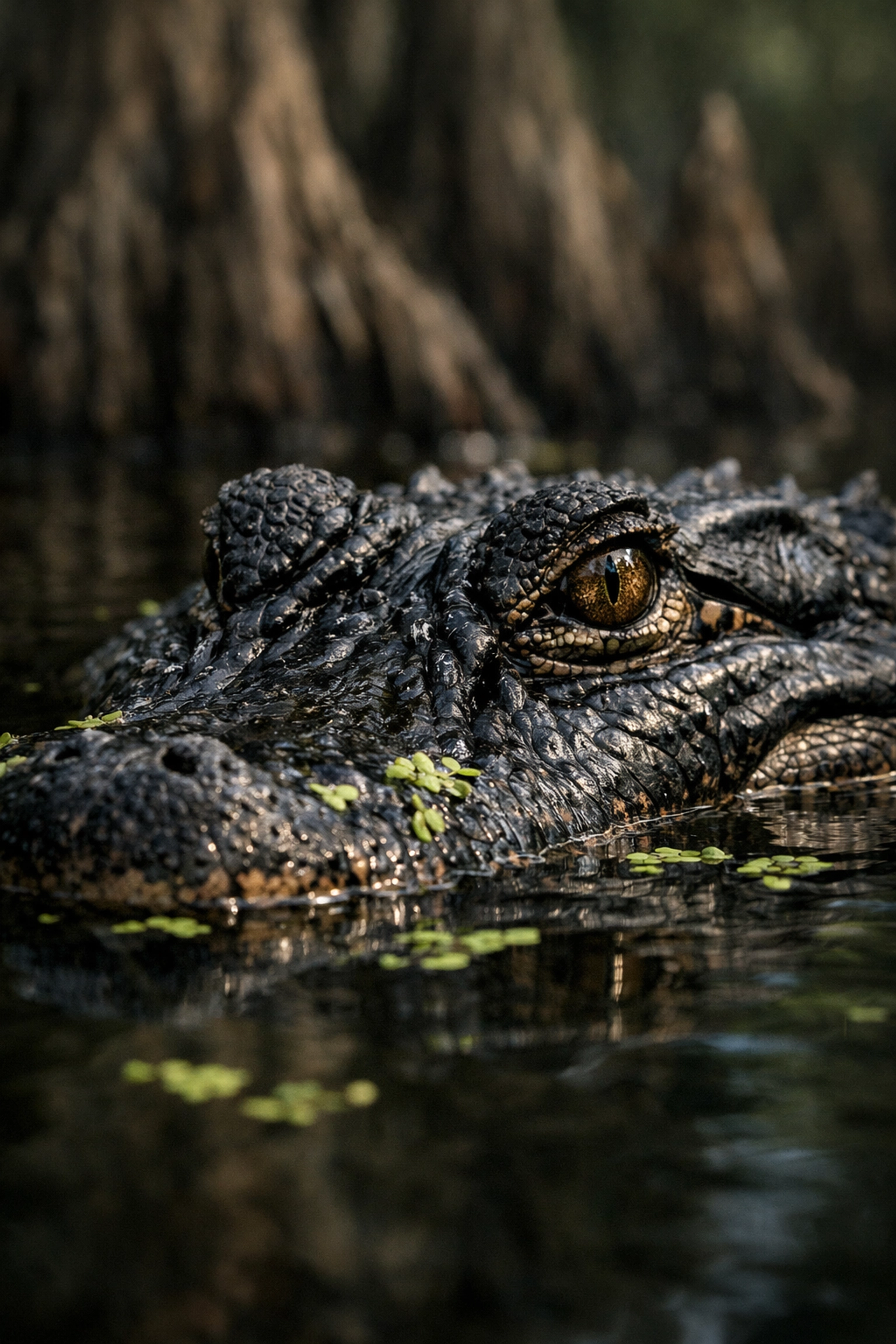
You can’t go to the Everglades and not shoot gators. The key to a great alligator photo isn’t just getting the whole animal in the frame: it’s focusing on the eyes and the textures of the scales. Get low (but stay at a safe distance!). Shooting from eye level creates a much more intimate and intimidating portrait than shooting from a high angle.
The Birds: Herons, Egrets, and Spoonbills
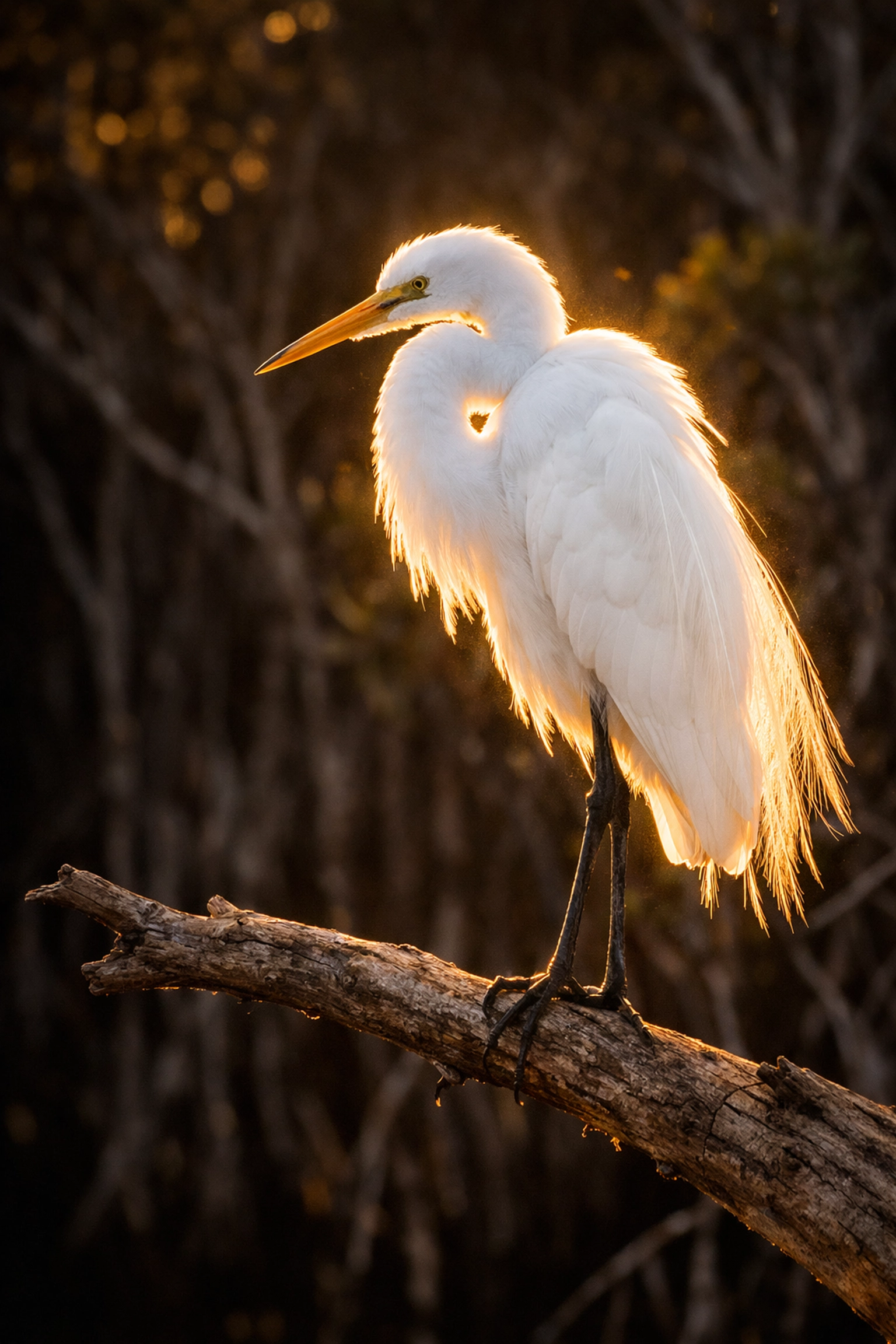
The Everglades is a bird-watcher's paradise. For birds, shutter speed is your best friend. Even if a heron looks like it’s standing perfectly still, it can strike in a fraction of a second. I usually keep my shutter speed at 1/2000s or higher to freeze that action.
Top Spots for the Best Shots
Knowing where to go is half the battle. The Everglades is massive, and you can easily spend hours driving and seeing nothing if you don't have a plan.
- Anhinga Trail: Located near the Royal Palm Visitor Center, this is arguably the best place for close-up wildlife. The animals here are very habituated to people, allowing for incredible frame-filling shots.
- Shark Valley: This is a 15-mile loop. You can rent a bike or take a tram. It’s fantastic for seeing gators sunning themselves right on the path.
- Big Cypress National Preserve: Technically next door to the Everglades, this is where you go for the haunting Cypress trees and, if you’re very lucky, a glimpse of a Florida Panther.
If you’re feeling overwhelmed by the map, don’t worry. Our photography booking experience can help you set up a guided tour where we take you straight to the honey holes.
Composition and Lighting Tips
The light in Florida is "hard" for most of the day. Between 10:00 AM and 4:00 PM, the sun is directly overhead, creating harsh shadows on the wildlife.
The Golden Hour: Be there at sunrise. The mist rising off the water combined with the orange glow of the sun is pure magic. This is when the birds are most active, and the light is soft enough to capture the fine details in white feathers (which are notorious for blowing out in bright sun).
The Rule of Thirds (and when to break it): When shooting a bird on a branch, don’t always put it in the center. Give it "room to breathe" by placing it on one of the thirds of the frame, looking into the empty space.
Master the Everglades with our Guide
Let’s be real: your time is valuable. You don’t want to spend your entire vacation looking for a parking spot or wondering why all the birds are five miles away. I’ve spent years mapping out this park so you don't have to.
Our Everglades Photography Guide is designed to be your digital scout. It includes:
- Specific GPS coordinates for the best spots.
- Advice on the best times of day for each location.
- Pro tips on camera settings for specific species.
It’s the closest thing to having me standing right next to you, whispering in your ear (but less weird, I promise).
Why Local Knowledge Matters
I’ve seen too many photographers show up with great gear and leave disappointed because they didn't understand the rhythm of the park. The Everglades changes by the hour. A spot that was empty at 8:00 AM might be teeming with life by 9:00 AM when the sun hits a certain patch of water.
By following the tips on our main blog and using our specialized guides, you’re giving yourself the best chance at success. We want you to walk away not just with photos, but with stories.
Practical Tips for Your Visit
Before you head out, here are a few "reassuring" reminders to keep your trip stress-free:
- Hydrate: It’s hotter than you think. Bring more water than you need.
- Sun Protection: Wear a hat and long sleeves. The Florida sun is no joke.
- Mosquitoes: They are the unofficial state bird. Wear repellent, especially at dawn and dusk.
- Stay Safe: Always keep at least 15 feet away from alligators. They look like logs, but they move like lightning.
If you’re looking for more general educational content on photography techniques before you head out, browse through our educational category for deep dives into lighting and composition.
The Everglades is a place of quiet wonder. It’s a place that teaches you patience and rewards you with moments of pure, raw nature that you can’t find anywhere else. Grab your gear, get your guide, and I’ll see you out there in the sawgrass.
Happy shooting!













