Travel is about more than just the stamps in your passport; it’s about the stories you bring home. As we move through 2026, the world of photography has shifted. We have tools at our fingertips that were science fiction a decade ago, yet the core of a great photograph remains the same: emotion, light, and perspective.
Whether you’re wandering through Miami’s hidden speakeasies or trekking through a remote national park, the goal is to stop taking "snapshots" and start creating cinema. At Photoguides, we believe everyone has a story to tell. Here is your ultimate guide to mastering travel photography in 2026.
Master the Fundamentals (The 2026 Way)
Before you can break the rules, you need to know them. Even with the latest AI-assisted sensors, understanding the exposure triangle: aperture, shutter speed, and ISO: is non-negotiable.
If you’re just starting out or want a refresher, check out our educational category for deep dives into these basics. A pro tip for travel: if you’re using a tripod, try shooting in Aperture Priority mode. Set your aperture to f/8 and your ISO to 100. This allows the camera to handle the shutter speed while you focus on the most important part: the composition.
For those looking to give their digital shots a more "filmic" soul, tools like the Module 8 lens adapter are becoming essential for adding that organic, cinematic flare that software still struggles to replicate perfectly.
Composition: Simplicity is Your Superpower
One of the biggest mistakes travelers make is trying to fit everything into a single frame. This often leads to cluttered, confusing images. In 2026, the trend has shifted back toward "minimalist storytelling."
- The Rule of Thirds: Imagine your frame divided into a 3×3 grid. Place your subject on the intersecting lines rather than dead-center. It creates a natural flow that feels more professional.
- Get Closer: If your photo isn't good enough, you’re probably not close enough. Fill the frame. Zoom in on the textures of a local market or the weathered hands of a street performer.
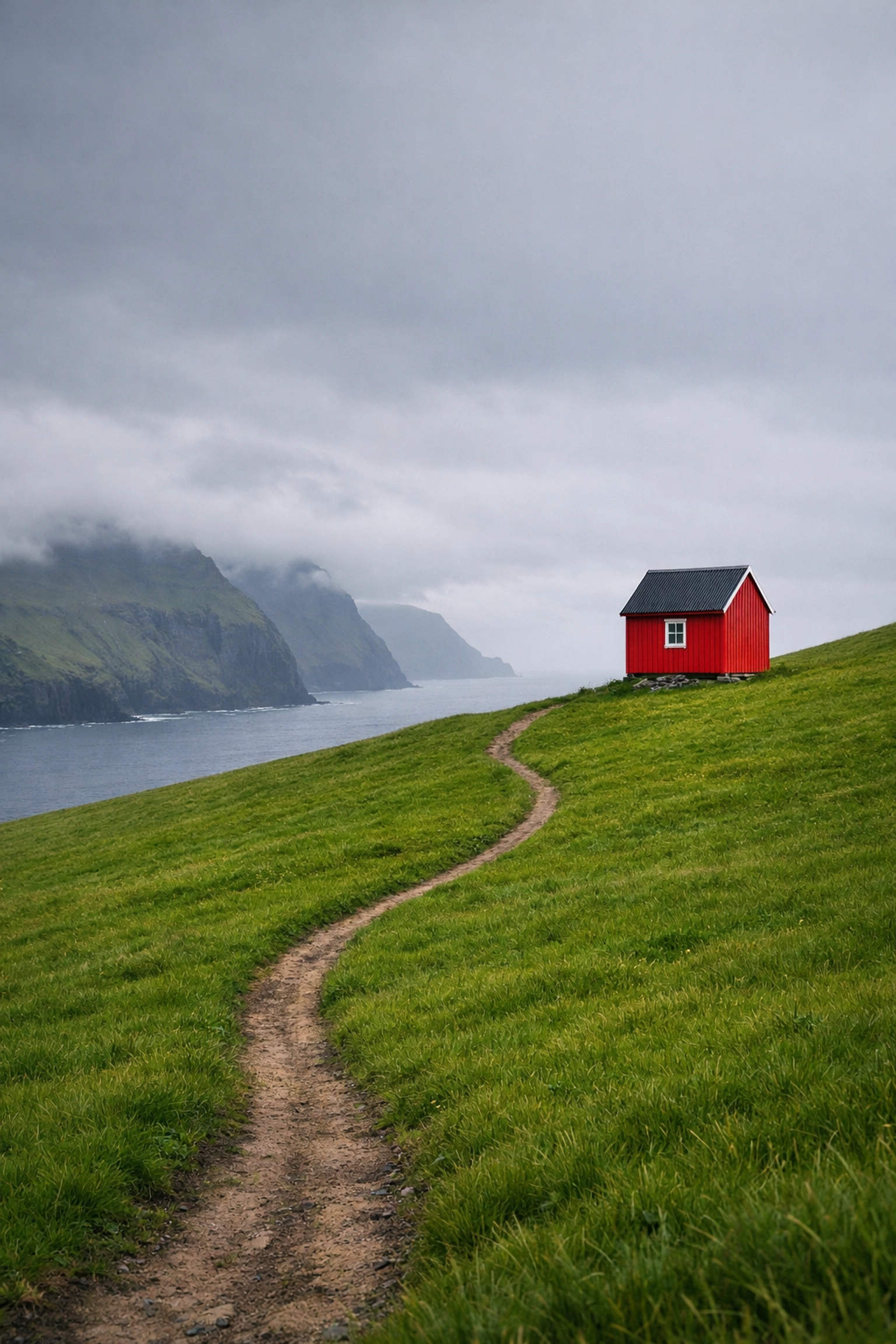
- Leading Lines: Use roads, fences, or even the shadows of buildings to lead the viewer’s eye toward your subject.
Lighting: The Secret Ingredient
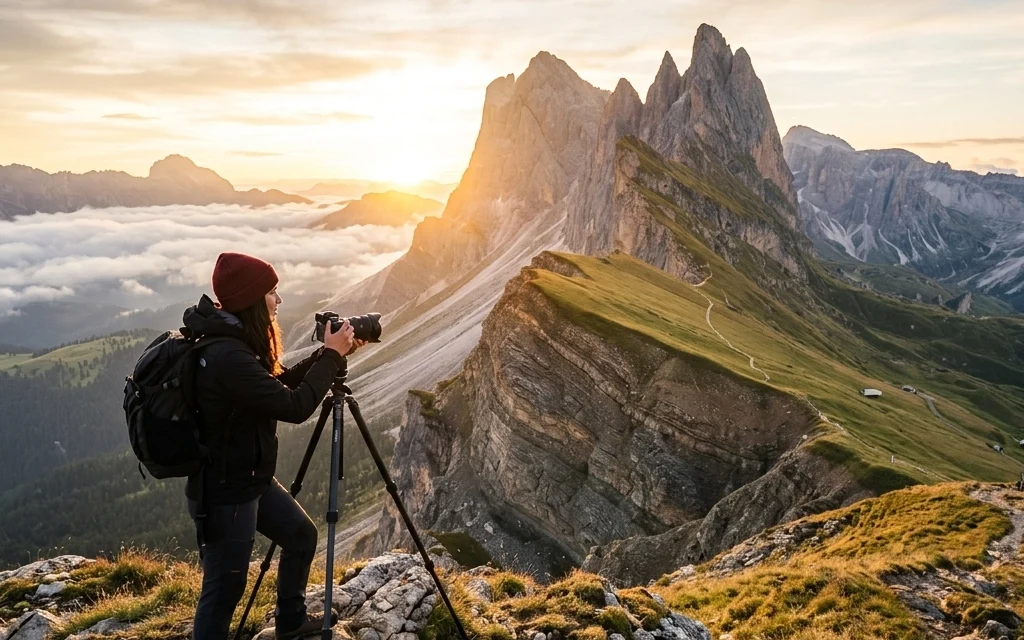
Lighting is the difference between a "nice" photo and a masterpiece. In travel photography, we are at the mercy of the sun, so timing is everything.
- The Golden Hour: The hour after sunrise and the hour before sunset. This is when the light is soft, warm, and creates long, dramatic shadows.
- The Blue Hour: Most people pack up their gear as soon as the sun dips below the horizon. Don't. The 30 to 60 minutes after sunset provides a deep, moody blue sky that looks incredible when paired with city lights.
If the sky isn't cooperating, don't sweat it. You can always enhance your post-processing with resources like our sky overlays to bring back the drama. For more inspiration on how to handle different lighting scenarios, I always recommend browsing Edin’s Fine Art collection to see how light can transform a landscape.
Adding the Human Element
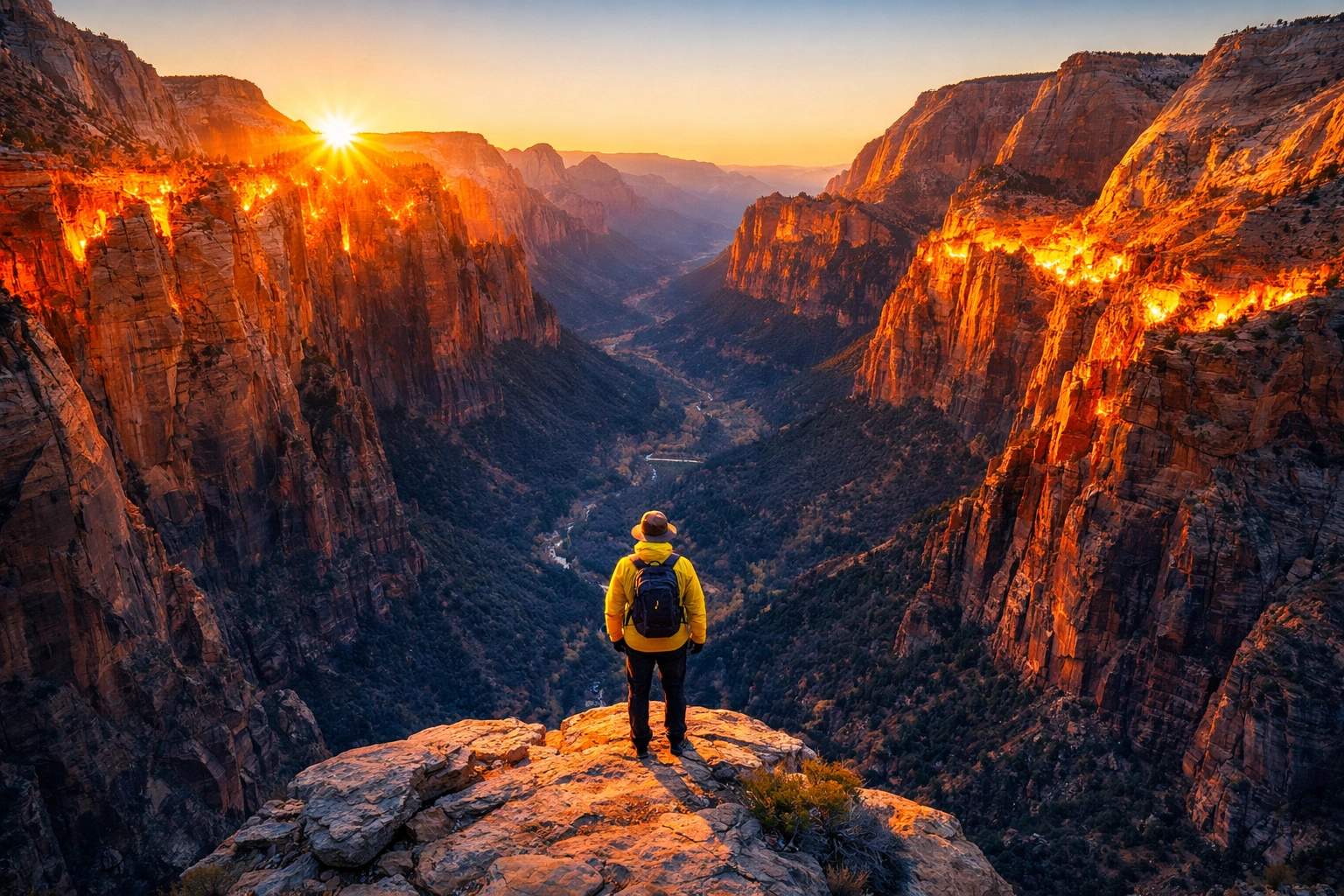
A beautiful landscape is great, but adding a human element provides scale and emotional resonance. It allows the viewer to imagine themselves in the scene.
You don't always need a model. A lone hiker on a ridge, a local vendor in a bustling square, or even your own hand reaching into the frame can change the narrative. If you’re traveling solo, a lightweight tripod and a remote timer are your best friends. It’s about documenting the journey, not just the destination. For those planning a trip specifically for the "gram," check out these cheap weekend getaways that offer incredible backdrops for portraiture.
The 2026 Gear Guide: What’s in My Bag?
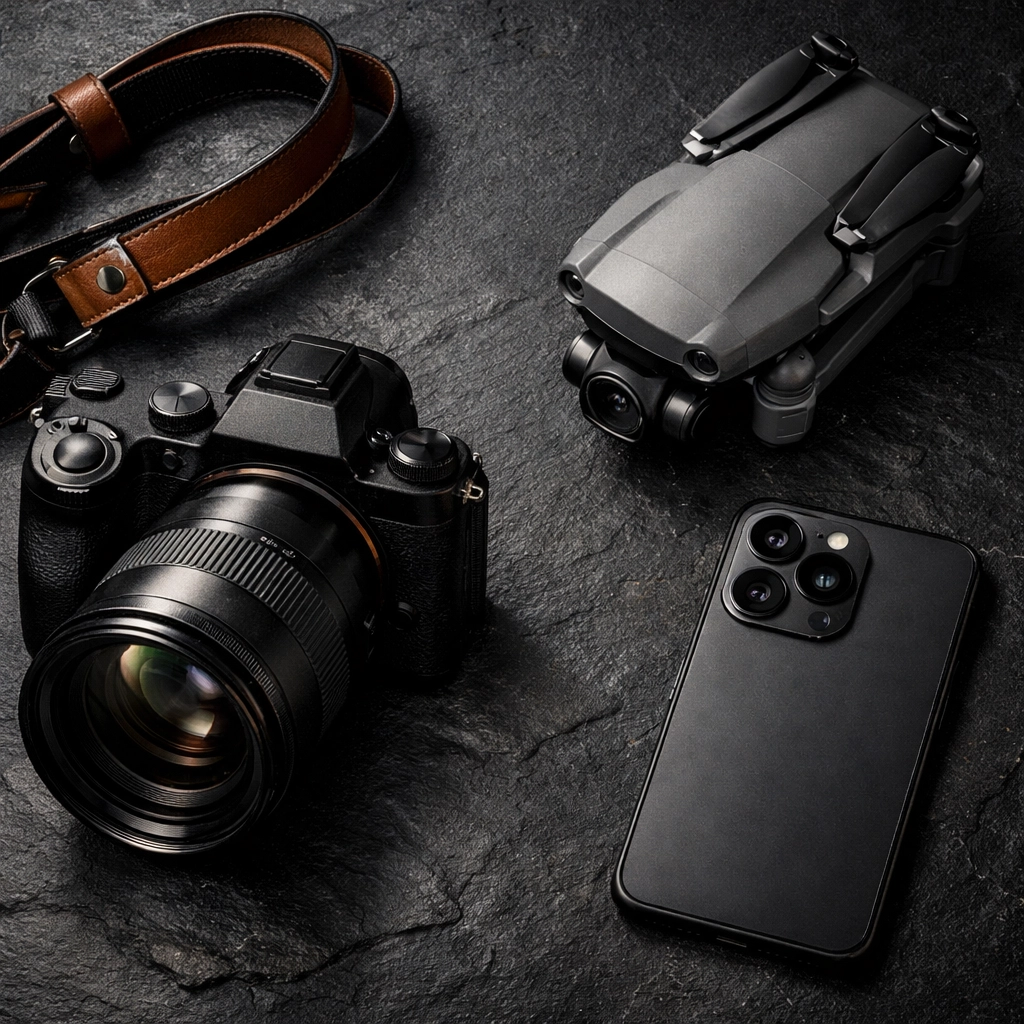
The "best" camera is the one you have with you, but if you’re looking to upgrade, 2026 has brought some incredible tech. Mirrorless systems are lighter and faster than ever, and smartphone photography has reached a point where it can rival professional rigs for social media content.
- The Smartphone Powerhouse: The latest iPhone and Android flagships now feature "Pro" modes that capture RAW data, allowing for massive flexibility in editing.
- Drones: Compact drones have become so quiet and intelligent that they are almost essential for capturing that "big picture" perspective.
- Lenses: A versatile 24-70mm lens is the gold standard for travel, but I always carry a fast 35mm prime for street photography.
You can find our full breakdown of the essential photography gear for 2026 here. And if you're looking for specific hardware feedback, our camera reviews (updated for the latest releases) will help you make an informed choice.
Planning and Hidden Gems
Great travel photography is 50% technical skill and 50% being in the right place at the right time. Before you even leave your house, do your homework.
Use Google Earth to scout angles and apps like PhotoPills to track exactly where the sun will rise and set. While everyone is flocking to the Eiffel Tower, look for the "hidden gems." Maybe it’s the best breweries in Williamsburg, VA, or a quiet breakfast spot in Cape Coral. These smaller, local spots often offer more authentic stories than the major tourist traps.
If you’re debating between major destinations: like the classic Dominican Republic vs. Cancun debate: consider which one offers the visual aesthetic you’re aiming for. One might have better "Old World" architecture, while the other offers pristine, minimalist coastlines.
AI Trends: Authenticity is the New Luxury
In 2026, we are seeing a massive influx of AI-generated imagery. While AI can be a helpful tool for editing and removing distractions, there is a growing movement toward "Authentic Capture."
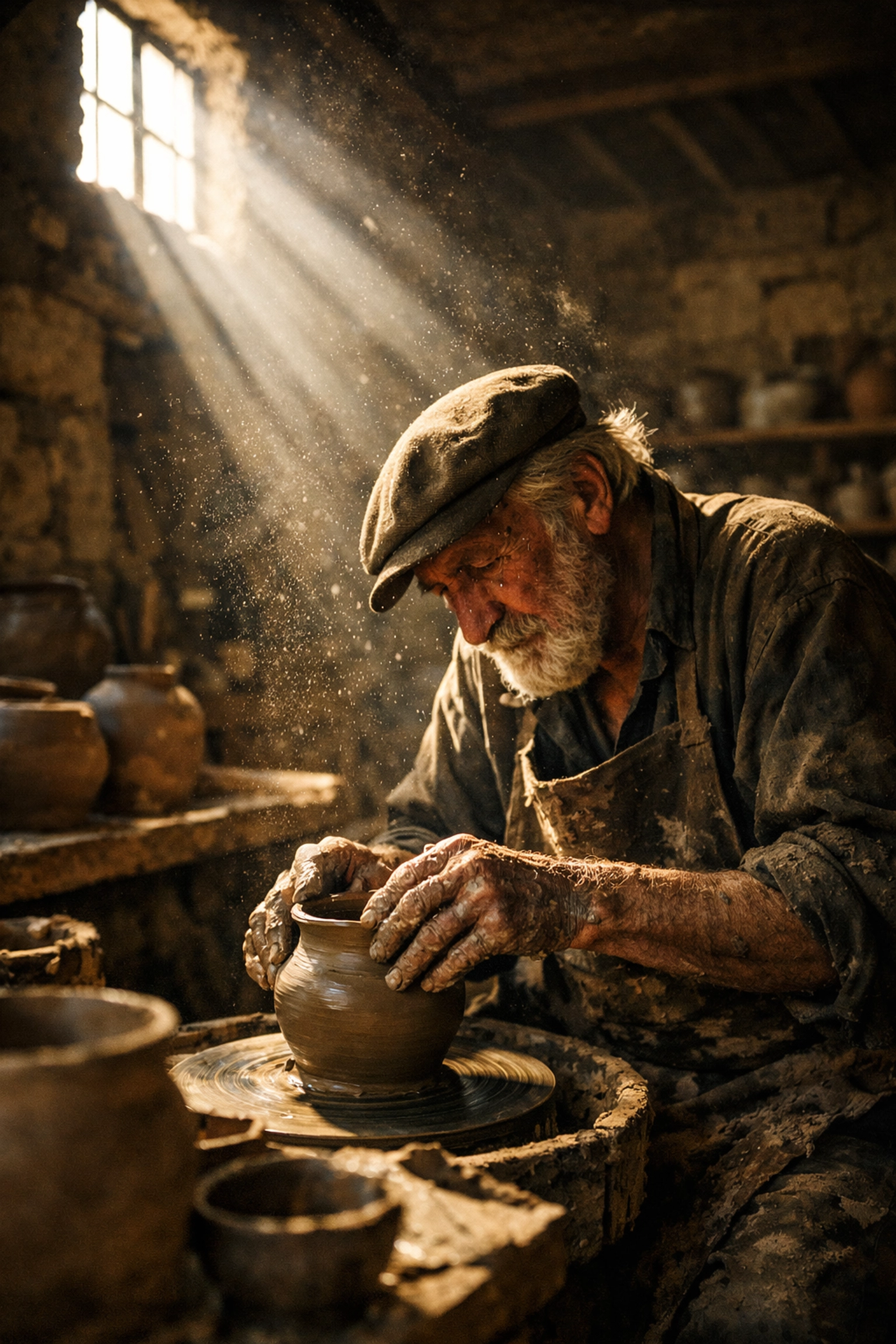
People crave the real. They want to see the dust in the air, the imperfect grain of a low-light shot, and the genuine emotion of a moment that actually happened. Use AI to enhance your workflow: perhaps to help with sky replacements or noise reduction: but keep the soul of the photo intact.
I’ve written more about this shift on Edin’s Blog, focusing on why the "human eye" will always be superior to an algorithm when it comes to capturing feeling.
Post-Processing: Finishing the Story
The click of the shutter is only half the battle. Editing is where you refine your voice. Whether you use Lightroom, Capture One, or mobile apps, the goal shouldn't be to change reality, but to emphasize what you felt when you were standing there.
Focus on:
- Color Grading: Use warm tones for nostalgia or cooler blues for a modern, cinematic look.
- Cropping: Don't be afraid to crop tightly to remove distracting elements at the edges of the frame.
- Consistency: If you’re creating a gallery or a blog post, try to keep a consistent editing style across all your photos from that trip.
For more technical tips and community discussions on the latest editing software, Shut Your Aperture is a fantastic resource for keeping your skills sharp.
Final Thoughts
Travel photography is a gift. It forces you to slow down, look deeper, and appreciate the world in a way most people rush past. It doesn't matter if you're using a $10,000 setup or the phone in your pocket; the best photos are the ones that make you feel something.
Ready to take your skills to the next level? Start by exploring the world around you. Even a local trip to restaurants in downtown Golden can be the perfect practice ground for your next big international adventure.
Pack your bags, grab your camera, and go tell a story worth remembering.