
Category: Photo Guides
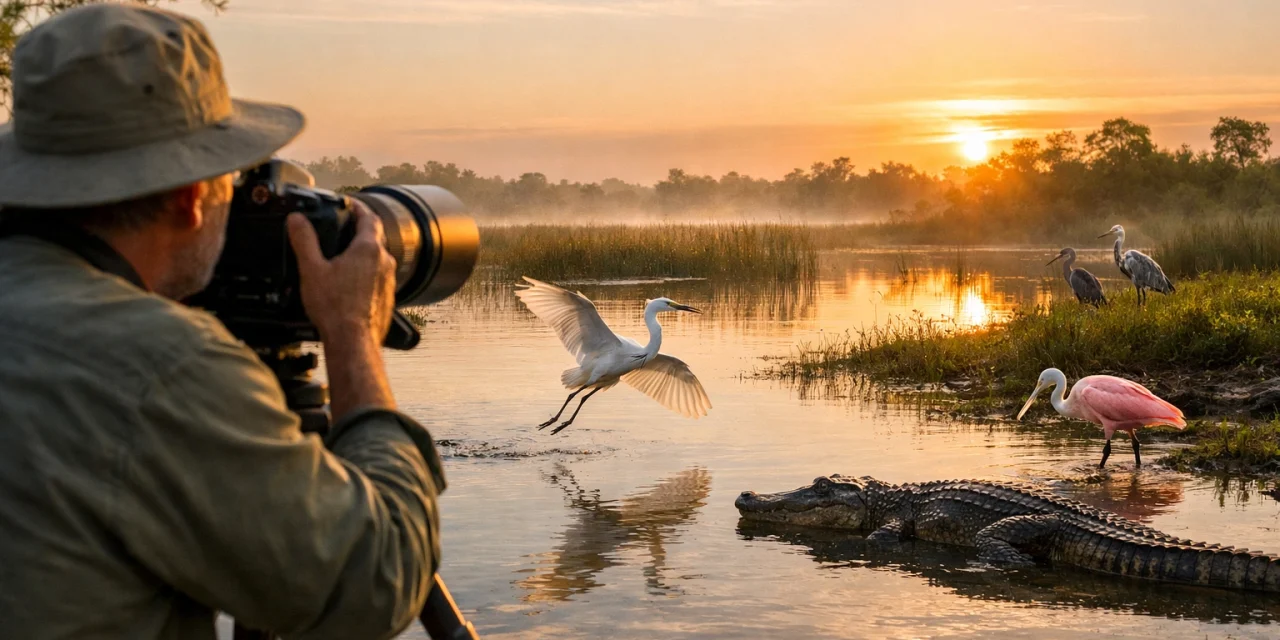
There is a specific kind of magic that happens in the Florida Everglades just before the sun breaks the horizon. The air is thick with the scent of damp sawgrass, and the only sound is the distant, rhythmic "whoop" of a Barred Owl or the low grunt of an alligator. As the sky turns from a deep indigo to a bruised purple and finally a fiery orange, the "River of Grass" wakes up.
For a photographer, this isn't just a landscape; it’s a playground of light, shadow, and prehistoric beauty. But let’s be real: the Everglades is also massive, intimidating, and, if you don't know where you’re going, a little bit frustrating. That is exactly why wildlife photography tours are the secret weapon for anyone serious about coming home with "the shot."
Whether you’re a seasoned pro or just picked up your first mirrorless camera, this guide will walk you through everything you need to know to succeed on an Everglades photography tour.
Why a Photography Tour is a Game Changer
You might be thinking, "Edin, can’t I just drive down to Shark Valley and walk the loop?" Sure, you can. And you’ll see some gators. But there is a world of difference between a "tourist" experience and a "photography" experience.
Most Everglades tours are built for volume: getting as many people as possible out to see a gator and get back to the gift shop. Photography tours are different. They are led by people who understand light, composition, and animal behavior.
When you book a dedicated photography tour, you aren't just paying for a boat ride; you’re paying for positioning. A great guide knows exactly where the Roseate Spoonbills are nesting and, more importantly, how to position the boat so the morning light hits their pink feathers just right. They understand the "fly-off": that moment at sunrise when hundreds of birds leave their roost at once: and they’ll make sure you’re framed and ready before it happens.

Choosing the Right Vessel: From Pole Boats to Airboats
The type of boat you choose will completely change the kind of photos you take. In the Everglades, you have a few main options:
The Traditional Pole Boat
If you want the most intimate, stable experience, the pole boat is king. These are flat-bottomed boats that the guide pushes through the shallow water using a long pole. Because there is no engine noise, you can get incredibly close to wildlife without spooking them. They are stable enough to set up a tripod, which is a lifesaver when you’re shooting with a heavy 600mm lens.
Power Boats and Skiffs
For covering more ground, especially in the Ten Thousand Islands area or out toward Flamingo, a small power boat is necessary. These allow you to find manatees, dolphins, and crocodiles that inhabit the more brackish waters.
Kayaks and Canoes
For the adventurous soul, a kayak lets you get eye-level with the water. This perspective is stunning for bird photography, but it requires a lot of gear management. If you’re worried about your gear getting wet, you might want to check out our essential photography gear recommendations for waterproof storage.
What You’ll Be Shooting: The Everglades "Big Three"
While there are over 350 bird species in the Everglades, most photographers come for a few iconic subjects.
1. The Birds
The stars of the show are the Roseate Spoonbills, Great Blue Herons, and the elusive Reddish Egret. If you’re lucky, you might even spot a Snail Kite. The key here is capturing behavior: feeding, preening, or the "dancing" display of an egret.
2. The Alligators (and Crocodiles)
You can’t go to the Everglades and not photograph an alligator. The trick is to look for details. Instead of a wide shot of a gator on a bank, try zooming in on the eye or the texture of the scales. If you head toward the saltwater sections, you might even find the American Crocodile, which is a rare treat.
3. The Landscapes
Don't get so focused on the animals that you miss the environment. The cypress domes and mangrove tunnels are hauntingly beautiful, especially when the mist is rising off the water at dawn.

Essential Gear for the Glades
The Everglades is a harsh environment for camera gear. It’s humid, salty, and buggy. Here is what you need to bring:
- Long Glass: A lens in the 400mm to 600mm range is standard for wildlife. If you’re shooting on a crop sensor, a 100-400mm works wonders.
- A Second Body: I always recommend having a second camera with a wider lens (like a 24-70mm) ready to go. You don't want to be swapping lenses in a swamp when a landscape opportunity hits.
- Stability: A sturdy tripod or a monopod is essential, especially if you’re on a pole boat.
- Protection: Rain covers for your camera and plenty of lens cloths. The humidity will fog your glass the second you step out of an air-conditioned car.
If you are looking to upgrade your kit before your trip, take a look at our camera reviews 2024 to see what’s currently leading the pack for wildlife performance.
Timing is Everything: Seasonality and Light
The Everglades changes drastically depending on when you visit.
The Dry Season (November – April): This is the prime time for wildlife photography. As the water levels drop, the fish get concentrated into smaller pools, which creates a "buffet" for the birds. This is when you’ll see the highest density of wildlife. It’s also much more comfortable for humans (fewer mosquitoes!).
The Wet Season (May – October): This is for the landscape lovers. The clouds are dramatic, the sunsets are world-class, and the greenery is lush. However, the wildlife is more spread out, and the bugs can be legendary.
Regardless of the season, your tour should start before sunrise. The "Golden Hour" in the Everglades is fleeting, and you want to be in position before the light gets too harsh.

Preparing for Success: The Professional Edge
One of the biggest mistakes photographers make is showing up without a plan. You can have the best guide in the world, but if you’re fumbling with your settings when a Spoonbill takes flight, you’ll miss the shot.
Before you head out, practice your "birds in flight" (BIF) tracking at a local park. Get comfortable with your back-button focus and your burst modes. The Everglades moves faster than you think.
If you want to arrive fully prepared with the best spots, settings, and local secrets already in your pocket, you need to check out the Everglades Photography Guide. I put this guide together to give you the exact coordinates and techniques I use when I’m out in the field. It’s the perfect companion to any tour, ensuring you aren't just "getting lucky" but actually making great images.
Respecting the Environment
We are guests in the Everglades. A good photography tour will always prioritize the welfare of the animals. Never encourage a guide to bait wildlife or get so close that the animal changes its behavior. The best photos are the ones where the animal looks natural and undisturbed.
By choosing reputable guides through a solid photography booking experience, you ensure that these ecosystems stay protected for the next generation of shooters.

What’s Included in a Typical Tour?
Most high-end wildlife photography tours in the Everglades will include:
- Expert Instruction: One-on-one help with your camera settings and composition.
- Logistics: The boat, the fuel, and a guide who knows the tides and weather patterns.
- Scouting: Guides spend their days monitoring where the birds are nesting so you don't have to hunt for them.
Prices can range from $250 for a half-day to $3,000+ for multi-day intensive workshops. If you’re traveling from far away, these workshops are often worth the investment because they include transportation and multiple ecosystem visits.
Conclusion
The Everglades is one of the most challenging and rewarding places on earth to be a photographer. It’s a place that requires patience, a bit of sweat, and a lot of respect. But when you’re sitting on a quiet boat, watching the sun hit the wings of a Great White Heron as it takes off across the water, you’ll realize why we keep coming back.
Don't leave your trip to chance. Do your research, book a guide who knows the light, and grab your copy of the Everglades Photography Guide to make sure you’re ready for the trip of a lifetime.
For more tips on capturing the world through your lens, feel free to explore our latest articles at Photoguides or see my personal gallery of Florida wilderness at Edin Fine Art.
Happy shooting, and I’ll see you out in the marsh!














